
REVIEW · TANZANIA CAMPING AND BUDGET SAFARIS
6 Days in the Wild – A Budget Safari Across Tanzania’s Icons
Big cats, hot springs, and coffee culture. This budget safari strings together Tarangire, Serengeti, Ngorongoro, Lake Manyara, plus a swim at Chemka Hot Springs and a Materuni coffee experience. I like the small group size and the chance to get close to wildlife, and I also like the extra day-off feeling after safari, when you’re cooling off in mineral waters like Chemka.
What makes it work is the mix of long wildlife days and more human-scale moments. You’re not only stuck on game drives, you also visit a Maasai boma for hands-on cultural activities, then you walk to Materuni Falls and eat a traditional Chagga lunch. If your guide team includes Simba, you’ll probably get that calm, hard-earned spotting skill that keeps everyone focused and moving toward sightings.
One consideration: this is a full schedule starting early, with driving days and early game drives that can feel long. If you hate mornings or you prefer downtime, this trip will push you, but it also gives you a lot of iconic Tanzania in just 6 days.
In This Review
- Key highlights worth knowing before you go
- How this 6-day budget safari runs from Arusha
- Day 1 at Tarangire National Park: elephants and river life
- Days 2 and 3 in Serengeti: migration country and Big Five chances
- Day 4 at Ngorongoro Crater: Big Five theater plus Maasai culture
- Day 5 at Lake Manyara: tree-climbing lions and birdwatcher heaven
- Day 6 reset day: Chemka Hot Springs and Materuni waterfalls and Chagga lunch
- Group size, guides, and the feeling of staying safe
- Price and value: $1,300 that tries to cover the big costs
- What to pack and how to handle a safari that moves fast
- Who this safari is best for, and who should think twice
- Should you book this Tanzania safari circuit?
- FAQ
- What time does the tour start?
- Where is the meeting point in Arusha?
- How long is the safari?
- How large is the group?
- What meals are included?
- Is pickup included?
- What is not included in the price?
Key highlights worth knowing before you go
- Big Five targeting in Serengeti and Ngorongoro with game drives planned to maximize chances
- Tarangire elephant herds and river-fed wildlife during drier months
- A real Maasai boma visit, including singing and dancing, herding, and fire-making
- Lake Manyara’s tree-climbing lions plus strong birdwatching
- Chemka Hot Springs time to swim after hot safari days
- Materuni Waterfalls and coffee culture with a Chagga lunch and a walk to the falls
More camping safaris at this price
- 4 Days Group Camping Safari★ 5.0 · 1,101 reviews
- 5 Days Group Camping Safari★ 5.0 · 730 reviews
- 3 Days Serengeti & Ngorongoro Group Camping Safari★ 5.0 · 574 reviews
- 5 Days Camping Tarangire, Serengeti & Ngorongoro crater & Visiting Maasai★ 5.0 · 229 reviews
How this 6-day budget safari runs from Arusha
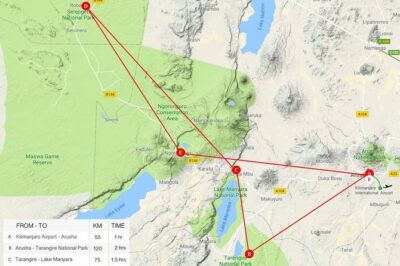
You’ll start in Arusha, with pickup offered from your meeting point at Meru House Inn and a 6:00 am start time. Expect private transportation, and the tour is built around efficient driving between parks so you can fit multiple “icons” into a short window.
Group size is capped at 7 travelers, which is a big deal in safari terms. Smaller groups usually mean less crowding, better attention from the guide, and a smoother rhythm when wildlife changes the plan fast.
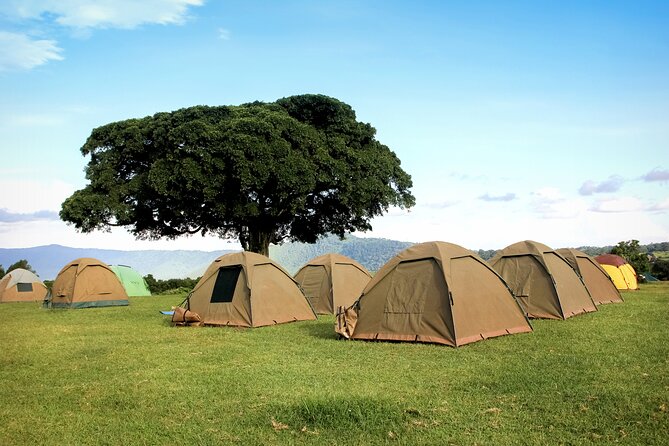
This is also a trip with a clear rhythm: early game drive, lunch in the park or provided meals, then an overnight. Nights include Fig tree lodge on the first night, Seronera Campsite for Serengeti, and then a hotel back in Arusha after Ngorongoro. That mix keeps the safari nights inside the action without turning the trip into a luxury-only experience.
Day 1 at Tarangire National Park: elephants and river life
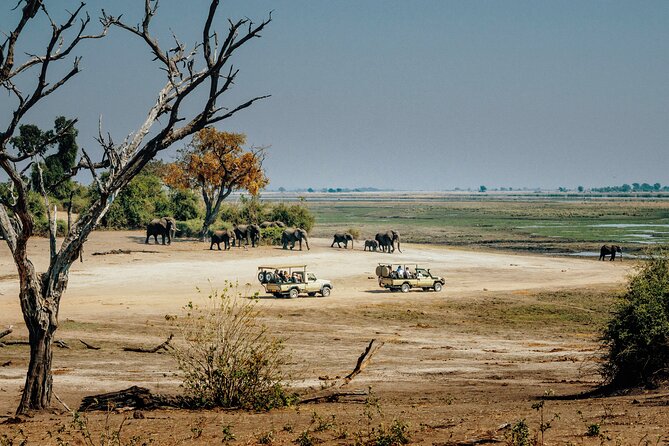
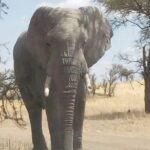
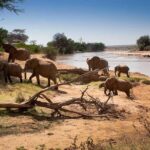
Tarangire is the warm-up you’ll remember. After breakfast, you drive for about 2 hours to the park, and you’ll spend a long stretch searching out wildlife around savanna, seasonal swamps, and the Tarangire River.
The reason Tarangire is so highly regarded is timing. During the dry season, the river area pulls animals in, which increases your odds of seeing big herds, not just a scattered few. You can expect a strong chance of elephants, plus giraffes, zebra, wildebeest, buffalo, and more.
Open-roof vehicle time matters here. It gives you better sightlines and cooler air while you watch elephants feed and move, and it helps when you want clear photos. Pack for dust and sun, because Tarangire can be bright and dry.
A practical downside of day 1, like any park start, is fatigue. Starting early and driving 2 hours means you’ll want a quick-set routine for water, sunscreen, and snacks even if your meals are provided.
Days 2 and 3 in Serengeti: migration country and Big Five chances
Serengeti is the main event. You’ll head in after breakfast, spend time on game drives with picnic lunches, and then have dinner and overnight at Seronera Campsite. It’s also where you’re chasing the drama of the Great Migration, and where the park’s scale makes everything feel cinematic.
Two days in Serengeti is a smart choice for a short safari. Many trips rush through with only one drive day, but here you get a bigger window to catch different animal movement patterns. One day is more about getting out at the right times and scanning hard, and another is a full day rhythm that helps you stay locked onto sightings.
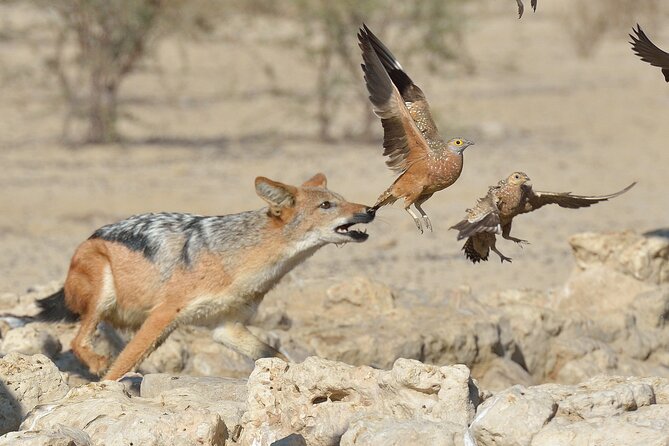
On the wildlife side, the focus is on predator-prey action and Big Five searching. That means you’ll often sit and watch, not just drive fast, because predators and prey don’t always appear on schedule. Your best tool is the guide’s ability to read tracks and decide when to reposition.
Serengeti is also not only mammals. You’ll likely notice smaller life once you slow down: you can spot lizards, rock hyraxes, and birds around kopjes, plus dung beetles doing their job on the ground. That matters because it keeps the day interesting even when a leopard or lion is being stubbornly invisible.
If you want one practical tip for Serengeti: bring patience more than gadgets. The moments that feel magical are usually the ones where the group settles, the guide explains what you’re seeing, and you watch for change.
Day 4 at Ngorongoro Crater: Big Five theater plus Maasai culture
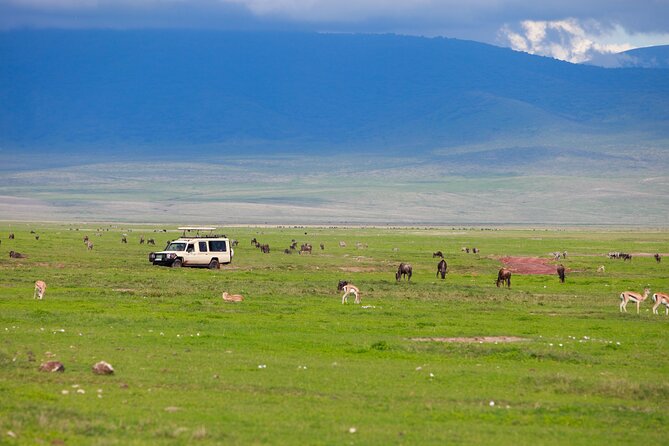
Ngorongoro Crater has a different feel from the open plains of Serengeti. You’ll start with a hot breakfast, then you go to a local Maasai boma for a culture visit before the wildlife portion.
This boma experience is more than a photo stop. You can learn about Maasai pastoral life and join in activities such as singing and dancing, herding cattle and goats, milling cattle, and even making fires with animal dung and acacia trees. You’ll also have time to take photos and purchase authentic Maasai handcrafts.
From a values standpoint, I like this approach because it treats culture as part of the region’s daily reality, not just a scripted performance. It also breaks up the intensity of a wildlife descent into something more grounded.
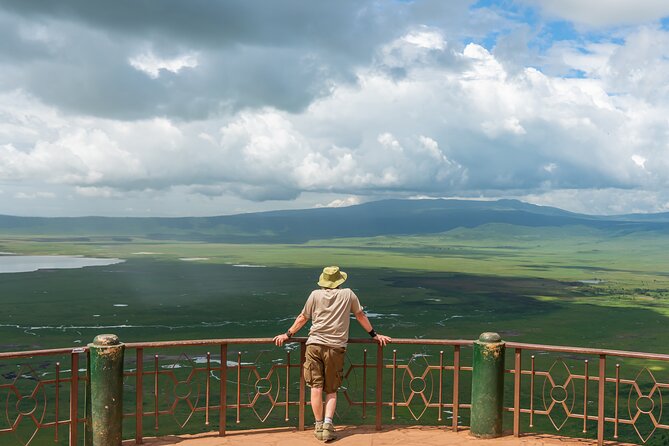
Then you switch into crater mode. You’ll descend to the crater floor and look for close encounters, with an emphasis on the Big Five and other species in a dramatic bowl-like wildlife setting. The crater’s protected nature means wildlife viewing can be extremely concentrated compared to open country.
Two realities to keep in mind. First, the day has a lot packed in, so you’ll need to stay flexible. Second, wildlife in Ngorongoro can feel “on display,” but it’s still nature, so sightings are never guaranteed on any single schedule.
Day 5 at Lake Manyara: tree-climbing lions and birdwatcher heaven
Lake Manyara is a short drive day, and it’s a welcome change of pace after several full safari blocks. You’ll head from Arusha to the park in about 30 minutes, then spend a few focused hours on game viewing.
Here’s what people love: tree-climbing lions. They can lounge in acacia trees, and when the light hits just right, you get those classic “lion in the branches” moments that look unreal. You’ll also be looking for other animals like elephants, giraffes, and zebras.
Birdlife is a big bonus at Lake Manyara. Expect a lot of color and motion around the lake and shoreline, including flamingo flocks and birds like the lilac-breasted roller. If you like wildlife beyond the Big Five, this park gives you more variety without requiring a full day of searching.
Lunch is served in the park at 1300 hours, then you return to Arusha in the afternoon. That timing is helpful if you’re trying to stay rested and not always feel rushed.
The only drawback is that you do not have the time to do Lake Manyara like a dedicated two-day stay. You’ll get a satisfying visit, but if you’re a hardcore birder who wants long walks and nonstop observation, you might want extra time in the area.
Day 6 reset day: Chemka Hot Springs and Materuni waterfalls and Chagga lunch
Day 6 is built for recovery. First up is Chemka Hot Springs (also known as Kikuletwa Hot Springs), in the Kilimanjaro region. The springs are described as crystal-clear and surrounded by lush vegetation, and the big payoff is that you can swim in warm, mineral-rich water.
This is not just a scenic break. After heat, dust, and long car time, a real swim gives your body a chance to reset, and it makes the safari feel complete. Even if you don’t swim long, the change of pace is the point.
Next you head to Materuni Waterfalls. You start from Arusha after breakfast, then go to the falls area and walk roughly 40 minutes. Your guide will share context on village life and the surrounding flora and fauna along the way, and with luck you might catch views toward Kilimanjaro’s summit.
At the falls, there’s a pool at the bottom that you can swim in, so pack swimwear even if you’re not sure you’ll use it. Then you head back slowly to Materuni village for a traditional Chagga lunch.
I especially like that last part because it’s not a generic “lunch stop.” It connects the walking experience to food and everyday life, and it makes the day feel like a Tanzania cultural moment, not only an activity.
Group size, guides, and the feeling of staying safe
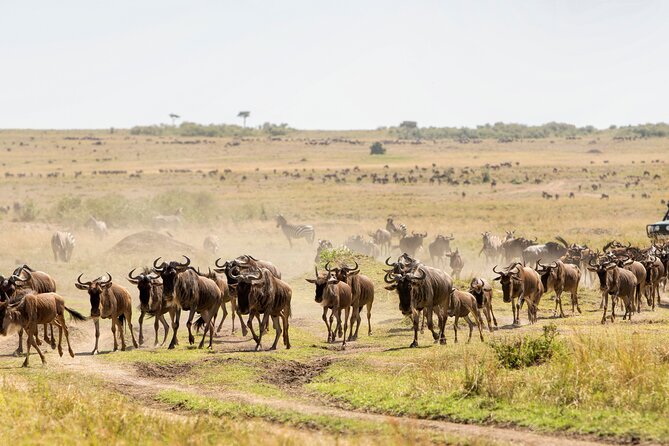
Small groups matter in Tanzania. With a maximum of 7 travelers, you get the benefit of focused guidance. One of the most praised parts in the feedback is how guides kept everyone close to the action, including named guides like Simba.
Communication also seems to matter for this operator. People mention Shebbie as extremely helpful with trip logistics and communication, which matters when your day starts at 6:00 am and you need smooth pick-up and timing.
You may also encounter driver and chef support that makes the trip feel organized. In the feedback, names like Amiri (driver) and Salim (chef) come up with the kind of praise that signals steady, practical teamwork behind the scenes.
A quick reality check: safari is always a team effort. If you’re flexible, polite, and ready for schedule changes when wildlife shifts, the trip tends to feel smoother.
Price and value: $1,300 that tries to cover the big costs
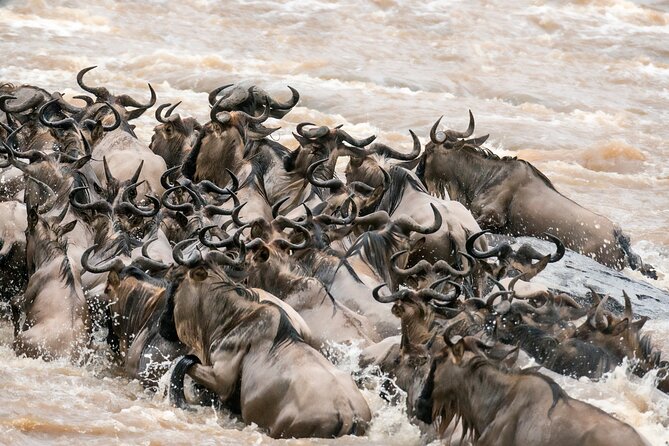
At $1,300 per person, this is positioned as an affordable route through Tanzania’s most famous wildlife areas. The value question is simple: does the price cover what usually causes budget trips to go over?
Here, it does a lot. The tour includes private transportation, all fees and taxes, a professional English guide, and meals. You get breakfast (5), lunch (6), and dinner (5), which helps you avoid the common “extra meal bills” that quietly grow on multi-day safaris.
It also includes admission tickets in some activity blocks, and the included-fees structure suggests park entry and key activity fees are handled. That’s important because park costs are not trivial, and you don’t want to arrive and realize you still owe for major entrances.
What is not included is also clear: tips, international flights, and personal items. That means your real out-of-pocket costs are usually the extras, not the core safari.
Also note: you can book with free cancellation up to 24 hours before the start for a full refund. If you’re comparing options, this gives you some breathing room.
What to pack and how to handle a safari that moves fast
This kind of safari rewards comfort. You’ll start early, ride in a safari vehicle for long stretches, and then end days with dinners and overnights. Add in a hot springs swim and a waterfall walk, and your packing list needs to cover both wildlife and water time.
I’d pack for:
- Sun and dust: sunglasses, sunscreen, and a hat for early drives
- Dry comfort: breathable layers for mornings, plus something warmer for early hours if you get chilly
- Swimwear and a quick-dry towel for Chemka Hot Springs and Materuni
- A day bag for water and small essentials during park drives
Also consider photography. Open-roof vehicle days can be great for shots, but dust gets everywhere. Bring a cleaning cloth for lenses and keep your phone or camera gear in a safe pocket.
Finally, plan your expectations. This is not a slow travel safari. It’s a focused circuit with a lot of “icon” time, so go with an open mind and accept that the day moves.
Who this safari is best for, and who should think twice
This tour fits best if you want:
- A short 6-day sampler of Tanzania’s major parks
- A balance of wildlife and culture, including a Maasai boma plus Materuni and coffee-related experiences
- A small group setting (up to 7) that feels more personal
- Value that includes meals and fees, not a price that turns into add-ons
You might think twice if you:
- Need lots of downtime and hate long driving days
- Are very sensitive to early starts, since 6:00 am pickup timing starts the rhythm
- Want a luxury-only lodge style experience throughout, since nights include campsite and lodge rather than only high-end camps
The good news: the trip includes a built-in recovery day with Chemka Hot Springs, so you’re not only pushing through wildlife fatigue.
Should you book this Tanzania safari circuit?
I’d recommend it if you’re aiming for real wildlife time, especially if seeing Big Five species is on your checklist and you’re open to a busy but well-organized schedule. The price looks fair for what you get, since meals, guide time, private transport, and fees are wrapped into the cost.
It’s also a strong pick if you like trips that don’t stop at game viewing. The Maasai boma visit, the Materuni walk, the Chagga lunch, and the Chemka swim give you texture beyond animals.
My only “wait” note is schedule stress. If you know you feel miserable on early mornings and long drives, choose a slower safari instead. But if you can handle a full rhythm, this is a compact way to experience multiple Tanzanian icons without turning your budget into a guessing game.
FAQ
What time does the tour start?
The experience starts at 6:00 am.
Where is the meeting point in Arusha?
The meeting point is at Meru House Inn, on Sokoine Rd in Arusha (Meru House Inn address is listed with the nearby code JMGJ+9QF).
How long is the safari?
It runs for 6 days (approx.).
How large is the group?
The tour has a maximum group size of 7 travelers.
What meals are included?
Meals included are breakfast (5), lunch (6), and dinner (5).
Is pickup included?
Yes, pickup is offered, and the tour uses private transportation.
What is not included in the price?
The tour does not include tips, international flights, and personal items.
More Under Canvas
- 4 Days Group Camping Safari
★ 5.0 · 1,101 reviews - 5 Days Group Camping Safari
★ 5.0 · 730 reviews - 3 Days Serengeti & Ngorongoro Group Camping Safari
★ 5.0 · 574 reviews - 5 Days Camping Tarangire, Serengeti & Ngorongoro crater & Visiting Maasai
★ 5.0 · 229 reviews - 5 Days Budget Private Safari, Tanzania
★ 5.0 · 191 reviews
Just added from around Arusha
Tanzania Camping and Budget Safaris, compared.
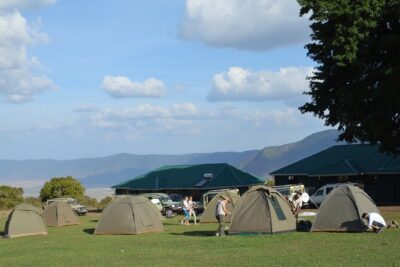 ★ 5.04 Days Group Camping SafariFrom $9001,101 reviews
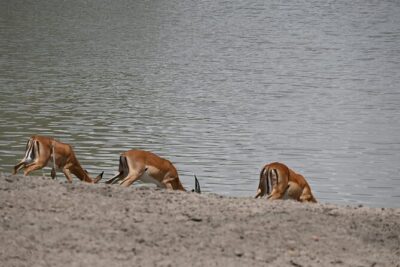 ★ 5.05 Days Group Camping SafariFrom $1,100730 reviews
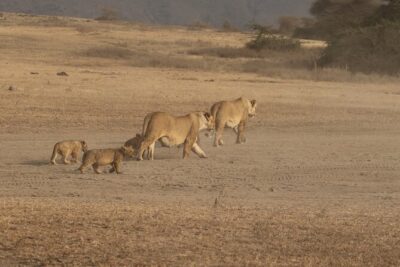 ★ 5.03 Days Serengeti & Ngorongoro Group Camping SafariFrom $815574 reviews
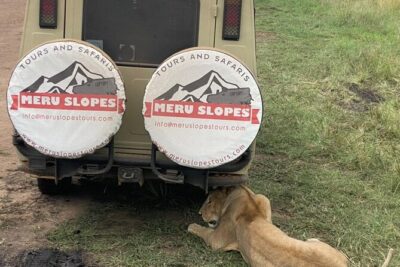 ★ 5.05 Days Camping Tarangire, Serengeti & Ngorongoro crater & Visiting MaasaiFrom $1,254229 reviews
 ★ 5.05 Days Budget Private Safari, TanzaniaFrom $0191 reviews
 ★ 5.06 Days Private Budget SafariFrom $2,300163 reviews
 ★ 5.02 Days Tarangire and Ngorongoro Group Camping SafariFrom $550146 reviews
 ★ 5.06 Days Tanzania Budget Camping SafariFrom $1,600145 reviews
Browse the lists this tour appears in