
REVIEW · BIG FIVE AND GAME DRIVE SAFARIS
6 Days Essence of Tanzania Wildlife Safari
When you want wildlife icons without rushing, this safari fits the bill. The trip strings together Lake Manyara, Serengeti, Ngorongoro Crater, and Tarangire into a classic Northern Safari Circuit that makes sense for first-timers and repeat visitors alike.
I especially like how it focuses on the big wildlife moments, from tree-climbing lions and flamingos at Lake Manyara to the Serengeti’s famous Great Migration season. I also like the level of organization, with pickup offered, private transportation, and a smooth, well-run flow that keeps you out of logistics headaches and in game-view mode.
One drawback to consider is that you are moving every day, so if you hate early starts and long drives, this might feel like a lot of motion rather than a slow-and-lazy safari.
In This Review
- Key highlights worth planning around
- Moshi Start, Kilimanjaro Views, and a Calm Day 1
- Lake Manyara: Tree-Climbing Lions, Flamingos, and Rift Valley Drama
- Serengeti Plains: Open Country and the Great Migration Timing
- A Second Serengeti Day: More Plains, More Chances
- Ngorongoro Crater: A UNESCO Bowl for Dense Big Game
- Tarangire: Elephant Families by the River and Serious Bird Time
- Service, Guides, and What the Comfort Means in Real Life
- Price and Value: What You’re Really Paying For
- Who This Safari Is Best For, and Who Should Reconsider
- Should You Book the 6-Day Essence of Tanzania Wildlife Safari?
- FAQ
- Where does the safari start?
- Is pickup included?
- How long is the safari?
- Which parks are included?
- Are meals included in the price?
- What does the price include?
- What is not included?
- Is this a private tour?
- What is the cancellation window?
Key highlights worth planning around
- Tree-climbing lions and huge birdlife at Lake Manyara, plus a strong chance at pink flamingos in the right season
- Serengeti grasslands and migration timing, where rainfall patterns drive what you see
- Ngorongoro Crater as a concentration zone, with dense large mammal populations in a UNESCO setting
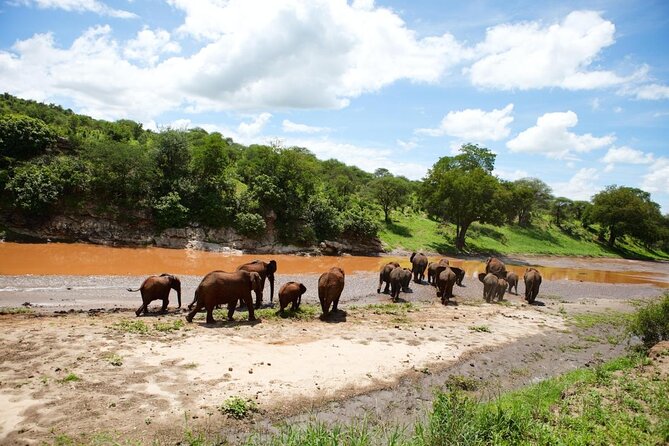
- Tarangire’s elephant families gathering by the Tarangire River during the dry season
- Private safari feel, with private transportation and your group only
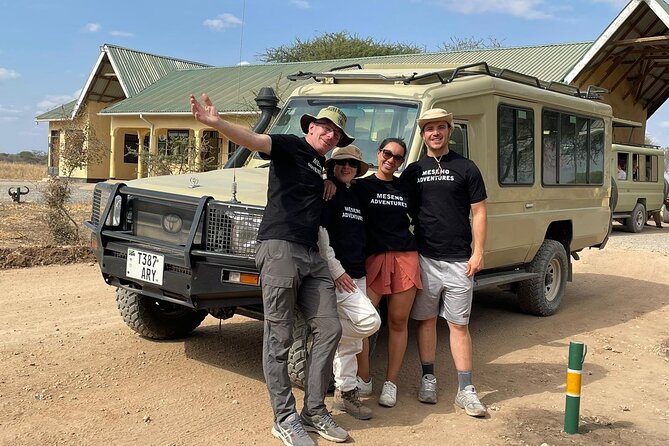
- Good service reputation, with the name Sam showing up in feedback for organization and insider game-drive tips
Longer northern circuit routes, side by side
- Big Five Safari In Tanzania★ 5.0 · 99 reviews
- Unforgettable Tanzania Safari And Zanzibar Beach★ 5.0 · 97 reviews
- 8-Day Essence of Tanzania Safari – Luxury★ 5.0 · 72 reviews
- 4-day Tanzania Safari★ 5.0 · 53 reviews
Moshi Start, Kilimanjaro Views, and a Calm Day 1
Your safari begins in Moshi, with pickup offered and the meeting point listed at Keys Hotel, Uru Road, Old Moshi. Day 1 is not a full park day. It’s about getting settled in your accommodation, then taking in a relaxed start before wildlife mornings begin in earnest.
On a sunny day, you may get a glance of the famous Kilimanjaro. That matters more than it sounds, because it helps you set the mood. You are in the right part of Tanzania, and the terrain around you starts to make sense.
Expect Day 1 to feel like a buffer. If you arrive earlier than your safari start, use that time to hydrate, sleep, and get your camera battery situation sorted. Day 2 is early.
Lake Manyara: Tree-Climbing Lions, Flamingos, and Rift Valley Drama
Lake Manyara is one of those places that rewards looking out of the car window, not just scanning the horizon. Early morning after breakfast, you head into the park for a full wildlife run, with the day listed at about 9 hours on the schedule.
Here’s what makes Lake Manyara special. The Rift Valley escarpment forms the dramatic western edge of the park, while to the east you have the shallow, alkaline Lake Manyara itself. The lake area floods and dries with the seasons, and during the rainy period it can host thousands of flamingos.
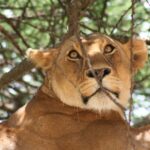
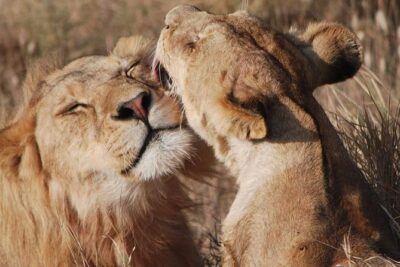
Also, Lake Manyara is known for tree-climbing lions. That’s not a gimmick. It is a real, park-specific behavior tied to the habitat structure here, and it gives you a different kind of lion experience than you might see on open plains.
Practical tip: bring binoculars if you have them. Birdlife is a major part of the park’s identity, and you’ll see more when you can focus on movement in branches and along the waterline. The included admission details in the schedule also mean you are not juggling extra park entry steps mid-trip.
A small consideration: Lake Manyara can feel more “nature-rich” than “mass-mammal dense.” You’re not necessarily chasing the biggest herd moments every minute. Plan to enjoy behavior, birds, and those one-off surprises like lions in unusual spots.
Serengeti Plains: Open Country and the Great Migration Timing
After Lake Manyara, the safari turns into a Serengeti story. You depart early morning for Serengeti National Park, with the day listed at about 10 hours. Serengeti is famous for the vast grasslands that allow for excellent wildlife viewing, and it is Tanzania’s oldest national park and one of the oldest ecosystems on Earth.
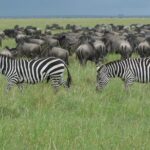
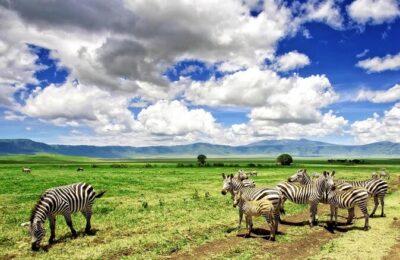
This park’s biggest star is the annual Great Migration. Wildebeest, zebra, and antelope move in a repeating pattern to find fresh grazing. The catch is that the timing depends on rainfall, so the exact “where and when” of river crossings and big herds can vary year to year.
You might see migration-related moments during this overall Northern Circuit plan, including ideas like calving areas in south Serengeti and Ndutu, and the possibility of dramatic crossings such as Grumeti and Mara River segments. But treat that as season-dependent. In practice, your guide will steer you toward what’s most active at the time you arrive.
Why this matters for your experience: you are not just driving past scenery. You are trying to meet a moving system. The best days feel like wildlife choreography, but they depend on the weather and the animals being where they need to be.
Practical tip: keep your expectations flexible. If you’re chasing one specific crossing moment and it’s not happening that week, you can still have a great Serengeti day because predator activity, grazing herds, and general migration ripple effects keep the plains alive.
More game drives with the same aim

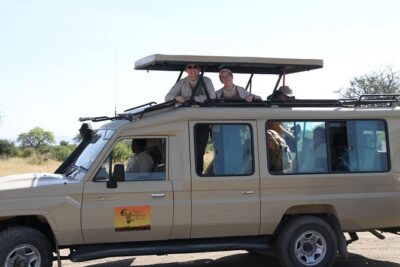
A Second Serengeti Day: More Plains, More Chances
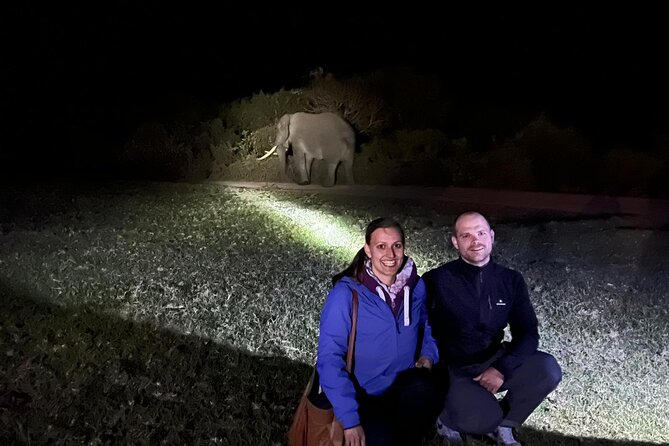
Day 4 is another Serengeti block, again listed at about 10 hours. The plan is straightforward: continue exploring, keep hunting for the views and big open-country sightings, and give yourself enough time that the day can turn into more than just a first impression.
This second day is more than “one more drive.” With wildlife, odds improve with time. You can see different herd groupings, different predator hunting patterns, and different light that changes how you spot animals in the distance.
This is also where your guide’s decision-making matters. A strong guide is not just driving. They’re reading the landscape, watching where animals are moving, and positioning you so you get views without turning your game drives into a stop-and-go frustration festival.
If you’re the type who wants variety, you’ll also appreciate that Serengeti is constantly shifting in mood. One afternoon might feel calm, then suddenly you see a cluster of activity, dust lifting, birds reacting, and suddenly the plain is doing something.
Ngorongoro Crater: A UNESCO Bowl for Dense Big Game
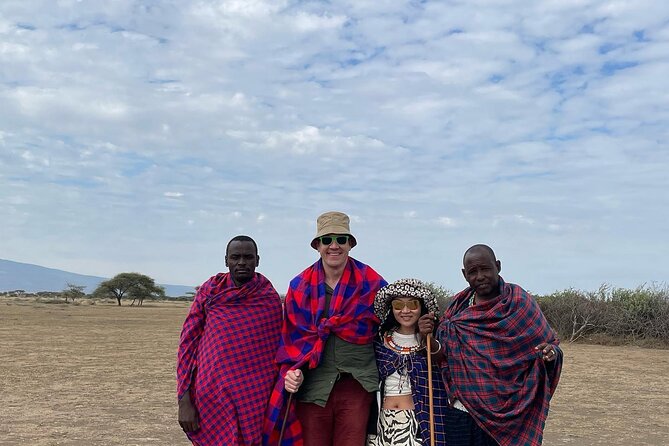
Ngorongoro Crater is the “wait, what is this place” stop. Early on Day 5, you continue with an en-route drive inside Serengeti before heading to the crater. The day is scheduled at about 10 hours.
When you first see Ngorongoro Crater, it can look like a forgotten world. The crater is the result of a volcano that exploded and collapsed two to three million years ago, creating steep walls that hide the wilderness below. Inside you get sweeping savannah, pockets of acacia woodland, and glistening lakes and swamps.
The big reason this stop belongs on a Northern Circuit safari is density. The crater is known for some of the densest large mammal populations in Africa. It’s also a UNESCO World Heritage site and home to the big “5” in this region, which gives you a concentrated shot at iconic species compared with wider open-area parks.
Practical consideration: crater days can feel long because the terrain and wildlife viewing can require extra attention. If you’re prone to motion sickness, take it seriously. Go easy on heavy meals before heading down, and plan for a day where you will focus on spotting animals in a bowl-shaped environment.
Value tip: Ngorongoro often gives you the kind of “everyone gathers here” feeling that open plains can’t always guarantee. Even when sightings are not perfect, the geology and the packed activity zones make the day feel memorable.
Tarangire: Elephant Families by the River and Serious Bird Time
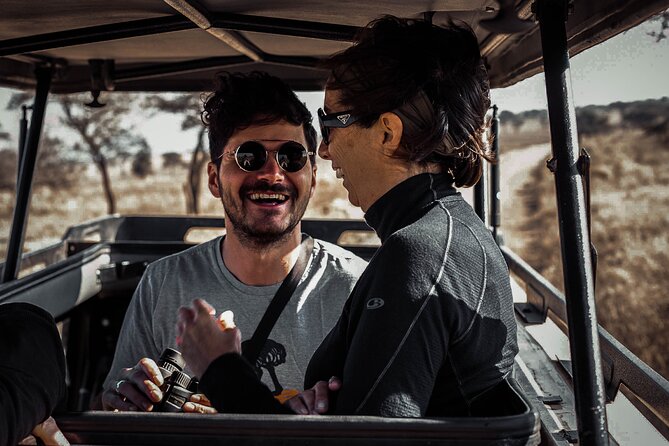
On Day 6, you head to Tarangire National Park early after breakfast, with the day set for about 10 hours. Tarangire gets its name from the Tarangire River, which runs through the park and becomes crucial during the dry season.
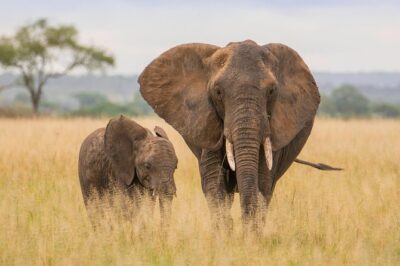
The key idea is simple. The river is the only reliable water source for wildlife in the region during dry months, so animals congregate. That’s why Tarangire is such a strong elephant park. The schedule also notes that elephant families can often be seen congregating by the river.
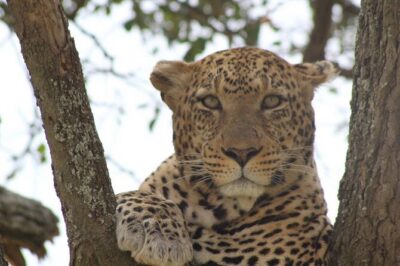
Tarangire is also known for giraffe and species like bushbuck and hartebeest. Predators can show up too, including lions and leopards. And if you’re into birds, this is one of the best fits in the itinerary. The provided info highlights that Tarangire has more breeding bird species than anywhere else on the planet, which is exactly why many safaris here feel extra satisfying even when mammal sightings are slower.
The day structure makes sense for value. After lunch, you get an extensive game drive, then you head back toward Arusha. The tour ends back at the meeting point listed at Keys Hotel, so plan for a transfer back to your starting area after the park day.
Practical tip: birding can be slow-looking work until you start spotting movement. Stay patient, ask your guide to point things out, and be ready for quick bursts of action when a bird alarms or a mammal steps into view.
Service, Guides, and What the Comfort Means in Real Life
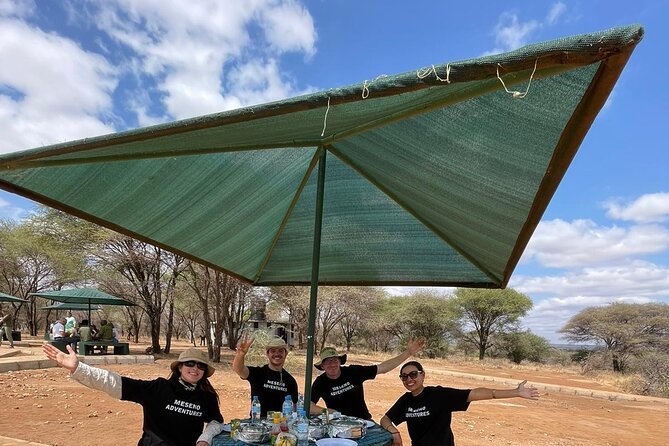
This safari is described as comfortable, but comfort is not just about soft beds. It’s also about how the day is run. The key inclusions show that the tour aims to remove friction: private transportation, all fees and taxes included, and meals built in so you are not scrambling for food between parks.
In the feedback provided, the guide experience comes up strongly. The name Sam is mentioned for organization, insider knowledge, and game-drive tips, and that kind of guiding adds real value. When your guide understands animal behavior and knows how to position you, you spend more time watching and less time waiting.
One more comfort detail from the feedback: you may travel with a private guide, chef, and car, and some people mention amazing apartments as part of their trip experience. Even if every accommodation detail varies by date and availability, the point is the same. The structure is meant to keep you taken care of day to day.
Price and Value: What You’re Really Paying For
At $2,725 per person, this is not a cheap safari. But it’s also not priced like you’ll be doing the hard parts yourself. What makes it feel like value is what’s bundled:
- All fees and taxes are included
- Private transportation is included
- Meals are included: breakfast (5), lunch (6), dinner (6)
You are also traveling over multiple major parks in a short time window. That means a lot of driving and multiple wildlife zones, so transportation costs can add up fast on your own.
What is not included is important to budget for:
- local flights
- health insurance
- visa fees
- guide tips and gratuities
One practical way to think about this price: you’re paying to trade uncertainty for planning. Instead of guessing park fees, arranging vehicles, and figuring out daily meal timing, you’re buying a pre-built rhythm.
If you’re the type who dislikes nickel-and-diming mid-trip, this layout will feel like money well used.
Who This Safari Is Best For, and Who Should Reconsider
This 6-day Northern Circuit is best for you if you want a tight lineup of Tanzania highlights: Lake Manyara, Serengeti, Ngorongoro, and Tarangire. It also fits well if you appreciate a guide who can translate what you’re seeing into something meaningful, not just a list of animal names.
It’s also a good match for families or multi-generational groups who want private control. This is listed as a private tour/activity with only your group participating, and that typically means you can move at a pace that works for your needs.
You might want to rethink if you want a super relaxed pace with minimal travel time. This schedule is packed, with most park days running around 9 to 10 hours, and you’ll be up early.
Should You Book the 6-Day Essence of Tanzania Wildlife Safari?
I’d book it if your priority is classic Northern Circuit variety, with a realistic chance at big wildlife moments and a strong guide setup. The itinerary structure gives you multiple bites at the Serengeti apple, which increases your odds of matching at least part of the migration story to what’s happening that week.
I would hesitate only if you know you hate long driving days or early mornings. If you handle that okay, this tour’s mix of Lake Manyara behavior, Serengeti movement, Ngorongoro density, and Tarangire elephant focus is a smart way to see a lot without needing multiple separate trips.
FAQ
Where does the safari start?
The tour starts at Keys Hotel, Uru Road, Old Moshi 0933, Tanzania.
Is pickup included?
Yes, pickup is offered.
How long is the safari?
The duration is 6 days (approx.).
Which parks are included?
You visit Lake Manyara National Park, Serengeti National Park (two days), Ngorongoro Crater, and Tarangire National Park.
Are meals included in the price?
Yes. The tour includes breakfast (5), lunch (6), and dinner (6).
What does the price include?
The tour includes all fees and taxes and private transportation, plus the meals listed above.
What is not included?
The tour does not include local flights, health insurance, visa fees, and guide tips and gratuities.
Is this a private tour?
Yes. It is listed as a private tour/activity, so only your group participates.
What is the cancellation window?
You can cancel up to 24 hours in advance for a full refund. If you cancel less than 24 hours before the start time, the amount paid is not refunded.
More Time in the Vehicle
- Big Five Safari In Tanzania
★ 5.0 · 99 reviews - Wildlife Safari Tanzania
★ 5.0 · 19 reviews - 5 Days Tanzania Safari – Migration and Big 5 Safaris
★ 5.0 · 14 reviews - 4 Days Game drives Safari Tarangire, Serengeti and Ngorongoro Crater
★ 5.0 · 14 reviews - From Moshi or Arusha: Serval Wildlife Sanctuary Trip
★ 4.9 · 14 reviews
Longer Trips Through the North
- Big Five Safari In Tanzania
★ 5.0 · 99 reviews - Unforgettable Tanzania Safari And Zanzibar Beach
★ 5.0 · 97 reviews - 8-Day Essence of Tanzania Safari – Luxury
★ 5.0 · 72 reviews - 7-Day Magical Tanzania Safari -Premium High End Package
★ 5.0 · 53 reviews - 4-day Tanzania Safari
★ 5.0 · 53 reviews
Just added from around Moshi
Big Five and Game Drive Safaris, compared.
 ★ 5.0Tanzania Simba Safari – 5 DaysFrom $2,897217 reviews
 ★ 5.0Living Among LionsFrom $3,872191 reviews
 ★ 5.0Big Five Safari In TanzaniaFrom $3,75099 reviews
 ★ 5.0Big Five Luxury Safari in TanzaniaFrom $2,90068 reviews
 ★ 4.3From Zanzibar: Nyerere National Park Game Drive with LunchFrom $55059 reviews
 ★ 5.0From Arusha: 6 Day Classic Game Drive Serengeti & NgorongoroFrom $2,86449 reviews
 ★ 5.04-Day Simba Safari – Mid Range TourFrom $2,17947 reviews
 ★ 5.05 Days 4 Nights Tarangire, Serengeti , Ngorongoro & Manyara Wildlife SafariFrom $2,60040 reviews
Browse the lists this tour appears in