
REVIEW · TANZANIA CAMPING AND BUDGET SAFARIS
6 Days Budget Tanzania Camping Safari
Camping under big sky wildlife sounds scary, in a good way. This budget camping safari trades hotel comforts for real closeness to the bush, with camp setup plus guards at night. I especially like that your rooftop-open 4×4 is built for animal spotting, and that your personal cook handles meals so you can focus on the views.
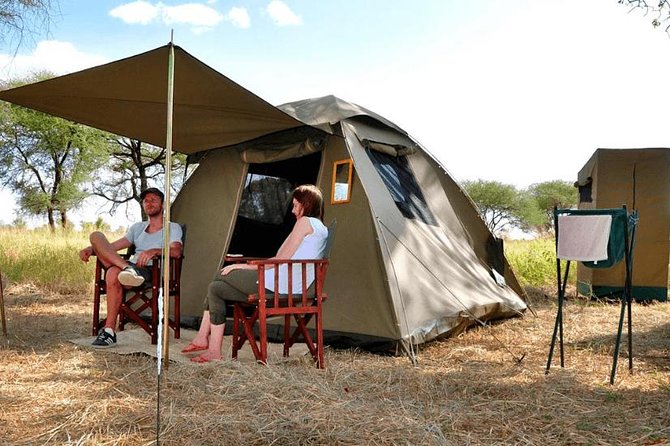
You do need to be comfortable with basic tent living and the fact that nights are spent out in the wild. Even with solar-heated showers, eco-friendly toilets, and sleeping gear provided, this is still roughing it compared to a lodge.
In This Review
- Key things I’d pay attention to before you book
- Why this 6-day budget camping safari feels different
- Arusha start at 8:30 and the practical flow of the trip
- Tarangire National Park: best for variety and campable mornings
- Lake Manyara: a full day that turns spotting into a skill
- Serengeti: sunset timing plus long game-drive days
- Moving to Ngorongoro Conservation Area, then dropping into the crater
- What camping comfort actually means here
- Transport in a rooftop-open 4×4, and why that changes the game
- Meals, timing, and how the days actually feel
- Price and value: how $1,780 lines up with what you get
- Who should book this camping safari, and who should think twice
- Final verdict: should you book Simba Adventures for this safari?
- FAQ
- Where does the safari start and end?
- What time does the safari start?
- How long is the safari?
- Which parks and sites are included?
- What’s included in the price?
- What’s not included?
- Do I need to bring camping gear like a tent or sleeping bag?
- Are airport transfers included?
- How many people are in the group?
- Can I participate if I am not in peak physical condition?
Key things I’d pay attention to before you book
- Solar-heated showers and eco-friendly toilets keep “camp life” more workable after long drives
- Rooftop-open 4×4 safari transport makes wildlife viewing easier when animals pop up close
- Tents, sleeping bags, and cots are provided, so your packing list can stay simple
- Small group size up to 6 travelers helps keep the day feeling flexible and personal
- Guides who track animals well, including names like Sadi and Saadi from past trips, make a big difference
- A dedicated cook (often credited by name like Modi) means you actually look forward to meals
More camping safaris at this price
- 4 Days Group Camping Safari★ 5.0 · 1,101 reviews
- 5 Days Group Camping Safari★ 5.0 · 730 reviews
- 3 Days Serengeti & Ngorongoro Group Camping Safari★ 5.0 · 574 reviews
- 5 Days Camping Tarangire, Serengeti & Ngorongoro crater & Visiting Maasai★ 5.0 · 229 reviews
Why this 6-day budget camping safari feels different
This kind of Tanzania safari is for people who like their travel with a little grit. You’re not just driving through parks, you’re sleeping in camps set up for you, watching the bush change after dark. The whole point is to get close to the places where animals live, not just visit them.
I like that the day-to-day rhythm is handled for you: transport, camp gear, and meals are organized so you’re not stuck juggling logistics. And the small group cap, up to 6 people, tends to make the experience feel more controlled, like your guide can actually manage the pace.
The biggest tradeoff is comfort level. Tent camping is not the same as a hotel bed, and you should mentally commit to simple, outdoor living. If you hate insects, hate early mornings, or need thick walls between you and the night sounds, this may feel like too much.
Arusha start at 8:30 and the practical flow of the trip
Most safari starts with a wake-up and an easy start, and this one begins at 8:30 am in Arusha. You also get airport pickup included, which matters because it removes one of the easiest ways a trip can go sideways.
The trip runs for about 6 days, with camping on the safari route. That means you’re not bouncing between towns for hotels, and you’re spending more time where the animals are.
You’ll be with a driver guide and a personal cook throughout. That single detail tends to shape the whole experience. A guide who knows the terrain helps you spend daylight where it counts, while a cook helps you keep energy up without hunting down food at random stops.
Tarangire National Park: best for variety and campable mornings
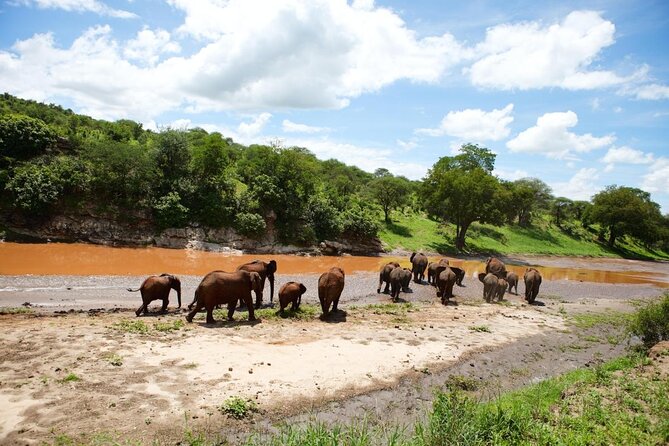
Tarangire is a great first stop because it has a different feel than the later parks. You drive out from Arusha in the morning and head straight into a game drive with a picnic lunch box. That setup is practical, it keeps your day from breaking into too many transitions.
I like starting here because it gives you a fast hit of what Tanzania wildlife looks like before you settle into the longer Serengeti stretch. Tarangire also tends to reward patient scanning, so spending a dedicated chunk of time early helps you get in the right mode.
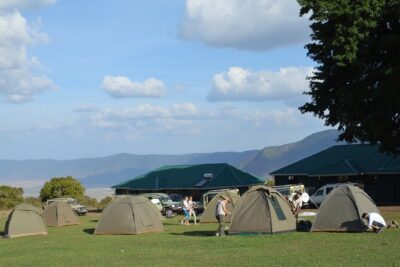
After the drive, you move into camp for dinner and overnight. This is where the “camping but not miserable” design shows up: tents, sleeping bags, and cots are provided, and camps have solar-heated showers plus eco-friendly toilets. There are also guards at night, which is an important reassurance when you’re sleeping close to the wild.
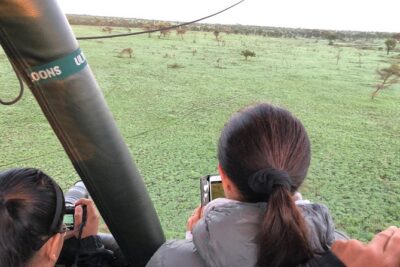
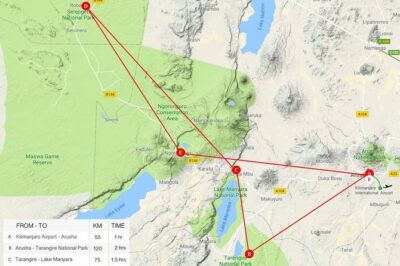
Lake Manyara: a full day that turns spotting into a skill
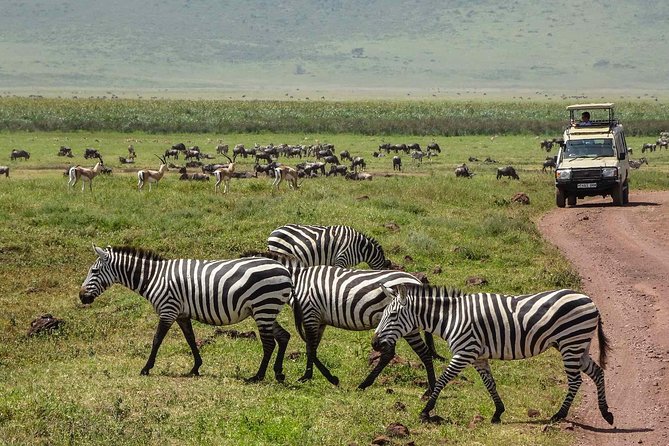
Lake Manyara comes with a full day of game driving after breakfast at camp. This is the kind of day that can either feel amazing or exhausting, depending on your expectations, and I suggest you aim for calm focus. Wildlife viewing works best when you give it time and accept that sightings can come in waves.
The big value here is the duration. A longer day gives your guide room to shift where and when you scan, instead of rushing from one quick stop to another. Since transport is in a 4×4 with a roof-top open for wildlife viewing, you can keep your attention up and your sightlines flexible.
You overnight again at the campsite, so you repeat the camp rhythm: dinner, sleep, then breakfast. That repetition matters because it keeps you from burning energy on constant travel logistics.
Serengeti: sunset timing plus long game-drive days
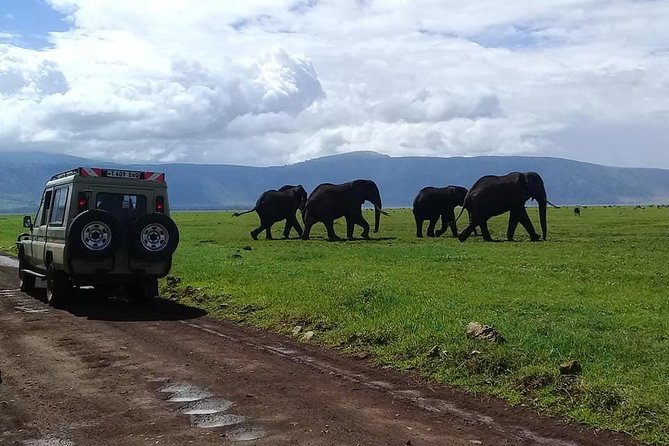
Serengeti is the centerpiece, and this safari gives you multiple bites of it instead of one quick pass. In the late-day portion, you get an afternoon and sunset game drive. I like this timing because the light changes quickly, and animal behavior often does too. It also keeps you from feeling like every day is a 12-hour grind.
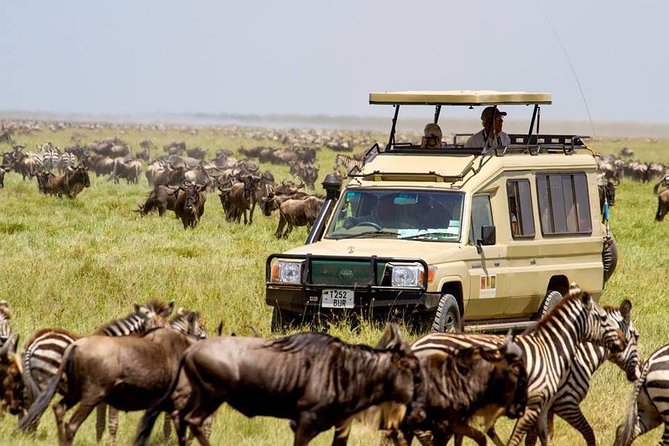
Then you get a full day game drive looking for herds of animals, including both migratory and non-migratory wildlife. This is a long day by safari standards, and it’s where a good guide really earns the money. The whole job is finding where animals are likely to be, not just driving around hoping.
On another half-day game drive later, you shift gears toward the Ngorongoro region. That mix helps you avoid total burnout. You still get serious time in the park, but the travel team keeps the overall pace realistic for tent camping.
I also appreciate the human element highlighted in past experiences: guides such as Sadi and Saadi have been praised for knowing where to find animals. That kind of skill turns game drives from driving exercise into actual wildlife encounters.
Moving to Ngorongoro Conservation Area, then dropping into the crater
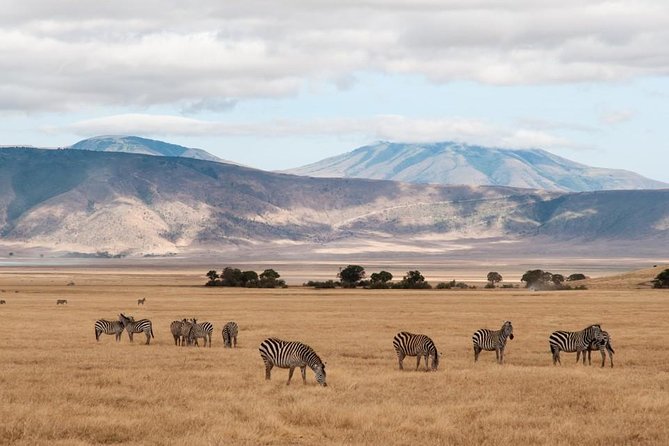
After a half-day Serengeti drive, you move into the Ngorongoro Conservation area for an overnight. This is a smart structure, because it sets you up for an early start the next morning. It also keeps the trip from feeling like one long loop with constant backtracking.
The big moment is the crater day. You have an early breakfast, then you enter the crater floor for a half-day game drive. Ngorongoro often feels like a wildlife bowl, with animals concentrated enough that a skilled guide can work the best angles.
After lunch, you drive back to Arusha. That final stretch can feel like a reset day. The good news is that you’re finishing with the most iconic scenery element built into the route, the crater game drive, and you’re not ending with another marathon drive before dawn.
What camping comfort actually means here
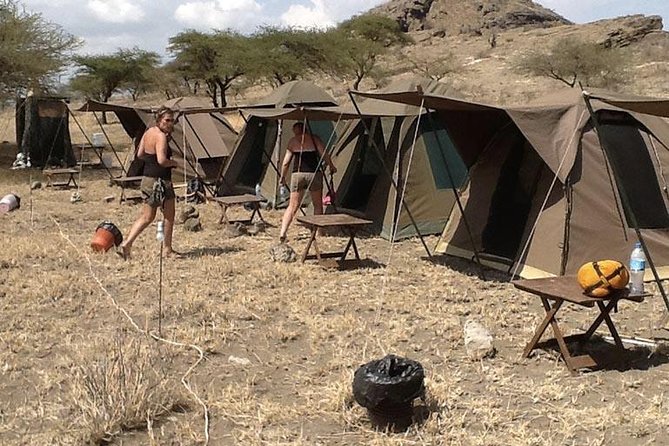
“Budget camping” can sound like discomfort, but the key is what is included. In this safari, you get all camping facilities, plus tents, sleeping bags, and cots. So you are not paying to rent gear or hauling it through airports.
Camps also have the essentials you’ll care about after long days: solar-heated showers, eco-friendly toilets, and guards at night. Those are not luxuries in a lodge sense, but they are practical upgrades that make the “roughing it” version of Tanzania feel livable.
Food is handled too. Your personal cook plans and prepares meals throughout the journey. In past experiences, the cook has been credited by name, like Modi, for making delicious meals for every day. When food is reliable, you don’t waste time thinking about where you’ll eat, and you sleep better.
One more practical note: mineral water is included. It’s a small thing, but it reduces the chance you end up rationing water because you didn’t plan.
Transport in a rooftop-open 4×4, and why that changes the game
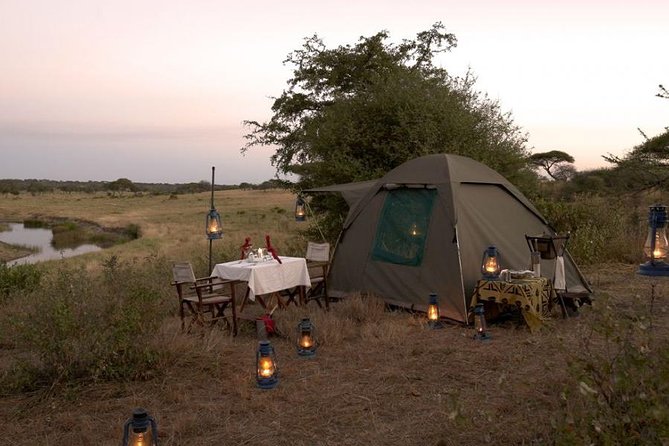
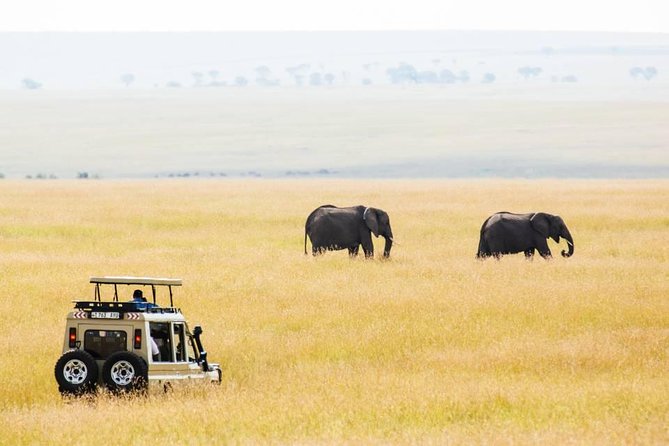
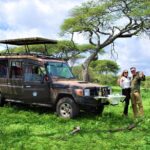
You move around in safari transport using a 4×4 with a roof-top open for wildlife viewing. That design matters because it improves your ability to look outward without awkward camera angles or cramped positions.
Game viewing is also easier when you’re not fighting the vehicle. A good driver knows how to position for sightlines, and the open roof helps you see over brush when animals appear unexpectedly.
This isn’t just about comfort. It affects how often you can actually spot wildlife quickly enough to appreciate it before it moves away.
Meals, timing, and how the days actually feel
The meal plan is straightforward: breakfast is included for 5 days, lunch for 6 days, and dinner for 5 days, plus mineral water. That structure means your energy stays steady, which matters when you’re doing long drives and want to stay alert for animal sightings.
Lunch being included most days is also a time-saver. Instead of hunting for food or losing an hour stopping somewhere random, you get a built-in rhythm. The picnic lunch box approach used early in the trip is exactly the kind of planning that makes safari days smoother.
Timing-wise, you’ll see days that are shorter and days that are longer. Full days in the parks can stretch to around 12 hours, so be ready for early starts and long stretches of being in “look for animals mode.”
Price and value: how $1,780 lines up with what you get
At $1,780 per person, this is a budget-friendly way to string together some of Tanzania’s top areas. The value is in the combination, not one feature alone.
You are paying for:
- Park time across Tarangire, Lake Manyara, Serengeti, and the Ngorongoro crater
- All camping facilities plus sleeping gear
- A driver guide and personal cook
- Safari transport in a 4×4 with rooftop access for viewing
- Meals (breakfast, lunch, dinner) and mineral water
- Airport pickup and transfers on this route
The “hidden” value for many people is that you do not have to coordinate camp setup, gear rentals, meal logistics, or daily transport separately. Those tasks eat time and energy, especially for first-timers.
What’s not included is also part of value math: you’ll need to budget for tipping, beverage drinks, and your travel insurance, plus you’ll likely want your own hotel in Arusha before or after the safari. If you already plan those items, the safari itself looks like a solid deal for a full wildlife circuit.
Who should book this camping safari, and who should think twice
This safari fits best if you:
- Want a real camping experience without carrying gear, because tents, sleeping bags, and cots are provided
- Prefer a smaller group pace, with a maximum of 6 travelers
- Are okay with outdoor basics, while still appreciating solar-heated showers and eco-friendly toilets
- Want top parks in a tight route, including Serengeti and the Ngorongoro crater
Think twice if you:
- Need lodge-level comfort and hate tent camping
- Struggle with long days in vehicles, since some days run close to 12 hours
- Have a very rigid schedule outside the safari dates, because you’ll be living inside the safari flow for the full stretch
If you’re traveling with students or young groups, the small group structure can work well because the team is focused on keeping days organized and manageable.
Final verdict: should you book Simba Adventures for this safari?
I’d book this if your dream is to feel like Tanzania is happening around you, not behind a window. The practical win is that it’s camping done with real support, you get a dedicated guide, and you get a cook who keeps meals reliable. The rooftop-open 4×4 also makes your wildlife time feel more efficient.
I wouldn’t book it if you’re chasing maximum comfort and minimum discomfort. This is a budget safari, and budget usually means you swap some hotel luxury for closer, more direct nature time.
If you’re curious about a straightforward, organized six-day loop with genuine wildlife focus, this one is a strong option.
FAQ
Where does the safari start and end?
It starts in Arusha, Tanzania, and it ends back at the meeting point in Arusha.
What time does the safari start?
The start time is 8:30 am.
How long is the safari?
It runs for approximately 6 days.
Which parks and sites are included?
You will visit Tarangire National Park, Lake Manyara, Serengeti National Park, and the Ngorongoro Conservation Area including a crater floor game drive.
What’s included in the price?
The package includes safari transport (4×4 with a rooftop open for wildlife viewing), a driver guide and cook, airport pickup transfers, all camping facilities, all accommodation on the safari route, mineral water, and meals (lunch, breakfast, and dinner as listed).
What’s not included?
Tipping, beverage drinks, travel insurance, and hotel accommodation in Arusha before or after the safari are not included.
Do I need to bring camping gear like a tent or sleeping bag?
No. Tents, sleeping bags, and cots are provided, so you mainly need your backpack.
Are airport transfers included?
Yes. Airport transfers are included, with pickup from the airport.
How many people are in the group?
The maximum group size is 6 travelers.
Can I participate if I am not in peak physical condition?
The information says most travelers can participate, but it also involves long game-drive days, so it’s best to consider your comfort with extended time on safari.
More Under Canvas
- 4 Days Group Camping Safari
★ 5.0 · 1,101 reviews - 5 Days Group Camping Safari
★ 5.0 · 730 reviews - 3 Days Serengeti & Ngorongoro Group Camping Safari
★ 5.0 · 574 reviews - 5 Days Camping Tarangire, Serengeti & Ngorongoro crater & Visiting Maasai
★ 5.0 · 229 reviews - 5 Days Budget Private Safari, Tanzania
★ 5.0 · 191 reviews
Just added from around Arusha
Tanzania Camping and Budget Safaris, compared.
 ★ 5.04 Days Group Camping SafariFrom $9001,101 reviews
 ★ 5.05 Days Group Camping SafariFrom $1,100730 reviews
 ★ 5.03 Days Serengeti & Ngorongoro Group Camping SafariFrom $815574 reviews
 ★ 5.05 Days Camping Tarangire, Serengeti & Ngorongoro crater & Visiting MaasaiFrom $1,254229 reviews
 ★ 5.05 Days Budget Private Safari, TanzaniaFrom $0191 reviews
 ★ 5.06 Days Private Budget SafariFrom $2,300163 reviews
 ★ 5.02 Days Tarangire and Ngorongoro Group Camping SafariFrom $550146 reviews
 ★ 5.06 Days Tanzania Budget Camping SafariFrom $1,600145 reviews
Browse the lists this tour appears in