
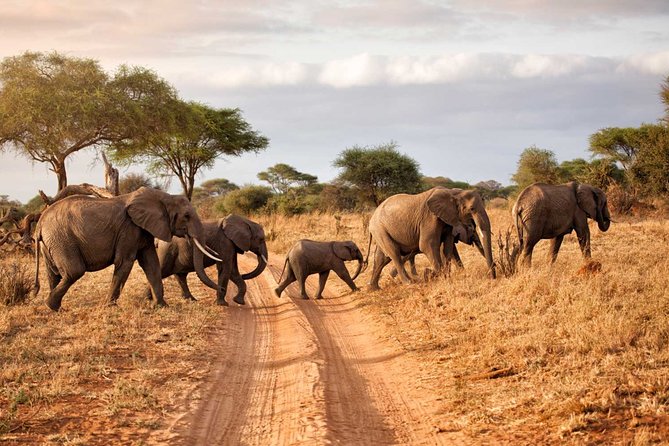
REVIEW · SERENGETI NATIONAL PARK SAFARIS
6-Day Serengeti Migration: Private Safari with Mid-range Luxury
Wild Tanzania starts fast, then keeps delivering. This 6-day private safari links Tarangire, Serengeti, and Ngorongoro with long game drives, a Maasai village stop on the way, and a classic route for migration-country viewing. You move in a Toyota Landcruiser 4×4 with a pop-up roof and six prime viewing seats, so you spend more time watching and less time settling in.
I especially like the combination of Tarangire elephants and baobabs on Day 1, plus the Serengeti emphasis that lets you slow down and watch behavior, not just rush for sightings. I also like that your trip is built around real animal country timing, including a sunrise drive and an ultra-early Ngorongoro crater descent. That adds real value, because the best moments on safari are often the earliest ones.
One consideration: you pay a premium price, and the schedule includes early mornings and full-day drives (often 7 to 8 hours). If you want a laid-back vacation pace with lots of late starts, this route may feel intense.
In This Review
- Key highlights at a glance
- Entering the big parks: what this 6-day route is really like
- Your vehicle setup: Toyota Landcruiser, pop-up roof, and real viewing seats
- Day 0 in Arusha: briefing night and the value of arriving calm
- Tarangire National Park: baobabs, river wildlife, and that elephant-family feeling
- The route to Serengeti via Ngorongoro highlands and Lake Manyara
- Serengeti Day 2 and Day 3: predators, Seronera Valley time, and picnic lunch inside the park
- A full day in Serengeti: slow scouting for behavior, not just speed
- Sunrise in Serengeti, then Ngorongoro: the night-to-day contrast
- Very early descent into Ngorongoro Crater: hippo lake picnic and the steep road reality
- “Mid-range luxury” and included comfort: what you truly get
- Your guide and safari cook: where spotting power comes from
- Price and value: is $5,340 per person worth it?
- Who should book this safari, and who should reconsider
- Should you book this 6-day migration safari?
- FAQ
- Where do this safari start and end?
- How long is the safari?
- What vehicle is used for game drives?
- What is included for guides and food?
- Are park fees and Ngorongoro Crater fees included?
- Is airport transfer included?
- What health requirement is mentioned for traveling to Tanzania?
- How does cancellation work for a full refund?
Key highlights at a glance
- Private, small-group feel with a maximum of 7 travelers and pickup included
- Pop-up roof game viewing in a Toyota Landcruiser 4×4 with six window seats
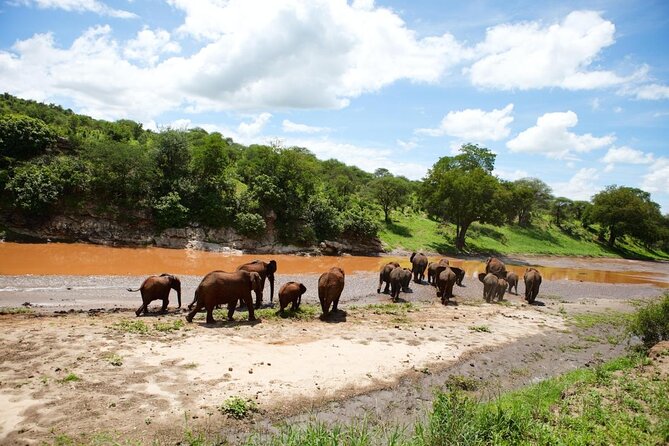
- Tarangire River elephant time under ancient baobabs, plus strong bird viewing
- Serengeti game drives focused on behavior, with a picnic lunch inside the park
- Sunrise in Serengeti followed by a transfer to Ngorongoro
- Ngorongoro Crater day trip with a very early descent and a hippo-lake picnic
More of the Serengeti, drive by drive
- Balloon Safari & Bush Breakfast in Serengeti – Miracle Experience★ 5.0 · 1,646 reviews
- 3 Days Serengeti & Ngorongoro Group Camping Safari★ 5.0 · 574 reviews
- 5-Day Highlights mid-Range Crater, Serengeti, Tarangire★ 5.0 · 296 reviews
- 3-Day Classic Serengeti Safari★ 5.0 · 263 reviews
Entering the big parks: what this 6-day route is really like
This is a classic Tanzania circuit, but built in a way that keeps your days connected. You start by anchoring wildlife viewing in Tarangire, then you shift into Serengeti’s plains for a multi-day run at predators, big herbivores, and migration rhythms. From there you land at Ngorongoro, which is the kind of place that makes every other safari moment feel like a warm-up.
What you should expect is time. The itinerary gives you multiple full days in the Serengeti ecosystem and not just one quick pass. That matters, because the best sightings often come after you’ve learned the day’s patterns, where animals settle, and how the light changes across the park.
You also get a “before wild” moment built in. The tour meets you at your lodge or hotel in Arusha the day before (and it says pickup/transfer is offered). If you arrive late, you still get met in the morning before heading to Tarangire. Either way, you are not thrown into the car with zero briefing.
Your vehicle setup: Toyota Landcruiser, pop-up roof, and real viewing seats
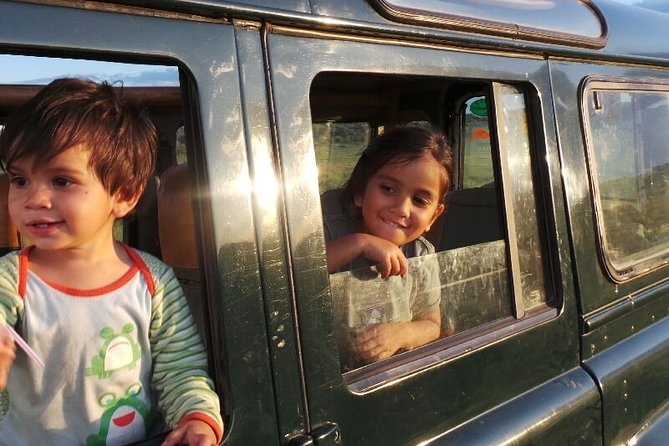
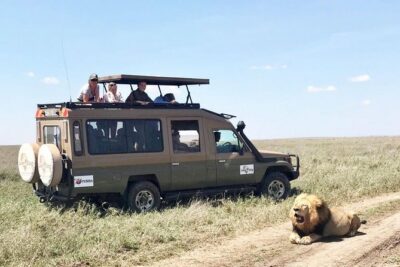
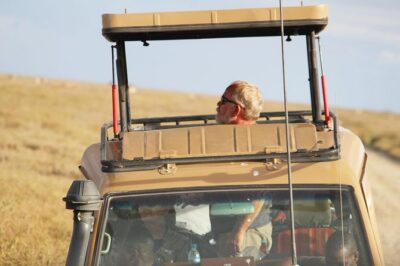
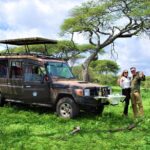
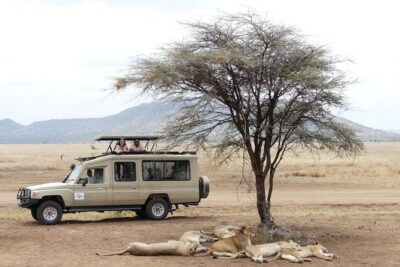
This safari leans practical on comfort. You travel in a Toyota Landcruiser 4×4 with a pop-up roof, six window seats, and power adapters. That combination is a big deal in Tanzania: the pop-up roof gives you a cleaner angle for spotting wildlife, and the window seats keep you from fighting for views during stops.
A few practical notes you can plan around:
- You will spend long hours in the vehicle, so think about packing layers. Mornings can feel cooler than midday.
- Bring a camera strap you can trust. You will be lifting it often, and you want it secure.
- Bottled water is included, which helps you stay comfortable without constantly negotiating for drinks in remote areas.
Day 0 in Arusha: briefing night and the value of arriving calm
The tour starts in Arusha, and it includes an airport pickup and transfers. The itinerary says you meet the team at your lodge or hotel a day before for a detailed safari briefing, then you have time to relax in Arusha. If you arrive late, you meet in the morning before departing for Tarangire.
That briefing is more than paperwork. It sets expectations for driving times, where you are going to spend the most hours, and how your guide wants you to approach game drives. On safari, the difference between a good trip and a great trip is often how smoothly the day starts.
If you are pairing this with extra travel days before the safari, I’d treat that day before as part of your vacation, not just a waiting room. Arusha can be a pleasant place to get your bearings and test out your packing.
Chasing the herds? Compare these first
Tarangire National Park: baobabs, river wildlife, and that elephant-family feeling
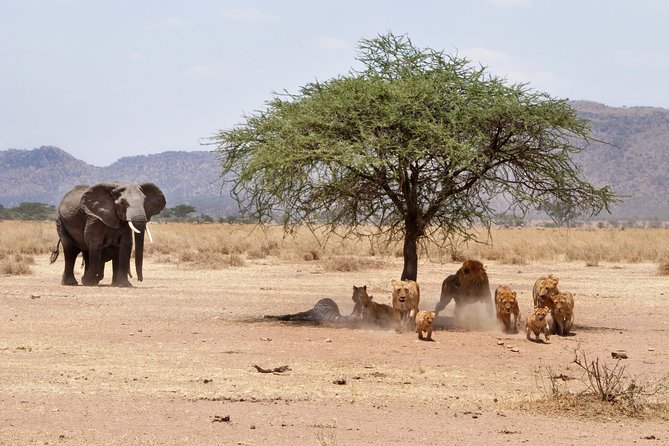
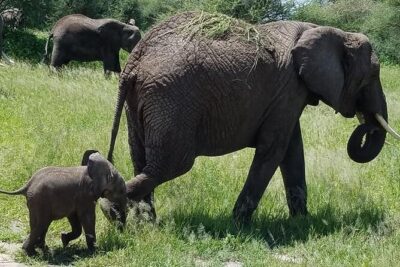
Day 1 is built around Tarangire National Park, and it’s one of the smartest starters you can choose for a first safari day. Tarangire has nine vegetation zones, which means you are not just driving through one repeat scene. Then you have the signature look: ancient baobab trees, including the park’s giant specimens often called the largest trees in Africa.
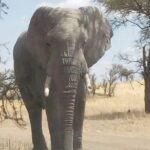
The real show, though, is the Tarangire River. Rivers concentrate life, and the itinerary points out it attracts elephants, lions, leopards, buffalo, zebras, giraffes, and many antelopes, plus colorful birds. Tarangire is also described as famous for its elephant population, and that’s where you often get the kind of sightings that feel slow and personal, like groups moving through feeding areas and interacting calmly.
Practical drawback: this is listed as a full day and about 8 hours. If you tend to get stiff from long vehicle days, plan to stretch during breaks and keep a simple routine for bathroom timing.
The route to Serengeti via Ngorongoro highlands and Lake Manyara
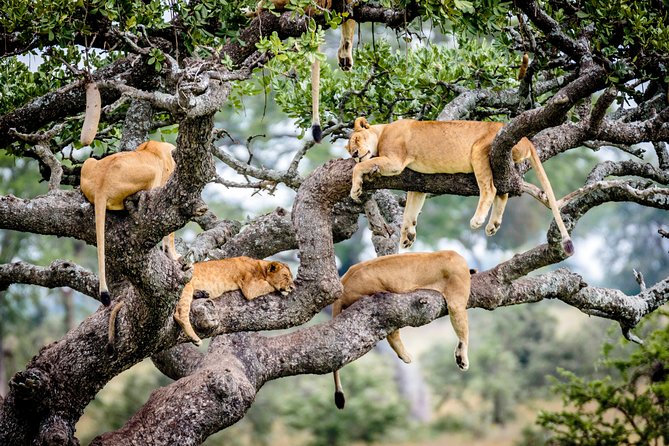
Day 2 moves you past Lake Manyara and into the fertile Ngorongoro highlands. The plan is to cross the Ngorongoro Conservation Area, then reach the broad open plains of Serengeti in the early afternoon.
This part of the trip matters even if you are there for lions and wildebeest. It is the transition from one wildlife style to another. Tarangire can feel tree-and-river centered, while Serengeti gives you more open country and distance. That changes how you scan, how you read animal behavior, and how the whole day feels.
The overview also mentions a Masai village encounter at the Ngorongoro highlands on the way to Serengeti. If that’s your interest, this is a good moment to do it, because you are traveling through the region anyway and your schedule has space for a cultural stop without killing your wildlife time.
You spend the night at the Baobab Serengeti Tented Camp or similar. That “or similar” matters because tented camp details can vary, but the general style is what you are booking: a safari camp setting designed for that Serengeti night.
Serengeti Day 2 and Day 3: predators, Seronera Valley time, and picnic lunch inside the park
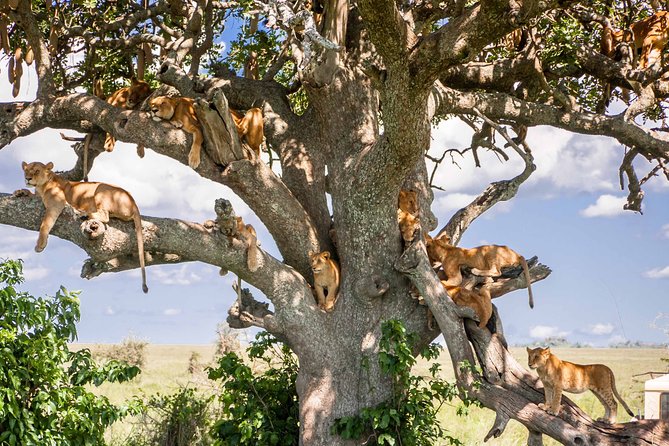
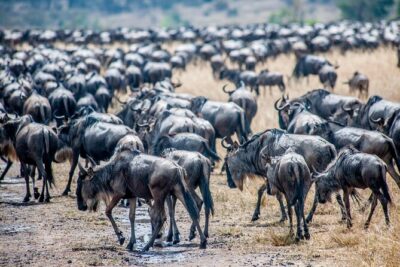
Days 2 and 3 are both in Serengeti, and the emphasis is on searching with purpose. The itinerary calls out the Seronera Valley and notes you might see predators hunting as animals gather at waters in the dry season, or you might track the migration around Central to North Serengeti.
Here’s what that means for you on the ground: you are not just driving randomly. You are looking for where prey concentrates, because predators follow the meal. Your guide’s job is to put you in the right scanning area at the right time.
Lunch is specifically described as a picnic spot inside Serengeti. That’s a big advantage. It keeps you from spending your best daylight on travel back and forth, and it also gives you a pause that still feels like you are on safari.
Then each day ends with you returning to your camp for shower, dinner, and rest. The itinerary mentions returning to the Baobab Serengeti Camp on the third day, which helps you reset instead of constantly changing lodging.
Possible drawback: with two long Serengeti days, you need to pace yourself. If you pack too heavily for “photos only” and forget basic rest, your eyes and focus can wear down before you hit the best light.
A full day in Serengeti: slow scouting for behavior, not just speed
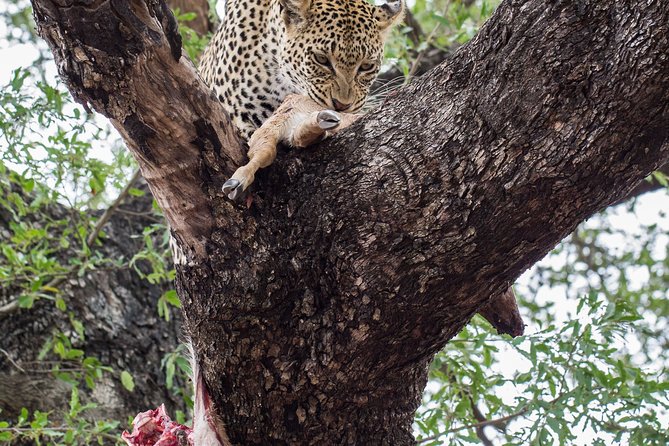
Day 4 is a FULL DAY in Serengeti, and this is where the safari starts to feel less like a checklist and more like learning the place. The plan says you and your guide scout for animals with no rush, with time to observe wildlife and learn about animal behavior and social structures.
That detail is not filler. On safari, big cats and other hard-to-find animals respond to patterns. Behavior notes help you understand why animals are where they are, what they do when they are nervous, and what signals you can watch before you see the obvious.
The itinerary also calls out Serengeti’s variety:
- The south has wide open grassland.
- The north and west includes open woodlands and hills.
You are essentially getting a full day to shift between those feels and not just do one route line.
If you care about the Great Migration, the itinerary notes that Serengeti, together with Masai Mara, hosts it. Since timing depends on seasonal movement, your guide’s scouting approach becomes extra important. This is the day you want to be mentally present, because animals often show up after you’ve been watching for a while.
Sunrise in Serengeti, then Ngorongoro: the night-to-day contrast
Day 5 starts with sunrise in the African Savannah, then you return to camp for brunch. After that, you transfer to Ngorongoro in the afternoon.
This day has two types of magic. Sunrise gives you that low-angle light for animal spotting, plus cooler temperatures for comfortable viewing. Brunch at camp then resets you before the crater day, which helps you avoid the tired, flat mood that can happen if you rush straight from one park to the next without a proper meal pause.
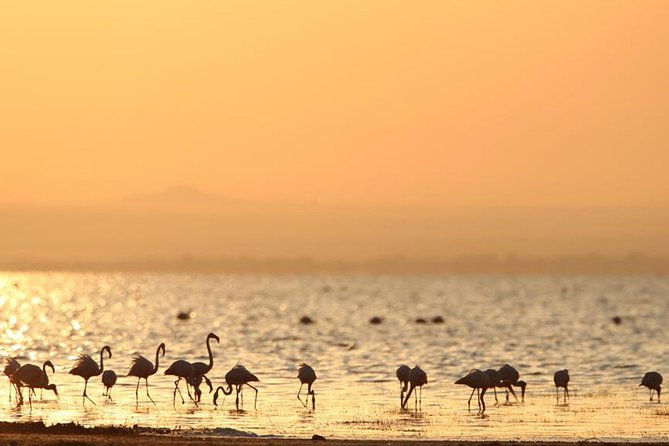
Then you hit Ngorongoro, described as the 8th natural wonder of the world, with walls about 2,000 ft high and a crater floor around 102 sq. miles. The itinerary paints the crater as a “virtual Noah’s Ark,” packed with wildlife including the rare black rhino. It also highlights a soda lake that, from above, looks like steam, plus flamingoes, forest, and open plains.
Two practical considerations:
- You are changing zones and likely temperatures. Dress in layers you can remove quickly.
- This is another day of moving and viewing, so keep expectations realistic. You are doing a lot of big moments back-to-back.
Very early descent into Ngorongoro Crater: hippo lake picnic and the steep road reality
Day 6 begins with a very early morning descent down to the crater floor for wildlife viewing. The itinerary says you’ll have a day in one of the most incredible places on Earth, with a stop for a picnic lunch near the hippo lake, then more viewing later, followed by driving up the steep road out of the crater.
This is the part of the tour most people remember. Ngorongoro is visually dramatic, and the crater floor concentrates animals in a way that can feel almost unfair, like everything you came for is in one “stage.” The early start matters because animals tend to move and feed at different times of day, and cooler morning light can make them easier to spot.
Practical drawback: you will be up early, and you’ll feel it. You’ll also be on a steep road exiting the crater. If you get carsick, take that seriously and plan ahead with what works for you.
“Mid-range luxury” and included comfort: what you truly get
Despite the marketing label, the comfort here is mostly about function. You get safari-standard lodging and a camp rhythm that includes real meals. The tour includes:
- Accommodation 1 night before, 1 night after, and during the safari
- Breakfast (6), lunch (6), dinner (6)
- Bottled water
That meal inclusion is worth thinking about when you weigh value. On a safari circuit, meals are not just meals. They affect your energy levels for game drives and how long you can stay focused outdoors.
The lodging described is Baobab Serengeti Tented Camp or similar, which signals the “tented camp” style rather than a city hotel. If you want clean, safe, safari-appropriate comfort, this fits that mid-range lane. If you expect a high-end hotel experience with many daily amenities and constant quiet, you may find tented-camp life a bit more basic than you imagined.
Your guide and safari cook: where spotting power comes from
The tour includes a professional, English speaking guide and safari cook, plus their wages. That is a core part of what you are paying for.
If you look at guide names that have shown up in past experiences connected to this operator, you’ll see names like Goodluck, Julius, and Adam mentioned. That tells me two things: (1) you are likely to work with guides who spend serious time learning animal movement and (2) the first-day orientation often matters, since Julius is specifically referenced for an Arusha National Park day.
Also pay attention to the office support names that come up in planning stories, like Gloria and Frazier. When plans shift, having people who can adjust your route and keep the safari running smoothly is a real value add.
Price and value: is $5,340 per person worth it?
At $5,340 per person, this is not a budget safari. So you should judge it on what’s included, and what time it gives you.
Here’s what you’re getting that can justify the cost:
- Park fees and taxes are included, plus Ngorongoro Crater fee
- A dedicated 4×4 Landcruiser with a pop-up roof and power adapters
- A full team, including a guide and safari cook
- Bottled water, plus all meals listed for the safari days
- Airport transfer/pickup and drop-off
- A small group cap (maximum 7 travelers)
Now the trade-off. Because it’s private and mid-range, the per-person price is high. If you are sharing a vehicle and want the least expensive option possible, you might find cheaper set departures. But you would probably give up some of the control and comfort that help you enjoy long days.
My advice: if you are serious about getting the best shot at seeing wildlife across Tarangire, Serengeti, and Ngorongoro, and you value included meals, transport, and guides who know how to get you into position, this price can make sense.
Who should book this safari, and who should reconsider
This tour makes a lot of sense for:
- Couples or small groups who want a private-feeling safari with small group limits
- People who can handle early mornings and full-day drives
- First-time safari planners who want a route that hits three of Tanzania’s biggest wildlife stages
You might reconsider if:
- You want a relaxed pace with minimal driving time
- You dislike tented camp settings
- You have health constraints that make long car days and early departures hard
- You are looking for a strictly budget option
Also check health timing before you go. The tour data states Yellow Fever vaccination is compulsory if traveling to Tanzania. Plan that early.
Should you book this 6-day migration safari?
I think this is a strong booking if your goal is classic Tanzania safari depth, not just a quick photo run. The route is built with smart pacing: Tarangire to get you into elephant-country mode, then multiple Serengeti days for predator and migration-country viewing, then Ngorongoro to finish with the crater concentration effect.
I’d book it if included meals, a dedicated guide, and a pop-up roof vehicle are important to you. I’d pause if you want a late-start vacation or if the early crater descent sounds exhausting.
If you’re the type who wants your safari days to feel organized, with real time in the parks and not constant scrambling, this one fits.
FAQ
Where do this safari start and end?
The safari starts in Arusha, Tanzania. It ends back at the meeting point, and it also notes returning to Moshi or Arusha after the Ngorongoro day.
How long is the safari?
It’s listed as 6 days.
What vehicle is used for game drives?
You travel in a Toyota Landcruiser 4×4 safari vehicle with a pop up roof, 6 window seats, and power adapters.
What is included for guides and food?
The tour includes a professional, English speaking guide and safari cook, plus meals for 6 breakfasts, 6 lunches, and 6 dinners.
Are park fees and Ngorongoro Crater fees included?
Yes. All fees and taxes are included, and the Ngorongoro Crater fee is also listed as included.
Is airport transfer included?
Yes. Airport transfer or pick up and drop off is included.
What health requirement is mentioned for traveling to Tanzania?
Yellow Fever vaccination is listed as compulsory if traveling to Tanzania.
How does cancellation work for a full refund?
You can cancel up to 6 days in advance for a full refund, and changes less than 6 full days before the experience start time are not accepted.
More Lodge Safaris
- 7-Day Premium Luxury Tanzania Safari All-Inclusive
★ 5.0 · 426 reviews - 5-Day Highlights mid-Range Crater, Serengeti, Tarangire
★ 5.0 · 296 reviews - Private 6-Day Tarangire Manyara Crater and Serengeti with Mid-Range Lodges
★ 5.0 · 238 reviews - 5 Days Best of Tanzania Luxury Safari Northern Circuit
★ 5.0 · 174 reviews - 5-Day Private midrange Tour in Arusha with Airport Pickup
★ 5.0 · 160 reviews
Following the Migration
- 8 Days Great Wildebeest Calving Migration Safari from Arusha
★ 5.0 · 254 reviews - 10-Day Serengeti Wildebeest Migration Safari from Arusha
★ 5.0 · 218 reviews - 8 Day Spectacular Migration Serengeti mid -Range Tanzania Safari
★ 5.0 · 161 reviews - 9-Day Serengeti Migration Footsteps Tanzania Safari
★ 5.0 · 96 reviews - 7 days great migration safari
★ 5.0 · 77 reviews
The Serengeti, Three More Ways
- Balloon Safari & Bush Breakfast in Serengeti – Miracle Experience
★ 5.0 · 1,646 reviews - 3 Days Serengeti & Ngorongoro Group Camping Safari
★ 5.0 · 574 reviews - 5-Day Highlights mid-Range Crater, Serengeti, Tarangire
★ 5.0 · 296 reviews - 3-Day Classic Serengeti Safari
★ 5.0 · 263 reviews - Private 6-Day Tarangire Manyara Crater and Serengeti with Mid-Range Lodges
★ 5.0 · 238 reviews
Just added from around Arusha
Serengeti National Park Safaris, compared.
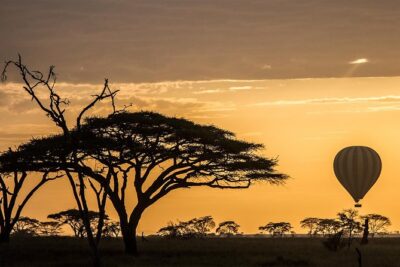 ★ 5.0Serengeti Balloon Safari and authentic bush breakfastFrom $5502,480 reviews
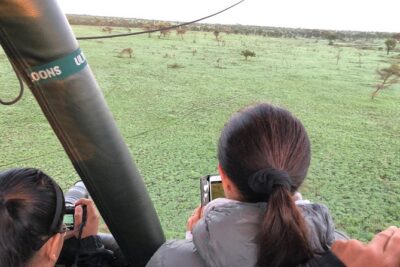 ★ 5.0Balloon Safari & Bush Breakfast in Serengeti – Miracle ExperienceFrom $5991,646 reviews
 ★ 5.03 Days Serengeti & Ngorongoro Group Camping SafariFrom $815574 reviews
 ★ 5.05-Day Highlights mid-Range Crater, Serengeti, TarangireFrom $2,327296 reviews
 ★ 5.0Safari Serengeti And NgorongoroFrom $2,845288 reviews
 ★ 5.03-Day Classic Serengeti SafariFrom $1,455263 reviews
 ★ 5.0Private 6-Day Tarangire Manyara Crater and Serengeti with Mid-Range LodgesFrom $2,685238 reviews
 ★ 5.05 Days Camping Tarangire, Serengeti & Ngorongoro crater & Visiting MaasaiFrom $1,254229 reviews
Browse the lists this tour appears in