
REVIEW · SERENGETI NATIONAL PARK SAFARIS
6-Day Essence of Serengeti & Ngorongoro Migration Safari
Six days, two icons, one moving migration. I like how this safari links Serengeti National Park game drives with Ngorongoro Crater viewing, so you get both the migration drama and the crater’s packed wildlife. You’ll also get solid value from the logistics, since the tour includes a professional guide/driver and meals, but do double-check the coverage for Tarangire and Lake Manyara because the day-by-day plan provided here is centered on Serengeti and Ngorongoro.
Guides are a big part of the experience, and names like Amani and Abouh show up in the operator’s feedback as friendly, professional, and willing to go the extra mile. Just be ready for a schedule with early mornings and long drives, especially on the days built around prime wildlife hours.
In This Review
- Key highlights
- Great Migration odds: why this safari is built around movement
- Day 1 Serengeti entry: rim views and a picnic lunch inside the park
- Day 2 Serengeti highlight: the long 6:30 am game drive
- Day 3 Serengeti flexibility: more driving, more chances at both herds and residents
- Day 4 Central Serengeti on short-grass plains, and the calving window around January
- Day 5 sunrise game drive then Ngorongoro: 8th wonder energy, plus black rhino odds
- Day 6 Ngorongoro Conservation Area, UNESCO caldera depth, and dense wildlife viewing
- Price and logistics: does $3,713 per person feel fair here?
- Meals, water, and guide focus: the small stuff that makes safari days easier
- Should you book this Serengeti and Ngorongoro safari?
- FAQ
- Which parks are included in this safari?
- What time do game drives start?
- Is pickup included?
- What meals and drinks are included?
- Is the tour private?
- Are park fees and activities included?
- What is not included in the price?
Key highlights
- Migration timing depends on rainfall so the herds and action shift across the plains
- Serengeti day 2 is your main wildlife push, with a long 6 to 7 hour drive starting around 6:30 am
- Central Serengeti on day 4 targets short-grass plains and the calving window often around January
- Ngorongoro Crater on day 5 and 6 gives you repeat chances for crater wildlife, including black rhino
- Meals and water are included, which makes long game-drive days easier to handle
More of the Serengeti, drive by drive
- Balloon Safari & Bush Breakfast in Serengeti – Miracle Experience★ 5.0 · 1,646 reviews
- 3 Days Serengeti & Ngorongoro Group Camping Safari★ 5.0 · 574 reviews
- 5-Day Highlights mid-Range Crater, Serengeti, Tarangire★ 5.0 · 296 reviews
- 3-Day Classic Serengeti Safari★ 5.0 · 263 reviews
Great Migration odds: why this safari is built around movement
The Great Migration is the headline, but the real trick is understanding how it actually works. This isn’t a single route with a fixed timetable. It is an ever-moving circuit across the Serengeti-Mara ecosystem, driven by rainfall, which means what you see can vary from year to year.
That variation is why this kind of tour is worth considering. With multiple Serengeti-focused days, you do not have to hit one perfect moment on one single morning. You can catch the rhythm of the plains as conditions change, and you also get chances to see resident predators like lions, cheetahs, and leopards that share the ecosystem.
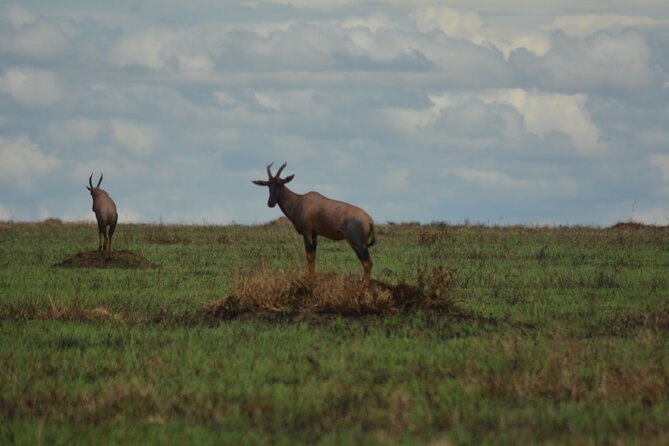
If you love the idea of big numbers, Serengeti is where you feel it. The plan highlights massive herds, including migrating zebras and wildebeest, plus antelope. Even if you do not see every stage of the migration cycle, you still get the feel of the Serengeti as a living system, with constant motion and constant opportunities.
Day 1 Serengeti entry: rim views and a picnic lunch inside the park
Day 1 starts with a pick-up from your hotel or airport at 08:00, then a drive toward Serengeti National Park via the Ngorongoro Conservation Area. As you leave the highlands behind, you descend into the wide-open plains that make Serengeti famous, and you get a rim stop at Ngorongoro Crater along the way.
That viewpoint matters because it gives you a sense of scale early. Ngorongoro is not a small feature you pass by, it is a major natural amphitheater, and the rim look sets expectations for what crater wildlife viewing feels like later in the trip.
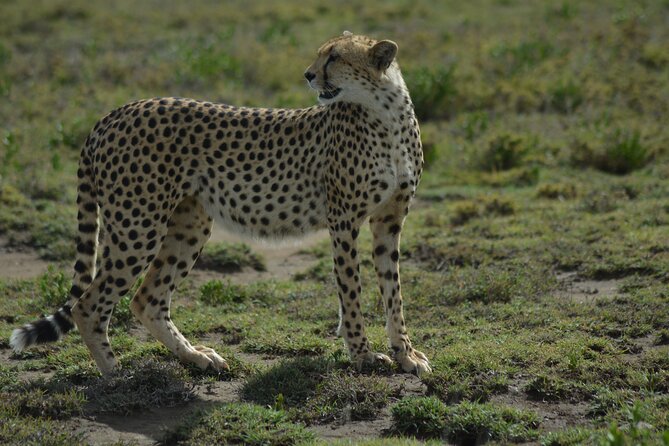
Once in Serengeti, you do a picnic lunch inside the park and settle into your first game viewing. The itinerary suggests you might encounter lions, hyenas, leopards, cheetahs, jackals, and giraffes, among others. Realistically, day 1 is often about getting your bearings and starting your animal list, not forcing one single big event.
One practical consideration: after travel and setup, your energy is the limiting factor. If you want day 1 to feel smooth, plan to stay mentally flexible. In safari terms, the best day is the day you see animals, and the second-best is the one where the team positions you well for the next mornings.
Day 2 Serengeti highlight: the long 6:30 am game drive
Day 2 is designed to be your main Serengeti push. You start with early breakfast and set off around 6:30 am for about 6 to 7 hours of exploring. This is the kind of timing that helps because animal activity often cranks up early, and the plains are easier to read before heat changes the game.
This day is framed around migration scale and predator possibility. The itinerary points to herds that can include zebras, wildebeest, antelope, and more, with the exact animals and their movements shaped by rainfall. It also flags the chance of predators, including lions, cheetahs, and leopards, which is often what turns a good drive into a memorable one.
You also see a cue for pacing near 14:00, suggesting that the day is structured to balance time in the field with visibility and logistics. In plain terms, it keeps the experience moving without trapping you in the vehicle past the point where spotting becomes harder.
If you are the type who wants one day to feel like the big centerpiece, this is it. I like that the schedule does not pretend everything will happen instantly. It gives you time, and it gives you repeat chances at the right hours.
Other ways down into the Ngorongoro Crater
Day 3 Serengeti flexibility: more driving, more chances at both herds and residents
Day 3 is set aside for game drives in Serengeti again, and that repetition is not a copy-paste mistake. It is the smart play for a migration-based trip where timing shifts with rainfall.
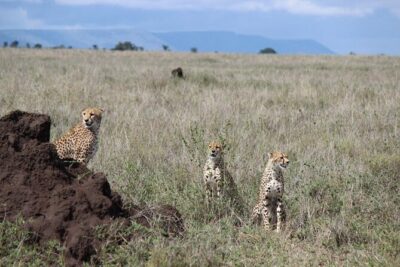
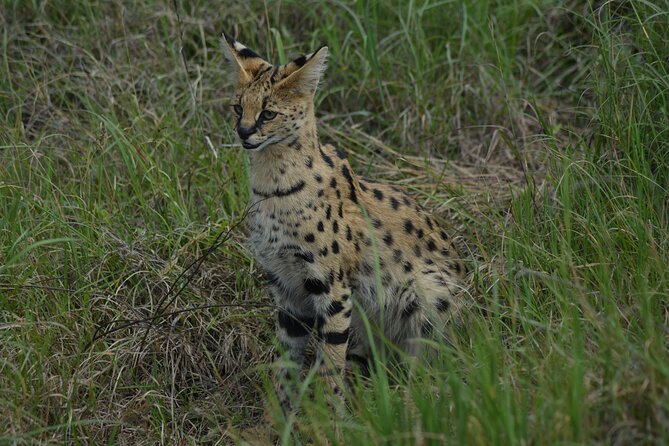
The plan repeats the migration context and also reminds you that predators are not only passing visitors. Resident predators like leopard, cheetah, and lion may be encountered as you follow wildlife patterns across the park.
This is the day where your expectations should shift from single-event hunting to wide-angle observing. You might spend most of the day watching how herds move through habitat types, or you might land on a predator moment. Either way, the value comes from having enough time to react to what the driver and guide spot.
There is also a seasonal explanation in the plan, with migration movements tied to months. For example, it notes that in November and December the animals may move from northern areas dominated by woodlands and hills to the grassy plains of the south. During the longer rainy season from April to June, they return north. Even if you travel at a different month, that framework helps you understand why the route inside Serengeti can change.
Day 4 Central Serengeti on short-grass plains, and the calving window around January
Day 4 focuses on Central Serengeti with a full-day game drive. The goal is to target different habitat areas, including the short-grass plains that are so important for migration viewing.
The itinerary includes one of the most dramatic biological events associated with migration. It describes a brief calving period around January, often lasting about three weeks, when the majority of wildebeest calves are born. It even gives a sense of scale, citing around half a million young.
Here’s why this matters to your experience. In short-grass plains, there is less cover, so visibility can be strong, and newborn calves are mobile quickly. The plan notes calves can run minutes after birth and are often strong enough to keep up within about three days. That means the action can be fast and intense, with adults and young constantly shifting across the grass.
That said, consider timing carefully. The itinerary frames this calving window as a normally short period and notes it can vary. If you travel outside the January window, you might still see huge herds and predator activity, but the day will feel different. I like that the plan is honest about why the timing matters.
Day 5 sunrise game drive then Ngorongoro: 8th wonder energy, plus black rhino odds
Day 5 changes tempo in two steps. First, you do an early morning game drive with a sunrise goal, then you return for brunch, and afterward you proceed to Ngorongoro Crater.
That sunrise setup is not just for pretty photos. Early light often changes how you see animals across open ground, and it can make the whole day feel more purposeful. The plan suggests you can get one of the best sunrises you will ever witness, and even if you lower the hype, the logic of starting early still holds.
After brunch, you head to Ngorongoro, described here as the 8th wonder of the natural world. The numbers in the plan help you grasp why this crater is so special: it spans about 102 square miles and has walls around 2,000 feet high. That kind of enclosure creates a naturally concentrated wildlife environment.
The most standout species clue in the plan is the black rhino. It says the crater is one of the rare places where you can witness black rhino. It also notes that Ngorongoro contains a river, several swamps, and a soda lake, all of which can support a dense mix of wildlife.
On day 5, your crater time is likely about orientation plus first real chances for crater animals. Think of it as a high-impact introduction. You do not just arrive, you settle into a viewing zone where wildlife density can be startling.
Day 6 Ngorongoro Conservation Area, UNESCO caldera depth, and dense wildlife viewing
Day 6 is an early-riser day again, with breathtaking views of sunrise over the crater’s edge. After breakfast, you head down into the crater for game viewing.
This part of the trip is framed with a UNESCO world heritage context and hard measurements that explain the viewing experience. Ngorongoro is described as formed about three million years ago, about 610 m deep, and covering roughly 260 square kilometers. Those physical facts translate into a practical reality: the crater acts like a natural ecosystem bowl.
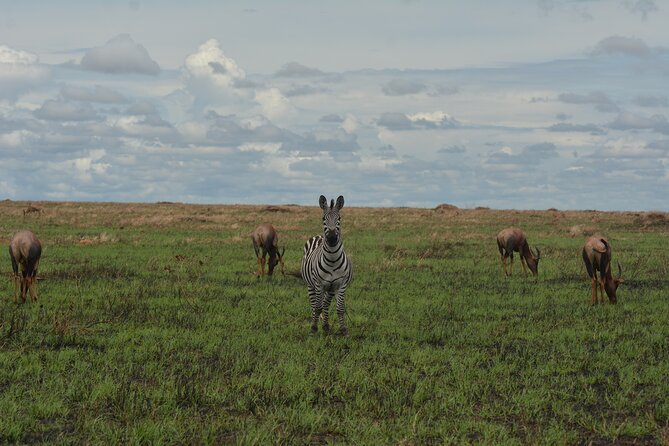
The plan notes an approximate dense population of ungulates, around 25,000, which is why crater viewing can feel so efficient. It even suggests that in a matter of minutes you could see wildebeest, zebra, gazelle, elephant, and more, along with more than 500 bird species.
This is also the day where patience pays off. With another chance in the crater, you can catch different animal behavior as the day warms. Even if your first crater day was excellent, day 6 can improve the odds of seeing something you missed, like a particular bird moment or a wildlife grouping that only appears when conditions change.
Price and logistics: does $3,713 per person feel fair here?
At $3,713.00 per person, this safari sits in the premium range. The key question is whether the structure justifies the cost, and in this case, the included items do a lot of the heavy lifting.
The tour includes all fees and taxes, a professional guide/driver, unlimited drinking water, and all activities. Meals are also covered: breakfast is included six times, lunch six times, and dinner five times. Those meals matter because safari days are long, and buying food separately would add up quickly.
Because this is private and listed as only your group participating, you are paying for flexibility and focused guiding rather than sharing game-drive attention with strangers. That matters when you are trying to find migration movement and predators, where the correct response is often location-based and timing-based.
What’s not included is also clear. Tips are not included, visa and international flights are not included. I recommend budgeting for tips in addition to the tour price so you are not scrambling at the end.
One more value note: your booking window is described as about 71 days in advance on average. That likely helps the operator lock in vehicles, park logistics, and planning. If you are traveling in a peak season, giving yourself time to secure the dates is part of getting value.
Meals, water, and guide focus: the small stuff that makes safari days easier
Safaris can feel rough when basics are missing. Here, unlimited drinking water is included, which is a surprisingly big comfort factor on long drives.
The meal pattern also helps keep your energy stable. With breakfast and lunch built into the days, and dinner included five times, you spend less mental energy on timing and logistics. In a trip where you are leaving early and returning late, simple consistency can be the difference between enjoying the day and feeling constantly behind.
Guide quality is the other “small stuff” that becomes huge. In the feedback you shared, guides such as Amani and Abouh are linked to friendly, professional driving and extra care. You also see notes about quick email replies from the team (including an Innocent mentioned for responsiveness) and strong organization.
This kind of operator attention is what you want for a route that depends on animal movement. When weather and herds shift, good guidance helps you avoid frustration and instead turn it into “we’re repositioning, here is why.”
Should you book this Serengeti and Ngorongoro safari?
Book this if you want a migration trip anchored in the two places people talk about for a reason: Serengeti for the moving herds, and Ngorongoro for concentrated crater wildlife. The schedule gives you multiple Serengeti days plus two crater days, which is a practical way to handle rainfall-driven movement.
I would pause before booking if Tarangire NP and Lake Manyara NP are must-see priorities. The experience description names them, but the day-by-day plan provided here focuses on Serengeti and Ngorongoro. Ask the operator to confirm exactly which parks are in your final itinerary and how the time is allocated.
Also, be honest about your energy level. Expect early starts and long game drives, especially around the 6:30 am departure and sunrise mornings. If you like being out early and you can handle full days on the road, this is a strong match.
Finally, consider the risk level. The itinerary is flexible in the sense that migration movement depends on rainfall, but your repeated driving days help your odds. If your dates are flexible, you also have free cancellation up to 24 hours in advance for a full refund, which gives you breathing room if plans change.
FAQ
Which parks are included in this safari?
The experience description highlights Serengeti National Park, Ngorongoro Crater (Ngorongoro Conservation Area), Tarangire National Park, and Lake Manyara National Park. The day-by-day plan provided here specifically outlines Serengeti National Park and Ngorongoro Crater.
What time do game drives start?
Day 2 includes an early game drive that starts at about 6:30 am. Day 5 includes a suggestion for a very early wake-up for an early morning game drive and sunrise, and day 6 also includes early morning viewing with sunrise views before breakfast and crater departure.
Is pickup included?
Yes. The tour offers pickup, with day 1 pick-up described as arriving at your hotel or airport at 08:00.
What meals and drinks are included?
Unlimited drinking water is included. Breakfast is included six times, lunch six times, and dinner five times.
Is the tour private?
Yes. It is described as a private tour/activity, with only your group participating.
Are park fees and activities included?
Yes. All fees and taxes are included, and admission tickets are listed as free.
What is not included in the price?
Tips, visa, and international flights are not included.
Following the Migration
- 8 Days Great Wildebeest Calving Migration Safari from Arusha
★ 5.0 · 254 reviews - 10-Day Serengeti Wildebeest Migration Safari from Arusha
★ 5.0 · 218 reviews - 8 Day Spectacular Migration Serengeti mid -Range Tanzania Safari
★ 5.0 · 161 reviews - 9-Day Serengeti Migration Footsteps Tanzania Safari
★ 5.0 · 96 reviews - 7 days great migration safari
★ 5.0 · 77 reviews
Still Thinking About the Crater?
- 3 Days Serengeti & Ngorongoro Group Camping Safari
★ 5.0 · 574 reviews - 5 Days Camping Tarangire, Serengeti & Ngorongoro crater & Visiting Maasai
★ 5.0 · 229 reviews - 4 Days Join Group tour Tarangire Serengeti and Ngorongoro crater
★ 5.0 · 219 reviews - 4-Day Safari from Arusha: Tarangire, Serengeti and Ngorongoro
★ 5.0 · 173 reviews - 2 Days Tarangire and Ngorongoro Group Camping Safari
★ 5.0 · 146 reviews
The Serengeti, Three More Ways
- Balloon Safari & Bush Breakfast in Serengeti – Miracle Experience
★ 5.0 · 1,646 reviews - 3 Days Serengeti & Ngorongoro Group Camping Safari
★ 5.0 · 574 reviews - 5-Day Highlights mid-Range Crater, Serengeti, Tarangire
★ 5.0 · 296 reviews - 3-Day Classic Serengeti Safari
★ 5.0 · 263 reviews - Private 6-Day Tarangire Manyara Crater and Serengeti with Mid-Range Lodges
★ 5.0 · 238 reviews
Just added from around Arusha
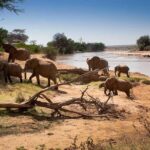
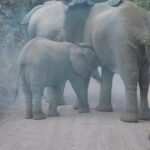
Serengeti National Park Safaris, compared.
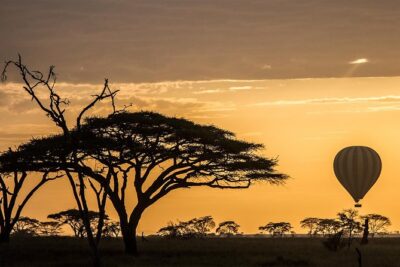 ★ 5.0Serengeti Balloon Safari and authentic bush breakfastFrom $5502,480 reviews
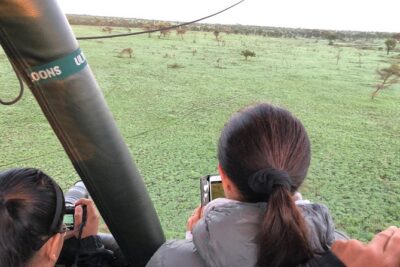 ★ 5.0Balloon Safari & Bush Breakfast in Serengeti – Miracle ExperienceFrom $5991,646 reviews
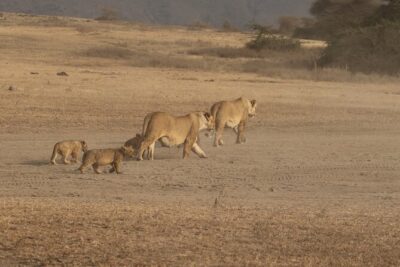 ★ 5.03 Days Serengeti & Ngorongoro Group Camping SafariFrom $815574 reviews
 ★ 5.05-Day Highlights mid-Range Crater, Serengeti, TarangireFrom $2,327296 reviews
 ★ 5.0Safari Serengeti And NgorongoroFrom $2,845288 reviews
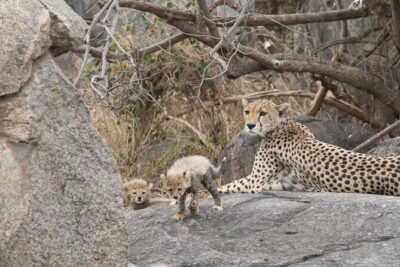 ★ 5.03-Day Classic Serengeti SafariFrom $1,455263 reviews
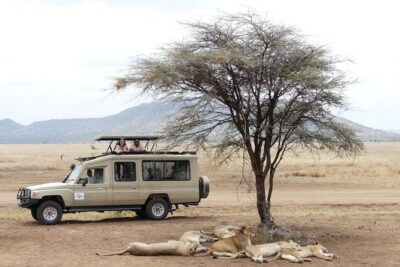 ★ 5.0Private 6-Day Tarangire Manyara Crater and Serengeti with Mid-Range LodgesFrom $2,685238 reviews
 ★ 5.05 Days Camping Tarangire, Serengeti & Ngorongoro crater & Visiting MaasaiFrom $1,254229 reviews
Browse the lists this tour appears in