
REVIEW · TANZANIA CAMPING AND BUDGET SAFARIS
5 Days Tanzania Budget Camping Safari from Arusha
Big wildlife, real camping, and a simple plan.
This 5-day safari from Arusha is built for you to see serious animals while keeping costs controlled, with camping nights and guided game drives focused on the parks that deliver. I like how the itinerary stacks classic parks back to back, and you still get time for camp downtime and local-color moments around camp.
What I like most is the balance of big targets and practical comfort: a professional guide doing the spotting and driving, plus meals handled for you (4 breakfasts, 5 lunches, 4 dinners). I also like that you start early and keep the days straightforward, so you spend daylight on the road and in parks instead of waiting around.
The main drawback to consider is camping style. You’re not in a lodge bubble. If you’re the type who needs privacy, daily room service, or a guaranteed distance from wildlife at camp, this budget camping setup may feel too close for comfort.
In This Review
- Key Safari Highlights Worth Your Attention
- A Budget Camping Safari That Hits Four Tanzanian Heavyweights
- Getting Started in Arusha at 6:00 am (Meru House Inn)
- Day 1 in Lake Manyara: Acacia Habitats and Close-Range Camp Life
- Tarangire National Park: Baobabs, Elephants, and River-Driven Wildlife
- Central Serengeti: Big Plains, Predators, and the Great Migration Theme
- Day 4 Serengeti: River Drama and a Balloon Safari Slot
- Ngorongoro Crater on Day 5: Dense Wildlife and Lake Magadi Flamingos
- Camping Nights, Camp Food, and Wildlife Close-Up Reality
- Price, What You’re Actually Buying, and Group Size Reality
- Who This Safari Is Best For (and Who Should Rethink It)
- Should You Book This 5-Day Budget Camping Safari from Arusha?
- FAQ
- What time does the safari start?
- Where do I meet for the tour?
- Is pickup included?
- Which parks are included in the itinerary?
- Are entrance fees included?
- What meals are included?
- Is this a camping safari?
- What is the cancellation policy?
Key Safari Highlights Worth Your Attention
- Lake Manyara’s tree-climbing lions and strong baboon presence, plus big variety of habitats in a small park
- Tarangire baobabs and elephant country, with wildlife drawn by the Tarangire River in the dry season
- Central Serengeti game drives aimed at predator sightings and the Great Migration storyline
- Serengeti Seronera campsite for a full day feel, then sleep under the same sky you hunted under
- Ngorongoro Crater descent for dense wildlife viewing, including the Big Five chances
- Bring a telescope idea from past guests, since spotting distant action can be easier at camp and on drives
More camping safaris at this price
- 4 Days Group Camping Safari★ 5.0 · 1,101 reviews
- 5 Days Group Camping Safari★ 5.0 · 730 reviews
- 3 Days Serengeti & Ngorongoro Group Camping Safari★ 5.0 · 574 reviews
- 5 Days Camping Tarangire, Serengeti & Ngorongoro crater & Visiting Maasai★ 5.0 · 229 reviews
A Budget Camping Safari That Hits Four Tanzanian Heavyweights
If you want a classic Tanzania mix without paying for a luxury lodge every night, this safari’s pitch makes sense. You cycle through Lake Manyara, Tarangire, Serengeti (Central), then finish with Ngorongoro Crater. That park sequence is popular for a reason: it changes scenery and animal styles as you go, so the days don’t feel like repeats.
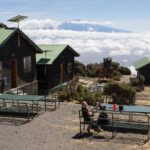
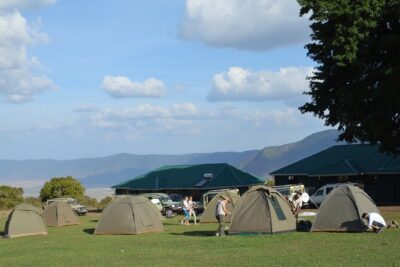
You should also know what “budget camping” really means here. You’re getting campsites such as Sun fig tree campsite and Serengeti Seronera campsite, plus guided days that run long enough to matter. You’ll be outside, sleeping in a tent setup, and eating camp meals. One guest described tent camping extremely close to wildlife at night, which is exactly the kind of trade-off you’re choosing when you go this route.
The good news: that closeness can also be part of the magic. If you’re comfortable with the idea that the wilderness doesn’t pause for your comfort, your nights often become part of the wildlife story, not a break from it.
Getting Started in Arusha at 6:00 am (Meru House Inn)
Your safari starts at 6:00 am, and the meeting point is Meru House Inn, Sokoine Rd, Arusha. The tour also offers pickup, so you should confirm where the driver will collect you based on your hotel.
Early starts matter on safari days. It means you’re more likely to spend the best viewing hours in the parks instead of sitting in Arusha traffic. It also helps spread your time across multiple locations without turning the whole trip into an all-day grind.
Practical tip: if you’re prone to being groggy at dawn, plan your morning the night before. Have water ready, keep essentials in the same bag, and make sure you’re dressed for cold-to-warm weather shifts. Safari mornings can feel surprisingly chilly before the sun ramps up.
Day 1 in Lake Manyara: Acacia Habitats and Close-Range Camp Life
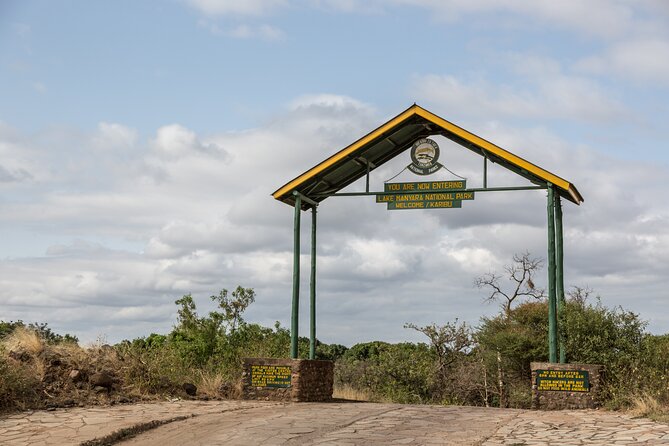
Day 1 takes you to Lake Manyara National Park, then you sleep at Sun fig tree campsite. This park is a good first stop because it packs a lot into a small area. The description highlights acacia woodlands, water forests, baobab-strewn cliffs, hot springs, swamps, and the lake itself.
What that means for you is variety. If you’re hoping for more than one kind of animal scene, Lake Manyara can deliver. It’s also specifically noted for a major standout: the largest concentration of baboon and the famous tree-climbing lion. Even if you don’t get the tree-lion moment, the baboons and the general animal density can keep things moving.
Another bird note is built in. Lake Manyara is described as having incredible bird life, with a very high concentration of bird species around the area. If you like stopping for bird spotting and letting your guide explain what you’re seeing, this park sets the tone early.
Evening reality check: you’re camping. One of the strongest signals from the experience feedback is that camp life can be truly close to wildlife. That can be thrilling, but only if you’re emotionally prepared for “camp is part of the wild.”
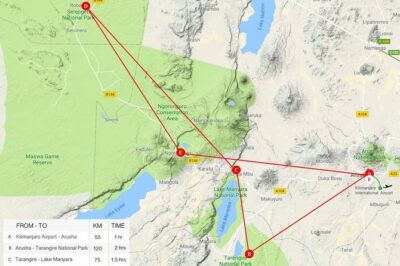
Tarangire National Park: Baobabs, Elephants, and River-Driven Wildlife
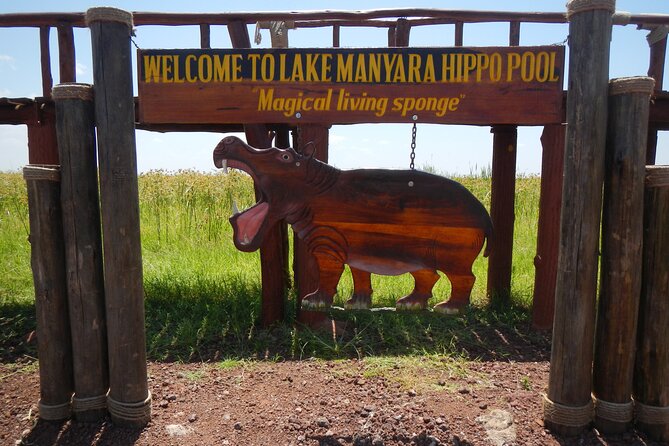
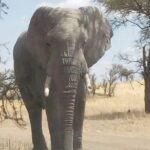
Day 2 shifts to Tarangire National Park, known for its landscapes dotted with iconic baobab trees. If you’ve seen photos of Tanzania elephants framed by baobabs, this is the park where that look comes from.
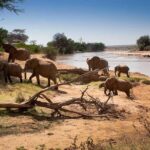
The itinerary emphasizes elephant viewing, and it also points to the Tarangire River as a wildlife magnet during the dry season. In practical terms, this is where you can expect concentrations of animals clustered around water and movement corridors. That usually makes game drives feel efficient, because you’re not constantly searching empty ground.
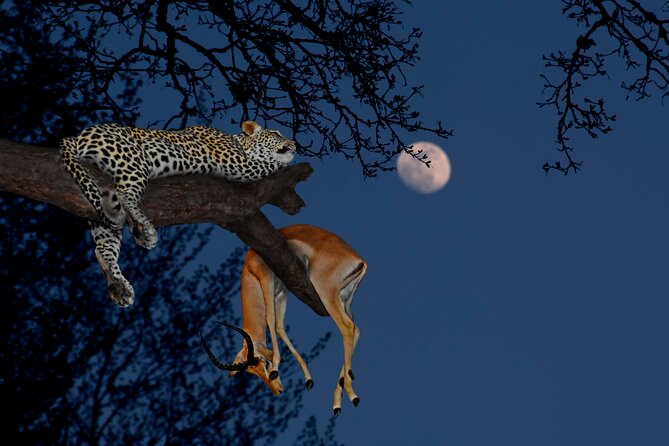
Tarangire is also described as a strong mix of predator and prey. You’ll have a chance to see lions and leopards, plus a wide array of birds. That “birds plus mammals” mix is valuable if you like variety, or if you’re traveling with someone whose interest isn’t only the Big Five.
What I’d watch for on this day is how your guide reads the park. A good day in Tarangire often comes down to timing and patience, since the animals tend to show up in patterns around water and vegetation.
Central Serengeti: Big Plains, Predators, and the Great Migration Theme
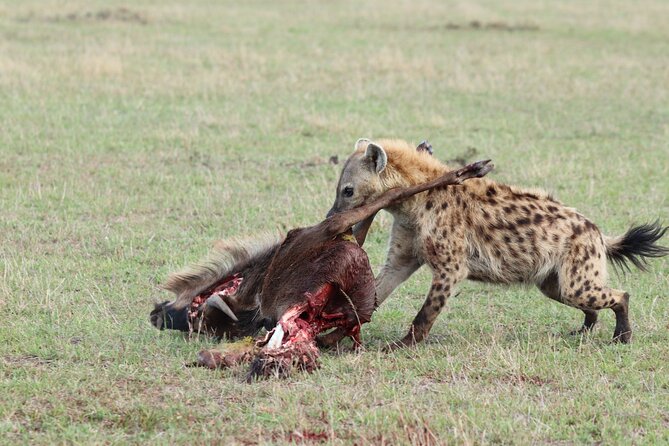
Days 3 and 4 both focus on Serengeti National Park, with Day 3 explicitly calling out Central Serengeti. This is where the trip becomes the most “iconic safari” feeling.
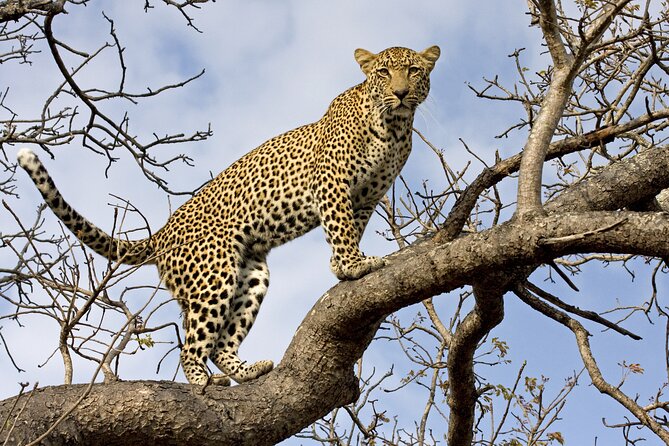
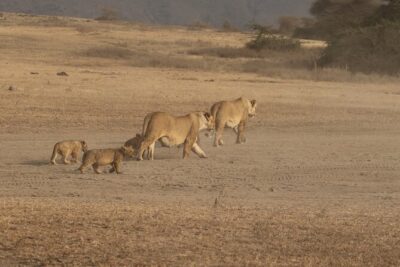
The plan is built around full day game drives, and the messaging is clear: Central Serengeti is about the long views and high animal density, plus the Great Migration story of wildebeest and zebras moving across the plains. It also calls out that Central Serengeti supports a thriving predator population, including lions, leopards, and cheetahs.
You’ll be able to look for the day’s rhythm: predators hunting, prey moving, and constant birdlife activity. That creates a viewing style where you might not just see one moment, you watch a whole sequence unfold.
You also sleep at Serengeti Seronera campsite on Day 3. That campsite is part of the reason Serengeti feels like a true safari experience rather than a checklist. One night in that camp style means you’re waking up already inside the Serengeti rhythm, ready for another day of drives.
One practical bonus from the experience feedback: people recommend bringing a telescope per person. That advice is simple and useful. When wildlife is distant, a telescope can turn “I think I saw something” into “I can actually identify the behavior.”
Day 4 Serengeti: River Drama and a Balloon Safari Slot
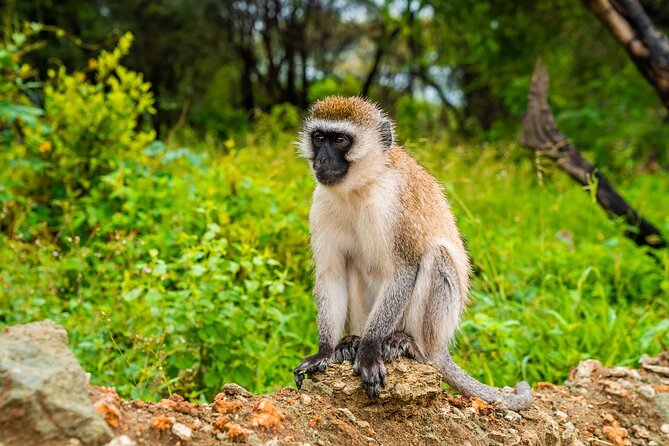
Day 4 stays in Serengeti but adds more variety in what you’re hunting for. The plan calls out that Serengeti includes open savannahs, acacia-dotted areas, and riverine forests, which means your guide can shift where you look depending on animal movement and time of day.
It also specifically highlights river drama during migration at Grumeti and Mara rivers. You can expect crocodiles described as lying in wait, and enormous herds plunging into the currents. Even if you don’t witness the exact moment described, having these river points on your itinerary can increase the odds of seeing migration behavior in action.
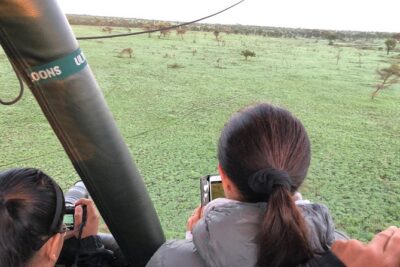
There’s also a balloon safari item included in the Day 4 schedule. A balloon changes the game because it gives you a bird’s-eye view of plains and wildlife patterns you can’t fully read from the road. The trade-off is that balloon viewing is different, not necessarily better, so keep your expectations aligned with the kind of photos and overview you’ll get from above.
Ngorongoro Crater on Day 5: Dense Wildlife and Lake Magadi Flamingos
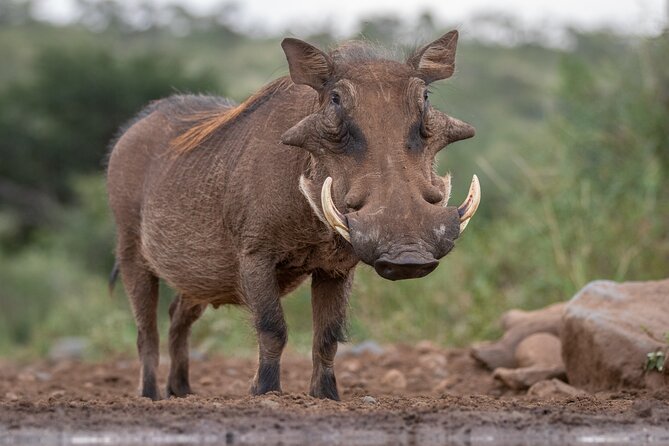
On Day 5 you head to Ngorongoro Crater after an early breakfast. The plan describes a descent into the crater and explains why this place works so well for wildlife viewing: there’s year-round water supply and fodder, supporting a large variety of animals.
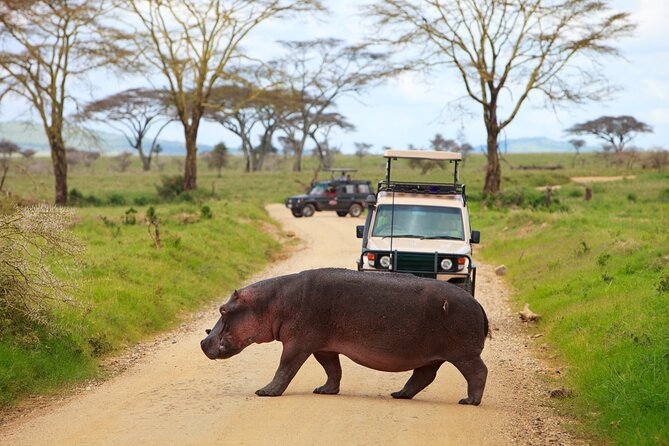
The big draw here is density. The itinerary emphasizes that the crater is home to many animals, including wildebeest, zebra, buffalo, eland, warthog, hippo, and giant African elephants. It also points out predators like lion, hyena, jackal, cheetah, and the leopard that can take patience and a trained eye to spot.
If your goal is maximum safari payoff per day, Ngorongoro is the place on this itinerary. You’re not driving around chasing empty space, you’re working with a contained ecosystem where animals show up in tighter clusters.
The plan also includes a stop at Lake Magadi, described as a large but shallow alkaline lake in the southwestern corner of the crater. This is where the viewing becomes colorful: flamingo, hippo, and other water birds around the lake. If you want a change of pace from mammal watching, this stop gives you a different kind of wildlife scene.
Camping Nights, Camp Food, and Wildlife Close-Up Reality
This safari’s “camping” is not window dressing. You’re staying at campsites such as Sun fig tree campsite and Serengeti Seronera campsite, and you’ll be living camp-style with the meals provided.
Food matters more than you’d think on long safari days. One of the strongest pieces of positive feedback includes praise for chef Simba, described as preparing high-quality food. That kind of consistency can make the difference between a trip that feels like survival and a trip that feels like an actual vacation.
You should also be ready for a different kind of comfort level. Camping can be amazing for atmosphere, and that’s exactly what past guests highlighted, including the thrill of sleeping close to wildlife. But if you’re easily spooked by noise at night, this might require extra mental preparation.
Simple, practical gear tip based on that telescope advice: if you have one, pack it. If you don’t, consider purchasing or renting a telescope locally before you go out, since the recommendation is clearly tied to improving what you can see.
Price, What You’re Actually Buying, and Group Size Reality
The price is listed at $1,100 per person for about 5 days. At this price point, you’re buying guided safari access plus meals and campsite nights, with all fees and taxes included. You’re also getting a professional guide, and the tour includes lunch and dinner counts that cover most of your daily meals.
When you compare safari costs, the biggest value lever is what’s bundled. Here, the package includes fees and taxes and covers a large share of meals. That matters because once you add park fees, guiding, and day-to-day meals up separately, the total cost can jump quickly.
You should also understand the “maximum of 100 travelers” detail. That’s the maximum number of travelers allowed by the operator. Your personal experience depends on vehicle size and how the group is managed on game drives, and you may not feel like you’re traveling with 100 people on one jeep. Still, it’s worth asking how the group breaks down for drives, so you can set your expectations for how crowded it feels.
Pickup is offered and you have a mobile ticket, which usually means less paper hassle when you arrive.
Who This Safari Is Best For (and Who Should Rethink It)
This safari fits best if you want:
- Big-park variety in a short trip: Lake Manyara, Tarangire, Central Serengeti, and Ngorongoro Crater
- Camping as part of the experience, not something you treat as a necessary evil
- A guided safari where you trust the guide to help you spot animals and manage the day
It might be less ideal if you:
- Need lodge-style comfort and privacy every night
- Want a trip where wildlife feels distant and controlled
- Get anxious about sleeping with nature nearby, even if conditions are safe and organized
Also consider your travel style. If you enjoy hearing stories at camp and watching how the day’s sightings connect across parks, this budget format can be a great fit. If you prefer staying in one place and doing slow mornings only, you may find the early start schedule too intense.
Should You Book This 5-Day Budget Camping Safari from Arusha?
I’d tell you to book if your priority is getting to the wildlife-heavy parks with meals handled, a guide guiding the game drives, and a real camping experience at the campsites named in the plan. The structure is focused, the park choices are classic, and the night camping gives you the chance to experience Africa beyond just daylight drives.
I’d hesitate if camping closeness would make you miserable, or if you’re expecting luxury accommodations. Also, think about your spotting tools. If you can, bring or plan for a telescope per person, since it can seriously improve your ability to see action from longer distances.
If you’re open to early mornings and can handle camp nights with a true outdoors feel, this is a strong value way to experience Tanzania’s major safari highlights.
FAQ
What time does the safari start?
The start time is 6:00 am.
Where do I meet for the tour?
The meeting point is Meru House Inn on Sokoine Rd, Arusha, Tanzania.
Is pickup included?
Pickup is offered.
Which parks are included in the itinerary?
The safari includes Lake Manyara National Park, Tarangire National Park, Serengeti National Park, and Ngorongoro Crater (including Lake Magadi).
Are entrance fees included?
Yes. The package includes all fees and taxes, and admission is listed as free for the park stops, with Ngorongoro crater admission listed as included.
What meals are included?
You get 4 breakfasts, 5 lunches, and 4 dinners.
Is this a camping safari?
Yes. It is described as a budget camping safari, with nights at campsites such as Sun fig tree campsite and Serengeti Seronera campsite.
What is the cancellation policy?
You can cancel for a full refund if you cancel up to 24 hours in advance of the experience start time. If you cancel within 24 hours, the amount is not refunded.
More Under Canvas
- 4 Days Group Camping Safari
★ 5.0 · 1,101 reviews - 5 Days Group Camping Safari
★ 5.0 · 730 reviews - 3 Days Serengeti & Ngorongoro Group Camping Safari
★ 5.0 · 574 reviews - 5 Days Camping Tarangire, Serengeti & Ngorongoro crater & Visiting Maasai
★ 5.0 · 229 reviews - 5 Days Budget Private Safari, Tanzania
★ 5.0 · 191 reviews
Just added from around Arusha
Tanzania Camping and Budget Safaris, compared.
 ★ 5.04 Days Group Camping SafariFrom $9001,101 reviews
 ★ 5.05 Days Group Camping SafariFrom $1,100730 reviews
 ★ 5.03 Days Serengeti & Ngorongoro Group Camping SafariFrom $815574 reviews
 ★ 5.05 Days Camping Tarangire, Serengeti & Ngorongoro crater & Visiting MaasaiFrom $1,254229 reviews
 ★ 5.05 Days Budget Private Safari, TanzaniaFrom $0191 reviews
 ★ 5.06 Days Private Budget SafariFrom $2,300163 reviews
 ★ 5.02 Days Tarangire and Ngorongoro Group Camping SafariFrom $550146 reviews
 ★ 5.06 Days Tanzania Budget Camping SafariFrom $1,600145 reviews
Browse the lists this tour appears in