
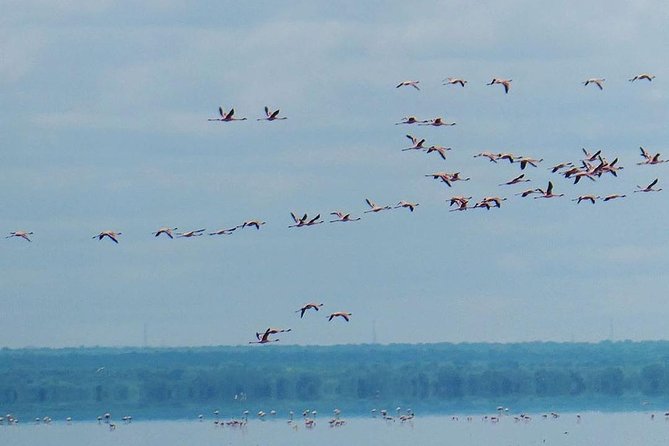
REVIEW · SERENGETI NATIONAL PARK SAFARIS
5 days Serengeti safari|Experience the great wildebeest migration
Herds, rivers, and crocodiles set the tone for Tanzania. This Great Wildebeest Migration safari is built around tracking the movement of millions of animals across the Serengeti ecosystem, with open-roof 4×4 game drives that keep you right in the action.
I also like how the trip stays focused on wildlife time, not rushing through random stops, and how the operation runs with an English-speaking guide and a chef for on-the-ground support. The one thing to keep in mind is that migration sightings can shift with season and weather, so your best animal moments depend on timing, not just the itinerary.
In This Review
- Key highlights that matter
- The Great Migration angle, and why this itinerary is built that way
- Arusha arrival to Serengeti base: your first taste of safari mode
- Day 2 in Serengeti: morning and afternoon drives that maximize chances
- Day 3: the full-day Serengeti drive for migration time
- Day 4: Serengeti game drive, then transfer to Ngorongoro Crater
- Day 5: Ngorongoro Crater morning, then back to Arusha
- Camping setup details, and what included comfort really means
- Food, water, and the small costs to plan for
- Guides, driving, and why professionalism shows up in the day
- Price and value: what $3,000 is really buying you
- Timing, weather, and how to manage expectations the smart way
- Who this safari is best for
- Should you book this 5-day Serengeti migration safari?
- FAQ
- What is the tour start time?
- Where does this safari operate?
- How long is the safari?
- Is pickup offered?
- What transport style is included?
- What sleeping setup is included?
- What meals are included?
- Is water included?
- What is not included in the price?
- What is the cancellation policy?
Key highlights that matter
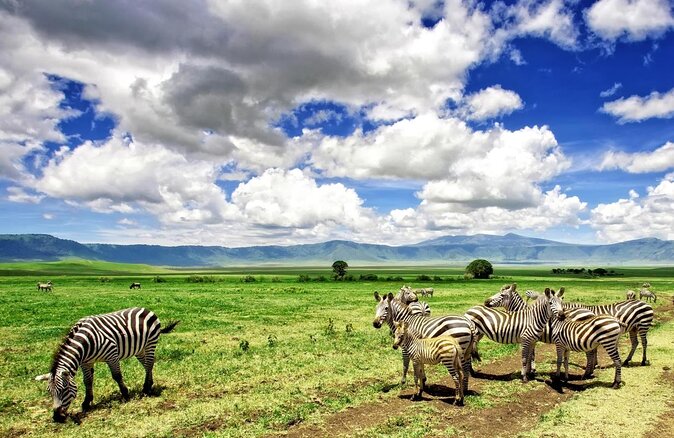
- Migration-first routing designed around the herds’ clockwise circuit across Serengeti
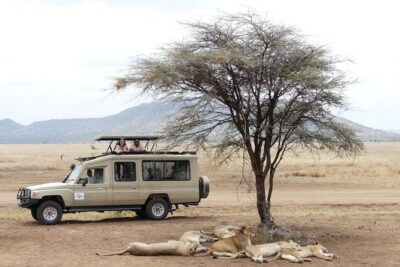
- Open-roof 4×4 transport so you can spot animals quickly and enjoy strong viewing angles
- Small group size with a max of 7 travelers, which usually helps the day feel less crowded
- Camping-style comfort with a tent, mattress, and sleeping bag included
- A strong finish at Ngorongoro Crater after Serengeti game drives
- All fees and taxes included, which makes budgeting simpler for a $3,000-per-person trip
More of the Serengeti, drive by drive
- Balloon Safari & Bush Breakfast in Serengeti – Miracle Experience★ 5.0 · 1,646 reviews
- 3 Days Serengeti & Ngorongoro Group Camping Safari★ 5.0 · 574 reviews
- 5-Day Highlights mid-Range Crater, Serengeti, Tarangire★ 5.0 · 296 reviews
- 3-Day Classic Serengeti Safari★ 5.0 · 263 reviews
The Great Migration angle, and why this itinerary is built that way
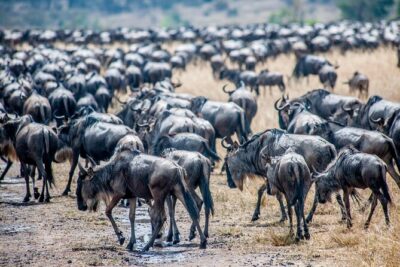
If you’re coming to Tanzania for one main reason, it’s usually the migration. Here, you’re not just doing generic Serengeti drives. You’re following a very specific natural storyline: the herds move in a clockwise circuit through the ecosystem, starting in the southern Serengeti when rains trigger fresh grazing.
The numbers are the kind that make your brain go a bit numb. You’re looking at about 1.5 million wildebeest, plus 250,000 zebra and 400,000 gazelle. The big drama you hear about is the Mara River crossing, timed around May, when the wildebeest reach the river and have to cross waters that are described as crocodile-infested. Then the herds stay in the Masai Mara until November, before they start moving south again.
So what does that mean for you on the ground? It means the itinerary’s structure matters. A migration-focused safari works best when you have enough hours in the right places, and when you can respond as the herds shift location. This plan gives you multiple game drive blocks over several days, including a full-day drive, which is exactly what you want when the action is always moving.
Arusha arrival to Serengeti base: your first taste of safari mode
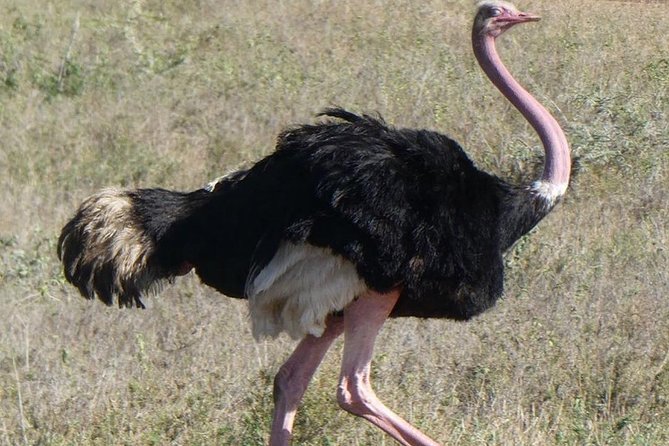
Day 1 keeps things practical. You arrive in Arusha and then transfer to your lodge in the Serengeti area. It’s a smart start because it reduces pressure on Day 2. Instead of trying to cram wildlife right away, you ease into safari logistics first.
This first transfer also helps with your mindset. If you’re staring at a map on arrival day, Tanzania can feel huge and hard to grasp. After the transfer, you start thinking in routes and distances, and you understand why the migration is such a big deal. You’re not chasing one animal. You’re chasing movement through a whole system.
One more detail that I appreciate: the tour offers pickup, and the tour start time is 8:00 am. That kind of predictable structure helps you avoid that awkward half-day of wondering what happens next.
Day 2 in Serengeti: morning and afternoon drives that maximize chances
On Day 2, you get both a morning and an afternoon game drive in the Serengeti. That split is a classic safari rhythm for a reason. Animals often feel more active when the light and temperatures shift, and you gain two chances to spot the right mix of predators, herbivores, and migration movement.
This is also your first day to get familiar with how your guide watches the land. You’ll learn quickly that “seeing wildlife” is not only about luck. It’s about scanning constantly, reacting fast, and knowing where animals tend to travel and gather. With an English-speaking safari guide leading the drives, you’re not guessing what you’re looking at.
From the reviews you can pick up a recurring theme: service and professionalism matter on safari, and they show up in real ways like punctual pickup and comfortable, accommodating driving. I’d treat that as a positive sign for Day 2, because your first drive sets the pace for the rest of the trip.
Chasing the herds? Compare these first
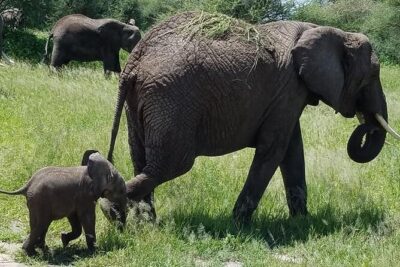
Day 3: the full-day Serengeti drive for migration time
Day 3 is the big wildlife day. It’s a full-day game drive in the Serengeti, specifically following the idea of the Great Migration path. This matters because migration viewing is rarely a quick hit. You usually need time to find the right areas where the herds are concentrated, then sit with the action long enough to watch it unfold.
The good news is that the migration description here is clear about what makes sightings easier: when wildebeest are concentrated in the Masai Mara and northern Serengeti, sightings can be easier. While you can’t control where the herds will be that exact week, you can control how long you’re on the move and how many hours you have to search.
This day also tends to be where your guide earns their keep. Strong guiding is about reading signs, choosing where to go next, and keeping the drive focused. A driver named Deo has been praised for doing just that, helping ensure the best animal views. That kind of on-the-road skill is exactly what a full-day drive needs.
One practical consideration: with a full day outdoors, you’ll want to keep your energy up. The tour includes tea and coffee with meals, plus 1.5 bottles of water per day, but it does not list extra drinks as included. If you rely on alcohol to unwind at night, you’ll need to budget for it since alcoholic beverages are not included.
Day 4: Serengeti game drive, then transfer to Ngorongoro Crater
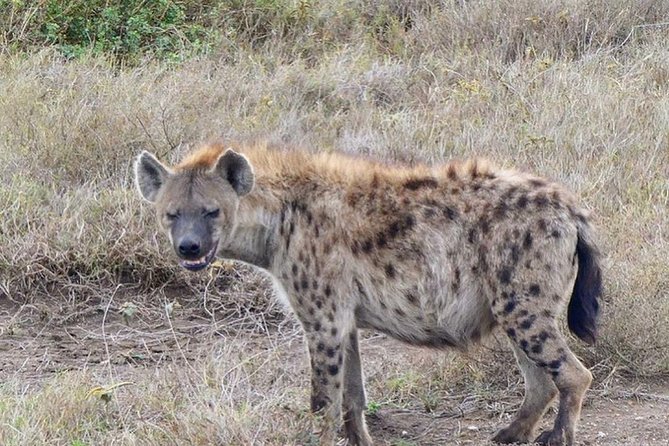
Day 4 starts with another morning game drive in the Serengeti, then you transfer to the Ngorongoro Crater. This is a smart pivot. Serengeti is about movement and vast open plains, while Ngorongoro brings a different kind of wildlife experience because it’s a distinct natural setting.
The transfer itself is where you start thinking like a safari traveler. You’re not staying in one neat geographic box. Tanzania is a chain of places, each with its own feel. That transfer helps you compare wildlife styles. In Serengeti, you’re often searching wide. With Ngorongoro, you’re looking for how animals use a contained, well-known environment.
A drawback to be aware of here, but not a deal-breaker: you’re changing locations. That means you may not get long breaks in the middle of the day. The good side is that the tour keeps the focus on game drives, which is what you’re paying for.
Day 5: Ngorongoro Crater morning, then back to Arusha
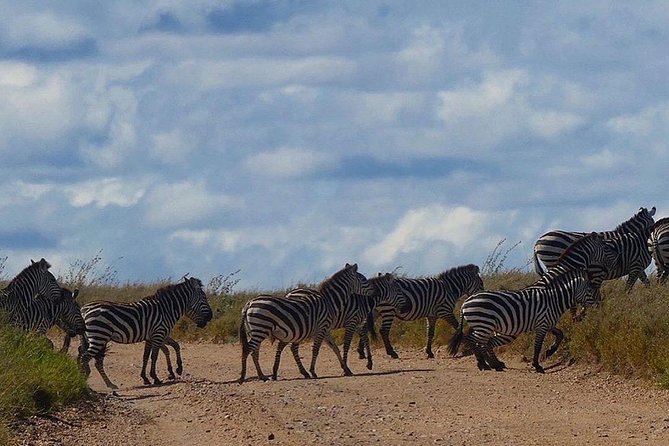
Your final day is a morning game drive in the Ngorongoro Crater, followed by a transfer back to Arusha. This is a strong ending because it compresses your last wildlife moments into morning hours, when you can usually make the most of active sightings.
Then, you’re back in Arusha to wrap up. That is helpful if you have onward travel after the safari. It also means the trip feels complete instead of stopping abruptly after Serengeti.
Camping setup details, and what included comfort really means
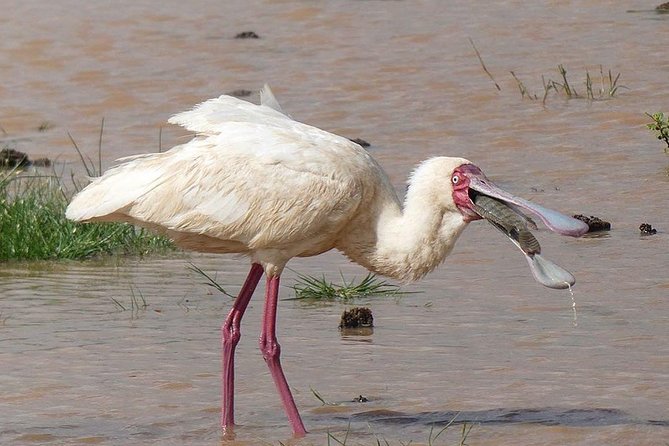
This safari includes transport (4×4 Land Cruisers with open roof) plus a tent and mattress, along with a sleeping bag. In other words, this is not a “you sleep in a fancy hotel and only drive around” type of safari.
For value and realism, that matters. Many people underestimate how much difference the bed and weather make on safari. By including a sleeping bag and the basic sleeping setup, the tour reduces how much gear you need to bring or buy. It also suggests the operator expects you to camp at least part of the time, so they plan for it rather than leaving you to improvise.
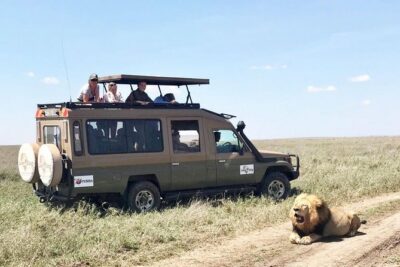
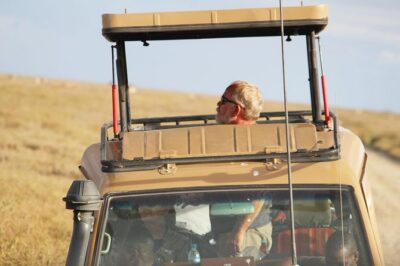
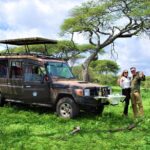
The open-roof vehicle is one of the best parts of safari logistics. It helps visibility and keeps your connection with the environment direct. You’re not looking through glass all day, and you can usually react quickly when animals are spotted.
One more small but important detail: the tour is described as having a maximum of 7 travelers. That’s not just a number. In practice, it often means less chaos at sightings and more room to position yourself for viewing.
Food, water, and the small costs to plan for
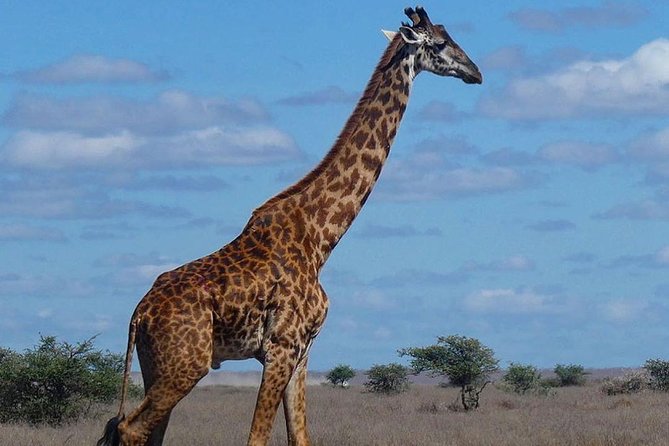
Food is a big part of whether a safari feels smooth or stressful, and here you’re covered better than many budget options. The included meals are listed as 1 breakfast, 2 lunches, and 1 dinner, plus coffee and/or tea and tea and coffee with meals. You also get 1.5 bottle of water per day.
That’s good. But it also means not every meal is included. You’ll likely handle some meals on your own, depending on timing. If you’re the type who needs consistent meals to stay happy on the road, you’ll want to plan for that.
Also remember what’s not included:
- Alcoholic beverages
- Tips for your safari guide and chef
- Personal items
- Accommodation and meals in Moshi (notably listed as not included)
Those items don’t ruin the trip, but they change the total cost. With a price of $3,000 per person, it’s worth thinking of this safari as a package of driving, guiding, and key essentials, not as an all-inclusive resort stay.
Guides, driving, and why professionalism shows up in the day
When safari service is good, you feel it in small moments: pickup on time, a clear plan for the day, and a guide who understands animal behavior and how to get you to sightings efficiently.
The reviews for Kilinge Adventures highlight exactly that kind of professionalism. People mention professional drivers, comfortable and accommodating driving, clean and delicious food, and pickup that was very on time. One person also praised Thomas as especially helpful from the first email through the last day, including help with pickup timing at a bus station. Another noted Deo as an excellent driver who helped with good animal viewing.
Even without overthinking it, that pattern is a good sign. Safari days can be long and physically tiring, and the right guide and driver reduce your stress. You’ll spend more energy watching animals and less energy worrying about what happens next.
Price and value: what $3,000 is really buying you
At $3,000.00 per person for about 5 days, this isn’t a cheap safari. But the price is also not vague. The tour lists all fees and taxes as included, and it includes core safari operating costs:
- transport in a 4×4 open-roof Land Cruiser
- a professional English-speaking safari guide and chef
- tent, mattress, and sleeping bag
- several meals (plus coffee and tea)
- water per day
So where does the value come from? In safari terms, it’s the combination of logistics plus guide time. You’re paying for the vehicle, staff, and park access. If you tried to assemble this yourself, it’s hard to match the coordination and reduce the risk of missing migration timing.
What can push the total higher is what isn’t included. You still need to plan for flights, travel insurance, visa fees, and anything personal like tips and alcohol. The tour also says accommodation and meals in Moshi are not included, which could matter depending on how your trip is routed before or after Tanzania.
Bottom line: if you want a migration-focused safari with guiding and organized meals and camping basics handled, this price feels more like a packaged safari cost than a random add-on collection.
Timing, weather, and how to manage expectations the smart way
This experience requires good weather. The tour also states that if cancellation happens due to poor weather, you’ll be offered a different date or a full refund.
For your expectations about wildlife, the migration description is your best guide. You’ll see migration as a clockwise circuit across the Serengeti ecosystem. You’ll also hear that sightings become easier when herds are concentrated in areas like the Masai Mara and northern Serengeti. That’s the core thing to remember: the herd is the star, and its location drives everything.
So, even with a well-designed itinerary, some days may feel more about searching and learning than about dramatic action. The upside is that the plan gives you repeated Serengeti game drives, including a full-day drive, so you’re not stuck with only one chance.
Who this safari is best for
I think this tour fits best if you:
- want a migration-centered Serengeti plan rather than a generic wildlife circuit
- like being out with a guide for long game drive hours
- are comfortable with a tent and sleeping bag camping setup
- prefer smaller group dynamics with a max of 7 travelers
- care about service details like punctual pickup and professional driving
It may be less ideal if you want a purely lodge-based, fully all-inclusive comfort setup, or if you have very tight schedules for flights, since flights are not included and the trip starts at 8:00 am.
Should you book this 5-day Serengeti migration safari?
Yes, I’d book it if you’re serious about the Great Migration and you want an itinerary that gives you real time on the wildlife search. The big strengths are the migration focus, the open-roof 4×4 driving style, and the fact that key essentials like guide time, park access fees, and camping basics are included.
I’d hesitate only if you can’t be flexible about migration timing and weather. Animal concentration changes with the season, and the tour itself notes it depends on good conditions. If you’re traveling with that in mind, this is a strong, practical way to chase one of nature’s loudest stories.
FAQ
What is the tour start time?
The tour start time is 8:00 am.
Where does this safari operate?
The tour is based in Arusha, Tanzania, with transfers to Serengeti and Ngorongoro Crater.
How long is the safari?
The duration is approximately 5 days.
Is pickup offered?
Yes, pickup is offered.
What transport style is included?
The tour includes transport in a 4×4 Land Cruiser with an open roof.
What sleeping setup is included?
The tour includes a tent and mattress, and it also includes a sleeping bag.
What meals are included?
The tour includes 1 breakfast, 2 lunches, and 1 dinner, plus coffee and/or tea with meals.
Is water included?
Yes. It includes 1.5 bottle of water per day.
What is not included in the price?
Flights, travel insurance, visa and passport fees, increases in park fees where applicable, accommodation and meals in Moshi, personal items, tips for the safari guide and chef, alcoholic beverages, and extra activities.
What is the cancellation policy?
You can cancel for free up to 24 hours in advance for a full refund. If it’s canceled due to poor weather, you’ll be offered a different date or a full refund.
Following the Migration
- 8 Days Great Wildebeest Calving Migration Safari from Arusha
★ 5.0 · 254 reviews - 10-Day Serengeti Wildebeest Migration Safari from Arusha
★ 5.0 · 218 reviews - 8 Day Spectacular Migration Serengeti mid -Range Tanzania Safari
★ 5.0 · 161 reviews - 9-Day Serengeti Migration Footsteps Tanzania Safari
★ 5.0 · 96 reviews - 7 days great migration safari
★ 5.0 · 77 reviews
The Serengeti, Three More Ways
- Balloon Safari & Bush Breakfast in Serengeti – Miracle Experience
★ 5.0 · 1,646 reviews - 3 Days Serengeti & Ngorongoro Group Camping Safari
★ 5.0 · 574 reviews - 5-Day Highlights mid-Range Crater, Serengeti, Tarangire
★ 5.0 · 296 reviews - 3-Day Classic Serengeti Safari
★ 5.0 · 263 reviews - Private 6-Day Tarangire Manyara Crater and Serengeti with Mid-Range Lodges
★ 5.0 · 238 reviews
Just added from around Arusha
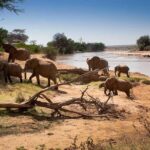
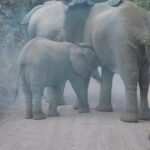
Serengeti National Park Safaris, compared.
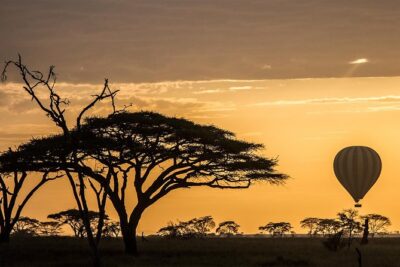 ★ 5.0Serengeti Balloon Safari and authentic bush breakfastFrom $5502,480 reviews
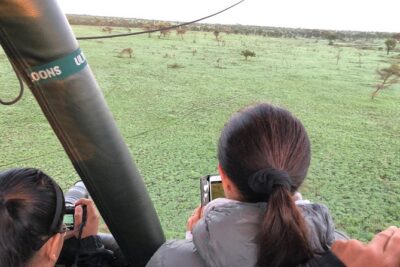 ★ 5.0Balloon Safari & Bush Breakfast in Serengeti – Miracle ExperienceFrom $5991,646 reviews
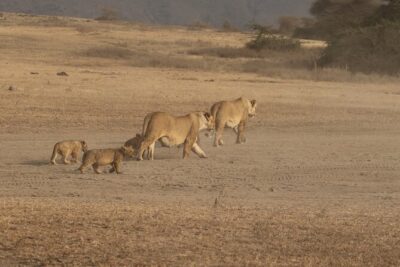 ★ 5.03 Days Serengeti & Ngorongoro Group Camping SafariFrom $815574 reviews
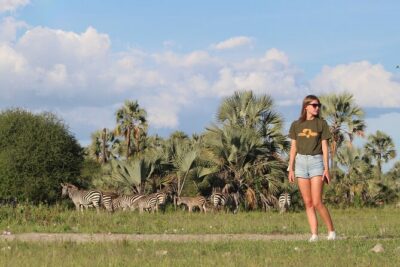 ★ 5.05-Day Highlights mid-Range Crater, Serengeti, TarangireFrom $2,327296 reviews
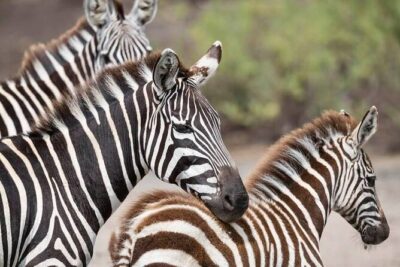 ★ 5.0Safari Serengeti And NgorongoroFrom $2,845288 reviews
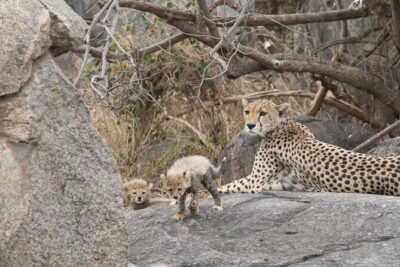 ★ 5.03-Day Classic Serengeti SafariFrom $1,455263 reviews
 ★ 5.0Private 6-Day Tarangire Manyara Crater and Serengeti with Mid-Range LodgesFrom $2,685238 reviews
 ★ 5.05 Days Camping Tarangire, Serengeti & Ngorongoro crater & Visiting MaasaiFrom $1,254229 reviews
Browse the lists this tour appears in