
REVIEW · MULTI-DAY NORTHERN CIRCUIT SAFARI PACKAGES
5 Days Safari in Tanzania | Camping and Lodge Safaris
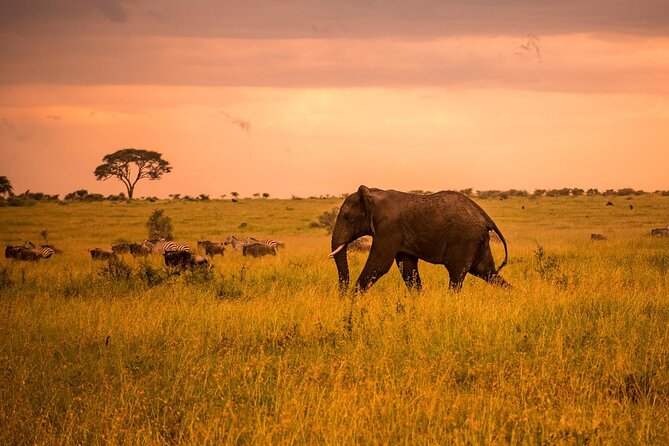
Big wildlife is the whole point of this trip. This 5-day safari out of Arusha strings together Tarangire elephants, Serengeti wildlife drives, and the Ngorongoro Crater for some very high-density animal time. I also like that you get a tight route with private transport and included meals, so you spend less time figuring things out and more time watching animals. One consideration: the exact park mix can vary, since the broader concept mentions Lake Manyara but the day-by-day schedule provided focuses on Tarangire, Serengeti, and Ngorongoro.
What makes it feel efficient is how the pacing fits the wildlife. You start early when it helps, you do late drives when animals are out, and you come back to a lodge or camp when daylight fades. On the people side, this is capped at up to 7 travelers, which usually means less crowding than the huge bus safaris.
At $1,800 per person, it is not a budget safari, but it is also not just a ticket and a map. You’re paying for the logistics: private transportation, park fees and taxes, and meals across the trip. If you want a trip that is mostly about maximum comfort and minimal driving, you may want to compare lodge-only options.
In This Review
- Key highlights to know before you go
- The route that makes this safari work: Tarangire, Serengeti, Ngorongoro
- Day 1: Leaving Arusha for Tarangire elephants and baobabs
- Day 2-3 in Serengeti: when full days turn into real animal time
- How the Serengeti drive style changes from afternoon to morning
- Day 4: Checking into Karatu, and why that stop matters
- Day 5: Ngorongoro Crater descent early for denser wildlife odds
- Camping and lodge nights: comfort choices that affect your energy
- Getting there and staying comfortable: private transport, WiFi, and small group size
- Price and value: what $1,800 likely covers, and what you should budget
- Guides and the sighting engine: why names like Amani, Frankie, Hope matter
- Who should book this safari, and who should think twice
- My practical checklist before you go (so you enjoy every day)
- Should you book this Tanzania 5-day safari?
- FAQ
- What parks are included in this 5-day Tanzania safari?
- Where does the safari start and end?
- How much does the safari cost?
- Is pickup offered?
- Are meals included?
- Does the tour include WiFi?
- How big is the group?
- What tip guideline should I plan for?
- Can I cancel for a full refund?
- Is international airfare included?
Key highlights to know before you go
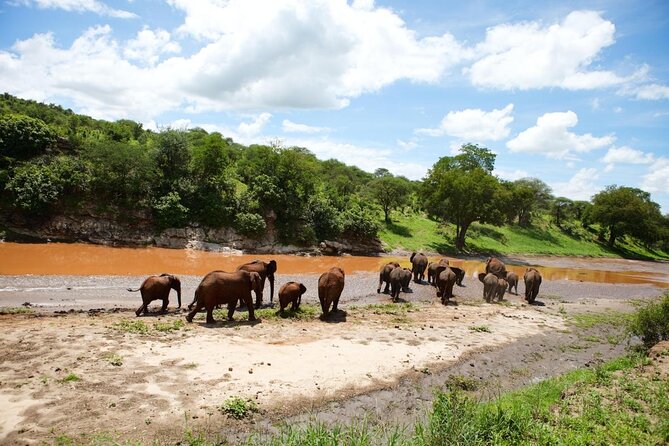
- Tarangire first day game drive in classic elephant country with baobabs
- Serengeti sunrise option for close-up viewing when animals are moving
- Radio coordination for better timing, so you are not just guessing
- Karatu overnight to break up the long crater day and get real rest
- Ngorongoro descent early, which improves your odds for rarer sightings
- Small group size (max 7), typically a calmer safari vibe
Longer northern circuit routes, side by side
- Tanzania Classic – 7 Days★ 5.0 · 1,151 reviews
- Tanzania Wildlife Encounters – 6 Days★ 5.0 · 277 reviews
- Group Safari 7 Days in Tanzania’s Main Parks★ 5.0 · 240 reviews
- 4 Days Join Group tour Tarangire Serengeti and Ngorongoro crater★ 5.0 · 219 reviews
The route that makes this safari work: Tarangire, Serengeti, Ngorongoro
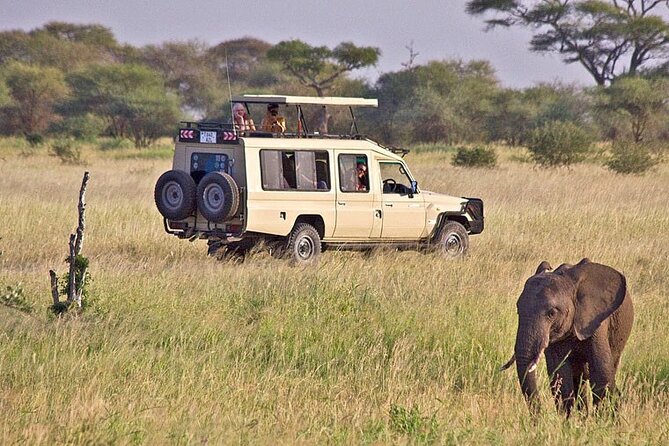
This safari is built around three of northern Tanzania’s heavy hitters, with a route that makes sense on day 1 and pays off by day 3. You leave Arusha and head toward Tarangire, then work your way into the Serengeti for full game-drive time, and finish with Ngorongoro Crater for that bowl-shaped wildlife “concentrator” effect.
Tarangire is famous for elephants and the iconic baobab trees. Serengeti is where you go for scale, variety, and the kind of road-based wildlife viewing that turns mornings into action. Ngorongoro Crater is different, because you are descending into a natural amphitheater with steep walls and frequent high animal density.
One wrinkle to keep in mind: the overall description of the experience mentions Lake Manyara and its baboons and flamingos. But the day-by-day schedule you provided emphasizes Tarangire, Serengeti, and Ngorongoro. Before you pay in full, confirm whether Lake Manyara is actually included in your exact departure, or if it is part of an alternate routing.
Day 1: Leaving Arusha for Tarangire elephants and baobabs
Your safari starts with a scenic drive out of Arusha, usually after pickup at the start point in Arusha Urban. You have the option to stop by a supermarket if you need last-minute personal items. Then it is straight into Tarangire, with your driver handling the paperwork at the park gate.
The first game drive is the easy win of day 1. Tarangire is set up for that classic moment when you crest a rise and suddenly there are elephants, then more elephants, then those slow, ancient baobabs framing the scene. You also get a picnic lunch at a designated site, followed by afternoon drives until sunset, when animals often shift their behavior.
Practical vibe check: this day is not about rushing you to the next park. It is about getting you into safari mode, learning the rhythm of spotting, and letting your eyes adjust to the big-sky distances.
What I like here is how it anchors your expectations. If you are picturing wildlife sightings from the start, Tarangire is a strong first chapter.
Day 2-3 in Serengeti: when full days turn into real animal time
The Serengeti portion is where the safari earns its reputation. After breakfast, you travel across the Great Rift Valley area and into the Ngorongoro Conservation area, then continue to Serengeti for an afternoon drive. One advantage of starting the Serengeti with a drive on day 2 is that you waste less time waiting for “the right moment.”
Serengeti is also timed around wildlife behavior. You can do an early wake-up sunrise game drive on day 3, which is a smart way to catch animals closer to the road and to see activity when the air is cool. The schedule you provided specifically calls out the chance to see rare nocturnal animals, and it also notes that many diurnal animals line up near the roads to escape the morning dew.
Then day 3 becomes a full day of drives inside the Serengeti. You are out through the day searching for wildlife across vast savannah, with guide guidance steering where to focus. Serengeti’s name connection matters more than it sounds, because it is a reminder that you are in open plains where spotting is both a game and a skill you build quickly.
Also worth noting: your safari guide stays in constant contact with other guides using VHF high frequency radios fitted in the safari cars. That does not magically guarantee the perfect sighting, but it does reduce “dead time” by helping the guide know what is happening.
More camping safaris at this price
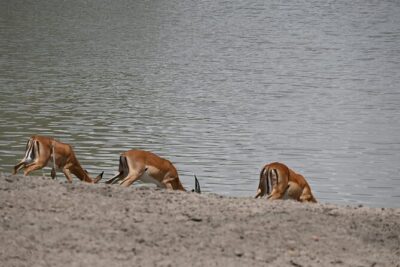
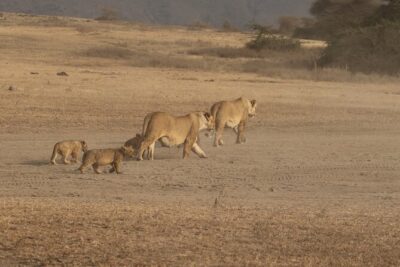
How the Serengeti drive style changes from afternoon to morning
Afternoon drives and sunrise drives feel completely different, and this itinerary leans into that. In the afternoon, you often see animals settle into their next movement pattern, and visibility can be good if clouds roll in. At sunrise, you are working with the morning shuffle, animals near the road, and the chance for early action.
The sunrise timing is also useful for photographers and for anyone who simply likes quiet. Morning drives tend to feel more focused, since the light is cleaner and the crowd energy is lower than later in the day.
If you are on the fence about doing the sunrise drive, I get it. It is early. But this itinerary’s logic says it pays off, and the schedule specifically frames it as an opportunity to see animals up close and potentially rare ones.
Day 4: Checking into Karatu, and why that stop matters
Day 4 starts with breakfast, then check out, then one more last game drive in the Serengeti. The schedule points you toward the Seronera River Valley for wildlife and bird life, or other areas based on your guide’s call. This is a practical way to avoid the feeling of having “seen Serengeti already” after only two days.
In the afternoon, you drive back toward the Ngorongoro Conservation area and check in at a lodge in Karatu. Your dinner and overnight are included, and the itinerary provides examples of mid-range lodge options around Karatu such as Marera Valley Lodge or Country Lodge at Karatu nearby.
Why this matters: it sets you up for the crater day. If you tried to do Ngorongoro without a night positioned close by, you would lose sleep to long early starts. Karatu is the buffer that keeps the final day from becoming a rushed scramble.
If you prefer less time in the car, the tradeoff is that day 4 has both one last Serengeti drive and a move toward the crater area. Still, that mix is what keeps this safari’s final day realistic.
Day 5: Ngorongoro Crater descent early for denser wildlife odds
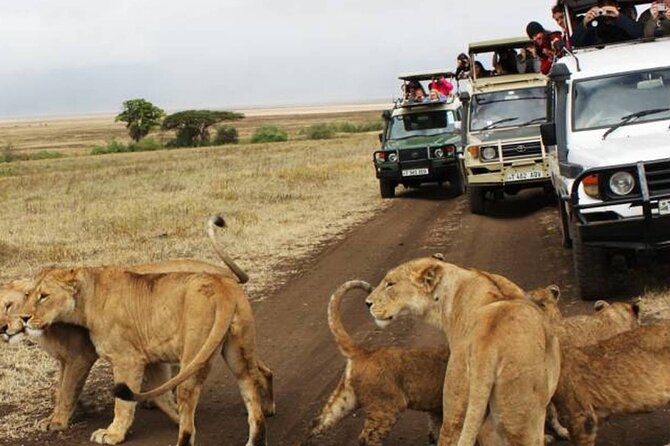
Ngorongoro Crater is the grand finale, and the itinerary is very clear about the main strategy: descend early. You can descend after breakfast, or even with a packed breakfast, to get onto the crater floor as soon as possible. The earlier timing is about improving your odds for sightings, including the rare black rhino if luck is on your side.
Once you are down in the crater, you do game drives for the morning. The crater is described as having 600 to 650 meter high walls, which helps create a natural setting where animals gather. The schedule frames it as a natural zoo with high concentrations of wildlife, and it even notes that you might spot the Big Five in a single day if you are fortunate.
Lunch is a picnic lunch on the crater day, then you continue the game-drive time until the outing wraps up. This is the day that feels most cinematic, because the walls give you constant visual direction, and wildlife appears in a way that feels less scattered than open-roam plains.
One consideration I would plan around: crater viewing can make long drives feel tiring if you are not used to safari pacing. Bring a neutral, patient mindset. The payoff is in watching, not in trying to rush.
Camping and lodge nights: comfort choices that affect your energy
This tour is described as a mix of camping and lodge safaris, and the day-by-day schedule gives you some clues. On day 2, you check in at a camp or lodge for campfire, dinner, and overnight. On day 4, you stay at a lodge in Karatu for dinner and overnight.
The practical takeaway is energy management. Camping nights can be great for atmosphere, especially if you enjoy the outdoors and staying flexible. Lodge nights tend to be easier on sleep quality and bathroom routines, especially when you have an early crater day ahead.
If you are someone who gets cold at night, or you are picky about comfort, pay attention to which nights are camps versus lodges in your specific booking. The itinerary wording suggests at least one camp-style night, but exact lodging details are not spelled out line by line.
My suggestion: pack for temperature swings. Ngorongoro and the surrounding highlands can feel different than you expect, even when you start the day warm.
Getting there and staying comfortable: private transport, WiFi, and small group size
This safari uses private transportation, which is a major comfort upgrade compared with shared shuttles and random pickup points. A private vehicle also helps your guide adjust driving times based on what is happening in the parks, rather than waiting for a rolling caravan.
The tour includes WiFi on board, which is not the main reason to do a safari, but it can be genuinely helpful for messaging, planning, or keeping your offline maps synced. There is also a maximum of 7 travelers, which usually keeps the game-drive conversations more personal and reduces the feeling of being herded.
You will also spend time in scenic driving segments between parks, including one drive described as crossing up and over the Rift Valley escarpment and getting breathtaking vistas. Even if you are there for wildlife only, those view breaks matter, because they prevent you from feeling trapped in a vehicle all day.
Price and value: what $1,800 likely covers, and what you should budget
At $1,800 per person for about 5 days, you are paying for a guided, logistics-heavy package. What you can feel good about is that the experience includes private transportation and all fees and taxes. It also includes meals, with dinner listed for 4 nights, breakfast for 4 mornings, and lunch for 5 days.
That means you are not separately paying for park entry for every day or juggling meal planning on the fly. It is part of the value equation: less mental load, more time watching.
What is not included is equally important. International flights are not included, and the tour does not include extra accommodation before or at the end of your safari. Tips are also not included, and the schedule gives a tipping guideline of about US$10.00 per person per day.
If you are trying to compare value across safaris, I would compare these items first: included meals, park fees, transport type, and how many nights are camps versus lodges. Two trips with the same headline price can feel very different once you total the extras.
Guides and the sighting engine: why names like Amani, Frankie, Hope matter
On this kind of safari, your guide can strongly influence your experience. In the reviews attached to this company, I saw guide and organizer names like Amani and Frankie, plus planning help from people named Hope and Isaac. Drivers were also mentioned by name, including Sam and others.
Even when the itinerary is fixed, the guide’s role is not. They choose where to spend time, keep track of animal movements, and coordinate with other guides using the radios. That is why the trip feels organized from the start to the end in multiple accounts you provided.
A small tip for you: ask your operator to tell you who your guide is before you arrive in Tanzania, if possible. Even if nothing changes day-of, it helps you set expectations and get comfortable with communication style.
Who should book this safari, and who should think twice
This is a great fit if you want a strong mix of parks in a short time and you are okay with a packed-but-not-chaotic schedule. The small group size helps, and the included meals and private transport reduce friction.
It also suits people who want at least one morning drive early, because the itinerary explicitly supports sunrise game viewing. If you love wildlife enough to wake up early for it, this route makes that payoff likely.
Think twice if you are doing safari for mostly comfort and minimal driving. This schedule includes multiple park transfers across several days, and day 5 starts early with an early crater descent option. If your priority is maximum downtime, you might prefer fewer parks or a longer trip with fewer drive segments.
My practical checklist before you go (so you enjoy every day)
Pack for early mornings and long sitting hours in a safari vehicle. Bring layers, since temperatures can shift and game drives include waiting for animals to come near the road.
Binoculars help a lot, even if you think you do not need them. Wildlife is often just a bit far at first, and binoculars make the difference between spotting something and actually understanding what you are seeing.
Finally, set a realistic mindset for sightings. Ngorongoro is described as a natural zoo with high animal concentration, but luck still matters for rare animals like black rhino. Your best move is to stay patient on the crater floor and let the morning timing do its work.
Should you book this Tanzania 5-day safari?
If your goal is a focused northern Tanzania circuit with Tarangire elephants, serious Serengeti game-drive time, and an early Ngorongoro Crater finale, this itinerary style makes sense. The value is helped by included meals and included park fees and taxes, plus private transport and a cap of 7 travelers.
Just confirm two things before you commit. First, verify whether Lake Manyara is actually included in your departure, since the overall description mentions it but the schedule provided does not. Second, ask what lodging style you will get on each night, so you can plan for camping versus lodge comfort.
If those answers check out, this is a strong choice for a classic Tanzania safari packed into 5 days. The route is efficient, the timing is thoughtful, and the goal is clear: get you close to wildlife, not stuck on logistics.
FAQ
What parks are included in this 5-day Tanzania safari?
The itinerary you provided includes game drives in Tarangire National Park, Serengeti National Park, and Ngorongoro Crater in the Ngorongoro Conservation Area. The overall description also mentions Lake Manyara, so you should confirm whether it is part of your specific departure.
Where does the safari start and end?
The start point is Travel Wise Safari in Arusha Urban, Arusha, Tanzania. The tour ends back at the same meeting point.
How much does the safari cost?
The price is listed as $1,800.00 per person.
Is pickup offered?
Yes, pickup is offered.
Are meals included?
Yes. The tour includes breakfast (4), lunch (5), and dinner (4).
Does the tour include WiFi?
Yes, there is WiFi on board.
How big is the group?
This experience has a maximum of 7 travelers.
What tip guideline should I plan for?
The provided tipping guideline is US$10.00 per person per day.
Can I cancel for a full refund?
Yes, the tour offers free cancellation. You can cancel up to 24 hours in advance for a full refund based on local time.
Is international airfare included?
No. International flights are not included.
More Lodge Safaris
- 7-Day Premium Luxury Tanzania Safari All-Inclusive
★ 5.0 · 426 reviews - 5-Day Highlights mid-Range Crater, Serengeti, Tarangire
★ 5.0 · 296 reviews - Private 6-Day Tarangire Manyara Crater and Serengeti with Mid-Range Lodges
★ 5.0 · 238 reviews - 5 Days Best of Tanzania Luxury Safari Northern Circuit
★ 5.0 · 174 reviews - 5-Day Private midrange Tour in Arusha with Airport Pickup
★ 5.0 · 160 reviews
More Under Canvas
- 4 Days Group Camping Safari
★ 5.0 · 1,101 reviews - 5 Days Group Camping Safari
★ 5.0 · 730 reviews - 3 Days Serengeti & Ngorongoro Group Camping Safari
★ 5.0 · 574 reviews - 5 Days Camping Tarangire, Serengeti & Ngorongoro crater & Visiting Maasai
★ 5.0 · 229 reviews - 5 Days Budget Private Safari, Tanzania
★ 5.0 · 191 reviews
Longer Trips Through the North
- Tanzania Classic – 7 Days
★ 5.0 · 1,151 reviews - 7-Day Premium Luxury Tanzania Safari All-Inclusive
★ 5.0 · 426 reviews - Tanzania Wildlife Encounters – 6 Days
★ 5.0 · 277 reviews - Group Safari 7 Days in Tanzania’s Main Parks
★ 5.0 · 240 reviews - 4 Days Join Group tour Tarangire Serengeti and Ngorongoro crater
★ 5.0 · 219 reviews
Just added from around Arusha

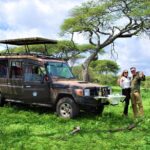
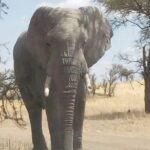
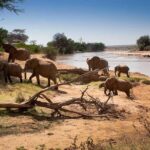
Multi-Day Northern Circuit Safari Packages, compared.
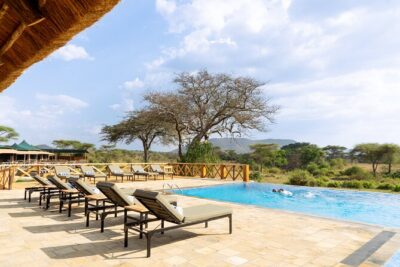 ★ 5.07-Day Premium Luxury Tanzania Safari All-InclusiveFrom $4,840426 reviews
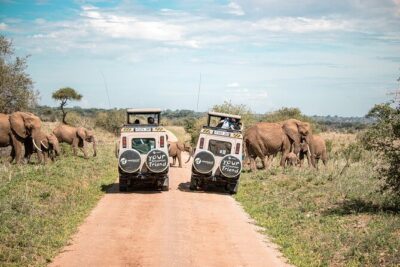 ★ 5.0Tanzania Wildlife Encounters – 6 DaysFrom $3,413277 reviews
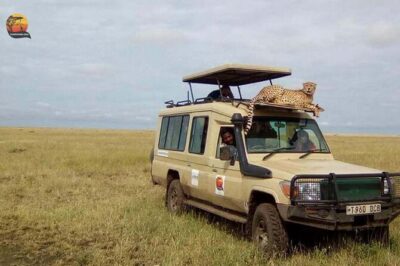 ★ 5.0Group Safari 7 Days in Tanzania’s Main ParksFrom $3,000240 reviews
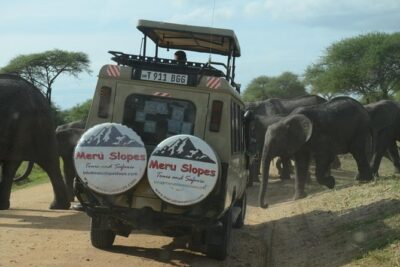 ★ 5.04 Days Join Group tour Tarangire Serengeti and Ngorongoro craterFrom $1,090219 reviews
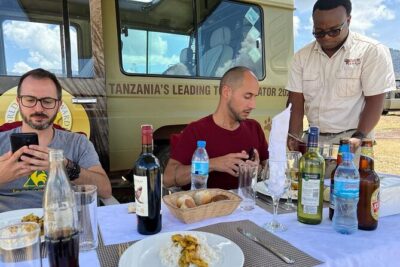 ★ 5.05-Day Private Northern Tanzania Safari from ArushaFrom $2,780182 reviews
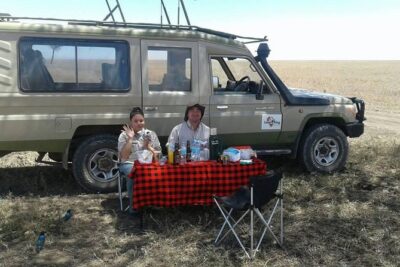 ★ 5.05 Days Best of Tanzania Luxury Safari Northern CircuitFrom $3,744174 reviews
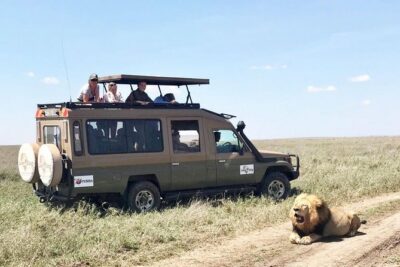 ★ 5.08 Day Spectacular Migration Serengeti mid -Range Tanzania SafariFrom $4,257161 reviews
 ★ 5.0Multi-Day Tanzania Odssey Safari from ArushaFrom $4,164120 reviews
Browse the lists this tour appears in