
REVIEW · TANZANIA CAMPING AND BUDGET SAFARIS
5-Day private Camping Safari Tour in Tanzania
Five days, three parks, and a tented safari rhythm. This private camping safari in Tanzania is built around game drives in the 4×4 and classic wildlife stops from Tarangire to the Ngorongoro crater. You spend long hours out on the plains, then come back to camp, eat well, and do it again.
What I like most is the way the days are paced for spotting animals. In Tarangire you get that elephant-and-baobab vibe, then you shift into Serengeti with enough driving time to actually look for behavior, not just quick sightings. The other big win is the food. Several people call out genuinely solid meals, with a camp chef who keeps things interesting night after night.
One consideration: this is a camping safari, and the days are long. The schedule includes early departures and extended drives, so if you want a low-energy vacation with minimal time in the vehicle, this may feel like a lot.
In This Review
- Key Highlights You Should Care About
- Arriving in Arusha: Where the Safari Really Starts
- Price and Value for a Private 4×4 Camping Safari
- Day 1 Tarangire: Elephants, Baobabs, and That First Big-Wow Drive
- Days 2 to 3 Serengeti: More Than One Game Drive, More Than One Mood
- Day 4 Serengeti to Ngorongoro: Early Drive, Then the Crater Run
- Day 5 Ngorongoro: The Descent, Lake Magadi, and Predator Watching
- Camping Safari Reality Check: Tents, Sleeping Setup, and Comfort
- Guides: The Difference Between Seeing Animals and Understanding Them
- Who This Safari Fits Best (And Who Might Want Something Different)
- Practical Notes Before You Commit
- Should You Book This Private Camping Safari in Tanzania?
- FAQ
- Where does the safari start in Arusha?
- Is this a private safari or a shared one?
- How long is the safari?
- Which parks are included on this itinerary?
- Does the trip include Lake Manyara?
- What meals are included?
- Are park admissions included?
- What happens on the Ngorongoro day?
- What is the cancellation policy if plans change?
Key Highlights You Should Care About
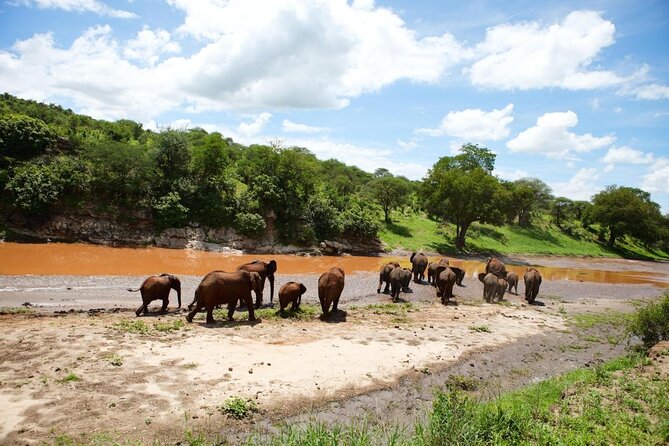
- Tarangire’s elephant concentration plus baobab scenery make the first day feel instantly special.
- Serengeti time on the ground is split into multiple game drives, including a late-evening session.
- Ngorongoro crater is the big payoff, with a descent over 600 meters and predator-focused viewing.
- Camping setup and bedding support are specifically praised, so you are not left to figure things out alone.
- Guides make or break the safari, and names like Rocky, Gordon, Fredy, and Mandela come up again and again.
- Meals are repeatedly called out as a standout, including lunches and dinners handled day to day.
More camping safaris at this price
- 4 Days Group Camping Safari★ 5.0 · 1,101 reviews
- 5 Days Group Camping Safari★ 5.0 · 730 reviews
- 3 Days Serengeti & Ngorongoro Group Camping Safari★ 5.0 · 574 reviews
- 5 Days Camping Tarangire, Serengeti & Ngorongoro crater & Visiting Maasai★ 5.0 · 229 reviews
Arriving in Arusha: Where the Safari Really Starts
Your safari runs from Arusha, and the meeting point is AIM Mall Mbauda Arusha (TZ, Arusha 3424). The activity time window runs daily, so you are not stuck guessing what day works.
This part matters because Arusha is where you get your footing. The safari pace is active from the moment you start driving, and the driver-guide team takes over quickly. You will also want to factor in that this is a private tour, meaning your itinerary flow is designed around your group rather than a giant bus schedule.
You also get a mobile ticket, which is one less hassle before you head out into the parks.
Price and Value for a Private 4×4 Camping Safari
The price is $2,300 per person. That is not a small number, so the real question is value: what are you buying?
You are paying for a private safari vehicle and a private guide experience, not a loose add-on. You are also paying for a multi-day route that hits three of the most famous Tanzania circuits, including a crater descent day and sustained Serengeti time. On top of that, meals are included (breakfast 4 times, lunch 5 times, dinner 4 times), which can be a hidden cost on safaris where you otherwise eat on the move.
One more value point: this format is described as “done with everything covered.” In plain terms, you should feel cared for from transport to meal service, not like you are managing the trip yourself. Guests repeatedly credit the guide team and the camp setup for reducing stress.
Bottom line: if you want a packed wildlife itinerary with a private guiding style and proper camping support, the cost starts to make sense. If you are hoping for a budget, DIY-style Tanzania trip, this route will feel expensive.
Day 1 Tarangire: Elephants, Baobabs, and That First Big-Wow Drive
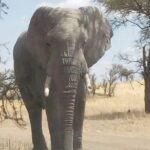
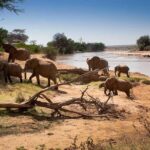
Day 1 starts after breakfast, with departure between 08:30 and 09:00. Tarangire National Park is a strong opening choice. It is famous for high-density elephant areas and for baobab trees that look prehistoric even in daylight.
In Tarangire, I love the feeling that you are walking into a wildlife ecosystem with obvious characters. You can expect large herds of zebra, wildebeest, and cape buffalo during the dry season (June to November is specifically noted). Even when the action is spread out, the park structure helps your eyes stay busy.
Common residents you might see include waterbuck, giraffe, dik dik, impala, eland, Grant’s gazelle, vervet monkeys, banded mongoose, and olive baboons. Predators listed for Tarangire include lions, leopard, cheetah, caracal, honey badger, and African wild dog. That last set is why Tarangire is worth more than a quick stop.
How the day plays: you arrive at a lodge for lunch, then get an afternoon game drive. The lodge lunch break is a real comfort checkpoint, especially on a first day when you are still adjusting to the safari rhythm.
Possible drawback: Tarangire is a drive-and-search park, so if your expectation is constant action every minute, you might feel it is slower than you hoped. The upside is that it sets you up for bigger density and more focused viewing later.
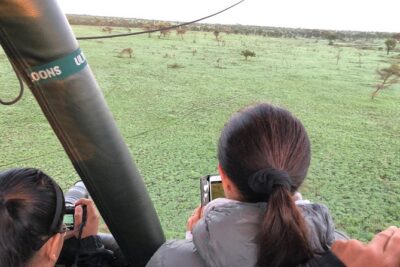
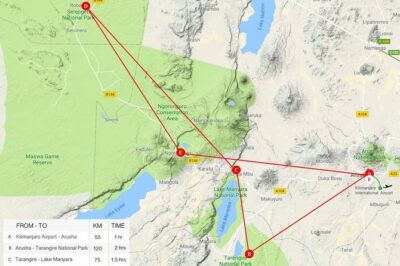
Days 2 to 3 Serengeti: More Than One Game Drive, More Than One Mood
After early breakfast on Day 2, you drive to Serengeti National Park, passing through the Ngorongoro Conservation Area. You get a picnic lunch along the way, plus game drive time en route. Dinner and overnight are at Seronera Campsite.
Day 2 and Day 3 are structured for repeated Serengeti viewing rather than one long shot. Day 3 includes a full-day game drive with picnic lunch, then you keep going until late evening before returning to Seronera for dinner and sleep.
Why this matters for you: Serengeti animals change their behavior by time of day. The morning and late-day hours are often different. With two separate days plus multiple driving windows, you have a better chance of seeing variety in how animals move and interact.
What you should expect in practice:
- You are in the field for hours at a time.
- Picnic lunch keeps you from losing precious daylight.
- Staying at Seronera means you are not wasting energy transferring in and out.
If you are a photographer, this is the type of schedule that helps you shoot more than animals, you shoot scenes. For everyone else, it just increases your odds of a great day.
Day 4 Serengeti to Ngorongoro: Early Drive, Then the Crater Run
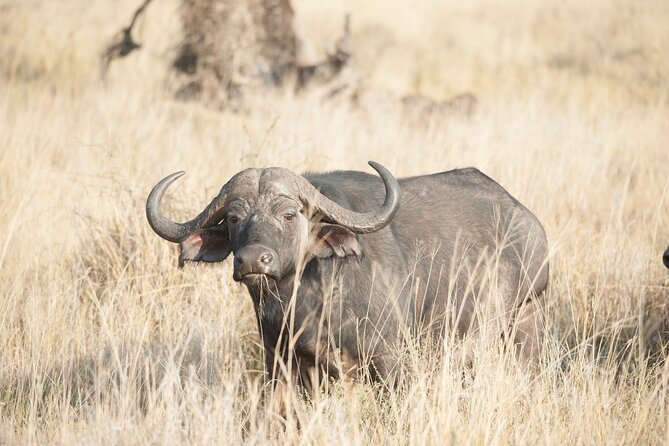
Day 4 starts with an early coffee, tea, and biscuit. Then you head out for an early morning game drive, scheduled from 08:00 to 14:30. After that, you depart to the Ngorongoro Conservation Area with a game drive en route.
You will have dinner and overnight in the conservation area.
That early start can be a perk. It gives you cooler, calmer hours for spotting and it also sets you up to shift into the crater day ahead. The en route game drive is useful too, because it keeps your time from feeling like pure transit.
One practical consideration: this day is physically heavier than a typical sightseeing day because it blends a long drive day with a long game drive window. For many people, it still feels worth it because you are closing the gap to the Ngorongoro highlight.
Day 5 Ngorongoro: The Descent, Lake Magadi, and Predator Watching
Day 5 begins with early breakfast of coffee and then you descend over 600 meters into the crater. This is not just a dramatic viewpoint moment, it also changes the whole wildlife setup inside the crater.
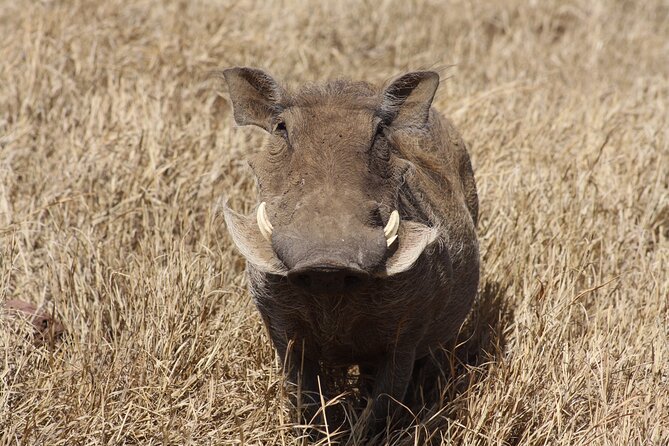
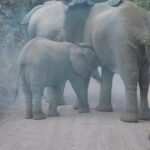
Ngorongoro Conservation Area supports a wide variety of animals thanks to year-round water and fodder. The animals listed include herds of wildebeest, zebra, buffalo, eland, warthog, hippo, and giant African elephants. If you want one stop where multiple classic species are possible in a single circuit, this is it.
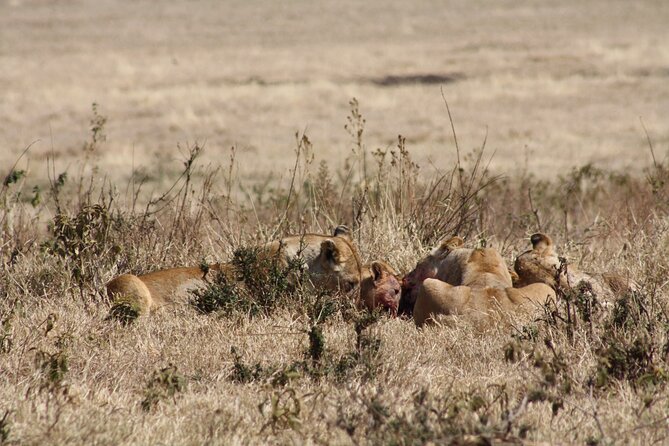
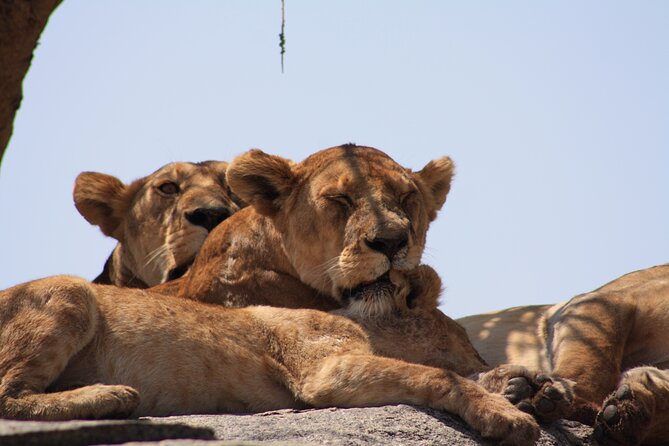
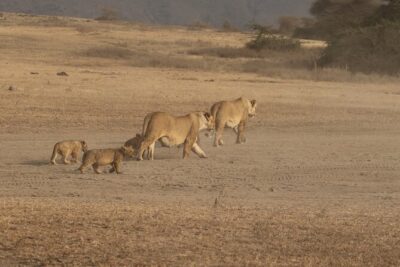
The predator component is a big reason people talk about Ngorongoro as a serious game-viewing day. The crater supports lions, hyenas, jackals, cheetahs, and the elusive leopard, which sometimes takes a trained eye to spot. You are not just rolling by landscapes here, you are working a wildlife circuit.
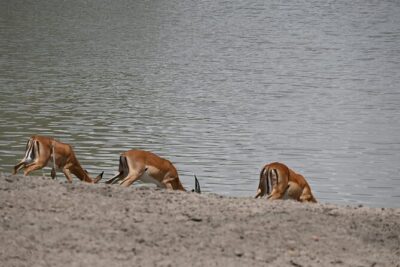
You also visit Lake Magadi, described as a large but shallow alkaline lake in the southwestern corner of the crater. It is one of the main features of the crater, so expect the day to mix viewing areas with practical animal-search routes.
After the crater time, the tour ends back at the meeting point.
Camping Safari Reality Check: Tents, Sleeping Setup, and Comfort
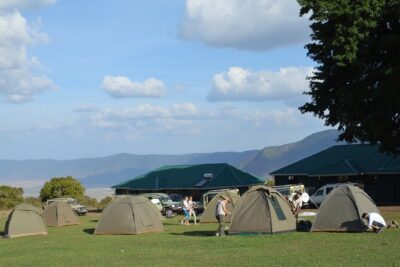
This trip is a camping safari, not a lodge-only experience. That sounds obvious, but it is worth saying clearly: your comfort comes from the camp setup, not from luxury rooms.
Guests specifically praise the organization of tents and sleeping bags, describing the camp gear handling as “perfection.” That tells me the operators take the sleep side seriously, which matters a lot when you are spending long hours outdoors.
Meals also play a major role in comfort. People repeatedly highlight food quality, calling out extraordinary meals, hot lunches, and daily variety. When you are in the bush, a well-run meal schedule is not a “nice-to-have,” it is how you keep energy up for drives and long viewing sessions.
Also, this is run as a private tour, so the timing and camp transitions are handled for your group rather than a crowd. That can mean less waiting and fewer compromises.
Guides: The Difference Between Seeing Animals and Understanding Them
If you take one safari lesson with you, it is this: a guide who can find wildlife and explain it turns a good day into a memorable one.
In the feedback, guides like Rocky, Gordon, Fredy, and Mandela get named for spotting ability and for giving history and identification style explanations. Some guests also mention the way guides communicate using radio to improve the chances of seeing more.
You should treat this as a strength signal. Even if your assigned guide is different, the consistent praise points to a guiding team that understands how to work roads, timing, and animal behavior, not just park basics.
If you care about learning as much as spotting, this tour format is a strong fit. You will not just point at animals, you should get context for why they are there and how to read the signs.
Who This Safari Fits Best (And Who Might Want Something Different)
This is a great match if you want:
- a private safari pace (your group, your guide, your timing)
- a classic circuit through Tarangire, Serengeti, and Ngorongoro
- camping done in an organized, comfortable way
- strong meal handling so you can stay focused on wildlife
It may be less ideal if you want:
- a restful, low-drive trip with minimal time in a vehicle
- a strict, fixed “always-on wildlife” schedule with no downtime
For families, couples, and solo travelers who want a guided, structured wildlife experience, it makes sense. For travelers chasing a more independent style, you might feel boxed in by the camping rhythm and long driving blocks.
Practical Notes Before You Commit
Two quick points I would verify when booking:
- The tour description mentions Lake Manyara, but the day-by-day schedule provided here focuses on Tarangire, Serengeti, and Ngorongoro. Confirm whether Lake Manyara is actually part of your departure.
- This is private, but “private” still means your group controls the pace. If you have mobility needs or you get carsick easily, tell the operator before you go, so they can adjust the plan as much as possible.
Should You Book This Private Camping Safari in Tanzania?
I would book it if your priority is a guided, high-impact Tanzania wildlife circuit with camping that feels taken care of. The combination of Tarangire’s elephant culture, multi-day Serengeti driving, and the big crater day gives you a logical arc. You also get included meals day after day, which makes the whole trip feel smoother.
I would hesitate if you hate early starts or you strongly prefer lodges over tent camping. This tour is built around being out on the road for hours and spending time in the wild.
If you want a safari that is serious about spotting, organized about comfort, and run by guides who know the roads and wildlife patterns, this one is easy to recommend.
FAQ
Where does the safari start in Arusha?
The tour starts at AIM Mall Mbauda Arusha TZ, Arusha 3424, Tanzania.
Is this a private safari or a shared one?
It is a private tour/activity, meaning only your group participates.
How long is the safari?
The tour duration is listed as 5 days (approx.).
Which parks are included on this itinerary?
The day-by-day schedule provided includes Tarangire National Park, Serengeti National Park, and the Ngorongoro Conservation Area.
Does the trip include Lake Manyara?
The tour overview mentions Lake Manyara, but the detailed day-by-day itinerary provided here lists Tarangire, Serengeti, and Ngorongoro. You should confirm what is included for your specific departure.
What meals are included?
Breakfast is included 4 times, lunch is included 5 times, and dinner is included 4 times.
Are park admissions included?
Each day in the itinerary notes admission ticket as free, suggesting park admissions are covered for the included park visits.
What happens on the Ngorongoro day?
You descend over 600 meters into the crater, view a variety of wildlife supported by year-round water and fodder, and you also visit Lake Magadi.
What is the cancellation policy if plans change?
You can cancel for a full refund up to 24 hours in advance of the experience start time. If you cancel less than 24 hours before, the amount paid will not be refunded.
More Under Canvas
- 4 Days Group Camping Safari
★ 5.0 · 1,101 reviews - 5 Days Group Camping Safari
★ 5.0 · 730 reviews - 3 Days Serengeti & Ngorongoro Group Camping Safari
★ 5.0 · 574 reviews - 5 Days Camping Tarangire, Serengeti & Ngorongoro crater & Visiting Maasai
★ 5.0 · 229 reviews - 5 Days Budget Private Safari, Tanzania
★ 5.0 · 191 reviews
Just added from around Arusha
Tanzania Camping and Budget Safaris, compared.
 ★ 5.04 Days Group Camping SafariFrom $9001,101 reviews
 ★ 5.05 Days Group Camping SafariFrom $1,100730 reviews
 ★ 5.03 Days Serengeti & Ngorongoro Group Camping SafariFrom $815574 reviews
 ★ 5.05 Days Camping Tarangire, Serengeti & Ngorongoro crater & Visiting MaasaiFrom $1,254229 reviews
 ★ 5.05 Days Budget Private Safari, TanzaniaFrom $0191 reviews
 ★ 5.06 Days Private Budget SafariFrom $2,300163 reviews
 ★ 5.02 Days Tarangire and Ngorongoro Group Camping SafariFrom $550146 reviews
 ★ 5.06 Days Tanzania Budget Camping SafariFrom $1,600145 reviews
Browse the lists this tour appears in