
REVIEW · TANZANIA CAMPING AND BUDGET SAFARIS
4 Days Tanzania Camping Safari
Four parks worth of wildlife, in four days.
This camping safari from Arusha is a smart hit list: park fees and meals are built in, so you are not doing surprise math mid-trip. I also like the pop-up roof 4×4 setup, because it makes game viewing easier when animals pop out suddenly. One real consideration, though, is that this is camping, so comfort details (like hot water access) can be basic compared with lodges.
What makes it feel especially well run is the human layer. Guides such as Roger, Rashid, Jonny, Francis, Musa, Alan, and Ronald show up again and again in guest feedback for spotting animals, sharing what you are looking at, and keeping the drives flowing. And cooks like Deo, Samuel, and Sele are repeatedly credited for good meals in the middle of nowhere, which matters more than you think when you are doing long days in the parks.
If you want a classic Tanzania route without spending your time budgeting, this one is built for that. You are packing a lot into a short window, but the payoff is that you get three top ecosystems, not just one.
In This Review
- Key things to know before you go
- The Route Makes Sense: Three Parks, One Short Time Window
- Price and Logistics: What You’re Really Paying For
- Day 1 in Tarangire: Baobabs, Elephants, and Dry-Season Drama
- Day 2 in Serengeti: Predators on the Plains
- Day 3 at Ngorongoro: Sunrise Energy, Rim Views, and Crater Country
- Camping Safari Comfort: Camps, Meals, Binoculars, and the 4×4 Setup
- Guides and Crew: What the Best Staff Actually Do
- Wildlife Expectations: You Will See a Lot, But Not Every Moment Is Guaranteed
- Who This Safari Fits Best (And Who Might Want a Different Style)
- Should You Book This 4-Day Tanzania Camping Safari?
- FAQ
- Where does the tour pickup happen?
- Is this safari private?
- What is included in the price for meals and park access?
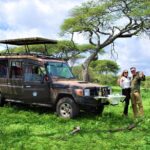
- What vehicle do you use for game drives?
- Are there add-ons you should budget for?
- Do they provide any safari gear?
- Can you accommodate dietary needs?
- Do I need a visa?
- Can I cancel for a full refund?
Key things to know before you go
- Tarangire, Serengeti, and Ngorongoro in one tight loop: three major reserves, three different styles of wildlife viewing
- Pop-up roof 4×4 game drives: easier spotting for everyone, especially for quick animal moments
- Bundled costs that usually cause stress: park fees, meals, accommodation, bottled water, and taxes are included
- Repeated guide favorites: names like Roger and Rashid come up often for animal-spotting and clear explanations
- Camping nights at Pimbi Campsite and Simba campsite: a true safari rhythm with sunrise and crater timing
More camping safaris at this price
- 4 Days Group Camping Safari★ 5.0 · 1,101 reviews
- 5 Days Group Camping Safari★ 5.0 · 730 reviews
- 3 Days Serengeti & Ngorongoro Group Camping Safari★ 5.0 · 574 reviews
- 5 Days Camping Tarangire, Serengeti & Ngorongoro crater & Visiting Maasai★ 5.0 · 229 reviews
The Route Makes Sense: Three Parks, One Short Time Window
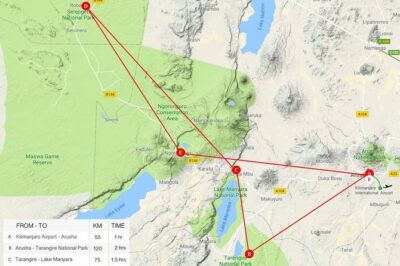
This is a 4-day safari that targets the big three you hear about for good reason. Tarangire is famous for elephants and baobabs, Serengeti is where predator action and migration stories live, and Ngorongoro is its own kind of spectacle with crater views and dense wildlife in a smaller space.
Why that matters for you is simple. In Tanzania, travel time is real. By chaining these areas together in a tight plan, you spend more daylight on game drives and less time in transit. The itinerary also staggers the experiences so you get variety: open plains in Serengeti, rocky crater rim perspectives at Ngorongoro, and Tarangire’s drier, tree-sparse feel in between.
You also get a private-tour format, meaning only your group rides together. That is a big deal if you care about pacing, bathroom stops, and having your guide answer your questions without feeling like you are competing for attention.
Price and Logistics: What You’re Really Paying For
The price is $1,479.49 per person for a 4-day experience with about 3 nights of accommodation. What makes it feel like value is what you do not have to add later.
Included costs you would normally expect to budget separately:
- National park fees for the parks you visit
- Meals as listed (breakfast, lunch, dinner counts match the days you are in camp)
- Accommodation for 3 nights
- A professional guide
- Pickup and drop-off in Arusha
- A 4×4 vehicle with a pop-up roof for game viewing
- Bottled water, plus coffee and tea
- An emergency evacuation insurance component
- Government taxes
- A birds and animal field guide book, and binoculars
What is not included:
- Alcoholic drinks
- Gratuities: $15 a day to the cook and $20 a day to your guide, divided among everyone in the vehicle
- Visa, plus personal items like travel insurance (listed as not included)
- Pre and post accommodation and airport transfers (booking is available on request)
For me, the best value angle here is that the safari is priced like a package, not like a scavenger hunt. When park fees and meals are already covered, your budget stays predictable even if you decide to buy a few extras like snacks or a map.
Day 1 in Tarangire: Baobabs, Elephants, and Dry-Season Drama
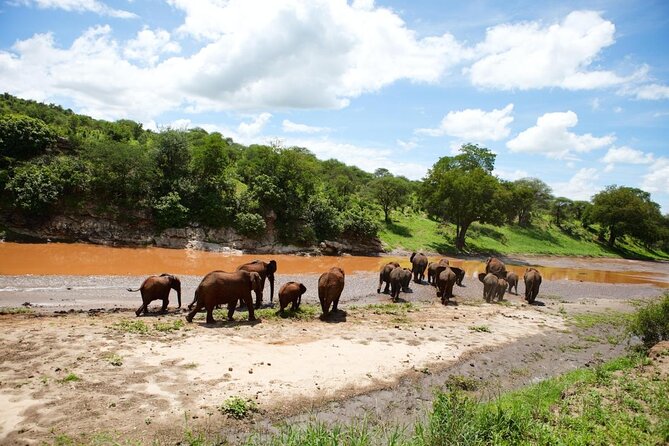
Your day starts with hotel pickup in Arusha, with the itinerary specifically mentioning Four Points by Sheraton Arusha Sheraton as a starting point. Then it is the drive into Tarangire National Park, known for huge baobab trees and a strong elephant presence. One of the reasons Tarangire is so loved is that the vegetation can be sparse, which makes spotting animals a bit easier and turns the scenery into something dramatic and graphic, almost like you can read the land.
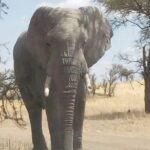
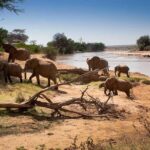
Tarangire’s elephant pull is not a small claim. The park is described as holding herds that can reach around 300 elephants, often moving through dry riverbeds where they search for underground water sources. If you like watching wildlife behave logically, this is a great place to see the connection between water, habitat, and movement.
What you can expect on Day 1:
- Morning travel into Tarangire
- Game viewing in the afternoon
- A picnic lunch during the day’s drive
A good practical tip for you: bring a lens cloth and set expectations for dusty conditions. Even with bottled water provided, safari days can get dry fast, and Tarangire’s environment is part of the experience.
Day 2 in Serengeti: Predators on the Plains
Serengeti is where the classic Tanzania images come from, and for good reason. This plan gives you a full day focused on Serengeti National Park, including an emphasis on wildlife viewing in the open plains.
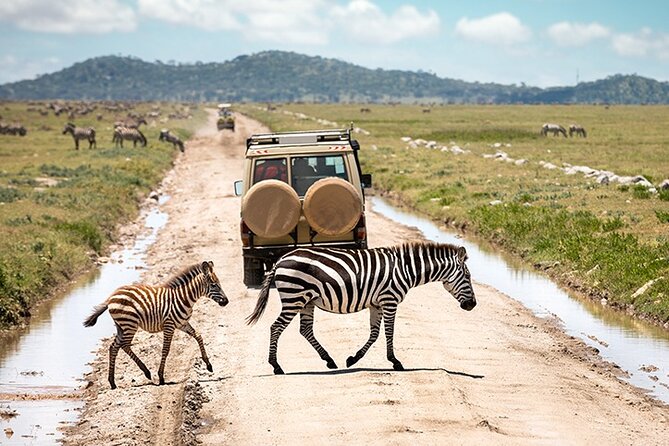
The headline story here is the great migration of wildebeest and zebra. Even if you are not traveling exactly during peak migration movement, Serengeti still delivers a full menu: lions, cheetahs, leopards, and other predators are part of the park’s reputation, along with large herds that draw predators into predictable patterns.
Your Day 2 structure includes:
- A drive to Serengeti National Park
- A long game drive day focused on sighting opportunities
Overnight is at Pimbi Campsite. That is important because it sets you up for an early start style on Day 3. Serengeti mornings can be prime time for predator and prey action, and this safari is paced to take advantage of that.
If you are the type who loves learning what you are seeing, you will likely enjoy Serengeti most with a guide who can explain animal behavior rather than just name species. The repeated praise for guides like Roger and Rashid often ties back to spotting animals and helping guests understand the scene.
Day 3 at Ngorongoro: Sunrise Energy, Rim Views, and Crater Country
Day 3 is built around a very “Tanzania” rhythm: a sunrise start, then hunting and predator spotting in the morning, and later a focus on crater rim views.
The day begins with a Serengeti sunrise and then a first game drive where you might catch sight of lions and other predators during morning activity. After brunch, you leave Serengeti and head into the Ngorongoro Conservation Area for the final game drive, with stops timed around the Ngorongoro Crater rim views.
Overnight is at Simba campsite. That matters because you are staying closer to the action for the next day, rather than constantly moving camp.
Why the crater rim angle is worth your time:
- It gives you the dramatic scale of Ngorongoro
- It also helps you orient your eyes before you spend time looking for wildlife below
Practical consideration: Day 3 can feel like the longest day mentally, because you are doing an early start and then switching parks mid-route. If you get motion-sick or hate early alarms, plan to pack ginger or whatever your body likes, and keep water intake steady.
Camping Safari Comfort: Camps, Meals, Binoculars, and the 4×4 Setup
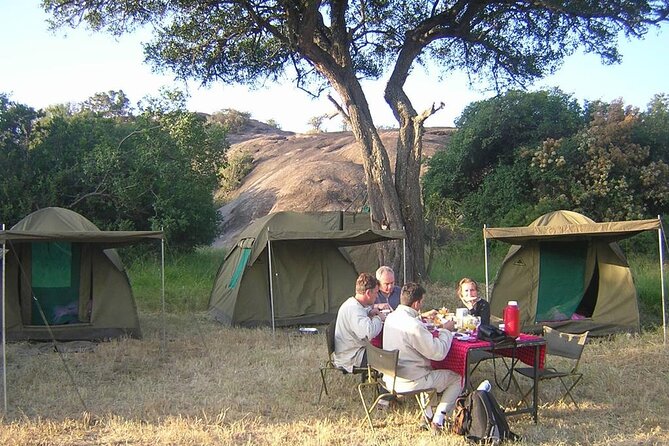
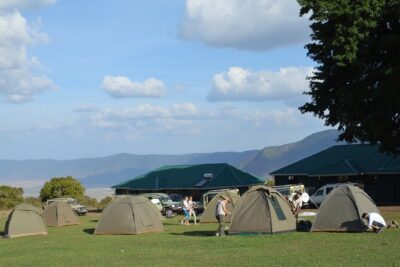
This is a camping safari, and that changes the feel compared with lodge-based trips. The upside is that the days are more connected. You are not just sightseeing, you are living the safari schedule: early light, long drives, camp meals, and then the quiet of nighttime after the last game drive.
Included in a useful way:
- Meals as per itinerary: breakfasts, lunches, and dinners are planned in
- Bottled water during the trip
- Coffee and tea
- A birds and animal field guide book, plus binoculars
You will probably love the binoculars more than you expect, especially if your guide is using them to point out smaller birds and animals you would otherwise miss. In one guest account, binocular quality was not what they hoped for. The takeaway for you is simple: if you wear glasses or have specific preferences, consider bringing your own spare set of binoculars or at least a compact one for backup.
Food is one of the most consistently praised parts. Cooks named Deo and Samuel get credit for delicious meals, and Sele is also singled out as excellent. That lines up with what you want on safari: hearty enough to keep your energy up during long drives, but not fussy.
One slight comfort variable you should know about from guest feedback is hot shower availability. In at least one case, a guest mentioned they could not get a hot shower during the safari. Camps and facilities can vary in practice, so I suggest packing for “close enough” comfort rather than expecting a spa.
Guides and Crew: What the Best Staff Actually Do
A safari lives or dies on animal-finding, communication, and pacing. This safari credits its success to the guide experience, and multiple guest mentions reinforce the same theme: spotting ability plus explanations that make the drive feel meaningful.
Common strengths in the feedback:
- Guides like Roger and Rashid are praised for spotting animals from far away, not just when they are right next to the road
- Guides such as Ronald are noted for bird focus, which can turn even a quiet patch into a rewarding experience
- English skills show up repeatedly, which helps a lot when your guide is pointing out tracks, feeding behavior, or predator-prey dynamics
- The overall tone is friendly and caring, with guides described as attentive and supportive during the trip
On the crew side, cooks like Deo and Samuel are praised for the quality of the food. That is not a small detail when you are doing full-day drives. Good meals help you enjoy the next game drive instead of feeling sluggish.
Balanced note from the feedback: a small number of guests raised complaints about damaged backpacks and dispute handling afterward. That does not mean every safari has issues, but it does suggest you should pack thoughtfully. Use padded bags, avoid loose items on the car floor, and keep valuables protected. If something does go wrong, you will want clear documentation and quick communication.
Wildlife Expectations: You Will See a Lot, But Not Every Moment Is Guaranteed
No safari can promise a specific animal count or exact sightings. What this trip does offer is a route through three strong wildlife systems, each with a natural advantage.
Tarangire tends to be the elephant-and-baobab zone. Serengeti is the predator and migration story zone, with lions and big cats on the menu. Ngorongoro is crater country, where the scenery helps you track and find wildlife below the rim.
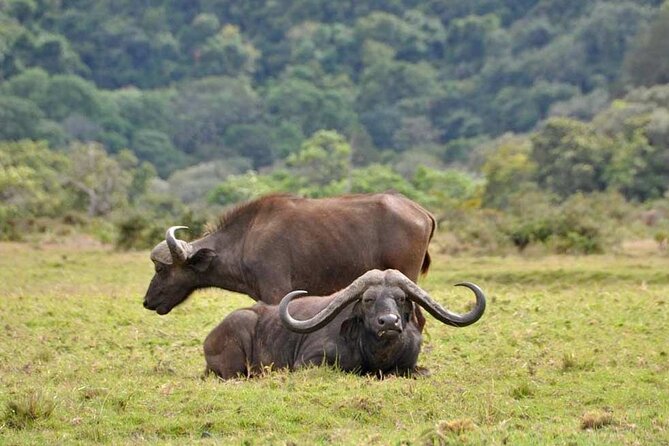
Some guests specifically report seeing the Big Five. That is encouraging, but you should still treat it as a possibility, not a guarantee. The more realistic way to think about your outcome is this: you are going to spend serious time in the right places, with a guide who is trained to spot animals and keep you moving when action appears.
One more expectation hack for you: your “win” on safari is often in the small scenes. A herd moving with purpose toward water. A bird landing where your guide predicted it would. A predator silhouette on the edge of the grass. This safari plan is set up to help you catch those moments, not just chase one big sighting.
Who This Safari Fits Best (And Who Might Want a Different Style)
This works especially well if you:
- Want a classic Tanzania route without juggling logistics
- Like the energy of early mornings and long drives
- Prefer a private setting with only your group participating
- Value included costs, especially park fees and meals
- Are okay with camping comfort that is functional rather than hotel-level
It may feel less ideal if you:
- Expect hot showers on demand, every night
- Need high-end binoculars and do not want to use the provided pair
- Are extremely sensitive to motion or early starts, because the schedule is built for game drives and sunrise timing
If you are traveling with kids, this can still be a good fit, as long as you are realistic about long days and bring sun protection and snacks. One reason is that the guide and cook support matters on camping trips, and feedback highlights that staff often handles the experience smoothly.
Should You Book This 4-Day Tanzania Camping Safari?
I would book this safari if your priority is a tightly planned best-of route with costs handled up front and daily game drives led by a guide who knows where to look. The value comes from the package design: park fees, meals, accommodation, and safari essentials are included, and the vehicle setup with a pop-up roof makes sightings easier for everyone.
I would also book with your eyes open. Camping means comfort is practical. You should pack for dust, expect sunrise timing, and keep your gear protected. And given that a small number of guests reported issues around damaged personal items, protect backpacks during handling and keep an inventory of what you bring.
If you want a safari that feels like real Tanzania, not just a checklist, this four-day loop through Tarangire, Serengeti, and Ngorongoro is a strong choice.
FAQ
Where does the tour pickup happen?
Hotel pickup and drop-off in Arusha are included. The day 1 description specifically mentions pickup from Four Points by Sheraton Arusha Sheraton.
Is this safari private?
Yes. It is listed as a private tour/activity, meaning only your group will participate.
What is included in the price for meals and park access?
National park fees, bottled water, and meals as per itinerary are included. The itinerary lists breakfast (4), lunch (4), and dinner (3).
What vehicle do you use for game drives?
You ride in a 4×4 vehicle with a pop-up roof for game viewing, with unlimited mileage included.
Are there add-ons you should budget for?
Yes. Alcoholic drinks are not included. Gratuities are recommended at $15 per day for the cook and $20 per day for your guide, divided by everyone in the vehicle.
Do they provide any safari gear?
Yes. You receive birds and animal field guide book, plus a pair of binoculars. Coffee and/or tea are also included.
Can you accommodate dietary needs?
A vegetarian option is available if you advise them at the time of booking.
Do I need a visa?
Visa is not included and must be obtained at the border or airport.
Can I cancel for a full refund?
The experience offers free cancellation. You can cancel up to 24 hours in advance for a full refund.
More Under Canvas
- 4 Days Group Camping Safari
★ 5.0 · 1,101 reviews - 5 Days Group Camping Safari
★ 5.0 · 730 reviews - 3 Days Serengeti & Ngorongoro Group Camping Safari
★ 5.0 · 574 reviews - 5 Days Camping Tarangire, Serengeti & Ngorongoro crater & Visiting Maasai
★ 5.0 · 229 reviews - 5 Days Budget Private Safari, Tanzania
★ 5.0 · 191 reviews
Just added from around Arusha
Tanzania Camping and Budget Safaris, compared.
 ★ 5.04 Days Group Camping SafariFrom $9001,101 reviews
 ★ 5.05 Days Group Camping SafariFrom $1,100730 reviews
 ★ 5.03 Days Serengeti & Ngorongoro Group Camping SafariFrom $815574 reviews
 ★ 5.05 Days Camping Tarangire, Serengeti & Ngorongoro crater & Visiting MaasaiFrom $1,254229 reviews
 ★ 5.05 Days Budget Private Safari, TanzaniaFrom $0191 reviews
 ★ 5.06 Days Private Budget SafariFrom $2,300163 reviews
 ★ 5.02 Days Tarangire and Ngorongoro Group Camping SafariFrom $550146 reviews
 ★ 5.06 Days Tanzania Budget Camping SafariFrom $1,600145 reviews
Browse the lists this tour appears in