
REVIEW · TANZANIA CAMPING AND BUDGET SAFARIS
4 days Tanzania Camping Safari
Four days, four parks, one big wildlife buzz. This budget camping safari runs the northern circuit from Arusha with mobile tents in the wild and game drives that hit Tarangire, Ngorongoro views, and Serengeti evenings. It is the kind of trip where you feel the pace, not just the itinerary.
I also love how much faith the trip puts in the guide. Abouh gets praised for knowing animal patterns and the roads between parks, so you spend your daylight where sightings are most likely, especially around Seronera in the Serengeti.
One possible drawback: this is camping in real life. You get sleeping gear, but if you want lodge comfort every night, the tent setup may feel a bit rough on day 3.
In This Review
- Key things to know
- How This 4-Day Camping Safari Moves From Arusha
- Tarangire National Park: Big Cats and Real Herds
- Ngorongoro Viewpoint and the Optional Maasai Village Stop
- Serengeti to Simba Campsite: Early Drives Pay Off
- Black Rhinos on Day 4: Why This Rhino Matters
- What the $950 Price Really Buys (And What It Does Not)
- Camping Comfort and Ranger Protection: The Practical Side
- Getting Better Sightings on a Four-Day Circuit
- Should You Book This 4-Day Tanzania Camping Safari?
- FAQ
- Where does the safari start, and what time?
- How long is the safari?
- Which parks are included in the itinerary?
- What is included in the tour price?
- Are camping sleeping bags and mattresses provided?
- Are meals and bottled water included?
- Is pickup or airport transfer included?
- What is not included in the price?
- Is the Maasai village visit included?
- What is the cancellation policy?
Key things to know
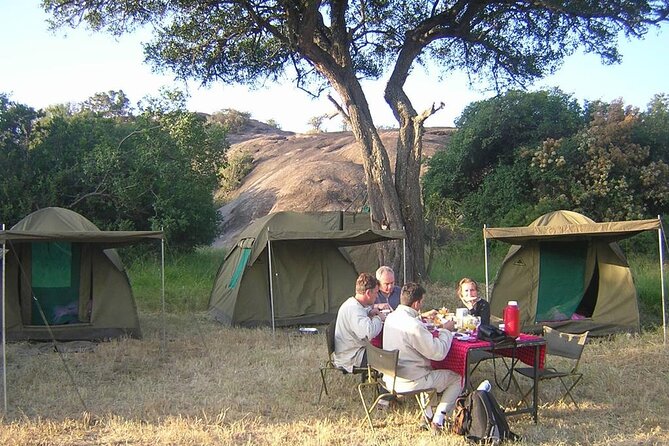
- Mobile tent camping in the wild: Adventurous setup, with sleeping bag and mattress included, plus ranger protection at camp.
- Tarangire for big-cat variety: Aim for lions, cheetahs, and leopards, with elephants and other herds often in the mix.
- Ngorongoro crater viewpoints plus an optional Maasai village: The crater look is quick and unforgettable, then culture time is optional with a 20 USD entrance fee.
- Serengeti sunsets and late evening drives: You get Seronera game drive time and a real chance at predator action.
- Rhino hunting from the crater floor: Black rhinos are the hardest to spot, but the crater setting helps other wildlife be easier to find.
More camping safaris at this price
- 4 Days Group Camping Safari★ 5.0 · 1,101 reviews
- 5 Days Group Camping Safari★ 5.0 · 730 reviews
- 3 Days Serengeti & Ngorongoro Group Camping Safari★ 5.0 · 574 reviews
- 5 Days Camping Tarangire, Serengeti & Ngorongoro crater & Visiting Maasai★ 5.0 · 229 reviews
How This 4-Day Camping Safari Moves From Arusha
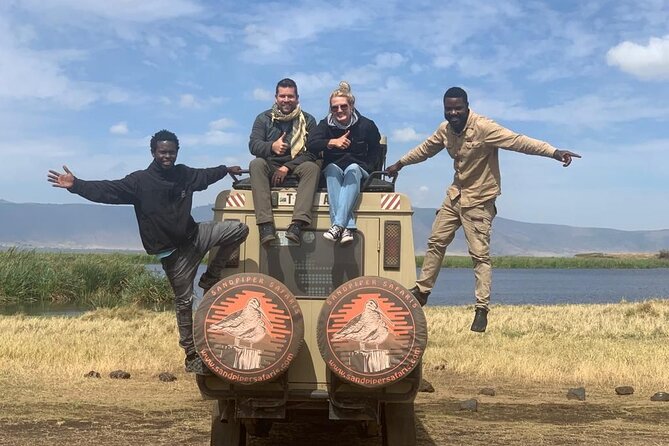
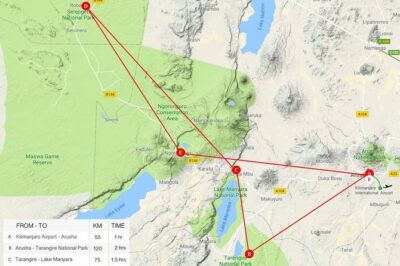
This trip starts in Arusha, meeting at Arusha Airport at 7:30 am. It is designed as a shared safari, with a small group size (up to 15 travelers), so you are not stuck in a huge crowd when you are trying to spot movement in the grass.
You also get an airport transfer included, and pickup is offered. That matters because the day starts early, and northern circuit safaris can eat time if logistics are messy. Here, the plan is built around getting you into the parks fast, then keeping the days full.
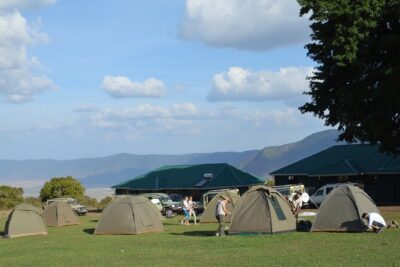
The camping piece is a big part of the experience. You sleep in mobile tents in the wild, not in a lodge. The good news is you get the basics you actually need: a sleeping bag and sleeping mattress. The not-so-glam part is what you already guess, nights are colder than you think, you will want a headlamp, and you should pack for dust and early mornings.
One more thing that comes up in the feedback: the guide role is central. Abouh is repeatedly mentioned for being helpful and for explaining a lot about animals. When a guide can read the terrain and traffic routes, your game drives feel like purposeful hunting, not a long drive with stops.
Tarangire National Park: Big Cats and Real Herds
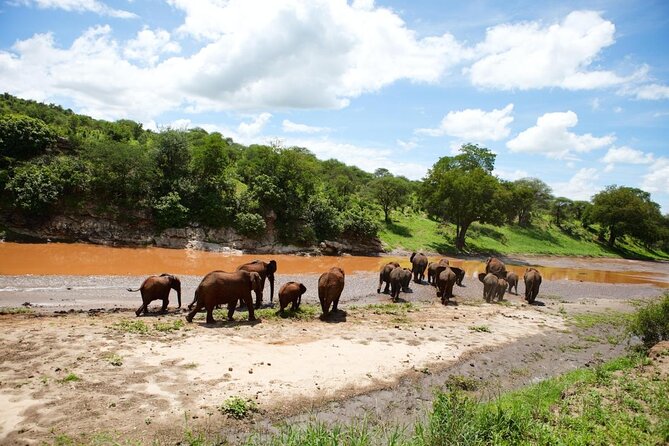
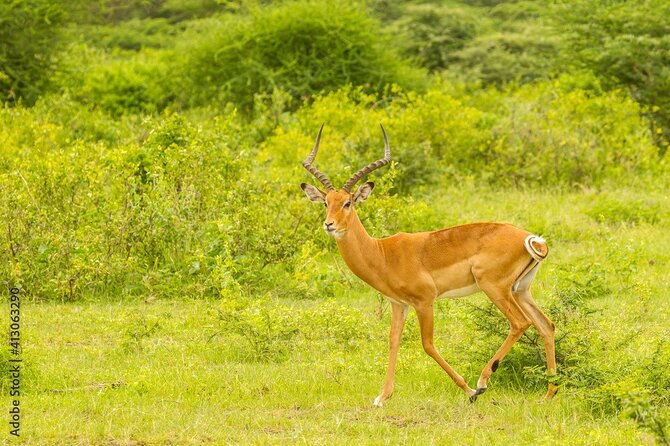
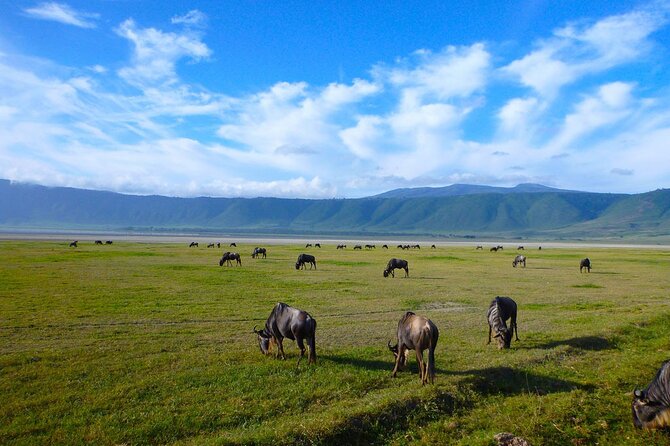
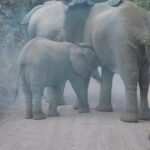
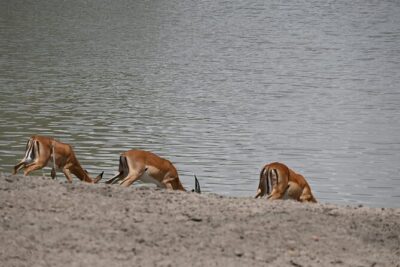
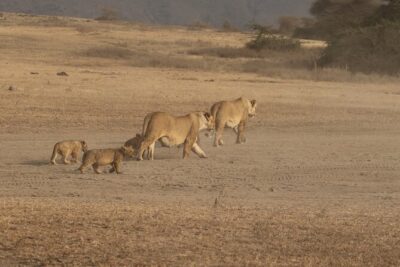
Day 1 is built around a full-on Tarangire National Park game drive. You get about 6 hours in the park, aimed at classic sightings: lions, cheetahs, and leopards, plus plenty of herbivores like elephants, wildebeest, buffaloes, zebras, and gazelles.
Tarangire is a smart first day because it can deliver both drama and density. Elephants and herds tend to draw predators, and the park’s mix of water and open areas can make it easier for you to spot animals from the road. If you are hoping for that moment where the whole vehicle stops and everyone leans forward, this is the day it tends to happen.
Also, this trip is budget-friendly, and that means you want the schedule to do real work for the money. Spending your first day at Tarangire helps because it sets the tone: you see movement early, you build confidence with safari spotting, and you learn the rhythm of scanning, listening, and watching behavior.
Practical tip: bring something for dust and something warm for the vehicle. Even if it is sunny, mornings and evenings can shift quickly.
Ngorongoro Viewpoint and the Optional Maasai Village Stop
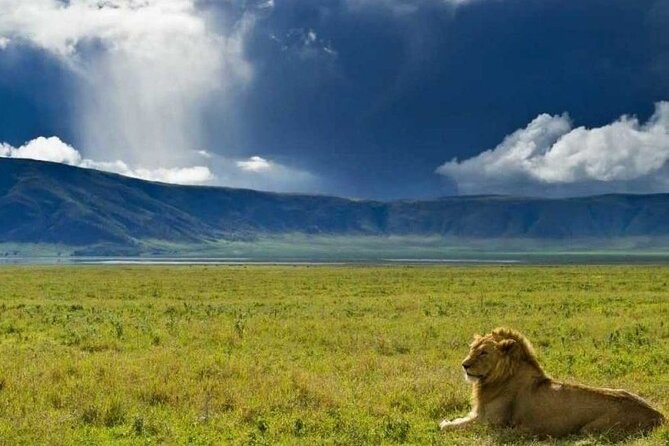
Day 2 starts with the Ngorongoro Conservation Area. First up is the crater from the Ngorongoro viewpoint. The drive time here is short, around 20 minutes, but the payoff is huge. Expect that surreal, layered crater view where everything looks both huge and oddly contained.
Then you have a cultural add-on: an optional Maasai village visit. It is 45 minutes, and the 20 USD entrance fee is not included. This stop is clearly framed as optional, and it is worth treating it that way. If you want culture without the time commitment, skip it and keep your focus on wildlife. If you do go, come with respectful curiosity, and ask questions about what is still practiced today, since some of the traditions described in tourist materials have changed over time.
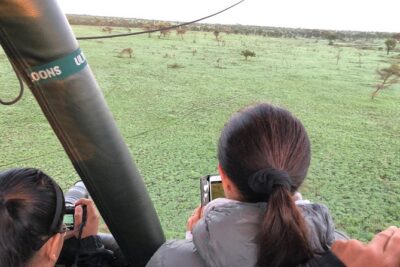
After that, the trip moves you into the Serengeti National Park in the afternoon, with a game drive in Seronera that runs into late evening. The plan includes experiencing sunset in Serengeti, which is one of those things that feels simple until you see how the light changes the ground color and makes silhouettes pop.
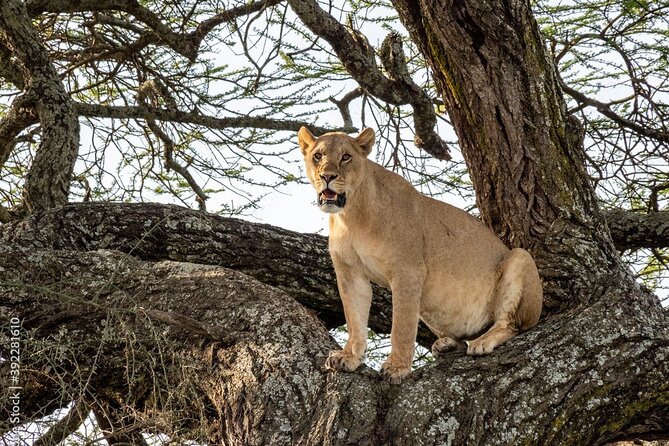
Day 2 also sets you up for camp life. You sleep at a Serengeti campsite area, and you can still see animals from camp, with hyenas mentioned most often. The comfort factor here is that there is close protection from active rangers, so this is not the kind of unsafe chaos people imagine. Still, treat camp like the wild it is: keep your space tidy, follow ranger instructions, and do not wander off after dark.
Serengeti to Simba Campsite: Early Drives Pay Off
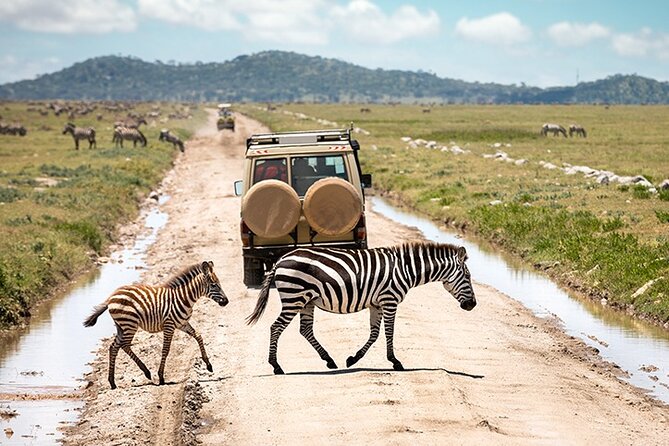
Day 3 starts early with breakfast, then an early game drive. You get about 6 hours, with lots of animal time before lunch and then another game drive component as you exit Serengeti and head toward Simba campsite.
The way this day is paced matters. Safari timing is not just a gimmick. Animals tend to be more active earlier, and predators often use the cooler hours to hunt. That is why the early start is such a big deal, especially on a compressed four-day plan.
As you transition out of Serengeti, the route is still about sightings. The plan includes park driving after lunch while you exit, and it notes that animals can be spotted near or around the campsite area too. That is part of the charm of tent camping in this region. You are not just traveling through wildlife, you are living beside it for a few nights.
If you are trying to maximize photo results, focus on the last hour before midday and the first hour of the morning. Those light shifts tend to make animals look sharper and help you avoid harsh glare. And do not forget your patience. On the best safari days, you wait for the animal to decide you are worth seeing.
Black Rhinos on Day 4: Why This Rhino Matters
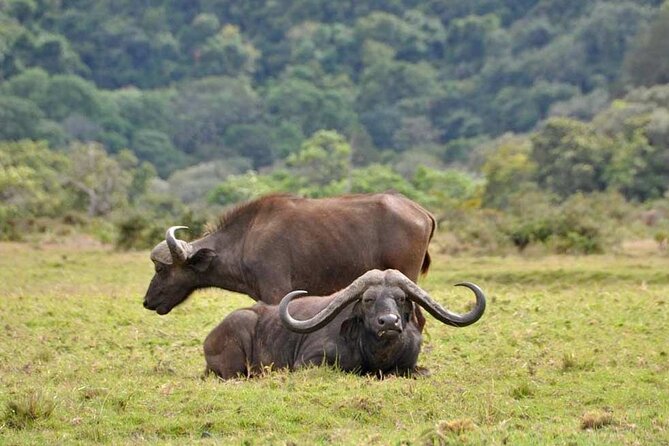
Day 4 is a true highlight day if rhinos are on your bucket list. You start again with an early breakfast, then descend the Ngorongoro crater in search of black rhinos.
Here is the key detail: black rhinos are described as the hardest to spot in the crater. That is not meant to discourage you, it is meant to set expectations. If you have one day for rhinos, and this is the day, you will want realistic hope, not guaranteed certainty.
The good news is that the crater’s structure is helpful. Because it is a floor crater, many animals can be easier to spot than in parks with more rugged spread. After lunch, you do more game drive time, then ascend the crater, pack up, and head back toward Arusha town.
Day 4 is also when you will feel the full safari rhythm. You will likely be tired, dusty, and ready for a real meal and a normal bed. That is why this final wildlife push matters. The trip closes with one of the most sought-after species in the system, and even if you do not catch the rhino moment instantly, your crater day should still deliver strong wildlife viewing.
What the $950 Price Really Buys (And What It Does Not)
The price is $950.00 per person for about four days, and it is set up as a budget safari. For me, the value comes down to what is included that usually costs extra in East Africa.
Here is what you do get included:
- All park entrances and taxes
- Camping equipment, including a sleeping bag and sleeping mattress
- Meals and water: bottled water 3 liters or more per day, plus 4 lunches, 3 dinners, and 3 breakfasts
- Airport transfer
- Lunches, dinners, and breakfasts are already planned into the days
What you do not get included:
- Tips
- Flights
- Visas fee
That part is important for planning. People often budget for the safari and forget that tipping is normal in this part of the world, plus visas and flights are separate line items. If you want to compare value honestly, look at total cost, not just the headline safari figure.
Also, the “budget” label here does not mean “cheap experience.” It means you are paying for the safari core, animals and parks, while you handle comfort in the tent-camping style. When you factor in park fees, meals, water, and camping gear, the price starts to look pretty fair for a northern circuit sampler.
Camping Comfort and Ranger Protection: The Practical Side
Sleeping in mobile tents is the signature experience here, and it is why this safari can feel more adventurous than a standard lodge route. You get a sleeping bag and mattress, which is a big deal because it means you are not scrambling last minute to rent gear. You still need to think like a camper, pack for cool nights, and plan for dust.
The trip also notes a safety comfort point: you have close protection from active rangers at camp. You may even see animals from camp, with hyenas mentioned as common sightings. That does not mean you can treat camp like a zoo. It means the area is managed, and you should follow ranger guidance.
A few small practical moves make a huge difference:
- Keep your tent area organized so you are not rummaging in the dark.
- Bring a small flashlight or headlamp because night sight lines are limited.
- Wear safari-friendly layers you can handle when the vehicle stops often and you step out for better views.
And yes, it is normal to feel sleepy fast once night hits. You are doing early drives and long days. Your body will adjust once you stop expecting lodge-style late mornings.
Getting Better Sightings on a Four-Day Circuit
Because this trip is short, the biggest lever you have is attention. The guides do a lot for you, especially with the roads and timing, but your job is to stay ready when the vehicle pauses.
You can improve your odds with a few simple habits:
- Keep your eyes moving. Scan for movement in grass, not just obvious big animals.
- Watch what other animals are doing. A sudden change can hint that a predator is nearby.
- Ask questions in the moment. When Abouh is explaining animal behavior, you learn faster because you can connect the explanation to what you are seeing outside your door.
Also, remember the migration note in the trip description: in the right season, you can see the migration roaming the Serengeti. That tells you the trip is not locked to one single wildlife story year-round. If migration is your top goal, you should line up your travel dates carefully and ask how current conditions affect timing.
Finally, on predator hunts, do not wait for perfection. Even when you miss a kill, you can still get the best wildlife moments through behavior: stalking, chasing, sudden stops, and dramatic posture changes. Those are the scenes that turn into real memories and better photos.
Should You Book This 4-Day Tanzania Camping Safari?
I think this safari is a good booking if you want three things at once: big-name northern parks, real tent-camping adventure, and a plan that is efficient enough to fit all of it into four days.
It is especially suitable if:
- You like the idea of mobile tents and camping gear included.
- You care about seeing lots of animals, not just ticking off parks.
- You want a guide experience that includes clear explanations, and Abouh is a strong reason to trust the trip’s guiding style.
- You can handle early starts and basic comfort in exchange for wildlife time.
It may not be the best fit if:
- You want lodge comfort as a non-negotiable.
- You hate early mornings and want a slower pace.
- You are very sensitive to dust and cold nights.
Bottom line: this is a practical, value-forward way to sample Tarangire, Ngorongoro, and Serengeti with camping authenticity. If you go with flexible expectations and bring patience, you should end the trip with stories you will replay for years.
FAQ
Where does the safari start, and what time?
It starts at Arusha Airport in Arusha, Tanzania at 7:30 am.
How long is the safari?
The duration is approximately 4 days.
Which parks are included in the itinerary?
Tarangire National Park, Ngorongoro Conservation Area, and Serengeti National Park are included.
What is included in the tour price?
The price includes all park entrances and taxes, camping equipment (sleeping bag and sleeping mattress), meals and water (including bottled water 3 liters or more per day), and airport transfer. Lunches, dinners, and breakfasts are included.
Are camping sleeping bags and mattresses provided?
Yes. Camping equipment includes a sleeping bag and a sleeping mattress.
Are meals and bottled water included?
Yes. Meals and water are included, including bottled water of 3 liters or more per day, plus 4 lunches, 3 dinners, and 3 breakfasts.
Is pickup or airport transfer included?
Yes. Airport transfer is included, and pickup is offered.
What is not included in the price?
Tips, flights, and visa fees are not included.
Is the Maasai village visit included?
It is optional. The visit includes an entrance fee of 20 USD.
What is the cancellation policy?
You can cancel for a full refund up to 24 hours before the experience starts. If you cancel less than 24 hours before, the amount paid is not refunded.
More Under Canvas
- 4 Days Group Camping Safari
★ 5.0 · 1,101 reviews - 5 Days Group Camping Safari
★ 5.0 · 730 reviews - 3 Days Serengeti & Ngorongoro Group Camping Safari
★ 5.0 · 574 reviews - 5 Days Camping Tarangire, Serengeti & Ngorongoro crater & Visiting Maasai
★ 5.0 · 229 reviews - 5 Days Budget Private Safari, Tanzania
★ 5.0 · 191 reviews
Just added from around Arusha
Tanzania Camping and Budget Safaris, compared.
 ★ 5.04 Days Group Camping SafariFrom $9001,101 reviews
 ★ 5.05 Days Group Camping SafariFrom $1,100730 reviews
 ★ 5.03 Days Serengeti & Ngorongoro Group Camping SafariFrom $815574 reviews
 ★ 5.05 Days Camping Tarangire, Serengeti & Ngorongoro crater & Visiting MaasaiFrom $1,254229 reviews
 ★ 5.05 Days Budget Private Safari, TanzaniaFrom $0191 reviews
 ★ 5.06 Days Private Budget SafariFrom $2,300163 reviews
 ★ 5.02 Days Tarangire and Ngorongoro Group Camping SafariFrom $550146 reviews
 ★ 5.06 Days Tanzania Budget Camping SafariFrom $1,600145 reviews
Browse the lists this tour appears in