
REVIEW · 3-DAY EXPERIENCES
3 days fly in safari
A fly-in safari cuts the usual road fatigue fast. You’ll spend less time in a vehicle and more time on Serengeti game drives, plus you get all meals on safari and comfortable lodge nights built into the plan. One thing to think about: this style of trip is paced and time-based, so you’ll want to be ready for early starts and a tight 3-day schedule.
I like that the day-by-day flow is designed around the best parts of the wildlife viewing window, from late-morning arrival to sunset hunting drama. You’ll also get clear support on the logistics, including pickup and smooth airport transfers, so you can focus on spotting big cats and figuring out who’s watching who. The one potential drawback I see is that food can vary by lodge, and one write-up noted the chef was only good, not a standout.
In This Review
- Key Points That Make This Fly-In Safari Feel Efficient
- Why Flying Into Serengeti Changes Everything
- Day 1 in Seronera: Late Morning Arrival and a Serengeti Sunset
- Day 2: Early Animal Viewing, Lunch at the Lodge, Then a Move Toward Ngorongoro
- Day 3 at Ngorongoro Crater: Descending for Black Rhino Chances
- Lodges, Meals, and What Included Really Covers
- Guides, Game Drives, and How You Can Make This Trip Better
- Price and Value: What You Pay For in This 3-Day Fly-In Package
- Who This 3-Day Fly-In Safari Is Best For
- Should You Book This Fly-In Safari from Arusha?
- FAQ
- Is this safari private or shared with other groups?
- Will I be picked up from my hotel?
- Which places in Tanzania are covered during the safari?
- Are meals and lodge accommodations included?
- What’s included besides meals?
- Is there a restroom on board the transport?
- How does cancellation work if plans change?
Key Points That Make This Fly-In Safari Feel Efficient
- Fly-in timing saves you hours of driving, so the days are mostly about wildlife, not transfers.
- Serengeti stays central on Day 1 and Day 2, with strong time for predators and wide-ranging sightings.
- Ngorongoro Crater is the big finale, including a chance to look for black rhinos.
- Meals are fully covered, so you don’t keep asking where to stop or what’s open.
- Binoculars and on-board WiFi are included, useful when you want to zoom in fast and share photos later.
- Private by design, meaning it is only your group, not a large mixed crowd.
Still weighing it up? These Arusha trips came out well when we reviewed them.
- Balloon Safari & Bush Breakfast in Serengeti – Miracle Experience★ 5.0 · 1,646 reviews
- Tanzania Classic – 7 Days★ 5.0 · 1,151 reviews
- 4 Days Group Camping Safari★ 5.0 · 1,101 reviews
- 5 Days Group Camping Safari★ 5.0 · 730 reviews
Why Flying Into Serengeti Changes Everything
There’s safari driving, and then there’s safari time. This trip is built to reduce the first one. By getting you to an airport and putting you in the air, you start seeing wildlife sooner, and your days feel less like a long commute and more like a sequence of game drives.
On a 3-day safari, that matters. You are not “wasting” half a day on the road, so the schedule can stay focused: arrive late morning, drive through peak hours, end with sunset viewing, then repeat the rhythm the next day. If you like your safari days to feel purposeful, this format fits well.
I also appreciate that the trip handles the practical stuff for you. Meals are included, and the plan includes lodge nights, which helps you avoid the usual scramble of trying to line up meals after drives. Just remember, this is still a full-on wildlife schedule, so comfort comes from planning, not from sleeping in.
Day 1 in Seronera: Late Morning Arrival and a Serengeti Sunset
Your first day starts with pickup from your hotel and a transfer to the airport for your flight into the Serengeti area. You arrive late morning, around 11:00am, then step right into game drive time in the Seronera region, in the center of the park.
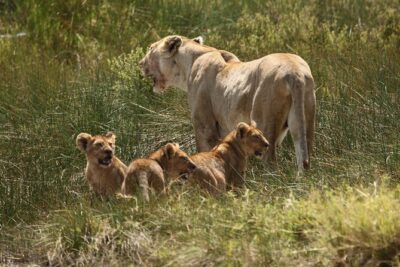
That location is a big deal. Seronera is known for frequent wildlife activity, and being based there helps you rack up sightings without constantly reshuffling the route. You’ll drive from late morning to late evening, which is exactly how you cover more animal behavior across the day. Expect the classic shift too: more daytime grazing and browsing earlier, then more action as predators start moving closer to the evening hours.
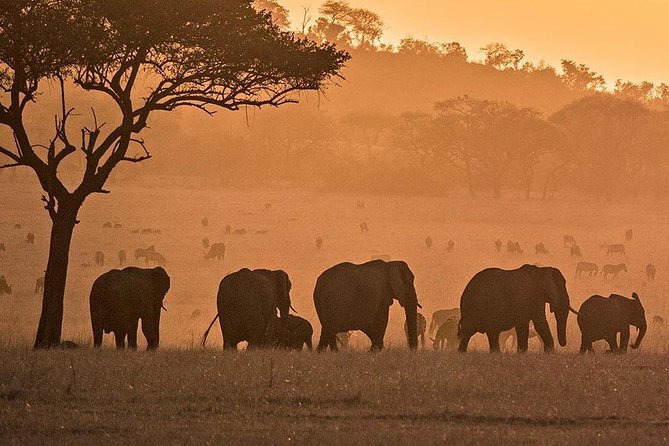
The best payoff is the sunset piece. You’ll go for sunset in the Serengeti while you’re still in the right vehicle and the right habitat. One reason I like this approach is simple: when the light changes, animal movement changes, and your chances of memorable moments jump. You might be lucky enough to see predation activity, and even when you don’t, sunset in the Serengeti is its own kind of magic.
At the end of the drive, you head to your lodge for the night. On a fly-in safari, this is the point where the trip feels like a real escape, not a checklist. You’ve arrived, you’ve driven, and you’re done for the day.
Day 2: Early Animal Viewing, Lunch at the Lodge, Then a Move Toward Ngorongoro
After an early breakfast, you go out again for an early game drive. The day is structured to catch the morning energy when animals are most active and temperatures are still friendly for longer wildlife viewing.
You’ll keep driving through a lot of the daylight, heading toward afternoon, then return for lunch at the lodge. After that, you continue with a game drive while transitioning out of the Serengeti area and onward toward your lodge base near the Ngorongoro region.
That rhythm works well for two reasons. First, the morning drive tends to deliver quantity, because animals are more likely to be visible and on the move. Second, the afternoon drive gives you another shot at different behavior. Sometimes the morning is all about movement and feeding, and the afternoon becomes more about patience, waiting, and watching animals decide where to be next.
One practical note: the day is long, about 12 hours in total. So if you’re the kind of person who needs lots of downtime, you’ll want to treat those lodge and meal breaks as your oxygen. Bring a good layer for early mornings, because chilly air can happen even when the sun is warm later.
And yes, you’re still in wildlife mode even while moving to Ngorongoro. It avoids that awkward “transfer day” feeling where you’re half traveling and half searching.
Day 3 at Ngorongoro Crater: Descending for Black Rhino Chances
The final day is where the trip puts its main spotlight. You start with early breakfast, then descend into the Ngorongoro Crater. The big target here is the black rhino.
Black rhinos can be challenging to spot because they often don’t give you the same easy visibility as some other large animals. The crater setting helps, though. A crater is a natural bowl, and it changes how animals move and how you can scan from specific viewpoints. You’re looking for that moment when the rhino is in the right line of sight and not hidden behind the vegetation or terrain.
After lunch, you do more game driving inside the crater area, then ascend and pack up for the trip back to Arusha town. This is the kind of finale that makes sense for a short safari, because you get a complete sequence: descend, search for your standout species, then broaden the sightings with one more solid drive.
One thing to keep expectations realistic. Ngorongoro is not a guaranteed rhino sighting machine. Still, it is one of the best structured ways to look for black rhinos in a short time. If your dream safari involves trying for something specific, this is a smart, time-efficient plan.
The drive back at the end is shorter, about 7 hours noted for the day. You’ll still feel the whole experience in your body, but you won’t feel like the safari dragged on for days.
Lodges, Meals, and What Included Really Covers
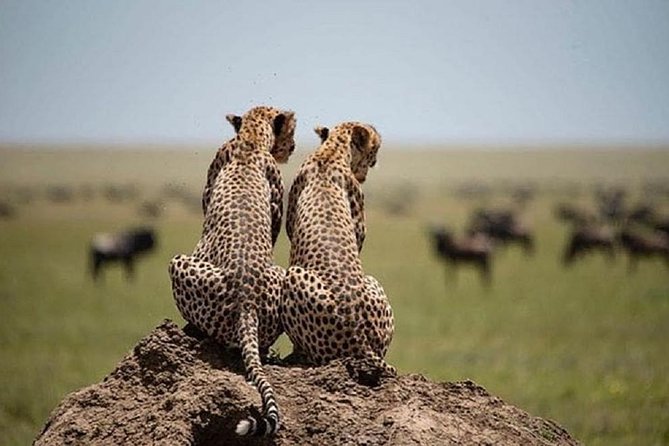
What you get in this trip is more than just tickets and drives. The package includes lodge accommodation, and meals are covered throughout the safari period: 2 breakfasts, 3 lunches, and 2 dinners.
That matters more than it sounds. On safari, you don’t just eat, you fuel. A full breakfast helps on early drives, and included lunches prevent the stress of finding food under pressure. You can spend your energy where it belongs: scanning for movement, asking questions from your guide, and relaxing when the pace allows it.
The included list also brings in binoculars, which is a huge quality-of-life feature. With binoculars, you spend less time guessing whether you’re looking at a lion’s head or a rock. You can also learn faster. If you ask your guide what to look for, binoculars help you follow the explanation in real time.
There’s WiFi on board too. That doesn’t replace the experience, but it does help for practical needs like posting a photo set, checking messages, or confirming plans after long days away from normal service.
The only “not included” item called out is a restroom on board. That’s common on some safari transport setups, so it’s worth treating it as a basic planning point. When you’re out in the bush, you’ll be using scheduled breaks and lodge stops for comfort.
Guides, Game Drives, and How You Can Make This Trip Better
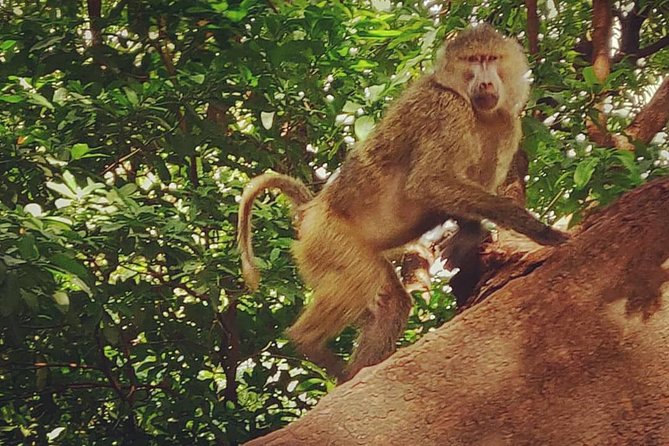
A safari guide is not just a driver. A good guide knows how to read animal behavior and where to position you for safer, more rewarding viewing. In the reviews, the human touch shows up clearly.
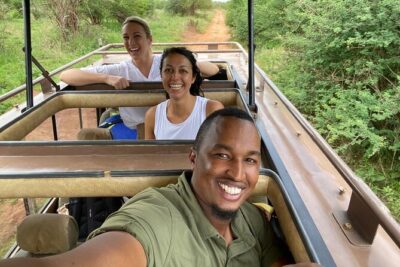
One write-up praised pickup handled by Bryson, describing them as personable and charming. On the game drive side, Ernest stood out as a super guide and driver. These details matter because on a 3-day trip, you don’t have weeks to experiment with your own instincts. You want someone who can help you make fast decisions in the field.
The best way to get value from a guide like Ernest is to ask good questions during the ride, not during an animal pause when everyone is scanning. I suggest you ask:
- What should I watch for right now in this habitat?
- If we see tracks, what does it usually mean here?
- What time is likely to bring more predator movement?
Also, keep your patience switched on. Big cat moments can be quick or delayed. The sunset hours on Day 1 are designed for that suspense. The more you can stay calm and scan steadily, the more your eyes start to learn the terrain, which boosts your results.
And about the guide team quality, one review mentioned the chef was only good. That doesn’t mean the meals are bad, but it is a helpful reminder to treat lodge dining as a bonus, not a culinary guarantee. Plan to enjoy the routine and focus on the wildlife.
Price and Value: What You Pay For in This 3-Day Fly-In Package
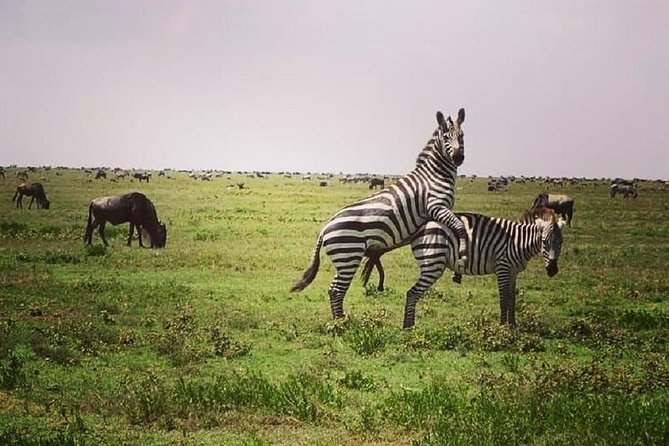
At $2,600 per person for about three days, this is not a budget safari. But it is priced in a way that makes sense for a fly-in format, private operation, and a package that covers a lot of the moving parts.
Here’s what you’re effectively buying:
- Flying in so you cut down on long driving hours
- Multiple game drives across Serengeti and Ngorongoro
- Lodge accommodation through the nights
- Meals during the safari days
- Binoculars
- All fees and taxes
- WiFi on board
- A private group setup, meaning only your group participates
If you compare that to cobbling together separate flights, entrance fees, vehicle rentals, guide costs, and meal plans, the package price becomes easier to justify. The real “value” is time and reduced stress. You’re not spending your mental energy negotiating logistics while you’re supposed to be watching animals.
Still, do a quick reality check. If your priority is maximum lodge luxury or you want lots of free time with no schedule pressure, a tightly run 3-day safari might feel intense. This trip is for people who want a lot of wildlife in a short window, with fewer hours wasted on transfers.
Who This 3-Day Fly-In Safari Is Best For
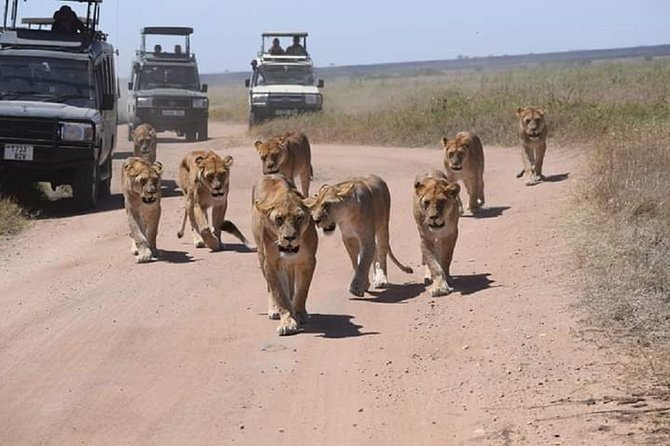
This is a strong fit if you:
- Want maximum wildlife time in only a few days
- Prefer a guided plan with meals and lodge nights handled
- Like the idea of chasing Serengeti days and finishing with Ngorongoro
- Are okay with early starts, because the schedule is built around morning viewing
It is also well suited for groups who want privacy. The tour is private, with only your group participating, and the company offers group discounts. So if you travel with friends or family, the per-person cost may feel less sharp.
Most travelers can participate, and the experience is described as near public transportation, which can matter if you are staying in Arusha and want easy access to pickups.
If you are a first-timer to Tanzania and want a clean introduction that doesn’t force you to manage details daily, this format is a practical entry point.
Should You Book This Fly-In Safari from Arusha?
I’d book this if your goal is to see serious wildlife fast, with meals and lodge stays taken care of and a fly-in plan that limits long road days. The Serengeti focus on Seronera, plus the Ngorongoro finale with black rhino searching, gives you a well-balanced set of ecosystems in just 3 days.
I would hold off or adjust expectations if you hate tight schedules or you need a lot of downtime. This trip is built to keep you moving through the best viewing hours, and that’s exactly what makes it feel efficient.
If you want a safari that trades steering wheel miles for bush-view miles, this one fits the bill.
FAQ
Is this safari private or shared with other groups?
This is a private tour/activity, and only your group will participate.
Will I be picked up from my hotel?
Yes, pickup is offered. You are also taken from your hotel to the airport for the flight into the Serengeti.
Which places in Tanzania are covered during the safari?
You will have game drives in Serengeti National Park (including Seronera) and visit Ngorongoro Crater.
Are meals and lodge accommodations included?
Yes. The tour includes lodge accommodation and provides meals, including breakfast, lunch, and dinner during the safari days.
What’s included besides meals?
The experience includes binoculars, WiFi on board, and all fees and taxes.
Is there a restroom on board the transport?
The tour data says a restroom on board is not included.
How does cancellation work if plans change?
You can cancel up to 6 days in advance for a full refund. For a 50% refund, cancel 2 to 6 days before the experience starts. If you cancel less than 2 days before, the amount paid is not refunded. If the experience is canceled due to poor weather, you will be offered a different date or a full refund.
Just added from around Arusha
3-Day Experiences, compared.
 ★ 5.03 Days Serengeti & Ngorongoro Group Camping SafariFrom $815574 reviews
 ★ 5.03-Day Classic Serengeti SafariFrom $1,455263 reviews
 ★ 5.03 Days Tarangire, Ngorongoro & Lake Manyara Group Camping SafariFrom $700102 reviews
 ★ 5.03 Days Small Group Safari to Serengeti NP and Ngorongoro Crater Tour in TanzaniaFrom $81577 reviews
 ★ 4.5MIKUMI NATIONAL PARK – 3 DaysFrom $72563 reviews
 ★ 5.02 nights 3 days safari to mikumi national parkFrom $65062 reviews
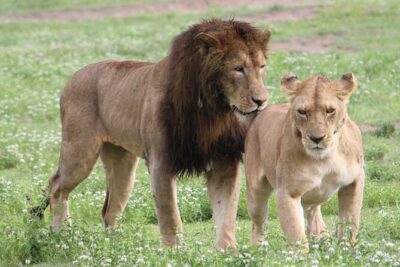 ★ 5.03 Days 2 Nights Group Joining Serengeti and Ngorogoro SafariFrom $90056 reviews
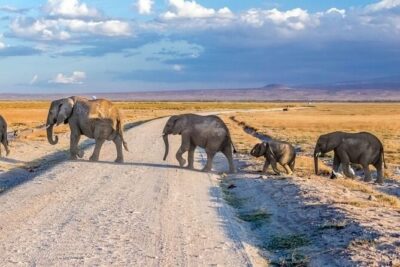 ★ 5.03-Day Ngorongoro Crater Manyara and Tarangire Safari from ArushaFrom $70049 reviews
Browse the lists this tour appears in