
REVIEW · SERENGETI NATIONAL PARK SAFARIS
3 Days Small Group Safari to Serengeti NP and Ngorongoro Crater Tour in Tanzania
Endless plains. Then a crater full of beasts. I like the small-group feel (max 6 people) because you actually get time to ask questions and compare sightings, and I also like that the price covers meals plus camping gear, so you do not spend your holiday juggling logistics. One possible drawback is that camping conditions can be basic, and one guest reported the Serengeti accommodation had no shower, no lights, and was very dirty.
You start early out of Arusha and move with a professional English-speaking driver/guide. In past groups, guides such as Omary and George stood out for working hard to line up animals and for staying friendly and focused on what you care about.
This is a smart 3-day combo, but it is also a fast one. You are doing serious driving (including a 6-hour stretch to Serengeti) and half-day game drives, so if you hate early starts or want a lodge-style room with reliable comfort, you should mentally plan for a more rugged safari rhythm.
In This Review
- Key Things I’d Focus On Before You Go
- A Smart Combo for First-Time Safari Fans: Serengeti Plus Ngorongoro
- Arusha to Serengeti: The Early Start and the Long Drive You Can’t Skip
- Serengeti’s South and Seronera Valley: Plains, Acacia, and Kopjes
- Hippo Habitat Stop: One More Wildlife Mood Before You Move On
- Serengeti to Ngorongoro: Lunch Box Timing and the Switch to Crater Life
- Ngorongoro Crater Area: Moru Kopjes, Elephants, Black Rhino Chances
- Ngorongoro Descent at 9:00: The Crater’s Concentration Effect
- Meals, Park Fees, and Camping Gear: Where This Price Feels Fair
- Guide Energy Counts: Omary and George-Style Safari Focus
- What Could Be Rough: Basic Camping and Big Travel Days
- How the 3 Days Actually Divide the Wildlife Time
- Should You Book This Serengeti and Ngorongoro Camping Safari?
- FAQ
- Where does the safari start and end?
- What time does the tour begin?
- How many travelers are on this small group safari?
- Does the tour include pickup?
- Are park fees and meals included in the price?
- Is camping gear included?
- Do I need to tip the guide and safari cook?
- Is travel insurance included?
- Do you use a mobile ticket?
- How does free cancellation work?
Key Things I’d Focus On Before You Go
- Max 6 travelers makes this feel closer to a guided expedition than a bus tour.
- Meals included every day (2 breakfasts, 3 lunches, 2 dinners) takes pressure off long drives.
- All camping gear included means you can travel lighter, but be ready for basic campsite facilities.
- Ngorongoro crater time is half-day at a 9:00 am descent, timed for wildlife activity and daylight viewing.
- Game drives in Serengeti south and Seronera Valley set you up for predators around kopjes (rocky outcrops).
- Park fees included helps this price make more sense than many “cheap” safaris.
More of the Serengeti, drive by drive
- Balloon Safari & Bush Breakfast in Serengeti – Miracle Experience★ 5.0 · 1,646 reviews
- 3 Days Serengeti & Ngorongoro Group Camping Safari★ 5.0 · 574 reviews
- 5-Day Highlights mid-Range Crater, Serengeti, Tarangire★ 5.0 · 296 reviews
- 3-Day Classic Serengeti Safari★ 5.0 · 263 reviews
A Smart Combo for First-Time Safari Fans: Serengeti Plus Ngorongoro
This 3-day safari is built for people who want the biggest Tanzania wildlife hits without taking a full week. You get Serengeti National Park first, then you move into the Ngorongoro Conservation Area for the crater experience, with overnight camping at the Simba Campsite.
The best part for most people is the pacing. You are not just driving to a single view. You are doing multiple game drives, plus an extra Serengeti-style stop for hippos, and then a crater day designed for wildlife density. That “two worlds” feeling is real: Serengeti gives you wide plains and predator cat-and-mouse, while Ngorongoro gives you concentrated animals in a natural amphitheater.
Value-wise, the price of $815 per person starts to make sense because so much is included: all park fees, a professional English guide, and your food. You are not buying separate park tickets or hunting down meals at odd hours.
Arusha to Serengeti: The Early Start and the Long Drive You Can’t Skip
Your day kicks off in Arusha around the listed start time, with pickup noted at 8:00 am from your accommodation. After a breakfast earlier in the morning, you face a roughly 6-hour drive (335 km) to the south part of Serengeti via Ngorongoro gate.
That sounds like a lot of road time, and it is. But it is also part of the trade. Starting in the southern/central area means you are positioning yourself for Serengeti’s open grasslands and kopjes, where you can often find predators. In other words, the drive is buying you the right habitat for seeing wildlife, not just moving between checkboxes.
Practical tip: bring the attitude of a safari trip, not a city day. You are spending your morning in the vehicle so you can spend your daylight where animals are.
Serengeti’s South and Seronera Valley: Plains, Acacia, and Kopjes
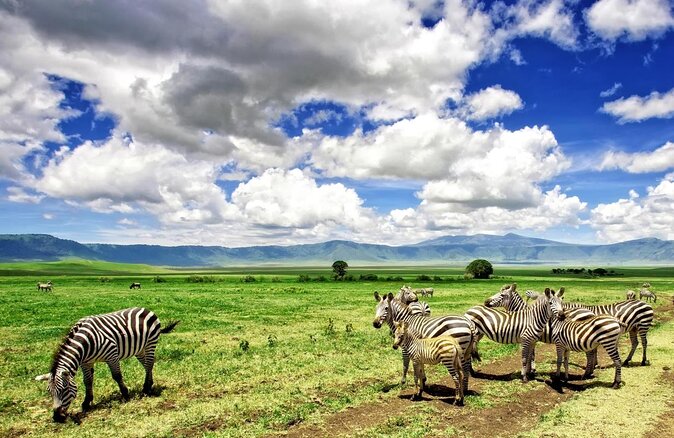
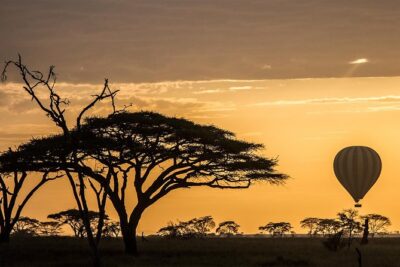
Once you are in Serengeti, you spend time in the Southern/Central/Seronera Valley area. This is classic Serengeti country: savannah grassland stretching out across the plain, dotted acacia, and rocky kopjes that rise like islands.
These kopjes matter. They are a vantage point for predators, and they also act like micro-habitats where smaller wildlife can hang out. You are basically hunting for the right sightline: scan the plains, then watch the kopjes for movement.
This part of Serengeti is also described with a local meaning that you hear repeated in guidance: the Maasai word often associated with the region, sometimes explained as land of endless plains. It is a reminder of what you came for, not just a backdrop for animal spotting.
What I’d look for here:
- Grazing animals moving across open areas
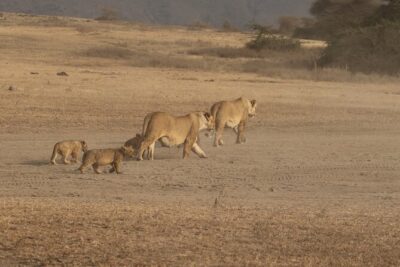
- Predators working the edges of kopjes
- A sense of scale, because you are going to see animals from far enough away that you can understand how they use the terrain
Other ways down into the Ngorongoro Crater
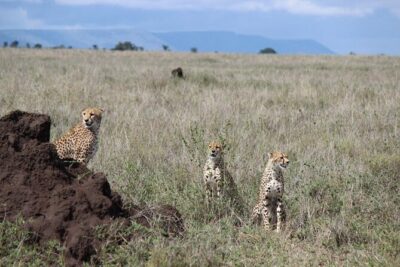
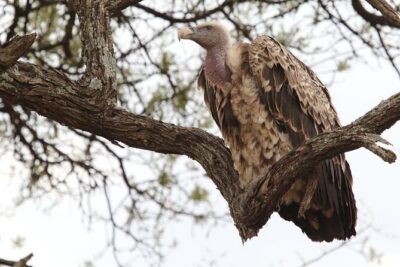
Hippo Habitat Stop: One More Wildlife Mood Before You Move On
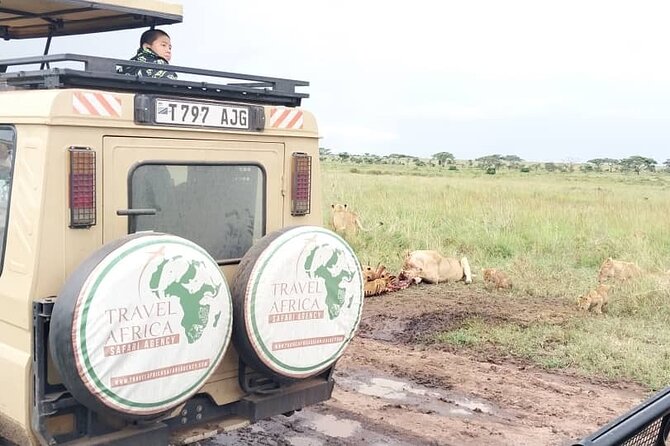
The tour also includes a hippo habitat visit in Serengeti. Even if you are focused on the big cats, I love adding at least one “behavior stop” like this, because hippos change the whole rhythm. You are not just scanning for motion in the distance, you are learning what the ecosystem looks like up close.
If your goal is a well-rounded safari, this kind of stop helps you feel like you’re actually understanding habitats, not only collecting sightings.
One thing to keep expectations grounded: this is wildlife viewing, not a guarantee. The day’s sightings depend on where animals are that morning.
Serengeti to Ngorongoro: Lunch Box Timing and the Switch to Crater Life
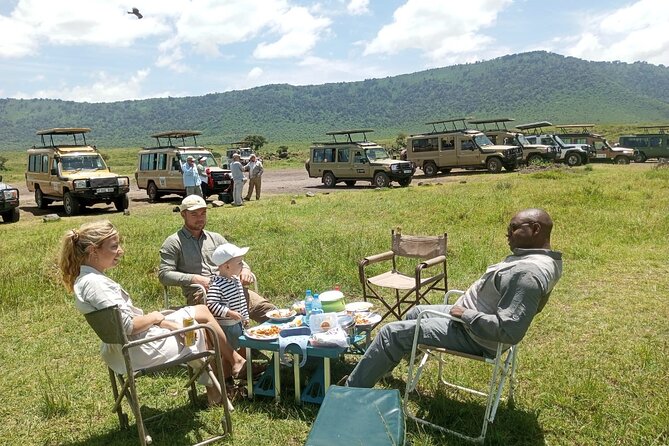
Day two starts with a depart for a half day game drive in Serengeti, using a lunch box, running through the afternoon. Then you transition to the Ngorongoro Conservation Area, arriving to check in at Simba Campsite for dinner and your overnight stay.
This day is where you feel the “small group safari expedition” vibe. Half-day drives mean you are chasing the best available light and animal activity windows, and then you are off again before the day gets long.
The road to Ngorongoro is also an attitude test. It is not hard, but it is tiring if you expect a leisurely pace. For many people, that is also why this tour works, you get a lot of safari for your time.
Ngorongoro Crater Area: Moru Kopjes, Elephants, Black Rhino Chances
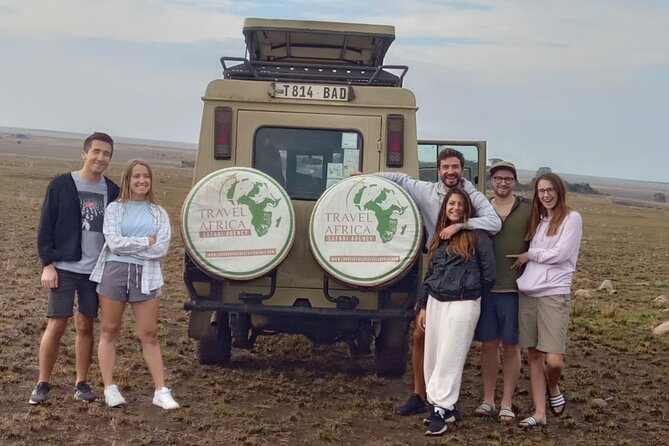
The Ngorongoro crater day is where the scenery becomes a stage. You get sweeping views across a “golden-green” savannah feel, and you also get the standout feature of Moru Kopjes. These rock formations are described like ships on a sea, and they function like Serengeti kopjes in miniature, giving predators and prey a structure to play around.
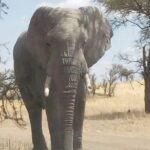
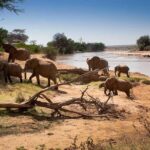
Elephants are noted as plentiful in the crater plains, with matriarch herds increasing in certain areas. You also get specific wildlife pointers that help you know what to watch for, including black rhino as a rare possibility.
You may also hear about the crater’s vegetation and unique tree forms. The tour description points to things like candelabra-style trees and seasonal flowers, which matters because the crater is not only an animal bowl, it is a living system.
Then there is the crater’s human layer. Maasai cave paintings are mentioned, including images associated with elephants and abstract patterns. It is a reminder that this place has meaning beyond wildlife.
Important reality check: even when black rhino is in the conversation, sightings are never guaranteed. Your best strategy is to stay curious and keep scanning the terrain, especially around kopjes and likely water or grazing areas.
Ngorongoro Descent at 9:00: The Crater’s Concentration Effect
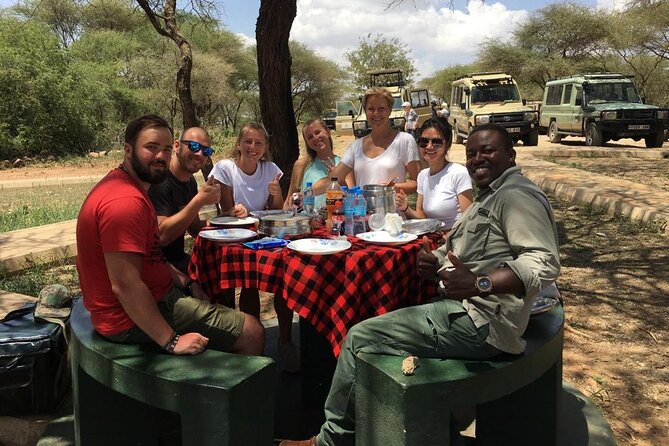
On day three, you start with breakfast at leisure, then descend the crater rim at 9:00 am for a half day tour until around 15:00. You also get a picnic lunch.
This timing is practical. Mid-morning to mid-afternoon tends to give good visibility and enough daylight for game drive stops. And in Ngorongoro, the point is concentration: the crater can group wildlife into a smaller area, which is why big-game expectations get so high here.
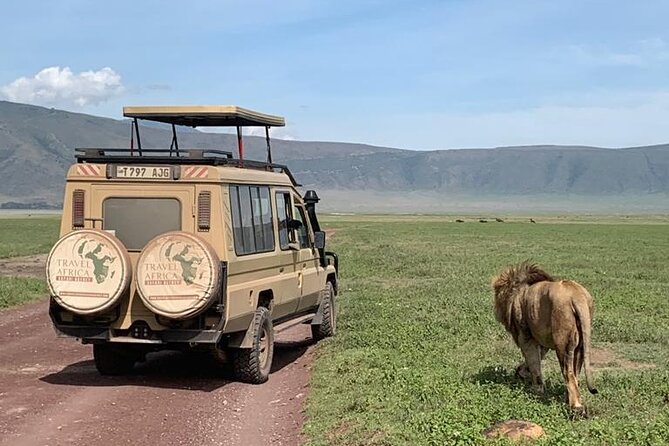
The tour framing is that Ngorongoro is one of Tanzania’s places where the Big Five can be possible in a single day, with the key word being possible. I like how this manages expectations: you should be excited, but you should also stay flexible.
What you can look for in the crater area (as listed in the tour details) includes:
- Wildebeest and gazelle
- Golden jackal and bat-eared fox
- Hippo
- Wild dog
- African leopard
- Buffalo and eland
- Serval
You should also know what is less likely here, since it helps you not get discouraged. Giraffe, oribi, topi, spotted hyena, cheetah, and impala are described as absent or rarely seen. This matters because it changes how you interpret a day where you do not see a specific animal.
Meals, Park Fees, and Camping Gear: Where This Price Feels Fair
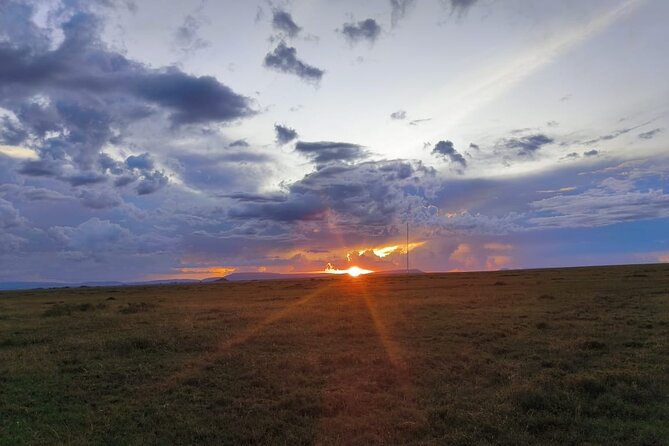
Here is where the tour’s value becomes clearer than the headline price.
Included in the tour:
- All park fees
- A professional driver/guide in English
- Camping gear included
- Meals included: 2 breakfasts, 3 lunches, 2 dinners
When meals and park fees are included, your “real total” is often much closer to what you pay upfront. You are not adding separate entrance fees and meal costs that pile up on a tight schedule.
Camping gear included is also a big deal. Even if you normally pack light, safari camping gear can be annoying to source once you’re already in-country. By bundling it, the tour reduces stress.
The balanced truth about camping: it can be awesome, but it is not the same as a hotel stay. One guest reported the Serengeti accommodation as a disaster, specifically saying there was no shower, no lights, and everything felt dirty. That is not guaranteed to happen to you, but it is a clear signal to set expectations for basic comfort levels and ask questions if that matters to you.
Guide Energy Counts: Omary and George-Style Safari Focus
A safari lives or dies on guide effort and how well they read wildlife behavior. In the feedback behind this experience, guides like Omary earned praise for being the best, with a strong focus on getting people seeing lots of animals. Another guide, George, was described as friendly and working hard to spot the kinds of animals people wanted.
That is the kind of service you want from a guide:
- Move at the right times
- Stop when it makes sense
- Answer questions in a way that helps you see what you might have missed
Because this is a small-group safari, your guide’s approach also affects the group’s overall satisfaction. You can hear explanations, and you can ask follow-ups instead of feeling like you are watching from the back seat of a big bus.
What Could Be Rough: Basic Camping and Big Travel Days
This tour is not pretending to be soft.
Two realities stand out from the experience details:
1) Camping stays can be basic. One reported issue was missing shower facilities and lack of lights in the Serengeti part of the trip, plus dirty conditions. If you need reliable comfort, do your homework before you book or consider a lodge-based option.
2) You are spending long hours in the vehicle. The drive to Serengeti is about 6 hours, and you also have a late drive back on day three around 19:00. Your schedule is active, not lazy.
If you plan for those two points, the rest tends to click. Most people remember the animals and the feeling of scale far more than the rough edge of a campsite.
How the 3 Days Actually Divide the Wildlife Time
This safari packs a lot into a short window:
- Day one: Serengeti game drive time in the south/central/Seronera Valley, with a hippo habitat stop
- Day two: half day game drive in Serengeti, then travel to Ngorongoro and crater viewing in the Ngorongoro Conservation Area area
- Day three: full crater day with a 9:00 am descent and wildlife-focused time until 15:00, then back to Arusha late evening
The tradeoff with a 3-day itinerary is that you do not have the kind of time where you can chase one animal for days. Instead, you get broad coverage plus crater concentration, which is a strong plan if you want variety and the chance of major sightings.
If you are the type who hates to feel rushed, you might wish for longer. But if you want maximum wildlife impact with minimal vacation days, this does the job.
Should You Book This Serengeti and Ngorongoro Camping Safari?
Yes, if your priorities match the design of this trip. Book it if you want:
- A small group safari that feels personal
- Serengeti plus Ngorongoro in one short, efficient package
- Camping included with gear handled for you
- Meals and park fees covered in the price
Think twice if:
- You strongly need dependable shower and well-lit accommodations. One guest reported very poor conditions in the Serengeti lodging portion.
- You dislike early starts and long drives. The day structure includes a long transfer to Serengeti and a late return to Arusha.
If you can handle basic comfort and you are okay with wildlife viewing being unpredictable, this is a solid value way to see two of Tanzania’s biggest wildlife settings.
FAQ
Where does the safari start and end?
It starts at Arusha Tourist Inn, Sokoine Rd in Arusha. The tour ends back at the same meeting point.
What time does the tour begin?
The start time is listed as 7:00 am.
How many travelers are on this small group safari?
The maximum group size is 6 travelers.
Does the tour include pickup?
Pickup is offered, and you are picked up from your accommodation in Arusha in the morning.
Are park fees and meals included in the price?
Yes. The tour includes all park fees, and meals are included: 2 breakfasts, 3 lunches, and 2 dinners.
Is camping gear included?
Yes. All camping gear is included.
Do I need to tip the guide and safari cook?
Tips are not included, and you are expected to budget for tips and appreciation for the driver/guide and safari cook.
Is travel insurance included?
No, travel insurance is not included.
Do you use a mobile ticket?
Yes, a mobile ticket is included.
How does free cancellation work?
Free cancellation is available up to 24 hours before the experience’s start time for a full refund.
If you cancel less than 24 hours before, the paid amount is not refunded.
Longer Trips Through the North
- Tanzania Classic – 7 Days
★ 5.0 · 1,151 reviews - 7-Day Premium Luxury Tanzania Safari All-Inclusive
★ 5.0 · 426 reviews - Tanzania Wildlife Encounters – 6 Days
★ 5.0 · 277 reviews - Group Safari 7 Days in Tanzania’s Main Parks
★ 5.0 · 240 reviews - 4 Days Join Group tour Tarangire Serengeti and Ngorongoro crater
★ 5.0 · 219 reviews
Still Thinking About the Crater?
- 3 Days Serengeti & Ngorongoro Group Camping Safari
★ 5.0 · 574 reviews - 5 Days Camping Tarangire, Serengeti & Ngorongoro crater & Visiting Maasai
★ 5.0 · 229 reviews - 4 Days Join Group tour Tarangire Serengeti and Ngorongoro crater
★ 5.0 · 219 reviews - 4-Day Safari from Arusha: Tarangire, Serengeti and Ngorongoro
★ 5.0 · 173 reviews - 2 Days Tarangire and Ngorongoro Group Camping Safari
★ 5.0 · 146 reviews
The Serengeti, Three More Ways
- Balloon Safari & Bush Breakfast in Serengeti – Miracle Experience
★ 5.0 · 1,646 reviews - 3 Days Serengeti & Ngorongoro Group Camping Safari
★ 5.0 · 574 reviews - 5-Day Highlights mid-Range Crater, Serengeti, Tarangire
★ 5.0 · 296 reviews - 3-Day Classic Serengeti Safari
★ 5.0 · 263 reviews - Private 6-Day Tarangire Manyara Crater and Serengeti with Mid-Range Lodges
★ 5.0 · 238 reviews
Just added from around Arusha
Serengeti National Park Safaris, compared.
 ★ 5.0Serengeti Balloon Safari and authentic bush breakfastFrom $5502,480 reviews
 ★ 5.0Balloon Safari & Bush Breakfast in Serengeti – Miracle ExperienceFrom $5991,646 reviews
 ★ 5.03 Days Serengeti & Ngorongoro Group Camping SafariFrom $815574 reviews
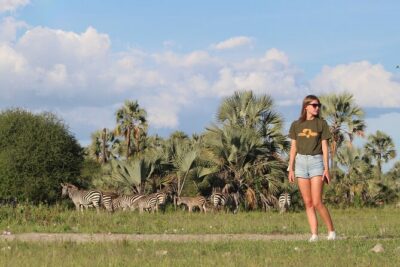 ★ 5.05-Day Highlights mid-Range Crater, Serengeti, TarangireFrom $2,327296 reviews
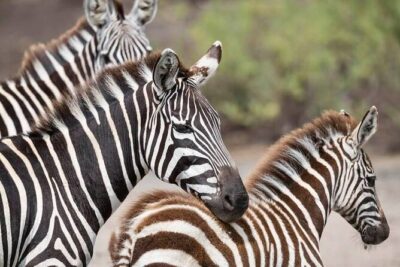 ★ 5.0Safari Serengeti And NgorongoroFrom $2,845288 reviews
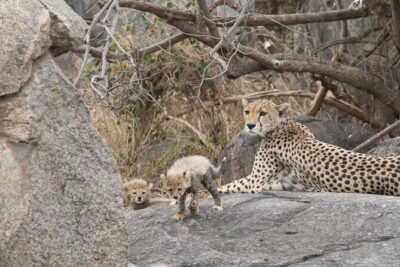 ★ 5.03-Day Classic Serengeti SafariFrom $1,455263 reviews
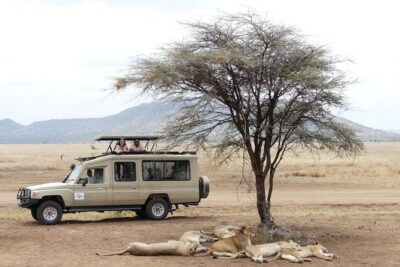 ★ 5.0Private 6-Day Tarangire Manyara Crater and Serengeti with Mid-Range LodgesFrom $2,685238 reviews
 ★ 5.05 Days Camping Tarangire, Serengeti & Ngorongoro crater & Visiting MaasaiFrom $1,254229 reviews
Browse the lists this tour appears in