
REVIEW · ARUSHA NATIONAL PARK AND MOUNT MERU
3 Day Mount Meru Climb
High-altitude starts in Arusha. This 3-day Mount Meru climb is a smart warm-up for Kilimanjaro, and you gain altitude in the calmer setting of Arusha National Park, not a big city bustle. I also like the way this trip leans on a real guide team, so you are not trying to navigate a remote trail on your own, especially when the day-to-day language is Swahili.
The main thing to consider is effort level. Even with professional support, Mount Meru is serious altitude work, and it is best for people with moderate physical fitness who can pace themselves.
In This Review
- Key things that make this climb worth it
- Mount Meru as your Kilimanjaro acclimatization starter
- Arusha National Park: wildlife time and the real pace of the bush
- Your 3-day rhythm, altitude, and what the hike demands
- Summit Day at 4,568 m: the payoff is the views and the experience
- Guides and porters: how good leadership changes the climb
- Group size, pickup, and the logistics that affect comfort
- Price and what you actually get for $690.70
- Weather, cancellations, and when to stay flexible
- Who should book this Mount Meru climb, and who should skip it
- Should you book the 3 Day Mount Meru Climb?
- FAQ
- Where does the Mount Meru climb start and end?
- How long is the Mount Meru climb?
- What is the price per person?
- What’s included in the tour price?
- Do they offer pickup?
- What group size should I expect?
- Is there a cancellation option if weather is bad?
Key things that make this climb worth it
- Arusha National Park setting for wildlife time and a more authentic feel than big-town tourism
- Kilimanjaro acclimatization value because you climb high before you tackle Africa’s highest-pain combo
- Summit views at 4,568 m, built into the experience plan
- Guide-led pacing that helps you move safely, not just fast
- Small group size (max 15), which usually means less crowding on the trail
Arusha National Park and Meru, other options
- 4 Days Mount Meru Trekking★ 5.0 · 55 reviews
- Private Meru Coffee Tour in Nkoaranga★ 5.0 · 23 reviews
- 4 Days Mount Meru Climbing | Hiking | Trekking Tour★ 5.0 · 13 reviews
- 1 Day: Arusha National Park★ 5.0 · 9 reviews
Mount Meru as your Kilimanjaro acclimatization starter
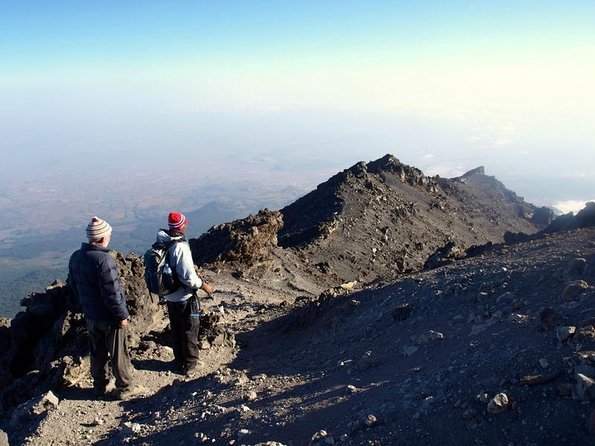
Mount Meru sits at 4,568 meters and is the third highest peak in Africa, plus the second highest mountain in Tanzania. That is the big headline. But what matters for your body is the slow, deliberate gain in elevation over several days. If Kilimanjaro is the main climb you planned, Meru is often the place where your lungs start learning the rules.
I like that this tour is explicitly positioned as an acclimatization step. It gives you a chance to adjust to altitude before you commit to Kilimanjaro. Instead of arriving in Tanzania and going straight to a summit attempt, you get a run-up that feels like training with real meaning.
This climb also happens away from large towns. That sounds like a geographic detail, but it affects the whole vibe. You are not hopping between cafes and shops all day. You are hiking and resting in a real mountain environment, where the day is dictated by weather, altitude, and the trail.
Arusha National Park: wildlife time and the real pace of the bush
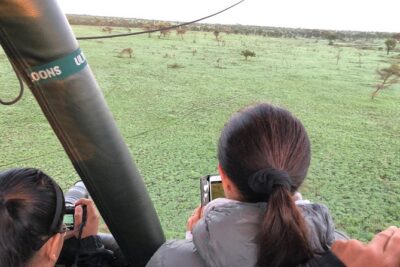
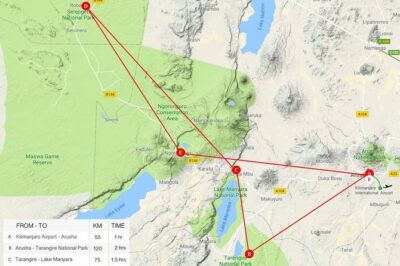
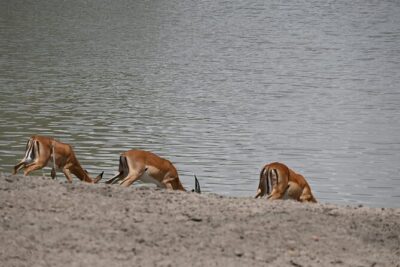
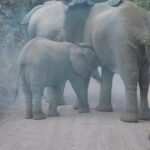
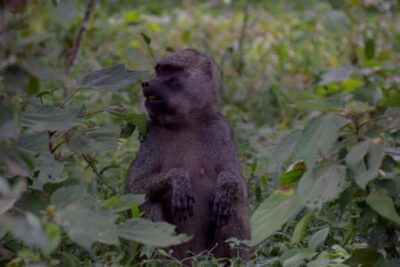
The climb is based in Arusha National Park, and that park location is more than a backdrop. It is part of why this trek feels different from a purely “mountain-only” itinerary. You get chances to spot the diverse wildlife that lives in the area, and in the best moments, your guide turns those encounters into something you can actually understand and appreciate.
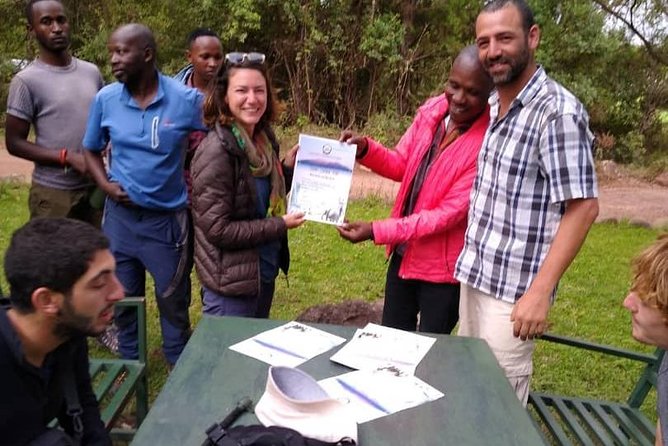
One theme that showed up strongly is wildlife spotting with the guide keeping an eye out. In at least one experience, lead guide Samuel was described as knowledgeable, and the group felt well cared for on a safe pace while wildlife sightings came up along the way. Another person highlighted how guides pointed out wildlife, not just kept walking.
There is also a cultural layer. The trek takes place away from big towns, so you will likely hear Swahili. If you do not speak it, do not panic. You are not expected to solve every communication problem solo because the guide is there. Still, it helps to have a simple attitude: listen, watch what is happening, and follow instructions early.
Your 3-day rhythm, altitude, and what the hike demands
This is a 3-day climb, and the overall structure is straightforward: you hike each day to build altitude, then you use the final part of the program to reach summit views and descend back toward Arusha. What you do not get is a “race to the top” mentality. The point is acclimatization and a safer pace.
Here is how I think about the effort, so you can plan your expectations:
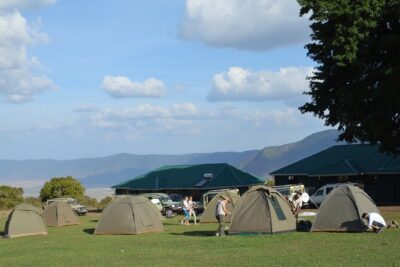
- Day 1 is about settling in: you move, you breathe harder than usual, and you learn how your body responds at elevation. You will likely notice how quickly you get out of sync if you start too aggressively.
- Day 2 is where pacing matters most: even if you feel okay in the morning, fatigue can creep in as the altitude adds up. This is where a good guide earns their salary, by holding you to a pace that still lets you enjoy the hike rather than just survive it.
- Day 3 is about summit payoff plus descent: you are working with fatigue, cold, and the mental pressure of reaching the best views before heading down.
The tour is designed for people with moderate physical fitness, but “moderate” does not mean casual. You should expect real uphill hiking, uneven terrain, and the kind of slower movement that feels normal at altitude.
Also note that the tour mentions flexible departure times. In practice, that matters because mountain days can be affected by conditions. If timing shifts slightly, it is usually because the climb needs to match the weather and the safest window to move.
Summit Day at 4,568 m: the payoff is the views and the experience
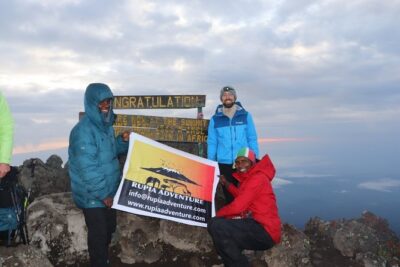
The highlight list calls out picture-perfect views from the summit, and altitude hikes rarely lie. At 4,568 m, the scenery has a way of making everything feel worth it, even if you spent part of the climb negotiating with your own lungs.
Summit experiences can be emotional for a reason. You do not just “arrive.” You also prove to yourself you can keep going when it is harder than expected. Even if you are not a seasoned climber, the key is steady effort and guidance.
One important confidence boost from the experiences you provided: someone who said they are not a climber at all still found the climb possible thanks to excellent guides helping them through. That is exactly the right mindset for Meru. You do not have to be a mountain athlete. You do need to trust the pace plan and take the altitude seriously.
Guides and porters: how good leadership changes the climb
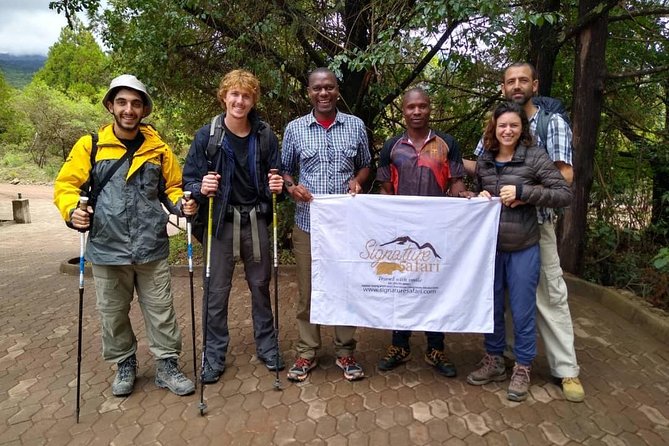
This trip is run by Signature Safari, and the human side is a major part of the value. The reviews you shared repeatedly mention the guide experience as a core reason the trek felt safe, well paced, and enjoyable.
Lead guide Samuel is specifically mentioned for being knowledgeable, keeping the hike at a safe pace, and pointing out wildlife. That combination is huge. A guide who only manages logistics can keep you moving, but they may not help you see the environment as you go. A guide who also watches wildlife turns the trek into something more memorable.
You also shared that Innocent recommended Mount Meru, and the person felt the guides helped them through when the climb turned hard. That lines up with what most first-time altitude trekkers need: honest encouragement, practical pacing, and quick adjustments when someone starts to fade.
Porters come into play here too. In one of the experiences you provided, porters were described as really helpful and friendly. That matters, because porters lighten the mental load. You spend more energy on walking, breathing, and enjoying the day instead of wrestling with a pack that would be too heavy at elevation.
Group size, pickup, and the logistics that affect comfort
This climb has a maximum of 15 travelers, which is a good sweet spot. Big enough for a shared energy, small enough that it does not feel like a circus on the trail. Smaller groups usually mean fewer bottlenecks when the terrain narrows and more flexibility if someone needs extra time to regain breath.
The tour also offers pickup and uses a mobile ticket. Those details may sound minor, but in remote areas they reduce hassle. Less time hunting for meeting points means more time focused on what you actually came for.
One thing I would plan around is the start time. The start time listed is 12:30 am, which signals an early departure day, likely tied to summit timing and trail conditions. Even if your actual pickup is arranged slightly differently, treat this climb like an early-morning trip. If you hate waking up before the sun, this is the part of the trip that might test you.
Price and what you actually get for $690.70
The price is $690.70 per person. On its own, that number does not tell you much. The value comes from what is included.
Included:
- All fees and taxes
Not included:
- tips
So you are budgeting mainly for the guide and operational costs, with the only clear optional add-on being tips. For a climbing trip in a national park setting, that structure usually feels cleaner than a deal where you later discover surprise fees.
What you should think about as the “real cost” beyond the listed price is readiness. This climb requires effort, and being prepared can reduce stress. Comfortable hiking boots, layers for cold altitude, and a steady hydration plan are not glamorous, but they help your body stay functional through early hours and high altitude.
Also, this climb has acclimatization value for Kilimanjaro. If you are doing Kilimanjaro right after, that kind of value can make the Meru price feel less like a standalone expense and more like an investment in how well you handle altitude.
Weather, cancellations, and when to stay flexible
This experience requires good weather, and the tour notes that if it is canceled due to poor weather, you will be offered a different date or a full refund. That policy reflects the reality of mountain trekking: conditions drive safety, and altitude turns small problems into big ones fast.
Because the climb starts extremely early, do not assume you will control everything with planning alone. If conditions force a change, it is not a failure. It is the mountain doing what it does.
You also have free cancellation up to 24 hours in advance for a full refund. That gives you breathing room if your schedule shifts.
Who should book this Mount Meru climb, and who should skip it
This is a great fit if:
- You want a serious Kilimanjaro acclimatization step before your main climb
- You enjoy wildlife and want your mountain time to include more than just scenery
- You prefer a guided, structured approach, especially if you do not speak Swahili
- You can handle early starts and steady uphill effort
You might consider skipping or rethinking the climb if:
- You are not comfortable with altitude and uphill hiking for multiple days
- You know you struggle with early mornings (the listed start time suggests you should plan for it)
- You are looking for something more relaxed or scenic with minimal exertion
The best part is that you do not need to be an expert climber. The accounts you shared emphasize that the guides help people through a tough climb when it gets hard.
Should you book the 3 Day Mount Meru Climb?
Book it if your goal is smarter Kilimanjaro prep, plus real mountain time with wildlife in Arusha National Park. The value is not only the summit views at 4,568 m. It is also the guided pacing, the small group size, and the way the trip supports you when altitude gets demanding.
Skip it if you want a casual walking holiday or if you cannot commit to early starts and multi-day effort. Meru is not a day trip, and it asks something from your body.
If you are preparing for Kilimanjaro and you want an experience that is guided, practical, and genuinely memorable beyond the photos, this climb is a strong choice.
FAQ
Where does the Mount Meru climb start and end?
It starts in Arusha, Tanzania, and it ends back at the meeting point in Arusha.
How long is the Mount Meru climb?
The duration is 3 days (approx.).
What is the price per person?
The price is $690.70 per person.
What’s included in the tour price?
The tour includes all fees and taxes. Tips are not included.
Do they offer pickup?
Yes, pickup is offered.
What group size should I expect?
This experience has a maximum of 15 travelers.
Is there a cancellation option if weather is bad?
Yes. The tour requires good weather, and if it is canceled due to poor weather, you will be offered a different date or a full refund. You can also cancel up to 24 hours in advance for a full refund.
If you want, tell me your travel dates and whether you are doing Kilimanjaro after Meru, and I’ll help you think through timing and what to pack for cold, early summit hours.
Arusha Park and Mount Meru
- 4 Days Mount Meru Trekking
★ 5.0 · 55 reviews - Private Meru Coffee Tour in Nkoaranga
★ 5.0 · 23 reviews - 4 Days Mount Meru Climbing | Hiking | Trekking Tour
★ 5.0 · 13 reviews - 1 Day: Arusha National Park
★ 5.0 · 9 reviews - Arusha National Park: Private Jeep Tour
★ 4.8 · 9 reviews
Just added from around Arusha
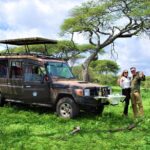
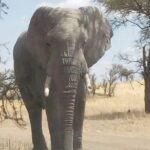
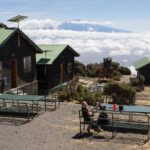
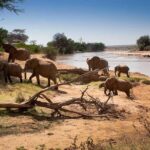
Arusha National Park and Mount Meru, compared.
 ★ 5.04 Days Mount Meru TrekkingFrom $1,00055 reviews
 ★ 4.8Arusha National Park Full-Day SafariFrom $19525 reviews
 ★ 5.0Private Meru Coffee Tour in NkoarangaFrom $3523 reviews
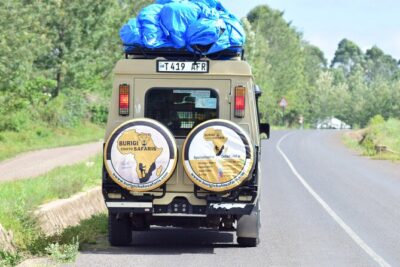 ★ 5.04 Days Mount Meru Climbing | Hiking | Trekking TourFrom $2,60013 reviews
 ★ 4.8Arusha National Park: Private Jeep TourFrom $2009 reviews
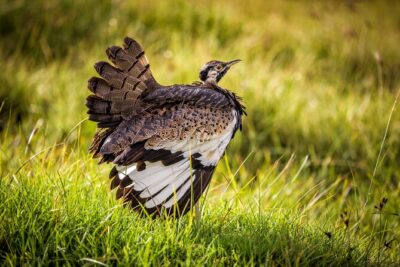 ★ 5.01 Day: Arusha National ParkFrom $4409 reviews
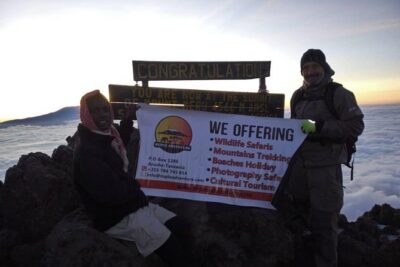 ★ 4.53 Days Mount Meru trekkingFrom $8007 reviews
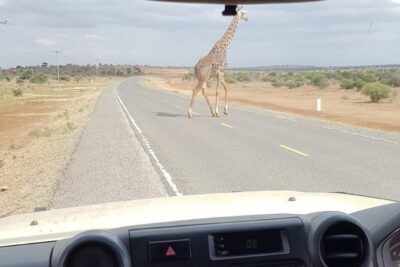 ★ 5.0Arusha National Park Half Day TourFrom $1976 reviews
Browse the lists this tour appears in