
REVIEW · 2-DAY EXPERIENCES
2 Days Africa Safari
Moshi to the crater and back fast. This short Tanzania safari packs in Lake Manyara and Ngorongoro Crater without the usual long-haul fatigue, so you spend your time watching animals. I like that the drive time is kept tight, about 2.5 hours and 130 km, and that the pacing is built for real game viewing and even a photographic safari feel. The one thing to consider is that with only 2 days, it is intense, so you will want to stay flexible and accept that you cannot control exactly which animals appear.
What I really like most is the contrast between the parks. Lake Manyara brings a dramatic soda lake setting, flamingos drawn by algae, and the famous tree-climbing lions, plus big elephant activity. On the other end, Ngorongoro Crater is described as a self-contained world with one of the highest wildlife concentrations in Africa, which is exactly the kind of place that makes quick safaris worth it. A possible drawback is that you are moving fast between big highlights, so your comfort depends on the accommodation option you choose for your dinner and overnight.
You can book this as a private tour, so it is just your group, with a professional guide/driver and an info briefing when you meet them in the Arusha area. And yes, pickup and a mobile ticket are part of the package, which helps if you are arriving from Kilimanjaro or using public transport to connect locally. If you prefer slower travel with lots of downtime, this format might feel like it runs hot.
In This Review
- Key highlights you will care about
- Two parks in 48 hours: Lake Manyara and Ngorongoro Crater
- The drive math: 2.5 hours, 130 km, and why it matters
- Lake Manyara: a soda lake setting with elephants, flamingos, and tree-climbing lions
- A crater day in Ngorongoro: why density is the whole point
- Lodge lunch, dinner, and overnight: how the comfort piece fits
- Private tour, pro guide/driver, and how to get more from your time
- Price and value: what $1,035.26 per person really buys
- Who this safari suits best, and who should think twice
- Should you book this 2-day safari from Moshi?
- FAQ
- Where does the safari start and end?
- How long is the safari?
- What parks are included?
- Is pickup included?
- Is this a private tour?
- What travel time is there between places?
- What is the price per person?
- Can I cancel for a full refund?
Key highlights you will care about
- Two iconic parks in one tight circuit: Lake Manyara National Park and Ngorongoro Crater
- Time-efficient driving: about 2.5 hours non-game travel, covering roughly 130 km
- Lake Manyara wildlife variety: elephants, flamingos, and tree-climbing lions
- Ngorongoro Crater’s density reputation: a self-contained world with very high animal concentration
- Private tour feel: only your group participates, not a mixed crowd
- Service style that gets praised: staff such as Rogers, Moses, Victoire, and Mndeme’s team noted for care and smooth support
Still weighing it up? These Moshi trips came out well when we reviewed them.
- Kilimanjaro climb by Lemosho Route (7-day)★ 5.0 · 651 reviews
- Safari Serengeti And Ngorongoro★ 5.0 · 288 reviews
- Kilimanjaro climb, Machame Route (7-day)★ 5.0 · 262 reviews
- Kilimanjaro Climbing Lemosho Route 8 Days.★ 5.0 · 186 reviews
Two parks in 48 hours: Lake Manyara and Ngorongoro Crater
This is the kind of safari that works when you only have a short window and still want a real Africa wildlife fix. In 2 days, the plan is built around two of Tanzania’s Northern Circuit heavy hitters, and the idea is simple: compress the travel, focus on the game, and let the parks do the storytelling.
Lake Manyara is about location and mood. It sits in a dramatic setting at the foot of the Great Rift Valley’s western escarpment, and the park is shaped by a large, shallow soda lake that covers about two-thirds of the area. That one fact explains a lot of what you will see. Soda lakes create unusual ecology, and Manyara’s algae helps attract flamingos in noticeable numbers. It is not just birds too. The park’s varied habitats pull in different species, including elephants, and the famous possibility of tree-climbing lions.
Ngorongoro Crater, on the other hand, is about concentration. The crater is described as a self-contained world and known for extremely dense wildlife. If you have ever looked at pictures of Ngorongoro and thought, how can so much happen in one bowl, this is why. Even a short crater visit can feel like several separate sightings rolled into one.
If you are doing a photo safari, this is a smart combo because the visuals are different. Manyara gives you water, birds, and dramatic landforms. Ngorongoro gives you a large stage where animals share the same space. You are not just hopping between parks, you are stepping into two different “animal systems.”
The drive math: 2.5 hours, 130 km, and why it matters
A lot of people underestimate how much time is stolen by getting from A to B. Here, the non-game travel time is listed at about 2.5 hours and roughly 130 km. That is not “nothing,” but it is also not a full day lost to the road.
Why I think this matters for you:
- Less road time usually means earlier starts to game viewing, so you maximize daylight.
- Shorter transfers help keep the trip feeling active, not exhausting.
- It makes the experience more realistic for people who are tired from earlier flights, Kilimanjaro logistics, or time in Moshi.
You will still want a few basics to stay comfortable. Bring water, keep snacks simple, and plan for long hours in the vehicle during game drives. Most importantly, pack your camera and binoculars so you are not digging around at every stop. In short safaris, every interruption costs you a chance at a good animal moment.
Lake Manyara: a soda lake setting with elephants, flamingos, and tree-climbing lions
Lake Manyara National Park is the first major wildlife stop on this 2-day plan. After you meet your professional guide/driver and get a short safari info briefing, you travel to Lake Manyara. You arrive in time for lunch at the lodge, then you head into the park for the afternoon game viewing.
The park’s signature feature is the shallow soda lake, covering about two-thirds of the park. That lake is not scenery trivia, it is the reason this place can look so different from other Tanzanian parks. The algae in the lake helps attract flamingos, so you have a good chance of seeing birds in numbers that feel special rather than random.
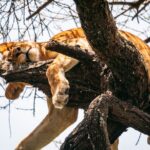
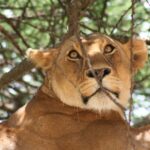
Then there is the lion story. Lake Manyara is famous for tree-climbing lions, a behavior that immediately changes how you look at the park. Even if you do not see it, knowing it is possible makes you scan differently, including along branches and in spots where lions might rest off the ground. In a 2-day safari, that kind of “mindset shift” is valuable. You are more likely to catch interesting behavior even when the big moment is not a roar-and-run scene.
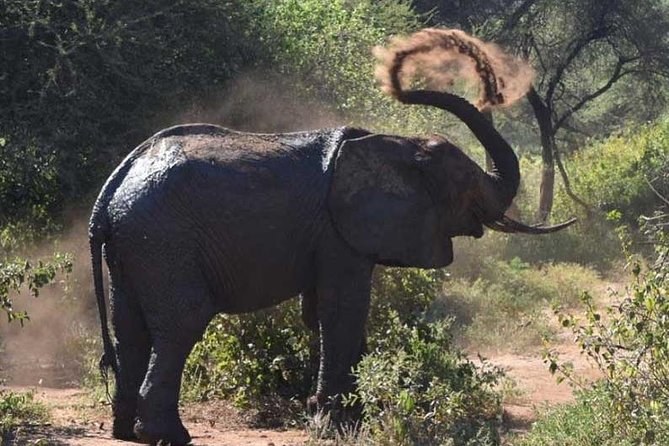
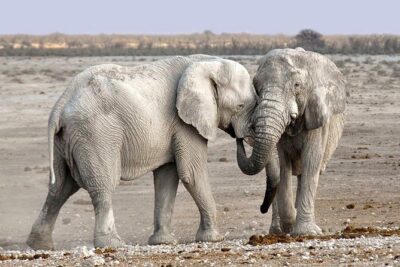
Elephants are another draw. Manyara is noted for one of Africa’s largest concentrations of elephants, so you should expect the park to feel alive with elephants showing up around feeding areas or water. Again, even if you do not see elephants constantly, the odds are better here than in many smaller habitat types.
One practical note: the afternoon game viewing is where this part shines. The lighting can be excellent for photography, and the animals often start moving more as temperatures shift. If you get offered options for where you sit in the vehicle, take the side that gives you the best sightlines, especially for spotting birds near the water.
A crater day in Ngorongoro: why density is the whole point
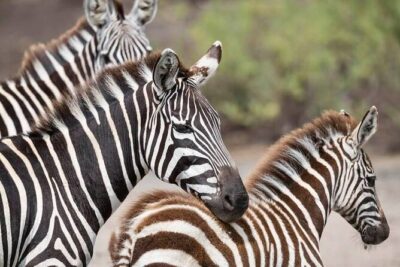
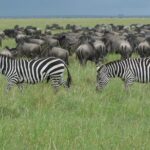
Ngorongoro Crater is the other star of the itinerary, and it is described as having one of the highest concentrations of game in Africa. That wording matters because it tells you what this day is trying to achieve: density, not variety by mileage.
When wildlife density is high, your viewing odds improve in a short timeframe. You spend more time watching animals rather than waiting for animals to show up somewhere new. That is exactly what you want on a 2-day sprint.
Ngorongoro is also described as a self-contained world. Even without fancy explanations, you can feel the effect when animals are concentrated within a natural “bowl.” The crater setting tends to focus movement into recognizable patterns: feeding areas, water zones, and travel routes. When those patterns overlap with tourist viewpoints, it can feel like the park is on stage for you.
Since the plan does not spell out the timing of the crater game drive in the details you provided, I will keep expectations grounded. What you can count on is that Ngorongoro is part of the package and the focus is the crater wildlife spectacle. In practice, that means you should be ready for long viewing stretches, patient scanning, and frequent camera raises.
If you are a photographer, this is where you can get a mix of close-up animal moments and wider environmental shots. If you are traveling with kids, this is also a strong choice, because crater safaris often produce more “everywhere at once” viewing, which helps keep attention.
Lodge lunch, dinner, and overnight: how the comfort piece fits
This safari is structured with lunch at the lodge after the transfer to Lake Manyara, then game viewing later in the day, with dinner and overnight provided based on the accommodation option you requested.
That matters because in a 2-day tour, lodging is not just a place to sleep. It affects how you feel the next morning, and how willing you are to stay sharp for early or late drives. Since the details here say dinner and overnight are based on your accommodation choice, you are the one controlling comfort level, not the operator.
Here is what I would do to make the comfort part work for you:
- Choose an accommodation option that matches your tolerance for early starts and vehicle time.
- Ask what is included with dinner and whether it is buffet or set meals, if that question is easy for your booking.
- Pack a small set of basics for after-drive comfort: wipes, lip balm, and a dry layer.
Also, since the safari is only 2 days, your best strategy is to treat the lodge meals as fuel, not a vacation feast. Get enough water and keep caffeine and alcohol measured so you wake up ready to spot animals.
Private tour, pro guide/driver, and how to get more from your time
This is a private tour/activity, meaning only your group participates. That is a big deal in wildlife tourism because it usually improves pace. Your guide can tailor the stops, and you can move through the park without the rhythm of a bigger mixed group.
You meet a professional tours guide/driver for a short safari info briefing, then you head to the park. That briefing is where you should actively ask your best questions. If you want flamingos, ask where they typically show up. If you want lion chances, ask how the guide looks for signs that tree-climbing behavior might be possible. Even if you do not get a guarantee, you will get guidance that helps your eyes work better.
The operator has been praised for staff who are personable and polite, including a guide named Rogers. Other staff names mentioned include Moses and Victoire, and Mndeme’s team has been highlighted for safe and smooth support and for caring about wellbeing on other active trips like Kilimanjaro. I cannot promise every safari will feel identical, but I like that the company’s service approach shows up repeatedly: punctuality, attentiveness, and a sense that safety and comfort matter.
One small but practical tip: if pickup is offered, confirm where you are being collected and at what time. In safari time, the minutes before a game drive can be the difference between seeing animals while they are actively moving versus watching a sleepy lull.
Price and value: what $1,035.26 per person really buys
At $1,035.26 per person for an approximately 2-day safari, you are paying for a packaged experience built around two major wildlife areas, guided time, and the driving between them. The price also reflects that dinner and overnight depend on the accommodation option you request, which suggests the cost can scale with comfort level.
So how do you judge value without just staring at the number?
- Compare what you get: two parks, pro guiding, and a private setup.
- Consider what you save: you are not organizing vehicle logistics, park timing, and routing on your own in a region where that takes skill.
- Think about your time: 2 days is a short window, and this itinerary is built to compress a meaningful wildlife story into that window.
If your alternative is trying to piece together a one-parks-only day tour, this makes sense because Ngorongoro and Lake Manyara cover different wildlife “angles.” You are not doubling up on the same scenery and expecting the same results.
That said, the biggest value risk in any 2-day safari is expectation mismatch. If you need lots of downtime and slow mornings, this price buys a packed itinerary, not a relaxed retreat. If you are okay with that tradeoff, the structure is what you are paying for.
Who this safari suits best, and who should think twice
This tour style fits people who want a fast, focused Northern Circuit wildlife hit. It is also well suited if you want a photographic safari approach because you are spending time in two different animal settings rather than bouncing too lightly.
Best fit:
- You have limited time and want both Lake Manyara and Ngorongoro.
- You care about wildlife concentration, especially the crater’s reputation.
- You prefer a private group experience with a guide who briefs you and keeps things moving.
Think twice if:
- You want lots of free time and slow travel between highlights.
- You are likely to struggle with a more intense schedule, because it is a 2-day sprint built around major wildlife stops.
Most travelers can participate, and the tour is near public transportation, which can matter if you are connecting from other parts of Tanzania. Still, this is an active vehicle-based safari, so plan for long stretches sitting.
Should you book this 2-day safari from Moshi?
If you want a practical, high-impact Tanzania safari in a tight time frame, I would say yes, with one clear condition: be comfortable with intensity.
Book it if:
- You want both Lake Manyara and Ngorongoro Crater in about 2 days.
- You value a private group and guided routing.
- You are excited by the idea of flamingos at a soda lake and the potential for tree-climbing lions.
Skip it or choose carefully if:
- You need a relaxed pace.
- You are sensitive to vehicle time and want more downtime.
My bottom line: this is a smart “Northern Circuit in miniature” option from Moshi, designed to get you into prime wildlife areas quickly. If you match your expectations to a 2-day sprint, it can feel like you beat the calendar, not just pass through parks.
FAQ
Where does the safari start and end?
The experience starts at Moshi Urban, Tanzania, and ends back at the meeting point.
How long is the safari?
It is listed as approximately 2 days.
What parks are included?
The safari includes Ngorongoro Crater and Lake Manyara National Park.
Is pickup included?
Pickup is offered.
Is this a private tour?
Yes. It is a private tour/activity, and only your group will participate.
What travel time is there between places?
The non-game-viewing travel time is about 2 1/2 hours, with a distance of about 130 km.
What is the price per person?
The price is $1,035.26 per person.
Can I cancel for a full refund?
Yes. Free cancellation applies if you cancel up to 24 hours in advance for a full refund. If you cancel less than 24 hours before the start time, the amount paid will not be refunded.
Just added from around Moshi
2-Day Experiences, compared.
 ★ 5.02 Day Serengeti Safari Experience from MwanzaFrom $1,364198 reviews
 ★ 5.02 Days Tarangire and Ngorongoro Group Camping SafariFrom $550146 reviews
 ★ 5.02 Days 1 Night Mikumi National Park from Dar es salaamFrom $67060 reviews
 ★ 5.02 Day Safari To Mikumi National Park + transfers from Dar Es SalamFrom $90256 reviews
 ★ 4.02 Day safari to Mikumi departure from ZanzibarFrom $69054 reviews
 ★ 5.02 Days and 1 Night Mikumi Safari Private TourFrom $65032 reviews
 ★ 5.02-Day Private Mikumi National Park Tour with PickupFrom $39031 reviews
 ★ 4.52 Days Group Joining Camping Safari Tarangire Park and Ngorongoro CraterFrom $50028 reviews
Browse the lists this tour appears in