
REVIEW · NGORONGORO CRATER SAFARIS
2 Days Group Joining Camping Safari Tarangire Park and Ngorongoro Crater
A quick safari, two world-famous parks. This 2-day camping safari is designed for people who want big wildlife payoff without a week of logistics, pairing Tarangire National Park with the Ngorongoro Crater in a tight schedule. I like that the plan includes game drives, camping gear, and meals so you avoid the money surprises that can creep into cheaper tours. I also like the small group size (up to 7), because you tend to feel less like cargo and more like a real group. One thing to consider, based on past experiences shared with the operator, is that transfers back to your hotel can be chaotic if details are unclear, so confirm timing and pickup address carefully.
What makes this itinerary especially practical is the rhythm: morning drives, picnic lunch boxes in the parks, then a relaxed return for dinner and sleep before the next crater day. You’re also in a 4×4 vehicle with a top open roof and all-window seats, which helps you spot animals and shoot photos without fighting for position. If you go in with realistic expectations about time, this is a smart value play for first-time safari visitors who want two major Tanzania stops in one short window.
In This Review
- Key highlights in a nutshell
- Tarangire and Ngorongoro in 48 hours, and why it works
- Getting from Arusha to Tarangire: early start, big payoff
- Tarangire game drive tips: how to get the most out of your time
- Kizumba Campsite night: comfort level to expect on a full-board camping setup
- Ngorongoro Crater: the descent, the waiting, and the wildlife payoff
- Picnic lunch boxes and timing: small details that shape your experience
- Vehicle comfort and small-group vibe: what it changes for your day
- Price and value: what $500 covers in real safari terms
- Communication and transfers: the one area to manage carefully
- What to pack for a 2-day camping safari (practical and simple)
- Who this safari suits best
- Should you book this Tarangire and Ngorongoro 2-day camping safari?
- FAQ
- What parks are included in this 2-day safari?
- What time does the safari start?
- How long is the safari?
- Is pickup offered?
- What is the vehicle like for game drives?
- What meals are included?
- Are park fees and admissions included?
- Is accommodation included?
- How many travelers are in the group?
- Is tipping included in the price?
Key highlights in a nutshell
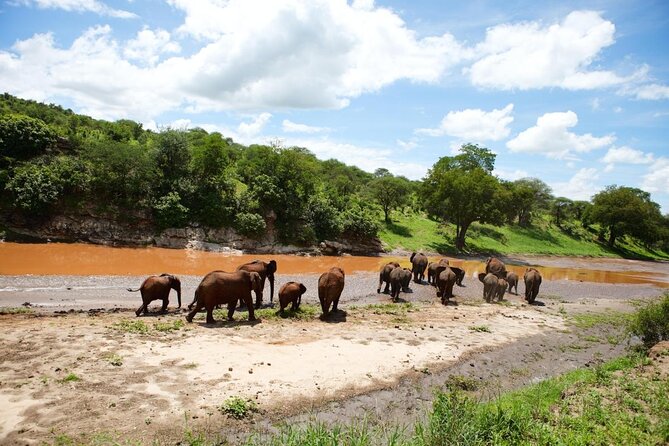
- Tarangire elephants and baobab sightings: A strong chance to see elephants and the famous baobab trees
- Ngorongoro crater density: One compact destination with a reputation for heavy wildlife concentration
- Camping included at Kizumba Campsite: Full-board meals and camping gear are part of the package
- Small group limit (max 7): More personal guiding and less crowding during drives
- Photo-friendly vehicle setup: Top open roof plus all-window seats for views
Other ways down into the Ngorongoro Crater
- 3 Days Serengeti & Ngorongoro Group Camping Safari★ 5.0 · 574 reviews
- 5 Days Camping Tarangire, Serengeti & Ngorongoro crater & Visiting Maasai★ 5.0 · 229 reviews
- 4 Days Join Group tour Tarangire Serengeti and Ngorongoro crater★ 5.0 · 219 reviews
- 4-Day Safari from Arusha: Tarangire, Serengeti and Ngorongoro★ 5.0 · 173 reviews
Tarangire and Ngorongoro in 48 hours, and why it works
If you have limited time in northern Tanzania, this kind of quick-hit safari can make sense. Tarangire and Ngorongoro are not small stops, and they sit far enough apart that squeezing them into one trip is always going to mean a faster pace. The good news is that this schedule is built around the prime daylight for game drives, with morning starts and time for a meaningful amount of time in each park.
For you, the big win is efficiency. Instead of choosing between Tarangire’s river-draw elephants and Ngorongoro’s crater bowl, you get both. That matters because elephants often set the tone at Tarangire, while Ngorongoro can feel like a whole different kind of safari theater once you’re down in the crater. You also get overnight camping, which is usually where costs creep up on budget trips. Here, accommodation, camping gear, and meals are included in the core package, which is exactly the type of “hidden cost” risk you want to avoid.
The timing is also straightforward. Day 1 starts at 8:30 am from Arusha, and day 2 aims to return you to Arusha around 3:00 pm. If you’re the type who hates moving on to a new hotel every day, the overnight campsite approach keeps things simpler.
Getting from Arusha to Tarangire: early start, big payoff
Day 1 begins with a drive out of Arusha at 8:30 am to Tarangire National Park. That early departure matters because wildlife viewing is often best when animals are actively moving and when the light is good for spotting. You’ll get a game drive with picnic lunch boxes, so you’re not losing the middle of the day to long restaurant detours.
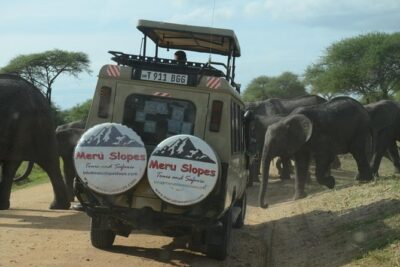
Tarangire is especially known for elephants. If elephants are your main goal, this is a smart match. You’re also in the right habitat for the kind of dramatic scenery Tanzania does well, including a chance to see baobab trees. Those trees are the ones that make you stop walking just to look around, because they look like they belong to another planet. Even if you only catch a few, knowing you’re in a park with that classic baobab vibe raises the odds that the drive will feel more than just driving and scanning.
A practical note: road time is part of safari time here. Plan for the fact that day 1 includes a longish drive, plus game drive hours once you’re inside the park. If you’re sensitive to fatigue, bring water, stay hydrated, and use layers. The vehicle style here is open-roof and window-based, so airflow can vary as you move between sun and shade.
Tarangire game drive tips: how to get the most out of your time
You’ll be on a top open roof 4×4 with all-window seats, which is a gift for viewing and photos. Here’s what to do with that advantage:
- Sit where you get the best sightline, especially when the driver slows near wildlife.
- Keep your camera ready but also look up often, elephants and other animals don’t always stay where you last saw them.
- Use your guide for short, quick questions while you’re moving. In a small group, you can often get specific direction that helps you spot better.
Also, remember that game drive success is never guaranteed. But Tarangire’s elephant focus gives you a clear target, and the itinerary sets you up to hunt for that target throughout the day, not just at one quick stop.
Tarangire again, with different operators
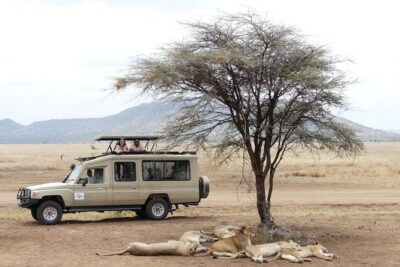
Kizumba Campsite night: comfort level to expect on a full-board camping setup
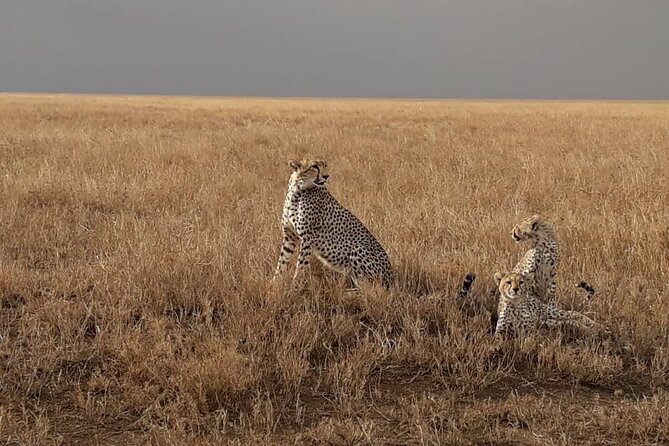
After Tarangire, you’ll leave the park in the later afternoon and head to Kizumba Campsite for dinner and overnight on a full-board basis. The fact that accommodation is included is not a small detail. On safari tours, “camping style” can range from basic to more organized, and the inclusion of camping gear here signals that you won’t be scrambling for the essentials at the last minute.
What “full board” means for you, practically, is simple. Dinner and breakfast are part of your package, and camping is handled as part of the itinerary. That matters after a long travel day, because you want food and sleep sorted, not a late-day hunt for supplies.
The camping experience can be peaceful, but be mentally ready for the realities of outdoor life. You may hear the sounds of night wildlife and birds, and the camp environment will feel more open than a hotel. If you pack thoughtfully, you’ll sleep better and enjoy the experience more. Bring a light layer for evening and use whatever small comfort items you personally rely on for sleep.
One more small but useful item: mineral water is included, and there’s also mention of socket changing in the car. That doesn’t replace good packing, but it’s a thoughtful bonus for charging devices on the move.
Ngorongoro Crater: the descent, the waiting, and the wildlife payoff
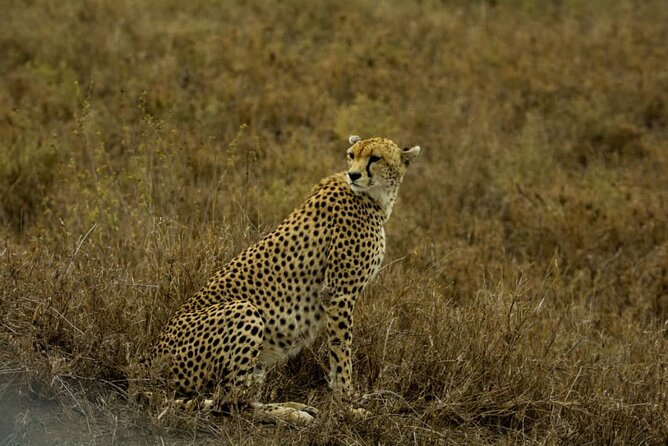
Day 2 is all about Ngorongoro Crater. After breakfast, you drive to Ngorongoro and descend into the crater for game drives with picnic lunch boxes. The crater is famous for a dense concentration of wildlife, and that reputation is exactly why it’s so popular. The idea is that you’re not searching endless distances in multiple habitats. You’re in a compact caldera environment where animals can be easier to spot within a manageable area.
Even with a limited time window, this setup can deliver a strong experience because you’re spending meaningful hours down in the crater during daytime conditions. Your guide’s skill matters here, because sightings often depend on reading where animals are likely to be and positioning the vehicle safely and legally.
You’ll likely feel the difference immediately when you’re in the crater bowl. It has a “gathering places” feel, like the animals are clustered around resources and terrain. If Tarangire is about meeting iconic species and iconic trees, Ngorongoro tends to feel like a focused viewing challenge.
Picnic lunch boxes and timing: small details that shape your experience
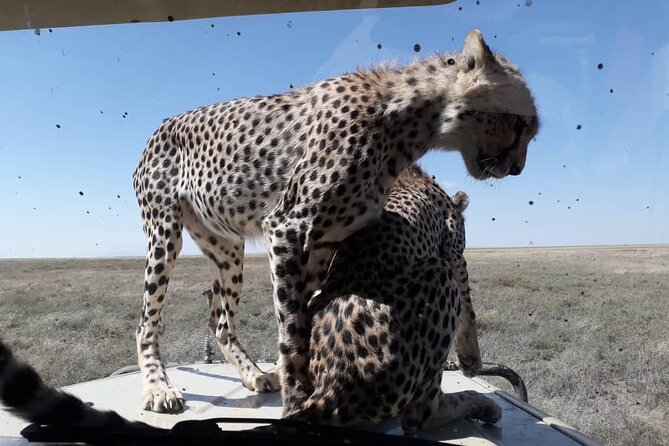
Both days include picnic lunch boxes, which is one of those unglamorous details that can make or break a short safari. For you, this means:
- Less downtime searching for food
- More time in the parks
- Fewer transitions between “drive time” and “eat time”
On day 2, timing is tight. You’re aiming to be back in Arusha town around 3:00 pm, so you’ll feel the afternoon push. Keep your expectations realistic. This is not a slow, lazy safari day. It’s a “get in, get sightings, return” day. The upside is that you’re not stuck for a full extra day with unclear schedules.
Vehicle comfort and small-group vibe: what it changes for your day
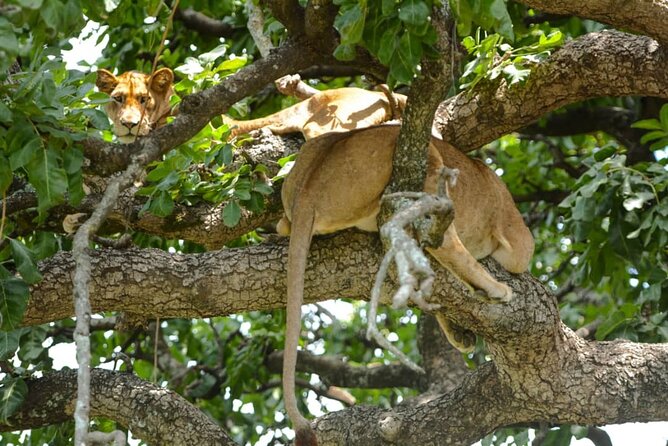
This safari runs with a maximum of 7 travelers, which is a meaningful quality factor. In a big group, you often spend extra time waiting, and you can lose the driver’s attention when the group gets spread out. In a small group, the guide can keep everyone together more easily, and you can get quick adjustments when animals appear.
The vehicle itself also matters. You’re on a 4×4 with:
- Top open roof all window seats
- Water included
- Socket changing in the car
That combination is practical. You’re not stuck with tiny windows and cramped angles, and open-roof viewing helps you track movement quickly. It’s also easier to react when an animal pops up on the roadside or in a clearing, because the sightline is better.
The one watch-out is heat and sun. Open-roof viewing can mean more sun exposure. Bring a hat, sunscreen, and sunglasses. Also consider a light layer for early morning and late afternoon, when temperatures can shift.
Price and value: what $500 covers in real safari terms
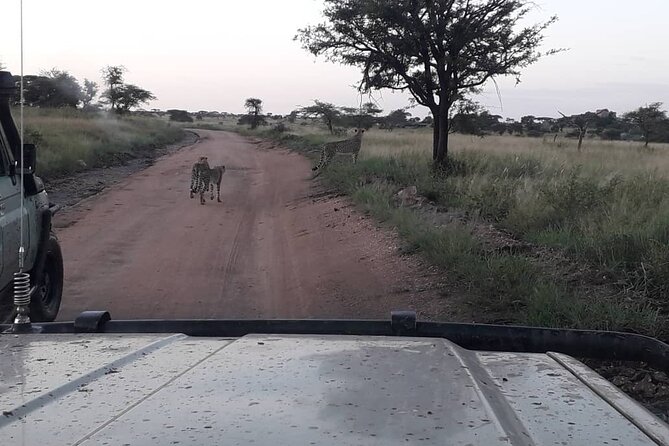
At $500 per person for about two days, this can look “budget” on the surface, but the value depends on what’s included. Here, the key is that you’re not just paying for driving. The package includes:
- Game driving
- Camping gear and accommodation (overnight at Kizumba Campsite)
- Breakfast and dinner
- Lunches (listed as 2) via picnic lunch boxes
- Mineral water
- All fees and taxes
That is a lot of the typical cost load you usually see added separately in safari budgeting. You also get admission ticket handling: Tarangire is listed as free for day 1, and Ngorongoro is included for day 2. Those line items tell you the operator has baked costs into the price rather than stacking them at the end.
What you should think about is tradeoffs. Short safaris always involve more movement and fewer hours in each place than longer itineraries. If you want a slow pace, linger for photography, or add extra stops, a two-day plan might feel rushed. But if your goal is to check off two major parks in one trip with meals and camping handled, the value looks strong.
Tips are not included, so plan for that as a normal part of safari culture. The tour provides professional guides and driving, so budgeting a small amount for guiding support is fair.
Communication and transfers: the one area to manage carefully
The most praised aspect tied to the experience is communication, from booking through to being dropped off. That’s important because safari success starts before you ever reach the gate. Clear updates reduce stress, and quick answers to pre-arrival questions help you pack and plan better.
The main concern to keep in your mind is the transfer experience. There has been feedback about a return transfer being delayed and chaotic, including a delay of more than two hours. I can’t tell you what will happen for your group, but you can protect yourself:
- Confirm your pickup and drop-off details in writing (hotel name, address, phone contact)
- Ask for the exact pickup time window on both days
- Build a buffer for your return day so you are not tied to another appointment immediately after the tour ends
Also note that pickup is offered, and the meeting point is described as near public transportation. That suggests the operator may use shared pickup logic or a convenient hub rather than a single door-to-door arrangement for everyone. Clarify your exact pickup location before you rely on a perfect hotel-to-hotel handoff.
What to pack for a 2-day camping safari (practical and simple)
Since you’re doing open-roof game drives and outdoor camping, pack like you’ll be both in the sun and in the night air. You don’t need a huge kit. Focus on comfort and usefulness:
- Light layers for morning and evening
- Hat and sunscreen for open-roof viewing
- Water bottle habits, even though mineral water is included
- Small charging items, since there is mention of socket changing in the car
- A sleep-friendly approach for camping nights (something cozy helps)
And for photos, keep memory cards and battery power ready. Two days can fill up quickly when wildlife shows up where you least expect.
Who this safari suits best
This tour is a great fit if you:
- Want Tarangire and Ngorongoro in one short trip
- Like a small-group feel
- Prefer the simplicity of meals and camping handled for you
- Are okay with a more efficient, schedule-driven pace
It may not suit you as well if you:
- Need highly precise, guaranteed hotel-to-hotel timing
- Want long, unhurried safari hours with extra stops
- Don’t do well with outdoor overnight conditions
Should you book this Tarangire and Ngorongoro 2-day camping safari?
I’d say book it if your priority is big wildlife country, two iconic destinations, and straightforward inclusion of meals, camping, and park activities. The small group limit and the vehicle setup are real quality signals. And the way the trip is structured, with picnic lunch boxes and a full-board campsite night, is the kind of practical planning that helps you enjoy the safari instead of juggling logistics.
Hold off or ask extra questions if transfers timing is critical for your schedule. Confirm pickup and drop-off details tightly, and avoid stacking meetings or tight reservations on your return day. If you do that, this is a strong value way to experience two of Tanzania’s most famous wildlife settings in a single, manageable getaway.
FAQ
What parks are included in this 2-day safari?
You visit Tarangire National Park on day 1 and Ngorongoro Crater on day 2.
What time does the safari start?
The start time is 8:30 am.
How long is the safari?
The duration is listed as approximately 2 days.
Is pickup offered?
Yes, pickup is offered.
What is the vehicle like for game drives?
You travel in a 4×4 with an open roof and all-window seats.
What meals are included?
Breakfast and dinner are included, and lunch is provided as picnic lunch boxes (listed as 2).
Are park fees and admissions included?
All fees and taxes are included. Day 1 lists Tarangire admission ticket as free, and day 2 lists Ngorongoro admission ticket as included.
Is accommodation included?
Yes, accommodation is included for the overnight at Kizumba Campsite, and camping gears are also included.
How many travelers are in the group?
The maximum group size is 7 travelers.
Is tipping included in the price?
No, tips are not included.
Longer Trips Through the North
- Tanzania Classic – 7 Days
★ 5.0 · 1,151 reviews - 7-Day Premium Luxury Tanzania Safari All-Inclusive
★ 5.0 · 426 reviews - Tanzania Wildlife Encounters – 6 Days
★ 5.0 · 277 reviews - Group Safari 7 Days in Tanzania’s Main Parks
★ 5.0 · 240 reviews - 4 Days Join Group tour Tarangire Serengeti and Ngorongoro crater
★ 5.0 · 219 reviews
Tarangire and Its Baobabs
- 5-Day Highlights mid-Range Crater, Serengeti, Tarangire
★ 5.0 · 296 reviews - Private 6-Day Tarangire Manyara Crater and Serengeti with Mid-Range Lodges
★ 5.0 · 238 reviews - 5 Days Camping Tarangire, Serengeti & Ngorongoro crater & Visiting Maasai
★ 5.0 · 229 reviews - 4 Days Join Group tour Tarangire Serengeti and Ngorongoro crater
★ 5.0 · 219 reviews - 4-Day Safari from Arusha: Tarangire, Serengeti and Ngorongoro
★ 5.0 · 173 reviews
Still Thinking About the Crater?
- 3 Days Serengeti & Ngorongoro Group Camping Safari
★ 5.0 · 574 reviews - 5 Days Camping Tarangire, Serengeti & Ngorongoro crater & Visiting Maasai
★ 5.0 · 229 reviews - 4 Days Join Group tour Tarangire Serengeti and Ngorongoro crater
★ 5.0 · 219 reviews - 4-Day Safari from Arusha: Tarangire, Serengeti and Ngorongoro
★ 5.0 · 173 reviews - 2 Days Tarangire and Ngorongoro Group Camping Safari
★ 5.0 · 146 reviews
Just added from around Arusha


Ngorongoro Crater Safaris, compared.
 ★ 5.03 Days Serengeti & Ngorongoro Group Camping SafariFrom $815574 reviews
 ★ 5.0Safari Serengeti And NgorongoroFrom $2,845288 reviews
 ★ 5.05 Days Camping Tarangire, Serengeti & Ngorongoro crater & Visiting MaasaiFrom $1,254229 reviews
 ★ 5.04 Days Join Group tour Tarangire Serengeti and Ngorongoro craterFrom $1,090219 reviews
 ★ 5.04-Day Safari from Arusha: Tarangire, Serengeti and NgorongoroFrom $1,753173 reviews
 ★ 5.02 Days Tarangire and Ngorongoro Group Camping SafariFrom $550146 reviews
 ★ 5.04 Days Tarangire Serengeti Ngorongoro CraterFrom $900117 reviews
 ★ 5.03 Days Tarangire, Ngorongoro & Lake Manyara Group Camping SafariFrom $700102 reviews