
REVIEW · NGORONGORO CRATER SAFARIS
2 Day Budget Safari in Tarangire and Ngorongoro From Arusha
Elephants, lions, then a crater packed with wildlife. This 2-day budget safari takes you from Arusha into Tarangire National Park and then down into the Ngorongoro Crater, where you can expect a tight, well-paced wildlife day. You start early at 6:00 am, travel in a small group (up to 6 people), and get a professional driver guide, plus meals and park day coverage listed in the plan.
I love how this itinerary matches the stars of both parks. Tarangire is all about baobabs, big elephant numbers, and the river area that draws animals in the dry season, so you get the kind of wildlife viewing that feels dense for the time you spend there. Then Ngorongoro compresses a lot into one dramatic setting, with game viewing in a natural enclosure and extra time for bird spotting and crater viewpoints.
My only caution: it is a fast, early-start itinerary. You will be on the road a lot, and with only two days, you can’t chase every sight or slow down like a longer safari. If you hate big mornings and long drives, this may feel intense.
In This Review
- Key things that make this safari work
- Tarangire and Ngorongoro in two days from Arusha
- Price and value: what $500 buys you (and why it matters)
- Getting there smoothly: 6:00 am starts, pickup, and group size
- Day 1 in Tarangire: elephants, baobabs, and the Hippo Lake lunch break
- Day 2 in Ngorongoro Crater: Big Five country in one natural enclosure
- Guides like Asaad, Omary, and Kelvin make the difference
- Meals, comfort, and the small “budget safari” tradeoffs
- Who should book this 2-day Tarangire and Ngorongoro safari?
- Should you book this safari from Arusha?
- FAQ
- What time does this safari start in Arusha?
- Where does the safari start and end?
- What parks are visited on this 2-day safari?
- Are meals included?
- How big is the group?
- Is a mobile ticket provided, and are admission tickets included?
Key things that make this safari work
- Small group size (max 6) keeps the game-viewing experience more personal and easier to manage.
- 6:00 am start from Arusha means you get into parks while animals are active.
- Tarangire’s elephant and baobab country sets a great tone, especially in the dry season (June to November).
- Ngorongoro crater game drive puts Big Five chances into one huge, changing ecosystem.
- Hippo Lake picnic on day one gives you a real pause, not just constant driving.
- Bird time and scenic viewpoints on day two add variety beyond the main game drive.
Other ways down into the Ngorongoro Crater
- 3 Days Serengeti & Ngorongoro Group Camping Safari★ 5.0 · 574 reviews
- 5 Days Camping Tarangire, Serengeti & Ngorongoro crater & Visiting Maasai★ 5.0 · 229 reviews
- 4 Days Join Group tour Tarangire Serengeti and Ngorongoro crater★ 5.0 · 219 reviews
- 4-Day Safari from Arusha: Tarangire, Serengeti and Ngorongoro★ 5.0 · 173 reviews
Tarangire and Ngorongoro in two days from Arusha
A good safari plan does two things at once. It gets you to the right places quickly, and it builds in enough time for real viewing, not just check-the-box stops.
This one hits the big Tanzania targets for wildlife in a compact format. Tarangire National Park is about 3,000 square kilometers, and it is famous for two things that photograph well and live well in real life: elephants and baobab trees. When the dry season is in play (June to November), the wildlife concentrates because water is scarce elsewhere, so animals trend toward reliable sources like the Tarangire River area.
Then you shift to Ngorongoro Conservation Area, where the crater is the headline. The Ngorongoro Crater is described as the largest intact crater in the world, formed when a volcano erupted about 2 million years ago and the walls collapsed. The result is a natural amphitheater where different habitats sit side by side, which helps explain why so many animals can be seen in one day.
If you want a safari that feels like a real experience but stays within a budget, this two-park combo is a strong choice. You get variety, not repetition.
Price and value: what $500 buys you (and why it matters)
The price is $500 per person for this 2-day safari, and the value is mainly in what is bundled. Your included items list dinner, breakfast, and lunch (2), along with parking fees and a professional driver/guide. That matters because on safari, food and logistics can quietly eat your budget fast.
Another value point is that your plan includes key “time savers” like hotel pickup, and it uses a mobile ticket. You also travel as a small group, with a maximum of 6 travelers, which usually means less waiting around and more time spent where you actually want to be, spotting wildlife.
One more practical note: the itinerary lists admission ticket free on the scheduled stops. I would still confirm what that means for your specific booking, but if it lines up with your confirmation, it can reduce surprise costs at the parks.
So is $500 cheap? It is budget-friendly for a two-day wildlife circuit. But the smarter way to judge value is this: you are paying for two big ecosystem days (Tarangire plus Ngorongoro) plus meals plus a driver guide, and you are not paying to manage every detail yourself. That is the whole point.
Getting there smoothly: 6:00 am starts, pickup, and group size
Your day starts at 6:00 am in Arusha, with pickup from your hotel by your driver guide. That early start is not just tradition. It helps you reach the parks while animals are out and about, and it also gives your driver enough daylight to position well during game viewing.
The tour is set for a maximum of 6 travelers, and that small-group size can be a big deal on safari. Fewer people means easier vehicle management, and it is less chaotic when the guide needs to move you to a new viewing angle.
You also get a professional driver/guide and mobile ticket. That combination tends to reduce day-of friction, especially when you are in unfamiliar park systems and schedules.
If you are carrying a lot of gear, keep it simple. Bring essentials you can access quickly in the vehicle, because you will be doing long stretches between stops.
Tarangire again, with different operators
Day 1 in Tarangire: elephants, baobabs, and the Hippo Lake lunch break
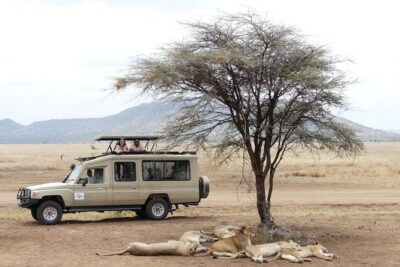
Tarangire sets the safari mood fast. After pickup, you drive into the park area, and your plan gives you around 3 hours for the initial transfer and park entry time.
From there, you get a longer full-day game drive segment of about 5 hours. This is where Tarangire earns its reputation. It is especially strong in the dry season (June to November), when wildlife concentrates and you can get viewing that rivals bigger-name parks in density.
What you are aiming to spot in Tarangire is pretty clear in the plan:
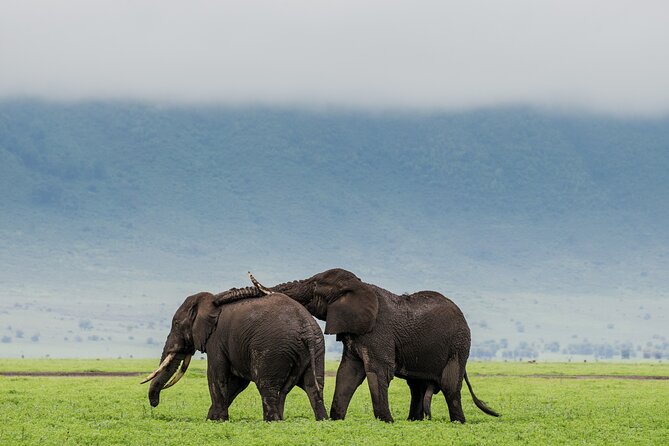
- Elephants (the headline)
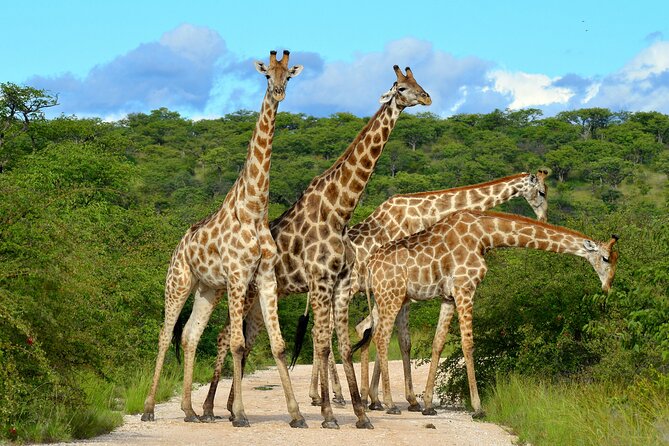
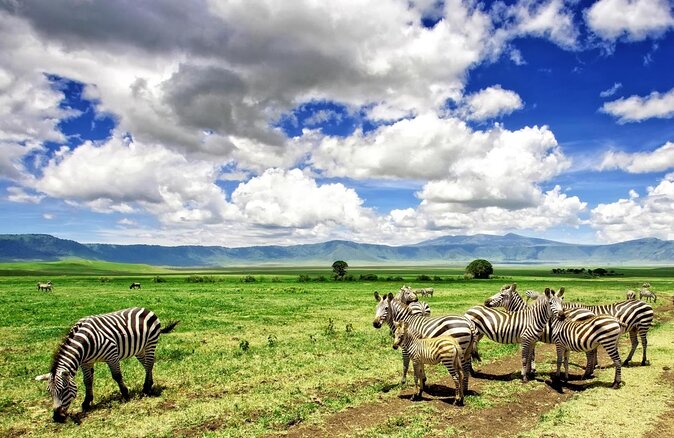
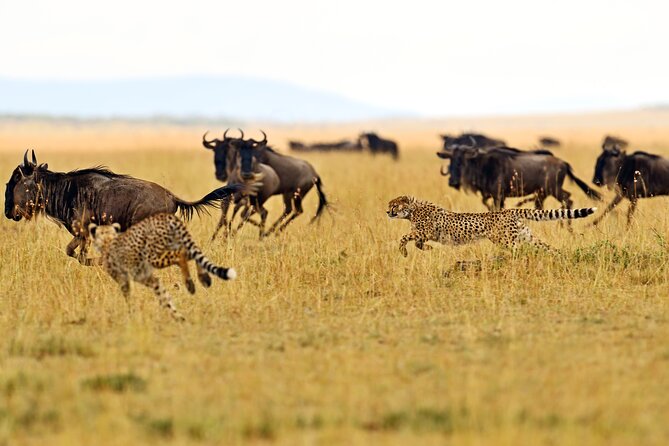
- Zebra, wildebeest, giraffe
- Waterbuck, baboons, impala
- Predators like lions, cheetahs, and leopards (with leopards usually being the most “keep watching” kind of sight)
You also get the baobab element, and it is more than a backdrop. Baobabs are part of why the park feels so photogenic and distinct from other Tanzanian parks, with a visual signature you will remember even if you are seeing a lot of wildlife in a short time.
At midday, your plan includes a picnic lunch near Hippo Lake. That hour break is underrated. Safari days get tiring, and a proper pause helps you stay sharp for the later viewing windows. It also gives you a chance to slow down and look around, since Tarangire is not only about animals on the move, but about animals moving through a very specific kind of landscape.
One practical consideration: Tarangire is best known during the dry season, because the river draws wildlife. If you are going outside that window, you can still have an excellent day, but the “concentration” effect is typically less intense.
Day 2 in Ngorongoro Crater: Big Five country in one natural enclosure
After breakfast, the second day shifts from open savanna energy to a dramatic crater setting. You drive to the Ngorongoro area, then you descend into the crater for a game tour.
The main crater day segment is listed at about 6 hours, and that length is important. Ngorongoro viewing is not always a quick checklist. Animals move, the light changes, and your guide needs time to find the best viewing pockets.
Ngorongoro’s core appeal is simple: the crater is a large, intact caldera with a mix of habitats. The plan notes acacia forest, hippo-filled swamps, and open grasslands. When those habitats stack vertically and sideways in one enclosed bowl, wildlife has more options, and your viewing range expands.
This is where the Big Five concept comes in. The plan specifically points to possible sightings of:
- Lion
- Elephant
- Buffalo
- Leopard
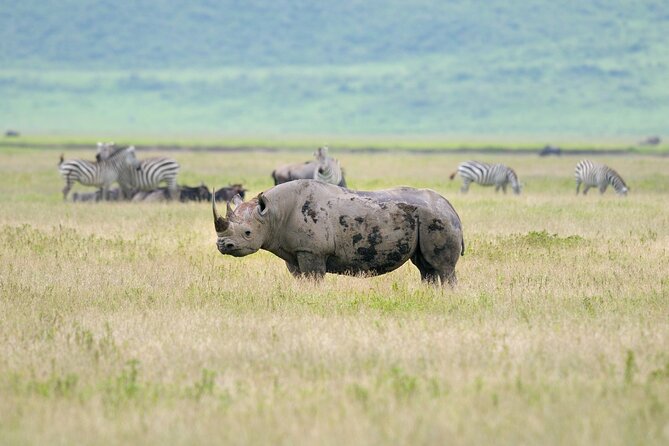
- Rhinoceros
Let’s keep expectations realistic in a helpful way. The Big Five are not guaranteed on any single day, but Ngorongoro is one of the best places in Tanzania for concentrated chances. Your guide’s skill matters here, especially when positioning for sightlines and when to wait.
After the main crater game viewing, the plan adds two nice extras.
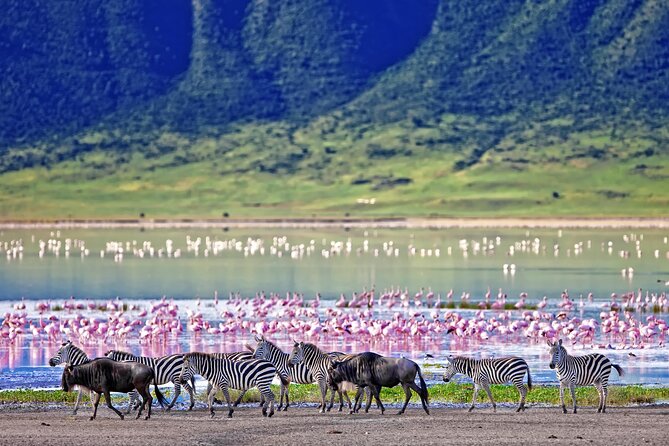
First, there is a bird watching portion (about 1 hour), with examples like flamingos, ostriches, and eagles. Even if you do not consider yourself a “bird person,” this kind of stop makes the day feel less repetitive and more multi-sensory.
Second, you build in scenic viewpoints with a focus on overlooking the crater. Those viewpoints are not just for photos. They help you understand the scale of what you are seeing below. When you look down and then get back into the vehicle for game viewing, the crater stops feeling like a single location and starts feeling like a whole world.
Guides like Asaad, Omary, and Kelvin make the difference
A two-day safari lives or dies on your guide. The vehicle can only do so much. Real enjoyment comes from spotting skill and from knowing what you are looking at, even if you are not an expert.
I saw this theme strongly in guide praise tied to names like Asaad, Omary, and Kelvin. The consistent pattern was friendliness, solid English, and animal stories that help you connect what you see to what it likely means in the moment.
One review also credits Shaban for organizing and personalizing the trip. That kind of responsiveness matters when plans need to fit different comfort levels, and it often shows up in small decisions like how the day is paced.
So, what should you look for on your end? Simple things:
- Ask your driver to point out spoor or feeding patterns when sightings are slow.
- Pay attention when your guide explains why animals are where they are, not just the animals themselves.
- If you have a preference (more predator focus, more birds, more elephant time), say it early.
You will get more from the safari when you treat the guide as part of the experience, not just transportation.
Meals, comfort, and the small “budget safari” tradeoffs
This package includes breakfast, dinner, and lunch (2). That is a big help because it reduces the time you spend figuring out food during park days.
On the comfort side, some past customers praised the comfort of the lodges and the food during the safari, which suggests the overnight arrangements are not treated as an afterthought. Still, since accommodation details are not listed in the provided inclusions, I recommend you confirm exactly where you stay for the night or nights tied to this plan.
Here are the most realistic budget safari tradeoffs to expect with a two-day itinerary:
- You will likely spend long hours in the vehicle. Dress for it.
- The schedule is tight, so you cannot build in lots of detours.
- You may do less “free time” than on longer, more flexible safari formats.
If you are the type who wants structure and maximum wildlife time, that works in your favor.
Who should book this 2-day Tarangire and Ngorongoro safari?
This safari fits best if you:
- Want a first safari that covers two of Tanzania’s most classic wildlife areas.
- Are traveling on a budget but still want a real wildlife experience with meals handled.
- Like the idea of early starts and staying active for two big days.
- Enjoy wildlife variety more than specializing in one animal.
You might reconsider if:
- You hate early mornings and long drives.
- You want lots of downtime or a slow travel rhythm.
- You are aiming for a very specific, guaranteed sight (like always seeing a rhinoceros or leopard). Even strong parks cannot guarantee that in one trip.
Should you book this safari from Arusha?
If you want a solid value 2-day safari circuit that goes beyond one park and gives you meaningful wildlife time, I think this is worth booking. Tarangire delivers elephants and iconic baobabs, then Ngorongoro offers the dramatic crater setting with serious Big Five odds, plus bird time and viewpoints.
My recommendation is to book if you are ready for:
- A 6:00 am start
- Two full wildlife-focused days
- A small group experience (max 6)
Before you pay, do two quick checks:
- Confirm exactly what your confirmation says about admission tickets and the included meals.
- Make sure you understand what is included for the overnight, since meals are listed but accommodation specifics are not spelled out in the provided data.
If those points line up, this is a smart, efficient way to experience Tanzania wildlife at a price that does not feel like it is designed only for the ultra-luxe crowd.
FAQ
What time does this safari start in Arusha?
The tour starts at 6:00 am in Arusha.
Where does the safari start and end?
It starts in Arusha, Tanzania and ends back at the meeting point. On day two, you are dropped off at a point advised.
What parks are visited on this 2-day safari?
You visit Tarangire National Park on day one and Ngorongoro Conservation Area, including the Ngorongoro Crater, on day two.
Are meals included?
Yes. The tour includes breakfast, dinner, and lunch (2).
How big is the group?
The safari has a maximum of 6 travelers.
Is a mobile ticket provided, and are admission tickets included?
The tour includes a mobile ticket. The itinerary lists admission ticket free for the scheduled stops, but you should still confirm what that means for your specific booking.
More Under Canvas
- 4 Days Group Camping Safari
★ 5.0 · 1,101 reviews - 5 Days Group Camping Safari
★ 5.0 · 730 reviews - 3 Days Serengeti & Ngorongoro Group Camping Safari
★ 5.0 · 574 reviews - 5 Days Camping Tarangire, Serengeti & Ngorongoro crater & Visiting Maasai
★ 5.0 · 229 reviews - 5 Days Budget Private Safari, Tanzania
★ 5.0 · 191 reviews
Tarangire and Its Baobabs
- 5-Day Highlights mid-Range Crater, Serengeti, Tarangire
★ 5.0 · 296 reviews - Private 6-Day Tarangire Manyara Crater and Serengeti with Mid-Range Lodges
★ 5.0 · 238 reviews - 5 Days Camping Tarangire, Serengeti & Ngorongoro crater & Visiting Maasai
★ 5.0 · 229 reviews - 4 Days Join Group tour Tarangire Serengeti and Ngorongoro crater
★ 5.0 · 219 reviews - 4-Day Safari from Arusha: Tarangire, Serengeti and Ngorongoro
★ 5.0 · 173 reviews
Still Thinking About the Crater?
- 3 Days Serengeti & Ngorongoro Group Camping Safari
★ 5.0 · 574 reviews - 5 Days Camping Tarangire, Serengeti & Ngorongoro crater & Visiting Maasai
★ 5.0 · 229 reviews - 4 Days Join Group tour Tarangire Serengeti and Ngorongoro crater
★ 5.0 · 219 reviews - 4-Day Safari from Arusha: Tarangire, Serengeti and Ngorongoro
★ 5.0 · 173 reviews - 2 Days Tarangire and Ngorongoro Group Camping Safari
★ 5.0 · 146 reviews
Just added from around Arusha


Ngorongoro Crater Safaris, compared.
 ★ 5.03 Days Serengeti & Ngorongoro Group Camping SafariFrom $815574 reviews
 ★ 5.0Safari Serengeti And NgorongoroFrom $2,845288 reviews
 ★ 5.05 Days Camping Tarangire, Serengeti & Ngorongoro crater & Visiting MaasaiFrom $1,254229 reviews
 ★ 5.04 Days Join Group tour Tarangire Serengeti and Ngorongoro craterFrom $1,090219 reviews
 ★ 5.04-Day Safari from Arusha: Tarangire, Serengeti and NgorongoroFrom $1,753173 reviews
 ★ 5.02 Days Tarangire and Ngorongoro Group Camping SafariFrom $550146 reviews
 ★ 5.04 Days Tarangire Serengeti Ngorongoro CraterFrom $900117 reviews
 ★ 5.03 Days Tarangire, Ngorongoro & Lake Manyara Group Camping SafariFrom $700102 reviews
Browse the lists this tour appears in