
REVIEW · TANZANIA CAMPING AND BUDGET SAFARIS
10-Day Amazing Comfort Camping Safari
Safari in Tanzania can feel like a sprint. This 10-day trip keeps things calmer, with comfort camping and a schedule that lets you slow down and watch, not just race to the next sight.
I like that the tour leans on a professional driver/guide and real guiding time. In the feedback I read, Chris and the team (including Japhet and Warren) were praised for spotting animals well and giving clear explanations, with enough flexibility to fit what you want to do in the moment.
The main catch is timing on arrival. If your flight lands after 3 pm on Day 1, you may have to overnight in Arusha at your own cost, since the transfer into Arusha National Park may not be possible.
In This Review
- Key Highlights You Should Know
- Comfort Camping That Still Feels Like a Safari
- Getting Started in Arusha: Arrival Timing and Park Transfer
- Arusha National Park: Ranger Walks, Hot Lunch, and Waterfall Views
- Lake Manyara and Mto Wa Mbu: Birding Plus Real Culture Stops
- Serengeti: Seronera River Drives and the Off-the-Beaten-Path Feel
- Ngorongoro Sunrise: Crater-Edge Camping and Optional Maasai Boma Time
- Tarangire: Elephant Chances, Larmaku Swamp Birds, and Hot-Spot Wildlife
- The Day-to-Day Rhythm: Early Starts, Lunch Breaks, and Your Timing Choices
- Price and Value: What $3,899 Covers (and What It Does Not)
- Who This Safari Suits Best
- Booking Advice: The One Thing to Confirm Before You Pay
- Should You Book This 10-Day Tanzania Camping Safari?
- FAQ
- What is included in this 10-day safari price?
- Are pickup services offered?
- What is the main thing not included?
- How much should I budget for tips?
- What happens if my flight arrives late on Day 1?
- Is this a private tour?
Key Highlights You Should Know
- Comfort camping setups with camping equipment and daily drinking water included
- Armed-ranger guided nature walk in Arusha National Park, plus optional Meru Summit effort
- Lake Manyara birding at a real waterbird hotspot, with time built in for Mto Wa Mbu culture
- Serengeti game drives focused on river corridors and quieter off-the-radar areas
- Ngorongoro sunrise with crater-edge camping and optional Maasai boma visit
- Tarangire elephant country plus Larmaku Swamp for birds and animal sightings near camp
More camping safaris at this price
- 4 Days Group Camping Safari★ 5.0 · 1,101 reviews
- 5 Days Group Camping Safari★ 5.0 · 730 reviews
- 3 Days Serengeti & Ngorongoro Group Camping Safari★ 5.0 · 574 reviews
- 5 Days Camping Tarangire, Serengeti & Ngorongoro crater & Visiting Maasai★ 5.0 · 229 reviews
Comfort Camping That Still Feels Like a Safari
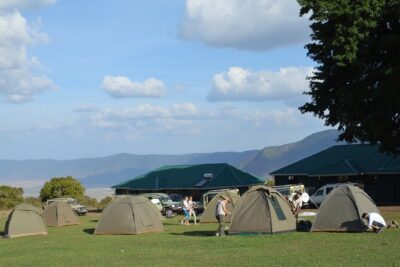
This trip is built around comfort camping, not luxury lodges. You get camping equipment, and the day-to-day rhythm is designed so you spend more time outside and less time waiting around.
You’ll also travel with drinking water on all days, and the tour includes breakfast, lunch, and dinner for most nights. That matters because feeding yourself on safari can be chaotic and expensive, especially when you want an early start.
A private tour setup is also a big value point. It means your group sets the tone, you’re not squeezed into a crowded vehicle schedule, and your guide can adjust when animals appear close to roads or when conditions are better in one area than another.
You should still be ready for the reality of camping. Bathrooms and camp setups are what you’d expect in public campsites, and you’ll want to pack like you’re living outdoors for a week and a bit.
Getting Started in Arusha: Arrival Timing and Park Transfer
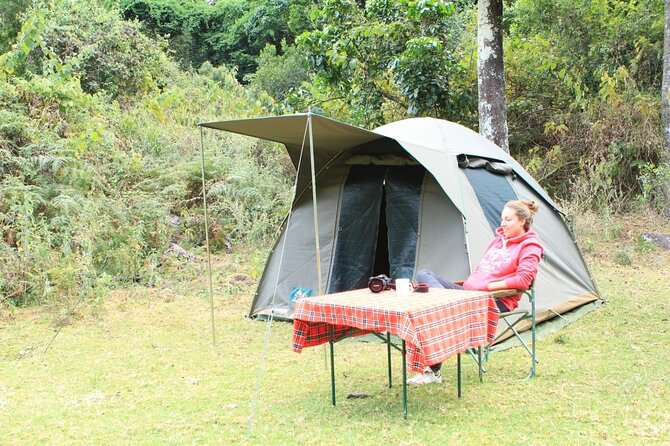
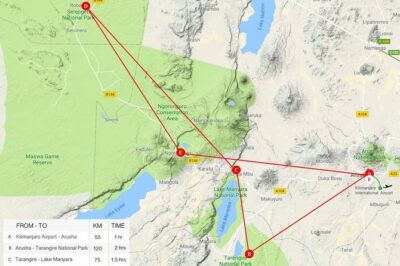
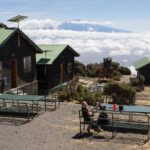
Day 1 is all about getting you into position for the safari. You land at Kilimanjaro Airport, then drive to Arusha National Park and check in at Momella Public Campsite.
Here’s the practical detail to plan for: if your flight arrives after 3 pm, it may not work to drive into the park for that night. In that case, you need to overnight at a lodge in Arusha that isn’t included in the tour price.
When everything lines up, you’ll get a quick introduction and watch the camp tents get set up. That’s useful because it gives you a quick sense of how the rest of the safari will run, including what to do when you want to grab extra layers or organize camera gear for early mornings.
If you can, aim for an arrival that gets you into Arusha National Park the same day. It keeps the trip’s pace and reduces the chance of an extra expense right at the beginning.
Arusha National Park: Ranger Walks, Hot Lunch, and Waterfall Views
Day 2 starts with a nature walk led by an armed ranger. This is one of the best “different than a typical drive” moments on the itinerary, because you’ll be on foot, slow enough to notice flora and small animal activity.
Expect a walk that can last about 2 to 4 hours, with waterfalls and huge fig trees in the mix. The ranger time matters because it adds a safety and knowledge layer, and it helps you see the park’s details beyond the obvious big views.
After the walk, you’ll return for a hot lunch, then head out for an evening game drive. This is when the sky and the light often make Mount Meru and Kilimanjaro views more dramatic in the background, while wildlife can feel a bit calmer than midday.
There’s also an optional add-on you can discuss with your guide, a walk toward Meru’s Summit for additional costs. If you’re fit and want one more “active” day besides walking in Arusha, this can be a good match, assuming the conditions and timing work out.
Lake Manyara and Mto Wa Mbu: Birding Plus Real Culture Stops
Day 3 shifts gears into Lake Manyara National Park with a built-in cultural stop at Mto Wa Mbu. You’ll drive about 150 km, roughly 3.5 hours on mostly paved roads, then spend time wandering through the town and meeting local life firsthand.
This portion isn’t a generic “quick photo stop.” It includes learning about the Masaai and other cultural groups in the area, plus visits to plantations and local craftsmen. You can also taste banana beer in an authentic bar, and then browse local market stalls with produce.
Lunch is served by a cheerful Tanzanian “mamma,” and that’s exactly the kind of meal style that tends to feel more local than touristy. After lunch, you’ll head into the park and camp at Endabash Public Campsite.
Day 4 is where Lake Manyara shines. The big hook here is birding: more than 400 species are recorded, and you can reasonably expect a large chunk of that in a single day if birding is your thing.
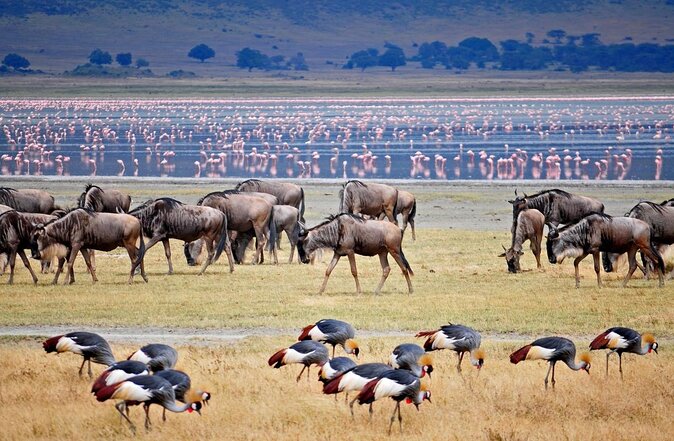
The hippo pool area is a standout for water-associated birds. If the water level is right, you may also see thousands of pink-hued flamingo, plus birds-of-prey like crowned eagles and hawk-eagles.
There’s no guarantee on what animals you’ll see, but the structure is solid: early bird and movement, then breaks for warmth and food.
Serengeti: Seronera River Drives and the Off-the-Beaten-Path Feel
Day 5 moves you into Serengeti National Park, via the Ngorongoro Conservation Area. On the way, you’ll get panoramic views over the crater hundreds of meters below, which is a nice mental reset before the real game driving days.
Distance is about 210 km, with roughly 6 hours of road time that’s partly paved and partly sandy and bumpy. That’s worth noting because roads can shake up comfort, even if you’re already packed for camping. It’s also why a calm pace matters in the overall plan.
In Serengeti, you’ll set up dinner and overnight at Seronera Public Campsite. If you enjoy birds, Serengeti has more than 500 bird species recorded, and it’s part of the Serengeti-Mara ecosystem tied to bird conservation importance.
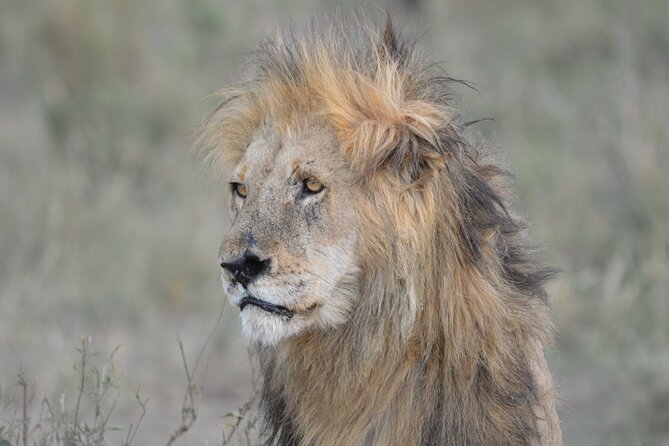
Day 6 is a full day game drive focused on river corridors like the Seronera River and the Mara River. This is where you can catch big cat action and river drama, including moments like wildebeest crossing events when timing lines up.
The itinerary also mentions areas that are not known to the greater public, which is where you often get a less crowded feel. That matters because animal encounters can happen fast, and when you’re not blocked by too many vehicles, you can watch better and take photos without constant interruptions.
In the feedback I read, Chris was praised as a strong spotter. That kind of guiding is especially valuable in the Serengeti, where animals can be just a silhouette at first.
Ngorongoro Sunrise: Crater-Edge Camping and Optional Maasai Boma Time
Day 7 starts early, with a sunrise game drive mindset. The idea is simple and smart: you’re there when the bush is waking up and predators are often more active, before the day heats fully and animals spread out.
After the morning drive, you return to camp for brunch. Then you check out and move to your next campsite on the edge of the Ngorongoro crater, staying at Simba Public Campsite.
You can add optional cultural time with a visit to a Maasai Boma at additional cost. If you want to balance wildlife with everyday human culture, this is the cleanest fit on the schedule, because it’s separate from the crater driving and doesn’t feel like a forced “side quest.”
The Ngorongoro area itself rewards early timing because crater conditions can change fast. Even when sightings vary, the views and the sense of the ecosystem layout tend to stay impressive.
If you like your days structured but not rushed, this crater day is a good example of that balance.
Tarangire: Elephant Chances, Larmaku Swamp Birds, and Hot-Spot Wildlife
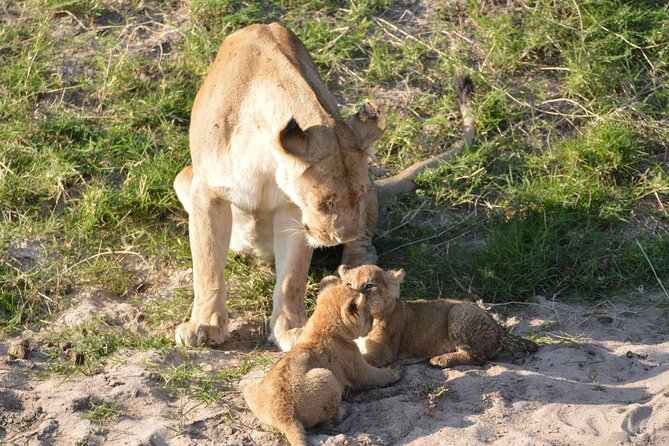
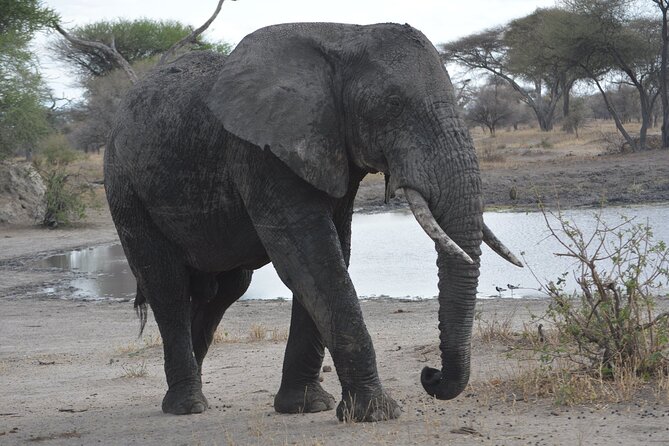
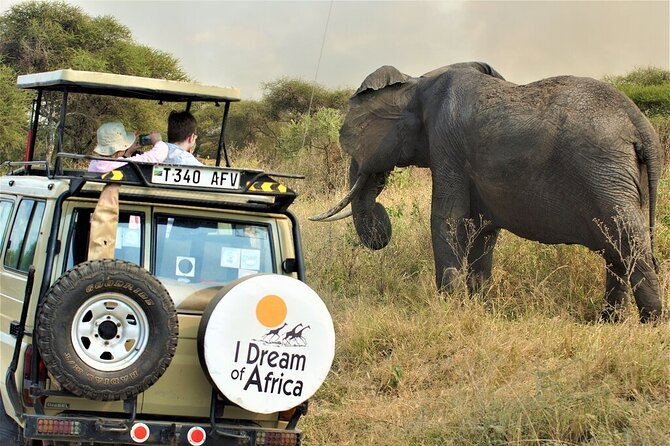
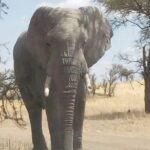
Day 8 is about heading into Tarangire territory after breakfast for a game drive. Tarangire is famous for elephants, and the schedule leans into that with expectations of wildlife encounters, including the possibility of solitary rhino.
You’ll also be watching for birds as a core theme. The description highlights flamingos when conditions are right, plus sand-pipers, storks, vultures, and grassland birds, with names like kori bustard and crowned crane mentioned as regulars in the right spots.
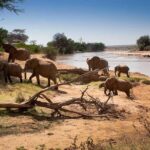
Day 9 brings another elephant-focused game drive. It includes visits toward Larmaku Swamp, a swamp area where elephants and other animals cool down and shelter near acacia trees.
Larmaku Swamp is described as having the most breeding bird species in one habitat anywhere in the world. The park also hosts dry-country bird species at the extremity of their range, including northern pied babbler and vulturine guineafowl.
You’ll get a direct expectation here too: the itinerary claims a 99.9% chance of seeing large herds of elephants in this park. Wildlife is never 100% predictable, but even if that exact number feels bold, Tarangire is a strong bet for elephant sightings in practice.
One practical note: Day 10 is your return drive back toward Arusha or onward to the airport, depending on your flight plan.
The Day-to-Day Rhythm: Early Starts, Lunch Breaks, and Your Timing Choices
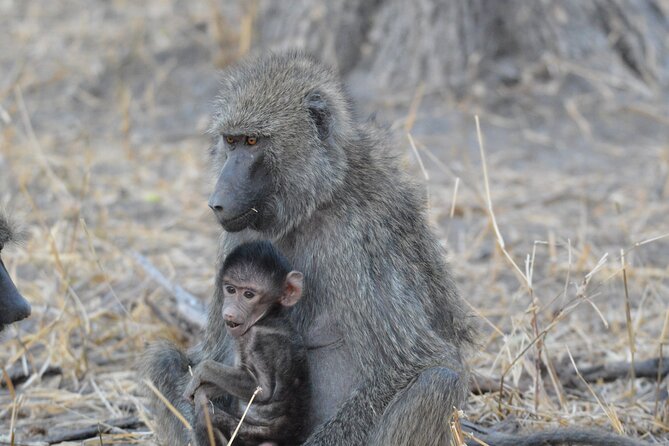
A lot of safari itineraries feel like constant acceleration. This one is built around a calmer rhythm, with long game drive blocks broken by camp meals and rest.
Morning drives are typically the most productive. You’ll see that pattern in Arusha’s nature walk setup and in Ngorongoro’s sunrise approach, where the logic is chasing the best light and animal activity levels.
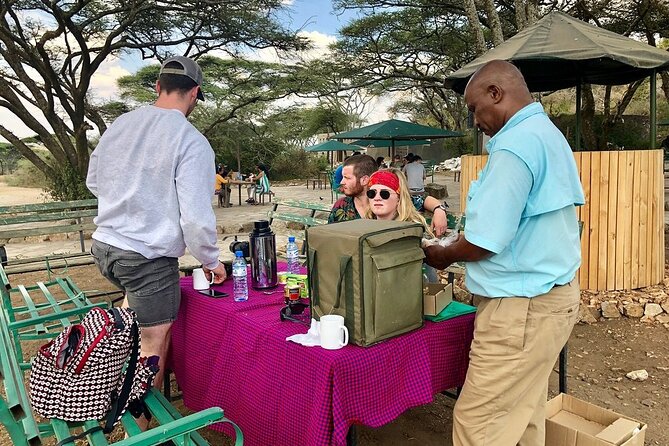
Lunch is often part of the plan, not an afterthought. You’ll return to camp for hot lunch in places, and in Serengeti you’ll carry lunchboxes during game driving, which keeps you out on the trails longer without feeling stuck.
The tour also emphasizes safari at your own pace. That doesn’t mean you never drive, it means your guide helps you manage stops, walking choices, and the pace of viewing once you find wildlife.
In my view, that’s one reason this kind of safari is good for people who want “real Africa” without feeling like every hour is a checklist item.
Price and Value: What $3,899 Covers (and What It Does Not)
This safari costs $3,899 per person for 10 days. At first glance it’s not cheap, but when you compare what’s included, the value starts to make sense for many travelers.
What’s included:
- Camping equipment
- Drinking water on all days
- Park fees for non-residents
- A professional driver/guide
- Meals: breakfast (10), lunch (10), and dinner (9)
- Admission tickets listed as free on the itinerary days
What’s not included:
- International flights
- Extra accommodation before the start and at the end if needed, like the Arusha lodge scenario on late arrival
- Bath towels
- Personal items like souvenirs, travel insurance, and visa fees
- Tips, with a guideline of $10 per person per day
That tips number matters for budgeting. For a 10-day trip, that can add up, but it’s also a normal part of safari culture and is tied to the guide experience you’re buying.
Also factor in that this is a camping safari. Comfort can be good, but it’s still not the same as staying in lodges every night. If you want hot showers on demand and private room service vibes, you’ll likely feel underwhelmed. If you want freedom, flexibility, and more time out in nature, it’s a strong fit.
Who This Safari Suits Best
This trip is described as flexible and affordable, with a big emphasis on local impact. If you want a safari that supports local communities and avoids the feeling of a mega-tour factory, this approach is worth considering.
It’s also a private tour for only your group. That usually works well for couples, small families, and friends who prefer privacy and a guide who can tailor pace and choices.
Physical fitness matters, but the requirement is “moderate.” You should be able to handle walking time on the ranger walk and moving between campsites over rougher road sections at times.
If you’re the type who likes wildlife spotting, patience, and staying present, you’ll likely enjoy the structure. If you want constant action and never any downtime, you might find safari quiet spells frustrating, even with good guiding.
Booking Advice: The One Thing to Confirm Before You Pay
Before you lock your dates, confirm your arrival time and whether you’ll need that extra Arusha lodge night. That one detail can change your total trip cost.
Also double-check the route day descriptions with the operator if something sounds inconsistent to you. For example, the Day 8 wording mixes Tarangire and crater language, and it’s always smart to ask for a clear park order so expectations match reality.
Finally, pack for camping conditions and bring a towel plan. Bath towels are not included, and having your own small basics makes camp life easier.
This is also a good safari to choose if you want a guide team that people describe as attentive, punctual, and willing to help when things go wrong. One standout story in the feedback involved help with luggage issues at night, which tells you how serious they take guest comfort and problem-solving.
Should You Book This 10-Day Tanzania Camping Safari?
I think this is a strong booking choice if you want a true Tanzania circuit with comfort camping, a private feel, and a guide who works hard at spotting animals.
It’s a smart pick for couples and small groups who want early starts, long game drives, and enough breathing room to enjoy parks like Lake Manyara and Serengeti without feeling steamrolled. It’s especially appealing if birding, crater scenery, and elephant country are on your list.
Skip or reconsider if you arrive late on Day 1 and don’t want the chance of extra lodging cost. Also reconsider if you need lodge-level comfort every night, since camping is central to the style of this safari.
If you want a safari that feels organized but not frantic, this is the kind of trip that can deliver on the Tanzania dream without the stress tax.
FAQ
What is included in this 10-day safari price?
The tour includes camping equipment, drinking water on all days, park fees for non-residents, a professional driver/guide, and meals (breakfast for 10 days, lunch for 10 days, and dinner for 9 nights). It also lists admission tickets as free on the itinerary days.
Are pickup services offered?
Yes, pickup is offered.
What is the main thing not included?
International flights are not included. Additional accommodation before and at the end of the tour is also not included, plus bath towels, personal items, travel insurance, visa fees, and tips.
How much should I budget for tips?
A tipping guideline of US $10.00 per person per day is provided.
What happens if my flight arrives late on Day 1?
If your flight arrives after 3 pm, it may not be possible to drive to the Arusha National Park campsite. You would need to overnight at an Arusha lodge that is not included in the tour price.
Is this a private tour?
Yes. It is a private tour/activity, with only your group participating.
More Under Canvas
- 4 Days Group Camping Safari
★ 5.0 · 1,101 reviews - 5 Days Group Camping Safari
★ 5.0 · 730 reviews - 3 Days Serengeti & Ngorongoro Group Camping Safari
★ 5.0 · 574 reviews - 5 Days Camping Tarangire, Serengeti & Ngorongoro crater & Visiting Maasai
★ 5.0 · 229 reviews - 5 Days Budget Private Safari, Tanzania
★ 5.0 · 191 reviews
Just added from around Arusha
Tanzania Camping and Budget Safaris, compared.
 ★ 5.04 Days Group Camping SafariFrom $9001,101 reviews
 ★ 5.05 Days Group Camping SafariFrom $1,100730 reviews
 ★ 5.03 Days Serengeti & Ngorongoro Group Camping SafariFrom $815574 reviews
 ★ 5.05 Days Camping Tarangire, Serengeti & Ngorongoro crater & Visiting MaasaiFrom $1,254229 reviews
 ★ 5.05 Days Budget Private Safari, TanzaniaFrom $0191 reviews
 ★ 5.06 Days Private Budget SafariFrom $2,300163 reviews
 ★ 5.02 Days Tarangire and Ngorongoro Group Camping SafariFrom $550146 reviews
 ★ 5.06 Days Tanzania Budget Camping SafariFrom $1,600145 reviews
Browse the lists this tour appears in