
REVIEW · MAASAI VILLAGE AND CULTURAL EXPERIENCES
1 Day Olpopongi Real Maasai Cultural adventurous Trip | BURIGI CHATO SAFARIS LTD
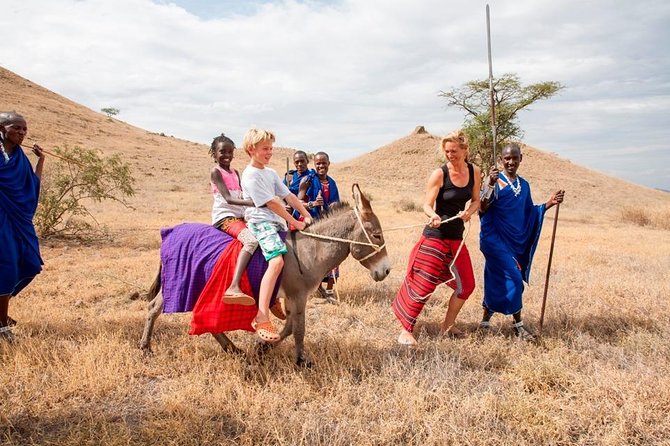
A Maasai day can feel like a living lesson. This Olpopongi visit is built around a real Maasai village routine, not a rushed photo stop, with a welcome song, village walk, and time in a traditional home setup. You also get a scenic drive through the West Kilimanjaro area, where wildlife and big views can show up depending on the season.
I like the Maasai welcome that kicks things off, because it sets a respectful tone right away and you’re doing it alongside the community, not watching from far away. I also like the included lunch and on-site museum, which turns a single day into more than dancing and walking around.
One thing to weigh: the experience includes checking in a hut for the night, so comfort levels are “traditional village” and not the same as a standard hotel. If you want predictable luxury lodging and quiet timing, manage expectations before you book.
In This Review
- Key things to know before you go
- Why Olpopongi works as more than a photo stop
- Arusha departure and the West Kilimanjaro drive
- The Maasai welcome: songs, dance, and how to participate
- Village walk and the reality check of daily life
- Checking into a Maasai hut for the night
- The small museum stop: tools, history, and social organization
- Lunch and pacing: what a 9-hour day means in practice
- Price and what you’re really paying for at $380
- Group size: when 198 people changes the vibe
- Who should book this Maasai cultural trip
- Who should think twice
- Should you book this Olpopongi Maasai Cultural Day Trip?
- FAQ
- What time does the tour start?
- Where is the meeting point in Arusha?
- How long is the Maasai Cultural Day Trip?
- Is lunch included?
- What’s included in the price?
- Are there any extra costs for tipping?
- Can I cancel and get a full refund?
- What happens if weather is bad?
Key things to know before you go
- Olpopongi is the focus: you spend the bulk of your time inside a Maasai village setting, with guided village walking.
- A real welcome program: traditional song and dance open the day, and you’re invited into the rhythm.
- A museum stop is part of the plan: history, social organization, and tools are covered, with admission listed as free.
- The route can be scenic: depending on season and clarity, you may spot zebras and elephants, plus views of Kilimanjaro and Meru.
- A hut stay is included: you’ll check in for the night, which changes the feel from a quick day tour.
- Group size can be large: the tour notes a maximum of 198 travelers, so personal interaction depends on how it’s run.
Other visits hosted by Maasai communities
- 5 Days Camping Tarangire, Serengeti & Ngorongoro crater & Visiting Maasai★ 5.0 · 229 reviews
- Maasai village visit, Materuni waterfalls & coffee experience★ 4.5 · 95 reviews
- Hidden Arusha Waterfall, Coffee & Village Tour (All-Inclusive)★ 5.0 · 42 reviews
- Kilimanjaro: Maasai Village Visit, Waterfalls, & Coffee Tour★ 4.9 · 27 reviews
Why Olpopongi works as more than a photo stop
If you’re going to do a Maasai cultural day, I’d rather you pick one place and really slow down than bounce around ten “stations.” This trip centers on Olpopongi, where your day is structured around a village visit, a welcome, and a walk-through that stays tied to daily life.
The best part is that the programming is not only about performance. You get time with the village setting, plus a small museum where you can understand how the community organizes itself and what tools were made for. That context matters because it helps you read what you’re seeing instead of treating everything like a costume.
I also appreciate the straightforward tone of this itinerary. There’s a clear start time, a clear morning drive, and a clear plan once you arrive. You’re not guessing what happens next.
Arusha departure and the West Kilimanjaro drive
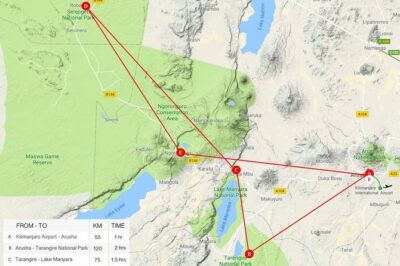
Your day starts with a pickup option in Arusha, and the start time is 8:30 am at the Arusha Tourist Inn (Sokoine Rd). From there, the ride heads toward Olpopongi in the West Kilimanjaro region. The drive is described as about 74 km from Moshi, taking around two hours.
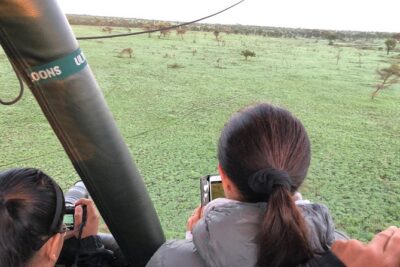
That drive is not filler. It’s part of the experience because it’s where you can catch quick wildlife moments and the classic Kilimanjaro and Meru sightlines on clear days. The notes specifically call out that zebras and elephants may appear depending on the season.
Practical tip: Tanzania weather can flip fast. If the sky looks clear in the morning, you’ll likely feel it later when the views open up. If you get clouds, don’t panic. The village portion is the main event.
The Maasai welcome: songs, dance, and how to participate
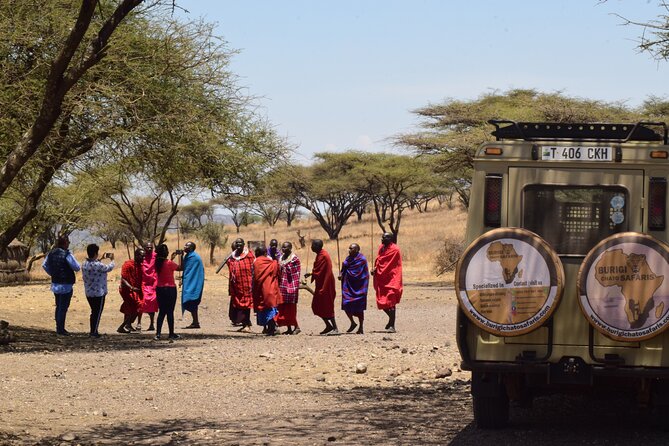
When you reach Olpopongi before lunch, you’re welcomed by local Maasai with a traditional welcome song and dance. This is the emotional kickoff of the day, and it’s also where you’ll learn how the group wants to interact with you.
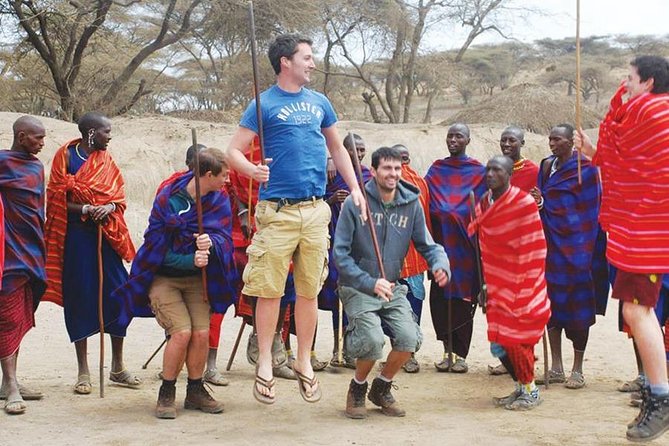
From the way the day is described, you’re not only watching. You’ll be walking around the village and checking in, and the dance portion is framed as a shared activity. One guest feedback theme that lines up with this structure is how fun it feels to take part in group jumping and dancing, not just stand still for pictures.
Here’s the best way to handle this respectfully. Follow your guide’s cues, keep your movements friendly, and don’t treat the moment like a stage. If the group wants you close, get there. If they keep you a bit back, that’s your cue too.

Village walk and the reality check of daily life
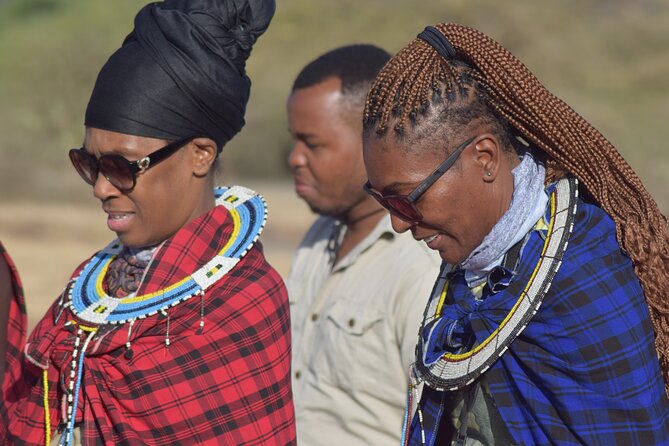
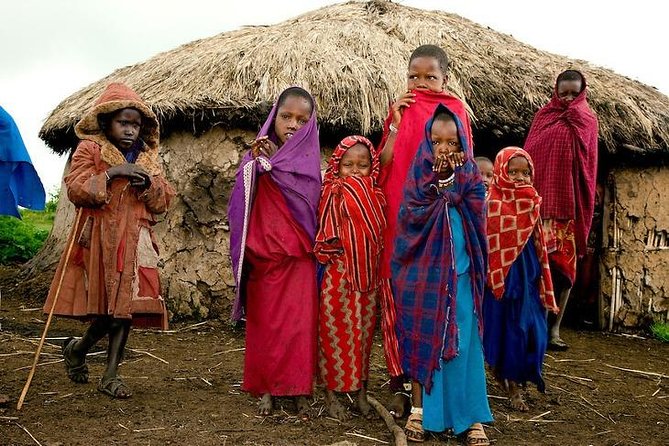
After the welcome, the program is a village walk. This is where you’ll see how homes are built, how people move through daily routines, and how community space is used. It’s also where you’ll notice the difference between a culture display and a living place.
One of the reasons this trip earns such strong ratings is that people remember small interaction moments, like meeting the children and learning what daily life looks like in a savannah setting. You should expect a mix of activities tied to the village itself, not a separate entertainment schedule.
Also, remember that you’re entering someone’s home environment. Keep your photography respectful. Ask first when you can, and avoid photographing people in ways that make them look uncomfortable.
Checking into a Maasai hut for the night
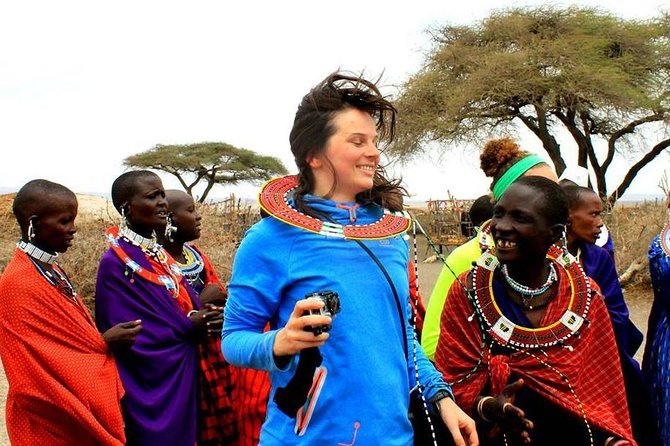
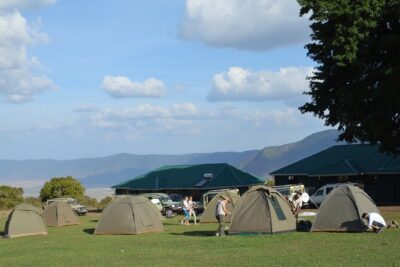
Even though this is labeled as a one-day cultural trip, the plan includes checking in your hut for the night. That single line changes the feel. You’re not just touring during daylight hours and leaving. You’re staying long enough to experience the village as a place where people live through evening time.
This is also where comfort expectations matter most. A Maasai boma stay is part of the authenticity, but it’s also rustic. If you’re used to hotels, you may find the difference big. The itinerary points to a hut check-in, so plan your mindset that this is the point, not a problem.
If you’re traveling with kids, this portion can be a highlight because it adds a “we’re actually here” factor. But it also means you should pack for the real conditions, like temperature changes after sunset.
The small museum stop: tools, history, and social organization
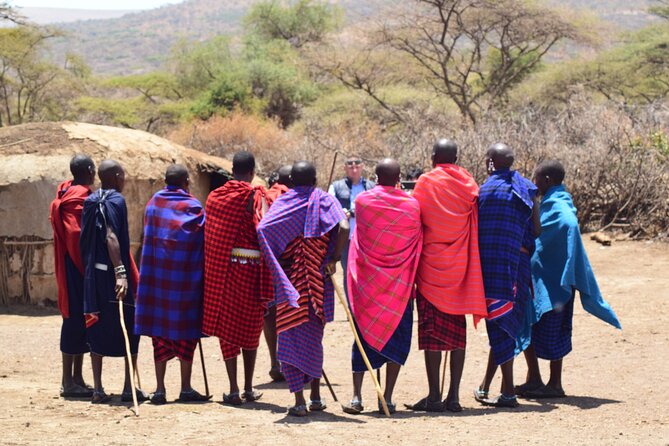
A key piece of value here is the museum visit. The itinerary mentions a precious little museum where you’ll learn about Maasai history, social organization, and tools. Admission is listed as free, which is a nice extra since some cultural days charge for interpretation stops.
This is the part that helps you connect dots. When you understand social organization, a lot of what you’re shown during the walk makes more sense. When you learn about tools, you can understand why certain activities matter day-to-day.
How much time you spend here can affect how satisfying the trip feels. In a one-day format, it’s smart that the museum is built in rather than left as an optional “maybe we’ll have time” stop.
Lunch and pacing: what a 9-hour day means in practice
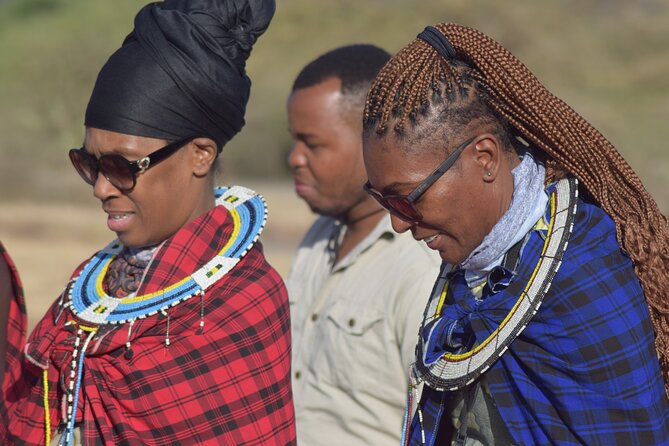
The trip runs about 9 hours. That’s long enough for a full program, including a morning drive, arrival activities, lunch, a village walk, and the hut check-in for the night.
Lunch is included, and that’s important for value. A lot of cultural excursions forget that timing can stretch. Here, lunch being part of the package makes it easier to stay on schedule.
Pacing note: the start time is set for 8:30 am. If you’re the type who likes a slow morning, you’ll need to adjust. Plan to be ready early so you don’t scramble. In rural-area tours, being late can ripple into the entire program.
Price and what you’re really paying for at $380

The price is $380.00 per person. That can sound high at first glance, until you look at what’s included.
You get lunch, all fees and taxes, plus a private car with wages, guide, and cook included. In other words, you’re not paying separately for transport, staffing, and basic overhead. For a cultural visit from the Arusha area, those add up quickly.
Where the value lives for me is in the “all-in” nature of the day once you’re on-site. You don’t have to figure out museum charges, and you’re guided through the village portion. You also get a dedicated day program instead of a half-hearted stop.
Two cost items you should plan for:
- Tips for the guide and cook are not included.
- Personal items and travel add-ons like insurance or visas are not included.
If you’re already budgeting for guides during safari days, this price often feels more reasonable because it bundles staffing and interpretation.
Group size: when 198 people changes the vibe
The tour notes a maximum of 198 travelers. That’s a big number on paper, even if your actual group is smaller on the day.
What this means for you: the more people in one program block, the harder it is for the welcome and interactions to feel intimate. You might still have a great time, but it can shift from personal to “organized group experience.”
If you care about interaction time, ask your operator or guide how the group is structured that day. A tour can have a high maximum but operate in smaller clusters.
Who should book this Maasai cultural trip
I think this tour fits best if you want:
- A single, focused cultural day at one village rather than lots of quick stops.
- A day that includes interpretation, not only performances.
- The chance to see and understand daily life, including a hut stay component.
It can also suit people who are combining this with other northern safari stops. The reviews and tour framing point to guests pairing it with places like Tarangire and Ngorongoro Crater, which works because you’re still getting culture even when most of your trip is wildlife focused.
Who should think twice
If you want hotel-style comforts and quiet, the hut check-in is a built-in reality of this itinerary. This is cultural travel, and “comfortable” means something different here.
Also, if you dislike early starts, the 8:30 am start time may wear you down. With a 9-hour day, it’s not the kind of outing you squeeze in on top of other plans. Treat it like the day’s main event.
Finally, if your definition of luxury includes strict timing and polished lodge standards, you’ll want to ask the operator how they handle accommodations and what “luxury” means for this specific setup. The hut portion is clearly part of the design, so it should be compatible with your expectations.
Should you book this Olpopongi Maasai Cultural Day Trip?
I’d book it if you want a real Maasai village experience with a structured welcome, guided village time, and interpretation through the museum stop. The included lunch and the all-fees-and-taxes setup make it easier to budget, and the scenic drive adds a little extra payoff.
I wouldn’t book it if you only want a quick cultural show, or if you strongly need standard hotel comfort. This itinerary includes checking in for the night in a hut, so it’s best when you’re open to a more traditional setup.
If you’re the kind of traveler who values understanding how people live, not just photographing outfits, Olpopongi is a solid choice.
FAQ
What time does the tour start?
The tour start time is 8:30 am, and pickup is offered.
Where is the meeting point in Arusha?
The meeting point is Arusha Tourist Inn, JMGJ+9QV, Sokoine Rd, Arusha, Tanzania.
How long is the Maasai Cultural Day Trip?
The duration is approximately 9 hours.
Is lunch included?
Yes, lunch is included.
What’s included in the price?
The package includes lunch, all fees and taxes, and a private car with wages, guide, and cook. It also includes a mobile ticket.
Are there any extra costs for tipping?
Yes. Tipping the guide and cook is not included.
Can I cancel and get a full refund?
Yes. Free cancellation is available, and you can cancel up to 24 hours in advance of the experience for a full refund.
What happens if weather is bad?
This experience requires good weather. If it’s canceled due to poor weather, you’ll be offered a different date or a full refund.
Time With Maasai Hosts
- 5 Days Camping Tarangire, Serengeti & Ngorongoro crater & Visiting Maasai
★ 5.0 · 229 reviews - Maasai village visit, Materuni waterfalls & coffee experience
★ 4.5 · 95 reviews - Hidden Arusha Waterfall, Coffee & Village Tour (All-Inclusive)
★ 5.0 · 42 reviews - Kilimanjaro: Maasai Village Visit, Waterfalls, & Coffee Tour
★ 4.9 · 27 reviews - 4 Days Wildlife Safari and Cultural Experience in Tanzania
★ 5.0 · 23 reviews
Just added from around Arusha


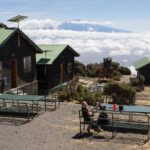


Maasai Village and Cultural Experiences, compared.
 ★ 5.05 Days Camping Tarangire, Serengeti & Ngorongoro crater & Visiting MaasaiFrom $1,254229 reviews
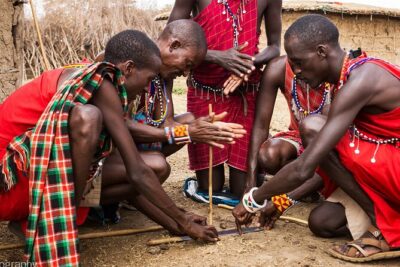 ★ 4.5Maasai village visit, Materuni waterfalls & coffee experienceFrom $15495 reviews
★ 5.05 Days Camping Tarangire, Serengeti & Ngorongoro crater & Visiting MaasaiFrom $1,28058 reviews
★ 4.5Maasai village visit, Materuni waterfalls & coffee experienceFrom $15495 reviews
★ 5.05 Days Camping Tarangire, Serengeti & Ngorongoro crater & Visiting MaasaiFrom $1,28058 reviews
 ★ 4.7Massai village & Baraka turtules aquariumFrom $5742 reviews
 ★ 5.0Hidden Arusha Waterfall, Coffee & Village Tour (All-Inclusive)From $4042 reviews
 ★ 5.0Maasai village visit and Chemka hot-springs with hot lunch.From $12233 reviews
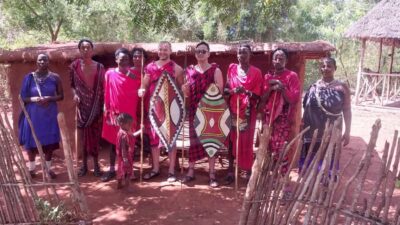 ★ 4.3Zanzibar: Maasai village Tour with Sunset Dhow CruiseFrom $5232 reviews
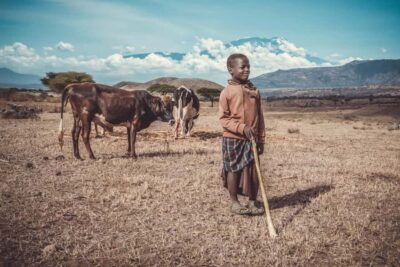 ★ 4.9Kilimanjaro: Maasai Village Visit, Waterfalls, & Coffee TourFrom $18527 reviews
Browse the lists this tour appears in