
REVIEW · TANZANIA LODGE AND LUXURY SAFARIS
Unforgettable 6 Days Tanzania Private Big-5 Mid-range Safari
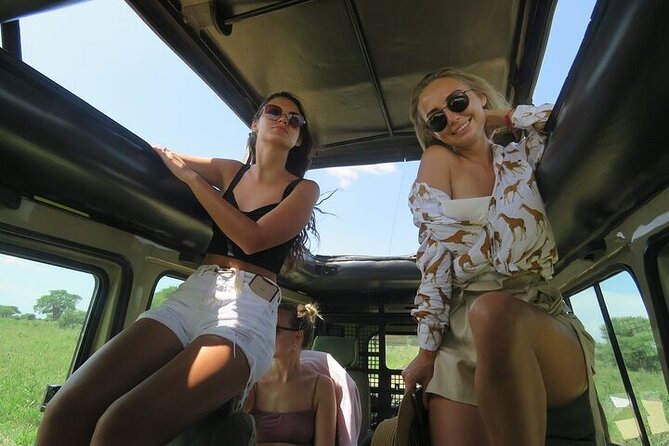
Wildlife time starts early here. This private Big-5 focused safari from Arusha strings together Tarangire elephants and Serengeti predator drives plus the Big Five showpiece at Ngorongoro. I like the private feel, so your guide can pace the day around your interests, and I also like that the route hits multiple ecosystems instead of doing the same scenery twice. One thing to consider, you will have long driving days and a very early start, with a 7:30 am kickoff from Arusha.
The value of this trip comes from how much is included for a set price: an experienced guide, all fees and taxes, and park admission marked as free in the schedule. You also get mid-range lodging during the safari, along with most meals counted across the week. The big tradeoff is the price, $5,271 per person, so you’ll want to be sure you genuinely want this full circuit and not a shorter or lighter itinerary.
In This Review
- Key highlights that matter on safari days
- A 7:30 am Arusha start, and why it sets the tone
- Day 1 Tarangire: elephants, baobabs, and a sunset landing near Manyara
- Day 2 into Serengeti: Rift Valley views and the Olduvai Gorge option
- Day 3 central Serengeti: sunrise, Sogore River Circuit, and Kopjes lion country
- Day 4 two more drives, plus a seasonal migration window
- Day 5 Ngorongoro Crater: a 7-hour Big Five-focused descent
- Day 6 Lake Manyara: birds, hippos, and tree-climbing lion odds
- Price and what you truly get for $5,271 per person
- Who this safari suits best, and who should rethink the fit
- Should you book this private 6-day Big-5 safari?
- FAQ
- What time does the safari start in Arusha?
- Is pickup included?
- What parks are visited during the safari?
- Are park admission fees included?
- What meals are included in the trip?
- Is accommodation included?
- What is not included in the price?
- Does the tour end back in Arusha?
- What happens if the safari is canceled due to weather?
Key highlights that matter on safari days
- Tarangire’s elephants and baobab trees with year-round wildlife viewing
- Serengeti sunrise hunting energy on a morning full game drive
- Central Serengeti circuits that improve your odds for lions, cheetahs, and more
- Ngorongoro Crater’s dense wildlife with Big Five possibilities in one long descent day
- Lake Manyara’s birdlife and tree-climbing lion chance
- Private vehicle with an experienced professional guide and a plan you can bend slightly to fit your group
Lodge safaris in the same bracket
- 7-Day Premium Luxury Tanzania Safari All-Inclusive★ 5.0 · 426 reviews
- 5-Day Highlights mid-Range Crater, Serengeti, Tarangire★ 5.0 · 296 reviews
- Private 6-Day Tarangire Manyara Crater and Serengeti with Mid-Range Lodges★ 5.0 · 238 reviews
- 5 Days Best of Tanzania Luxury Safari Northern Circuit★ 5.0 · 174 reviews
A 7:30 am Arusha start, and why it sets the tone
The day begins at 7:30 am back in Arusha, so you should plan for an early morning routine. Safari success often comes down to timing, and this schedule leans into that with early departures from one camp or lodge before heading into each park.
This is also a private tour, meaning it is only your group on the game drives and transfers. That matters when you want the guide to slow down for a close-up look, reroute a bit within the day, or simply avoid the stress of matching your pace to strangers.
You’ll have pickup offered and you’ll receive a mobile ticket, so the trip feels built for practical travel. Still, the reality of a 6-day safari is that you spend a lot of the day in the vehicle. If you hate long drives, you may find the rhythm tiring, even though the parks themselves deliver constant visual rewards.
Day 1 Tarangire: elephants, baobabs, and a sunset landing near Manyara
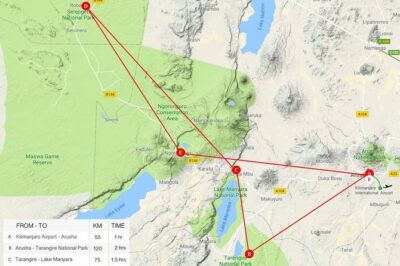
On Day 1, you head out from Arusha toward Tarangire National Park. The drive follows a scenic route along the Arusha-Dodoma highway, with a possible supermarket stop for last-minute personal shopping. You pass through the Masai Steppe, then reach Tarangire in about two hours.
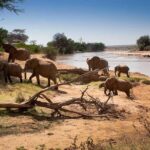
Tarangire is known for large elephant populations and for the iconic baobab trees, which you’ll want to keep an eye on while you scan for wildlife. The schedule highlights that herds can sometimes exceed 300 animals, and that it is a year-round wildlife viewing park. Translation for your day, this is one of the safer bets when you want strong elephant odds without needing a specific season miracle.
After a picnic lunch in the park, you continue on to your camp or lodge in the Manyara area (often around Mto wa Mbu) or Karatu. The goal is arrival before sunset, which helps you avoid the feeling of checking in after dark and gives you at least a little time to settle in.
What I like about this first day is the payoff mix. You get wildlife early, then you end with an easy landing near your next park zone, rather than burning the entire day on transit.
Day 2 into Serengeti: Rift Valley views and the Olduvai Gorge option
Day 2 shifts you from Tarangire country into the Serengeti National Park area. You start after breakfast with an early drive across the Great Rift Valley floor. As you climb the escarpment and pass through the Ngorongoro Conservation Area, the day is built around changing views, not just changing animals.
You also get a choice that can make your safari feel more than a wildlife show. There is an option to visit Olduvai Gorge Museum, described as the Cradle of Mankind, where you can learn about some of the oldest fossil evidence of human habitation.
Then you arrive in Serengeti in the afternoon for a game drive that runs until evening, followed by check-in for dinner and rest.
Two practical points here. First, arriving in the afternoon can still be great, because predators and grazers move throughout the day, not only at dawn. Second, the museum option is a good fit if you like context and not just spotting. If you’d rather keep every minute for animals, you can likely skip the museum time and go straight into Serengeti viewing.
Day 3 central Serengeti: sunrise, Sogore River Circuit, and Kopjes lion country
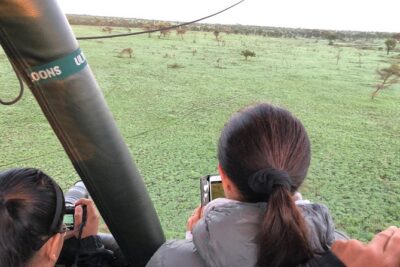
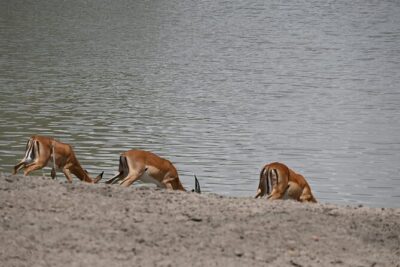
Day 3 is where the schedule really turns into full-on Serengeti mode. After breakfast, you take a morning game drive designed for maximum wildlife variety. The plan is described as central Serengeti, with an emphasis on seeing the mix of big players like lion, leopard, elephant, buffalo, cheetah, plus the steady base animals like gazelle and giraffe.
A standout is the timing for sunrise over the savannah, framed as the moment predators start their hunt. Even if you have seen sunrise before, the Serengeti version feels different because the light and movement line up with animal behavior.
You’ll explore the Sogore River Circuit, with the route geared toward chances at lions, gazelles, and cheetahs. Then there is a visit to the Visitor Centre for wildlife displays, followed by a picnic lunch. In the afternoon, you shift to the Kopjes Circuit, where granite outcrops attract wildlife, and the plan notes Kopjes are known for lion sightings.
Then you return to your lodge for the night.
Why this day works for most people is simple. It gives you a structured variety of habitats within Serengeti, instead of one generic drive route. Circuits matter because they are how guides stack odds and reduce time spent just driving aimlessly.
The only caution is that three consecutive Serengeti days can make you want to compare every sighting. Try not to. Each day has different movement patterns, and the schedule is already set up to keep the scenery and animal behavior changing.
Day 4 two more drives, plus a seasonal migration window
Day 4 keeps you inside Serengeti with morning and afternoon game drives, with lunch in between back at the lodge. Serengeti is described as home to carnivores like leopard, lion, hyena, and cheetah, and it is where the annual wildebeest migration happens from the Kenyan Mara.
There is a specific seasonal note in the schedule: in May or early June, you may witness the migration moving northwards. If your dates line up with that window, this day becomes extra important. If not, you still have strong chances at resident predators and the everyday Serengeti cast.
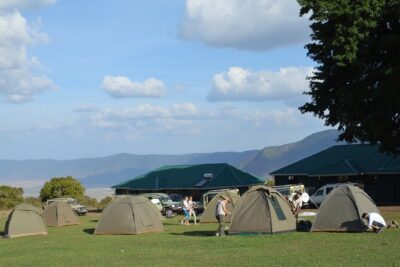
After lunch and another round of game viewing, you head toward Ngorongoro. Dinner and overnight happen at a camp or lodge at the rim of the Ngorongoro Crater.
What I like about building in the move to Ngorongoro on Day 4 is the sleep strategy. Staying at the rim makes the next day’s crater descent feel efficient, rather than like you are arriving and rushing straight into the drive.
Day 5 Ngorongoro Crater: a 7-hour Big Five-focused descent
Day 5 is centered on the Ngorongoro Conservation Area and the crater itself. After breakfast, you descend into the Ngorongoro Crater for an extensive 7-hour game drive, with a packed lunch included.
Ngorongoro is presented as a crater formed by a massive volcanic eruption millions of years ago. That geology is not just trivia. The crater’s natural barriers create a kind of wildlife funnel, and the schedule notes it is one of Africa’s most densely populated wildlife areas, with around 30,000 animals.
This is the day designed for Big Five possibilities, and it also highlights the crater’s support for a range of species: wildebeest and elephants, and predators like lions, cheetahs, and leopards. The schedule also points out the endangered black rhino as part of the crater story.
After the game drive and lunch time, you head back toward Manyara or Karatu for overnight.
Here’s the real consideration. A 7-hour crater drive is long. It can be slow in short bursts, because wildlife may be spread out until you hit the right zones. Still, it is the kind of long session that pays off because you can watch animals settle into routines, and you get the chance for multiple “what’s that?” moments instead of one quick look and done.
Day 6 Lake Manyara: birds, hippos, and tree-climbing lion odds
Your final day brings you to Lake Manyara National Park for a full day of game drives. Even though it is described as one of Tanzania’s smaller parks, the schedule frames it as rewarding because it is diverse and compact.
Lake Manyara is explained as an unspoiled ground water forest fed by underground springs. That matters because it supports wildlife year-round, including elephants, hippos, giraffes, buffalo, antelopes, and large baboon troops.
The lake shore is highlighted for birdlife, which is a nice change of pace if you enjoy birds but you do not want your whole safari to be about only big animals. There’s also the famous detail that you might spot the elusive tree-climbing lions, with an added note that people visit specifically for that possibility.
If you’re trying to decide what to hope for on Day 6, I’d think of it as the day for variety: mammals, birds, and the quirky May-I-actually-see-that moment of tree-climbing behavior if you get lucky.
Price and what you truly get for $5,271 per person
At $5,271.00 per person for a 6-day private safari, this sits firmly in the mid-range to higher mid-range category. The best way to judge value is to look at how much is included in that number.
What is included:
- An experienced professional tour guide
- All fees and taxes
- Hotel accommodation during the safari
- Meals: breakfast (5), lunch (6), and dinner (5)
- Park admission marked as free in the schedule
- Pickup offered and mobile ticket
What is not included:
- Tipping the guide
- Medical insurance
- Visa
- Local and international flight costs
- Hotel accommodation before and after the safari
So is it worth it? For the right traveler, the included structure helps. When meals, guide time, and park fees are handled, you spend less mental energy on budgeting day-by-day. Also, because this is private, you are paying for your own vehicle and your own guiding attention, not sharing that experience with strangers.
The downside is that you may still face extra costs for tipping, visa, insurance, and flights, and you may need to budget for an extra hotel night before the safari if you are arriving early in Arusha. The price also assumes you want the whole circuit: Tarangire, Serengeti, Ngorongoro, and Lake Manyara in one run.
Who this safari suits best, and who should rethink the fit
This is a strong match if you want:
- A classic northern Tanzania route with big ecosystems in one week
- The comfort of mid-range accommodation during the safari
- A guide who stays focused on your group with private flexibility
- A schedule heavy enough for serious wildlife time, including multiple Serengeti drives
It may be a tough match if:
- You want a lighter, less driving heavy experience
- You dislike early mornings. The start time is 7:30 am, and the drives are scheduled for full park days
- You are only interested in one single park. This one is designed as a circuit
The schedule notes that most travelers can participate, but your comfort with long road time will be the deciding factor for many people.
Should you book this private 6-day Big-5 safari?
If your dream safari means seeing animals in several parks, with Serengeti game drive focus plus Ngorongoro Crater as your main Big Five target, this plan makes sense. The included structure, especially meals and park fees, reduces friction and helps you enjoy each day without constant budgeting math.
Before you commit, I’d do two quick checks:
- Confirm your dates line up with your comfort level for early starts and long driving days.
- Think through extras you still need to pay, like visa, medical insurance, flights, and guide tipping.
One more practical note. The experience requires good weather, and if it is canceled due to poor weather, you’ll be offered a different date or a full refund. But the trip is non-refundable and cannot be changed for other reasons, so be confident in your schedule when you book.
If that sounds like your kind of planning, book it. You’re buying a full wildlife week with the “greatest hits” route and the private attention that makes the days feel less rushed.
FAQ
What time does the safari start in Arusha?
The start time is 7:30 am in Arusha.
Is pickup included?
Pickup is offered.
What parks are visited during the safari?
You visit Tarangire National Park, Serengeti National Park, Ngorongoro Conservation Area (including Ngorongoro Crater), and Lake Manyara National Park.
Are park admission fees included?
Admission tickets are marked as free in the schedule, and all fees and taxes are included.
What meals are included in the trip?
Breakfast is included 5 times, lunch is included 6 times, and dinner is included 5 times.
Is accommodation included?
Accommodation is included during the safari. Hotel accommodation before and after the safari is not included.
What is not included in the price?
Tipping the guide, medical insurance, visa, and local and international flight costs are not included.
Does the tour end back in Arusha?
Yes, the activity ends back at the meeting point in Arusha.
What happens if the safari is canceled due to weather?
The experience requires good weather. If it is canceled due to poor weather, you will be offered a different date or a full refund. The experience is non-refundable and cannot be changed for any other reason.
More Lodge Safaris
- 7-Day Premium Luxury Tanzania Safari All-Inclusive
★ 5.0 · 426 reviews - 5-Day Highlights mid-Range Crater, Serengeti, Tarangire
★ 5.0 · 296 reviews - Private 6-Day Tarangire Manyara Crater and Serengeti with Mid-Range Lodges
★ 5.0 · 238 reviews - 5 Days Best of Tanzania Luxury Safari Northern Circuit
★ 5.0 · 174 reviews - 5-Day Private midrange Tour in Arusha with Airport Pickup
★ 5.0 · 160 reviews
Just added from around Arusha
Tanzania Lodge and Luxury Safaris, compared.
 ★ 5.07-Day Premium Luxury Tanzania Safari All-InclusiveFrom $4,840426 reviews
 ★ 5.05-Day Highlights mid-Range Crater, Serengeti, TarangireFrom $2,327296 reviews
 ★ 5.0Private 6-Day Tarangire Manyara Crater and Serengeti with Mid-Range LodgesFrom $2,685238 reviews
 ★ 5.0Selous Luxury Day Safari with PhotographerFrom $800211 reviews
 ★ 5.05 Days Best of Tanzania Luxury Safari Northern CircuitFrom $3,744174 reviews
 ★ 5.05-Day Private midrange Tour in Arusha with Airport PickupFrom $3,600160 reviews
 ★ 5.012 days Luxury Tanzania Honeymoon Safari and ZanzibarFrom $7,265105 reviews
 ★ 5.04 Days Tarangire, Serengeti and Ngorongoro Mid-Range Group SafariFrom $1,45084 reviews
Browse the lists this tour appears in