
REVIEW · TARANGIRE NATIONAL PARK SAFARIS
Tarangire Day Tour
Baobabs dwarf everything in Tarangire. On this day trip from Arusha, you get a focused safari along the Tarangire River, where elephants and birds can crowd the riverbanks.
I like how hotel pickup at 8:00 am keeps the day from feeling like logistics duty. Another win is the full package approach: lunch, unlimited bottled water, coffee or tea, and even alcoholic beverages are included, plus a 4WD vehicle and a professional driver/guide.
One thing to consider is cost. At $370 per person, it is a premium day, and you should still budget about $10 USD per person per day for tips.
In This Review
- Key things to know before you go
- Tarangire in one day, with baobabs and elephants doing the heavy lifting
- What you get for $370: fees, a 4WD, lunch, and real guide time
- One practical way to judge the value
- The 8:00 am start, and why early is good here
- Driving from Arusha into Tarangire: the park’s terrain sets the tone
- On the riverbanks: lions, leopards, zebra lines, and the bird show
- Baobab country: why those ancient trees matter beyond photos
- Lunch, water, and comfort in a full-day safari rhythm
- Guide quality: the names people remember, and why it matters on safari
- Group size, private time, and how it feels in the vehicle
- Mobile ticket and the small stuff that keeps the day smooth
- Who should book this Tarangire day safari from Arusha
- Should you book this Tarangire day tour?
- FAQ
- What time does the Tarangire day tour start?
- How long is the tour?
- What is included in the $370 per person price?
- Are park entrance fees included?
- Should I tip on this safari?
- Is the tour refundable if I cancel?
Key things to know before you go
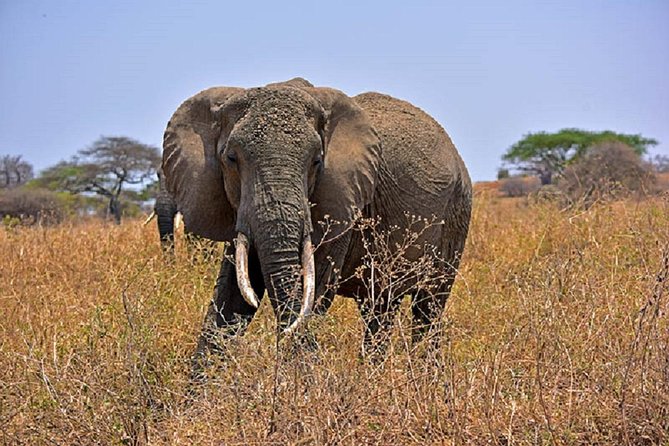
- Tarangire River wildlife: the river corridor pulls in lions, leopards, zebras, giraffes, buffaloes, and antelopes.
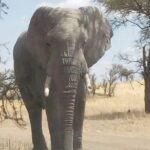
- Elephants are the headline: Tarangire is known for the largest concentration of elephants on the continent, and you can get very close.
- Baobabs do the talking: the park is famous for ancient baobab trees that fill the terrain and make photos look instantly dramatic.
- One well-planned game drive: you’re spending your time in a real safari rhythm, not hopping between ten tiny stops.
- Guides you want in your corner: names like Omary, Dennis, Walter, Cleopa, Daniel, and Habibu show up in the guide roster with praise for safety and animal spotting.
Tarangire again, with different operators
- 5-Day Highlights mid-Range Crater, Serengeti, Tarangire★ 5.0 · 296 reviews
- Private 6-Day Tarangire Manyara Crater and Serengeti with Mid-Range Lodges★ 5.0 · 238 reviews
- 5 Days Camping Tarangire, Serengeti & Ngorongoro crater & Visiting Maasai★ 5.0 · 229 reviews
- 4 Days Join Group tour Tarangire Serengeti and Ngorongoro crater★ 5.0 · 219 reviews
Tarangire in one day, with baobabs and elephants doing the heavy lifting
Tarangire National Park has a look you won’t forget. Towering baobab trees shape the view in every direction, and the Tarangire River acts like a magnet for animals. On a one-day format, that mix matters, because it lets you see the park’s signature scenes without burning extra time.
The animal focus is clear. Lions and leopards are part of the story, but you’ll also be watching for zebras, giraffes, buffaloes, antelopes, and lots of birds. And then there are the elephants, because Tarangire is known for a big concentration of them, including the social moments you only get when the herd is relaxed.
This is not a “check boxes fast” outing. It is a guided day built around being in the right place at the right time, plus the comfort basics you need for a long drive and long viewing.
What you get for $370: fees, a 4WD, lunch, and real guide time
Price is always the first question, so here’s what you’re actually paying for. The $370 per person includes park and conservancy fees, a 4WD vehicle with unlimited mileage, and a professional driver/guide. Then they add lunch and unlimited bottled water, plus coffee or tea, and alcoholic beverages.
That bundle is the value part. A day like this can get expensive fast once you start adding vehicle costs, fees, and the simplest comforts. Here, the pricing is designed to keep you from having to make choices mid-trip, like paying for drinks, figuring out entrance costs, or tracking small payments while you’re trying to watch animals.
One practical way to judge the value
If you can compare, do it this way: you are buying a day of guided safari time plus the “stay functional” package (food, water, and drinks) inside a proper 4WD. If your alternative is cobbling together a half-day drive, paying entrance fees separately, and then buying lunch on the go, this starts to look like a straightforward deal.
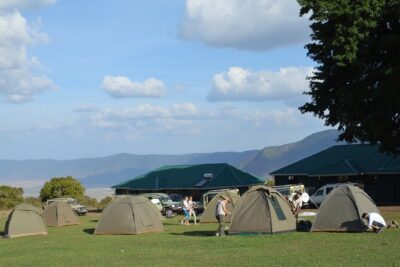
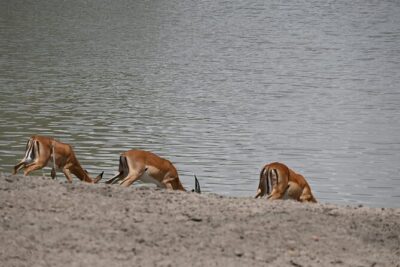
The 8:00 am start, and why early is good here
Pickup starts at 8:00 am from your Arusha hotel. Early mornings matter on safari because animals tend to be more active when the day is cooler, and the light is better for viewing and photography.
Also, you’re not doing a long solo setup. You’re stepping into a vehicle with a driver/guide who’s working the route and timing. That reduces the mental overhead, and it helps you stay focused on what you came for: animals and baobabs.
A small reality check: an early start means you’ll want an easy breakfast plan the night before. Even if lunch is included, you’ll feel better if you don’t arrive hungry and under-caffeinated.
Driving from Arusha into Tarangire: the park’s terrain sets the tone
Your day begins with the trip from Arusha into Tarangire National Park. Once you’re inside, you’re moving through a park with nine different vegetation zones, and that diversity matters for sightings.
It also helps explain why Tarangire can feel like multiple mini-ecosystems in one day. The baobabs create a signature look, but the real draw is that different areas can attract different animals and different bird activity. In other words, you’re not just chasing one species, you’re working the whole system.
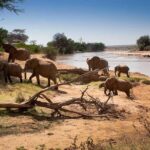
And then there’s the river. The Tarangire River is a key wildlife corridor, so your drive and stops are naturally oriented toward where the action is.
On the riverbanks: lions, leopards, zebra lines, and the bird show
Most of your day is built around one guided game drive. In Tarangire, that’s the smart approach, because the park’s wildlife comes to the water and the surrounding vegetation.
Here’s what you can reasonably plan to look for:
- Lions and leopards as predators move through the area
- Zebras, giraffes, buffaloes, and antelopes as the grazers and browsers
- A wide range of birds, since the river corridor supports constant activity
The river location is also useful when you’re dealing with the nature factor. Wildlife can be unpredictable, but rivers concentrate resources. If you’re trying to have a strong day in a short time, that concentration is what makes Tarangire work.
Baobab country: why those ancient trees matter beyond photos
Yes, baobabs are iconic. But they do more than make your camera roll look good.
In Tarangire, the baobabs are described as ancient and enormous, and the trees fill the park in a way that can dwarf the animals around them. That scale changes how you see the whole safari. Instead of the typical “grassland and a few trees” feel, you get a world where the trees become landmarks.
Also, baobab-rich areas often mean shade and structure. That can affect animal behavior in small but meaningful ways, like where herds choose to rest or where birds choose to perch. You’re not just seeing trees, you’re seeing the park’s infrastructure for life.
If you care about photos, bring a lens that can handle both: wider shots for the baobab scale and a zoom for tighter animal moments. And remember, the best images in safari are usually the ones you earn by staying patient in the right spot.
Lunch, water, and comfort in a full-day safari rhythm
Lunch and bottled water are included, and you also get coffee or tea. That matters more than it sounds when you’re spending most of your day on safari roads with wildlife viewing stops.
You’ll want to treat the day like a proper outing, not a quick drive. Drink water regularly, even if you’re not feeling thirsty. Unlimited bottled water is a real advantage here, because it lets you keep your focus on the animals instead of rationing.
Alcoholic beverages are listed as included too. If that fits your style, great. If not, it’s still good to know the option exists, because some tours keep you dry all day. Either way, remember that you’ll be spending lots of time in a vehicle, so plan for comfort: layers for morning chill, sunscreen for midday sun, and whatever helps you handle long sitting time.
Guide quality: the names people remember, and why it matters on safari
A one-day safari is only as good as the guide behind the wheel and behind the eyes. This tour includes a professional driver/guide, and the overall vibe in past trips is that guides focus on spotting animals, explaining what you’re seeing, and keeping the group feeling safe.
Guide names that often come up with this operator include Omary, Dennis, Walter, Cleopa, Daniel, Arnold, Habibu, Godlisten, Kennedy, Stanley, Morris, Hassan, Francis, Edward, Denis, Inno Mafuru, and Emmanuel. You’ll notice a common thread: people highlight how guides help them feel looked after, how they guide you to animals instead of just driving around, and how they handle moments that pop up during travel, like bag issues.
I’m not promising you’ll get one of those exact guides, but I do like seeing this level of consistency in what gets praised. On a day trip, you don’t have time to waste, so guide performance really shows.
Group size, private time, and how it feels in the vehicle
This is listed as a private tour/activity for your group, meaning only your group participates. That tends to feel calmer than mixing with strangers, especially when you’re trying to hear explanations and coordinate where everyone stands or sits during wildlife viewing stops.
There are also group discounts listed. That suggests pricing may change depending on how many people you book, so if you’re traveling with friends or family, ask about the best per-person rate for your group size.
The practical takeaway is this: you’ll be doing a real shared experience, but the decision-making should be simpler since your group is contained.
Mobile ticket and the small stuff that keeps the day smooth
You’ll have a mobile ticket. That’s useful in real life because you’re not hunting for printed confirmations while juggling sunscreen, camera gear, and a day pack.
The tour also notes pickup and drop-off, and that it’s near public transportation. That doesn’t change much if you’re already staying in Arusha, but it’s still a good sign for flexibility if your travel plans shift.
Dietary requirements are something you should flag at booking. Lunch is included, so you want your needs handled ahead of time rather than trying to solve food logistics once you’re already on safari.
Who should book this Tarangire day safari from Arusha
This tour fits best if you want:
- A short safari that still feels like a real safari day
- Elephant viewing and baobab scenery without committing to a multi-day trip
- A guide-led experience with lunch and water handled
- A private setup for your group
It also suits first-timers. If Tarangire is your first serious safari stop, you’ll learn quickly because the park’s animals and scenery are easy to understand. Elephants and river activity give you obvious anchors, and baobabs give you strong visual reference points.
If you’re the kind of traveler who needs a packed schedule every hour, you might find this format slower. But if you prefer time to watch and wait, you’ll appreciate it.
Should you book this Tarangire day tour?
I’d book it if Tarangire National Park is at the top of your list and you want a day that is practical, guided, and fairly all-inclusive. The $370 price is not cheap, but it covers the big cost drivers, including park fees, a 4WD with unlimited mileage, lunch, and unlimited bottled water. That matters when you’re trying to keep a day safari stress-free.
I would pause if your budget is tight, or if you know you hate early starts. Also, remember that safaris are wildlife dependent, so you’re buying time in the right place, not a guaranteed animal checklist.
If you want one day that feels like you actually saw Tarangire and not just drove through it, this is the kind of tour that can deliver.
FAQ
What time does the Tarangire day tour start?
Pickup starts at 8:00 am from your hotel in Arusha.
How long is the tour?
The tour duration is about 1 day.
What is included in the $370 per person price?
The price includes park and conservancy fees, a 4WD vehicle with unlimited mileage, a professional guide, hotel pickup and drop-off, lunch, unlimited bottled water, coffee and/or tea, and alcoholic beverages.
Are park entrance fees included?
Yes. The price includes all park and conservancy fees.
Should I tip on this safari?
Yes. The industry guideline listed is $10 USD per person per day for tips.
Is the tour refundable if I cancel?
No. This experience is non-refundable and cannot be changed for any reason, and the amount paid will not be refunded.
Tarangire and Its Baobabs
- 5-Day Highlights mid-Range Crater, Serengeti, Tarangire
★ 5.0 · 296 reviews - Private 6-Day Tarangire Manyara Crater and Serengeti with Mid-Range Lodges
★ 5.0 · 238 reviews - 5 Days Camping Tarangire, Serengeti & Ngorongoro crater & Visiting Maasai
★ 5.0 · 229 reviews - 4 Days Join Group tour Tarangire Serengeti and Ngorongoro crater
★ 5.0 · 219 reviews - 4-Day Safari from Arusha: Tarangire, Serengeti and Ngorongoro
★ 5.0 · 173 reviews
Just added from around Arusha
Tarangire National Park Safaris, compared.
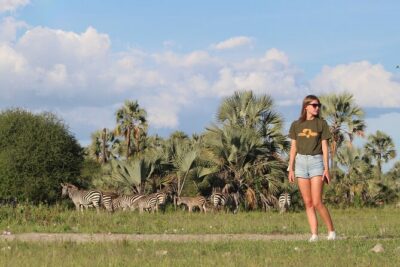 ★ 5.05-Day Highlights mid-Range Crater, Serengeti, TarangireFrom $2,327296 reviews
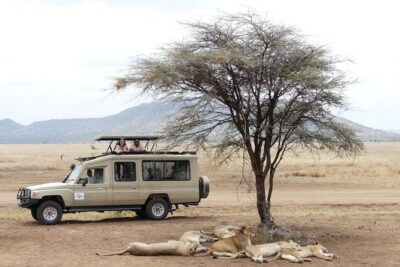 ★ 5.0Private 6-Day Tarangire Manyara Crater and Serengeti with Mid-Range LodgesFrom $2,685238 reviews
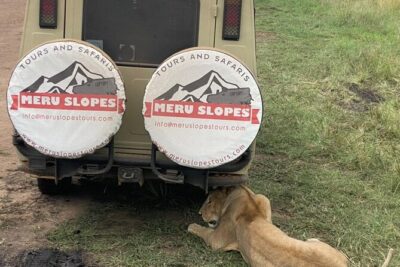 ★ 5.05 Days Camping Tarangire, Serengeti & Ngorongoro crater & Visiting MaasaiFrom $1,254229 reviews
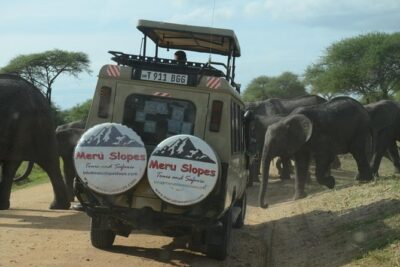 ★ 5.04 Days Join Group tour Tarangire Serengeti and Ngorongoro craterFrom $1,090219 reviews
 ★ 5.04-Day Safari from Arusha: Tarangire, Serengeti and NgorongoroFrom $1,753173 reviews
 ★ 5.02 Days Tarangire and Ngorongoro Group Camping SafariFrom $550146 reviews
 ★ 5.04 Days Tarangire Serengeti Ngorongoro CraterFrom $900117 reviews
 ★ 5.03 Days Tarangire, Ngorongoro & Lake Manyara Group Camping SafariFrom $700102 reviews
Browse the lists this tour appears in