
REVIEW · SERENGETI NATIONAL PARK SAFARIS
Tanzania 4 Days 3 Nights Budget camping safari to Serengeti and Ngorongoro
Few places feel as big as Serengeti. This 4-day safari balances wildlife time with camping comfort and hits the Serengeti plains plus the crater floor of Ngorongoro. I like that you get multiple game drives and a real “on the move” plan for migration country, not just a rushed drive-by.
My favorite value piece is simple: your meals and campsite nights are included, so you spend less time worrying about logistics and more time watching the light change over the grass. The main thing to consider is that the camping stops can be very basic, including reports of no light and no hot water at Seronera public campsites.
In This Review
- Key points before you go
- Serengeti first: migration hunting on a budget
- Day 1 and the arrival drive to Seronera campsite
- Seronera campsite reality check: what camping means here
- Day 2 game drives: morning and afternoon in migration country
- Serengeti Hippo Pool: a small detour with big payoff
- Day 3 travel to Ngorongoro rim: the shift from plains to crater world
- Ngorongoro Crater floor: how the full day shapes your viewing
- Day 4: early descent, spring lunch, then back up
- Price and logistics: what $740 really means
- Who this safari fits best, and who should reconsider
- Should you book this Tanzania budget camping safari?
- FAQ
- What parks are included on this safari?
- How long is the tour?
- Is pickup and drop-off included?
- What are the conservation fees and are they included?
- What meals and accommodation are included?
- What vehicle do you use for game drives?
- Is an Olduvai Gorge museum visit included?
Key points before you go
- Migration-focused timing means your drives depend on where the herds are moving, and your guide should adjust in real time.
- Pop-up-roof 4×4 transport helps you scan for animals without craning your neck for hours.
- Big Five country with one full crater day in Ngorongoro, where the day is largely crater-floor wildlife viewing.
- Camping is real camping. Expect a public-campsite feel, not lodge-level comfort.
- Food can be flexible. One prior booking noted vegan meals were catered for.
- Conservation fees are extra cash on arrival: plan for the stated $210 total.
More of the Serengeti, drive by drive
- Balloon Safari & Bush Breakfast in Serengeti – Miracle Experience★ 5.0 · 1,646 reviews
- 3 Days Serengeti & Ngorongoro Group Camping Safari★ 5.0 · 574 reviews
- 5-Day Highlights mid-Range Crater, Serengeti, Tarangire★ 5.0 · 296 reviews
- 3-Day Classic Serengeti Safari★ 5.0 · 263 reviews
Serengeti first: migration hunting on a budget
Serengeti works on a different rhythm than many parks. Instead of a fixed route, you’re chasing movement, especially around the migration. That matters because the “best” wildlife sightings often come down to whether your vehicle ends up near the herds at the right time of day.
You start with a long drive out from Arusha, typically leaving at 8:00 am. You’ll reach the park area around mid-afternoon and then take a game drive on the way into the Seronera region, aiming to settle in by evening. It’s a smart sequence for a 4-day trip because you gain time on the first day instead of losing it to late check-in and long lodge transfers.
I also like that the tour is set up for a true migration safari feel, not a checklist safari. Serengeti is enormous, so game drives are described as dependent on where the migrants are. You’re relying on your guide’s ability to locate herds, and that’s where this kind of budget trip can either feel brilliant or frustrating depending on the guide.
Day 1 and the arrival drive to Seronera campsite
Your first “wildlife window” starts right after your picnic lunch en route to the park. You arrive around 3:00 pm, then begin the drive toward the Seronera campsite. Expect a lot of time scanning for movement: plains animals, predators that use visibility and cover, and birds showing you where insects and water activity might be concentrated.
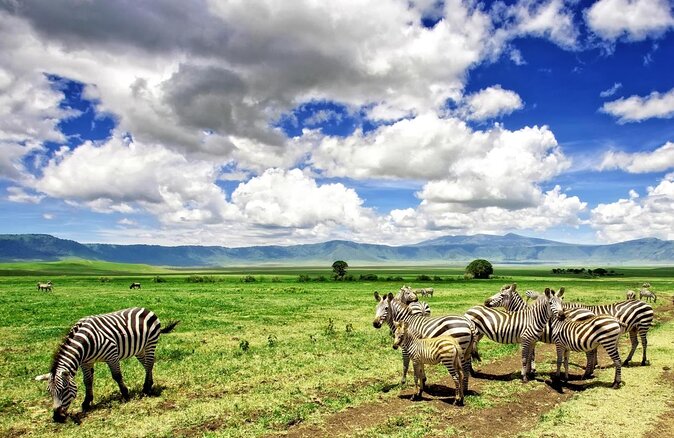
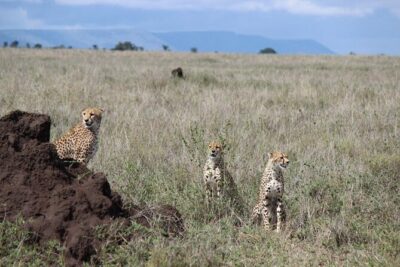
This park area is home to a long list of big and small wildlife, including lions, leopards, elephants, cheetah, buffalo, zebra, wildebeest, and wild dog. You’re also in bird country, with migrants and local species showing up around the day’s edges. Even when you do not see the “big moment” right away, that first evening drive can set the tone, because you start learning the patterns of where animals feed and rest.
The trade-off is that you’re getting started on a timetable that begins with road travel. You won’t start in darkness-perfect conditions, and you’re not guaranteed your best predator sighting on day 1. Still, arriving with daylight and then driving into camp is usually a practical way to make a short safari feel fuller.
Seronera campsite reality check: what camping means here
You spend the night at a Seronera public campsite. That’s exactly why this safari stays affordable compared with many lodge-based options. Camping also changes how the day feels. You’re close to the outdoors in a way lodges often hide with thick walls and quiet generator hum.
The positive side is that you get to keep your money aimed at the safari driving. The included dinners are part of the value, and at least one prior booking praised the cook for delicious meals in a camping environment. Another prior booking mentioned the team catered for vegan food too, which is a big deal if you have dietary needs.
The drawback shows up in comfort details. One review specifically called out that at Seronera public campsites there was no light and no hot water. So if you’re the type who expects a towel warm like a hotel, plan to adjust your expectations. Pack with that in mind, and treat camping here as part of the adventure, not as a surprise.
Other ways down into the Ngorongoro Crater
Day 2 game drives: morning and afternoon in migration country
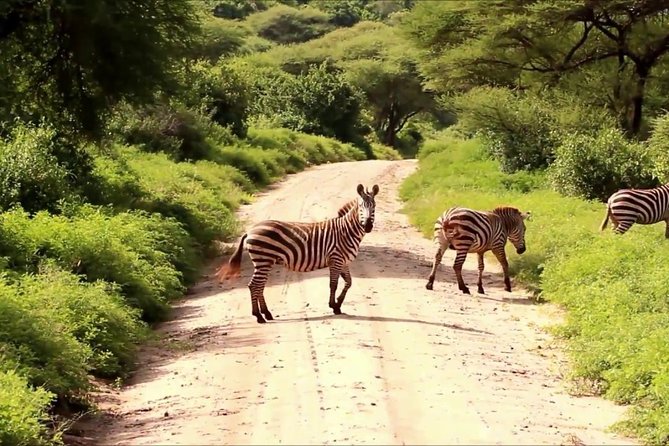
Day 2 gives you the best chance to catch the migration energy because you do both morning and afternoon drives. That split matters. Morning tends to be good for spotting animals moving between feeding spots, while afternoons can change visibility and bring out different behavior around rest and water.
Because Serengeti is huge, the tour’s approach is described as flexible: your guide will locate the herds as they move. The key thing for you is mindset. Don’t set your expectations as a single “we will see X at Y time” plan. Instead, you’re going to ride the day as the migration dictates the best angles.
This is also where the guide’s skill becomes visible. In a prior experience with a guide named Thomas, the group was able to find even the elusive rhino, and the guide was described as ethical. That kind of competence makes a budget safari feel like a bargain rather than a compromise.
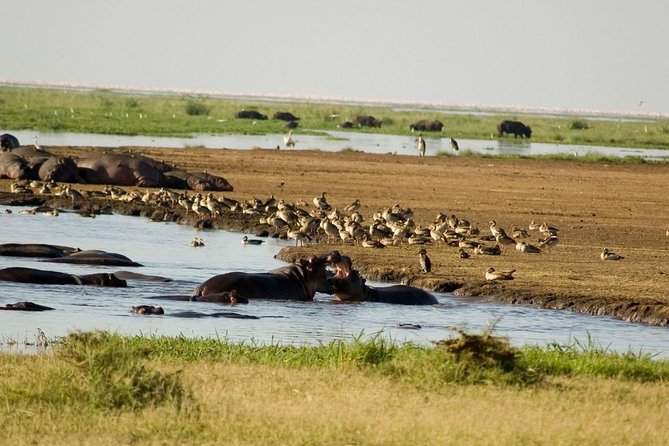
The day also includes a stop at Serengeti Hippo Pool. Even in dry season, the description notes water remains, and the hippo pool is fed by the Seronera River. It’s positioned toward the northwest border of the park and is most easily accessed via the Ikoma entrance. Practically, that means you’re likely to get a focused wildlife moment, not just endless driving.
Serengeti Hippo Pool: a small detour with big payoff
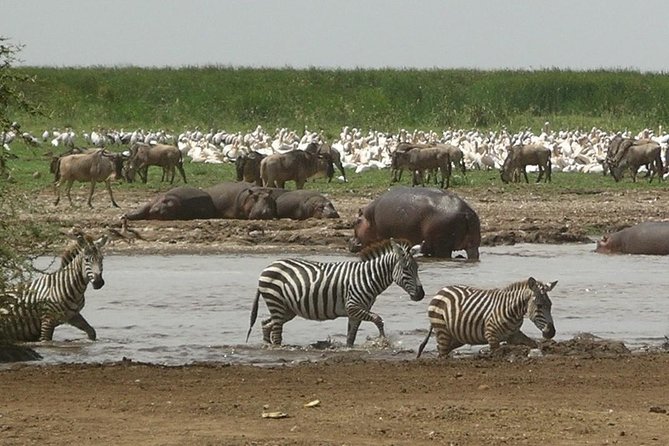
The hippo pool stop is worth thinking about because it’s a different kind of wildlife viewing. Instead of “look for the animals moving,” you’re watching animals that stay put and reveal behavior over time. Hippos can be the kind of sight that makes you forget you’re in a vehicle, because their presence changes everything around the waterline.
Timing matters here too. Since the stop is slotted as part of the day’s schedule, you’re not losing a whole day to one location. You get a concentrated waterhole experience and then return to driving for more open-plains viewing.
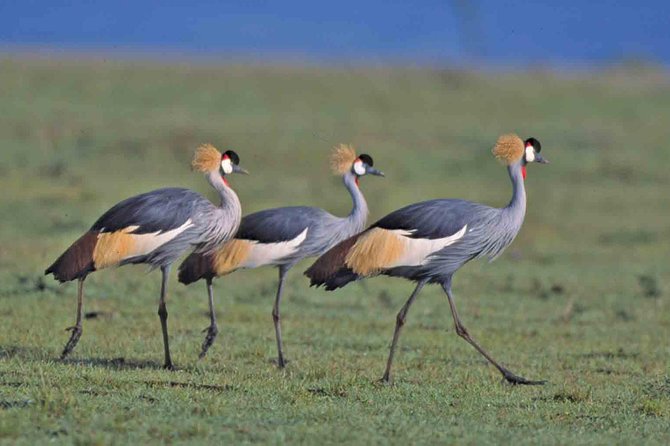
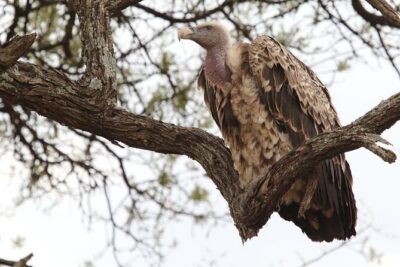
You’ll also likely pick up bird variety around these water systems. The tour notes lots of bird species, including eagles, ducks, geese, egrets, vultures, secretary birds, ibis, stork, herons, kites, pelicans, cranes, and guinea fowl. That list is a reminder: when predators are quiet or distant, birds and general activity can still keep the day interesting.
Day 3 travel to Ngorongoro rim: the shift from plains to crater world
Morning starts early. You wake around 6:00 am, then there is an early game drive in Serengeti before heading back for breakfast. After check-out, you drive with lunch and game viewing en route to the Ngorongoro Crater rim.
This is one of the biggest logistical moments in the whole trip, because you’re changing environments. Serengeti plains are open and wide, while Ngorongoro is a contained habitat with its own weather, light, and animal patterns. Once you descend, you’re effectively spending the day inside a protected bowl.
The crater details are impressive and actually useful for perspective. Ngorongoro is described as the largest unbroken caldera in the world, about 260 square kilometers in area, with a depth around 610 meters. That size is why animals concentrate and why a full crater floor day can be so productive.
And yes, it’s Big Five country here. The tour’s crater-day description includes lion, hyena, wildebeest, zebra, and also black rhinoceros. If you’re trying to maximize your chances of a “serious” sighting in a short time, this crater day is the reason the itinerary works.
Ngorongoro Crater floor: how the full day shapes your viewing
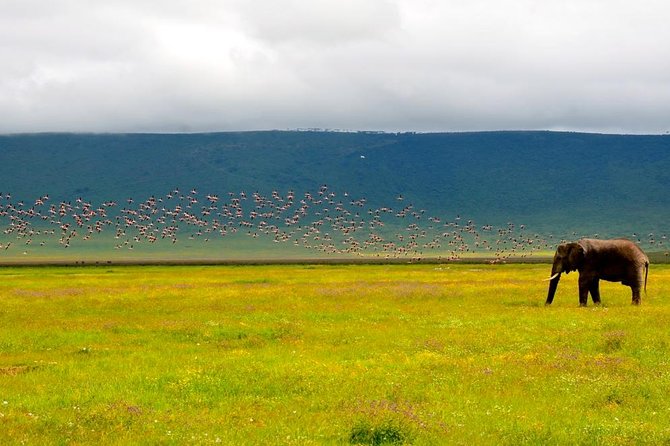
Day 3 is described as a full day spent on the crater floor viewing wildlife. That means you’re not just doing a quick loop. You’re moving through viewing areas designed for spotting animals in the crater’s ecosystem.
What I like about this approach for you is that it reduces stress. With a short safari, you don’t want to feel like you’re racing the clock at every turn. A long crater-floor block gives time for wildlife to move, for people to reposition, and for your guide to find the best sighting angles.
Birds are part of the plan too. The itinerary notes lots of small antelopes, plus birds in general. Then on the next day, you’ll get specific mention of flamingos at Soda Lake, along with geese, storks, and vultures. Even if you come for mammals, birds give you extra structure and moments when larger animals are resting.
There is also an optional add-on: Olduvai Gorge museum visit at an extra fee. The itinerary mentions this as an option, so if you like combining wildlife with human history, you might consider it. If you’d rather protect your energy for crater drives, you can skip it and keep the day focused on animals.
Day 4: early descent, spring lunch, then back up
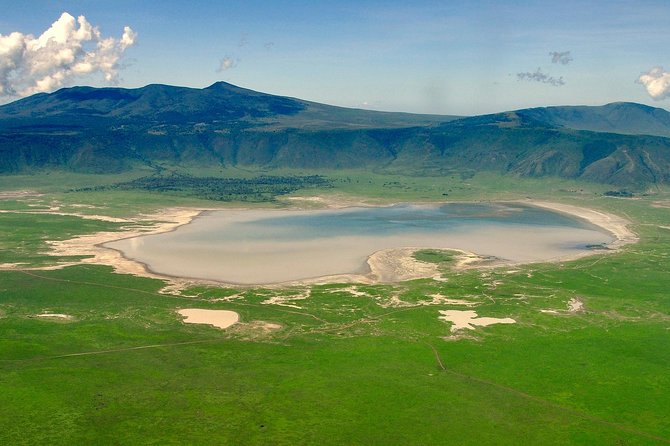
On the final day, the plan is another early morning start. After breakfast, you drive to the crater where you descend for game drives. The description emphasizes that all Big Five are in the caldera, listing rhino, lion, leopard, buffalo, and elephant, plus zebra, hippo, wildebeest, hyena, and more.
Day 4 is shorter than day 3, but it’s packed with the most “crater core” time. You’ll have a lunch break at Ngoitoktok spring picnic site, then continue viewing while ascending the crater. That spring lunch stop is practical. Water sources often attract animals, and picnic sites near springs can give you a break without losing the action.
Birding also gets a specific spotlight on day 4. Soda Lake can have flamingos, and the itinerary also mentions geese, storks, and vultures. If you’re trying to make the most of a short safari, these details matter because they give you a strong chance of seeing something beyond the main predators and herbivores.
After the crater time, you’re dropped back in Arusha at a hotel or residence. That makes this itinerary feel complete: you don’t just end with “return to the park,” you actually finish in the town center area.
Price and logistics: what $740 really means
At $740 per person, this safari is priced as a true budget camping option. What you get for that base price is a lot of the expensive parts that usually inflate safari costs.
Included items:
- 3 nights camping accommodation
- Pick-up and drop-off in Arusha
- English speaking driver/guide
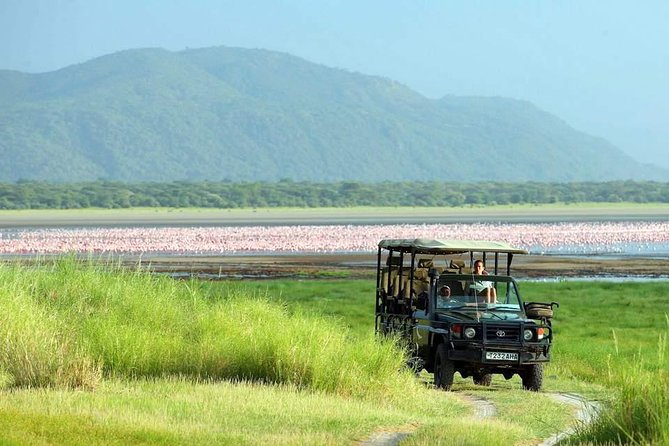
- Transportation in a Safari Landrover 4×4 Jeep with a pop up roof for easier viewing
- Bottled water
- Meals: 4 lunches, 3 breakfasts, and 3 dinners
What’s not included:
- Conservation fees totaling $210 USD total for Serengeti and Ngorongoro, paid cash in the morning of the tour
- Tips (optional)
- Optional Olduvai Gorge museum visit
- Optional upgrade for a French, Spanish, or German guide at an extra $25 USD per day upon early request
- Admission tickets are listed as not included
So here’s the practical way to think about value: the $740 is not the whole trip cost once you add the conservation fees. Still, you’re typically coming out ahead versus lodge safaris because camping keeps the accommodation cost low, and because the vehicle and guides are provided.
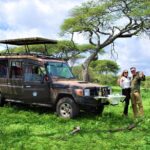
Also note that the tour uses a safari vehicle designed for viewing. A pop-up roof can change your experience when animals appear off to the side. It’s not a luxury gimmick. It can make a difference in how quickly you spot animals and how comfortable you are on long drives.
Finally, the group size is listed with a maximum of 100 travelers. That doesn’t automatically tell you how many people are in your specific jeep, but it does suggest the operation is structured and capacity-aware.
Who this safari fits best, and who should reconsider
This is a great match if you want:
- Maximum wildlife time across Serengeti and Ngorongoro in a short window
- A cost-managed way to see Big Five territory through Ngorongoro
- The camping style of travel, where basics are part of the deal
- A guide-led experience where your day plan can adjust based on herd movement
You might want to reconsider or look for a comfort-focused alternative if you:
- Strongly prefer hot water and electricity at night
- Want lodge-level bedding and private bathroom comfort (the camping reviews signal that Seronera public campsite can be extremely basic)
- Feel uncomfortable with the idea of paying conservation fees in cash early in the trip
If you’re traveling as a couple, this itinerary is also easier on decision-making because it has a clear structure from Arusha each day. Solo travelers often like this setup too because the guide and vehicle keep you from spending energy on route planning.
Should you book this Tanzania budget camping safari?
I’d book it if you’re aiming for real safari driving on a value budget and you’re okay with basic camping reality. Serengeti plus Ngorongoro is the kind of combo that often justifies itself even on a short itinerary, because the crater environment is so concentrated for wildlife viewing.
Before you commit, do one honest check: are you good with the camping setup at Seronera public campsites? If you can handle no hot water and limited lighting, you’ll likely enjoy how much money stays focused on the safari.
If you care about food flexibility, you can feel reassured that the kitchen team has handled at least one vegan booking well, and prior guests praised specific guides and cooks by name, including Thomas, Michael, Ely, Good Luck, and an excellent Spanish-speaking guide named Fazeel. That’s a strong signal that the human side of this trip can be more than just transportation.
If you’re traveling for a “comfort first” experience, you may want to spend more or request an upgrade where offered. If you’re traveling for wildlife, this one makes a strong case for the price.
FAQ
What parks are included on this safari?
You’ll visit Serengeti National Park and Ngorongoro Crater (Ngorongoro Crater Conservation Area). The itinerary includes game drives in both places.
How long is the tour?
It’s listed as 4 days and 3 nights, with day-by-day schedules that run roughly 7 to 12 hours depending on the day.
Is pickup and drop-off included?
Yes. The tour includes pick-up and drop-off in Arusha.
What are the conservation fees and are they included?
Conservation fees totaling $210 USD total are not included. They are paid in cash in the morning of the tour.
What meals and accommodation are included?
The package includes 3 nights camping accommodation plus meals: 4 lunches, 3 breakfasts, and 3 dinners.
What vehicle do you use for game drives?
You travel in a Safari Landrover 4×4 Jeep with a pop up roof for easier viewing of animals.
Is an Olduvai Gorge museum visit included?
No. Visiting Olduvai Gorge is listed as optional and available at an extra fee.
More Under Canvas
- 4 Days Group Camping Safari
★ 5.0 · 1,101 reviews - 5 Days Group Camping Safari
★ 5.0 · 730 reviews - 3 Days Serengeti & Ngorongoro Group Camping Safari
★ 5.0 · 574 reviews - 5 Days Camping Tarangire, Serengeti & Ngorongoro crater & Visiting Maasai
★ 5.0 · 229 reviews - 5 Days Budget Private Safari, Tanzania
★ 5.0 · 191 reviews
Still Thinking About the Crater?
- 3 Days Serengeti & Ngorongoro Group Camping Safari
★ 5.0 · 574 reviews - 5 Days Camping Tarangire, Serengeti & Ngorongoro crater & Visiting Maasai
★ 5.0 · 229 reviews - 4 Days Join Group tour Tarangire Serengeti and Ngorongoro crater
★ 5.0 · 219 reviews - 4-Day Safari from Arusha: Tarangire, Serengeti and Ngorongoro
★ 5.0 · 173 reviews - 2 Days Tarangire and Ngorongoro Group Camping Safari
★ 5.0 · 146 reviews
The Serengeti, Three More Ways
- Balloon Safari & Bush Breakfast in Serengeti – Miracle Experience
★ 5.0 · 1,646 reviews - 3 Days Serengeti & Ngorongoro Group Camping Safari
★ 5.0 · 574 reviews - 5-Day Highlights mid-Range Crater, Serengeti, Tarangire
★ 5.0 · 296 reviews - 3-Day Classic Serengeti Safari
★ 5.0 · 263 reviews - Private 6-Day Tarangire Manyara Crater and Serengeti with Mid-Range Lodges
★ 5.0 · 238 reviews
Just added from around Arusha
Serengeti National Park Safaris, compared.
 ★ 5.0Serengeti Balloon Safari and authentic bush breakfastFrom $5502,480 reviews
 ★ 5.0Balloon Safari & Bush Breakfast in Serengeti – Miracle ExperienceFrom $5991,646 reviews
 ★ 5.03 Days Serengeti & Ngorongoro Group Camping SafariFrom $815574 reviews
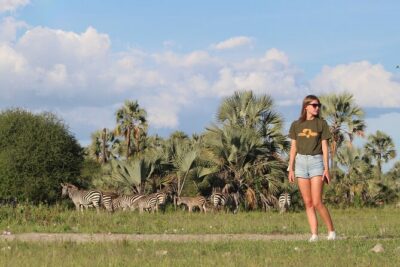 ★ 5.05-Day Highlights mid-Range Crater, Serengeti, TarangireFrom $2,327296 reviews
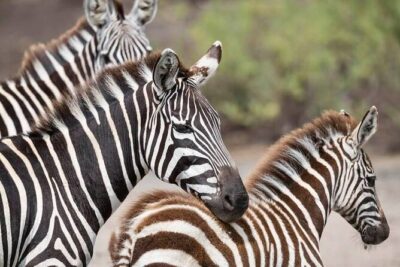 ★ 5.0Safari Serengeti And NgorongoroFrom $2,845288 reviews
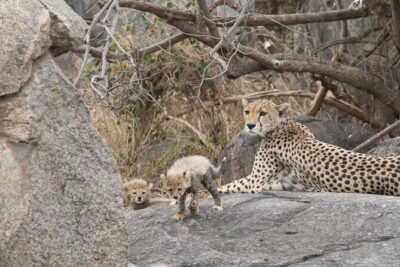 ★ 5.03-Day Classic Serengeti SafariFrom $1,455263 reviews
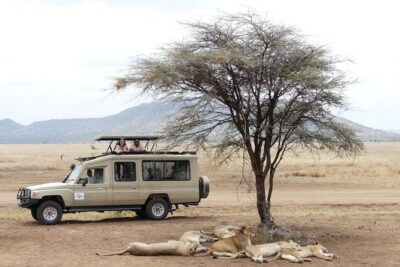 ★ 5.0Private 6-Day Tarangire Manyara Crater and Serengeti with Mid-Range LodgesFrom $2,685238 reviews
 ★ 5.05 Days Camping Tarangire, Serengeti & Ngorongoro crater & Visiting MaasaiFrom $1,254229 reviews
Browse the lists this tour appears in