
REVIEW · SERENGETI NATIONAL PARK SAFARIS
Serengeti Under Canvas – 9 days
The Great Migration feels close enough to touch. This 9-day safari from Arusha mixes classic park time with a real off-road focus on the movement of herds, plus visits that aim to help local communities. I especially liked the Serengeti game drives and the Lake Manyara wildlife packed into each day, from flamingos and hippos to lions with a tree-climbing habit. One drawback to plan for, these are full days with driving, so if you need lots of downtime, you’ll feel the pace.
You also get a private-trip feel, with professional guides and a route that includes Serengeti, Lake Manyara, and Ngorongoro Conservation Area, plus a walking-style cultural moment. In particular, some groups have been guided by Adriano, Freddy, and Moses, and their animal spotting and Tanzania context can make the long hours feel worthwhile.
In This Review
- Key Highlights You’ll Care About
- How the 9-Day Serengeti Safari Starts in Arusha
- Day 1 in Tanzania: Your Low-Stress Landing Day
- Lake Manyara National Park: Flamingos, Hippos, and Lions in Trees
- Serengeti Day 3: Southern Serengeti, First Migration Chances, Then Camp
- Serengeti Day 4: Full-Day Drives and the Mara River Reality
- Day 5 and Day 6: Central Serengeti, More Search Time, More Chances
- Ngorongoro Conservation Area: Maasai Culture and an Orphanage Visit
- Day 8 Near Arusha: Kilimanjaro Views and a Maasai-Led Bush Walk
- Day 9: Breakfast, Then Choose Zanzibar or Your Next Flight
- The Price and Value Question: Is $6,233 Worth It?
- Best Aspects, Based on What Really Matters on Safari
- Things to Watch Before You Book
- Should You Book This Serengeti Under Canvas 9-Day Safari?
- FAQ
- Where does the tour take place?
- What parks and areas are included in the itinerary?
- Is pickup offered, and do I get a mobile ticket?
- What meals are included?
- How long is the safari?
- Is this tour private?
- What is the cancellation policy?
Key Highlights You’ll Care About
- Great Migration focus across multiple Serengeti zones for more chances at the action
- Lake Manyara’s mix of birds, hippos, and tree-climbing lions
- Orphanage visits woven into the itinerary, not tacked on at the end
- Maasai experiences in Ngorongoro Conservation Area and a bush walk near Arusha
- Luxury safari camp stays with solid meal coverage (breakfasts, lunches, dinners)
More of the Serengeti, drive by drive
- Balloon Safari & Bush Breakfast in Serengeti – Miracle Experience★ 5.0 · 1,646 reviews
- 3 Days Serengeti & Ngorongoro Group Camping Safari★ 5.0 · 574 reviews
- 5-Day Highlights mid-Range Crater, Serengeti, Tarangire★ 5.0 · 296 reviews
- 3-Day Classic Serengeti Safari★ 5.0 · 263 reviews
How the 9-Day Serengeti Safari Starts in Arusha
This trip is built around one base: Arusha, Tanzania. Day 1 is basically a reset after your flight, so you can get your sleep and orientation sorted before you go looking for big wildlife. The tour is also described as private, meaning it’s just your group, not a crowded bus of strangers.
Logistically, you’ll want to line up with the morning meeting window listed for the experience (Monday, 7:00 AM to 12:00 PM). You may also get pickup offered, and the tour uses a mobile ticket, which is convenient if you’re trying to keep everything in one place.
On paper, this is a “transport plus guiding” style of safari: you’re moved between parks, you get a professional guide, and your days are timed around game drive hours and check-ins. That matters because Serengeti is not a place you want to freestyle if you’re chasing the best wildlife moments.
Day 1 in Tanzania: Your Low-Stress Landing Day
Day 1 is deliberately simple: you arrive in Tanzania and then you rest. There’s no major activity listed, and that’s honestly a smart start. After a long flight, your body clock can be off, and your best game drive experiences happen when you’re alert enough to scan for movement, not just survive a nap.
If you’re prone to travel fatigue, Day 1 is a quiet buffer day. If you’re flying in from far away, use this time to do the small, high-impact tasks: double-check your gear, charge your devices, and make sure you have what you’ll want for the first full wildlife days. Even if you feel good, keep your schedule light. Tomorrow is when the safari really begins.
Lake Manyara National Park: Flamingos, Hippos, and Lions in Trees
Lake Manyara is a different kind of safari day, and that variety is a big reason this itinerary works. You leave after breakfast, drive about two hours, and arrive on the edge of the Rift Valley, under the Manyara Escarpment.
What you’re looking for here is a dense mix of life around the soda lake. The alkaline waters attract pink flamingos and other birdlife, and you can also see hippos near resident pods. Lake Manyara is also known for tree-climbing lions, which is one of those wildlife details that turns a “normal sighting” into a story you’ll remember.
Your day includes game drive time, and it also includes an orphanage visit. That stop changes the tone of the day. It’s still part of the route, not a separate excursion, so plan to shift gears mentally: go from animal spotting back to people-centered travel.
One practical note: Lake Manyara can be wildlife-rich but fast-moving. If you have a favorite species you’re hoping to see, focus on patience and repeated scanning. This is one of those places where the action might not look dramatic at first.
Serengeti Day 3: Southern Serengeti, First Migration Chances, Then Camp
After breakfast you head toward Serengeti, and you start with the southern portion of the park. This is where the tour’s central theme kicks in: the Great Migration.
The route’s description frames the migration as an annual movement of over two million wildebeest and zebra traveling north, eventually facing the Mara River crossing at the Kenya side. Even if the dramatic river moments are seasonal, the key value of driving different areas is that you’re not putting all your hope into one single location.
Day 3 includes a first set of game drives and then check-in to your luxury safari camp by late afternoon. That camp transition is important. You don’t want to be exhausted from driving when you reach camp, because then you miss the comfortable part of this style of safari.
If you care about seeing a lot of wildlife rather than one long sit, this itinerary’s pacing helps. You’re in the vehicle for the core sightings, then you return to camp to recharge.
Serengeti Day 4: Full-Day Drives and the Mara River Reality
Day 4 is a full day on safari in Serengeti National Park. If you’re hoping to see classic migration action, this kind of day structure is what gives you enough time to catch it when it happens.
The itinerary’s description leans into what makes migration so intense, the herds must cross the Mara River as they move toward the Masai Mara in Kenya. That’s not just dramatic storytelling. It matters for how you experience the park. Predators such as lions, cheetahs, leopards, and hyenas are part of the mix, and crocodiles are mentioned as lurking in the river area.
You’re also in for the basic Serengeti rhythm: early starts for fresh animal activity, long stretches of scanning, and the occasional moment when you realize you’re watching something bigger than a single animal sighting. That’s what keeps people coming back.
One consideration: a full-day drive can test your comfort. Bring what you need for temperature changes and sun exposure, and try to keep your water habits steady. The goal is staying sharp, because wildlife often shows itself in brief, quick moments.
Day 5 and Day 6: Central Serengeti, More Search Time, More Chances
Days 5 and 6 keep the safari engine running with another set of game drive days. Day 5 shifts you toward the central Serengeti area and then you check in to camp by late afternoon. Day 6 is another full day in the park.
This split across multiple days and zones is where you start seeing the logic behind the itinerary. You’re not just repeating the same drive route. Instead, you’re giving yourself more opportunities to catch different wildlife behaviors as the park conditions change throughout the day.
It’s also a sensible approach for migration viewing. Even when you’re chasing the Great Migration, you’re not controlling where the herds are. More time and more varied areas means you spend less time waiting for the exact same moment to unfold again.
If you’re someone who gets restless stuck behind the same scenery, this plan helps because the next day usually brings a new drive pattern. You’ll also get multiple chances for big predators, since the park is described as home to lions and other major carnivores, alongside elephants, giraffes, zebra, and more.
Ngorongoro Conservation Area: Maasai Culture and an Orphanage Visit
Day 7 moves you from pure wildlife time into a culture-focused day. You set out early from the lodge and head to the Maasai tribe area in Ngorongoro Conservation Area. Then you stop for lunch at a lodge.
Right after that, you have another orphanage visit. So this day, like Day 2, carries a two-part feel: culture in the morning and community support in the afternoon.
What I like about including this kind of day is that it breaks up the nonstop wildlife intensity. Serengeti can make you feel like your whole life is scanning tree lines and moving shadows. A cultural encounter resets your perspective, especially when it’s connected to real community life rather than a quick photo stop.
Keep your tone respectful and curious. Ask questions, listen more than you talk, and remember that this isn’t a staged show. Your presence should feel like it belongs to the moment.
Day 8 Near Arusha: Kilimanjaro Views and a Maasai-Led Bush Walk
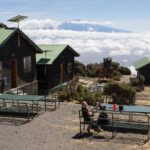
Day 8 returns you toward Arusha region and introduces one of the most grounded experiences on the itinerary. You travel to The Original Maasai Lodge for lunch, with the promise of stunning views of Mount Kilimanjaro.
Then comes a walking element. You can enjoy bush walks led by local Maasai warriors, described as an authentic walking safari experience. This is a different way to experience wildlife country, slower pace, more attention to tracks and sounds, and less time staring at the horizon from inside a vehicle.
Even if you’re not a hardcore hiker, this is the kind of stop that makes a safari feel human-scale. It also gives your eyes a break from only looking through safari windows.
Practical thought: walking safaris can be weather and ground dependent. Wear comfortable footwear and expect uneven paths. If you get motion sick easily in vehicles, this walking block can also feel like a welcome reset.
Day 9: Breakfast, Then Choose Zanzibar or Your Next Flight
Day 9 is about transition. You start with breakfast, then you head onward. The tour offers two broad directions: you can go to Zanzibar to relax on the beach, or return toward Arusha for your onward flight.
This is a good finish if you want a clean emotional wrap-up. After days of wildlife intensity, a beach break feels like it belongs. If you still want to keep momentum, returning to Arusha for your next plan helps you avoid a stressful last-day scramble.
One more reason I like this structure: it doesn’t trap you into one continuation. You can choose downtime or travel, based on how your body feels after safari.
The Price and Value Question: Is $6,233 Worth It?
At $6,233 per person, this isn’t a budget safari. So the real question is what you’re paying for.
You’re paying for a private, guided 9-day route that covers multiple major areas: Lake Manyara, multiple Serengeti days focused on migration viewing, and a cultural shift into Ngorongoro Conservation Area plus a day near Arusha with Kilimanjaro views and a bush walk. That means more than one ecosystem, not just one park repeat.
You’re also getting solid meal coverage, with 8 breakfasts, 7 lunches, and 7 dinners included. Transportation is included, along with a professional guide. Even more useful, the itinerary notes that admission tickets are free or included for the listed components, which can be one of the hidden costs on safari trips.
What’s not included is also clear. Alcoholic beverages, sodas, and water at lodges are not included, and laundry is not included. Those are the small, typical extras that can change the final cost.
So here’s how I’d frame value: you’re buying time, guidance, and access to the right places on the right schedule. If you want to maximize wildlife odds and still keep comfort high, the price becomes easier to justify.
Best Aspects, Based on What Really Matters on Safari
The most praised part of this kind of safari tends to be the people, not the packaging. In accounts of this trip, the guide team has included Adriano, Freddy, and Moses, and what people highlight is depth. They’re not just naming animals. They’re explaining how to read the park, how wildlife behaves, and where to look when your brain thinks it has seen everything already.
Food and accommodation also come up positively, with praise for fantastic lodging and amazing meals. That matters more than you might think. Safari days are demanding, and good food plus comfortable rest is what turns a long game drive into a satisfying day rather than a survival day.
Finally, the altruism angle is woven in through orphanage visits and a stated mission to contribute positively to local people and nature. Even if you focus mainly on wildlife, those stops remind you that travel has a footprint. This route builds that idea into the itinerary, not just into marketing.
Things to Watch Before You Book
A safari like this runs on schedule. That means you’ll do a lot of driving and spend many hours in the vehicle. It’s thrilling, but it’s not lazy. Plan for early starts and long days, especially during the Serengeti stretches.
Also, the itinerary mixes wildlife with culture and community visits. If you’re sensitive to emotionally heavy moments, know that the orphanage stops are part of the route. You should be ready for that tone shift.
Lastly, the migration theme is central, but it’s still nature. You can’t force the river crossing to happen at the exact moment you arrive. The good news is the tour’s multi-day Serengeti structure gives you multiple chances rather than pinning everything on one day.
Should You Book This Serengeti Under Canvas 9-Day Safari?
If you want a safari that balances wildlife intensity with structured comfort, and you don’t mind being on a tight timetable, I think this is a strong fit. You’ll like it if you:
- care about Great Migration viewing and want multiple Serengeti days
- enjoy guided interpretation, especially for spotting and understanding animal behavior
- want more than game drives, with Maasai culture and a walking safari component
- value good lodging and meal coverage after long days out
I’d hesitate if you need lots of free time, dislike long vehicle days, or prefer a purely wildlife-only itinerary. This trip has culture and community built in, and it’s not pretending those pieces are just optional.
FAQ
Where does the tour take place?
The tour is based in Arusha, Tanzania, and it includes stops in Lake Manyara National Park, Serengeti National Park, Ngorongoro Conservation Area, and an Arusha region lodge day.
What parks and areas are included in the itinerary?
You’ll spend time in Lake Manyara National Park, Serengeti National Park (with multiple days driving different areas), and Ngorongoro Conservation Area for a Maasai tribe visit. There is also a day near Arusha with a bush walk and a Kilimanjaro view.
Is pickup offered, and do I get a mobile ticket?
Pickup is offered, and the tour includes a mobile ticket.
What meals are included?
The package includes breakfast (8), lunch (7), and dinner (7). Alcoholic beverages, sodas, and water at lodges are not included.
How long is the safari?
The experience lasts about 9 days.
Is this tour private?
Yes, it’s described as a private tour/activity, with only your group participating.
What is the cancellation policy?
Free cancellation is available. You can cancel up to 24 hours in advance for a full refund, and changes made less than 24 hours before the experience’s start time are not accepted.
The Serengeti, Three More Ways
- Balloon Safari & Bush Breakfast in Serengeti – Miracle Experience
★ 5.0 · 1,646 reviews - 3 Days Serengeti & Ngorongoro Group Camping Safari
★ 5.0 · 574 reviews - 5-Day Highlights mid-Range Crater, Serengeti, Tarangire
★ 5.0 · 296 reviews - 3-Day Classic Serengeti Safari
★ 5.0 · 263 reviews - Private 6-Day Tarangire Manyara Crater and Serengeti with Mid-Range Lodges
★ 5.0 · 238 reviews
Just added from around Arusha
Serengeti National Park Safaris, compared.
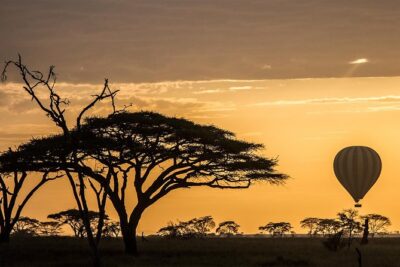 ★ 5.0Serengeti Balloon Safari and authentic bush breakfastFrom $5502,480 reviews
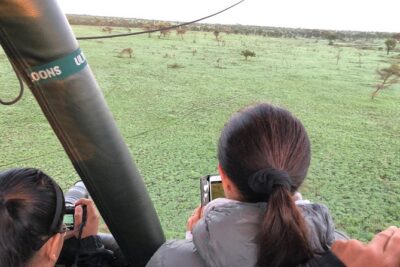 ★ 5.0Balloon Safari & Bush Breakfast in Serengeti – Miracle ExperienceFrom $5991,646 reviews
 ★ 5.03 Days Serengeti & Ngorongoro Group Camping SafariFrom $815574 reviews
 ★ 5.05-Day Highlights mid-Range Crater, Serengeti, TarangireFrom $2,327296 reviews
 ★ 5.0Safari Serengeti And NgorongoroFrom $2,845288 reviews
 ★ 5.03-Day Classic Serengeti SafariFrom $1,455263 reviews
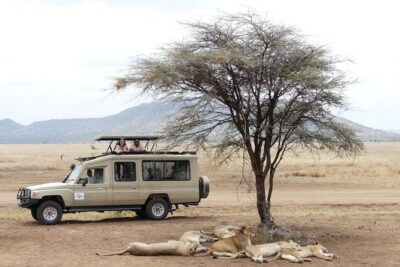 ★ 5.0Private 6-Day Tarangire Manyara Crater and Serengeti with Mid-Range LodgesFrom $2,685238 reviews
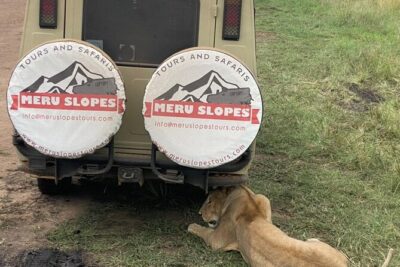 ★ 5.05 Days Camping Tarangire, Serengeti & Ngorongoro crater & Visiting MaasaiFrom $1,254229 reviews
Browse the lists this tour appears in