
REVIEW · SERENGETI NATIONAL PARK SAFARIS
SERENGETI NATIONAL PARK Tour
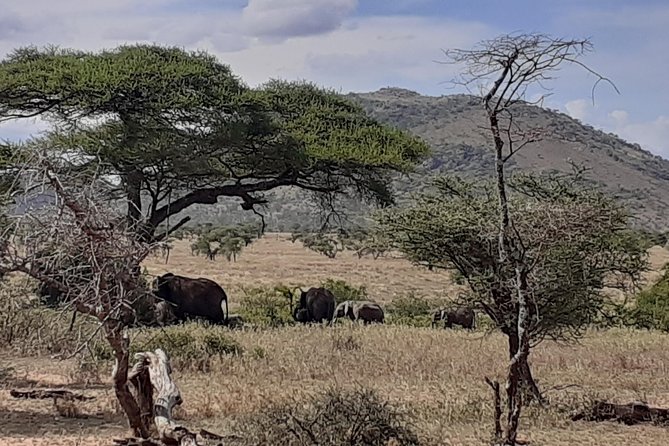
The migration makes time feel unreal. This private Serengeti safari is built around the Great Migration, with early wildlife drives and a long, direct transfer from Arusha or Moshi (about 372 km). I especially like the sunrise game viewing with tea and a bush breakfast, and I like how the plan sets you up for the Mara River drama.
The main thing to consider is logistics. You spend big chunks on the road, including a first-day drive of 5 to 7 hours, and you start some days very early. The trip is also weather dependent, so if conditions are bad, you may be offered a different date or a full refund.
In This Review
- Migration-Driven Serengeti, Not Just Another Safari Loop
- The 372 km Transfer From Arusha or Moshi, and How to Use It
- Days 1 and 2: Central Serengeti, Sunrise Tea, and Predator Possibilities
- Days 3 and 4: Serengeti Hippo Pool, Mara River Crossings, and Two Chances at the Big Moment
- Day 5: Ngorongoro Crater Before 6 pm, and Why That Timing Matters
- Day 6: Lake Manyara for a Final Game Drive Before Arusha or Moshi
- Price, Admissions, and When This 6 Days Feels Like Value
- Best Time to Go: Pick the Corridor, Then Pick Your Dates
- Who This Private Safari Fits Best
- Should You Book This Serengeti Tour?
- FAQ
- How many days is the Serengeti National Park tour?
- Where does the tour start from?
- How far is the drive from Arusha or Moshi to Serengeti?
- When is the Great Migration most likely in the Southern corridor?
- When is the Great Migration most likely in the Northern corridor?
- What happens on the hippo and Mara River focused days?
- What time do you depart for Ngorongoro Crater and why?
- Are park admission tickets included, or free?
- What if the weather is poor or I need to cancel?
Migration-Driven Serengeti, Not Just Another Safari Loop
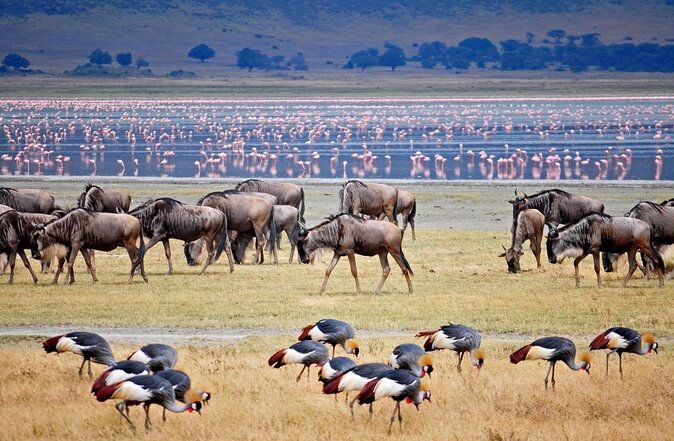
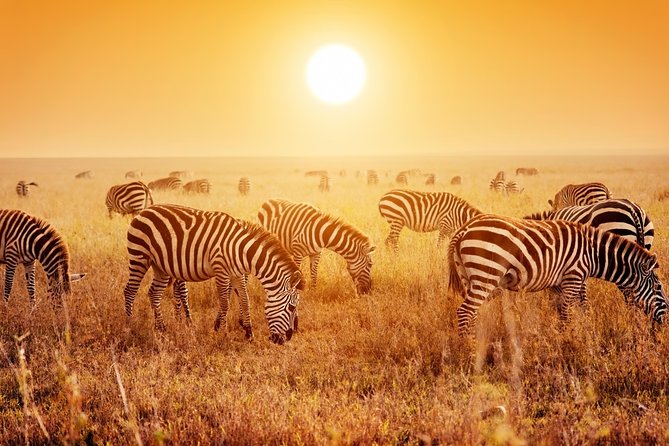
Serengeti works when you treat it like a living system, not a checklist. This tour does that by aiming your days at the Great Migration, when hundreds of thousands of wildebeest and zebra are moving and feeding across the plains.
You also get a smart mix of settings inside the park. Central Serengeti gives you the broad, open feeling and frequent wildlife sightings. Then you move toward the northern side for the Mara River area, where the story often turns into hippos, crocodiles, and the famous crossings.
That balance is the tour’s real appeal. It is not just long drives, it is long drives with a purpose, so your time stays focused on what makes Serengeti famous.
More of the Serengeti, drive by drive
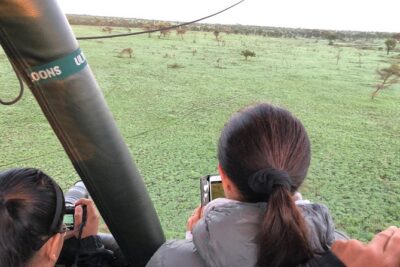
- Balloon Safari & Bush Breakfast in Serengeti – Miracle Experience★ 5.0 · 1,646 reviews
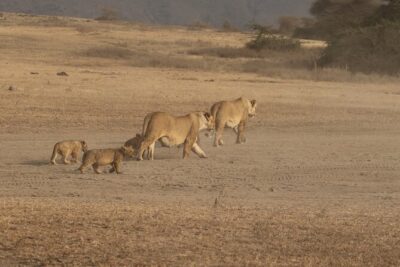
- 3 Days Serengeti & Ngorongoro Group Camping Safari★ 5.0 · 574 reviews
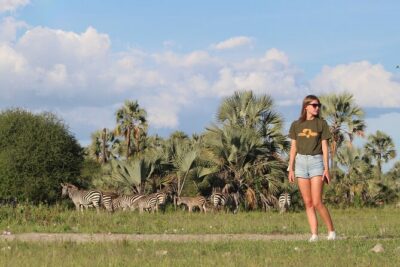
- 5-Day Highlights mid-Range Crater, Serengeti, Tarangire★ 5.0 · 296 reviews
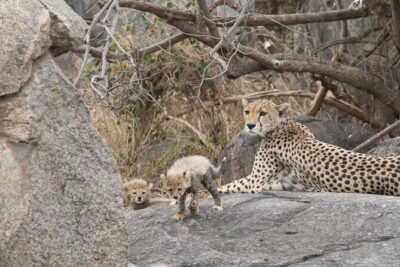
- 3-Day Classic Serengeti Safari★ 5.0 · 263 reviews
The 372 km Transfer From Arusha or Moshi, and How to Use It
Most Serengeti safaris begin with a day that feels like travel first and wildlife later. Here, the first stretch is unavoidable, but it is clearly handled as part of the experience.
You leave Arusha or Moshi early, then drive about 372 km, roughly 5 to 7 hours straight. You stop for breakfast at Mto wa Mbu, then continue on toward the Ngorongoro entrance and into Serengeti.
A couple practical notes for you:
- Bring snacks and water for the road day. The schedule includes breakfast, but you still want comfort for the long run.
- Mentally plan for early arrivals and big starting windows. This kind of safari often runs on game-drive timing, not hotel timing.
If you’re the type who hates long transfers, Serengeti may feel like a test at the start. If you’re okay with it, that first day pays you back later with more time on the grassland and fewer rushed drives.
Days 1 and 2: Central Serengeti, Sunrise Tea, and Predator Possibilities
After the road day, Day 1 is about getting settled and launching into the park. The plan takes you toward Serengeti right away, then moves you to Pimbi camp/lodge. From there, the itinerary sets you up for more driving inside Serengeti rather than sitting around.
Day 2 is where the tour’s pacing feels right. You start with early morning coffee, then head out for sunrise game viewing with tea and a bush breakfast. After that, you go into central Serengeti for full game drives before lunchtime.
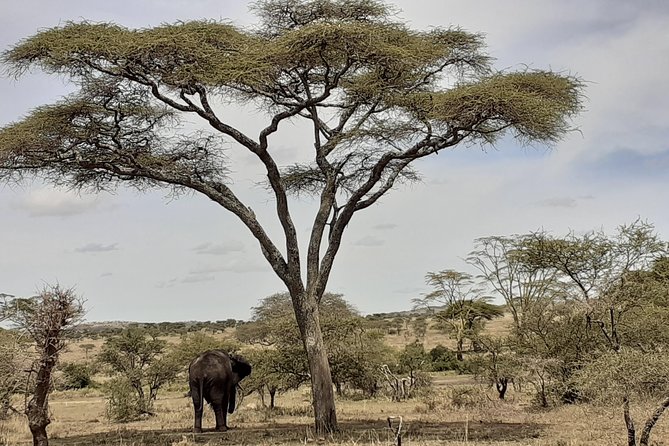
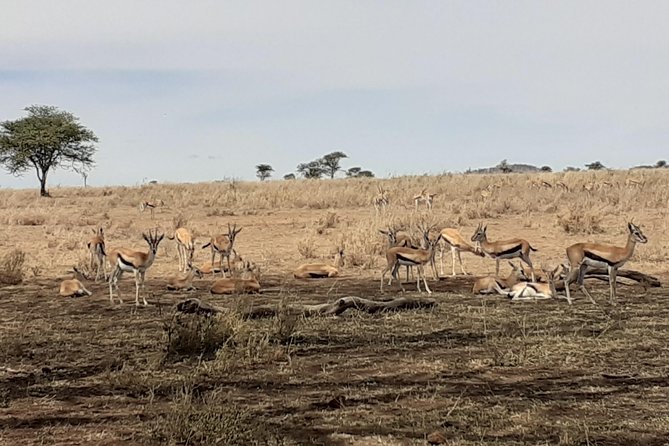
This is the part of the safari that often gives you the best “all at once” feeling. Central Serengeti is huge and open, so you can spot animals moving across distance, and you tend to get variety in a single driving day.
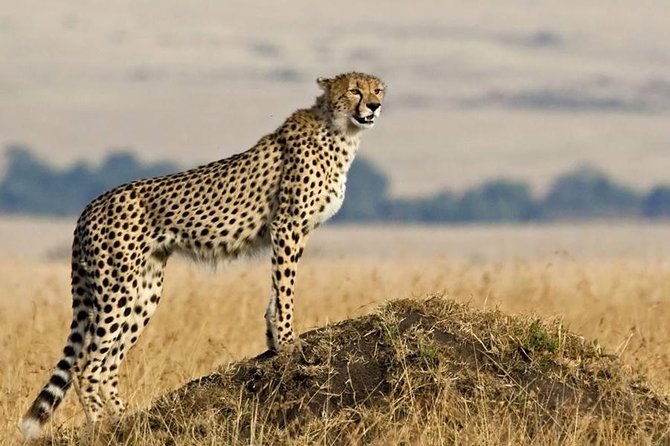
The tour specifically calls out a chance to see predators, including lions and leopards, plus other wildlife and fauna. Even if you do not lock in every big cat sighting, this day is still about covering ground while conditions are cool and animals are active.
One consideration: open plains can mean dust. In some months, you will likely notice it more. If you’re sensitive to dust, bring sunglasses and consider something to cover your nose and mouth during bumpy drives.
Days 3 and 4: Serengeti Hippo Pool, Mara River Crossings, and Two Chances at the Big Moment
This is the heart of the migration idea.
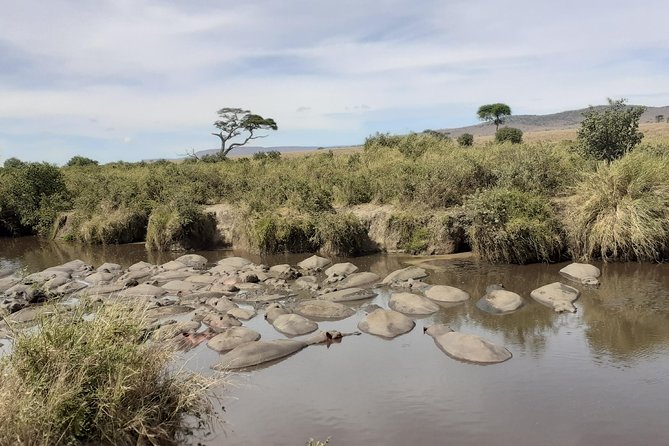
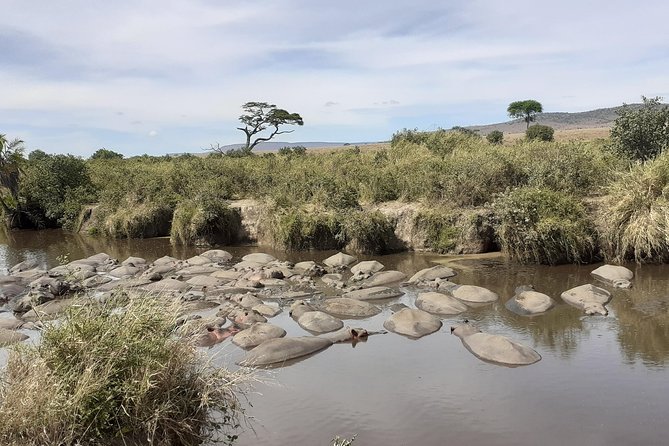
Day 3 is framed as a choice day, but it clearly nudges you toward the Northern Hemisphere corridor near the Mara River. You start with breakfast, then drive across Serengeti toward the Mara area. Along the way, you get the Serengeti Hippo Pool focus, with hipposit and crocodiles mentioned directly, and you carry lunch boxes during en route game viewing.
Then you move into the Mara River segment for the great migration across the river. You end the day by driving to Lobo camp, about 60 km and roughly 1 hour, for dinner and overnight.
Day 4 repeats the Mara River energy. After breakfast, the plan heads out for game viewing with another push for migration across the Mara River, plus more driving back and forth depending on where animals are moving.
Why this matters: the Mara River is not just a photo stop. It is a place where the ecosystem compresses into one intense moment: water, currents, predators, and the tension of thousands needing to cross.
You also get a workable rhythm on Day 4. The schedule includes a late-afternoon return for hot lunch, then another stretch of game viewing afterward for your last night in Serengeti.
If you are planning your trip around timing, this is where your dates really matter. The tour information lays out two main migration corridors:
- Southern corridor (Ndutu area): December to March
- Northern corridor (tip of Serengeti): July to November
If you book for the northern months, you’re doing the Mara River chapters when the action is most likely to be in the north.
Day 5: Ngorongoro Crater Before 6 pm, and Why That Timing Matters
Ngorongoro is a classic add-on for a reason, but the way this tour schedules it is what makes it practical.
You leave very early, with breakfast around 5:00 am from Lobo camp/lodge. You drive about 210 km, with an estimated 4 to 5 hours to reach down into the crater floor, and you bring lunch boxes.
Once you’re inside, the plan is game driving on the crater floor. Then you depart before 6:00 pm, because the permit expires at that time.
That time rule is not trivia. It shapes how long you have to scan for wildlife and how much you can linger if you hit a great sighting. In other words, you’re not wandering around at random. You’re working within a strict schedule so you maximize your time on the ground.
Afterward, you drive to your camp/lodge/Panorama for dinner and overnight.
Practical tip for you: crater mornings often feel cooler, even if the plains are warm. Bring layers you can zip on and off during early departures.
Day 6: Lake Manyara for a Final Game Drive Before Arusha or Moshi
A safari finish should do two things: give you a last wildlife hit, and give you a change of pace. Day 6 aims at Lake Manyara National Park, with a drive of about 90 minutes.
You get a full day game drive in the park, then lunch, then more game viewing before exiting. After that, you head back to your choice of hotel in Arusha or Moshi.
Lake Manyara typically feels different from open plains. So even if you already saw plenty of movement in Serengeti, this day helps break up the safari so it does not blur into one long set of similar views.
If you’re hoping to end on something memorable, this is the day to keep your energy up. You already have sunrise starts behind you, so treat this final day like the payoff round.
Price, Admissions, and When This 6 Days Feels Like Value
Let’s talk numbers honestly. The price listed is $3,487.18 per person, for about 6 days and a private guide.
That sounds steep if you compare it to budget group tours. But the value case here is about:
- Private guiding, so your days can be tailored to what you’re actually seeing
- A migration-focused plan, which tends to require more movement across regions
- Multiple parks in a single run: Serengeti, Ngorongoro Crater, and Lake Manyara
Admission timing also matters. The tour information indicates admission is free on several days, while it is included on others:
- Day 3: admission ticket included
- Day 5: admission ticket included
- Days 1, 2, 4, and 6: admission ticket free
So your total experience cost is not just one flat “buy the park entry once” model. It’s stitched across days, and that can affect value if you’re the kind of traveler who hates paying surprise fees after the fact.
Is it still a premium price? Yes. But if you want a migration-driven itinerary and not a generic scenic drive, the structure is the argument.
Best Time to Go: Pick the Corridor, Then Pick Your Dates
This is not one of those trips where “anytime” is the same. The tour itself maps migration timing into two corridors:
- Ndutu (Southern corridor): December to March
- Mara River area (Northern corridor): July to November
If you book when the migration is more likely in the southern corridor, you’d naturally expect the Ndutu side to do more of the heavy lifting. If you book for the July to November window, you’re aiming for the northern action where the Mara River crossings come into play.
A caution from the real-world experience of wildlife watching: not every month delivers the same density of the biggest herds. In some periods, animals can shift, and you might find the experience more about wildlife variety than nonstop river action.
If you’re working with limited vacation days, choose your month first. Then treat this tour schedule as the best possible way to work within that month’s wildlife rhythm.
Who This Private Safari Fits Best
This is a strong match for you if:
- You want a private tour, meaning only your group participates
- You care about migration timing and not just a generic “see animals” safari
- You want early starts and long drives in exchange for more focused game driving
It may not be the best fit if:
- You hate long road days. The transfer from Arusha or Moshi is about 5 to 7 hours, and other travel days are also significant.
- You want a relaxed pace with minimal vehicle time. This plan is built for wildlife activity windows.
On the plus side, the tour notes that most travelers can participate, so it is not marketed as something extreme. The main demand is endurance and flexibility, not fitness gymnastics.
Should You Book This Serengeti Tour?
I’d book it if your goal is simple: you want Serengeti to feel like Serengeti, with the Great Migration as the organizing idea. The sunrise game viewing, the central Serengeti push, then the Mara River focus for crossings gives you a clear arc.
I’d think twice if you’re planning around a month that you cannot match to the migration corridor you want. Also, be honest about comfort with long drives and early departures.
If you decide to go, do one thing that improves your odds. Choose dates that line up with the corridor you want: Ndutu for Dec to Mar, or the Mara River side for Jul to Nov. Then let the private guide’s routing do the rest.
FAQ
How many days is the Serengeti National Park tour?
The tour is listed as about 6 days.
Where does the tour start from?
You start in the Arusha or Moshi area, with pickup offered.
How far is the drive from Arusha or Moshi to Serengeti?
The drive is about 372 km and takes roughly 5 to 7 hours straight, depending on conditions and the guide’s route timing.
When is the Great Migration most likely in the Southern corridor?
The Southern corridor, in the Ndutu area, is described as a good migration period from December to March.
When is the Great Migration most likely in the Northern corridor?
The Northern corridor, near the tip of Serengeti, is described as a good migration period from July to November.
What happens on the hippo and Mara River focused days?
One day includes a focus on the Serengeti Hippo Pool and driving toward the Mara River corridor, with hippos and crocodiles mentioned. The plan also includes game viewing and the great migration across the Mara River.
What time do you depart for Ngorongoro Crater and why?
You leave around 5:00 am and then drive down to the crater floor for game driving. The plan notes you must depart before 6:00 pm because of permit expiry time.
Are park admission tickets included, or free?
The information shows admission ticket free on several days (including Days 1, 2, 4, and 6), while Day 3 and Day 5 have admission ticket included.
What if the weather is poor or I need to cancel?
The tour requires good weather. If it’s canceled due to poor weather, you’ll be offered a different date or a full refund. You can cancel up to 3 days in advance for a full refund, and cancellations within 3 days are not refunded.
The Serengeti, Three More Ways
- Balloon Safari & Bush Breakfast in Serengeti – Miracle Experience
★ 5.0 · 1,646 reviews - 3 Days Serengeti & Ngorongoro Group Camping Safari
★ 5.0 · 574 reviews - 5-Day Highlights mid-Range Crater, Serengeti, Tarangire
★ 5.0 · 296 reviews - 3-Day Classic Serengeti Safari
★ 5.0 · 263 reviews - Private 6-Day Tarangire Manyara Crater and Serengeti with Mid-Range Lodges
★ 5.0 · 238 reviews
Just added from around Arusha


Serengeti National Park Safaris, compared.
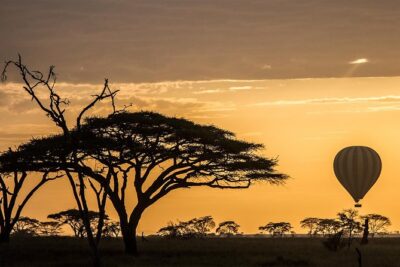 ★ 5.0Serengeti Balloon Safari and authentic bush breakfastFrom $5502,480 reviews
 ★ 5.0Balloon Safari & Bush Breakfast in Serengeti – Miracle ExperienceFrom $5991,646 reviews
 ★ 5.03 Days Serengeti & Ngorongoro Group Camping SafariFrom $815574 reviews
 ★ 5.05-Day Highlights mid-Range Crater, Serengeti, TarangireFrom $2,327296 reviews
 ★ 5.0Safari Serengeti And NgorongoroFrom $2,845288 reviews
 ★ 5.03-Day Classic Serengeti SafariFrom $1,455263 reviews
 ★ 5.0Private 6-Day Tarangire Manyara Crater and Serengeti with Mid-Range LodgesFrom $2,685238 reviews
 ★ 5.05 Days Camping Tarangire, Serengeti & Ngorongoro crater & Visiting MaasaiFrom $1,254229 reviews
Browse the lists this tour appears in