

REVIEW · NGORONGORO CRATER SAFARIS
Ngorongoro Day Trip
Ngorongoro is a safari pressure-cooker, and this day trip is built for it. You leave Arusha in the morning and descend about 600 meters into one of Tanzania’s most dramatic wildlife stages, with real odds of seeing the Big Five in a single drive. I like that the day runs with private transportation and pickup, so you spend less time coordinating and more time watching for lions, leopards, elephants, buffalo, and the black rhino. One consideration: there is no air-conditioned vehicle, and the day is long at roughly 7 to 8 hours.
What makes the crater so special is that your time inside is organized around sightings, not rushing. You get a scenic picnic lunch inside the crater and bottled water, which matters because this is not a quick drive-by stop. From the experience feedback, guides like Gifton (and drivers such as Martin) are praised for finding animals and keeping things calm and safe, including making sure you have time for photos and for lingering when the action appears.
In This Review
- Key highlights to watch for
- Ngorongoro Crater, the “one game drive” safari idea
- The 7:30 am Arusha departure and what the day feels like
- Stop 1: Ngorongoro Conservation Area and the picnic lunch setup
- Stop 2: The Ngorongoro Crater descent and the Big Five mission
- How the guide makes (or breaks) the day
- Big Five expectations: realistic focus, not fake promises
- Lunch inside the crater: why this detail matters
- Comfort and logistics: what’s included, what’s not
- Price and value: is $950 worth it?
- Who this Ngorongoro day trip suits best
- What to bring so the long day stays fun
- Should you book this Ngorongoro day trip?
- FAQ
- What time does the Ngorongoro day trip start?
- How long does the Ngorongoro day trip take?
- Is pickup included in this experience?
- What is included in the tour price?
- Is lunch provided?
- Is there a restroom on board?
- Is the vehicle air-conditioned?
- Is this a private tour?
- What if weather is poor or I need to cancel?
Key highlights to watch for
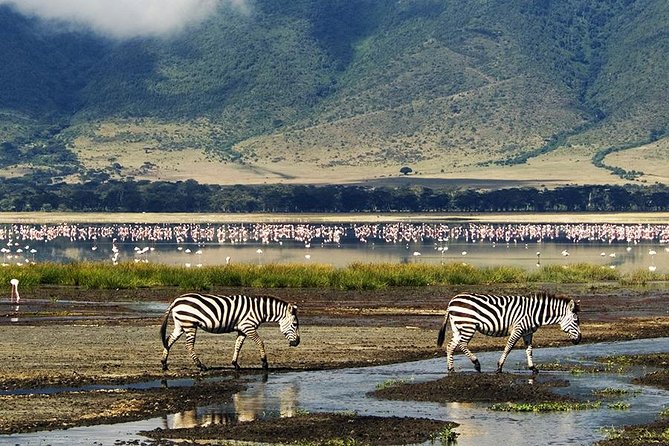
- 600-meter descent into a wildlife-rich UNESCO site for classic crater viewing
- Big Five focus in one day, including the endangered black rhino
- Crater picnic lunch with water, so you do not waste time hunting for food
- Private group experience with your own transport and driver
- Guides who help you spot animals and know where to look (examples include Gifton and Martin)
Other ways down into the Ngorongoro Crater
- 3 Days Serengeti & Ngorongoro Group Camping Safari★ 5.0 · 574 reviews
- 5 Days Camping Tarangire, Serengeti & Ngorongoro crater & Visiting Maasai★ 5.0 · 229 reviews
- 4 Days Join Group tour Tarangire Serengeti and Ngorongoro crater★ 5.0 · 219 reviews
- 4-Day Safari from Arusha: Tarangire, Serengeti and Ngorongoro★ 5.0 · 173 reviews
Ngorongoro Crater, the “one game drive” safari idea
Ngorongoro is famous because it is a natural bowl that pulls wildlife into one area. This day trip takes you into the world’s largest intact volcanic caldera, a UNESCO World Heritage Site, and you ride down into a mix of habitats where animals and birds show up year-round. You are not just hoping to see something, you are being set up for a full crater safari rhythm.
The tour’s promise is simple and ambitious: you head into the crater area and aim for the Big Five. The important detail is that the drive is planned as one continuous opportunity rather than scattering your time across multiple far-apart parks. If you are on a shorter trip to Tanzania, that focus is a big deal. It also tends to feel more satisfying, because your day has a clear storyline, descend, scan, pause, and react.
The 7:30 am Arusha departure and what the day feels like
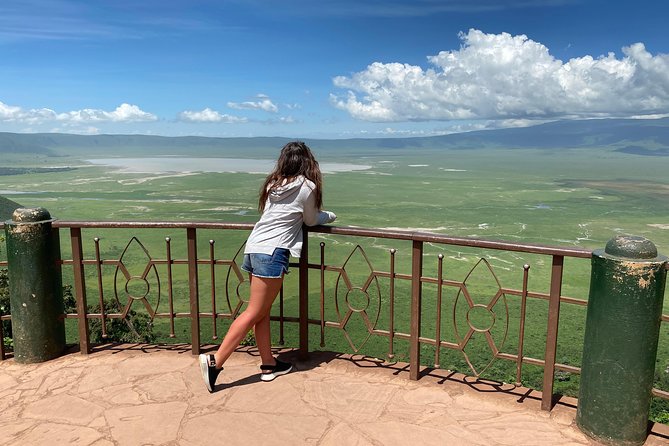
This experience starts at 7:30 am, with return to Arusha in the late afternoon. That timing matters because crater viewing and animal activity often reward an early start. You are looking at a full day, about 7 to 8 hours, so you should plan it as your main activity, not a side quest.
You are picked up for private transportation, and your group stays together the whole time. That means no waiting around for strangers, no awkward split-second decisions about where to eat, and no missed instructions. Also, bottled water is included, which is the kind of practical thing that makes a difference when your day is mostly spent scanning for animals.
The day is not set up like a comfort-first city tour. There is no mention of a restroom on board, so you should mentally treat it like a long game drive day. If you know you drink a lot of water, plan your timing before you start moving.
Stop 1: Ngorongoro Conservation Area and the picnic lunch setup
In the morning you depart Arusha for the Ngorongoro Conservation Area, and you start the day with your picnic lunch as part of the full-day plan. This is one of the smartest choices about this tour design. When you have a packed wildlife day, a pre-planned lunch reduces stress and keeps you out of the position of having to choose between eating and chasing sightings.
The Conservation Area context is also helpful. You are not thrown into the crater cold. Instead, the day is framed as a descent into a protected system where you can expect more than just mammals. In the information provided, the crater and surrounding area are described as lively with birds like flamingos and pelicans, plus cheetahs and hippos.
One drawback to keep in mind for Stop 1: the schedule is built around the day’s flow, so you should expect the timing to be fixed rather than adjustable. If your priority is long breaks, you may find this kind of safari day runs tighter than you would like.
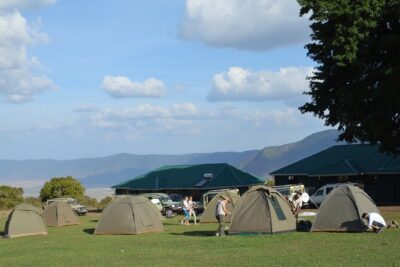
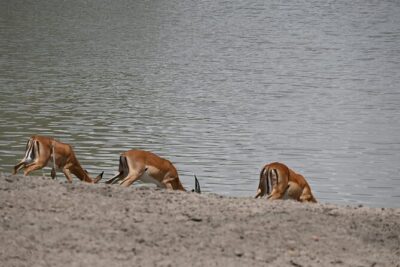
Stop 2: The Ngorongoro Crater descent and the Big Five mission
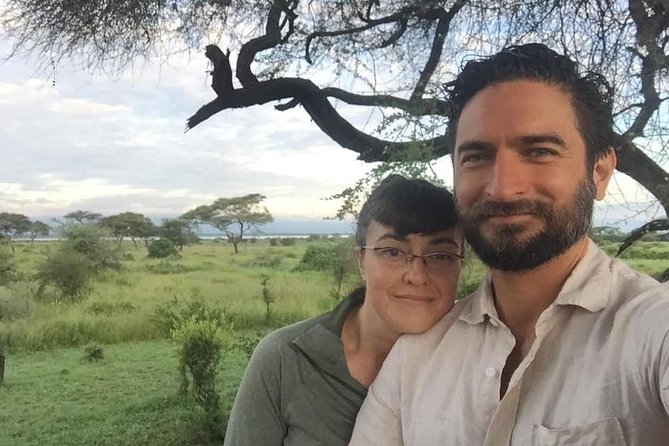
This is the main event. You descend into the crater, where your game drive is focused on the most legendary targets in Africa. The goal is to see the Big Five, including the endangered black rhino. Even when you do not see every animal, the crater still delivers with a dense concentration of wildlife opportunities.
Inside the crater, the tour information points to a broad mix of species. You can see hippos and cheetahs alongside the larger mammals, and there are also “hundreds of bird species” mentioned, with examples like crowned cranes and flamingos. That birdlife matters because it gives you something to do besides stare for the rarest mammals. When the larger animals slow down, birds can still keep the day interesting.
A real advantage here is the way the crater experience is described as year-round. That means your odds are not limited to one specific month in the way some safari schedules can be.
Practical note: the crater day is built around being out and scanning. You will want to be ready to move when the driver spots something, because delays can cost you the best viewing window.
How the guide makes (or breaks) the day
This is not just about the destination. It is about the people on the ground, and the feedback you shared puts a clear spotlight on guide performance. Guides such as Gifton are praised for being warm, friendly, and funny, but the real value shows up in the details: knowing where to look, taking time for photos, and making sure you are safe while searching.
Another name that comes up is Martin, mentioned in connection with providing knowledge about conservation and the animals seen. That matters because a good safari guide does more than point. They help you interpret what you are seeing, and they help you stay patient when the crater goes quiet.
If you want to get more from your day, pay attention to the guide’s scanning rhythm. The best moments come when you watch what they watch, not when you only look at the center of the road. Also, if you have a camera, tell the guide early. The feedback shows they take time to make sure there is enough time to admire and photograph animals.
Big Five expectations: realistic focus, not fake promises
The tour is explicitly positioned as a Big Five day. That is exciting, but it is still important to understand how to handle expectations.
On a practical level, Ngorongoro can offer sightings of all the Big Five in one day, but wildlife does not follow a checklist. The information you provided supports that the crater is teeming with life year-round and that the chance is there to spot lion, leopard, elephant, buffalo, and black rhino. The useful way to think about it is: you are spending your entire day in a high-probability area, which is the best “odds booster” you can choose when your time is limited.
What I like in this tour setup is that it does not only chase the iconic names. The crater experience is also framed around hippos, cheetahs, and extensive birdlife. So even in a day when one of the rarer targets does not show, you still have plenty to observe.
Lunch inside the crater: why this detail matters
You will have a scenic picnic lunch inside the crater. That is more than a cute detail. It changes the tone of the day.
When lunch is inside the wildlife area, you avoid a big time sink and you keep your momentum. You are also more likely to keep seeing animals around you rather than switching zones for food, then returning with lower energy and attention.
The tour includes lunch and bottled water, so you are not doing last-minute errands in a remote setting. And because the day is long and outdoors, simple included basics tend to be part of the reason this trip earns strong recommendations.
One more practical thought: picnic lunches on safari days can be warm. Plan to dress in light layers and keep your hat handy, even if you think it will not be hot. You are in a protected area and you will be outdoors enough that weather can affect comfort fast.
Comfort and logistics: what’s included, what’s not
Here is what you should plan around based on what is stated:
Included:
- Private transportation
- Lunch
- All fees and taxes
- Bottled water
Not included:
- A restroom on board
- Air-conditioned vehicle
So your comfort strategy should be simple. Expect a warmer vehicle ride, bring water as directed, and do not assume you will be able to use facilities during the ride. If you are sensitive to heat, pack a light scarf or cap and keep your most breathable outfit closest to your body.
Also, your group is private. That is helpful for families and friend groups who want to stay together and avoid “everyone do their own thing” chaos.
Price and value: is $950 worth it?
$950 per person sounds steep until you break down what you are buying. You are paying for a day that includes private transportation, lunch, bottled water, and all fees and taxes, plus a full crater safari window. You are also buying time efficiency: instead of juggling multiple transfers or losing half a day to logistics, this trip is structured to maximize your time in the conservation area and crater.
The value question is less about the number and more about your safari priorities:
- If you want one major crater day and do not want to add extra days just to manage driving, this is a logical use of money.
- If you already know you prefer private guiding, the included private transportation supports that.
The main financial caution is that this is a high-demand safari experience, and wildlife days can be weather dependent. If the tour is canceled due to poor weather, you would be offered another date or a full refund, so you are not locked in when conditions are unsafe. Still, you should keep your schedule flexible enough to take a reroute.
Who this Ngorongoro day trip suits best
This is a strong fit if you:
- Have limited time and want a major safari highlight in one day
- Prefer private transport rather than sharing a ride
- Want a guide who actively helps you find animals and keeps you safe
- Like the idea of a crater picnic lunch rather than a rushed meal stop
It may be less ideal if you:
- Need air-conditioned comfort during long drives
- Rely on in-vehicle restroom access
- Want lots of downtime between viewing moments
What to bring so the long day stays fun
You will be outdoors most of the day, and your success depends on attention and patience. Bring what helps you focus without fuss:
- A hat and sunglasses (for crater viewing time)
- A light layer in case early morning or open-air viewing feels cool
- Your camera and extra battery or storage
- Comfortable shoes for getting in and out
Because bottled water is included, you can travel light on hydration planning. Still, if you know you get low-energy when you are outside for hours, eat something small before pickup.
Should you book this Ngorongoro day trip?
If your goal is to make one day count, I think this booking makes sense. The tour is built around a single, high-impact wildlife destination and a clear Big Five focus, with the practicality of lunch and bottled water included. The feedback pattern you shared is also a good sign, with guides like Gifton and drivers like Martin being praised for finding animals, staying approachable, and making sure you get time for photos without rushing.
I would only hesitate if heat and long days wear you down, since there is no air-conditioned vehicle and a restroom is not provided on board. If that is you, plan your comfort gear and pace your expectations.
Bottom line: for many first-time safari planners, this is a clean, focused way to experience Ngorongoro in one shot, without turning your trip into a transportation project.
FAQ
What time does the Ngorongoro day trip start?
The start time is 7:30 am.
How long does the Ngorongoro day trip take?
Plan on about 7 to 8 hours.
Is pickup included in this experience?
Yes. Pickup is offered, and the tour also includes private transportation.
What is included in the tour price?
The included items are private transportation, lunch, all fees and taxes, and bottled water.
Is lunch provided?
Yes. You’ll have lunch included as part of the day.
Is there a restroom on board?
The tour does not include a restroom on board.
Is the vehicle air-conditioned?
No. An air-conditioned vehicle is not included.
Is this a private tour?
Yes. It is a private tour/activity, and only your group participates.
What if weather is poor or I need to cancel?
The experience requires good weather. If it’s canceled due to poor weather, you’ll be offered a different date or a full refund. There is free cancellation up to 24 hours before the experience start time for a full refund.
Still Thinking About the Crater?
- 3 Days Serengeti & Ngorongoro Group Camping Safari
★ 5.0 · 574 reviews - 5 Days Camping Tarangire, Serengeti & Ngorongoro crater & Visiting Maasai
★ 5.0 · 229 reviews - 4 Days Join Group tour Tarangire Serengeti and Ngorongoro crater
★ 5.0 · 219 reviews - 4-Day Safari from Arusha: Tarangire, Serengeti and Ngorongoro
★ 5.0 · 173 reviews - 2 Days Tarangire and Ngorongoro Group Camping Safari
★ 5.0 · 146 reviews
Just added from around Arusha



Ngorongoro Crater Safaris, compared.
 ★ 5.03 Days Serengeti & Ngorongoro Group Camping SafariFrom $815574 reviews
 ★ 5.0Safari Serengeti And NgorongoroFrom $2,845288 reviews
 ★ 5.05 Days Camping Tarangire, Serengeti & Ngorongoro crater & Visiting MaasaiFrom $1,254229 reviews
 ★ 5.04 Days Join Group tour Tarangire Serengeti and Ngorongoro craterFrom $1,090219 reviews
 ★ 5.04-Day Safari from Arusha: Tarangire, Serengeti and NgorongoroFrom $1,753173 reviews
 ★ 5.02 Days Tarangire and Ngorongoro Group Camping SafariFrom $550146 reviews
 ★ 5.04 Days Tarangire Serengeti Ngorongoro CraterFrom $900117 reviews
 ★ 5.03 Days Tarangire, Ngorongoro & Lake Manyara Group Camping SafariFrom $700102 reviews
Browse the lists this tour appears in