
REVIEW · NGORONGORO CRATER SAFARIS
Ngorongoro Crater: Full-Day Safari Tour
Ngorongoro feels like a giant wildlife amphitheater. I love the crater-floor game drive in a safari vehicle built for spotting animals, and I also love the specific chances to see big cat behavior, like lions resting under an acacia tree, plus hippos moving through the wetlands. My main caution is that your day can go sideways if a vehicle has trouble or if transfers get messy, which can steal hours from an already long travel day.
This is a UNESCO World Heritage site and a true caldera, formed by a collapsed volcano, stretching about 102 miles across. You’ll go with a small group (up to 6 people) and a live guide in English, French, or Spanish, and guides like Walter, Abdallah, and Islam are the sort of names people bring up when they talk about sharp animal-spotting.
In This Review
- Key Safari Highlights You’ll Feel in Your Bones
- Ngorongoro Crater, Why This Caldera Makes Wildlife Easy to Find
- Arusha Pickup and the Timing That Shapes Your Whole Day
- The Crater-Floor Game Drive, Where Spotting Skills Actually Matter
- Lions Under the Acacia Tree and Rhino Grazing Moments
- Hippo Wetlands, Hyenas, and the “Other Stuff” That Makes It Worth It
- Lunch, Bottled Water, and Staying Comfortable on a Crater Day
- Price and Value at $260, What You’re Really Paying For
- Practical Packing List, What to Wear and What to Bring
- Who This Tour Suits Best, and Who Should Skip It
- Should You Book This Ngorongoro Crater Tour?
- FAQ
- How long is the Ngorongoro Crater full-day safari tour?
- What’s included in the $260 per person price?
- Is hotel pickup included if I stay near the center of Arusha?
- What languages are the guides available in?
- How big is the group?
- What should I bring for the crater safari?
- Are there rules about what I can do during the safari?
- Who should not take this tour?
Key Safari Highlights You’ll Feel in Your Bones
- Crater-floor viewing: the focus is on game viewing, not just looking from far away
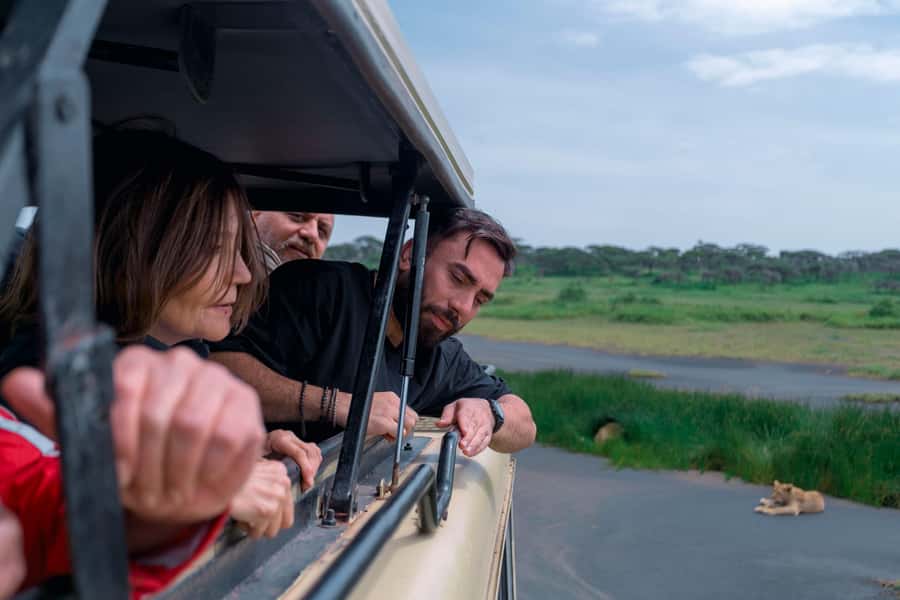
- Lion moments under an acacia: that classic resting-pride scene is a real draw
- Rhino grazing in open grass: you’re not just chasing photos, you’re watching behavior
- Hippo wetland fun: expect playful movement in the crater’s water areas
- Small group pacing: limited to 6 participants, so you’re not stuck in a crowd
Other ways down into the Ngorongoro Crater
- 3 Days Serengeti & Ngorongoro Group Camping Safari★ 5.0 · 574 reviews
- 5 Days Camping Tarangire, Serengeti & Ngorongoro crater & Visiting Maasai★ 5.0 · 229 reviews
- 4 Days Join Group tour Tarangire Serengeti and Ngorongoro crater★ 5.0 · 219 reviews
- 4-Day Safari from Arusha: Tarangire, Serengeti and Ngorongoro★ 5.0 · 173 reviews
Ngorongoro Crater, Why This Caldera Makes Wildlife Easy to Find
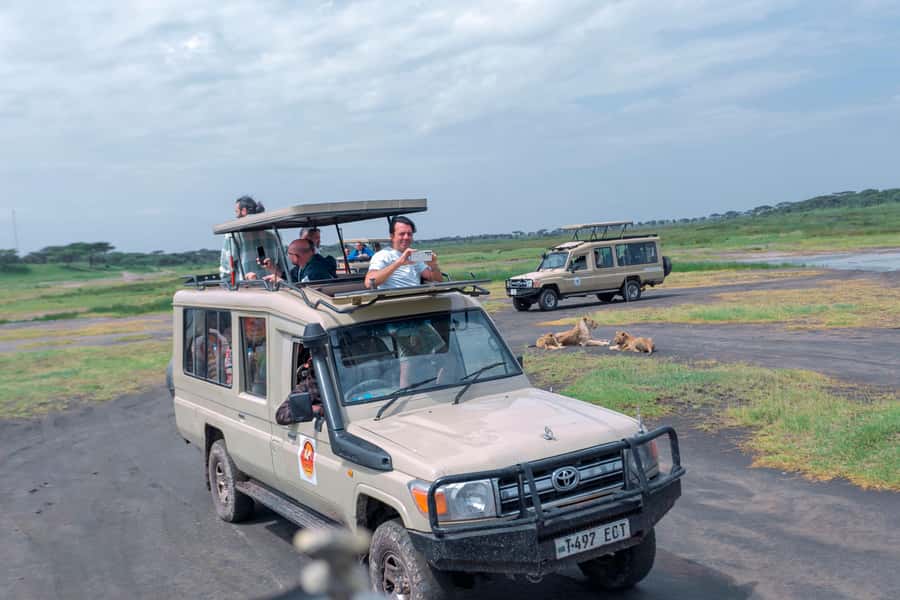
Ngorongoro Crater is one of those places where nature seems to do the work for you. It’s a massive collapsed volcano, a big natural bowl that helps concentrate wildlife within a limited area. For you, that means more time seeing animals, less time scanning across emptier ground.
The crater’s setting also helps explain why guides are so focused on timing and positioning. Wildlife here tends to share space in predictable ways: big cats use vantage points, grazers move through grasslands, and water brings in its own cast. When you hear about lions resting beneath an acacia, or a solitary rhino grazing in lush grass, that’s the crater doing its thing, compressing the action into a day you can actually manage.
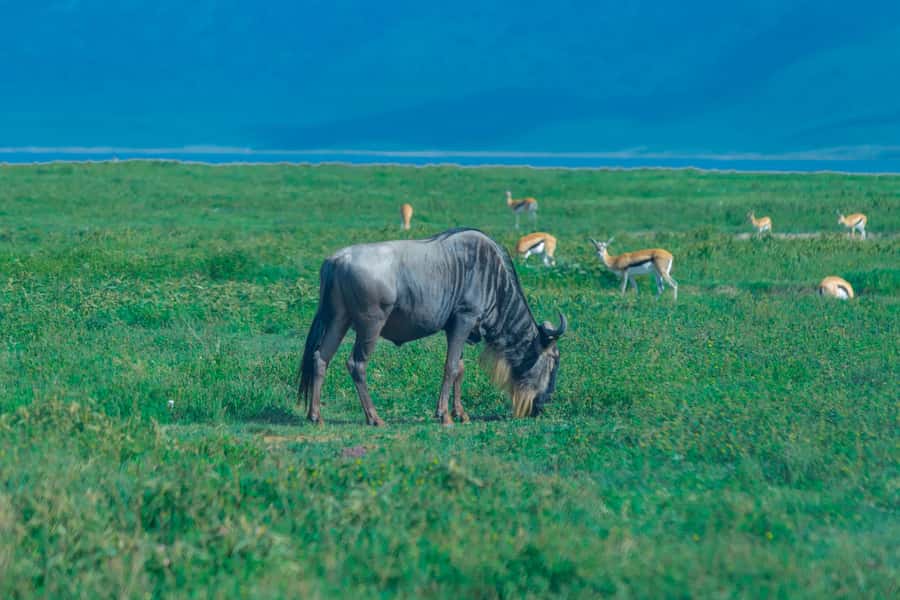
Ngorongoro is also the kind of place where the word Big Five gets used for a reason. You may not see every species every day, but the odds can be strong, and some guides are known for turning up multiple Big Five animals in a single outing. Even if you miss a particular species, the crater still delivers a serious mix: lions, rhinos, hippos, hyenas, and a whole range of antelopes.
Arusha Pickup and the Timing That Shapes Your Whole Day
This tour starts in Arusha, with hotel pickup and drop-off included for hotels in the center. If you’re staying farther out, extra cost may apply, so it’s worth confirming how close your hotel is to the pickup zone. That small detail matters, because time is the currency on safari day.
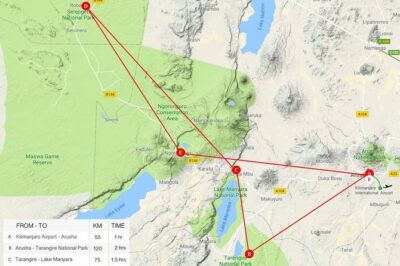
Plan for travel time. In a typical flow, you can expect a long drive from Arusha toward the park entrance, then time to get down into the caldera. In one common pattern, it can look like about 3 hours to reach the entrance area, and then around an hour to descend into the crater. So even though the tour is listed as 6 hours, I treat this as a full, busy day where the schedule can stretch with road conditions and logistics.
Here’s the practical part: if you have a tight flight or an evening commitment, build in buffer time. One unfortunate experience involved a vehicle issue late in the day, followed by a long return with multiple driver changes. That’s not guaranteed, but it is a real reminder that safari logistics can be less “clockwork” and more “wildlife first.”
The Crater-Floor Game Drive, Where Spotting Skills Actually Matter
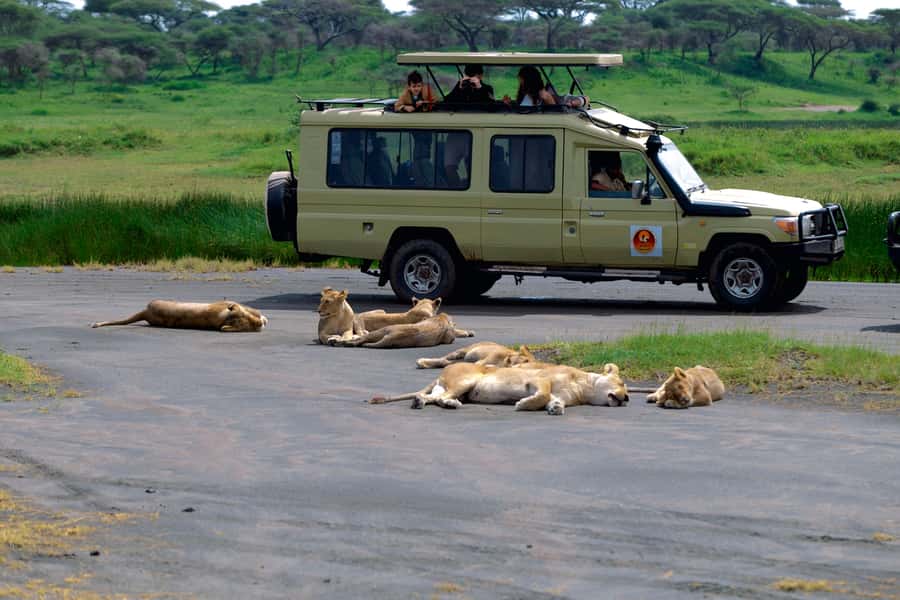
You’ll be exploring the crater floor in a safari vehicle designed for optimal game viewing. That matters more than you might think, because Ngorongoro’s best sightings often depend on angles, distance, and the ability to stop quickly without turning your day into a traffic jam.
This is where a strong guide earns their tips. Guides such as Walter and Abdallah are frequently praised for staying sharp at spotting animals, including far-away movement and subtle clues like tracks, silhouettes on the grass, or the way other animals react. When a pride of lions appears under an acacia, or when a rhino is grazing in a calmer patch, the difference between seeing it and missing it can be minutes.
In terms of pacing, the safari time on the crater floor can be around a few hours, with the rest of the day going to the drive and descent. That means you should expect a day that feels focused and motion-based, not leisurely. Your job is simple: stay ready, keep your eyes up, and be willing to adjust your plans when the guide calls for a stop.
Also, remember the rules are there for a reason. Feeding animals is not allowed, and alcohol or drugs are not allowed. Smoking is also not permitted. This keeps the wildlife behavior natural and reduces risky situations that can happen when people try to get closer.
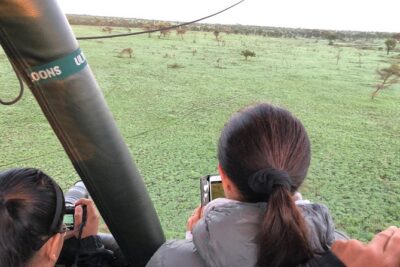
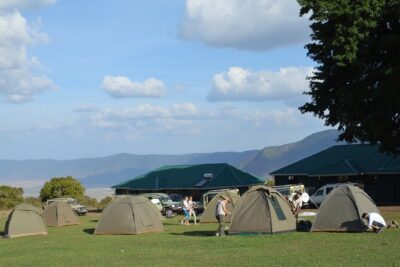
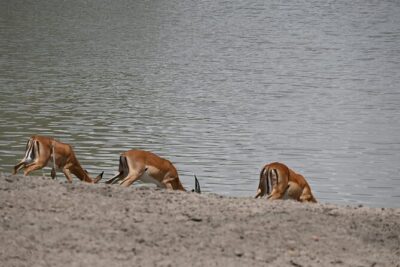
Lions Under the Acacia Tree and Rhino Grazing Moments
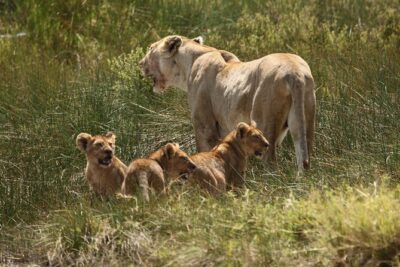
The biggest “wow” detail people love here is the lion scene. The tour highlight is straightforward: a pride of lions resting beneath a sprawling acacia tree. This kind of moment hits harder than a quick sighting because it’s about behavior. You’re not only looking at a lion, you’re watching a group settle, breathe, blink, and ignore the world the way only cats can.
Rhinos are the other headline. The crater’s ecosystem can support rhinos in a way that feels surprisingly intimate once you spot them grazing in the grasslands. The key is patience: rhino sightings often come after the guide has worked the area carefully, not after you’ve rushed around.
In both cases, your guide’s approach matters. You’ll want to stay calm, follow instructions on where to sit and when to move, and avoid doing anything that would draw attention to your group. The goal is respectful viewing that lets the animals stay comfortable.
Hippo Wetlands, Hyenas, and the “Other Stuff” That Makes It Worth It
Hippos are another signature. The tour highlight calls out playful interactions in the crater’s wetlands. If you’ve only seen hippos in pictures, this is where you learn they’re more active than people expect. Expect movement in the water, occasional snorts and splashes, and the kind of rolling behavior that makes you think, ok, that’s basically a living tank.
And then there are the extras that a guide helps you notice. The crater can bring in hyenas and a variety of antelopes, and you might also see birds depending on the day. One safari flow included sightings like flamingoes and pelicans, plus cranes and other water birds. You should treat that as a bonus rather than a promise, but it’s a good reason to bring your camera even if you came for the mammals.
This part is also why I like a small group. With only up to 6 participants, it’s easier for everyone to follow direction, keep viewing lines clear, and avoid the chaos that happens when too many people crowd around the same spot. You’ll still need to share space, but it stays manageable.
Lunch, Bottled Water, and Staying Comfortable on a Crater Day
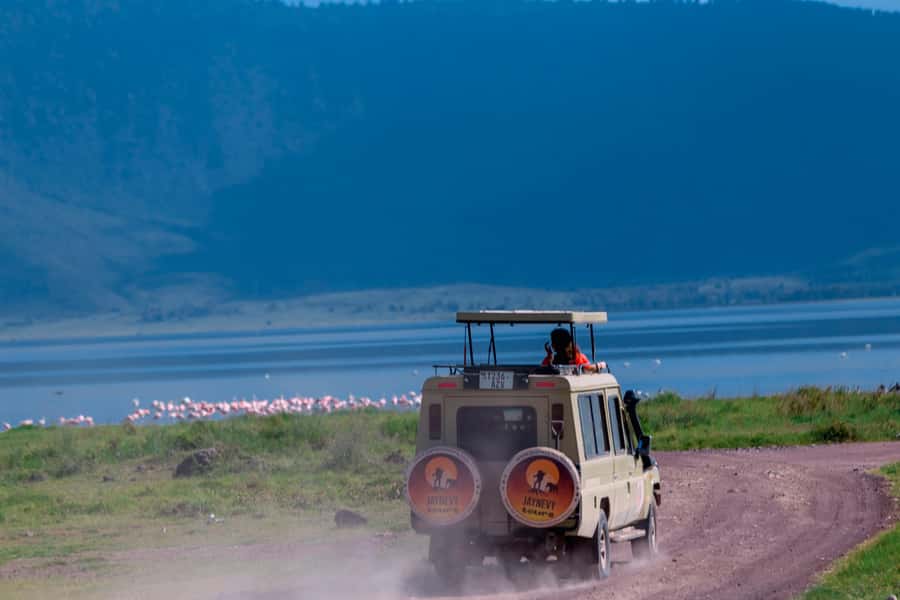
Good safari planning includes the basics: food, water, and reasonable rules. This tour includes lunch and bottled water, so you’re not guessing or hunting for a meal midway through the day. That’s a real value add, especially on a long drive day where a “quick snack” can turn into an hour delay.
One rule to note: consuming food and drinks is not allowed during the tour. Practically, that means you should treat lunch as the main meal, and plan to keep things minimal while you’re actively out spotting wildlife. Also, smoking and alcohol are not allowed.
For your comfort, bring what you need for sun and heat. You’re down in the crater and up in the sun, often within the same day. A hat and sunscreen matter, and your feet will tell the story fast if you wear the wrong shoes.
Price and Value at $260, What You’re Really Paying For
At $260 per person for about 6 hours (plus real-world driving time), you’re paying for more than just a vehicle. Your cost includes a professional guide, hotel pickup and drop-off (with the central Arusha note), entrance fees, lunch, and bottled water.
That package matters because it removes the annoying add-ons. Entrance fees are often what surprise people later, and paying separately for a guide and transport can make a “cheap safari” feel expensive once everything is counted. Here, the inclusions are clear, and the small group size helps justify the rate.
Still, here’s the honest part. Some safaris at this price point can feel like a stress test of the operator’s logistics. In at least one case, a vehicle issue late in the day meant a late return to the hotel, with multiple driver changes and a few missed plans. I wouldn’t assume that happens to you, but it’s smart to treat $260 as value only if you can tolerate schedule variability.
If your trip is built around a single free afternoon, you might want a backup plan for that day. If you’re flexible and you care more about wildlife than timing perfection, this can be a strong value.
Practical Packing List, What to Wear and What to Bring
This is a walking and waiting day, even when most of the time feels like sitting in a vehicle. Wear comfortable shoes, and choose clothing that works with sun and heat. The itinerary requires time in the crater environment, and you’ll want shoes that handle uneven ground.
Bring a hat and sunscreen. It’s not the kind of day where you can forget sun protection and hope for the best. Bring a camera if you have one, because crater lighting and animal behavior can turn into long photo sessions fast.
Also bring water. Even though bottled water is included, I like having extra room for personal thirst needs when the day runs long. And while it sounds obvious, double-check you’re not bringing anything that breaks the rules, since feeding animals is not allowed.
Who This Tour Suits Best, and Who Should Skip It
This safari is best for you if you want a classic Ngorongoro crater experience with focused game viewing and minimal crowding. It’s also a good fit if you appreciate a guide who can find wildlife quickly and interpret what you’re seeing, not just point.
It is not suitable for pregnant women, wheelchair users, or people with back problems. That’s not just a paperwork note. Safari days involve uneven surfaces, getting in and out of vehicles, and spending time in a setting where you need to move carefully.
If you’re traveling with mobility concerns, you should treat this as a hard no based on the tour’s stated limits. If you’re generally healthy but hate long drives, consider shortening your schedule elsewhere or giving yourself a buffer the night before and after.
Should You Book This Ngorongoro Crater Tour?
Book it if you want your day to center on crater-floor wildlife viewing, with lunch and water handled, and with a small group that keeps things calm. I especially like that the tour is designed for game viewing and that guides like Walter and Abdallah have a reputation for finding animals, including big sightings such as lions under an acacia and rhino grazing.
Don’t book it (or book with caution) if your schedule is too tight. Vehicle problems do happen, and when they do, you can lose hours on the return. If you’re catching a connection, build in extra time. If your hotel is outside the pickup zone in central Arusha, confirm any extra pickup cost before you lock it in.
If you’re trying to keep plans flexible, the tour offers free cancellation up to 24 hours in advance and a reserve now, pay later option. That gives you breathing room if your Arusha day needs a little adjusting.
FAQ
How long is the Ngorongoro Crater full-day safari tour?
The duration listed for the tour is 6 hours, though actual time can stretch with travel and logistics.
What’s included in the $260 per person price?
The tour includes a professional guide, hotel pickup and drop-off, entrance fees, lunch, and bottled water.
Is hotel pickup included if I stay near the center of Arusha?
Pickup is included for travelers staying at hotels in central Arusha. If your hotel is farther away, an extra cost may apply.
What languages are the guides available in?
The live tour guide is available in English, French, and Spanish.
How big is the group?
This is a small group limited to 6 participants.
What should I bring for the crater safari?
Bring comfortable shoes, a hat, a camera, sunscreen, and water.
Are there rules about what I can do during the safari?
Yes. Smoking is not allowed. Alcohol and drugs are not allowed. Feeding animals is also not allowed.
Who should not take this tour?
The tour is not suitable for pregnant women, wheelchair users, or people with back problems.
Still Thinking About the Crater?
- 3 Days Serengeti & Ngorongoro Group Camping Safari
★ 5.0 · 574 reviews - 5 Days Camping Tarangire, Serengeti & Ngorongoro crater & Visiting Maasai
★ 5.0 · 229 reviews - 4 Days Join Group tour Tarangire Serengeti and Ngorongoro crater
★ 5.0 · 219 reviews - 4-Day Safari from Arusha: Tarangire, Serengeti and Ngorongoro
★ 5.0 · 173 reviews - 2 Days Tarangire and Ngorongoro Group Camping Safari
★ 5.0 · 146 reviews
Just added from around Arusha



Ngorongoro Crater Safaris, compared.
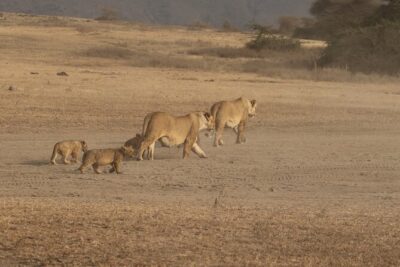 ★ 5.03 Days Serengeti & Ngorongoro Group Camping SafariFrom $815574 reviews
 ★ 5.0Safari Serengeti And NgorongoroFrom $2,845288 reviews
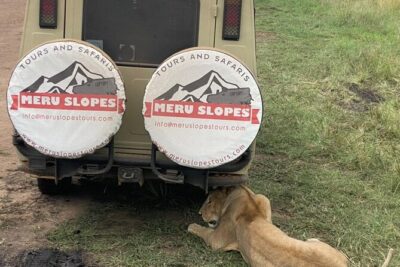 ★ 5.05 Days Camping Tarangire, Serengeti & Ngorongoro crater & Visiting MaasaiFrom $1,254229 reviews
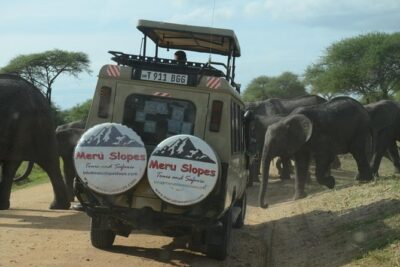 ★ 5.04 Days Join Group tour Tarangire Serengeti and Ngorongoro craterFrom $1,090219 reviews
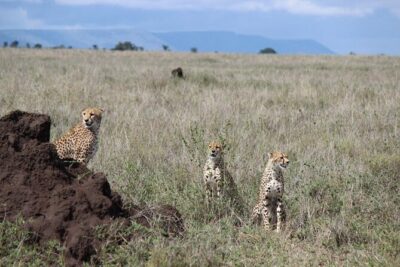 ★ 5.04-Day Safari from Arusha: Tarangire, Serengeti and NgorongoroFrom $1,753173 reviews
 ★ 5.02 Days Tarangire and Ngorongoro Group Camping SafariFrom $550146 reviews
 ★ 5.04 Days Tarangire Serengeti Ngorongoro CraterFrom $900117 reviews
 ★ 5.03 Days Tarangire, Ngorongoro & Lake Manyara Group Camping SafariFrom $700102 reviews
Browse the lists this tour appears in