
REVIEW · NGORONGORO CRATER SAFARIS
Ngorongoro Crater: Full-Day Safari Tour
Big Five sightings feel almost unfair in a single volcanic bowl. A full-day Ngorongoro Crater safari pairs rim views that stop you mid-sentence with a game drive where the wildlife density is the main event. One thing to factor in, though: the day can run tight and logistics can be messy, including late or unclear pickup timing.
This is the kind of tour where the crater itself does most of the talking. You get the UNESCO Ngorongoro Conservation Area setting, the geology, and a structured ride into the crater floor for wildlife spotting. The potential drawback is simple: if you’re expecting a long, detailed cultural Maasai segment, you may want to confirm what will actually fit into the schedule.
In This Review
- Key things to know before you go
- Ngorongoro Crater in plain terms: the UNESCO caldera you come for
- The Big Five game drive: why this crater is efficient for wildlife
- How the day runs from Arusha: pickup, crater rim, descent, and the long return
- Pickup and the ride in
- Ngorongoro time on the rim and inside the crater
- Leaving time and the return
- What the guided portion adds: geology, habitats, and the Maasai element
- Lunch, water, and what to pack for crater air
- Price and value at $291 per person: what you are paying for
- Who this Ngorongoro day trip suits best
- Should you book this Ngorongoro Crater safari with Jaynevy Tours?
- FAQ
- How long is the Ngorongoro Crater full-day safari tour?
- Where are the pickup and drop-off locations?
- What’s included in the price?
- Is the Big Five included in what we’ll try to see?
- Will I get time to see the crater viewpoints?
- Do I need to bring my own food or drinks?
- What language will the guide speak?
- Is a hot air balloon safari included?
- What should I bring and what is not allowed?
Key things to know before you go
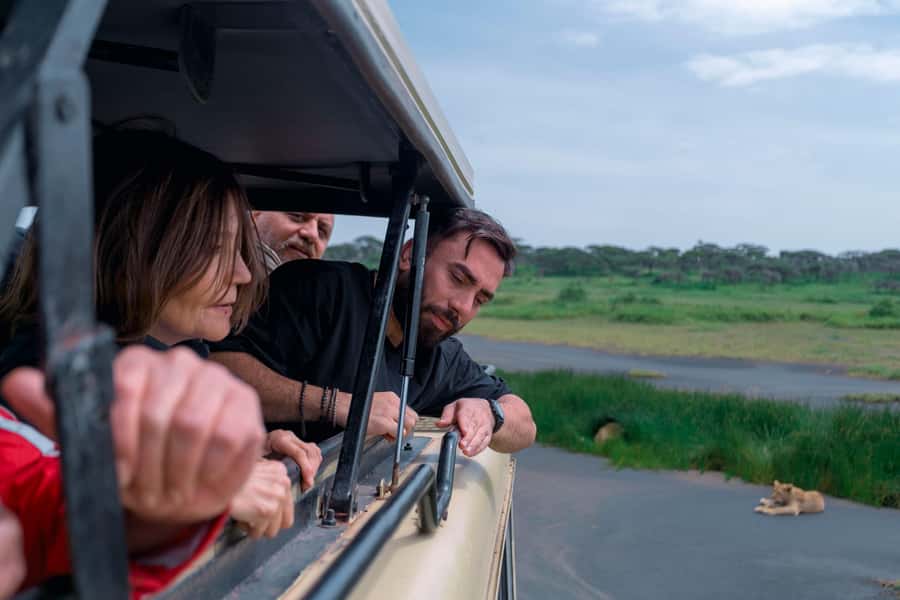
- Big Five odds: with a relatively compact crater floor and lots of animals, you have a better chance of seeing several species in one day.
- UNESCO setting: Ngorongoro Conservation Area is a UNESCO World Heritage Site, and the crater is a huge volcanic caldera.
- Geology first: the day explains how a collapsed volcano formed the crater walls, rising up to 2,000 feet.
- Multiple habitats: grasslands, swamps, forested areas, and soda lakes can mean different animal sightings.
- Bring the basics: the crater can be cooler than surrounding areas, so pack a sweater or jacket and comfy walking shoes.
- Plan for timing bumps: a few recent bookings described confusion and stress around pickup and transfers.
Other ways down into the Ngorongoro Crater
- 3 Days Serengeti & Ngorongoro Group Camping Safari★ 5.0 · 574 reviews
- 5 Days Camping Tarangire, Serengeti & Ngorongoro crater & Visiting Maasai★ 5.0 · 229 reviews
- 4 Days Join Group tour Tarangire Serengeti and Ngorongoro crater★ 5.0 · 219 reviews
- 4-Day Safari from Arusha: Tarangire, Serengeti and Ngorongoro★ 5.0 · 173 reviews
Ngorongoro Crater in plain terms: the UNESCO caldera you come for
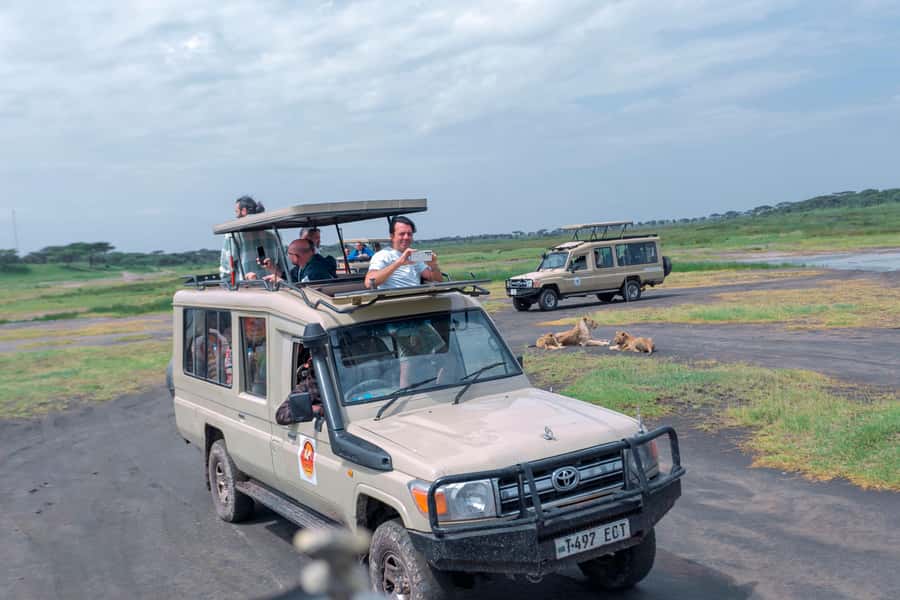
Ngorongoro Crater is not just scenery. It is a giant geological machine, a bowl-shaped depression created millions of years ago after a massive volcano collapsed following an eruption. From the rim, you’re looking at a massive set of walls that rise about 2,000 feet, and those steep boundaries are why the crater feels so alive.
This is also why the UNESCO part matters. The crater sits inside the Ngorongoro Conservation Area, which is part of the reason the ecosystem holds together so well. The tour is built around that idea: you start with the dramatic overview, then you head down so you can actually see what life looks like inside the caldera.
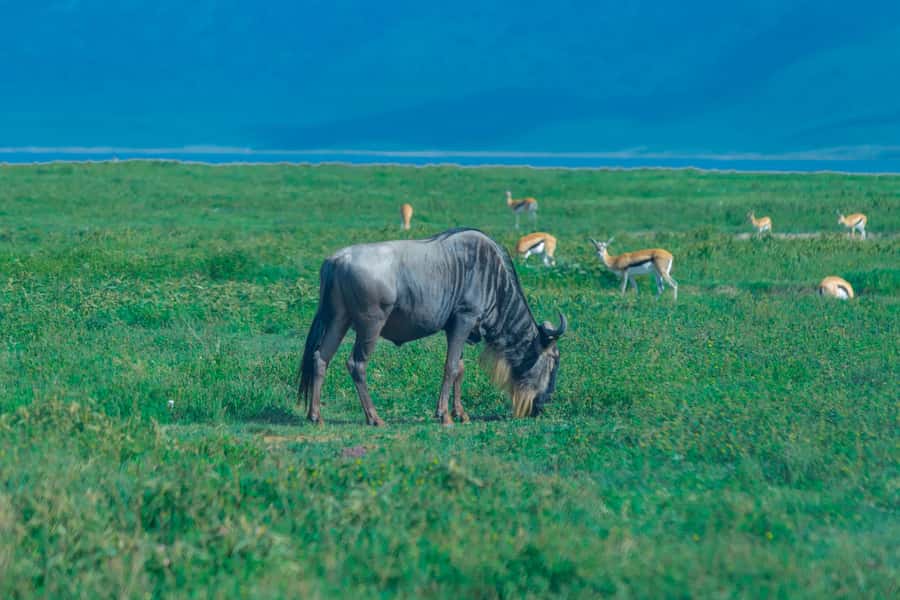
What I love about starting on the rim is how it frames everything. Before you descend, you understand why the floor can hold so many animals. It’s not random wilderness. It’s a contained environment where different habitats sit side by side, including lush grasslands, swamps, forested areas, and soda lakes.
The Big Five game drive: why this crater is efficient for wildlife
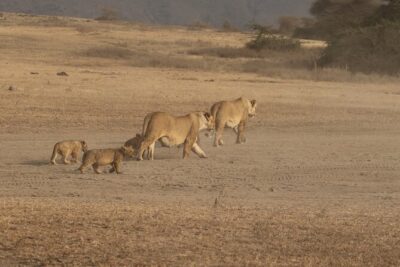
If your safari wishlist includes the Big Five (lions, leopards, elephants, buffalo, and rhinoceroses), Ngorongoro is one of the most efficient ways to chase that list. The crater floor is home to nearly 30,000 animals, and because the area is relatively small, you’re not spending half the day just trying to find the right patch of terrain.
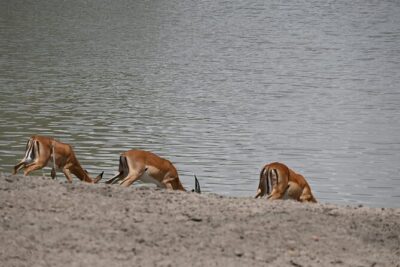
In plain terms, that means more time watching behavior, not just searching. You’re scanning for movement along grass edges, waterlines, and open areas. You’re also benefiting from the crater’s variety of micro-habitats. Lions and buffalo can show up in open grass zones. Elephants often use areas that support food and water. Rhinos and leopards may take more patience, but the point is that the ecosystem supports many different species in one place.
One practical tip: bring binoculars if you have them. The tour includes bottled water, a professional guide, and game driving time, but wildlife spotting is still a eyesight game. At Ngorongoro, the difference between seeing a shape and identifying the animal can be seconds and distance.
And yes, the wildlife viewing can be fast. That can be great if you love action and variety. It can feel a little hectic if you want long, slow stretches of one animal. My advice is to mentally switch into safari mode early in the day so you’re ready for quick turnarounds.
How the day runs from Arusha: pickup, crater rim, descent, and the long return
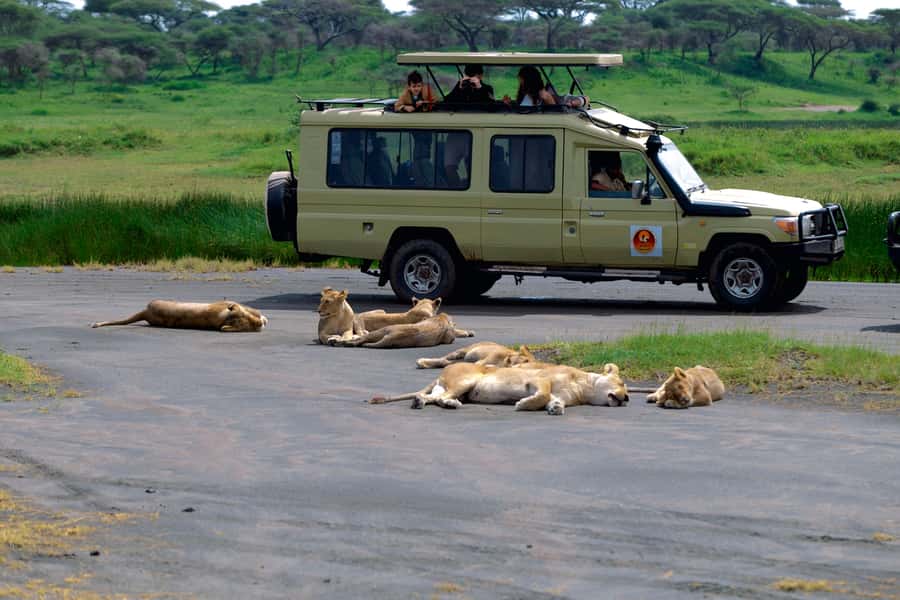
This is a full day, about 12 hours total, and the structure follows a straightforward pattern: pickup, transfer, guided crater time, then the drive back.
Pickup and the ride in
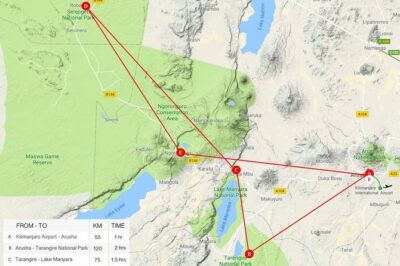
You start with a hotel pickup in the Arusha area, with multiple pickup location options listed as Mto Wa Mbu, Arusha, and Karatu. Then you’re in a Jeep or SUV for roughly 3 hours toward Ngorongoro. This early driving time matters because you want to reach the crater with enough daylight to make the game drive count.
One note from real-world experience: some recent bookings described pickups starting later than expected and confusion around who drove what, and a driver named Philip was cited in one instance as being stressed and distracted. That does not mean every departure is chaotic, but it does mean you should protect yourself by traveling with a flexible mindset and ensuring your phone works for navigation.
If you stay in Arusha the night before, plan for an early wake-up. One traveler described an ungodly departure time around 4:30am, with the vehicle not arriving until close to 5:30am. Even if your timing is smoother, early start days are rarely calm.
Ngorongoro time on the rim and inside the crater
Once you reach the crater, you shift into about 5 hours of guided time. You’ll start at the crater viewpoints, where you can absorb the scale. This is when the “Eighth Wonder of the World” style reputation makes sense, because the crater walls look like they were built by a god with a blueprint.
After the rim stop, you descend into the crater for the game drive. This is where the tour earns its keep. With the crater floor holding so many animals and multiple habitat types, your guide’s job is to help you spot and interpret what you’re seeing.
Leaving time and the return
You then head back, with another 3 hours by Jeep or SUV toward your drop-off location in Mto Wa Mbu, Arusha, or Karatu. A practical reality of full-day crater safaris is that you’re doing a lot of seat time. If you’re sensitive to long drives, bring something that helps you cope, like a travel pillow, snacks you pack yourself, and a layer for vehicle air-conditioning or early-morning chill.
What the guided portion adds: geology, habitats, and the Maasai element
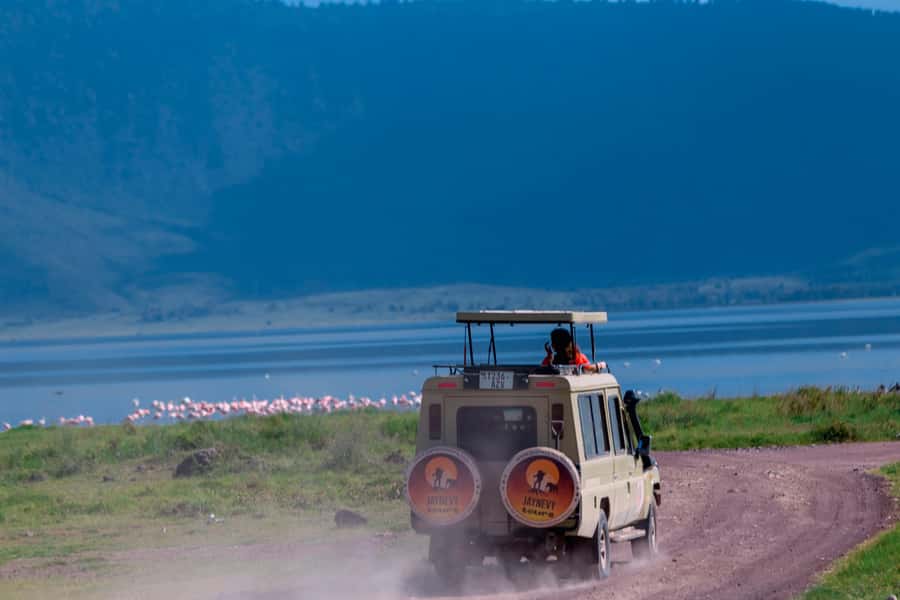
A strong Ngorongoro day trip is not only a wildlife chase. It also helps you understand the place so your photos and sightings mean more.
The geology portion is a big part of that. The crater formed from the collapse of a volcano after an eruption, leaving behind the bowl-shaped depression and steep walls. The fertile soil and sheltered setting help support a rich ecosystem, which is why you can see so much in a relatively limited area.
Then there are the habitats, which are more than scenery. When you understand that grasslands, swamps, forested areas, and soda lakes all exist within the crater, your spotting becomes more logical. Instead of scanning randomly, you start associating certain animals with certain conditions: water, cover, grazing space, and safe movement routes.
About culture: the tour highlights learning about the Maasai people and their traditional way of life. In at least one recent booking, that Maasai culture component was reported as not completed even after being raised. That’s your cue to plan smart. If Maasai culture is a must for you, ask what will be included within the scheduled time, and whether it’s a short introduction or a more meaningful visit.
Lunch, water, and what to pack for crater air
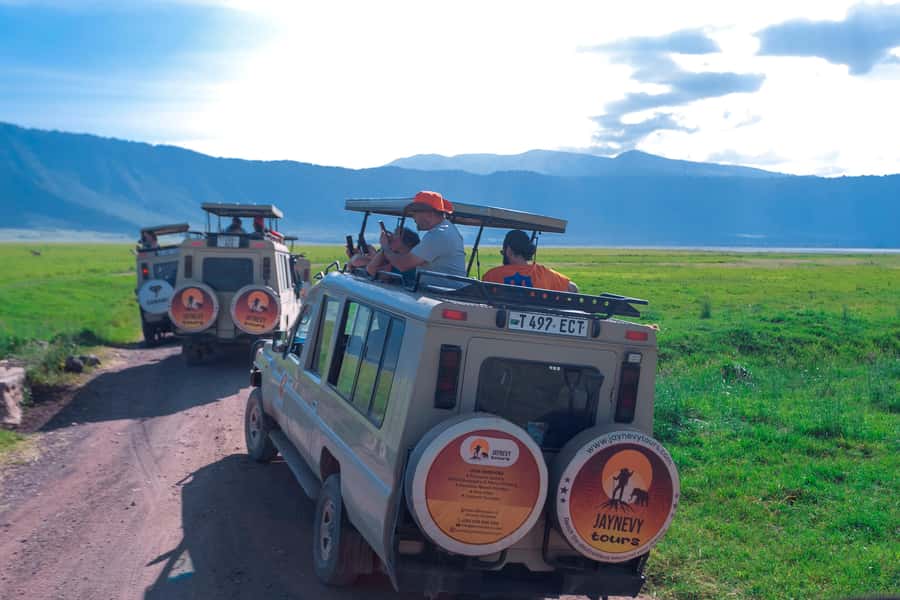
The tour includes lunch and bottled water, plus entrance fees, government taxes and levies, and a professional guide. That’s good value because wildlife safaris often come with a long list of add-ons once you’re on the ground.
Packing is still on you, though. The tour lists essentials like your passport, comfortable shoes, a sun hat, and comfortable clothes. I’d also treat binoculars as a must-have since they’re specifically recommended for wildlife viewing.
A small detail that matters: the crater can be cooler than the surrounding area. Bring a jacket or sweater even if Arusha feels warm when you leave. It’s one of those “small” upgrades that makes the long day more comfortable, especially in early hours and around the rim.
Also follow the rules that keep the day smooth: no smoking (and no smoking in the vehicle), no alcohol or drugs, no plastic bags, and no littering. You’ll also want to keep your distance from wildlife and stay respectful of the driving and viewing guidelines.
Price and value at $291 per person: what you are paying for
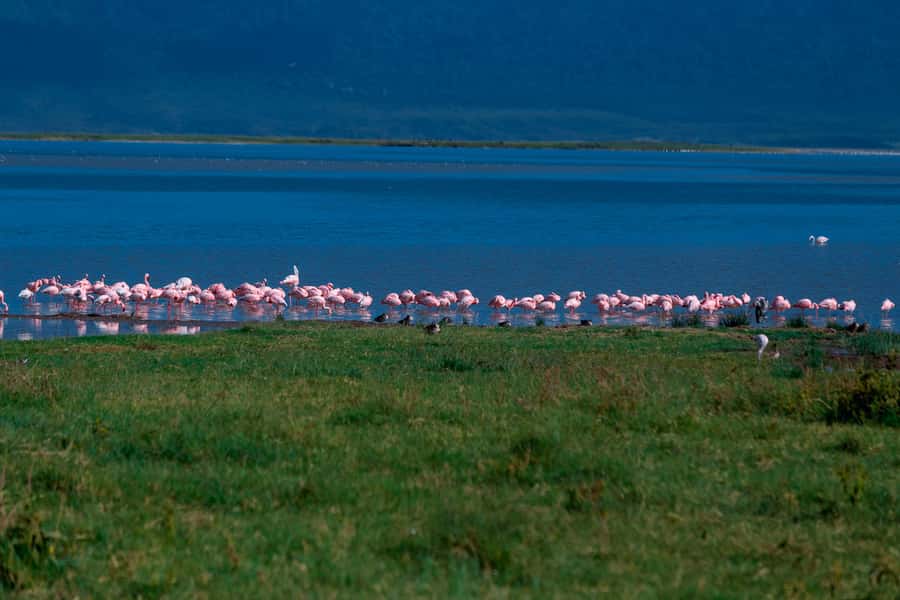
At $291 per person for a 12-hour day, this safari is priced like a full-day, organized expedition rather than a quick excursion. The value comes from several built-in components:
- hotel pickup and drop-off in the listed areas
- transport by Jeep or SUV for about 6 hours of driving total
- entrance fees and government taxes and levies
- a professional guide
- lunch and bottled water
What you do not pay for (and should plan for) includes visa fees, international and domestic flights, travel insurance, personal expenses, and optional activities like a hot air balloon safari (listed at $460 per person). If you’re only comparing sticker prices, you might miss that this is a lot of logistics handled for you, including the entry costs.
My practical advice on value: if you already have your own transport and you’re experienced in safari planning, you might find cheaper. If you do not, the inclusion of pickup, entrance fees, and a guide usually makes the day simpler and often less stressful.
Who this Ngorongoro day trip suits best
This is a good fit if:
- you have limited time and want one high-impact wildlife day
- you care about the Big Five and want a strong chance of multiple sightings
- you like learning context, including geology and how the crater’s habitats support wildlife
It may be a less ideal fit if:
- you are strict about punctuality and hate schedule changes
- you want a long, guaranteed Maasai cultural experience, since the tour is billed to include it but one booking reported it missing
- you dislike early starts and long drives, because this is a full-day commitment
If you’re traveling with kids, this tour can work, but the key is comfort. Bring layers, expect long vehicle time, and plan for breaks only when the schedule allows. The day’s structure is mostly fixed around the crater timing.
Should you book this Ngorongoro Crater safari with Jaynevy Tours?
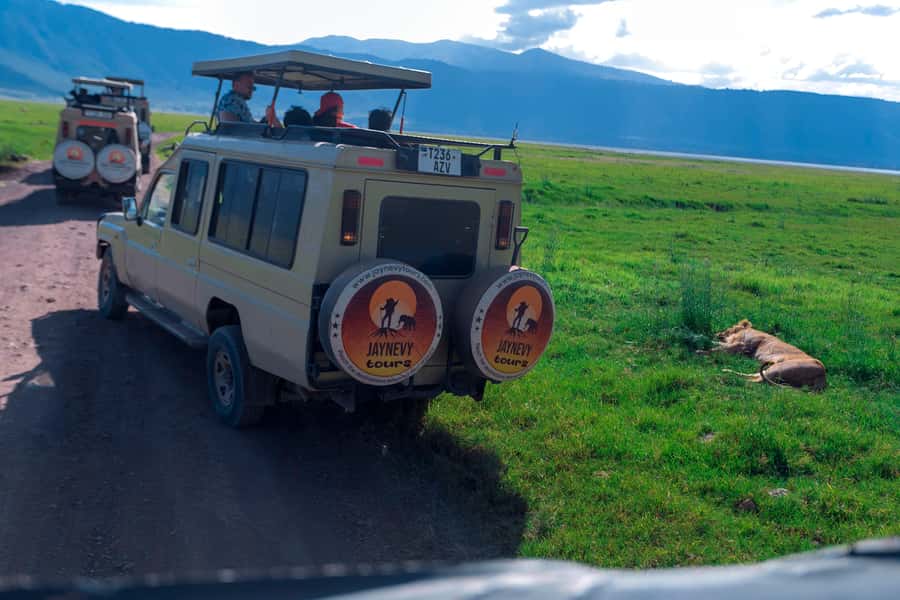
I’d book it if your goal is clear: see Ngorongoro Crater from the rim, then spend serious time on safari in the crater floor with an organized guide. The combination of UNESCO setting, dramatic geology, and big-game potential makes this a very efficient day.
I’d think twice or confirm details first if Maasai culture is a top priority or if you have a tight itinerary in Arusha afterward. Also, with some recent experiences describing rushed or stressed drivers and delayed pickups, I recommend you set expectations that the day can be less controlled than you’d hope.
If you do book, prepare like a pro: pack a jacket, wear comfy shoes, bring binoculars, and keep your schedule flexible. Then you can spend your energy on what matters most, scanning the crater floor and soaking up those rim views while the landscape does its quiet, massive work.
FAQ
How long is the Ngorongoro Crater full-day safari tour?
The tour duration is listed as 12 hours.
Where are the pickup and drop-off locations?
Pickup and drop-off locations are listed as Mto Wa Mbu, Arusha, and Karatu.
What’s included in the price?
Included are a professional guide, hotel pickup and drop-off, entrance fees, lunch, bottled water, and government taxes and levies.
Is the Big Five included in what we’ll try to see?
Yes. The tour specifically highlights spotting the Big Five in their natural habitat, including lions, leopards, elephants, buffalo, and rhinoceroses.
Will I get time to see the crater viewpoints?
Yes. The day includes time on a crater rim viewpoint area before descending for a game drive.
Do I need to bring my own food or drinks?
Lunch and bottled water are included, but it’s still smart to bring extra water if you tend to drink a lot.
What language will the guide speak?
The live tour guide is listed as available in French, English, Spanish, and German.
Is a hot air balloon safari included?
No. A hot air balloon safari is listed as optional and priced separately at $460 per person.
What should I bring and what is not allowed?
Bring your passport, comfortable shoes, a sun hat, and comfortable clothes. Smoking is not allowed (including in the vehicle), and plastic bags, alcohol and drugs, and littering are also not allowed.
Still Thinking About the Crater?
- 3 Days Serengeti & Ngorongoro Group Camping Safari
★ 5.0 · 574 reviews - 5 Days Camping Tarangire, Serengeti & Ngorongoro crater & Visiting Maasai
★ 5.0 · 229 reviews - 4 Days Join Group tour Tarangire Serengeti and Ngorongoro crater
★ 5.0 · 219 reviews - 4-Day Safari from Arusha: Tarangire, Serengeti and Ngorongoro
★ 5.0 · 173 reviews - 2 Days Tarangire and Ngorongoro Group Camping Safari
★ 5.0 · 146 reviews
Just added from around Arusha


Ngorongoro Crater Safaris, compared.
 ★ 5.03 Days Serengeti & Ngorongoro Group Camping SafariFrom $815574 reviews
 ★ 5.0Safari Serengeti And NgorongoroFrom $2,845288 reviews
 ★ 5.05 Days Camping Tarangire, Serengeti & Ngorongoro crater & Visiting MaasaiFrom $1,254229 reviews
 ★ 5.04 Days Join Group tour Tarangire Serengeti and Ngorongoro craterFrom $1,090219 reviews
 ★ 5.04-Day Safari from Arusha: Tarangire, Serengeti and NgorongoroFrom $1,753173 reviews
 ★ 5.02 Days Tarangire and Ngorongoro Group Camping SafariFrom $550146 reviews
 ★ 5.04 Days Tarangire Serengeti Ngorongoro CraterFrom $900117 reviews
 ★ 5.03 Days Tarangire, Ngorongoro & Lake Manyara Group Camping SafariFrom $700102 reviews
Browse the lists this tour appears in