
REVIEW · NGORONGORO CRATER SAFARIS
Ngorongoro Crater Day Trip
Waking up early for Ngorongoro is worth it. This is one of the world’s largest unbroken calderas that isn’t a lake, and the setting alone makes it feel like a natural theater, with steep walls rising roughly 400m to 610m around the crater floor. I especially like how this trip is built around an early game drive when animals are most active, and I also like that you get a picnic lunch plan that keeps you inside the action for longer.
If you’re considering the day trip, the main thing to weigh is time. It can be a long stretch on the move (about 6 to 15 hours, and you’ll start at 08:00), and you need reasonably good weather for the safari experience to work well.
This is also a private outing with Kwezi Safaris Ltd, so you get your own group and a driver/guide focused on locating wildlife around the crater floor rather than doing a long chain of stops.
In This Review
- Key points to know before you go
- Ngorongoro Crater: a giant caldera where animals still do their thing
- The 08:00 start from Arusha, and why timing affects sightings
- Descending into the crater floor: how the drive feels and what to watch for
- Breakfast, crater picnic lunch, and the pacing that keeps you in the game
- What you can realistically expect to see inside Ngorongoro
- Private group with Kwezi Safaris Ltd: value comes from focus
- Price and logistics: is $570.40 per person good value?
- Who this Ngorongoro day trip suits best
- Before you go: how to prepare for a long crater day
- Should you book the Ngorongoro Crater day trip?
- FAQ
- What time does the Ngorongoro Crater game drive start?
- Where is the meeting point for this tour?
- How long is the day trip?
- What is included in the price?
- What animals can I expect to see in the crater?
- Is this tour private?
- What happens if weather is poor?
- Is free cancellation available?
Key points to know before you go
- A truly big caldera: about 19 km wide and around 264 sq km, with walls towering roughly 400m to 610m
- Early crater access: game drive begins at 08:00, with a picnic lunch inside the crater area
- Your driver/guide actively works sightings: they coordinate with other safari drivers to help locate animals
- Admission and lunch included: park entrance fees plus a lunch are part of the package
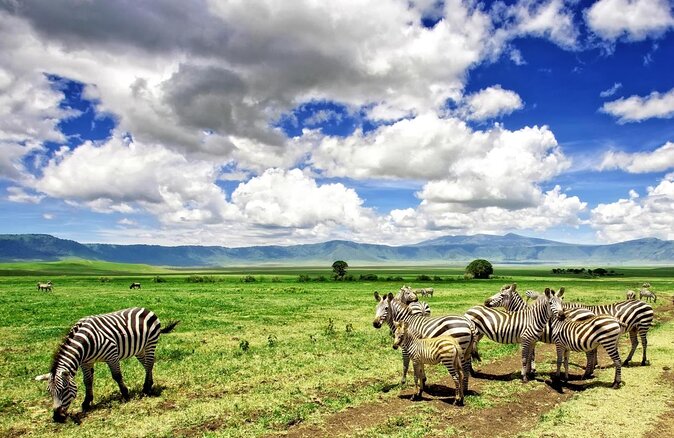
- A wide mix of wildlife and birds: lions, elephants, zebras, hippos, flamingos, rhinos, and more are part of the target list
- Weather matters: if conditions are poor, you’ll be offered a different date or a full refund
Other ways down into the Ngorongoro Crater
- 3 Days Serengeti & Ngorongoro Group Camping Safari★ 5.0 · 574 reviews
- 5 Days Camping Tarangire, Serengeti & Ngorongoro crater & Visiting Maasai★ 5.0 · 229 reviews
- 4 Days Join Group tour Tarangire Serengeti and Ngorongoro crater★ 5.0 · 219 reviews
- 4-Day Safari from Arusha: Tarangire, Serengeti and Ngorongoro★ 5.0 · 173 reviews
Ngorongoro Crater: a giant caldera where animals still do their thing
Ngorongoro isn’t just another viewpoint. The crater is a massive natural bowl, around 19 km wide with a surface area of about 264 sq km. The walls rise high, roughly 400m to 610m, which is why the crater feels enclosed and dramatic when you first start seeing the edges from outside and then descend for the drive.
Here’s the key practical takeaway: the crater’s walls act like a natural boundary, and because relatively few animals migrate in and out, you can often expect a strong chance of wildlife presence without needing to chase animals across huge distances like some safaris. That does not guarantee every species, but it changes the rhythm of the day in your favor. You’re more likely to spend meaningful time among animals rather than constantly driving and hoping.
And because it is a mix of open grasslands, swamps, and acacia woodland, you’re not only hunting for one type of sighting. One minute you may be scanning open ground, and the next you might shift attention to birds and animals near wetter areas.
The 08:00 start from Arusha, and why timing affects sightings
Your day is organized around an early start, with breakfast at your lodge followed by the drive toward Ngorongoro for the crater game drive. The game drive begins at 08:00, and the plan is for a long, full wildlife-focused morning and mid-day.
That matters because visibility and animal behavior often change quickly after sunrise. Early starts are common for good reason: animals tend to be moving and feeding earlier, and the light can make spotting easier. The crater’s steep sides also create a natural “stage,” and when you arrive in the first part of the day you generally get more time before conditions shift.
Also note that the total time is listed as roughly 6 to 15 hours (with a 10-hour expectation noted alongside admission and ticket coverage). In real life, your day can stretch based on road conditions, the timing of your drive, and how long you want to spend when you find animals. Plan as if it is a full day, not a quick excursion.
Descending into the crater floor: how the drive feels and what to watch for
Once you’re down in the crater, the experience changes from driving on highways to slow, careful scanning. You’ll be on a crater game drive designed to find wildlife across grasslands, swamps, and acacia woodland, which means you’re not only looking for big mammals. You’ll also be watching for smaller movements and the birds that often stand out when you slow down.
A big part of what makes this trip feel rewarding is how your driver/guide runs the spotting effort. The driver/guide is in contact with other safari drivers, and they use that network to locate hidden animals. That’s more than a nice detail. It can reduce that frustrating safari feeling where you keep driving past interesting areas without landing a good sighting. With crater terrain, being able to adjust quickly to where animals are active is a major advantage.
One more practical point: the crater is enclosed, so it can feel visually crowded with viewpoints from different angles. You’ll do best if you give yourself time to check wide areas before focusing on one animal. If you jump on the first thing you see, you can miss nearby action.
Breakfast, crater picnic lunch, and the pacing that keeps you in the game
The day begins with breakfast from your lodge. Then you drive to Ngorongoro Crater for the crater tour, with a planned picnic lunch included inside the crater during the game drive.
I like this approach because it reduces the usual “drive, eat, drive, repeat” problem. Staying inside the crater time window lets you focus on the safari, not the logistics. You’ll have a break, you’ll eat, and you’ll keep looking rather than losing prime daylight to transit back out and in again.
If you’re the type who gets hungry and then cranky on long days, this included lunch plan is a real quality-of-life win. You don’t have to guess where to eat or whether food stops will fit your schedule.
What you can realistically expect to see inside Ngorongoro
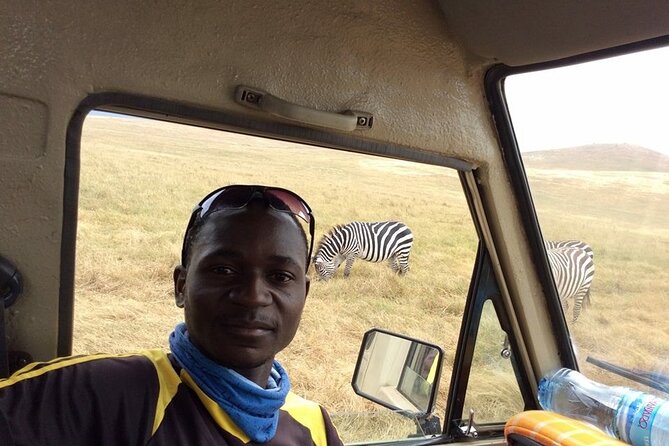
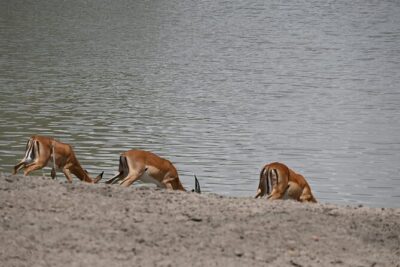
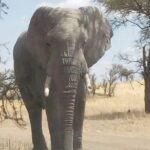
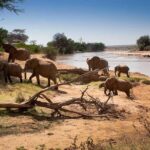
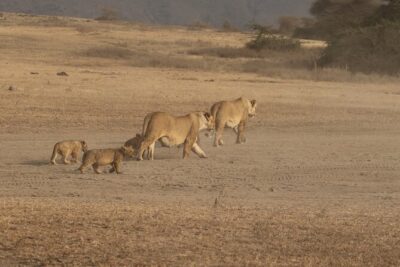
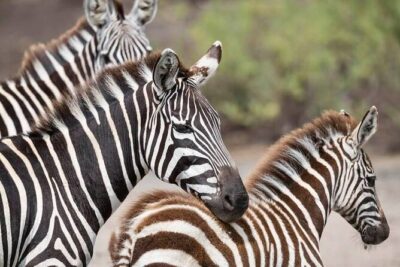
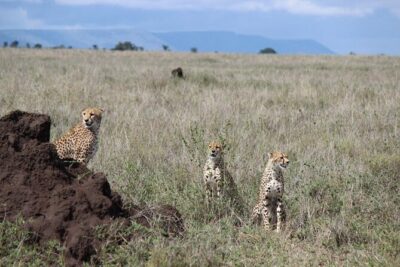
Ngorongoro’s crater floor supports a mix of habitats, and the tour is clearly aimed at delivering a broad wildlife spread. The target list includes lions, elephants, zebras, hippos, flamingos, jackals, rhinos, antelopes, and many birds.
A few “how to think about it” tips so expectations stay grounded:
- Big cats and rhinos are often possible targets on safaris, but they still depend on location and timing. Treat them as a high-priority aim, not a guaranteed checkbox.
- Hippos and flamingos link to wetter areas. When you see the group shift focus near swamps or water, that’s your cue that the day’s bird and water-area prospects are being chased.
- Birds can surprise you. Even if you’re mainly here for the big mammals, spending time scanning birdlife often means you end up with memorable moments even on slower stretches.
Also, because the crater is roughly 2000 feet high in wall height terms in the description you have, the “drop” can create a sense of scale. Once you realize how high those walls are, it makes sense why the crater can feel so separate from the outside world.
Private group with Kwezi Safaris Ltd: value comes from focus
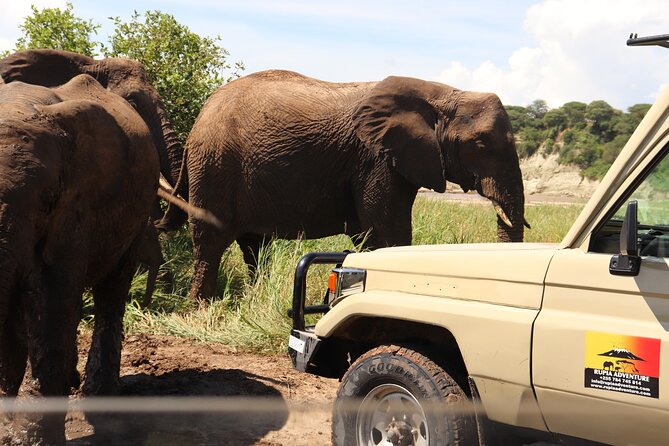
This is set up as a private tour/activity, meaning only your group participates. That changes the vibe. Instead of getting stuck in a big group that has to follow a strict pace, your driver/guide can manage the flow based on what’s happening in front of you.
Kwezi Safaris Ltd runs the experience, and the style of the day is straightforward: crater descent, game drive with a picnic lunch, then you move back out afterward for dinner and overnight at your lodge, or for your onward flight plans depending on your schedule.
In the overview, your itinerary mentions driving to your lodge for dinner and overnight, or driving to the airport for your flight. That flexibility is useful if you’re combining safari with travel days. Just make sure your own plans match the timing window so you do not feel rushed at the end of the day.
Price and logistics: is $570.40 per person good value?
At $570.40 per person, this is not a cheap outing, so the value question matters. Here’s the honest way to measure it using what’s included.
What you get included:
- Park entrance fees
- Lunch (picnic lunch during the crater game drive)
- Transportation
- Admission ticket included (so you’re not surprised by extra crater-related fees)
What you do not get included:
- Camping fees
- International flights and taxes
- Visa and passport processing
- Travel insurance
- Tips for drivers and guides
So you’re paying for a day that bundles the big cost buckets safari travelers hate paying separately: park entry and the main transport piece. Because this is private and focused on one crater, you’re also paying for time efficiency. You are not building a complex multi-park itinerary where you waste daylight transferring between regions.
Is it worth it? If Ngorongoro is the centerpiece of your Tanzanian trip, and you want a day that is mostly about wildlife in one dramatic natural setting, this price can make sense. If you’re already planning to do multiple long safaris, you might compare it against other options that include broader routes. But for a one-day crater highlight from Arusha, this package is built to deliver.
Who this Ngorongoro day trip suits best
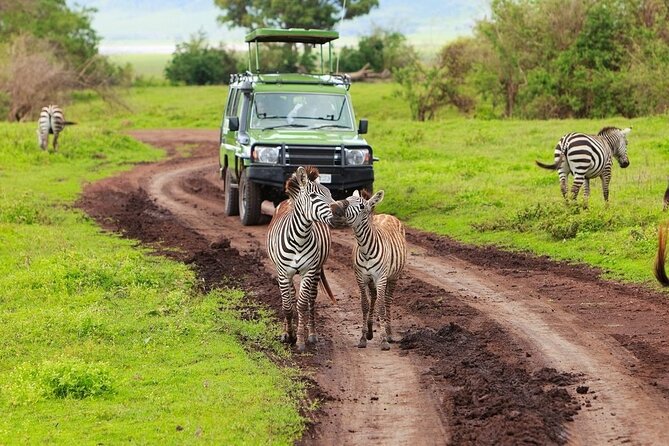
This tour fits best if you:
- Want a single, high-impact safari day rather than a long multi-stop route
- Like the idea of an organized early start and a driver/guide who focuses on locating animals
- Prefer private pacing, even if the day is long
- Are comfortable with a full crater day where you spend most of your hours scanning, waiting, and then enjoying sudden action when you find animals
It might be less ideal if:
- You hate early mornings or long driving days
- Your schedule is tight at the end of the day and you cannot absorb timing changes from road or weather conditions
Before you go: how to prepare for a long crater day
You don’t need to overthink it, but a few practical choices help.
- Start the morning well rested. You’ll be up early for breakfast and an 08:00 game drive start.
- Bring sun protection. Even in a crater, daylight and exposure can add up quickly.
- Wear layers. Mornings can feel cooler, and you may change conditions throughout the drive.
- Have binoculars if you use them on safaris. The tour is built for spotting, and better viewing helps you enjoy the birds and the smaller animal moments.
- Expect slow periods. Safari is not constant action. When things go quiet, use the time to scan wide areas and enjoy the habitats.
Finally, remember the experience requires good weather. That’s not just a scheduling note. Your ability to see animals and enjoy the drive can be affected when conditions are poor.
Should you book the Ngorongoro Crater day trip?
I’d book this if Ngorongoro is your top safari priority from Arusha and you want a well-structured day that keeps you inside the crater environment with admission and lunch included. The crater itself is the star, and the plan is clearly designed to maximize your chances through early timing and active locating of wildlife.
Pass if your schedule is too inflexible, you absolutely cannot handle a long day, or you’re only looking for the cheapest option without factoring in park fees and transportation. For the right traveler, this is the kind of experience that makes a Tanzania trip feel focused and memorable, not scattered.
FAQ
What time does the Ngorongoro Crater game drive start?
The game drive starts at 08:00, after breakfast from your lodge.
Where is the meeting point for this tour?
Start and ticket redemption are at Arusha Airport (JJJF+QXJ, Arusha, Tanzania).
How long is the day trip?
The duration is listed as approximately 6 to 15 hours (with an expectation of about 10 hours).
What is included in the price?
Park entrance fees, lunch, and transportation are included. Admission ticket is also included.
What animals can I expect to see in the crater?
The tour targets sightings of lions, elephants, zebras, hippos, flamingos, jackals, rhinos, antelopes, and many birds.
Is this tour private?
Yes. It is private, and only your group participates.
What happens if weather is poor?
The experience requires good weather. If it is canceled due to poor weather, you will be offered a different date or a full refund.
Is free cancellation available?
Yes. You can cancel up to 24 hours in advance for a full refund.
Still Thinking About the Crater?
- 3 Days Serengeti & Ngorongoro Group Camping Safari
★ 5.0 · 574 reviews - 5 Days Camping Tarangire, Serengeti & Ngorongoro crater & Visiting Maasai
★ 5.0 · 229 reviews - 4 Days Join Group tour Tarangire Serengeti and Ngorongoro crater
★ 5.0 · 219 reviews - 4-Day Safari from Arusha: Tarangire, Serengeti and Ngorongoro
★ 5.0 · 173 reviews - 2 Days Tarangire and Ngorongoro Group Camping Safari
★ 5.0 · 146 reviews
Just added from around Arusha


Ngorongoro Crater Safaris, compared.
 ★ 5.03 Days Serengeti & Ngorongoro Group Camping SafariFrom $815574 reviews
 ★ 5.0Safari Serengeti And NgorongoroFrom $2,845288 reviews
 ★ 5.05 Days Camping Tarangire, Serengeti & Ngorongoro crater & Visiting MaasaiFrom $1,254229 reviews
 ★ 5.04 Days Join Group tour Tarangire Serengeti and Ngorongoro craterFrom $1,090219 reviews
 ★ 5.04-Day Safari from Arusha: Tarangire, Serengeti and NgorongoroFrom $1,753173 reviews
 ★ 5.02 Days Tarangire and Ngorongoro Group Camping SafariFrom $550146 reviews
 ★ 5.04 Days Tarangire Serengeti Ngorongoro CraterFrom $900117 reviews
 ★ 5.03 Days Tarangire, Ngorongoro & Lake Manyara Group Camping SafariFrom $700102 reviews
Browse the lists this tour appears in