
REVIEW · NGORONGORO CRATER SAFARIS
Ngorongoro Crater Day Trip
Crater animals at sunrise, that’s the whole deal. I love the early descent from the Ngorongoro Conservation Area down to the crater floor, and I like how the schedule is built around real wildlife watching, not just quick photo stops. It’s one of the few places where lions, rhino, hippos, hyenas, and antelope are part of the day’s realistic mix.
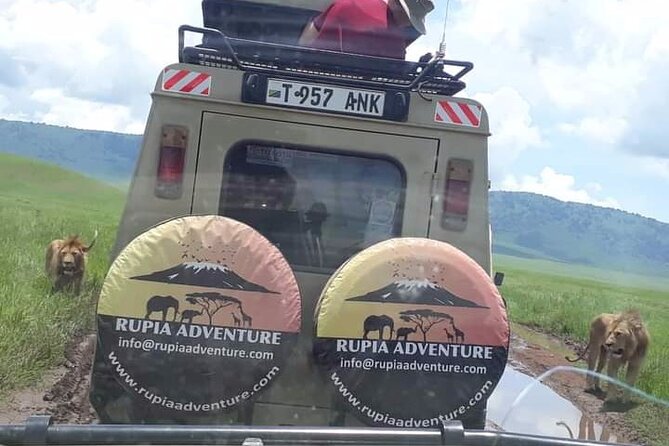
One drawback to consider is timing and logistics. You start very early from Arusha, and if anything goes wrong with the safari vehicle, it can turn a smooth day into a long wait, as shown by one reported jeep breakdown and the 4-hour delay inside the crater area.
In This Review
- Key highlights worth knowing
- Why Ngorongoro feels different from other safari days
- The all-important early start from Arusha
- Going down into the crater: the descent and first sightings
- Stop focus: Ngorongoro Conservation Area (forest, savannah, lake)
- Forest habitat moments
- Open savannah and predator energy
- Lake area and flamingos
- The picnic lunch at the crater’s view point
- Return drive and how long the crater day really lasts
- Group size, vehicle comfort, and what it means for sightings
- What you really get for the $270 price
- The one problem to take seriously: jeep breakdown risk
- Who this day trip is best for
- Practical tips to make your day smoother
- Should you book the Ngorongoro Crater Day Trip?
- FAQ
- What time does the Ngorongoro Crater day trip start?
- How long is the day trip?
- Where does the tour start and end?
- Is pickup included?
- What is included in the price?
- Are entrance fees included?
- What group size is the tour limited to?
- What is not included?
- Can I get a full refund if I cancel?
Key highlights worth knowing
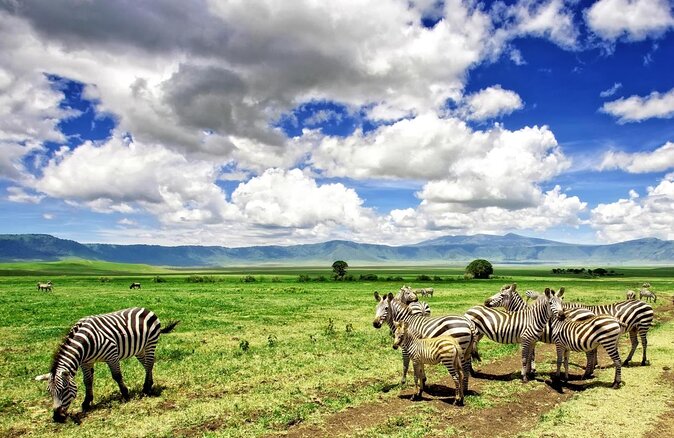
- A big crater “floor to view” plan: you go down roughly 2,000 feet and then spend the bulk of the crater time on wildlife routes.
- Picnic lunch with swamp views: you eat in the crater with a view over areas tied to hippos and birds.
- Small-group style: the day tour is capped at up to 6 travelers, which usually means less chaos at sightings and breaks.
- Guide support plus included meals: a professional driver/guide handles the day, and you get breakfast, lunch, water, and soft drinks.
- A realistic early start: starting around 5:00 am means you earn cooler air and better odds for animal activity.
Other ways down into the Ngorongoro Crater
- 3 Days Serengeti & Ngorongoro Group Camping Safari★ 5.0 · 574 reviews
- 5 Days Camping Tarangire, Serengeti & Ngorongoro crater & Visiting Maasai★ 5.0 · 229 reviews
- 4 Days Join Group tour Tarangire Serengeti and Ngorongoro crater★ 5.0 · 219 reviews
- 4-Day Safari from Arusha: Tarangire, Serengeti and Ngorongoro★ 5.0 · 173 reviews
Why Ngorongoro feels different from other safari days
Ngorongoro Crater is famous for a simple reason: it’s a closed system where animals can’t really hide from your route. The day trip format is designed around that. You’re not just driving past distant viewpoints. You’re dropping down from the conservation area into the crater floor, where the wildlife density makes your game-drive feel more like you’re on a moving wildlife map than chasing isolated sightings.
I also like that the itinerary is matter-of-fact about what you’re there for. This isn’t a long multi-stop tour that spreads the day thin. It’s a focused crater safari with breakfast before you go, a packed or lunch-box start from Arusha, then a crater picnic around early afternoon.
One more thing that matters for real value: fees and taxes are included, and the tour provides drinking water and soft drinks. That reduces the little surprise costs that can quietly inflate your final spend.
The all-important early start from Arusha
Most day trips start when you’re still half asleep. This one starts even earlier. The activity lists a start time of 5:00 am, and the day’s driving begins around 6:00 am. In practice, that means you’re ready for pickup and briefing before the sun does its full work.
Why it matters:
- Wildlife tends to be more active earlier in the day, and you often get more comfortable temperatures.
- The crater portion is scheduled as a half-day crater tour after the descent, so you’re using the morning hours for what you actually paid for.
If you’re the type who hates waking up early, I’d still say this tour is worth it, but plan for it. Bring a light layer for the morning. Even if the crater day is warm, early start mornings can feel cooler.
Going down into the crater: the descent and first sightings
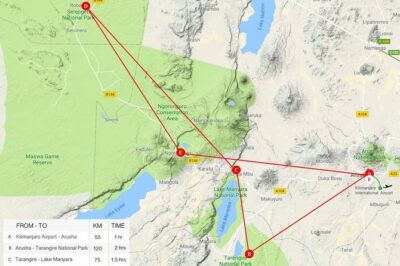
The day trip begins with movement from Arusha into the Ngorongoro Conservation Area. The itinerary notes a descent of about 2,000 feet down to the crater floor. That’s not just a dramatic detail. It changes how the day feels. The air, the sound, and the animal behavior all shift once you’re down there.
On the way into the crater zone and during the first crater loop, your route aims for forest habitat and open savannah edges, depending on where wildlife is currently active. The tour details call out a chance to see monkeys and elephants in forest habitat, plus the chance to spot lions hunting on the open savannah. That’s a big deal because it gives you variety without leaving the crater system.
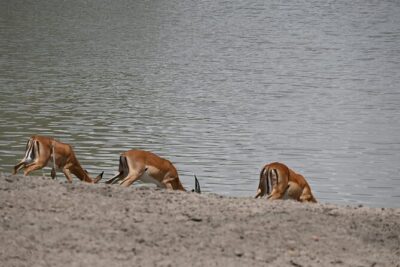
And then there’s the lake area and birdlife. The day trip description mentions flamingos near the lake region. If you’re the kind of safari traveler who loves bird sightings, that’s a nice bonus because it helps break up the day between larger mammal moments.
Stop focus: Ngorongoro Conservation Area (forest, savannah, lake)
This part of the day is doing two jobs at once: getting you down safely and setting you up for the crater’s best wildlife chances.
Forest habitat moments
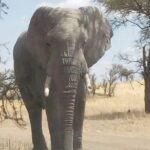
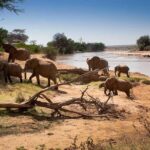
The itinerary specifically includes time in forest habitat where you might see monkeys and elephants. What I like about this is it makes the day less repetitive. Elephants in the crater area can feel both ordinary and instantly memorable, because you’re so close to the action compared to most viewing setups.
Open savannah and predator energy
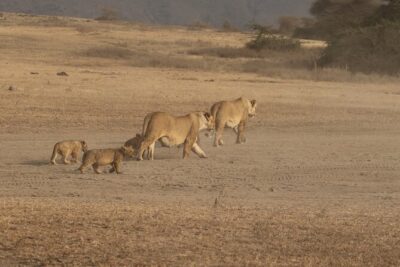
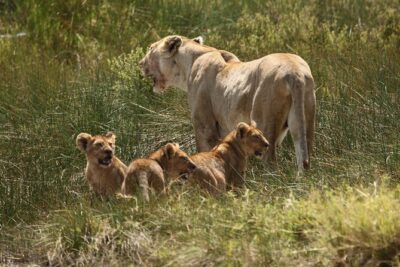
The schedule also highlights lion activity, including the possibility of lions hunting in the open savannah. If you’ve ever done a safari where predators are only theoretical, you’ll understand why this is such a strong selling point. Here, predator behavior is part of the day’s plan.
A practical tip: when you arrive at a likely predator spot, don’t rush your own pace. Take a minute to scan beyond the obvious. Lions often move in ways that make them disappear into grass lines. Your best photos and best memories come from slow attention, not just quick pointing.
Lake area and flamingos
Flamingos near the lake area are mentioned in the tour overview. If flamingos are on your must-see list, treat them as a potential bonus rather than a guarantee. Still, it’s a good sign that the route isn’t only about mammals.
The picnic lunch at the crater’s view point
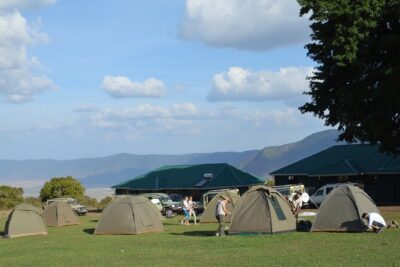
Around 1:00 pm, you’ll have picnic lunch inside the crater at a picnic site with views over swamps and bird areas. The itinerary notes hippos in the swamp zones, and that the lunch stop includes great views.
This is one of the best value moments in any safari day trip, because it reduces the time you’d otherwise spend searching for lunch options. You’re already in the right place, so you can eat without losing prime viewing hours.
What to expect:
- A picnic setup inside the crater area.
- Views over swamp and bird habitat tied to hippo activity.
What I suggest bringing, even though meals are provided: a small camera wipe or lens cloth. Dust and wind can pick up around open areas, and a quick wipe can save your whole afternoon of photos.
Return drive and how long the crater day really lasts
The full duration is listed as about 6 hours 30 minutes (approx.). The tour details also indicate you’ll drive back to Arusha or the airport in the evening. The day is structured to fit into a single working day, which is great if you’re short on time in Tanzania.
One practical consideration: because you’re starting so early, your day can feel long even if the calendar length sounds manageable. Plan a simple evening afterward. Don’t schedule a big dinner reservation at the same time you’ll be returning.
Group size, vehicle comfort, and what it means for sightings
The tour is capped at a maximum of 6 travelers. That matters more than it sounds. Smaller groups usually mean:
- Fewer people crowding around the same view angle.
- Less time spent reorganizing everyone when someone spots an animal.
- More flexible pacing when the guide decides where to drive next.
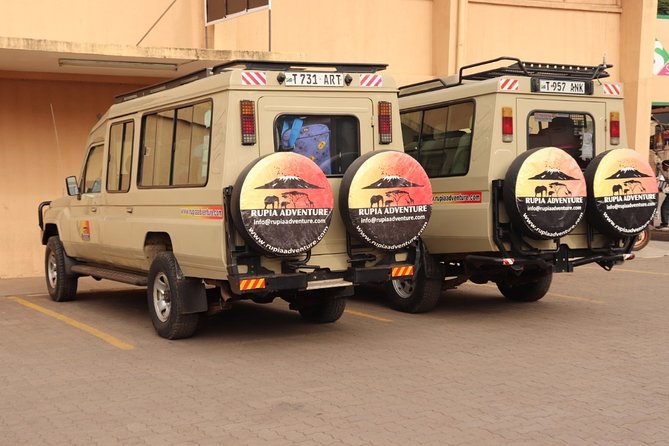
It’s still a safari vehicle day. You’ll want to dress for sun and dust, and you’ll likely do plenty of sitting and scanning. If you’re comfortable in that style of travel, this tour format works well.
What you really get for the $270 price
At $270 per person, you’re paying for a concentrated crater safari with transport, meals, and fees included. The included list covers:
- Breakfast and lunch
- Drinking water and soft drinks
- All fees and taxes
- Dietary requirements on request
- A professional driver/guide who can speak English, Spain, and French (as listed)
- Pickup offered and mobile ticket
Not included is also clearly stated: visas, tips for the driver-guide and safari cook, international flights, and travel insurance.
So what’s the value angle? You’re not piecing together a vehicle rental, paying separate entrance fees, and then trying to find lunch logistics that actually work inside the crater day timing. The tour packages those needs into one straightforward price.
If you’re traveling as a family or in a small group, confirm what “up to 6 travelers” means on your booking. Small group advantages can disappear if a tour loads up more than expected.
The one problem to take seriously: jeep breakdown risk
The rating is 4.5, but the most detailed reported issue is a safari jeep breakdown that happened as someone entered the crater. In that account, the group was stuck for around 4 hours until a rescue vehicle arrived.
That’s the real drawback to understand. Safari days depend on vehicles, and when you’re inside a rugged area, getting a spare vehicle can take time. The provider response to that situation noted they refunded the booking because urgent rescue information was sent late to the office.
What this means for you as a decision:
- The service can handle problems with a refund when breakdowns happen.
- Still, you should mentally brace for the fact that wildlife days are out in the field, not in a perfectly controlled city setting.
If vehicle breakdowns would ruin your tolerance for travel delays, consider building in buffer time around this day. Keep your next day lighter, and don’t plan anything strict right after the return drive.
Who this day trip is best for
This tour is a great fit if you:
- Want a one-day Ngorongoro experience without spending multiple days on the crater logistics.
- Prefer wildlife watching as the core activity, with lunch built into the crater timing.
- Like small-group experiences (up to 6 travelers) and don’t want a huge crowd moving from stop to stop.
- Appreciate included meals and water since those details can matter a lot on long early starts.
It may not be the best fit if:
- You hate early wakeups and long days.
- You’re extremely risk-averse about vehicle issues in remote areas.
- You want lots of time for comfort breaks beyond what the schedule allows.
Practical tips to make your day smoother
Here are the small things that make a big difference on a 5:00 am start and a crater-focused day.
- Wear layers. Morning can feel cooler, then the day warms up quickly.
- Pack sunglasses and sunscreen. Sun glare can be intense around open savannah and crater views.
- Bring a light snack in addition to lunch, just in case timing or appetite runs ahead of the picnic plan. (Meals are included, but your body might have its own schedule.)
- Keep your camera settings ready. You don’t want to lose time fiddling once you reach lion or elephant areas.
Most importantly, be patient at wildlife stops. When animals move, the best moments can arrive fast. When they don’t, waiting is part of the trade.
Should you book the Ngorongoro Crater Day Trip?
I’d say yes, with one clear condition: if early mornings and the real-world nature of safari travel feel manageable to you.
This tour has strong value signals. Meals and drinks are included. Fees and taxes are included. The crater plan is focused, with a descent around 2,000 feet, wildlife viewing built into forest and savannah areas, and a crater picnic with views over swamp and bird habitat. The small group size also makes the day feel more controlled.
The main reason to pause is the vehicle breakdown risk shown in one detailed experience. The provider response included a refund, which is the right kind of accountability, but delays can still happen.
If you have flexible timing, this is an excellent way to experience Ngorongoro in a single day from Arusha. If your travel schedule is tight or you’re easily thrown off by unexpected field delays, consider adding a buffer day so you can absorb any hiccups without stress.
FAQ
What time does the Ngorongoro Crater day trip start?
The activity lists a start time of 5:00 am, with the driving into the conservation area beginning around 6:00 am.
How long is the day trip?
The duration is listed as about 6 hours 30 minutes (approx.).
Where does the tour start and end?
It starts in Arusha, Tanzania, and ends back at the meeting point.
Is pickup included?
Yes, pickup is offered.
What is included in the price?
The tour includes breakfast, lunch, all fees and taxes, drinking water and soft drinks, and other dietary requirements on request. It also includes a professional driver/guide.
Are entrance fees included?
Yes, all fees and taxes are included in the tour.
What group size is the tour limited to?
This tour has a maximum of 6 travelers.
What is not included?
Visas, tips for the driver-guide and safari cook, international flights, and travel insurance are not included.
Can I get a full refund if I cancel?
Yes. You can cancel up to 24 hours in advance for a full refund, based on the experience’s local time.
Still Thinking About the Crater?
- 3 Days Serengeti & Ngorongoro Group Camping Safari
★ 5.0 · 574 reviews - 5 Days Camping Tarangire, Serengeti & Ngorongoro crater & Visiting Maasai
★ 5.0 · 229 reviews - 4 Days Join Group tour Tarangire Serengeti and Ngorongoro crater
★ 5.0 · 219 reviews - 4-Day Safari from Arusha: Tarangire, Serengeti and Ngorongoro
★ 5.0 · 173 reviews - 2 Days Tarangire and Ngorongoro Group Camping Safari
★ 5.0 · 146 reviews
Just added from around Arusha


Ngorongoro Crater Safaris, compared.
 ★ 5.03 Days Serengeti & Ngorongoro Group Camping SafariFrom $815574 reviews
 ★ 5.0Safari Serengeti And NgorongoroFrom $2,845288 reviews
 ★ 5.05 Days Camping Tarangire, Serengeti & Ngorongoro crater & Visiting MaasaiFrom $1,254229 reviews
 ★ 5.04 Days Join Group tour Tarangire Serengeti and Ngorongoro craterFrom $1,090219 reviews
 ★ 5.04-Day Safari from Arusha: Tarangire, Serengeti and NgorongoroFrom $1,753173 reviews
 ★ 5.02 Days Tarangire and Ngorongoro Group Camping SafariFrom $550146 reviews
 ★ 5.04 Days Tarangire Serengeti Ngorongoro CraterFrom $900117 reviews
 ★ 5.03 Days Tarangire, Ngorongoro & Lake Manyara Group Camping SafariFrom $700102 reviews
Browse the lists this tour appears in