
REVIEW · NGORONGORO CRATER SAFARIS
Ngorongoro Adventures in a day
Crater wildlife beats the classroom version. A day in the Ngorongoro Crater feels like the wildlife you expect from Tanzania is actually in front of you, living in one huge bowl. I love that the crater floor brings animals together in predictable ways, so your morning game drive has a strong chance of delivering big sightings. The plan also starts with practical Arusha pickup and an air-conditioned ride, which helps when your day begins early.
I also like that this trip stays focused and delivers the essentials: a lunch box included in the day, plus major birdwatching time where you can spot things like ostriches and kori bustards. The main drawback to plan around is simple, weather matters. This experience depends on good conditions, and if it gets canceled due to poor weather, you will be offered a different date or a full refund.
In This Review
- Key highlights that make this day trip work
- Ngorongoro Crater in one day from Arusha: why this is such a sought-after safari
- From Pangani Street to the crater: the drive and timing that shape your day
- Game drive inside the caldera: what you should look for on the crater floor
- Birdwatching payoff: ostriches to kori bustards and seasonal migrants
- Maasai grazing and conservation context: the people side of Ngorongoro
- Lunch box rhythm: eating well without losing prime viewing time
- Price and value at $311.54: what you are really paying for
- Your guide and team: what to expect from guides like Isaac and Mohamed
- Who this Ngorongoro day trip suits best
- Should you book Ngorongoro Adventures in a day?
- FAQ
- How long is the Ngorongoro day trip from Arusha?
- What does the tour cost?
- Where does the tour start, and do you return there?
- Does the tour include pickup?
- What is included in the price?
- Are alcoholic beverages included?
- How many people are in the group?
- Is the ticket mobile?
- What is the cancellation policy?
Key highlights that make this day trip work
- Small group size (max 6 travelers), so the drive and viewing feel more personal than a cattle-car safari
- Ngorongoro crater floor game viewing, where huge numbers of grazers and predators share the same space
- Bird life on the crater slopes, with a stated total of 500 bird species and special attention to seasonal migrants (Nov-Apr)
- Lunch box included, so you do not lose half the day hunting for food
- Friendly, professional guiding, with guides like Isaac, Mohamed, and Nasir praised for explanations and handling tricky conditions
Other ways down into the Ngorongoro Crater
- 3 Days Serengeti & Ngorongoro Group Camping Safari★ 5.0 · 574 reviews
- 5 Days Camping Tarangire, Serengeti & Ngorongoro crater & Visiting Maasai★ 5.0 · 229 reviews
- 4 Days Join Group tour Tarangire Serengeti and Ngorongoro crater★ 5.0 · 219 reviews
- 4-Day Safari from Arusha: Tarangire, Serengeti and Ngorongoro★ 5.0 · 173 reviews
Ngorongoro Crater in one day from Arusha: why this is such a sought-after safari
Ngorongoro Crater is not just another place to see wildlife. It is a dramatic, natural amphitheater where animals live within the crater itself. That matters because your game drive is not a long scavenger hunt across wide plains. Instead, you are moving through one concentrated setting where the ecosystem does the work for you.
The numbers people talk about are big. You are looking at estimates like thousands of wildebeest, zebra, eland, gazelles, plus predators and large mammals living in the same caldera. On top of that, the crater is presented as home to over 25,000 wild creatures and more than 60 lions, with rhinos and elephants also listed among the possibilities. That density is exactly why this day trip is often chosen as a first safari in Tanzania.
Then there is the bird angle, which many first-timers do not expect to be a major part of the day. The crater is described as supporting around 500 bird species, including ostriches, kori bustards, and the secretary bird. If you like wildlife beyond the big mammals, you can spend real time on feathers and calls, not just scanning for the next lion.
One more useful point: the crater setting also connects people to conservation. The area allows indigenous communities to live in the conservation zone, and it includes local Maasai grazing. That gives you context for what you are seeing. It is not only animals, it is a living landscape shaped by conservation rules and community life.
From Pangani Street to the crater: the drive and timing that shape your day
Your day begins in Arusha at Pangani Street, and you are taken back to that same meeting point at the end. The transfer time from Arusha to Ngorongoro is listed as about 3 hours 20 minutes for the 172.9 km route. With a total day length of 6 to 8 hours, that means the itinerary is designed for efficient time use.
You will likely ride in an air-conditioned vehicle, and pickup is offered. For me, that is not a small detail. A safari can feel tiring fast when you are bouncing around for hours. Air-conditioning does not make the day easy, but it helps you arrive at the crater with enough energy to actually enjoy the game drive instead of just enduring it.
Also, the tour is capped at a maximum of 6 travelers. That matters because smaller groups tend to move more smoothly. You spend less time waiting for everyone to sync up, and you can usually keep a better rhythm on the drive.
There is one timing tradeoff you should know. Because the format is a day trip, you are not hanging around for an all-day crater experience. You are going in the morning, focusing on the crater floor viewing, then heading back. If you love slow travel and long, wandering wildlife time, this structure may feel short. But if you want a high-impact day, this setup is built for that.
Game drive inside the caldera: what you should look for on the crater floor
The heart of the trip is the Ngorongoro Crater game drive. The experience is framed around the thrill of an early-day drive, with the expectation that you will see many animals because they live within the crater itself.
Animal viewing here is mostly about scanning intelligently and staying patient. The crater is described as supporting estimated populations like 7,000 wildebeest, 4,000 zebras, 3,000 eland, and 3,000 gazelles. Those are not just trivia numbers. They explain why you might see herds multiple times and why predator sightings can happen in close succession. In practical terms, there is often food and movement concentrated in the crater, which draws attention to the same routes and feeding areas.
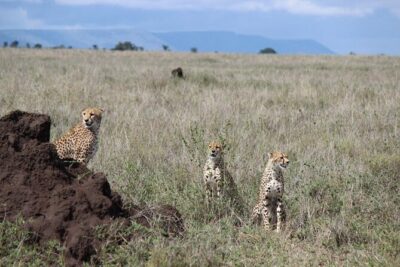
Predators are listed too, including hyenas and over 60 lions. The trip information also highlights rhinos, and it notes elephants among the population estimates (with 200 to 300 elephants listed). That mix is the reason this day trip is considered a top wildlife option. You are not forcing it to happen by luck across endless distance. The crater’s ecology is already doing the “bringing animals together” part.
Here is how to get the most out of the viewing time. Pay attention to grazing activity and movement patterns. When herds shift, predators often follow. Also, keep a basic mindset of multiple wins per hour, not one perfect sighting. With the numbers described, you are not only hunting for one animal. You are watching an entire system cycle through feeding, resting, and occasional standoffs.
Potential drawback: craters can look stunning even when you are not getting your best view angle. The good news is that your guide and driver should help you choose where to pause. The bad news is that you cannot control every viewing moment. If you go in expecting everything to be perfectly lined up, you might feel shortchanged. Go in ready for repetition. This place is meant for finding wildlife again and again.
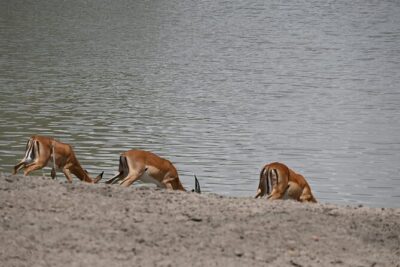
Birdwatching payoff: ostriches to kori bustards and seasonal migrants
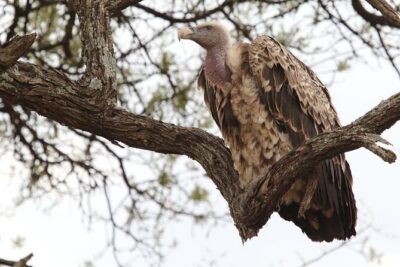
One of the most satisfying surprises of this tour plan is that it is not only a mammal safari. The crater is described as home to about 500 bird species, and the experience flags specific birds like ostriches, kori bustards, and the secretary bird.
If you like birds, this is the kind of day trip where you actually have time to notice more than just the big stuff. You can watch ostriches as a constant presence, look for kori bustards on the ground, and keep an eye out for birds that people do not see everywhere else. The secretary bird is also specifically mentioned, which gives you something concrete to ask about while you are out there.
Seasonal timing matters. The information points to November through April for migratory birds taking up residence. That means your bird list could shift depending on when you travel. If you are going during those months, ask your guide to focus the bird stops on the migrants.
Practical tip that fits this tour: bring a phone camera, but also consider binoculars if you already travel with them. You are going to be scanning. Birds reward careful looking, not just quick screenshots.
Maasai grazing and conservation context: the people side of Ngorongoro
Ngorongoro is often sold as pure wildlife drama, but the tour framing includes a people and conservation layer. Indigenous tribes are permitted to live in the conservation area, and local Maasai graze their livestock in this zone.
Why does this matter for your experience? Because it changes how you interpret what you see. You are not only looking at animals in isolation. You are seeing an ecosystem managed under conservation rules that also allow local livelihoods. That can make your sightings feel more grounded and less like a theme park.
It also adds a human-scale topic to ask your guide about during the ride and viewing. Instead of only asking what animals are doing, ask how the conservation area works and what it means for grazing and coexistence. You will likely get a clearer picture of why the crater can support so much wildlife and still allow community presence.
This is also where guiding quality really shows. When your guide can connect animals to the conservation reality, your day feels smarter. It is not only seeing lions, it is understanding why this place functions.
Lunch box rhythm: eating well without losing prime viewing time
This tour includes lunch, provided as a launch box (so a boxed meal concept). Alcoholic beverages are not included, so you should plan on water or soft drinks if you need them on the day.
Because the day is only 6 to 8 hours, meal timing is part of the schedule logic. You do not want to spend long searching for food, and you do not want a meal break that balloons into hours. A lunch box format helps keep the day moving, which matters when you want to spend more time at the crater instead of waiting around.
How to make this work for you: eat early in the day when you are hungry, not when you suddenly get hangry. Pack a small snack supplement only if you usually need it, since the tour information only guarantees the included lunch box. If you are sensitive to long drives, it is also smart to treat the lunch box as your anchor meal, not something you may push around.
If you want alcohol, you will need to arrange it separately. That is a simple choice, and it prevents the awkward moment of realizing you cannot buy what you assumed would be available.
Price and value at $311.54: what you are really paying for
The price listed is $311.54 per person for a day trip that runs about 6 to 8 hours, starting in Arusha and ending back at the meeting point. That is not a budget safari. But it is easier to judge value when you look at what is included.
You get an air-conditioned vehicle, pickup is offered, and lunch is included as a lunch box. The group size is also small, capped at 6 travelers, which you should treat as a real value point. Small-group safari days are often more about quality of time than about comfort, and this format fits that idea.
Then there is the big one: the Ngorongoro Crater setting. The tour information explains why this crater is a high-probability viewing option because animals live within the crater floor. When you put that together with a focused morning game drive and the stated animal and bird density, the price starts to look like you are paying for access to a concentrated wildlife system, not simply for transportation.
The most important “value check” for you is your travel style. If you are the type who hates long drives and wants one strong day of wildlife, this price can make sense. If you are staying longer and want to build a multi-day itinerary with extra time in multiple parks, you might choose to spend less per day and see fewer animals per outing. Value is personal, but the structure here is built for impact.
Your guide and team: what to expect from guides like Isaac and Mohamed
This tour is run by Moorland Safari and Trekking. The guiding and team experience shows up strongly in the feedback you have available, with multiple guides named.
Isaac gets praise for explanations and for what the info calls advice and lessons that make the experience feel like growth, not just sightseeing. Mohamed is praised as knowledgeable and as a great driver in tough conditions, plus he is described as super friendly. Nasir is recognized for managing the overall setup, including transportation and hotels.
You do not need to hunt for these names ahead of time, but you should use the knowledge. If you get a guide who communicates clearly, ask questions. Ask about what you are seeing in the moment, like which animals are feeding, which birds to watch for, and what behaviors signal predators nearby. The tour works best when you treat it like an active lesson, not a passive ride.
Also, pay attention to how the team drives and positions for viewing. The crater can be scenic even when you are not getting perfect angles. A skilled driver and spotter can help you maximize your view without rushing you through the viewing time.
Who this Ngorongoro day trip suits best
This is a strong fit if you want a classic Tanzania wildlife highlight without committing to a multi-day safari plan. The format is also good for first-timers. You get big mammals, predators, and bird life in one day, all anchored to the crater’s concentrated ecosystem.
The tour data also says most travelers can participate, and it notes that the meeting point is near public transportation. That suggests it can work for a range of visitors who are not requiring special arrangements.
Where it may not be ideal is if you strongly prefer slower pacing or if you want to spend all day roaming with zero schedule pressure. The day trip structure is efficient by design. You will be seeing a lot, but you will not be lingering for long golden-hour waits unless the schedule allows it.
If you want a focused wildlife day that gives you strong odds of memorable sightings, this one fits the bill.
Should you book Ngorongoro Adventures in a day?
I think you should book it if you match two things: you want a single high-impact wildlife day, and you are okay with a schedule built around the crater experience. The included lunch box, air-conditioned vehicle, and small group size all help you get the most out of limited time.
You might skip it if you are sensitive to weather disruptions or if you need lots of flexibility. Since the experience requires good weather, you will want to keep an eye on conditions and be ready for possible schedule shifts.
FAQ
How long is the Ngorongoro day trip from Arusha?
The tour runs about 6 to 8 hours total.
What does the tour cost?
The price is $311.54 per person.
Where does the tour start, and do you return there?
It starts at Pangani Street in Arusha and ends back at the same meeting point.
Does the tour include pickup?
Pickup is offered.
What is included in the price?
The included items are an air-conditioned vehicle and lunch, provided as a lunch box.
Are alcoholic beverages included?
No, alcoholic beverages are not included.
How many people are in the group?
The tour has a maximum of 6 travelers.
Is the ticket mobile?
Yes, you receive a mobile ticket.
What is the cancellation policy?
You can cancel up to 24 hours in advance for a full refund. If you cancel less than 24 hours before the experience starts, you will not be refunded. The experience requires good weather, and if it is canceled due to poor weather, you will be offered a different date or a full refund.
Still Thinking About the Crater?
- 3 Days Serengeti & Ngorongoro Group Camping Safari
★ 5.0 · 574 reviews - 5 Days Camping Tarangire, Serengeti & Ngorongoro crater & Visiting Maasai
★ 5.0 · 229 reviews - 4 Days Join Group tour Tarangire Serengeti and Ngorongoro crater
★ 5.0 · 219 reviews - 4-Day Safari from Arusha: Tarangire, Serengeti and Ngorongoro
★ 5.0 · 173 reviews - 2 Days Tarangire and Ngorongoro Group Camping Safari
★ 5.0 · 146 reviews
Just added from around Arusha




Ngorongoro Crater Safaris, compared.
 ★ 5.03 Days Serengeti & Ngorongoro Group Camping SafariFrom $815574 reviews
 ★ 5.0Safari Serengeti And NgorongoroFrom $2,845288 reviews
 ★ 5.05 Days Camping Tarangire, Serengeti & Ngorongoro crater & Visiting MaasaiFrom $1,254229 reviews
 ★ 5.04 Days Join Group tour Tarangire Serengeti and Ngorongoro craterFrom $1,090219 reviews
 ★ 5.04-Day Safari from Arusha: Tarangire, Serengeti and NgorongoroFrom $1,753173 reviews
 ★ 5.02 Days Tarangire and Ngorongoro Group Camping SafariFrom $550146 reviews
 ★ 5.04 Days Tarangire Serengeti Ngorongoro CraterFrom $900117 reviews
 ★ 5.03 Days Tarangire, Ngorongoro & Lake Manyara Group Camping SafariFrom $700102 reviews
Browse the lists this tour appears in