
REVIEW · WATERFALLS AND COFFEE FARM TOURS
Materuni waterfalls and coffee Tour
Materuni day trip feels like two tours in one. You get Materuni Waterfalls and a coffee stop, plus time around the people who live on Kilimanjaro’s base. I like that it’s not only scenery, it’s also hands-on and human.
My favorite part is the coffee farm experience, where you learn how beans go from harvest to a cup. You’ll get to prepare your own coffee and taste it, not just watch from the sidelines. That makes the whole thing feel practical, not staged.
One consideration: this trip depends on weather. If conditions are poor, the outing may change dates, so plan some flexibility.
In This Review
- Key things to know before you go
- From Moshi to Materuni: a focused half day near Kilimanjaro
- Materuni Village at the Kilimanjaro base: more than a photo stop
- Coffee farm stop: how beans turn into a cup
- Preparing your own coffee: a small skill that feels real
- The Chagga culture conversation: what you should listen for
- Lunch included: fuel for the hike and the swim
- Uru Village hike to Materuni Waterfalls: what the walking part really is
- The waterfall moment: cooling off and resetting your senses
- Price and value: what $80 buys you in this region
- What to bring for Materuni: small items that prevent big annoyances
- Who this tour is best for, and who should think twice
- Should you book the Materuni waterfalls and coffee tour?
- FAQ
- How long is the Materuni waterfalls and coffee tour?
- How much does the Materuni waterfalls and coffee tour cost?
- Is pickup included?
- What’s included in the tour price?
- What isn’t included?
- What do I do during the coffee farm part?
- Is there time to swim at the waterfalls?
- What happens if weather is poor?
- Is the tour private?
Key things to know before you go
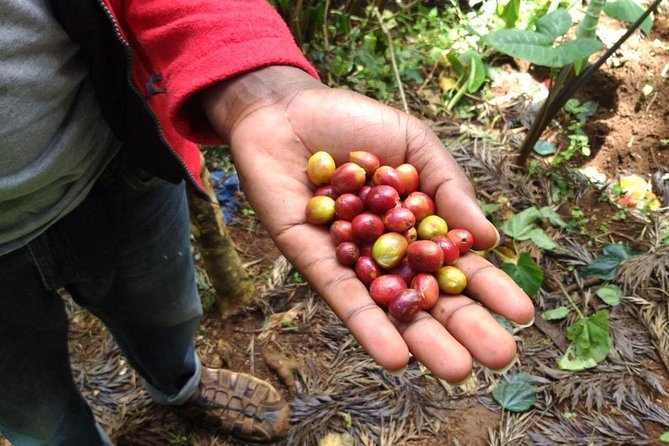
- Coffee-to-cup practice at a local farm, including preparing a fresh cup and tasting it
- Materuni Village + Chagga culture talk, with real context from your guide, including history and everyday life
- A short hike to the waterfalls, paced by your guide and suited to most visitors who can handle light walking
- A refreshing dip at the falls, if water conditions and safety allow during your visit
- Lunch and water included, which helps make the day feel complete without extra stops
More waterfall and coffee farm mornings
- Materuni Waterfall, Coffee Tour and Picnic Hot Lunch★ 5.0 · 128 reviews
- Arusha or Moshi : Hot Spring, Waterfall & Coffee Farm Tour★ 4.8 · 80 reviews
- Materuni Waterfalls, Chemka Hot Springs, &/Or Coffee Tour★ 4.8 · 76 reviews
- Kilimanjaro: Village Walk, Coffee Tour, Waterfall, and Lunch★ 4.5 · 56 reviews
From Moshi to Materuni: a focused half day near Kilimanjaro
This is a 5 hour outing from Moshi, built as a straight line between three moments: village life, coffee, and waterfalls. The nice part is the structure. You do not waste time zigzagging around town, and you’re not stuck on one activity for hours.
Because it’s a private tour with private transportation, your guide can shape the pace. That matters on this route, since there is a hike involved and not everyone starts the day with the same energy level. In one experience with Jackson, the guide was patient with someone who had bad knees and a bad back, and adjusted so the group could still enjoy the day. If you need a slower tempo, this is exactly the kind of tour where a good guide can help.
The day runs on Tuesdays within the 7:00 AM to 2:30 PM window. A 5 hour tour fits best when you treat it as a morning to early afternoon plan, especially in the heat where you want shade for the hike and time to cool off at the end.
Materuni Village at the Kilimanjaro base: more than a photo stop
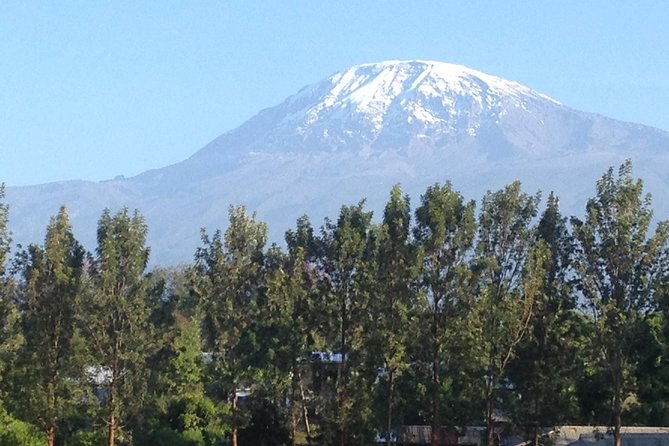
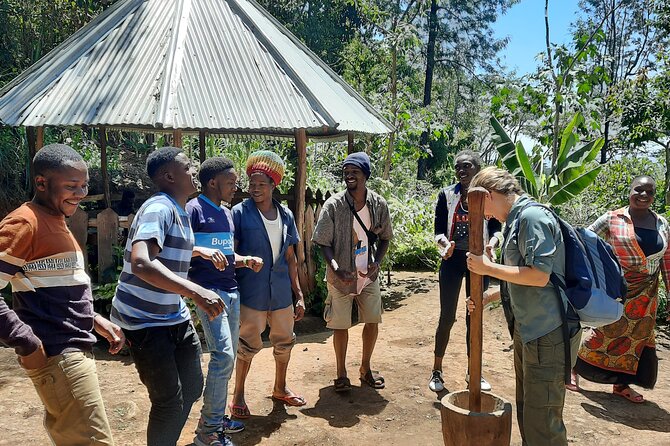
Materuni Village sits at the base of Mount Kilimanjaro, and the tour uses that location in a smart way. Instead of treating the village as a quick photo stop, you spend time around locals and learn about their everyday lifestyle.
This is where the tour earns its value for people who want authentic, real-world travel. The best part of these village stops is that you get to ask questions and connect dots between what you see and how people live here. You’re also in the right setting for learning about the Chagga people, a native tribe connected to the slopes of Kilimanjaro.
You’ll likely notice how the landscape shapes routine. Kilimanjaro’s presence is not just a view, it influences agriculture, daily work, and the way people talk about seasons. Even if you only catch a few stories, you end up understanding why the coffee farm stop makes sense in this region.
One small drawback for some people: village and cultural time can feel less predictable than pure sightseeing. If you prefer everything to be tightly timed and strictly scheduled by minutes, you may find the human part of the day a bit more fluid. That said, that flexibility is also what makes it feel genuine.
Coffee farm stop: how beans turn into a cup
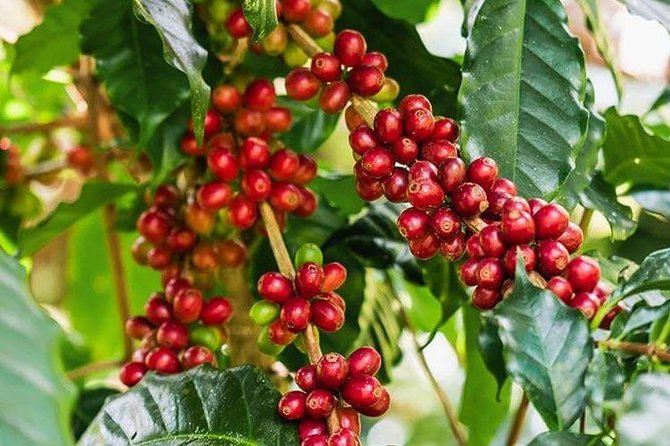
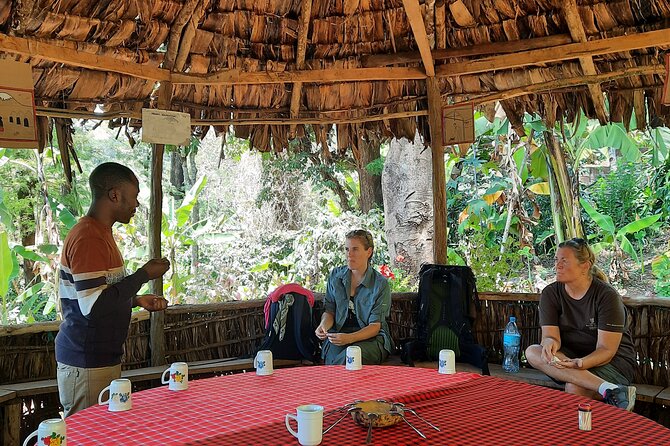
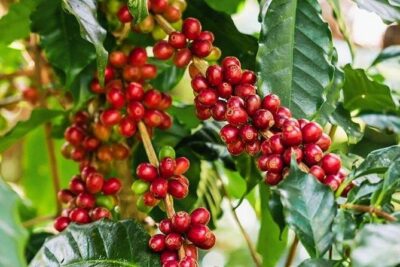
The coffee farm portion is hands-on, which is exactly what you want on a Kilimanjaro area tour. The day begins by visiting a small local farm to learn how coffee is harvested and produced, from bean to cup. You should expect explanations of the steps involved, since this tour is designed around learning and doing, not just taking photos.
What I like here is the practical angle. Coffee is everywhere in tourism stories, but not everyone teaches you the actual process in a way that sticks. This experience is set up so you can understand why coffee tastes the way it does, because you see how the work gets done and you prepare your own cup.
You also get water as part of the experience. That might sound minor, but it helps a lot when you’re standing, walking short distances, and tasting something that takes time. It also keeps the day from feeling like you need to keep buying extra things just to make it through.
And yes, you’ll taste the coffee you help make. That moment is the payoff. It’s one thing to hear the story of coffee production. It’s another to smell it, grind or prepare it the way you’re shown, and drink it while the steps are still fresh in your mind.
If you’re a coffee fan, you’ll probably come away with questions about roast levels and flavor notes. If you are not a coffee fan, you’ll still enjoy the process because it’s tied to local agriculture and daily life around Kilimanjaro.


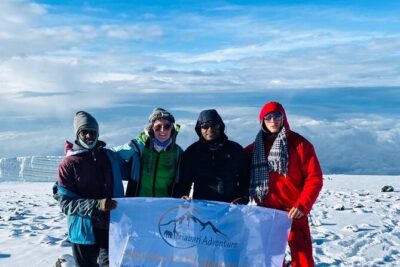
Preparing your own coffee: a small skill that feels real
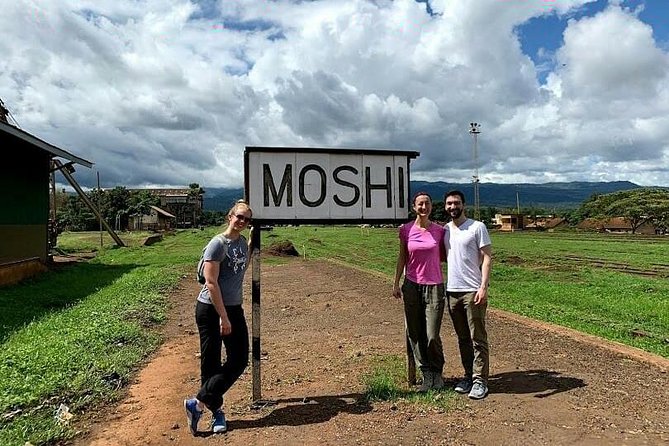
A lot of tours claim you’ll do something hands-on. This one follows through with preparing a fresh cup and tasting it. That means you’re not just looking at tools, you’re using them, even if only in simple steps.
Think of it like this: you’re learning the story of coffee through your hands. That makes it memorable. It also gives you something to compare later, when you order coffee back home and recognize which brewing steps you likely handled or learned about.
Be ready for the pace to be unhurried. You’ll have time to talk with your guide and ask questions. This part of the experience works best when you go in curious, not rushing toward the next big view.
The Chagga culture conversation: what you should listen for
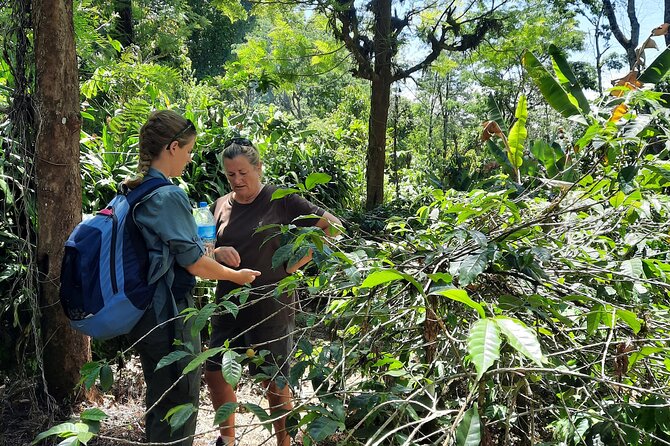
Part of the coffee farm time is also a chance to talk with locals and learn about Chagga history and the way people live on Kilimanjaro’s slopes. You do not need to be a history buff to get value from this, because the real goal is context.
Listen for how farming, land, and seasons show up in daily life. Even short explanations can help you understand why someone might talk about their community in a certain way, or why certain crops and practices matter in this area.
This is also where guide quality matters. Jackson was specifically praised for being friendly and patient, and he even gave pep talks during the day. That kind of energy matters on a tour with a hike, because it keeps the group comfortable and motivated when the walking part starts to feel longer than expected.
If you want more than a generic overview, come prepared with a few simple questions, like:
- How does coffee fit into daily life here?
- What changes across seasons at the Kilimanjaro base?
- How do people use the land around their village?
You’ll get more out of the conversation if you let it be a dialogue, not a one-way lecture.
Lunch included: fuel for the hike and the swim
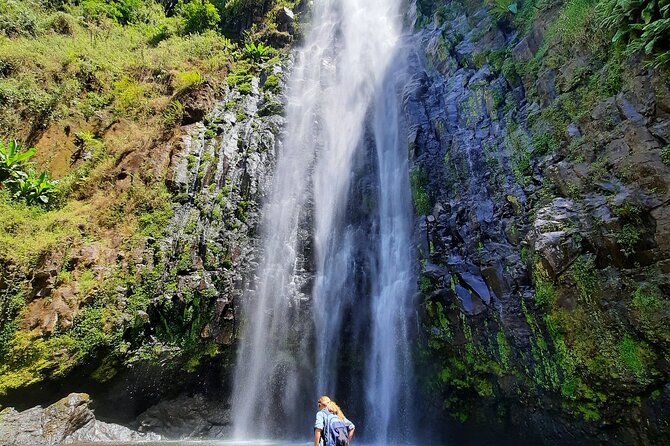
Lunch is included, along with water. That matters because the waterfalls section requires energy, and you’re likely to arrive hungry after the coffee learning time.
For most visitors, lunch is what turns this from a half-day activity into a full experience. You don’t have to hunt for food at the right moment, and you’re more likely to enjoy the hike instead of pushing through it on empty stomach.
It also helps you stick with the tour rhythm. You can focus on the day rather than on logistics like finding a place to eat.
Uru Village hike to Materuni Waterfalls: what the walking part really is
After lunch, you take a short hike to the surrounding waterfalls in Uru Village. This is the main nature segment of the tour, and it’s the one you should plan for physically.
Because the tour is private, your guide can help manage pacing. If someone in your group has mobility issues, the tour is still worth considering, as long as you’re comfortable with walking at a moderate level. The praise for Jackson’s patience shows that the tour can work even when the group needs encouragement or a slower tempo.
The trail is described as a trek along a trail, and the hike is followed by the payoff: time at the falls.
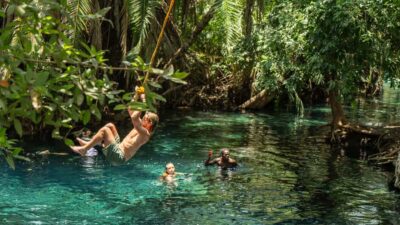
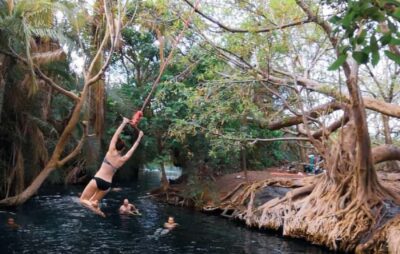
What to expect at the end: a chance to enjoy a refreshing dip. That’s one of the biggest reasons people book this tour. It turns a waterfall viewpoint into an experience you feel in your body, not just one you photograph.
Safety note: the tour highlights a refreshing swim, but water conditions can affect how comfortable it is. Go with your guide’s judgment on where to enter and how long to stay.
The waterfall moment: cooling off and resetting your senses
Materuni Waterfalls are the centerpiece. The feel of this section is different from the farm and village areas, because now you’re dealing with moving water, humidity, and a more rugged environment.
I love waterfall stops where you can do more than stand still. A dip gives you that reset. It also makes the climb feel worth it, since you get an immediate reward rather than waiting for a later meal or attraction.
If you’re traveling with kids or older relatives, this is also a good check point. The hike is short enough that you can gauge comfort levels early, and the swim option can be kept casual rather than forced.
In short, the waterfalls phase gives you the best “end of tour memory.” If your day has one moment you’ll talk about later, it’s usually the first time you feel the water and hear the falls close up.
Price and value: what $80 buys you in this region
At $80 per person for a 5 hour private tour, you’re paying for three things at once: transport, guiding, and inclusions. This matters more than the headline price, because the tour covers real costs that many independent travelers end up paying piecemeal.
Included in the experience are:
- Private transportation
- All fees and taxes
- Experience guide
- Water
- Lunch
Not included are airport transfers, tips for the crew, and alcohol. That’s pretty standard, but it also means you should budget a little extra for gratuities if you want to tip, and if you plan to drink alcohol, plan to buy it separately.
Is it a bargain? It can be, especially compared with doing coffee, village time, and a waterfall hike separately. The convenience of having someone handle the flow of the day is a big part of the value. Plus, private transport reduces waiting and keeps you on schedule.
Who gets the best value: people who want to see Kilimanjaro’s base region beyond the viewpoint, and who like learning through doing, like the coffee prep.
What to bring for Materuni: small items that prevent big annoyances
This is a short day, but you will be outdoors for much of it. Pack for comfort and for the possibility of getting wet at the falls.
Bring:
- Comfortable shoes for the hike
- A light layer, since mountain-base mornings and afternoons can vary
- A towel or quick-dry cloth for the swim option
- Sunscreen and insect repellent, since you’ll be outside during daylight
- A dry bag or zip bag for your phone or wallet during the waterfall dip
If you wear something you can get wet, you’ll enjoy the swimming moment more. If you plan to skip the swim, still dress for walking, because the trail section is part of the experience, not an optional add-on.
Who this tour is best for, and who should think twice
This tour shines if you want:
- Hands-on coffee learning rather than a sit-and-watch visit
- A short hike with a clear payoff
- Cultural context connected to Chagga life and Kilimanjaro’s base
It can also work well for people with limited tolerance for long treks, because it’s designed as a short hike within a 5 hour window. The key is to be honest about mobility needs and let your guide know early. Jackson’s patience in one praised experience is a good sign that the guide can manage the group with care.
Who might think twice:
- If you hate hikes entirely, you may find the walking portion uncomfortable.
- If you need everything indoors or perfectly timed, the village and culture conversation may feel less structured.
- If you have no flexibility at all and bad weather would ruin your schedule, note that this experience requires good weather.
Should you book the Materuni waterfalls and coffee tour?
Book it if you want a real day in the Kilimanjaro foothills that mixes culture, farming, and a physical payoff. The biggest reasons are the coffee prep and the fact that the tour includes lunch and water, so you can focus on enjoying the experience.
Don’t book it if you’re only chasing the simplest sightseeing and you dislike short hikes. Also, if your calendar is rigid and weather changes would stress you out, keep an eye on forecast conditions and consider how you’d handle a date adjustment.
One more practical tip: bring curiosity. Ask questions during the coffee and culture conversation, and be open to a slower pace if your group needs it. With the right attitude, this is the kind of tour that leaves you with more than photos. You leave with a sense of place.
FAQ
How long is the Materuni waterfalls and coffee tour?
The tour is about 5 hours.
How much does the Materuni waterfalls and coffee tour cost?
The price is $80.00 per person.
Is pickup included?
Pickup is offered, and the tour also includes private transportation.
What’s included in the tour price?
Included are private transportation, all fees and taxes, an experience guide, water, and lunch.
What isn’t included?
Airport transfer, tips for the crew, and alcohol are not included.
What do I do during the coffee farm part?
You visit a small local farm, learn about coffee harvesting and production from bean to cup, and you get a chance to prepare your own coffee and taste it.
Is there time to swim at the waterfalls?
Yes, the tour includes time to enjoy a refreshing dip in the waters at the waterfalls.
What happens if weather is poor?
This experience requires good weather. If it’s canceled due to poor weather, you’ll be offered a different date or a full refund.
Is the tour private?
Yes. It is a private tour/activity, and only your group participates.
Waterfalls and Coffee, Keep Going
- Materuni Waterfall, Coffee Tour and Picnic Hot Lunch
★ 5.0 · 128 reviews - Arusha or Moshi : Hot Spring, Waterfall & Coffee Farm Tour
★ 4.8 · 80 reviews - Materuni Waterfalls, Chemka Hot Springs, &/Or Coffee Tour
★ 4.8 · 76 reviews - Kilimanjaro: Village Walk, Coffee Tour, Waterfall, and Lunch
★ 4.5 · 56 reviews - Private Tour to Materuni waterfalls, coffee tour & Kikuletwa hot- springs
★ 5.0 · 49 reviews
Just added from around Moshi




Waterfalls and Coffee Farm Tours, compared.
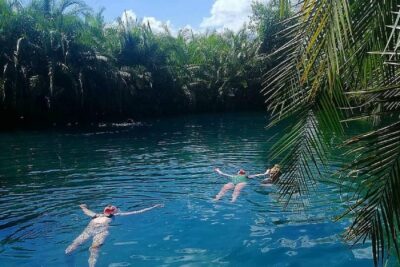 ★ 5.0Materuni Waterfalls, coffee tour & Kikuletwa Hot SpringsFrom $100643 reviews
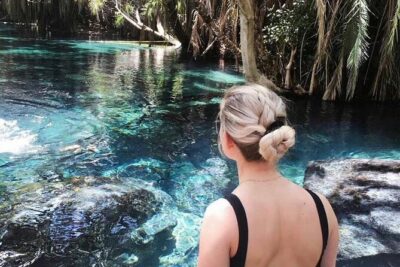 ★ 5.0Materuni Waterfalls & Chemka Hotsprings Day TripFrom $100214 reviews
 ★ 5.0Materuni waterfalls coffee tour & Chemka hot springs Day tripFrom $95131 reviews
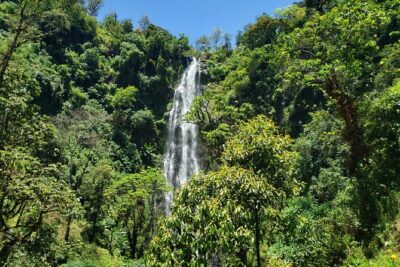 ★ 5.0Materuni Waterfall, Coffee Tour and Picnic Hot LunchFrom $70128 reviews
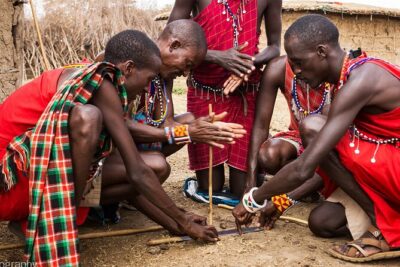 ★ 4.5Maasai village visit, Materuni waterfalls & coffee experienceFrom $15495 reviews
 ★ 5.0Materuni Waterfalls & Coffee Tour from MoshiFrom $6092 reviews
 ★ 4.8Arusha or Moshi : Hot Spring, Waterfall & Coffee Farm TourFrom $5380 reviews
 ★ 4.8Arusha: Materuni Waterfalls, Coffee, and Hotsprings TourFrom $10078 reviews
Browse the lists this tour appears in