
REVIEW · WATERFALLS AND COFFEE FARM TOURS
Materuni Waterfall and Coffee Plantation Half Day Tour
Coffee and waterfalls near Kilimanjaro, done right. This half-day tour zips from Moshi to Materuni village by tuk tuk, then rewards you with Materuni Waterfall plus an optional swim. I love that the day feels practical, starting with coffee and garden life and ending at a real 90m waterfall. The main consideration is the muddy terrain on the hike, so plan on shoes with grip.
My other big reason to recommend it is Boni. He is an engaging guide with impeccable English who talks through Chagga culture, local history, and even Kiswahili language as you move from coffee plots to the village lunch.
In This Review
- Key highlights you will feel right away
- Why this Kilimanjaro area half-day feels better than a rushed tour
- The Moshi to Materuni ride: quick, local, and often surprisingly scenic
- Materuni village and Chagga life: how coffee and bananas fit together
- Coffee plantation lesson: Arabica from plant to cup
- The 45-minute hike to Materuni Waterfall, plus the mud factor
- Optional swim at the falls: a refreshing choice when conditions allow
- Chagga lunch in Materuni village: fuel after the hike
- Boni’s guiding style: why the cultural details land
- Price, time, and group size: what $37 really buys
- Practical tips before you go: shoes, swim gear, and pacing
- Should you book the Materuni Waterfall and Coffee Plantation half-day?
- FAQ
- How long is the Materuni Waterfall and Coffee Plantation half-day tour?
- Do you get pickup from hotels in Moshi?
- What activities are included in the coffee plantation part?
- How long is the hike to Materuni Waterfall?
- Is the hike muddy, and what should I wear?
- Can I swim at the waterfall?
- What happens if weather conditions are poor?
Key highlights you will feel right away
- Boni’s village-grown perspective on Chagga culture, plus easy Kiswahili language facts
- Hands-on Arabica coffee work, from pounding beans to roasting and grinding
- A 90m Materuni Waterfall payoff, with an optional swim when conditions allow
- Real walking time to the falls (about a 45-minute hike), not just a quick photo stop
- Small-group feel, with a maximum of 20 travelers
More waterfall and coffee farm mornings
- Materuni Waterfall, Coffee Tour and Picnic Hot Lunch★ 5.0 · 128 reviews
- Arusha or Moshi : Hot Spring, Waterfall & Coffee Farm Tour★ 4.8 · 80 reviews
- Materuni Waterfalls, Chemka Hot Springs, &/Or Coffee Tour★ 4.8 · 76 reviews
- Kilimanjaro: Village Walk, Coffee Tour, Waterfall, and Lunch★ 4.5 · 56 reviews
Why this Kilimanjaro area half-day feels better than a rushed tour
This is the kind of trip that makes sense on a shorter Tanzania visit. You get movement, views, and actual daily life, all in about five hours. The plan mixes three things that usually get separated into different tours: coffee farming, a cultural look at the Chagga way of life, and a serious waterfall you can walk to.
What I like most is the pacing. You do not just arrive, take photos, and disappear. You start in the working landscape around Materuni village, then head out on a hike to a 90m waterfall, and finish with locally prepared food. It feels like the area has a rhythm, and you are joining it rather than sprinting through it.
The best part for many people is the waterfall itself. It is large, it is dramatic, and it is walkable, with time to cool off afterward. Just keep your expectations grounded: this is outdoors the whole time, and the ground can get slippery.
The Moshi to Materuni ride: quick, local, and often surprisingly scenic
Your day starts in Moshi, with pickup from your hotel. The transfer is by tuk tuk, heading up to Materuni village, the last village before you get into the national park surroundings on Kilimanjaro’s slopes.
Even though this is a short tour, the ride matters. It is not just transportation. It sets the tone for what you will see next: farms, banana plants, and coffee trees carved into the hillsides. If you have only been staying in town, this ride gives you that immediate sense of changing elevation and land use.
Timing-wise, the first stop gives you plenty of time on arrival. You spend about an hour and a half in Materuni village area before moving on to the waterfall. That matters because it prevents the common half-day problem, where you spend the first part of the day waiting or rushing photos.
Materuni village and Chagga life: how coffee and bananas fit together
In the village area, you will get shown how local life works, with a focus on Chagga culture, banana plantation areas, and coffee production. The route and explanation are built for hands-on learning. You are not reading a signboard and moving on. You are being guided through what grows here and how people use it.
There are two reasons this kind of farm-based cultural visit is worth your time. First, it makes coffee more than a beverage brand. Second, it connects the coffee story to food and everyday routines, since banana is part of the local agricultural pattern.
The guide plays a big role here. Boni shares background on the region and the people, and he also brings in Kiswahili language notes as you walk. That kind of detail can make your questions feel natural. Instead of feeling like you are interrupting a tour, you feel like you are learning how to talk about what you see.
Also, you should expect the day to be real-life practical. You might walk on uneven ground and you will probably see the textures of farming up close. That is a plus if you like place-based travel.


Coffee plantation lesson: Arabica from plant to cup
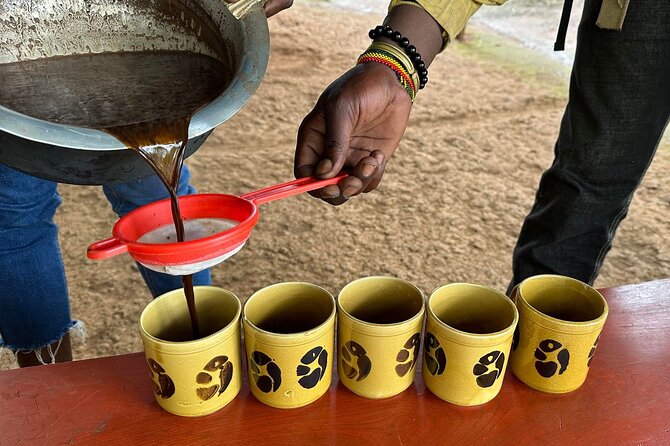
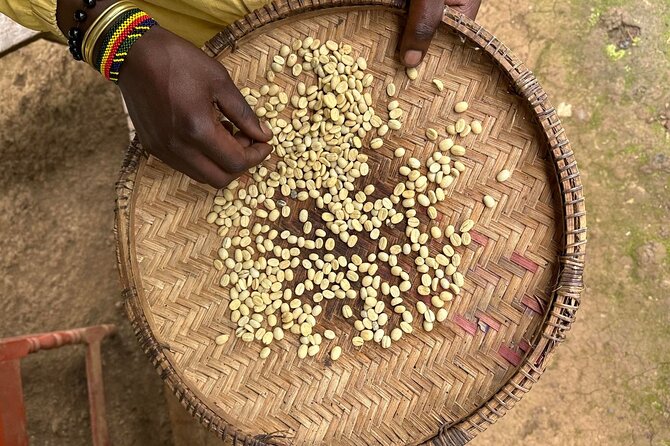
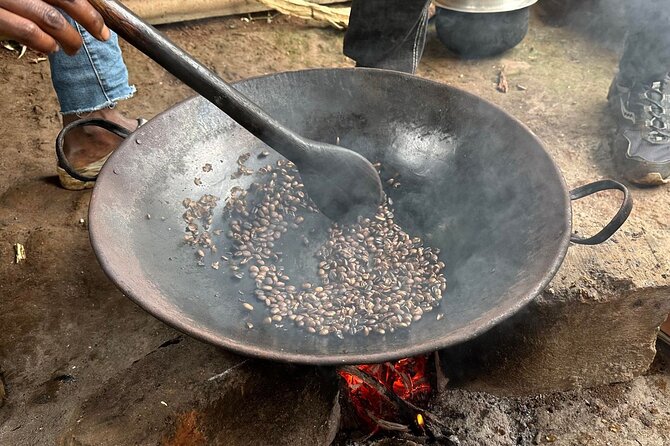
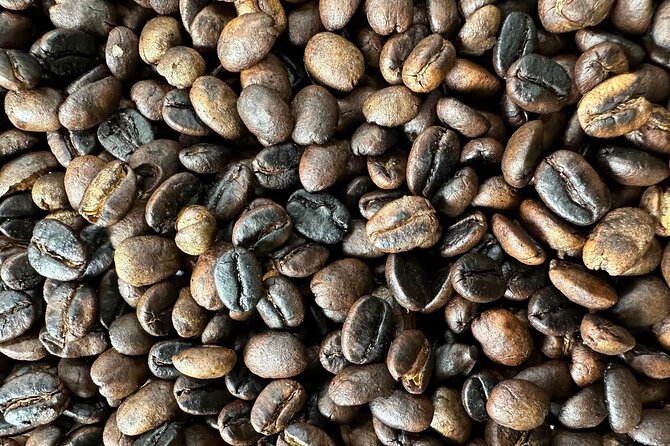
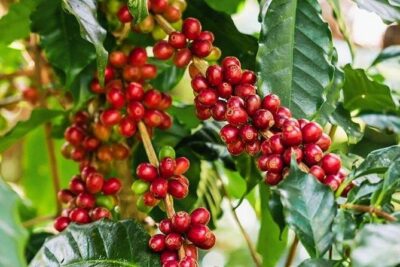
The coffee stop is the heart of the learning portion. You get an overview of how Arabica coffee is cultivated, harvested, and processed. This is not a vague story about coffee being grown in Tanzania. You learn the steps that turn berries into beans and then into a drinkable cup.
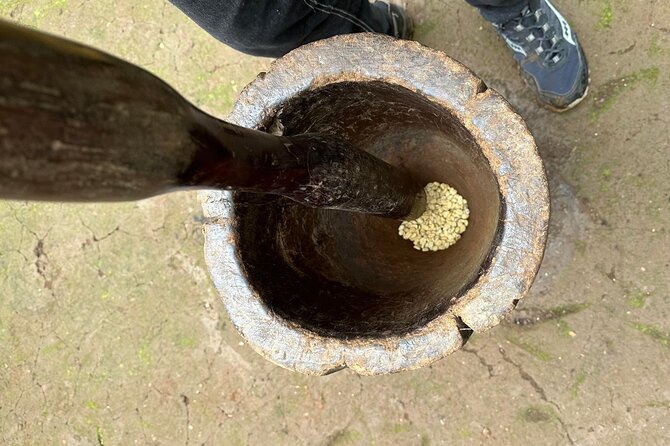
Here is what makes the coffee lesson especially fun. It is not only observation. You will take part in the process, including pounding the beans to remove the shells, then roasting and grinding. After that, you get to enjoy homemade coffee that you helped make.
That hands-on piece is also where value shows up for the $37 price. You are not just paying for access to a farm. You are paying for instruction, time, and the chance to do the work. It is the difference between watching someone else cook and actually preparing your own meal.
One more practical note: after the coffee work, you still have a hike to the waterfall. So plan for some physical effort, even if the hike is not described as extreme. Bring water, and take breaks if you need them.
The 45-minute hike to Materuni Waterfall, plus the mud factor
After the coffee and village time, the tour heads toward Materuni Waterfall via a hike. The walk to the falls is about 45 minutes, and the scenery along the way is part of the reward.
The key word to remember is muddy. The terrain can get messy, especially if the weather has been wet. That means you should wear shoes that give grip. You do not need hiking boots for every situation, but you do want something that handles damp ground without slipping.
Also, bring a small plan for comfort. If you get cold easily in the shade, a light layer can help. If you run warm, keep it simple. You are outside, moving, and then standing near water, which can change how you feel depending on the sun and wind.
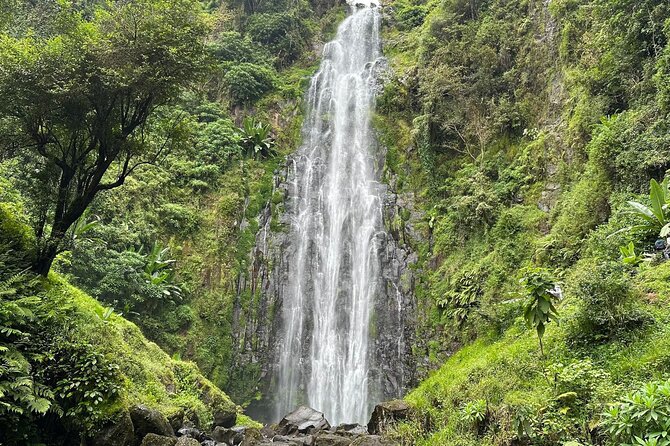
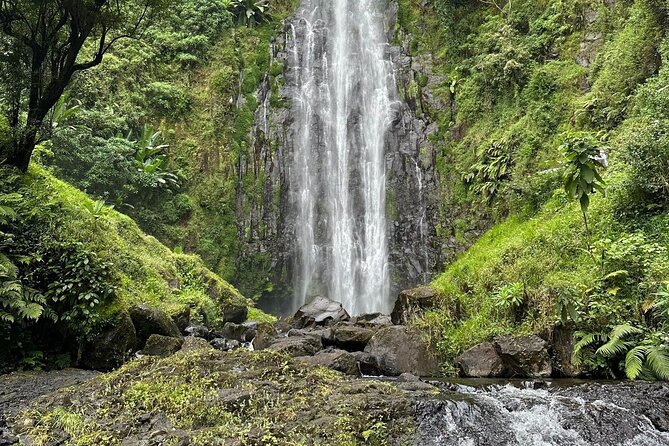
When you reach the waterfall, you get the payoff: Materuni Waterfall is about 90m tall, and it is the largest waterfall in the area around Kilimanjaro. It is the kind of drop that makes you stop talking for a second. Even if you have seen waterfalls before, this one earns your attention.
Optional swim at the falls: a refreshing choice when conditions allow
Once you are at the waterfall, you have the option to take a refreshing swim. This is a great add-on because it turns a viewing stop into a lived moment, especially if you have been walking in heat.
That said, you should treat it like an optional activity, not a guarantee. The tour runs only when weather conditions are suitable, and water conditions at the falls can vary. If swimming is your priority, wear quick-dry clothing or bring something you can change into afterward, if you have space.
Even if you skip the water, you will still have a good reason to stay a bit. The falls are dramatic, and the area gives you time to soak in the atmosphere and take photos without feeling like you are being rushed.
Chagga lunch in Materuni village: fuel after the hike
After the waterfall stop, you head back to Materuni village for lunch. You get a locally prepared Chagga lunch, which is included in the tour.
This is not just a meal break. It is a chance to round out the story you heard earlier. You start the day with coffee and banana cultivation, you walk to a waterfall, and then you eat food from the same community. It helps the day feel cohesive rather than like three unrelated stops.
There is also an option to try freshly brewed banana beer, but it is not included in the price. If you like local drinks, it is worth asking at lunch time. If you do not, you can still enjoy the included meal and move on feeling satisfied.
If you are sensitive to spicy or unfamiliar foods, you can still be safe. Start small, and ask what is in it if you are not sure. The bigger point is that lunch is part of the experience, not an afterthought.
Boni’s guiding style: why the cultural details land
A guide can make or break a cultural day. In this case, Boni is a major reason the reviews trend so positive, and you feel it in the flow.
He is described as engaging and thoughtful, with an intellectual curiosity that keeps the conversation moving. He shares local history and what you are seeing around you. He also talks about Kiswahili language while you are in the village area, which turns learning into something you can use right away.
You also get a practical benefit from a strong guide. When the path is muddy or the day is active, a good guide helps you pace the experience. You are more likely to enjoy the hike because you know what to expect and you have someone adjusting the plan to the moment.
If you care about meaning, not just photos, this is where the tour earns its price.
Price, time, and group size: what $37 really buys
The price is $37 per person, and the tour lasts about five hours. That is a fair half-day commitment when you compare what you get: hotel pickup in Moshi, tuk tuk transfer, a coffee production lesson with hands-on steps, time at a 90m waterfall with a hike, and a locally prepared lunch.
Group size is capped at a maximum of 20 travelers. For me, that matters because it keeps the day from turning into a big stampede. You can still move at a human pace, and it is easier to ask questions.
The other practical upside is that the tour provides a mobile ticket, and you get confirmation at the time of booking. Service animals are allowed, which is good to know if you travel with one.
Where you should stay realistic is weather. The tour requires good weather, and the provider notes that it can be canceled if conditions are poor. That is normal for an outdoor hike.
If you are visiting Moshi and want a straightforward way to get out of town, this is one of the more balanced options: not too short to be meaningless, not too long to eat your whole day.
Practical tips before you go: shoes, swim gear, and pacing
Here is how to prepare so you enjoy the day instead of fighting it.
Wear grippy shoes. The hike terrain can be muddy, so prioritize traction over style. If your footwear is worn slick, swap them.
Plan for a real outdoors day. You will be moving on a hike, then standing near water. Dress for the climate, and keep it comfortable.
Bring water and a small towel if you want to swim. Swimming is optional, but if you plan for it, you will enjoy it more.
Expect to be active during the coffee portion. You will pound, roast, and grind coffee as part of the learning. It is fun, but it is still physical work.
If you want banana beer, budget for it. Freshly brewed banana beer is available but not included.
If you travel with mobility needs, ask how the hike is managed. Most travelers can participate, and the tour is described as manageable, but it is still a muddy hike. You will get the best answer by asking directly about pace and terrain conditions.
Should you book the Materuni Waterfall and Coffee Plantation half-day?
Book it if you want a half-day plan that mixes coffee making, Chagga culture, and a true waterfall without feeling rushed. It is especially a good fit if you like guided learning and you want your visit to connect to how people actually live and farm on Kilimanjaro’s slopes.
Skip it or ask extra questions if mud would be a dealbreaker for you, or if you are only interested in short walking with minimal ground conditions. This is an outdoor experience, and even the best guide cannot erase slippery terrain.
If you are in Moshi and you have been craving something beyond the usual town sights, this tour is a strong way to spend a morning or afternoon. The value comes from participation, not just sightseeing, and the best moments are the ones where the culture and the coffee story turn into something you can do with your own hands.
FAQ
How long is the Materuni Waterfall and Coffee Plantation half-day tour?
It lasts about 5 hours.
Do you get pickup from hotels in Moshi?
Yes. The tour offers pickup in Moshi and uses a tuk tuk to get you to Materuni village.
What activities are included in the coffee plantation part?
You learn how Arabica coffee is cultivated, harvested, and processed, and you participate in pounding the beans, roasting them, grinding them, and then enjoying homemade coffee.
How long is the hike to Materuni Waterfall?
The hike to Materuni Waterfall is about 45 minutes.
Is the hike muddy, and what should I wear?
The terrain can be quite muddy, so you should wear appropriate shoes.
Can I swim at the waterfall?
Yes, there is an option to take a refreshing swim.
What happens if weather conditions are poor?
The tour requires good weather. If it is canceled due to poor weather, you will be offered a different date or a full refund.
Waterfalls and Coffee, Keep Going
- Materuni Waterfall, Coffee Tour and Picnic Hot Lunch
★ 5.0 · 128 reviews - Arusha or Moshi : Hot Spring, Waterfall & Coffee Farm Tour
★ 4.8 · 80 reviews - Materuni Waterfalls, Chemka Hot Springs, &/Or Coffee Tour
★ 4.8 · 76 reviews - Kilimanjaro: Village Walk, Coffee Tour, Waterfall, and Lunch
★ 4.5 · 56 reviews - Private Tour to Materuni waterfalls, coffee tour & Kikuletwa hot- springs
★ 5.0 · 49 reviews
Just added from around Moshi




Waterfalls and Coffee Farm Tours, compared.
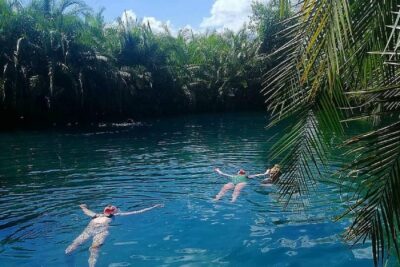 ★ 5.0Materuni Waterfalls, coffee tour & Kikuletwa Hot SpringsFrom $100643 reviews
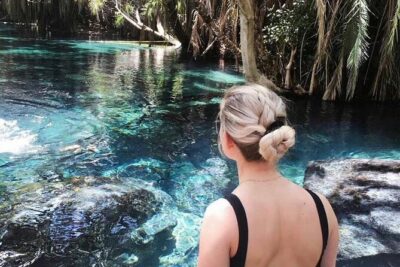 ★ 5.0Materuni Waterfalls & Chemka Hotsprings Day TripFrom $100214 reviews
 ★ 5.0Materuni waterfalls coffee tour & Chemka hot springs Day tripFrom $95131 reviews
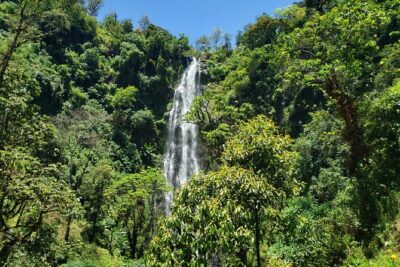 ★ 5.0Materuni Waterfall, Coffee Tour and Picnic Hot LunchFrom $70128 reviews
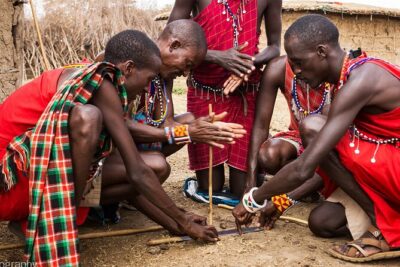 ★ 4.5Maasai village visit, Materuni waterfalls & coffee experienceFrom $15495 reviews
 ★ 5.0Materuni Waterfalls & Coffee Tour from MoshiFrom $6092 reviews
 ★ 4.8Arusha or Moshi : Hot Spring, Waterfall & Coffee Farm TourFrom $5380 reviews
 ★ 4.8Arusha: Materuni Waterfalls, Coffee, and Hotsprings TourFrom $10078 reviews
Browse the lists this tour appears in