
REVIEW · SERENGETI NATIONAL PARK SAFARIS
Camping to Serengeti & Ngorongoro Premium Parks
Serengeti and Ngorongoro feel surprisingly close. This 3-day camping safari is a direct shot at the iconic wildlife of Tanzania, with open-roof 4WD game drives and the kind of morning timing that boosts your sightings. I especially like that Serengeti and Ngorongoro are treated as the main event, not side quests.
I also love the practical value: meals, water, park fees, and even camp basics like tents, mattresses, and sleeping bags are included. The main drawback to consider is that this is real camping. Expect basic camp life in the bush, and keep your head on a swivel after dark, since wildlife can be present around camp.
In This Review
- Key highlights I’d circle before you book
- Serengeti and Ngorongoro in 3 Days: What You’re Really Buying
- Leaving Arusha at 06:30am, then rolling out in an open-roof 4WD
- Day 1 Serengeti National Park: UNESCO plains, then camp dinner
- Day 2: Serengeti morning big cats, then the Ngorongoro rim view
- Day 3: Down into the crater for Big Five sightings
- Camping comfort that stays practical, not gimmicky
- Food, water, and guides: where the experience becomes human
- Wildlife reality check: long drives happen, but the payoff is real
- Price and value at $815: what’s included, what to plan for
- Who should book this camping safari?
- Should you book Moorland Safari and Trekking for Serengeti and Ngorongoro?
- FAQ
- What time does the safari start from Arusha?
- Where does the tour end?
- How long is the camping safari?
- Are meals and park fees included?
- Do I need to bring camping gear?
- Is this tour private?
- Are tips included in the price?
- Can I cancel for a full refund?
Key highlights I’d circle before you book
- Big Five chances inside Ngorongoro Crater: You can often spot lion, elephant, buffalo, rhino, and leopard within a couple of hours.
- Sunrise starts for better animal timing: You leave Arusha around 06:30am, with early drives focused on active wildlife.
- Camping comfort is built in: Tents, mattresses, and sleeping bags are provided, so you are not stuck scrambling for gear.
- Guides who actively search for sightings: Names like Nasir and Simba come up for excellent spotting and clear explanations.
- Real park access, real game-drive time: You spend time driving inside Serengeti before moving to the crater rim and down into the caldera.
- Language options beyond English: The tour is offered in English, German, Italian, French, and Spanish.
More of the Serengeti, drive by drive
- Balloon Safari & Bush Breakfast in Serengeti – Miracle Experience★ 5.0 · 1,646 reviews
- 3 Days Serengeti & Ngorongoro Group Camping Safari★ 5.0 · 574 reviews
- 5-Day Highlights mid-Range Crater, Serengeti, Tarangire★ 5.0 · 296 reviews
- 3-Day Classic Serengeti Safari★ 5.0 · 263 reviews
Serengeti and Ngorongoro in 3 Days: What You’re Really Buying
For many people, this kind of safari tour is about one thing: time in the right places. Serengeti is all about wide-open grass plains and year-round wildlife movement. Ngorongoro Crater is different, a dramatic natural amphitheater where animals can be seen closer together and more predictably.
You are paying for a guided plan that stacks two big ecosystems together, with meals, fees, and camp gear handled. At $815 per person, it is not a budget safari. But when you consider that the package covers park fees/taxes, game driving, and overnight accommodation with camping equipment included, it starts to look like a solid deal versus piecing everything together yourself.
Leaving Arusha at 06:30am, then rolling out in an open-roof 4WD
Your day begins in Arusha at the Clock Tower roundabout, with a 06:30am start. You get hotel pickup from Arusha, plus airport transfers are included, so you are not burning energy on logistics right when you arrive.
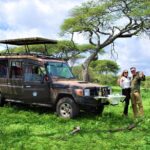
Then you head out in an opened roof 4WD. That matters more than it sounds. An open vehicle helps you see over savannah shrubs and it keeps the experience visually sharp, especially when animals are close to the road. It also makes it easier to spot movement and react quickly when your guide stops for something interesting.
If you like structure, you will appreciate that the tour is set up as a private experience, meaning your group is the only one in your vehicle. Group discounts may apply, but the ride time and attention stay focused on your party.
Day 1 Serengeti National Park: UNESCO plains, then camp dinner
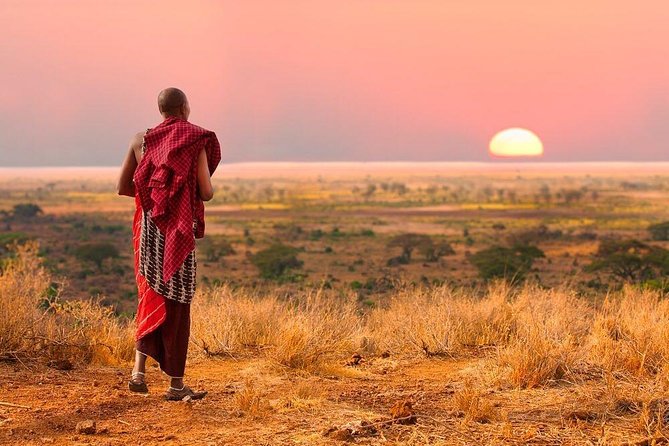
Serengeti is often described as endless, and that is not just marketing. The park is tied to UNESCO world heritage status because of its ecological importance and biodiversity. You get that sense right away when the roads open into broad “open plains,” a name connected to the Masai people who grazed livestock there long before most visitors arrived.
On day 1, you travel from Arusha and then reach your destination in the afternoon for dinner and overnight at a recommended campsite. The shift from road travel into actual park time is a good first step because you avoid burning your whole day on transit.
What to expect from the first day is not a single perfect sighting list. It is your first taste of Serengeti’s rhythm: the wide visibility, the occasional long scan for movement, and the moment when a stop turns into a real wildlife encounter. Even when sightings are sparse, Serengeti’s scale is part of the point.
Other ways down into the Ngorongoro Crater
Day 2: Serengeti morning big cats, then the Ngorongoro rim view
Day 2 starts with a morning game drive in Serengeti. This is the time of day when many animals are more active, and the drive plan is aimed at stacking the odds for the big cats.
Here is the kind of wildlife focus you can expect:
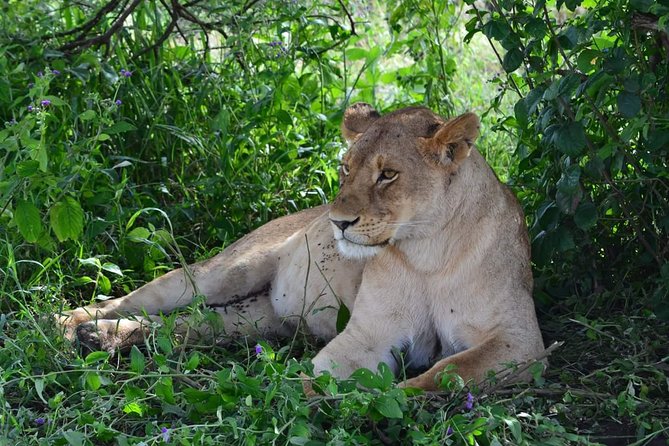
- Lions are frequently seen and may be found during active kills.
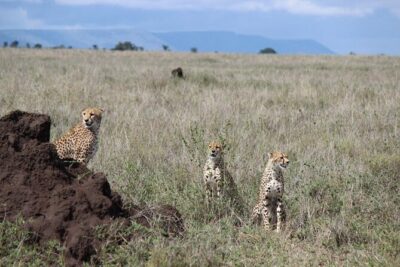
- Cheetahs are described as common in the southeastern plains.
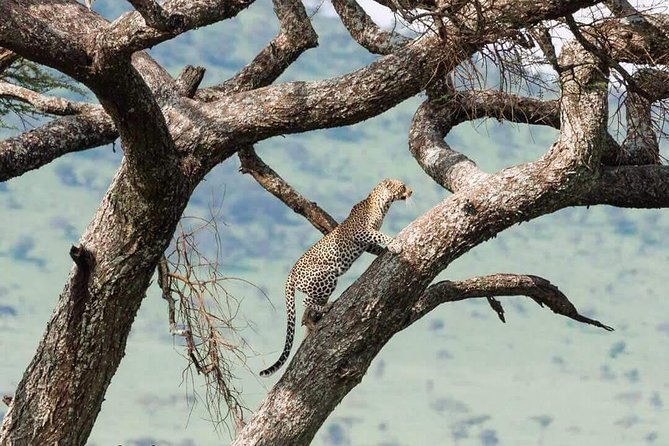
- Leopards can often be found resting in big trees along the Seronera River.
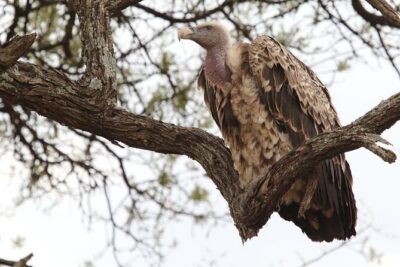
Outside the cats, Serengeti’s resident species show up year-round in the plan, including buffalo, elephants, giraffes, and lots of grazing animals like eland, topi, kongoni, impala, and Grants gazelle. Your guide is also set up to interpret what you are seeing, which helps you connect the animals to the landscape and to each other.
After lunch, you head toward Ngorongoro Crater. The experience begins to change at the rim. Standing there with the crater opening out in front of you is one of those “okay, this is the real Africa” moments, because the terrain funnels wildlife and lets you visualize why Ngorongoro works so well for sightings.
You end day 2 with dinner and overnight at a recommended campsite near your route to the crater. This is where you settle in for the camping side of the trip, so it helps to keep expectations grounded.
Day 3: Down into the crater for Big Five sightings
Day 3 starts early with breakfast at daybreak, then you drive down into the crater. Ngorongoro Crater is described as the largest unbroken caldera, and the key advantage is wildlife density. The crater supports a wide range of habitats, including grass steppe and acacia tree woods.
The tour’s species notes are useful because they set expectations for what you can and cannot see. You may find almost all East African savannah species inside the crater, with exceptions mentioned for topis, Masai giraffes, and impalas. That kind of detail is not for trivia. It helps you stay calm if you do not see a specific animal you expected.
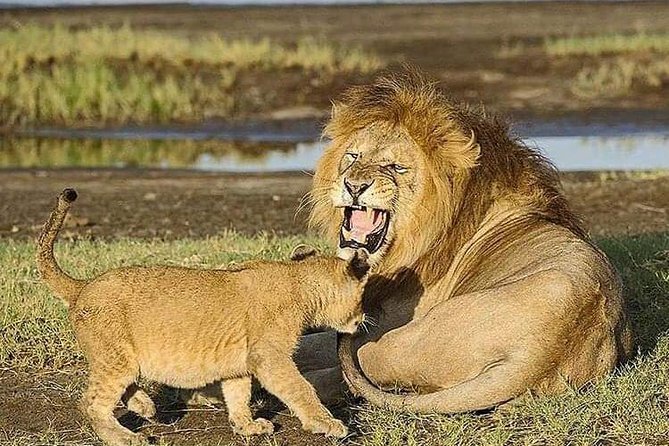
The goal on day 3 is a fast path to major sightings. It is stated that you can often observe the Big Five within a couple of hours. That includes lion, elephant, buffalo, rhino, and leopard. In real life, it still depends on the season and on luck, but the crater layout gives you a better shot than long, spread-out searching in huge grasslands.
After your crater time, you drive back toward Arusha for overnight at a hotel. You then fly back the same day at night or the second day, depending on your travel schedule.
Camping comfort that stays practical, not gimmicky
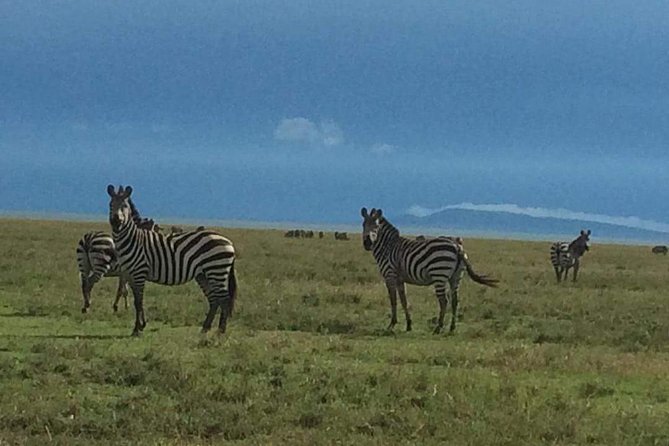
This is a camping safari, but the package is set up to reduce the usual “camping stress.” Tents, mattresses, and sleeping bags are included. That matters because the difference between a fun safari and a miserable one is often sleeping comfort, not wildlife.
You also get mineral water included, and meals are built into the schedule: lunch is provided 3 times, dinner 2 times, and breakfast 3 times. That is a big deal on game-drive days, because it prevents the most common safari problem, hunger at the worst moment.
One extra thing I would take seriously: camp life comes with the wildlife reality of being inside animal country. In one standout example from the experience pool, a group had a scare after meeting lions in the evening at the camp. That does not mean the trip is unsafe, but it does mean you should follow guide instructions and keep your behavior sensible after dark.
Food, water, and guides: where the experience becomes human
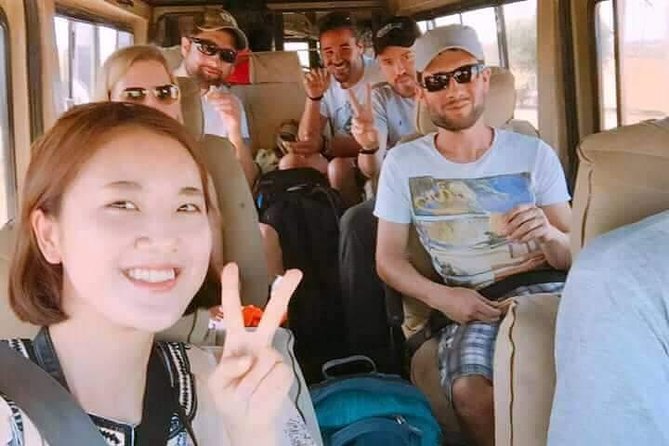
A safari is only as good as the people running your day, and this tour leans hard on the guide and the team. Professional guides are included, and the tour runs in multiple languages, including English, German, Italian, French, and Spanish.
Names like Nasir and Simba stand out for punctuality, strong animal-finding skills, and clear explanations. Another guide, Steve, got praise for animal knowledge and for listening to what the group wanted. Those details matter because a safari is not just about seeing animals. It is also about understanding what you are seeing and when to move.
The camp team also earns real credit. The cook has been described as something else, with praise for tasty meals. In at least one case, the operator arranged a pre safari briefing at the hotel, which is a helpful touch if you arrive late, need reassurance, or have an issue with your travel timing.
Wildlife reality check: long drives happen, but the payoff is real
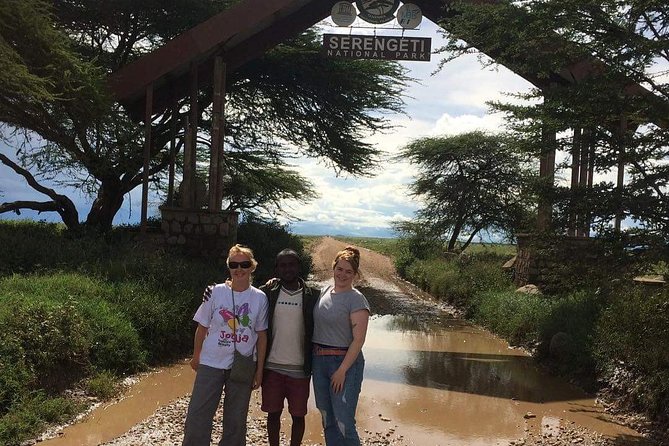
Here is the honest side of this safari style: Serengeti is big, and there are times where you might drive quite a while without much. That can feel frustrating in the moment. But the tradeoff is that when you do hit a concentration, the sightings can be spectacular.
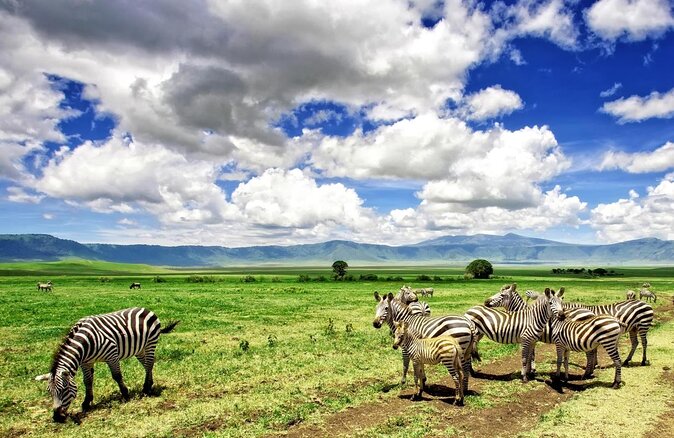
The wildlife highlights in this safari plan include wide-ranging animals like zebras and wildebeests, plus predators like cheetah and leopard. For many groups, the big moment is getting close to multiple species in a single day, and the chance of strong Big Five visibility, especially inside Ngorongoro.
One strong theme from the experience notes is that sightings can feel unusually close. People mention being at near distance of buffalo and even spotting rhino in Ngorongoro. That is a reminder that while the Big Five are not guaranteed, Ngorongoro is one of the best places in Tanzania to chase that list.
Also, there is a practical mindset shift to make before you go. Your goal is not to “see everything.” Your goal is to stay present when your guide spots the moment that matters.
Price and value at $815: what’s included, what to plan for
Let’s talk value without hand-waving. The tour is $815 per person, and it is booked about 11 days in advance on average. That timing suggests this is a popular route, and demand can affect availability.
What you get included:
- All fees and taxes
- Game driving
- Professional guides
- Private transportation
- Airport transfers pick up and return
- Mineral water
- Camping accommodation with tents, mattresses, and sleeping bags
- Meals (3 lunches, 2 dinners, 3 breakfasts)
- Tickets as included during the park segments noted in the plan
What is not included:
- Tips
So the real question is whether you want to pay for convenience. If you prefer having park fees, transfers, and camp gear handled by a team, this price has a lot of value. If you are the type who loves building your own schedule and negotiating for every leg, then you might compare against DIY options. But for most first-timers, an organized 3-day plan like this is a very efficient way to do Serengeti plus Ngorongoro.
Who should book this camping safari?
This tour fits best if you want:
- A classic Tanzania safari route in a short window
- A guided plan that handles park access, transportation, and camp setup
- The excitement of camping inside or near the parks
- Strong odds for major predator sightings, especially in Ngorongoro
It is also a good fit for couples, friends, and small groups who want a private vehicle and guide attention. If you are traveling with kids, you will want to be realistic about early mornings and long sitting time during drives, but the included meals and camp structure can make it easier.
If you hate basic sleeping conditions, this might not be the right style. But if you can handle camping and follow the guide’s instructions, it is a memorable way to feel how close you are to wildlife country.
Should you book Moorland Safari and Trekking for Serengeti and Ngorongoro?
I think this is a strong choice if your priority is getting real time in Serengeti and Ngorongoro Crater without juggling logistics. The inclusion list is practical, and the structure of morning drives and focused crater time makes sense for wildlife chasing.
I would book if you:
- Want the Big Five chance, with the crater being your main boost
- Prefer having meals, fees, and camp gear included
- Like the open-air feel of an opened roof 4WD
I would hesitate if you:
- Know you will struggle with camping conditions
- Need a very relaxed pace, because early starts and long days are part of the deal
If you want a short, well-run safari circuit that puts you where the animals are, this is the kind of trip that can actually deliver.
FAQ
What time does the safari start from Arusha?
The tour starts at 6:30am, meeting at the Arusha Clock Tower roundabout.
Where does the tour end?
The activity ends back at the same meeting point, the Arusha Clock Tower roundabout.
How long is the camping safari?
It is listed as 3 days (approx.).
Are meals and park fees included?
Yes. Meals, water, and fees or taxes are included, along with admission tickets during the park segments noted in the itinerary.
Do I need to bring camping gear?
No. Tents, mattresses, and sleeping bags are included.
Is this tour private?
Yes. It is described as a private tour/activity, meaning only your group will participate.
Are tips included in the price?
No. Tips are not included.
Can I cancel for a full refund?
You can cancel up to 24 hours in advance for a full refund. If you cancel less than 24 hours before the start time, the amount paid will not be refunded.
More Under Canvas
- 4 Days Group Camping Safari
★ 5.0 · 1,101 reviews - 5 Days Group Camping Safari
★ 5.0 · 730 reviews - 3 Days Serengeti & Ngorongoro Group Camping Safari
★ 5.0 · 574 reviews - 5 Days Camping Tarangire, Serengeti & Ngorongoro crater & Visiting Maasai
★ 5.0 · 229 reviews - 5 Days Budget Private Safari, Tanzania
★ 5.0 · 191 reviews
Still Thinking About the Crater?
- 3 Days Serengeti & Ngorongoro Group Camping Safari
★ 5.0 · 574 reviews - 5 Days Camping Tarangire, Serengeti & Ngorongoro crater & Visiting Maasai
★ 5.0 · 229 reviews - 4 Days Join Group tour Tarangire Serengeti and Ngorongoro crater
★ 5.0 · 219 reviews - 4-Day Safari from Arusha: Tarangire, Serengeti and Ngorongoro
★ 5.0 · 173 reviews - 2 Days Tarangire and Ngorongoro Group Camping Safari
★ 5.0 · 146 reviews
The Serengeti, Three More Ways
- Balloon Safari & Bush Breakfast in Serengeti – Miracle Experience
★ 5.0 · 1,646 reviews - 3 Days Serengeti & Ngorongoro Group Camping Safari
★ 5.0 · 574 reviews - 5-Day Highlights mid-Range Crater, Serengeti, Tarangire
★ 5.0 · 296 reviews - 3-Day Classic Serengeti Safari
★ 5.0 · 263 reviews - Private 6-Day Tarangire Manyara Crater and Serengeti with Mid-Range Lodges
★ 5.0 · 238 reviews
Just added from around Arusha
Serengeti National Park Safaris, compared.
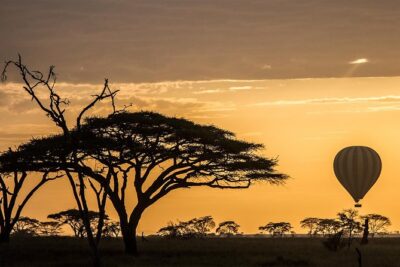 ★ 5.0Serengeti Balloon Safari and authentic bush breakfastFrom $5502,480 reviews
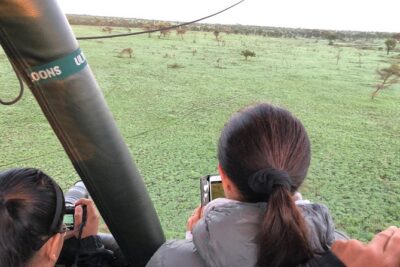 ★ 5.0Balloon Safari & Bush Breakfast in Serengeti – Miracle ExperienceFrom $5991,646 reviews
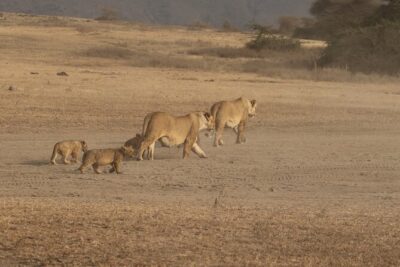 ★ 5.03 Days Serengeti & Ngorongoro Group Camping SafariFrom $815574 reviews
 ★ 5.05-Day Highlights mid-Range Crater, Serengeti, TarangireFrom $2,327296 reviews
 ★ 5.0Safari Serengeti And NgorongoroFrom $2,845288 reviews
 ★ 5.03-Day Classic Serengeti SafariFrom $1,455263 reviews
 ★ 5.0Private 6-Day Tarangire Manyara Crater and Serengeti with Mid-Range LodgesFrom $2,685238 reviews
 ★ 5.05 Days Camping Tarangire, Serengeti & Ngorongoro crater & Visiting MaasaiFrom $1,254229 reviews
Browse the lists this tour appears in