
REVIEW · WATERFALLS AND COFFEE FARM TOURS
Bodaboda Experience to Materuni Waterfall and Coffee Tour
Moshi to Materuni is a village adventure. You get a fast-paced day that blends Materuni waterfall views with coffee farm learning, plus time with local Chagga families. I like how the day feels hands-on, not museum-like. One thing to think about is the walking, it calls for moderate fitness, so bring sturdy shoes and expect some uphill parts.
This tour also prices itself like a full day worth eating and learning. In about 6 hours, you ride by motorbike, hike to the falls, try coffee and tea, get lunch, and even do banana beer tasting, all with a professional village guide. You’ll want to pack a little patience for rural roads, but the payoff is that you see how coffee and daily life connect on the Kilimanjaro slopes.
In This Review
- Key highlights worth your attention
- Bodaboda to Materuni: why the ride matters as much as the hike
- Materuni Waterfall at 90 meters: the walk, the views, the payoff
- Coffee and banana trees on the Kilimanjaro slopes: what you learn beyond tasting
- Chagga community time: history lessons, dancing, and meeting real people
- Lunch, coffee or tea, and banana beer tasting: the eating plan you’ll actually enjoy
- Price and value from Moshi: where the $52 holds up
- Timing, meeting point area, and how to make the day smoother
- Who should book this tour, and who should skip it
- Final call: should you book the Bodaboda to Materuni tour?
- FAQ
- What is the duration of the Bodaboda experience to Materuni Waterfall and coffee tour?
- Is pickup available, and where do I meet the tour?
- What’s included in the price of $52 per person?
- Is tips included?
- How fit do I need to be for the hike to Materuni Waterfall?
- What are the tour hours?
Key highlights worth your attention

- Bodaboda transport both ways, making the journey part of the experience
- Materuni waterfall at 90 meters, with big views as you walk
- Coffee tour on local farms, with context on Kilimanjaro-region cultivation
- Chagga community time, including history and cultural interaction
- Lunch plus coffee or tea, and bottled water included
- Local banana beer tasting, a fun culture moment (not just sightseeing)
More waterfall and coffee farm mornings
- Materuni Waterfall, Coffee Tour and Picnic Hot Lunch★ 5.0 · 128 reviews
- Arusha or Moshi : Hot Spring, Waterfall & Coffee Farm Tour★ 4.8 · 80 reviews
- Materuni Waterfalls, Chemka Hot Springs, &/Or Coffee Tour★ 4.8 · 76 reviews
- Kilimanjaro: Village Walk, Coffee Tour, Waterfall, and Lunch★ 4.5 · 56 reviews
Bodaboda to Materuni: why the ride matters as much as the hike
Starting in Moshi with a Bodaboda, or motorbike transfer, changes the feel of the day. It is quicker than slow travel by car, and it keeps you moving through the countryside rather than spending the morning stuck in transit. The tour is built as a real-time village visit, not a quick drop-off.
I also like that this is not a chaotic crowd experience. The setup is private, meaning only your group participates. That matters when you want the guide to actually answer your questions, point things out as you walk, and keep the pace comfortable.
Do note the obvious practical side: a motorbike ride can be bumpy. If you are sensitive to motion or you prefer very smooth travel, plan for that. And if you are bringing a camera or phone, keep it secure.
Materuni Waterfall at 90 meters: the walk, the views, the payoff
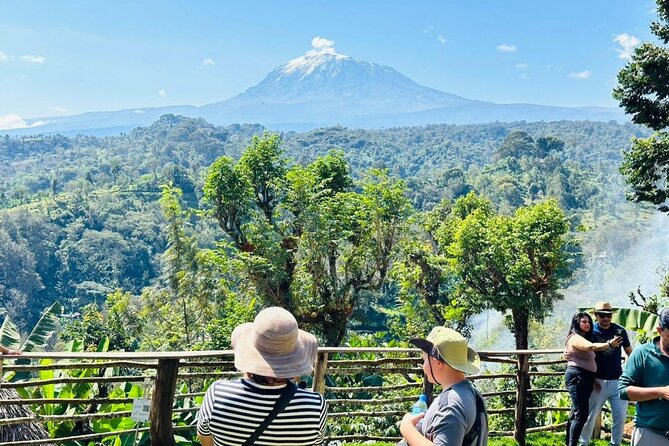
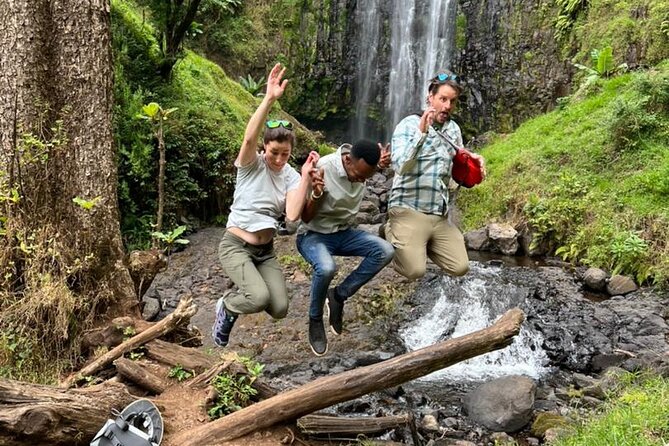
The day’s main natural target is Materuni Waterfall, listed at 90 meters high. That number matters because it hints at what you will feel more than what you will just see from afar. With a hike through village surroundings, the waterfall becomes the moment the day keeps pointing toward.
What I would plan for is a hike that mixes scenery with effort. You’ll be walking while learning, so expect you are not just pushing through a trail. You’ll hear about flora and fauna found on the slopes of Mount Kilimanjaro, and you’ll also be learning about how the Chagga community fits into this land.
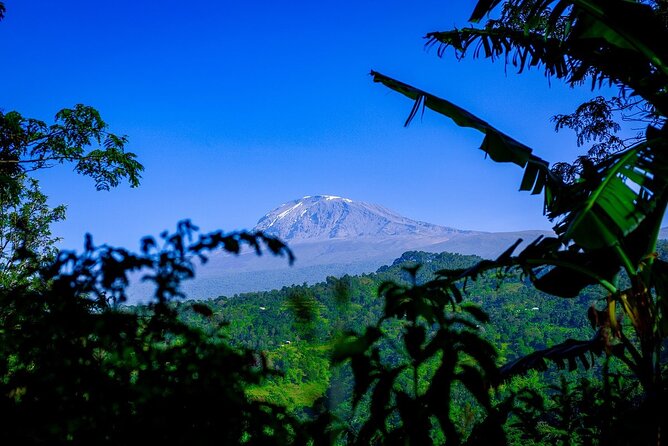
The view of Mount Kilimanjaro is another key reason this stop works. You do not only travel for a waterfall picture, you also travel for the broader sightlines that make the region special.
Potential drawback: you should treat this as a hike day. The tour states moderate physical fitness is needed. If your legs get tired easily on uneven paths, you may want to go slower than the group pace, and bring footwear that grips well.
Coffee and banana trees on the Kilimanjaro slopes: what you learn beyond tasting
After the waterfall time, the tour shifts into agriculture and everyday life. You’ll walk between coffee and banana trees, which makes the learning more practical than theoretical. Instead of hearing about farming in general terms, you are moving through the places where it happens.
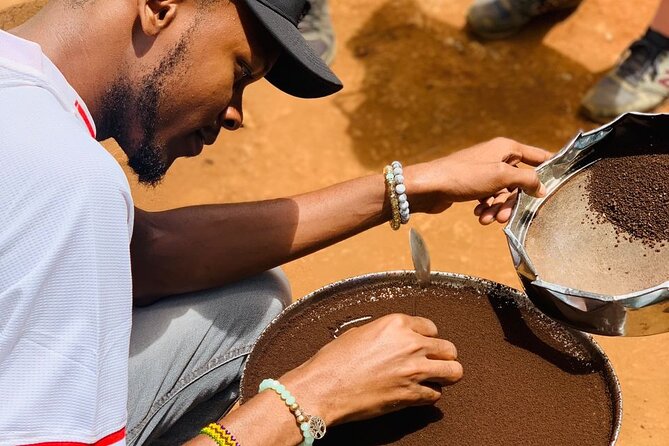
The coffee tour is one of the most valuable parts of this day because it is tied to local farms. You get coffee and/or tea included, but the key is the context: you learn about coffee cultivation in the Kilimanjaro region and how local people grow and use it. One guide name specifically stands out from past experiences, Sylvester. People describe him as a native of Materuni from the Chagga tribe, and they highlight his ability to explain the history of coffee cultivation in a clear, conversational way.
If you enjoy understanding how a product becomes a culture, this will make the cup feel different. You will be able to connect the plants you saw with what you tasted. That is what turns a casual sip into a story you can repeat later.
There’s also the banana piece. Banana trees show up not just as scenery, but as part of the day’s food and drink culture.

Chagga community time: history lessons, dancing, and meeting real people
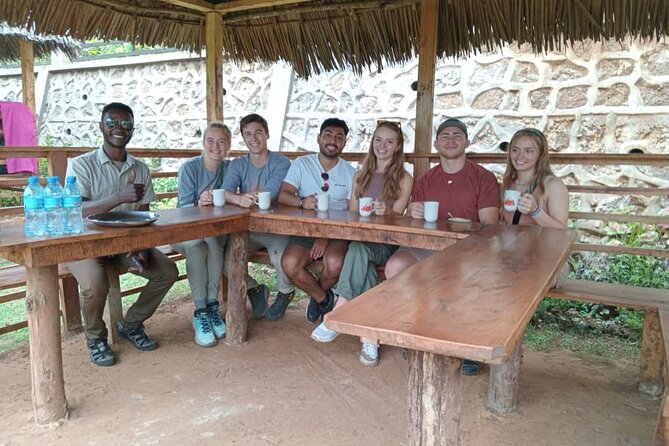
A big reason this tour feels like more than a nature outing is the time with local people. The day is described as walk, learn, eat, drink and dance with local people. That cultural interaction is the part that often makes a small group tour memorable.
You’ll learn about the Chagga community and their history. You’ll also be introduced to the flora and fauna you find on Kilimanjaro’s slopes, which gives the culture lessons a physical backdrop. In places like this, history is not only stories, it is how people live with the land.
From the guide side, you can expect real conversation rather than a lecture. Past experiences praised guides who are attentive and friendly, and who explain everything clearly. One guide, Sylvester, was specifically called out as super guide, with people appreciating his educated, thoughtful way of talking.
And yes, there’s a social moment that feels practical too. Guides can help with gift choices, especially if you want a souvenir tied to what you learned rather than a random shop item.
Lunch, coffee or tea, and banana beer tasting: the eating plan you’ll actually enjoy
Food is not an afterthought here. Lunch is included, and so is bottled water, plus coffee and/or tea. That means you can focus on the experience without calculating every meal stop mid-hike.
One of my favorite details is banana beer testing. It is included, and it is a very specific local taste moment. If you like trying what locals drink, this can be a highlight because it is not a generic tour add-on. You get a guided introduction to something made from local ingredients, and it fits the banana trees you walk past.
Also, the cook gets credit in past experiences. People singled out the food as a real win, which is a good sign for a rural village lunch. When a tour includes lunch but the cooking is weak, it can ruin the day. Here, the cooking quality seems like a selling point, not a gamble.
Practical tip: if you are trying alcohol as part of the banana beer tasting, keep hydration in mind. Bottled water is included, but pace yourself on a walking day.
Price and value from Moshi: where the $52 holds up
At about $52 per person, this tour feels like good value if you look at what is bundled. You are not just paying for a guide and a ride. The included items add up quickly for a 6-hour day:
- Bodaboda transport go and return
- Professional village guide
- Admission ticket included
- Lunch, plus coffee and/or tea
- Bottled water
- Local banana beer testing
- All fees and taxes
In plain terms, you are paying for a structured day that covers transport, food, and cultural learning, plus a specific nature stop. Many half-day tours only cover one activity. This one layers waterfall, agriculture learning, culture, and eating in one flow.
What is not included is also simple: tips. So you should keep a little cash set aside if you plan to show appreciation. Tips are optional, but in village guide situations it is common to reward good guidance.
If you are traveling solo, the private setup still works, and you avoid the feeling of being absorbed into a random large group. If you are traveling as a pair or small friends group, you might also find the group discount angle helpful, depending on how your booking is set.
Timing, meeting point area, and how to make the day smoother
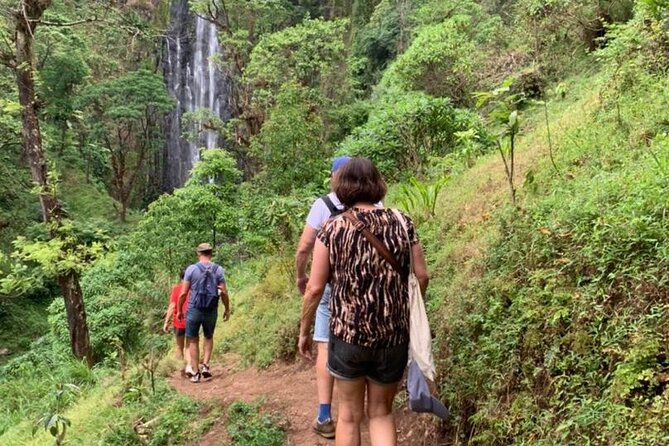
The tour runs during set hours, Monday to Friday from 6:00 AM to 6:00 PM, with a date range listed for the active period. Since you are riding out from Moshi and walking in a rural area, earlier starts usually mean cooler temperatures and more comfortable walking.
Pickup is offered, and the meeting area is described as near public transportation. That helps if you are independent and want backup options for getting there, but it also means you should confirm your pickup time so you can plan your morning in Moshi.
The tour duration is listed as about 6 hours. That is a solid block. You should plan to treat the rest of your day lightly, especially if you will be walking to a waterfall and spending extra time learning and eating.
Packing advice, without inventing any rules: wear shoes that can handle uneven ground, and bring something you can use for sun. A light layer can also help because morning and midday can feel different at Kilimanjaro altitude.
Who should book this tour, and who should skip it
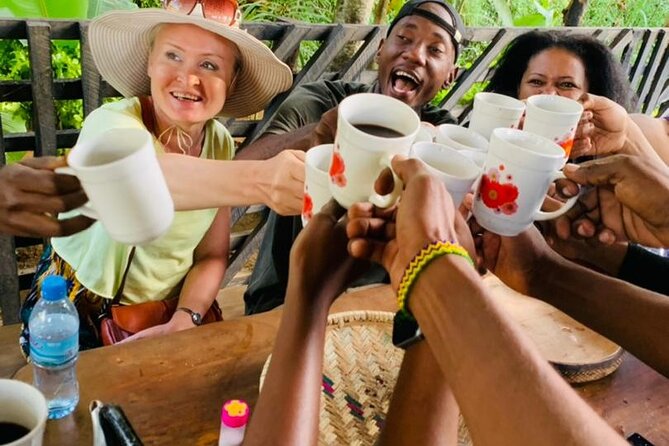
This is a great match if you want a day that mixes nature and people. You should book if you care about:
- seeing Materuni Waterfall and not only hearing about it
- understanding coffee cultivation in the Kilimanjaro region
- getting Chagga cultural context tied to where you are walking
- enjoying a village lunch and trying local banana beer
You might choose a different type of tour if you have very limited walking ability or you want strictly low-effort sightseeing. The tour calls for moderate physical fitness, so you should be honest about your stamina.
It also fits people who like conversation. Names like Sylvester show up because guides are described as thoughtful and good at explaining. If you enjoy learning through dialogue, you will probably have a better time than if you prefer quiet, self-paced travel.
Final call: should you book the Bodaboda to Materuni tour?
If your goal is one memorable day in Moshi that goes beyond a single waterfall viewpoint, I think this one is worth your budget. The balance is strong: 90-meter waterfall, coffee learning, Chagga culture, and real included meals. The Bodaboda transport adds energy, and the private setup makes it easier to get answers instead of just following the crowd.
Book it if you are comfortable with a moderate walk and you want to connect what you taste and see to local farming and community life. Skip it if you are mainly after a low-effort nature stop or if motion on motorbikes is a deal-breaker for you.
FAQ
What is the duration of the Bodaboda experience to Materuni Waterfall and coffee tour?
It runs for about 6 hours.
Is pickup available, and where do I meet the tour?
Pickup is offered. The meeting points are described as near public transportation, but no single exact address is provided in the information here.
What’s included in the price of $52 per person?
The price includes all fees and taxes, coffee and/or tea, lunch, bottled water, a professional village guide, Bodaboda transport (go and return), and local banana beer testing.
Is tips included?
No. Tips are not included.
How fit do I need to be for the hike to Materuni Waterfall?
The tour is designed for travelers with moderate physical fitness.
What are the tour hours?
The tour operates Monday to Friday from 6:00 AM to 6:00 PM.
Waterfalls and Coffee, Keep Going
- Materuni Waterfall, Coffee Tour and Picnic Hot Lunch
★ 5.0 · 128 reviews - Arusha or Moshi : Hot Spring, Waterfall & Coffee Farm Tour
★ 4.8 · 80 reviews - Materuni Waterfalls, Chemka Hot Springs, &/Or Coffee Tour
★ 4.8 · 76 reviews - Kilimanjaro: Village Walk, Coffee Tour, Waterfall, and Lunch
★ 4.5 · 56 reviews - Private Tour to Materuni waterfalls, coffee tour & Kikuletwa hot- springs
★ 5.0 · 49 reviews
Just added from around Moshi

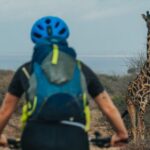


Waterfalls and Coffee Farm Tours, compared.
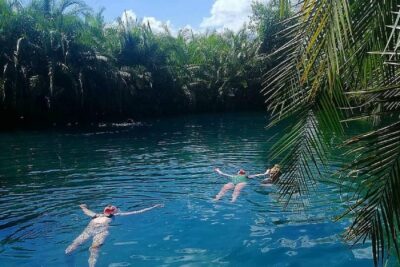 ★ 5.0Materuni Waterfalls, coffee tour & Kikuletwa Hot SpringsFrom $100643 reviews
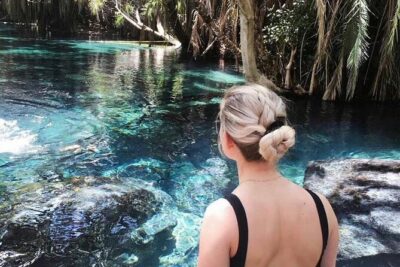 ★ 5.0Materuni Waterfalls & Chemka Hotsprings Day TripFrom $100214 reviews
 ★ 5.0Materuni waterfalls coffee tour & Chemka hot springs Day tripFrom $95131 reviews
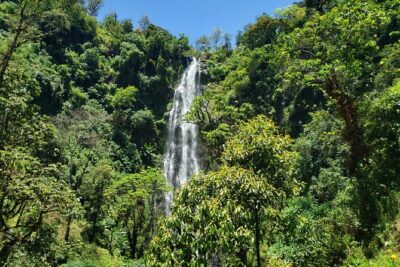 ★ 5.0Materuni Waterfall, Coffee Tour and Picnic Hot LunchFrom $70128 reviews
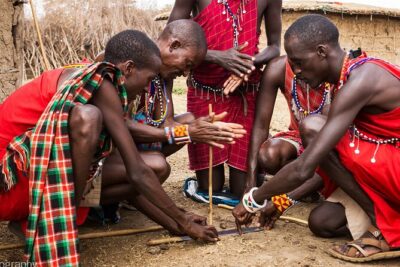 ★ 4.5Maasai village visit, Materuni waterfalls & coffee experienceFrom $15495 reviews
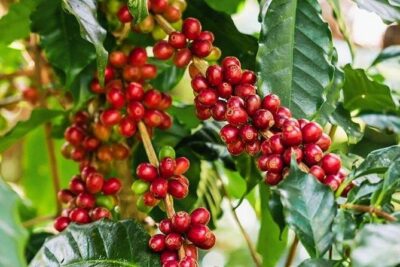 ★ 5.0Materuni Waterfalls & Coffee Tour from MoshiFrom $6092 reviews
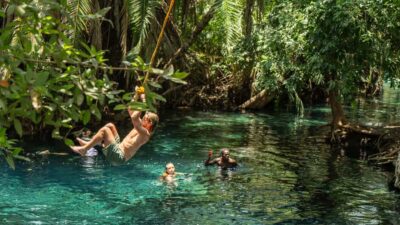 ★ 4.8Arusha or Moshi : Hot Spring, Waterfall & Coffee Farm TourFrom $5380 reviews
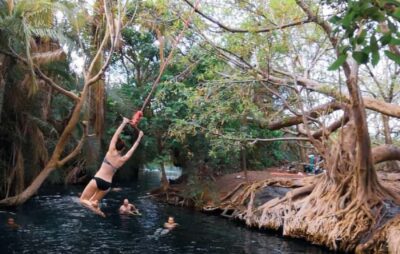 ★ 4.8Arusha: Materuni Waterfalls, Coffee, and Hotsprings TourFrom $10078 reviews
Browse the lists this tour appears in