
REVIEW · BIG FIVE AND GAME DRIVE SAFARIS
Best 7 Day 6-Night Tanzania Big Five Midrange Private Safari
Serengeti nights and crater mornings, all in one loop. This 7-day, 6-night private safari from Arusha strings together Tarangire, Serengeti, and Ngorongoro Crater for big-cat action and classic wildlife drama. It also includes pickup, park fees, and most meals, which makes the whole trip feel simpler from day one.
What I like most is the way the schedule gives you repeated chances in Serengeti National Park, including time to look for predators and the wider ecosystem. The second big win for me is the Ngorongoro Crater day, where you can see a lot of wildlife in a single, focused outing after descending into the crater.
One drawback to plan for: this is a packed route with early starts and long driving days, so if you want slow travel and lots of free time, you may feel safari days run back-to-back.
In This Review
- Key Highlights You Will Actually Feel
- The Big Picture: Why This Route Works for Big Five Dreams
- Day 1 in Arusha: Settling In Before Tarangire
- Day 2: Tarangire to Serengeti, Then Your First Serengeti Night
- Days 3 to 5: Serengeti National Park for Real, Not One Quick Drive
- Day 6: Ngorongoro Crater Descent and a Focused Big Wildlife Day
- Day 7: Back to Arusha With One Last Wildlife Sweep
- Midrange Comfort and Included Meals: Where the Value Shows Up
- Price and Logistics: Is $4,700 Fair for What You Get?
- The Private Tour Factor: What Changes Day-to-Day
- Who This Safari Fits Best (And Who Should Think Twice)
- Should You Book This 7-Day Private Safari From Arusha?
- FAQ
- What time does the safari start in Arusha?
- Is pickup included, and where does the tour end?
- What does the package include for meals and fees?
- What is not included in the price?
- Is this tour private?
- What is the cancellation policy?
Key Highlights You Will Actually Feel
- 4 full days in Serengeti to chase sightings rather than hoping for miracles in one morning
- Ngorongoro Crater game drives after the descent into a UNESCO World Heritage Site
- Midrange camp base at Serengeti Heritage Luxury Camp for easy reset between drives
- All fees and taxes plus most meals included, so you can budget tips and flights separately
- Private tour for just your group, with your guide shaping the day’s focus
- Operator experience with praised meals, accommodation, and transport plus guides who treat your trip like it matters
Lodge safaris in the same bracket
- 7-Day Premium Luxury Tanzania Safari All-Inclusive★ 5.0 · 426 reviews
- 5-Day Highlights mid-Range Crater, Serengeti, Tarangire★ 5.0 · 296 reviews
- Private 6-Day Tarangire Manyara Crater and Serengeti with Mid-Range Lodges★ 5.0 · 238 reviews
- 5 Days Best of Tanzania Luxury Safari Northern Circuit★ 5.0 · 174 reviews
The Big Picture: Why This Route Works for Big Five Dreams
Northern Tanzania is where you go when you want real safari variety, not one-note wildlife watching. This route covers three of the most famous areas because each one rewards you differently.
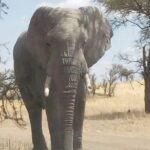
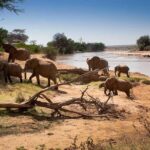
Tarangire often gives you elephants and curious wildlife in a landscape of baobabs and changing terrain. Serengeti is where the action tempo rises, especially for predators and the drama of herds moving through the plains. Ngorongoro Crater is the “wow” day for many people, because you’re working in a concentrated bowl where animals move close to where you’re searching.
Also, the private format matters. Even without changing the itinerary, your guide can spend more time on what you want to see, and they can adjust based on sightings and how the day is unfolding.
Day 1 in Arusha: Settling In Before Tarangire
Your day starts in Arusha at 8:00 am, with the tour beginning and running from the Arusha area. Depending on your arrival time, you’ll get a transfer to your midrange accommodation, plus a chance to reset before the safari rhythm kicks in.
If you land early enough, Arusha can be a useful warm-up. You might fit in a stroll around local markets, or simply take time to get organized, because the next days involve long stretches away from shops and phone service.
Dinner on day one is included, and that matters for value because it removes one more decision you would otherwise make while traveling. The main focus here is simple: get rested, get ready, and let the guide handle the handoffs.
What to watch for: if your flight arrives late, keep expectations flexible. You may not get much “city time,” but you will still have a full safari day waiting tomorrow.
Day 2: Tarangire to Serengeti, Then Your First Serengeti Night
On day two, you shift from Tarangire toward Serengeti. The drive includes at least one game drive en route, which is a practical move. It means your day is not only about transit, it also gives you wildlife time before you reach your camp.
You arrive at Serengeti Heritage Luxury Camp in the heart of Serengeti. That kind of camp base helps because it lowers the friction between game drives and meals. After a full day, you want a place where you can eat, sleep, and get ready without spending hours commuting.
At this stage, I’d treat your first Serengeti night as an orientation day for the region. You’re learning where wildlife tends to be that time of year, and your guide is getting a sense of how you want to spend the next blocks of time.
Value note: this tour includes park admission fees and all fees and taxes, so you are not juggling entry costs in the middle of the journey.
More game drives with the same aim
Days 3 to 5: Serengeti National Park for Real, Not One Quick Drive
This is the core of the safari, because the schedule gives you multiple full days in Serengeti. That changes everything.
Instead of trying to hit the “top sightings” in a single day, you can build momentum. You can try different sections of the park, follow where herds are moving, and adjust when predators are active or quiet.
Across these days, you’re looking for herds of wildebeest and zebra, plus big cats like lions and cheetahs. The itinerary also mentions the possibility of seeing elusive leopards, and that’s where having extra days helps. Leopards are not on a clock, so time is your advantage.
Here’s what I personally find useful about this kind of pacing:
- If you miss a sighting one day, you have room to chase it the next.
- If the action is strong early, your guide can extend the focus without feeling like you’re “behind” schedule.
- You get time for photography without feeling rushed from one stop to the next.
Meals and downtime also matter. You return to Serengeti Heritage Luxury Camp each night, so you’re not constantly switching accommodation styles during your busiest wildlife days.
A small reality check: even with perfect planning, wildlife sightings are never guaranteed. Your goal is better odds and more total chances, and this itinerary delivers that through time.
Day 6: Ngorongoro Crater Descent and a Focused Big Wildlife Day
Day six is the shift from Serengeti to the Ngorongoro Conservation Area. The big moment is descending into Ngorongoro Crater, which is a UNESCO World Heritage Site.
Working inside the crater is different from the open plains. You’re in a natural bowl where animals can appear surprisingly close as you search. The itinerary highlights elephants and lions, plus the possibility of black rhinos. In real safari terms, this is where “Big Five” talk becomes more grounded because you’re in a region known for those kinds of encounters.
Game drives here tend to be about concentration. Instead of covering huge distances all day, you’re reading the crater and scanning for movement: groups grazing, predators stationed, and birds doing their constant work in the canopy and open ground.
When you’re done, you retire to accommodation with views of the surrounding area. That’s a practical detail because it gives you a mental landing after a day focused on long drives and crater searching.
Consideration: crater days can feel physically demanding, since you’re descending and then spending time on drives at altitude. Comfortable footwear and staying hydrated are worth it.
Day 7: Back to Arusha With One Last Wildlife Sweep
Your final day starts with a tranquil morning in the Ngorongoro Conservation Area. Then, after breakfast, you travel back to Arusha.
The itinerary includes a chance to spot wildlife along the way. That “bonus searching” is a nice way to end, because you’re already out in safari country, not back in a city setting. You’ll arrive in Arusha, say goodbye to your guide and safari team, and then transfer onward to the airport or your next stay.
This is also when you’ll likely want to grab souvenirs and mementos. If you’re the type who likes to match an item to a memory, the timing helps. You can buy while the sights are still fresh.
Midrange Comfort and Included Meals: Where the Value Shows Up
The tour is priced at $4,700.00 per person for a 7-day, 6-night private safari, and the “value” depends on what is actually included.
Here’s what you can count on from the package details:
- All fees and taxes
- Park admission is free as listed
- Breakfast included (7)
- Lunch included (7)
- Dinner included (6)
That meal set matters more than most people think. On safari, food is not just about taste. It’s about timing. When meals are included, you spend less time hunting for food stops and more time on the game drive schedule.
Accommodation is described as midrange, with Serengeti Heritage Luxury Camp named for Serengeti nights. For Ngorongoro and Arusha, the details are less specific, but the “midrange” positioning suggests you should expect comfortable rooms and basic creature comforts without going fully luxury.
One more practical angle: this package explicitly lists accommodation before and after safari as not included. So if you need an extra hotel night in Arusha or at the end of your trip, you’ll need to budget separately.
Price and Logistics: Is $4,700 Fair for What You Get?
At first glance, $4,700 per person can feel steep, especially if you compare it to “budget safari” numbers. But safari pricing is mostly about logistics: guides, vehicle time, park access, and the cost of moving between regions.
This package stacks several items into the price:
- private group format
- all fees and taxes
- admission ticket free
- most meals
- pickup offered
- a full loop covering Tarangire, Serengeti, and Ngorongoro
So you’re not paying extra for every single park entry and meal decision. That is where the value becomes clearer. Your biggest outside costs are the ones that are not included, like visa, medical insurance, local and international flights, and tips to guides.
My take on fairness: if you want Big Five possibilities, plus multiple Serengeti days, plus Ngorongoro Crater, and you prefer not to handle logistics yourself, this sits in the “it costs what it costs” zone. For many people, that is the real trade: pay more and reduce headaches.
The Private Tour Factor: What Changes Day-to-Day
“Private” is not just a checkbox. It usually means your day is less rigid and more personal.
In a private safari, you and your group are the only ones on the schedule, so:
- Your guide can focus on your sighting priorities.
- You can react to where animals are active without feeling like you must keep pace with strangers’ timelines.
- You spend less time waiting around for other groups.
This tour also lists that you’ll be accompanied by a friendly guide from arrival in Arusha, with your group staying together through the safari days. That continuity helps because you’re not constantly briefing new people, and you can build trust in how the guide reads the park.
I also liked seeing that this operator has a reputation for strong basics like meals, accommodation, and transport, plus caring, helpful guides. That kind of track record matters, because in safari travel, the small stuff is what keeps the big days enjoyable.
Who This Safari Fits Best (And Who Should Think Twice)
This tour makes the most sense if you want:
- a classic northern Tanzania circuit with Tarangire, Serengeti, and Ngorongoro
- more time in Serengeti rather than a rushed stop
- a midrange comfort level instead of roughing it
- the simplicity of most meals and park fees included
You might want to think twice if you:
- hate long driving days and early starts
- want lots of independent downtime to explore at your own pace
- need flexibility to cancel or change dates, since this experience is listed as non-refundable and cannot be changed for any reason
If you’re a first-time safari traveler, the structure is also helpful. You get a clear route with a consistent camp base in Serengeti, and a clear finale at Ngorongoro.
Should You Book This 7-Day Private Safari From Arusha?
I’d book it if you want the “big names” of Tanzania done properly: Tarangire for starter wildlife, Serengeti with serious time, and Ngorongoro Crater for that compressed, high-impact day. The biggest reason is the balance of value and opportunity, especially the four full days in Serengeti.
I would hesitate only if your travel style is all about freedom and low structure, or if you know you might need date changes. This itinerary is built like a careful machine, and that’s good for wildlife time, but it is not the kind of trip you should treat like a flexible placeholder.
If you want a midrange private safari that feels organized, with meals and park access handled and enough days to improve your odds, this one is a solid match.
FAQ
What time does the safari start in Arusha?
The start time is listed as 8:00 am in Arusha.
Is pickup included, and where does the tour end?
Pickup is offered, and the experience ends back at the meeting point in Arusha.
What does the package include for meals and fees?
It includes all fees and taxes, plus breakfast (7), lunch (7), and dinner (6). The tour also lists admission tickets as free.
What is not included in the price?
Not included are visa, medical insurance, local and international flights, tips to guides, and accommodation before and after safari.
Is this tour private?
Yes, it is a private tour/activity, and only your group participates.
What is the cancellation policy?
This experience is listed as non-refundable and cannot be changed for any reason. If you cancel or request an amendment, the amount paid will not be refunded.
More Time in the Vehicle
- Tanzania Simba Safari – 5 Days
★ 5.0 · 217 reviews - Living Among Lions
★ 5.0 · 191 reviews - Big Five Luxury Safari in Tanzania
★ 5.0 · 68 reviews - From Arusha: 6 Day Classic Game Drive Serengeti & Ngorongoro
★ 5.0 · 49 reviews - 4-Day Simba Safari – Mid Range Tour
★ 5.0 · 47 reviews
More Lodge Safaris
- 7-Day Premium Luxury Tanzania Safari All-Inclusive
★ 5.0 · 426 reviews - 5-Day Highlights mid-Range Crater, Serengeti, Tarangire
★ 5.0 · 296 reviews - Private 6-Day Tarangire Manyara Crater and Serengeti with Mid-Range Lodges
★ 5.0 · 238 reviews - 5 Days Best of Tanzania Luxury Safari Northern Circuit
★ 5.0 · 174 reviews - 5-Day Private midrange Tour in Arusha with Airport Pickup
★ 5.0 · 160 reviews
Just added from around Arusha
Big Five and Game Drive Safaris, compared.
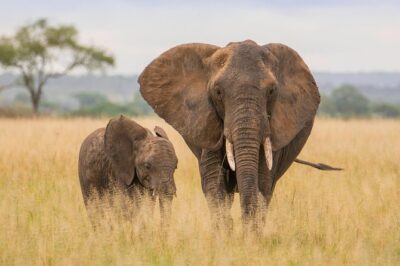 ★ 5.0Tanzania Simba Safari – 5 DaysFrom $2,897217 reviews
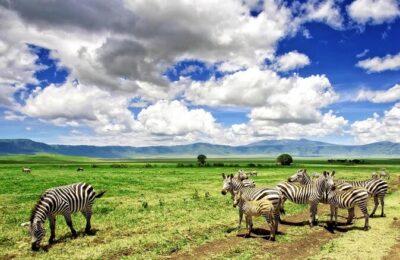 ★ 5.0Living Among LionsFrom $3,872191 reviews
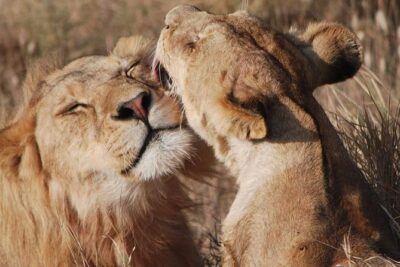 ★ 5.0Big Five Safari In TanzaniaFrom $3,75099 reviews
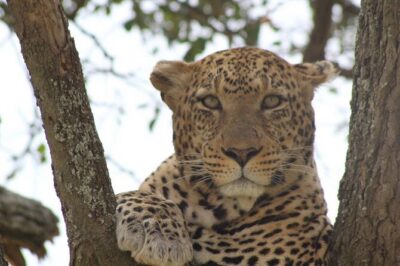 ★ 5.0Big Five Luxury Safari in TanzaniaFrom $2,90068 reviews
 ★ 4.3From Zanzibar: Nyerere National Park Game Drive with LunchFrom $55059 reviews
 ★ 5.0From Arusha: 6 Day Classic Game Drive Serengeti & NgorongoroFrom $2,86449 reviews
 ★ 5.04-Day Simba Safari – Mid Range TourFrom $2,17947 reviews
 ★ 5.05 Days 4 Nights Tarangire, Serengeti , Ngorongoro & Manyara Wildlife SafariFrom $2,60040 reviews
Browse the lists this tour appears in