
REVIEW · TARANGIRE NATIONAL PARK SAFARIS
Arusha: Tarangire National Park Full-Day Wildlife Safari
Tarangire can feel like a wildlife documentary in real life. This full-day safari from Arusha mixes high-density elephants, classic Tarangire scenery with baobab trees, and the thrill of possible rock python sightings, all with a professional English-speaking guide. I especially like how the day is built for real game viewing, not just a quick drive-through.
Two standouts I’d anchor on: the chance to see elephants in huge numbers year-round, and the guide style that helps you actually find animals. One consideration is the long time on the road, so plan for a full day and bring something to stay comfortable during transfers.
In This Review
- Key points to know before you go
- Tarangire in one long day, starting in Arusha
- Baobabs and the Tarangire River, why this park is its own world
- Elephant density you actually get to watch, not just hear about
- The Tarangire specialities: tree-climbing lions, rock pythons, and the rest
- What the five hours inside the park really means for your day
- Private 4×4 comfort, and how to stay sane on safari timing
- Meals and the lunch picnic that keeps your energy up
- Bird watching in Tarangire, including the Masai ostrich
- Price and value, what you’re really paying for at $350
- Who this safari is best for, and who might want a different plan
- Should you book this Tarangire full-day safari from Arusha?
- FAQ
- How long is the Tarangire National Park safari?
- Where are you picked up and returned?
- Is this tour private or shared?
- What vehicle is used for the safari?
- What meals are included?
- Are entrance fees to Tarangire National Park included?
- Does the tour include bird watching?
- Is the guide available in English?
- Is the safari wheelchair accessible?
- Can I pay later and get a refund if plans change?
Key points to know before you go
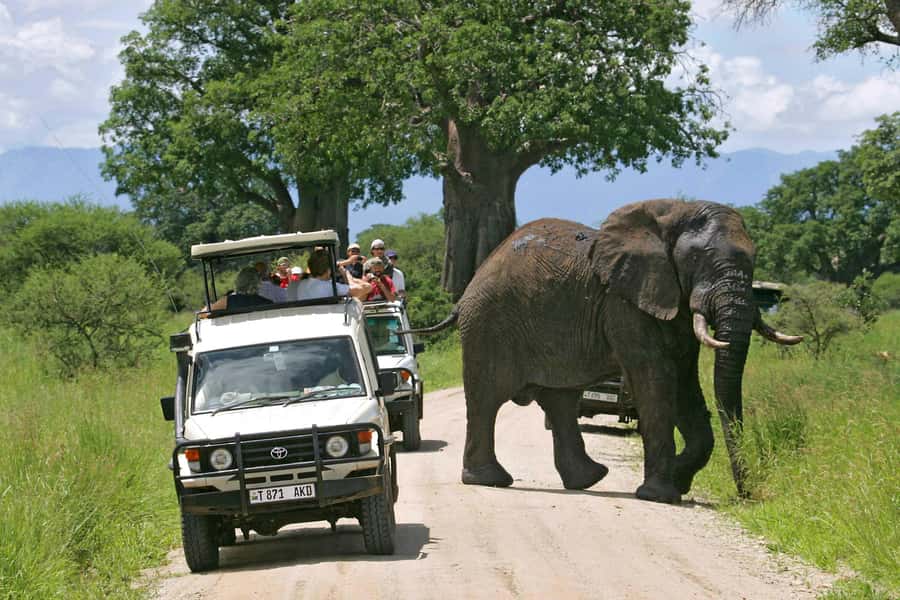
- Elephants year-round, with herds that can reach around 300 animals
- Baobab scenery that makes Tarangire feel instantly different from other parks
- Dry-season timing (July to October) for concentrated wildlife at the Tarangire River
- Tree-climbing lions plus a real possibility of seeing rock pythons
- English-speaking guide who focuses on spotting wildlife efficiently
- All meals included during the safari, with a proper lunch stop
Tarangire again, with different operators
- 5-Day Highlights mid-Range Crater, Serengeti, Tarangire★ 5.0 · 296 reviews
- Private 6-Day Tarangire Manyara Crater and Serengeti with Mid-Range Lodges★ 5.0 · 238 reviews
- 5 Days Camping Tarangire, Serengeti & Ngorongoro crater & Visiting Maasai★ 5.0 · 229 reviews
- 4 Days Join Group tour Tarangire Serengeti and Ngorongoro crater★ 5.0 · 219 reviews
Tarangire in one long day, starting in Arusha
You start with hotel pickup in Arusha, then you’re soon heading into Tanzania’s north safari country. Plan for a day that blends road time with a focused time inside the park, so you’re not rushing from one place to another every ten minutes.
Once you arrive, the heart of the day is guided wildlife driving for about five hours, with more time afterward for the drive back to Arusha. It’s long, but that length matters here because Tarangire wildlife often shows up best when you have enough hours to follow the day’s action, rather than chasing it for a couple of quick stops.
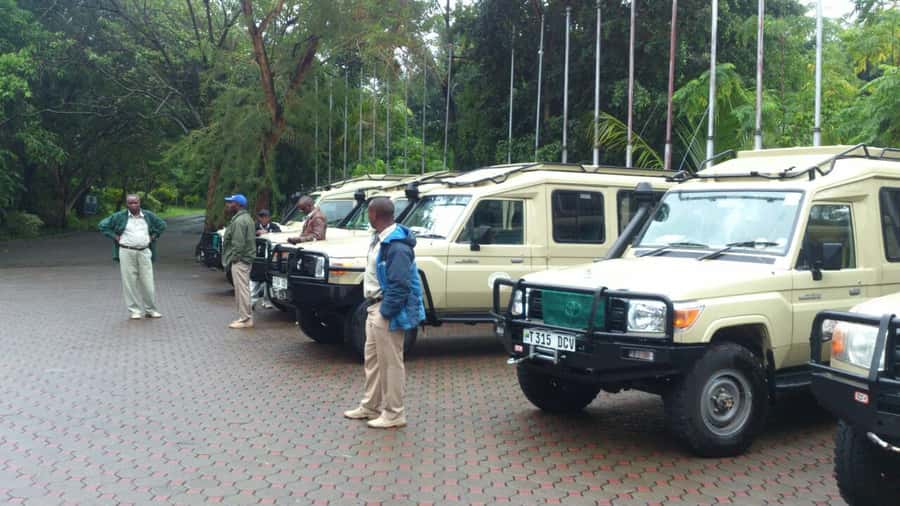
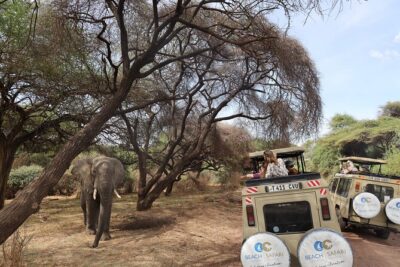
This is also set up as a private group with a custom-built 4×4. That matters for comfort and for making the day feel personal, especially when you want the guide to adjust your route based on what’s actually happening that day.
Baobabs and the Tarangire River, why this park is its own world
Tarangire is famous for two things you’ll feel the moment you get there: the big baobab trees and the Tarangire River system. The park’s baobabs aren’t just pretty backdrops. They’re part of the habitat, and they shape where animals move and pause, which is exactly what you want for wildlife viewing.
The river is the key. It has water all year round, which means you’re not completely guessing in the dry months. During the dry season, especially from July to October, animals from surrounding areas come to the river to drink, which increases the odds you’ll see more wildlife concentrated in one area.
If you’re coming in the dry season, I’d expect a more intense day. It can also make animal behavior easier to read because animals gather around water and you often get longer viewing windows.
Elephant density you actually get to watch, not just hear about
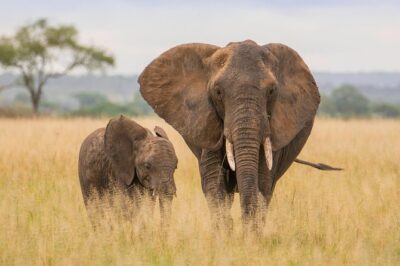
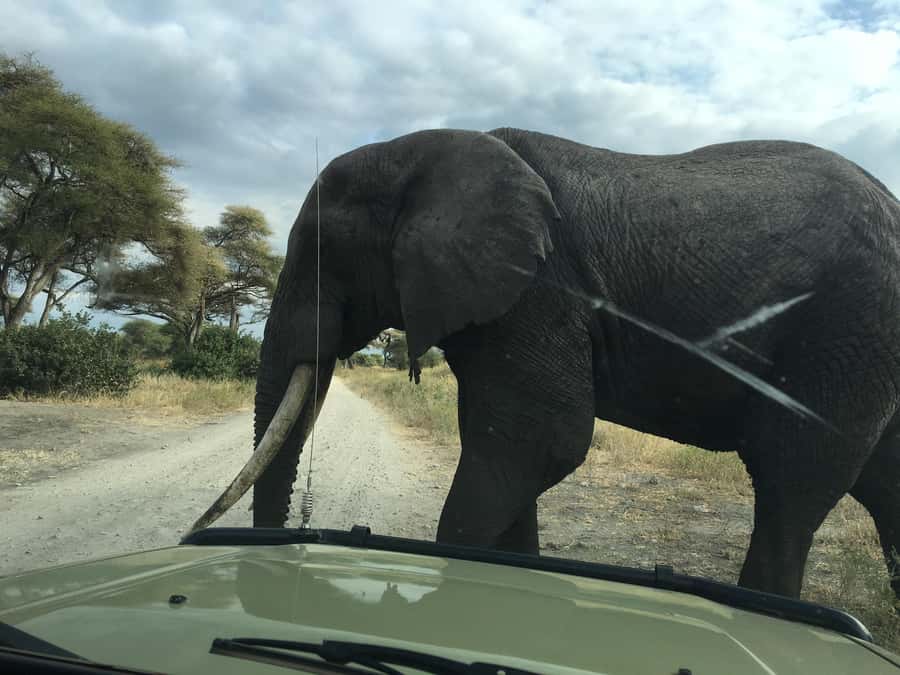
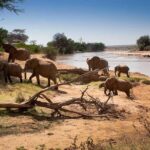
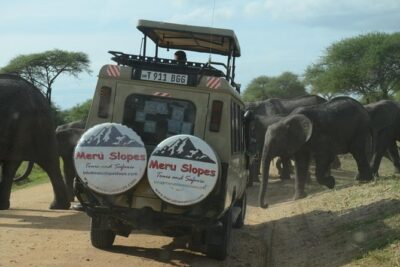
Tarangire has the highest density of elephants in North Tanzania, and the park is known for viewing them all year round. That’s huge for your odds, because elephants don’t only show up at one magical time. You’re not relying on a single seasonal moment.
The information you’ll be working with for planning is straightforward: elephant herds can be impressive, sometimes around 300 animals. Even if you don’t reach that exact number, you’re still going to be watching real movement, not just a stray animal in the distance.
This is also where your guide’s skill really pays off. When elephants are around, there’s often a lot to track, including where the herd is heading and what the rest of the ecosystem is doing around that water or feeding area. A strong guide helps you spend your time watching, not wandering.
More game drives with the same aim
The Tarangire specialities: tree-climbing lions, rock pythons, and the rest
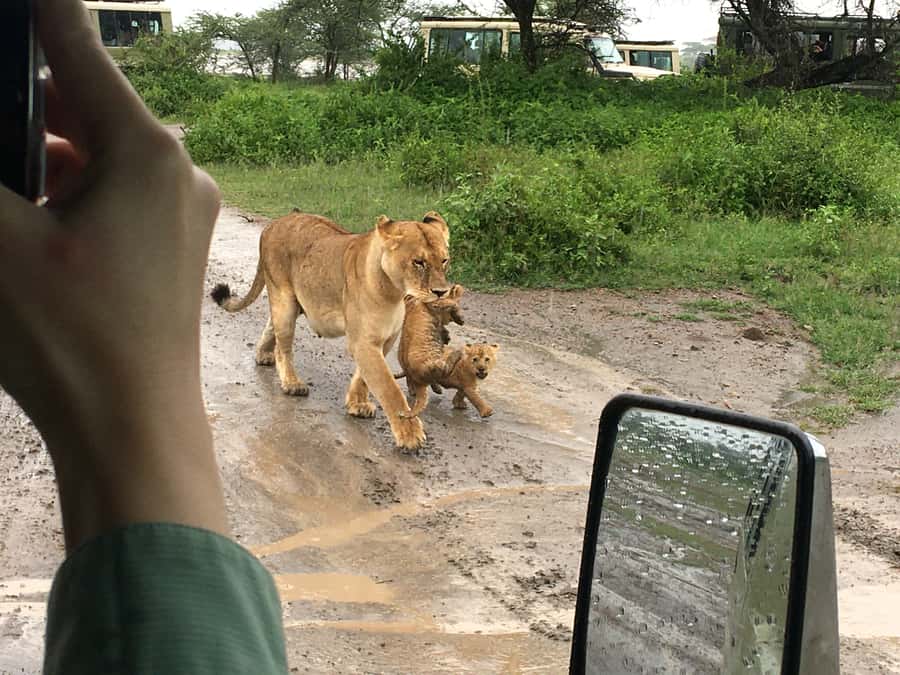
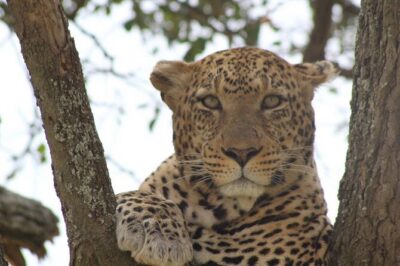
Tarangire’s wildlife mix is what makes people talk about it after the safari ends. The highlights include tree-climbing lions and rock pythons, and those are the kinds of species that turn a normal safari day into a memory.
Here’s how I think about those possibilities for your planning:
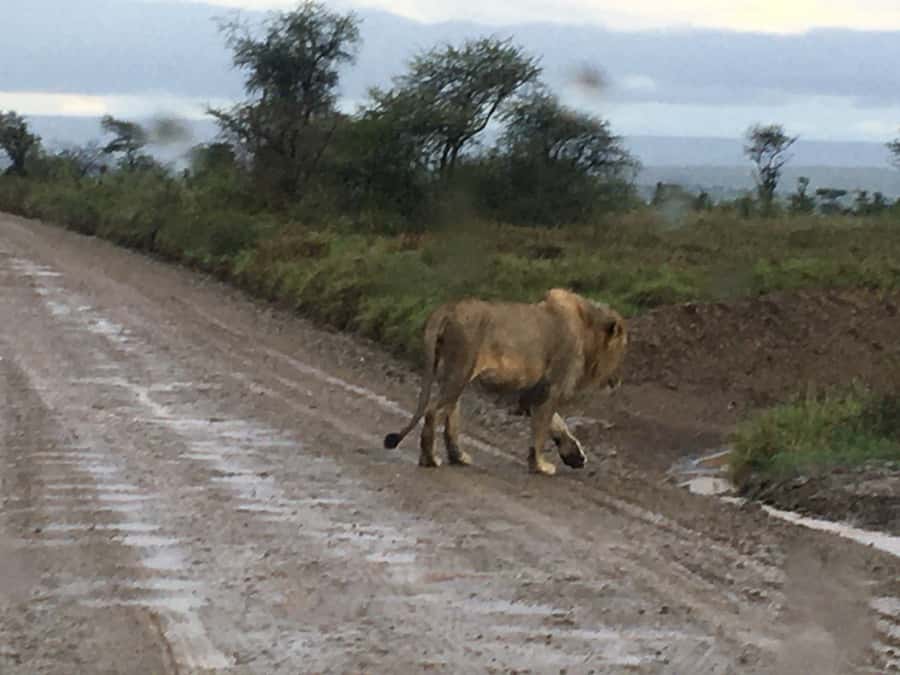
- Tree-climbing lions are unusual enough that it’s worth treating it as a top target, not a bonus. Even if you don’t see them, the pursuit can lead you to areas where other predators and prey are active.
- Rock pythons are also not something you should assume you’ll see, but the inclusion of python as a speciality is a clear sign the park has real chances, especially if conditions and your route align.
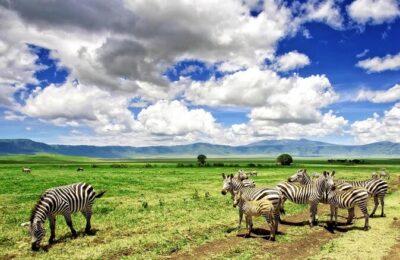
Beyond the headline species, the dry season window helps bring in the bigger names you’ll likely hope for: lions, giraffes, buffaloes, wildebeests, zebras, and a mix of antelopes and gazelles. With a well-led safari day, you’re not just checking boxes. You’re seeing how the park’s food chain plays out in real time.
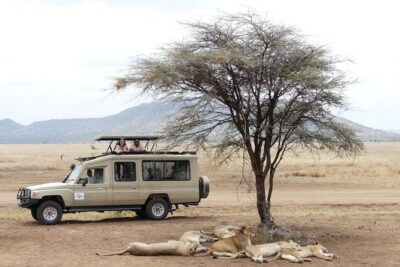
And because you’re out for a full safari day, you have enough time to wait for the right moment. That patience is often the difference between a disappointing sighting and the kind of sighting you can watch for several minutes.
What the five hours inside the park really means for your day
Five guided hours in Tarangire is a sweet spot. It’s long enough for a real wildlife rhythm, not just a drive-by look. It also gives the guide time to respond to where animals are concentrated that day, especially near water in the dry season.
The tradeoff is simple: you need to accept that you are spending a lot of time in the vehicle. That’s not a complaint, it’s the deal with safari. Tarangire works because animals are distributed across the park, and your best viewing usually comes from being able to move slowly and scan carefully.
One of the best parts of this type of day is that it tends to feel flexible. A good guide can help you stop when conditions look promising, instead of sticking to an inflexible script. That flexibility matters, because animal encounters can be sudden, and the best photo moment might last only a short time.
Private 4×4 comfort, and how to stay sane on safari timing
You’ll use a private 4×4 custom-built vehicle, with hotel pickup and drop-off. The vehicle isn’t just a perk. On safari roads, it’s part of how you get smoother spotting and more stable viewing.
Your driving schedule is spread out: you’ll have several hours of road time each way, then your park time in the middle. That means you should plan to eat and hydrate well before and after your park hours, rather than relying on snacks alone.
Practical tip: dress for movement. Mornings and evenings can feel cooler depending on the season, and midday can be warmer. Bring a light layer you can put on or take off quickly, plus something comfortable to wear in the vehicle.
Also, remember that a full-day safari is not the day to over-schedule dinners or get stuck with tight plans back in Arusha or Moshi. You’ll arrive back before sunset, but your body will still feel like it did a big activity day.
Meals and the lunch picnic that keeps your energy up
Food can make or break a long safari day, and this one includes breakfast, lunch, and dinner during the safari, plus drinking water. A proper lunch stop is a big deal because it gives you a real reset in the middle of the day, instead of eating on the go and losing your focus for the afternoon wildlife drive.
The lunch timing is positioned so that after you’ve had morning viewing time, you get your break, then you head back out for more wildlife watching in the afternoon. If you’re the type who gets cranky after a missed meal, you’ll probably appreciate this schedule more than you think.
For your planning, treat this as a full-day nutrition plan, not a casual outing. If you also bring snacks you like, it can help during the waiting moments, but the core meals are already included.
Bird watching in Tarangire, including the Masai ostrich
Tarangire is also a bird watcher’s park. Dry season is described as a haven for bird watchers, with over 550 bird species. One standout named specifically is the Masai ostrich, the world’s largest bird.
This matters because it changes how you can enjoy the drive. Even if your big mammals are quiet at a moment, you still have plenty to look for: movement in scrub, calls from hidden spots, and birds working around water.
If birding is part of your trip priorities, I’d lean into it with your guide’s help. The tour includes bird watching, so you can ask the guide to slow down for likely viewing zones. Your payoff is usually twofold: better bird sightings and less time feeling like you’re waiting for mammals to show up.
Price and value, what you’re really paying for at $350
The price is $350 per person, and the value comes from how many parts of the day are handled for you.
You’re paying for:
- hotel pickup and drop-off in Arusha
- a private custom-built 4×4
- all meals during the safari and drinking water
- a professional English-speaking guide
- park entrance fees
- bird watching support
So the real comparison is not just “Is $350 cheap?” It’s “Does this cost replace a lot of separate planning and logistics?” For a one-day trip, that’s the key. When entrance fees, vehicle, guide time, and meals are already bundled, you spend less effort coordinating and more effort focusing on spotting animals.
In practical terms, this kind of all-in safari can also help you avoid the common downside of self-guided days: wandering without the right route choices. Tarangire animals are there, but your odds improve when you have someone who knows where to look and how to keep your time working.
Who this safari is best for, and who might want a different plan
This is ideal if you:
- want a full day focused on wildlife in a single park
- care about elephants and the chance to see them in large herds
- enjoy guided spotting and want it explained in English
- like the idea of unusual targets like tree-climbing lions and rock pythons
- want bird watching during the dry season, including the Masai ostrich
It may be less ideal if you:
- hate long car time, because the day includes substantial driving
- prefer highly structured stops that feel like fixed sightseeing blocks, instead of wildlife-driven routing
If you’re traveling as a group that wants privacy and flexibility, the private group format is a strong match.
Should you book this Tarangire full-day safari from Arusha?
Yes, if Tarangire is on your Tanzania wish list and you want the day handled end-to-end. This safari checks the boxes that matter most: strong elephant viewing potential, a serious chance of Tarangire specialities, and enough hours to actually enjoy the park instead of rushing it.
Skip it only if long driving time sounds like a dealbreaker. Otherwise, the combination of elephant density, baobab scenery, bird watching, and included meals makes this feel like a well-balanced, practical safari day.
FAQ
How long is the Tarangire National Park safari?
The safari duration is 1 day.
Where are you picked up and returned?
You are picked up from your hotel in Arusha and returned to Arusha after the safari.
Is this tour private or shared?
This is a private group.
What vehicle is used for the safari?
You travel in a private 4×4 custom built vehicle.
What meals are included?
All meals during the safari are included, including breakfast, lunch, and dinner, along with drinking water.
Are entrance fees to Tarangire National Park included?
Yes, entrance fees to National Parks are included.
Does the tour include bird watching?
Yes, bird watching is included.
Is the guide available in English?
Yes, the live tour guide speaks English.
Is the safari wheelchair accessible?
Yes, the tour is listed as wheelchair accessible.
Can I pay later and get a refund if plans change?
You can reserve and pay later. Free cancellation is available up to 24 hours in advance for a full refund.
More Time in the Vehicle
- Tanzania Simba Safari – 5 Days
★ 5.0 · 217 reviews - Living Among Lions
★ 5.0 · 191 reviews - Big Five Luxury Safari in Tanzania
★ 5.0 · 68 reviews - From Arusha: 6 Day Classic Game Drive Serengeti & Ngorongoro
★ 5.0 · 49 reviews - 4-Day Simba Safari – Mid Range Tour
★ 5.0 · 47 reviews
Tarangire and Its Baobabs
- 5-Day Highlights mid-Range Crater, Serengeti, Tarangire
★ 5.0 · 296 reviews - Private 6-Day Tarangire Manyara Crater and Serengeti with Mid-Range Lodges
★ 5.0 · 238 reviews - 5 Days Camping Tarangire, Serengeti & Ngorongoro crater & Visiting Maasai
★ 5.0 · 229 reviews - 4 Days Join Group tour Tarangire Serengeti and Ngorongoro crater
★ 5.0 · 219 reviews - 4-Day Safari from Arusha: Tarangire, Serengeti and Ngorongoro
★ 5.0 · 173 reviews
Just added from around Arusha
Tarangire National Park Safaris, compared.
 ★ 5.05-Day Highlights mid-Range Crater, Serengeti, TarangireFrom $2,327296 reviews
 ★ 5.0Private 6-Day Tarangire Manyara Crater and Serengeti with Mid-Range LodgesFrom $2,685238 reviews
 ★ 5.05 Days Camping Tarangire, Serengeti & Ngorongoro crater & Visiting MaasaiFrom $1,254229 reviews
 ★ 5.04 Days Join Group tour Tarangire Serengeti and Ngorongoro craterFrom $1,090219 reviews
 ★ 5.04-Day Safari from Arusha: Tarangire, Serengeti and NgorongoroFrom $1,753173 reviews
 ★ 5.02 Days Tarangire and Ngorongoro Group Camping SafariFrom $550146 reviews
 ★ 5.04 Days Tarangire Serengeti Ngorongoro CraterFrom $900117 reviews
 ★ 5.03 Days Tarangire, Ngorongoro & Lake Manyara Group Camping SafariFrom $700102 reviews
Browse the lists this tour appears in