
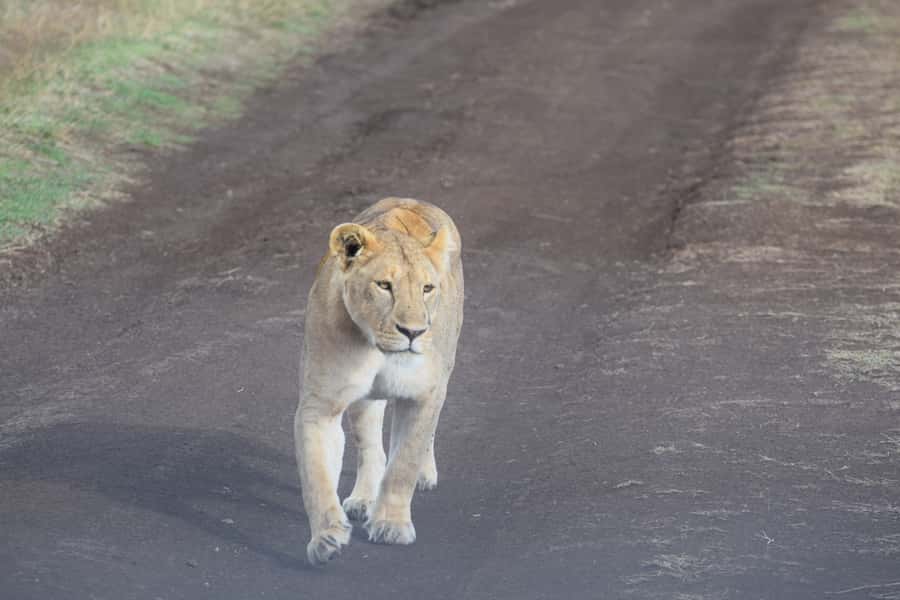
REVIEW · SERENGETI NATIONAL PARK SAFARIS
Arusha: Serengeti and Ngorongoro Multi-Day Camping Safari
Wildebeest thunder is closer than you think. This 4-day camping safari gives you a strong shot at Big Five sightings on the Serengeti plains, with a 4X4 Landrover pop-up roof and a guaranteed window seat for real viewing time. I like that the trip is run by guides such as Ali, who drove well and kept the hunt focused, not random.
I also like the camping style here. You sleep in a tent for 3 nights, with sleeping bags provided, so the wildlife feels like part of your night rather than a photo-op. The chef team has real fans too, including Christian and Christian-like cooks, who served delicious local food throughout.
One consideration: you should be ready for long driving stretches and basic camp comforts. A few notes point to heavy hours in the car when animals are farther out, plus very simple camp facilities in Serengeti and limited snack options during the longest gaps.
In This Review
- Key things to know before you go
- From Arusha to Serengeti: Where the Safari Really Starts
- Full-Day Serengeti Drives: Migration Action and Bird-Spotting Time
- The Camp Nights in Serengeti: Tent Comfort, Real Nature, and What to Plan For
- Ngorongoro Crater Transfer: The Optional Olduvai Add-On
- Ngorongoro Crater Floor Game Drives: Flamingos, Springs, and the Animal Concentration
- The Vehicle Setup That Makes Sightings Easier: Pop-Top Roof and Window Seat
- Guide and Chef Quality: Why Names Like Ali and Christian Matter
- Price and Value at $950: What You Get, and What You Still Need to Pay
- Timing, Long Driving Days, and When Patience Pays Off
- Who This Safari Is Best For (and Who Might Want Another Style)
- Should You Book This Camping Safari from Arusha?
- FAQ
- How many nights do you spend camping?
- What animals and bird sightings are you aiming for?
- Is this a private safari?
- What vehicle do you use for game drives?
- Can you visit Olduvai Gorge?
- What’s included for meals and drinking water?
- Where do pickups and drop-offs happen?
- What is the cancellation policy?
Key things to know before you go
Big cat and migration odds with pop-top 4X4 game viewing.
Serengeti day drives plus a Ngorongoro crater finish for density.
3-night tent camping with sleeping bags, plus meals and bottled water included.
English-speaking guide, shared group setup (6 clients in the car).
Optional Olduvai Gorge visit for an extra fee, if you want more context.
Plan for long days, fewer breaks, and basic washroom conditions in camp.
More of the Serengeti, drive by drive
- Balloon Safari & Bush Breakfast in Serengeti – Miracle Experience★ 5.0 · 1,646 reviews
- 3 Days Serengeti & Ngorongoro Group Camping Safari★ 5.0 · 574 reviews
- 5-Day Highlights mid-Range Crater, Serengeti, Tarangire★ 5.0 · 296 reviews
- 3-Day Classic Serengeti Safari★ 5.0 · 263 reviews
From Arusha to Serengeti: Where the Safari Really Starts
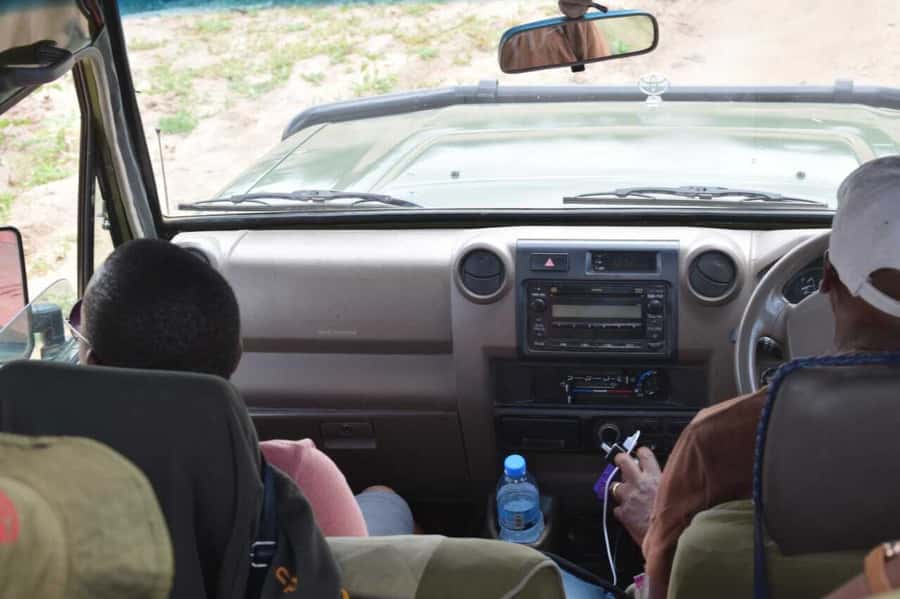
Arusha is your launchpad, and the morning pickup makes a difference because you waste less time figuring out logistics. You get hotel pickup in Arusha, and there’s also an airport-to-Arusha option the day before the tour for an extra cost if you need it. Either way, you start the safari with a straightforward transfer and then hit the park with energy.
The drive into Serengeti is not just “getting there.” You’ll take a game drive en route, which is a smart way to use daylight. You also get a complimentary packed lunch along the way, so you are not stuck hungry while you’re waiting for the first good sightings. This is one of those small details that makes the early hours feel organized.
Once you’re in Serengeti, your first big goal is positioning. Your guide’s job is to spot where wildlife is feeding, moving, or resting, and that’s what determines whether your first evening feels magical or just busy. Expect animals on the plains and lots of birds, with the park known for big predator presence as well.
Full-Day Serengeti Drives: Migration Action and Bird-Spotting Time
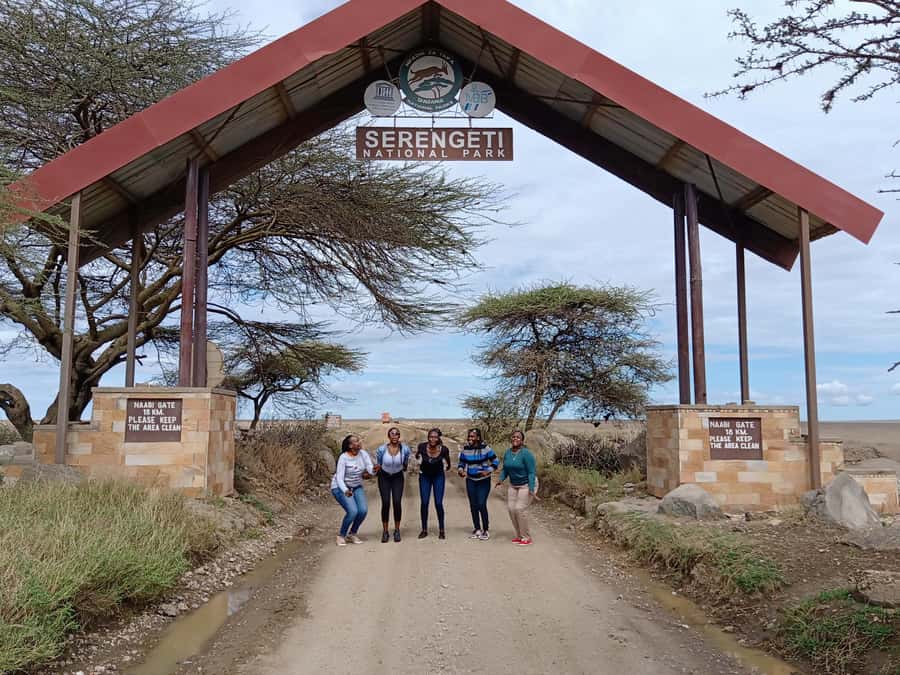
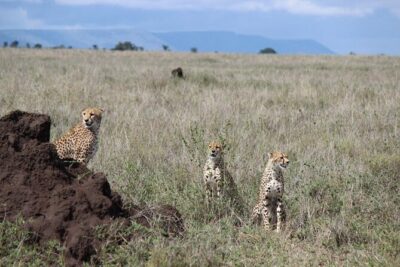
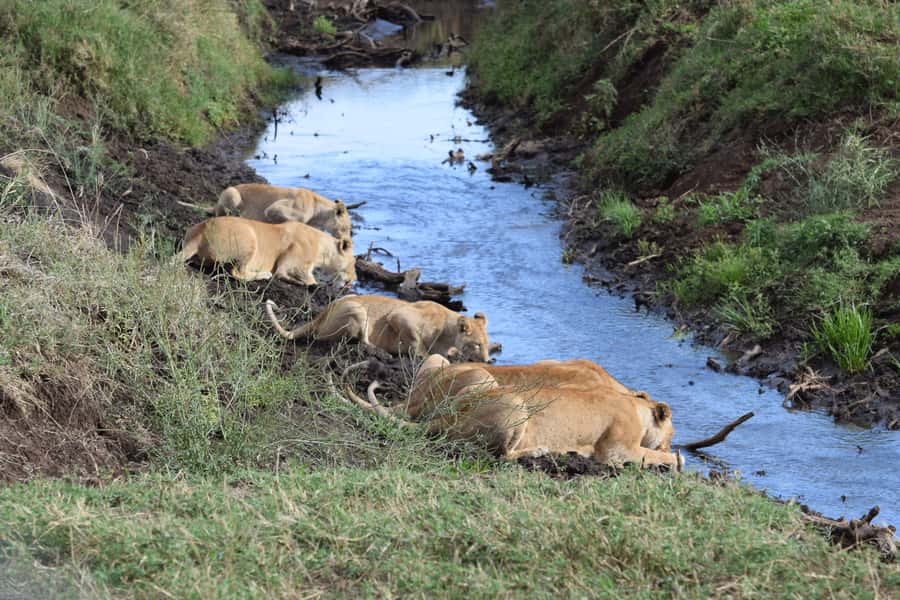
The best part of this trip for wildlife lovers is how much time you get on the ground in Serengeti. You go out for wide-ranging morning and afternoon game drives, which matters because animals do not follow a neat schedule. Predators often show up when you catch the right light and the right herd movement, and the guides are working that puzzle all day.
You are also specifically set up for the migration story. The focus is on spotting the annual movement of wildebeest and zebra along with many birds, including birds that migrate. If you’ve only seen migration in videos, being out there in real life is usually the shocker, because it’s not one moment, it’s a slow, constant flow of life.
Then there’s the bird side, which many safari schedules ignore. Here, your guide looks for flocks of migrant birds while you’re driving, so you get more variety than just “big animal or nothing.” It also means you spend more time observing rather than constantly scanning for the next rare predator.
A practical thing I appreciate: you break for lunch and dinner back at the campsite. That rhythm helps you stay alert, especially after a long first day. You also sleep another night at the campsite, which gives you that real “out there” feeling instead of a rushed one-night stop.
The Camp Nights in Serengeti: Tent Comfort, Real Nature, and What to Plan For
Sleeping in a tent in Serengeti is not luxury, and you should not expect hotel-level comfort. But it can be the highlight for people who want the safari to include night sounds and close-up atmosphere. You get sleeping bags, so you are not arriving unprepared, and you can settle in without having to buy extra gear.
Food is a strong point. Guides and chefs like Christian are singled out for doing a great job, including serving local food throughout the trip. That matters because on safari, you need steady fuel, not just snacks. Also, bottled water is included, which helps you stay hydrated without constantly planning purchases.
On the “what to watch for” side, don’t expect fancy camp facilities. One note describes the Serengeti camp toilets as very basic, with cold water. That’s the kind of detail you’d rather know upfront so you can mentally downgrade expectations and stop worrying once you arrive.
If you’re sensitive to simple conditions, pack for practical comfort. Warm layers, a headlamp, and anything you need for basic hygiene will make the camping nights feel more manageable. And if you’re the type who wants frequent food breaks, keep in mind there can be long gaps during the longer driving blocks.
Other ways down into the Ngorongoro Crater
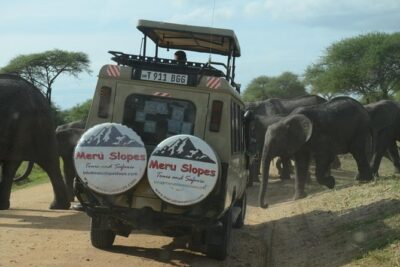
Ngorongoro Crater Transfer: The Optional Olduvai Add-On
Leaving Serengeti for Ngorongoro is a gear-shift day. You check out after breakfast and then start working your way toward the crater, with game viewing along the route. This is where you benefit from a guide who knows what to look for, because the crater is the final act, but the travel day still has wildlife value.
There’s also an optional Olduvai Gorge visit, with an extra fee for the museum. If your interest runs beyond animals to human history and geology, this is a meaningful stop. If you’d rather keep energy for crater viewing, you can skip it and stay focused on wildlife.
Either way, you end the day at Ngorongoro “A” Campsite for dinner and your night. That timing is good because it gets you close to the crater descent for the next morning. When you do it right, crater day feels like the payoff, not a second afterthought.
Ngorongoro Crater Floor Game Drives: Flamingos, Springs, and the Animal Concentration
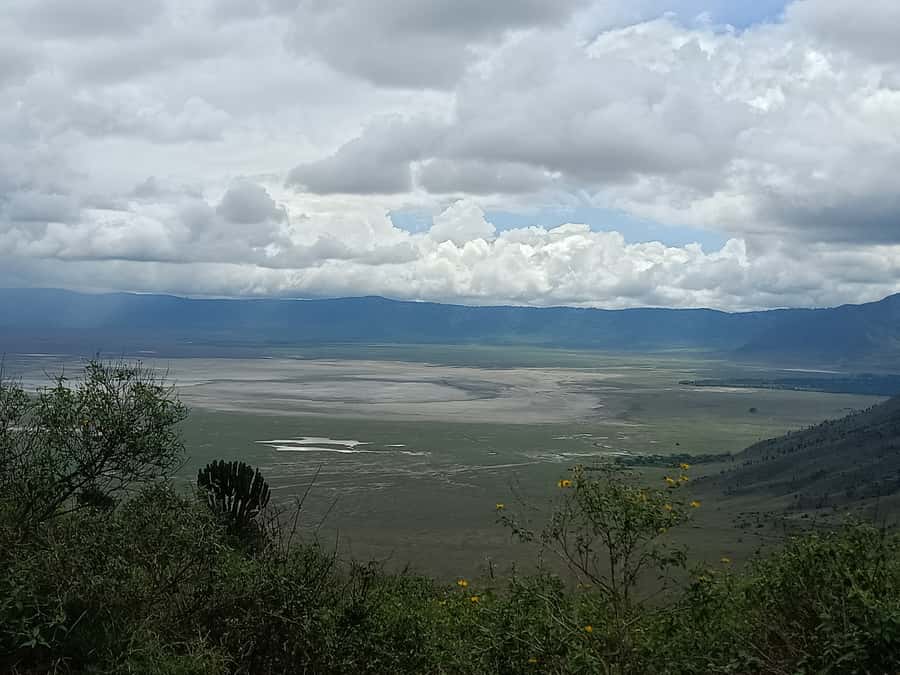
Ngorongoro Crater is the part of the safari many people remember most because the setting compresses the action. After an early breakfast, you descend into the crater floor for game drives, and this is where you can often see a lot more wildlife in a smaller area.
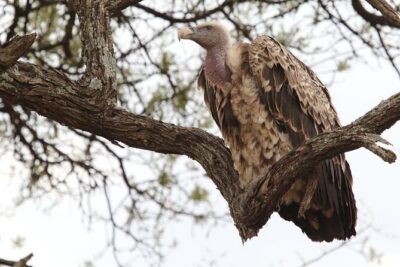
Soda Lake is a big named highlight. The chance to spot flamingos there is a nice contrast to the big predators and herbivore herds, and it gives the day visual variety. Around the area, there’s also mention of geese, storks, and vultures, which helps the bird game continue even when you’re focused on mammals.
After crater driving, you stop for lunch at Ngoitoktok Springs picnic site. Then you keep going with final game viewing as you ascend out of the crater. That structure helps you avoid losing prime wildlife time to an overly long lunch break, and it keeps the day flowing.
If you want a “best chance” explanation, this is it. Serengeti gives you scale, crater gives you density. You might go searching on the plains and come up with scattered sightings, then come to the crater and see animal after animal because the space is smaller and the ecosystem is concentrated.
The Vehicle Setup That Makes Sightings Easier: Pop-Top Roof and Window Seat
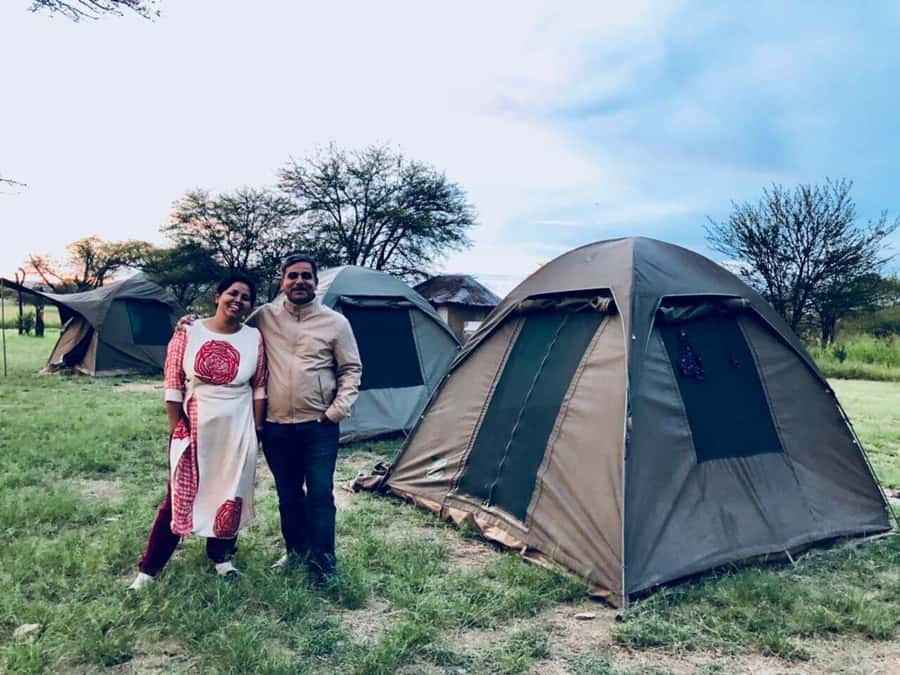
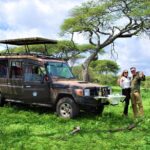
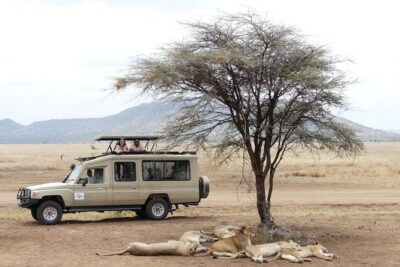
This safari uses a 4X4 Landrover with a pop-up roof for game viewing. That detail matters more than it sounds. When the roof opens, you can see over vehicles, scan faster, and get a better view without constantly changing positions.
The guaranteed window seat is another practical win. On shared safaris, seating can be a gamble. Here, you know you’ll get a window position, which helps with stability for photos and keeps your view clear when animals appear quickly.
Also, the group size is small for a shared trip. You travel in a shared group with only 6 clients in the car, plus the driver and the chef. That usually means fewer people crowding the viewing space, and it helps your guide communicate and move efficiently while still keeping the experience social.
Guide and Chef Quality: Why Names Like Ali and Christian Matter
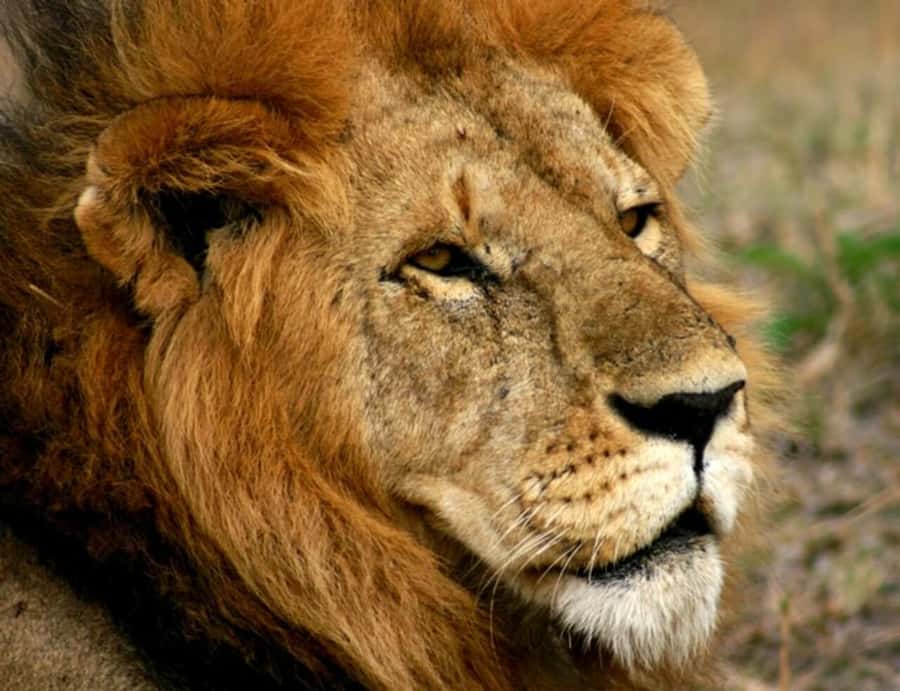
A safari lives or dies by who’s driving and who’s reading the land. The guide should be both safe and sharp, meaning they know where to go and how to position the vehicle for sightings. In this case, guides like Ali are praised for driving well and showing lots of animals, and that combo is exactly what you want.
The chef side deserves credit too. Christian gets high marks for being an amazing cook, serving delicious local food throughout the trip. Other cooks mentioned, like Musa, are also described as attentive and good at what they do. When meals are handled well, you spend less time thinking about food and more time thinking about what’s moving outside.
One word of advice: if you have a food preference or dietary need, say it clearly before you go. The trip includes meals as per itinerary, plus bottled water, but drinks are not included. If you want soda, juice, or beer, plan to budget separately.
Price and Value at $950: What You Get, and What You Still Need to Pay
$950 for a 4-day safari with 3 nights of tent camping is not cheap, but the inclusions make it feel closer to “all-in” than many add-on-heavy trips. You get entrance fees, a guide, meals as per itinerary, bottled water, sleeping bags, and hotel pickup and drop-off in Arusha. You also get packed lunch as part of the setup and the safari vehicle experience.
So the value question is really: are you buying time in the parks and wildlife-focused driving? Yes. This trip builds around multiple game drive blocks in Serengeti and a crater floor day, which is where the wildlife payoff happens. The pop-up roof and guaranteed window seat also protect your viewing time.
What’s not included is drinks. That’s the main straightforward add-on based on the info you have. If your idea of safari comfort includes lots of beverages, you’ll want to budget for them before you arrive.
Also, note that this is a shared group safari with a small vehicle group. That can be a value sweet spot because you get a guide and vehicle dedicated to safari driving, without paying private-safari pricing.
Timing, Long Driving Days, and When Patience Pays Off
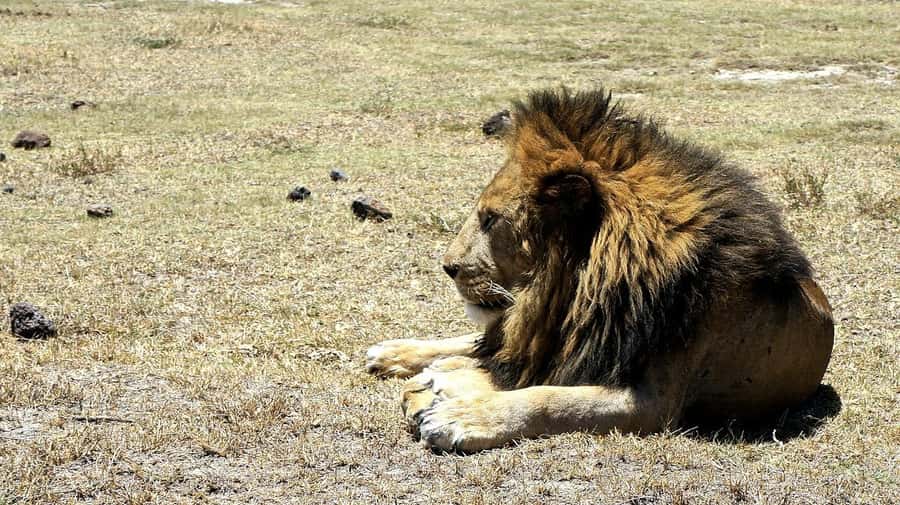
Safari days in this region often run long, and this one is no exception. The structure includes major driving blocks, and it can mean you’re in the car for hours. When the animals are spread out, the scenery can feel repetitive even though the search is active.
One practical take from the experience: don’t treat the day as guaranteed sightings every hour. Serengeti is open, wildlife can be far, and predator sightings are never scheduled. If you get frustrated easily, bring a mindset shift. You’re paying for the chance, the tracking, the positioning, and the guide skill.
Ngorongoro is where patience often pays off. Because the crater is smaller and animals are more concentrated, sightings tend to feel more “dense” and less random. That’s why the itinerary works well as a one-two combination.
A small caution that also comes up: there can be stops on the route where the guide encourages spending, and some people feel the pressure to tip or pay extra at the end. That’s not universal behavior you should expect, but it’s worth planning for by budgeting a tip so you can relax either way.
Who This Safari Is Best For (and Who Might Want Another Style)
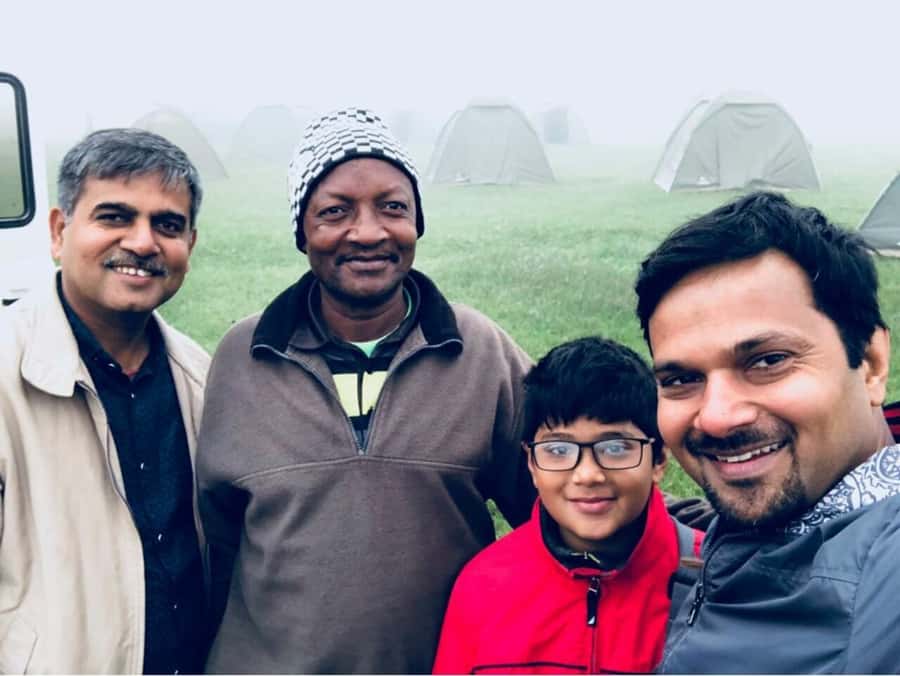
This is a strong match if you want a real safari, not a paved-day sightseeing tour. You’ll like it if you enjoy being on safari for long stretches, want tent camping as part of the story, and care about seeing migration and big cats.
It also fits people who like small group dynamics. With only 6 clients in the car, you’re less likely to feel crowded, and the viewing experience tends to feel more personal.
You might want to think twice if you need frequent comfort breaks, lots of snacks between long drives, or hotel-level facilities. Camping in Serengeti is basic. If you hate cold-water bathrooms or you strongly prefer frequent meals, you should adjust expectations and pack accordingly.
For families, this can work if kids are fine with early starts and long time in a vehicle. For anyone who wants maximum comfort and minimal driving, a different style safari might suit you better.
Should You Book This Camping Safari from Arusha?
If your top priority is wildlife time, this trip makes sense. You get Serengeti with both morning and afternoon game drives, plus the crater day that often feels like the payoff. The small shared group, the pop-up 4X4 setup, and the guaranteed window seat protect your viewing time.
I’d especially recommend it if you’re excited by two different safari moods. Serengeti gives you endless plains and the living migration story. Ngorongoro gives you the compact drama, flamingos on Soda Lake, and a crater floor that concentrates animals.
Book it if you can handle basic camps and long driving days, and if you’re willing to bring patience when sightings are spread out. If that sounds like you, this is a solid value way to experience Tanzania’s wildlife in a format that feels like it includes you, not just passes you by.
FAQ
How many nights do you spend camping?
You spend 3 nights camping in a tent. Sleeping bags are provided as part of the included experience.
What animals and bird sightings are you aiming for?
You have a strong chance at seeing Big Five animals, plus crocodiles, gazelles, and a lot of wildlife overall. The trip also focuses on the annual migration of wildebeest and zebra, and you may see flamingos on Soda Lake along with other birds like storks, geese, and vultures.
Is this a private safari?
No. It’s a shared group safari with only 6 clients in the car, plus the driver and the chef.
What vehicle do you use for game drives?
You ride in a 4X4 Landrover with a pop-up roof for game viewing. You also have a guaranteed window seat.
Can you visit Olduvai Gorge?
Yes, there is an optional Olduvai Gorge visit with a museum stop for an extra fee.
What’s included for meals and drinking water?
Meals are included as per the itinerary, and bottled water is included. Drinks are not included, so you may want to budget for them.
Where do pickups and drop-offs happen?
Pickup and drop-off are in Arusha, including hotel pickup and drop-off. There are also pickup and drop-off options tied to an Arusha area meeting point, and airport pickup the day before the tour is available for an extra cost.
What is the cancellation policy?
You get free cancellation up to 24 hours in advance for a full refund.
More Under Canvas
- 4 Days Group Camping Safari
★ 5.0 · 1,101 reviews - 5 Days Group Camping Safari
★ 5.0 · 730 reviews - 3 Days Serengeti & Ngorongoro Group Camping Safari
★ 5.0 · 574 reviews - 5 Days Camping Tarangire, Serengeti & Ngorongoro crater & Visiting Maasai
★ 5.0 · 229 reviews - 5 Days Budget Private Safari, Tanzania
★ 5.0 · 191 reviews
Still Thinking About the Crater?
- 3 Days Serengeti & Ngorongoro Group Camping Safari
★ 5.0 · 574 reviews - 5 Days Camping Tarangire, Serengeti & Ngorongoro crater & Visiting Maasai
★ 5.0 · 229 reviews - 4 Days Join Group tour Tarangire Serengeti and Ngorongoro crater
★ 5.0 · 219 reviews - 4-Day Safari from Arusha: Tarangire, Serengeti and Ngorongoro
★ 5.0 · 173 reviews - 2 Days Tarangire and Ngorongoro Group Camping Safari
★ 5.0 · 146 reviews
The Serengeti, Three More Ways
- Balloon Safari & Bush Breakfast in Serengeti – Miracle Experience
★ 5.0 · 1,646 reviews - 3 Days Serengeti & Ngorongoro Group Camping Safari
★ 5.0 · 574 reviews - 5-Day Highlights mid-Range Crater, Serengeti, Tarangire
★ 5.0 · 296 reviews - 3-Day Classic Serengeti Safari
★ 5.0 · 263 reviews - Private 6-Day Tarangire Manyara Crater and Serengeti with Mid-Range Lodges
★ 5.0 · 238 reviews
Just added from around Arusha
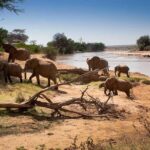
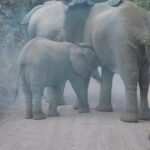
Serengeti National Park Safaris, compared.
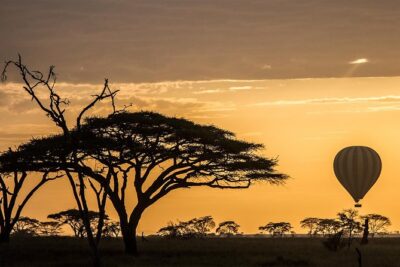 ★ 5.0Serengeti Balloon Safari and authentic bush breakfastFrom $5502,480 reviews
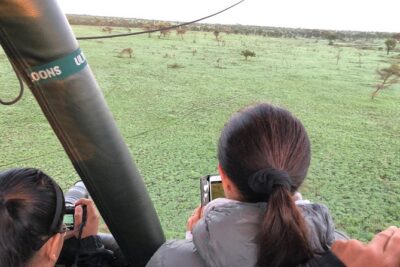 ★ 5.0Balloon Safari & Bush Breakfast in Serengeti – Miracle ExperienceFrom $5991,646 reviews
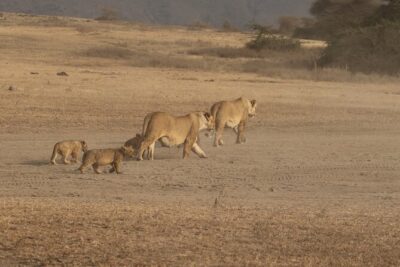 ★ 5.03 Days Serengeti & Ngorongoro Group Camping SafariFrom $815574 reviews
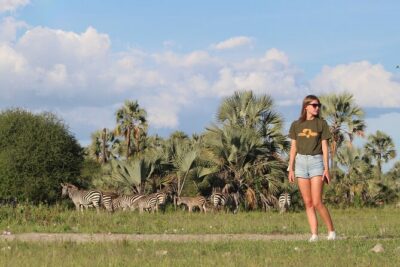 ★ 5.05-Day Highlights mid-Range Crater, Serengeti, TarangireFrom $2,327296 reviews
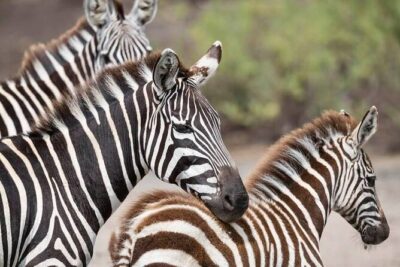 ★ 5.0Safari Serengeti And NgorongoroFrom $2,845288 reviews
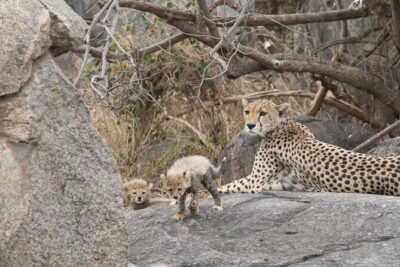 ★ 5.03-Day Classic Serengeti SafariFrom $1,455263 reviews
 ★ 5.0Private 6-Day Tarangire Manyara Crater and Serengeti with Mid-Range LodgesFrom $2,685238 reviews
 ★ 5.05 Days Camping Tarangire, Serengeti & Ngorongoro crater & Visiting MaasaiFrom $1,254229 reviews
Browse the lists this tour appears in