
REVIEW · SERENGETI NATIONAL PARK SAFARIS
Arusha: 3-Day Serengeti & Ngorongoro Crater Big Five Safari
Serengeti and Ngorongoro in three days hits hard. I love the safari’s Big Five focus, and I really like that you get a true 600-meter descent into Ngorongoro Crater for close-up wildlife chances. One possible drawback is the early starts and long drive days, because roads take time and you’ll spend many hours on uneven terrain.
What makes this trip work is the pacing. You’re not just ticking boxes, you’re doing a sunrise drive, then adding more game viewing later, then switching to the crater rim and finishing with a crater morning when animals often feel more concentrated.
This is a strong fit for wildlife first-timers who want a guided, low-stress setup, but it’s not suitable for pregnant women. If you go, plan for cold nights too, with temps that can drop to about 5°C.
In This Review
- Key highlights that matter on the ground
- The Serengeti and Ngorongoro combo that actually gives you chances
- Day 1: Arusha to Serengeti, with a cultural stop and a first plains drive
- Day 2: Sunrise drives, then the road to the crater rim
- Day 3: The 600-meter descent that turns viewing into a mission
- Lodging choices that change the vibe, not the core experience
- The driver-guide and pop-up roof, why they matter more than you think
- Meals on safari, full-board comfort with a picnic rhythm
- Packing and safari rules that keep you comfortable and respectful
- Price and value: where the $900 per person makes sense
- Who this safari fits best, and when it might not
- Quick note on safety and what to ask yourself
- Should you book this 3-day Serengeti and Ngorongoro Big Five safari?
- FAQ
- Where does this safari start and end?
- How long is the safari?
- What parks are visited?
- What vehicle is used for the safari?
- Are park fees and crater fees included?
- What meals are included?
- What type of accommodation is offered?
- Is a hot air balloon included?
- What should I bring?
- What is not allowed during the safari?
- Is this activity wheelchair accessible?
Key highlights that matter on the ground
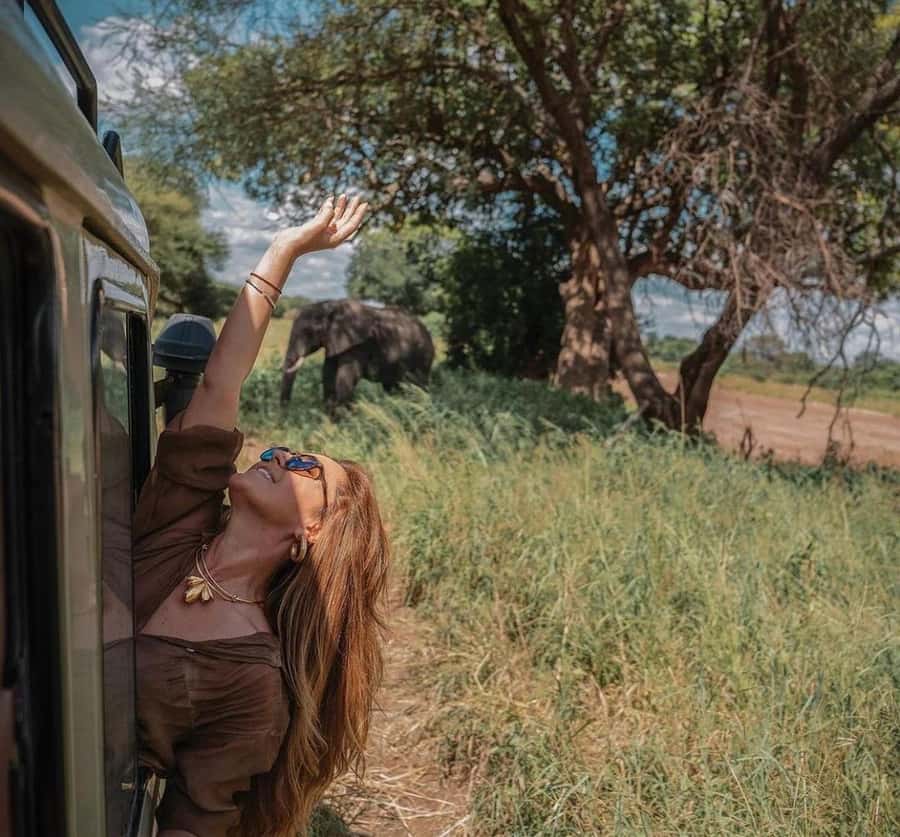
- Pop-up roof 4×4 rides so you can keep scanning without fighting your seat position for photos
- Sunrise game drive time when predators and prey are most active in view
- Naabi Hill Gate entry setting you up for Serengeti plains wildlife fast
- Ngorongoro crater morning game drive after descending 600 meters, where sightings can feel intense
- Mid-range lodges or camping with mattresses so you can choose comfort level without changing the route
More of the Serengeti, drive by drive
- Balloon Safari & Bush Breakfast in Serengeti – Miracle Experience★ 5.0 · 1,646 reviews
- 3 Days Serengeti & Ngorongoro Group Camping Safari★ 5.0 · 574 reviews
- 5-Day Highlights mid-Range Crater, Serengeti, Tarangire★ 5.0 · 296 reviews
- 3-Day Classic Serengeti Safari★ 5.0 · 263 reviews
The Serengeti and Ngorongoro combo that actually gives you chances
If your goal is the Big Five, you want two things at once: time in the Serengeti plains and time in Ngorongoro Crater’s enclosed bowl. This 3-day loop gives you both, starting from Arusha and moving into the parks without wasting days on extra add-ons.
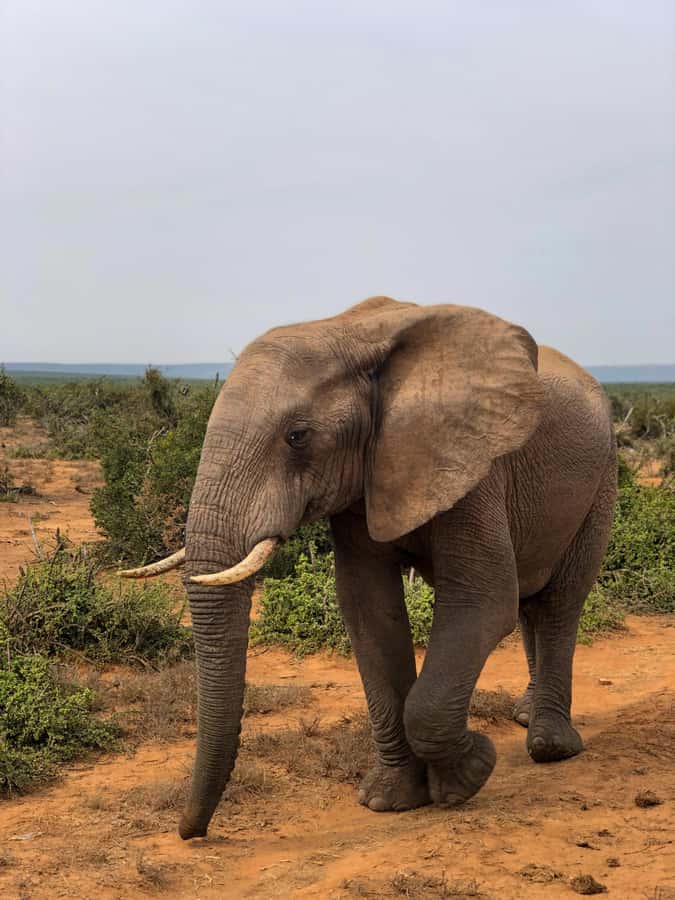
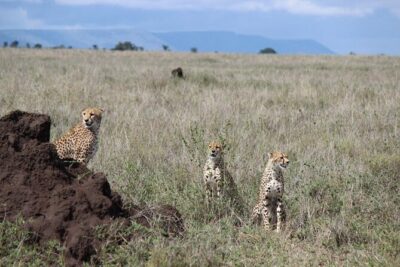
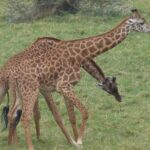
The Serengeti portion is all about spread-out viewing. You’re watching lions, elephants, giraffes, zebras, and lots of antelope across huge open ground, where the big moments can come suddenly. Then Ngorongoro changes the feel. The crater puts more wildlife into fewer sighting zones, and that 600-meter descent is the kind of detail that turns a “nice drive” into a real experience.
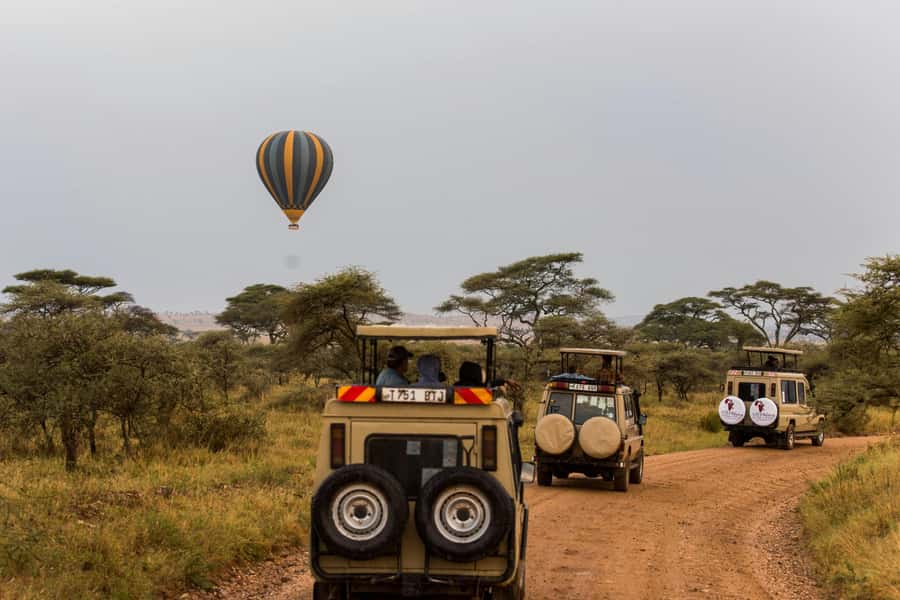
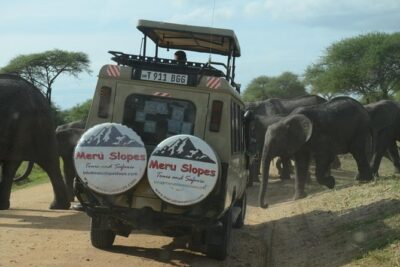
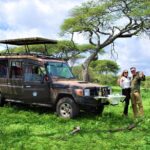
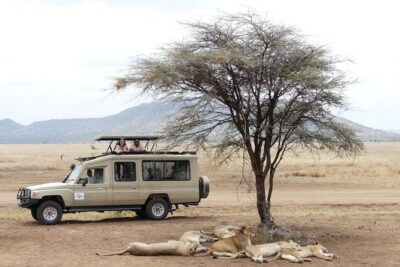
You’ll also benefit from the safari vehicle setup. A Land Cruiser with a pop-up roof means the spotting game gets easier, because your guide can position the vehicle for viewing while you’re still upright and looking out naturally.
Day 1: Arusha to Serengeti, with a cultural stop and a first plains drive
Day 1 starts with an early pickup from Arusha. You’ll travel through the Great Rift Valley area and the Ngorongoro Highlands, with a stop at Mto wa Mbu for a quick cultural look and a chance to taste local produce. This isn’t a long detour, but it helps break up the long day so you feel like you’re arriving in Tanzania, not just getting transported to a park.
Next comes the logistics that matter for wildlife: you reach the Serengeti entry point at Naabi Hill Gate, then head straight into your first game drive. The goal here is simple. Get your eyes used to the terrain, learn the rhythm of spotting, and set yourself up for better luck during the next morning.
Overnight is in the Serengeti itself, usually one of the mid-range options like Shuhudia Tented Lodge or Kumbukumbu Tented Lodge, or a camping setup if you choose that style. Staying inside the park area is more than comfort. It saves you from extra travel time and lets you settle into safari mode fast, dinner under the Serengeti night sky included.
What to watch for on Day 1: it’s easy to feel like the day is “just getting started,” especially if you’re new. But the first drive helps you spot the patterns your guide will use all trip, like where animals tend to appear first and what directions movements often take.
Day 2: Sunrise drives, then the road to the crater rim
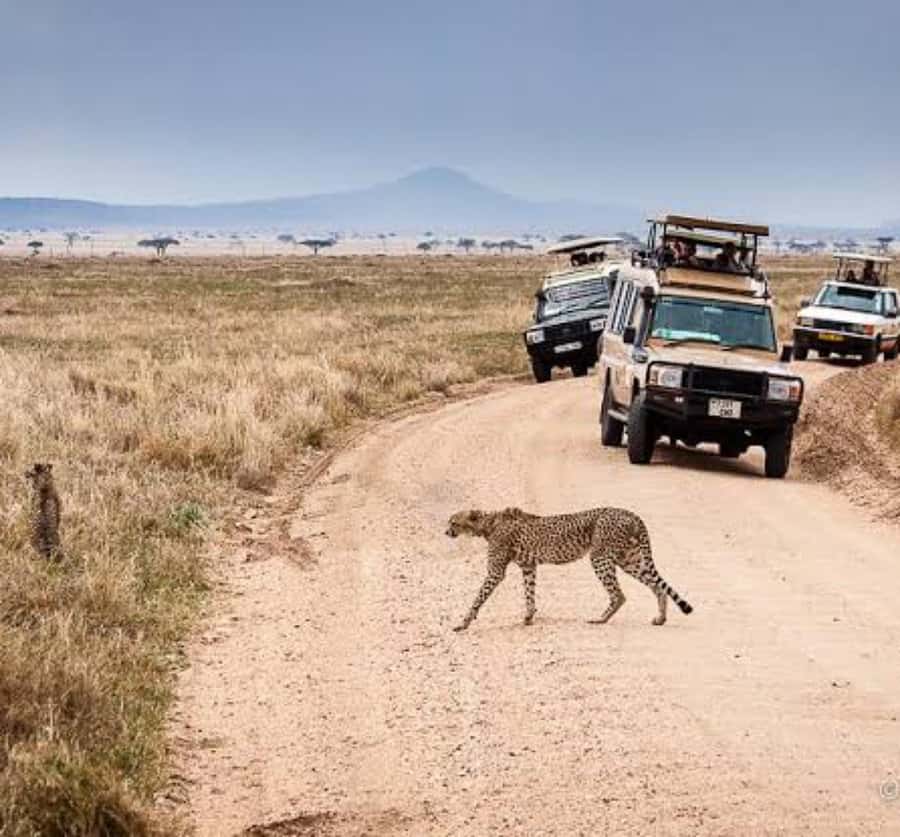
Day 2 begins with an early sunrise game drive. That timing is practical, not dramatic. When light is lower and animals are actively feeding or moving, you often get better sighting behavior, including predators and prey in the same frame.
After that morning drive, you’ll have breakfast inside the park area and go out again for another morning game drive. This is one of the real strengths of this safari style. Two shots at prime viewing time in one day beats one long mid-day drive when heat and glare can reduce the drama.
Then you switch gears. Mid-morning you depart Serengeti toward the Ngorongoro Conservation Area. You’re looking at rolling hills and savannah scenery along the way, and you’ll enjoy a picnic lunch during the transfer. This is also where you start thinking about the crater strategy, because once you’re near Ngorongoro, wildlife tends to feel more “concentrated” during your crater morning.
By evening you reach your crater rim lodge or camp and get downtime plus dinner with crater views. Even if you’re tired, don’t shrug off this part. Seeing the crater landscape from above gives you context for what you’ll experience after the descent on Day 3.
Potential drawback to plan for: this is another full day, including early wake-up. If you’re the type who hates time changes, build in patience now, because the reward comes from the early light and not from sleeping in.
Other ways down into the Ngorongoro Crater
Day 3: The 600-meter descent that turns viewing into a mission
After breakfast, you descend 600 meters into Ngorongoro Crater. That number matters because it signals a different kind of safari. You’re not just driving on flat roads. You’re entering a bowl-shaped habitat that can tighten your sighting window, and your morning drive inside the crater becomes the main event.
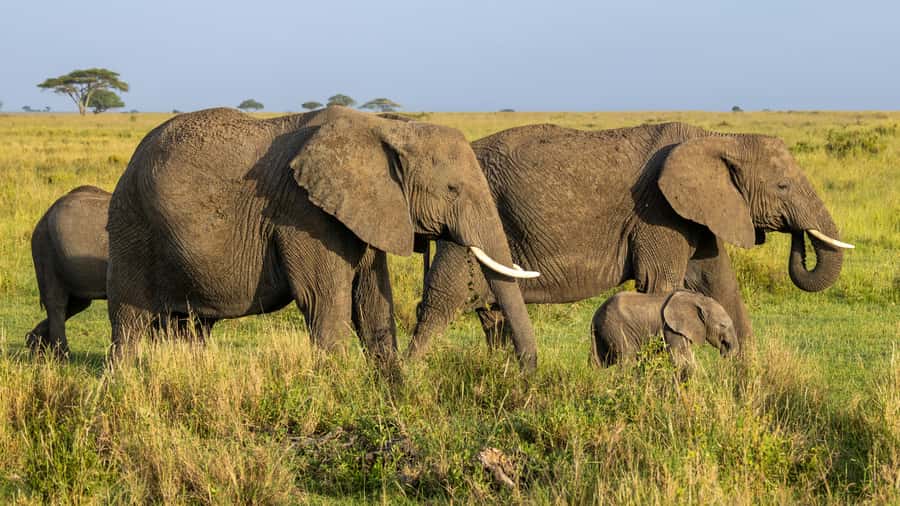
In the crater, you’re looking for rhinos, lions, elephants, zebras, hippos, and wildebeests. Big Five luck here can be real, but the smarter way to approach it is to watch broadly. Even when one animal seems “missed,” you can still get excellent wildlife density in the same short time.
You’ll also have a scenic picnic lunch inside the crater zone before climbing back up toward Arusha. The drive back ends late afternoon, with drop-off at your hotel or airport.
Pro tip for Day 3 viewing: don’t fixate on one target. Your best odds come from quick scanning and moving your attention between open ground, water areas, and shaded spots. A good driver-guide will know how to position the vehicle for viewing while keeping the pace safe and comfortable.
Lodging choices that change the vibe, not the core experience
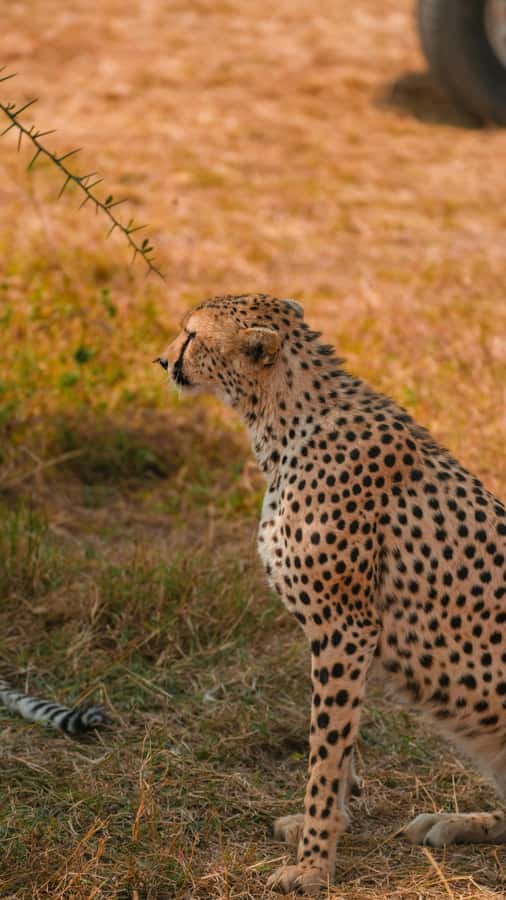
This safari is designed to offer two main overnight styles.
For mid-range safari comfort, you might stay at camps like Shuhudia Tented Lodge or Kumbukumbu Tented Lodge in the Serengeti, then at a crater area option like Ngorongoro Wild Tented Lodge or Ngorongoro Safari Lodge. These setups typically combine the “tented” look with more comfort than basic camping, and they help you sleep through the day-to-night shift without feeling wrecked.
For camping, you sleep in tents with sleeping mattresses. The package includes camping equipment such as tables, chairs, and cooking gear, plus a professional safari chef for cooking during camping options. Camping adds a different kind of closeness to the environment. It can also be a bit more adventurous in feel, and you should expect that. One guest described elephant and Cape buffalo around the camp, and said the night sounds made the experience memorable.
One thing I’d double-check before choosing camping: your comfort with being outdoors, and your expectation for how “wild” the night might feel. Camping can be fantastic, but it’s not the same as a standard hotel bed.
The driver-guide and pop-up roof, why they matter more than you think
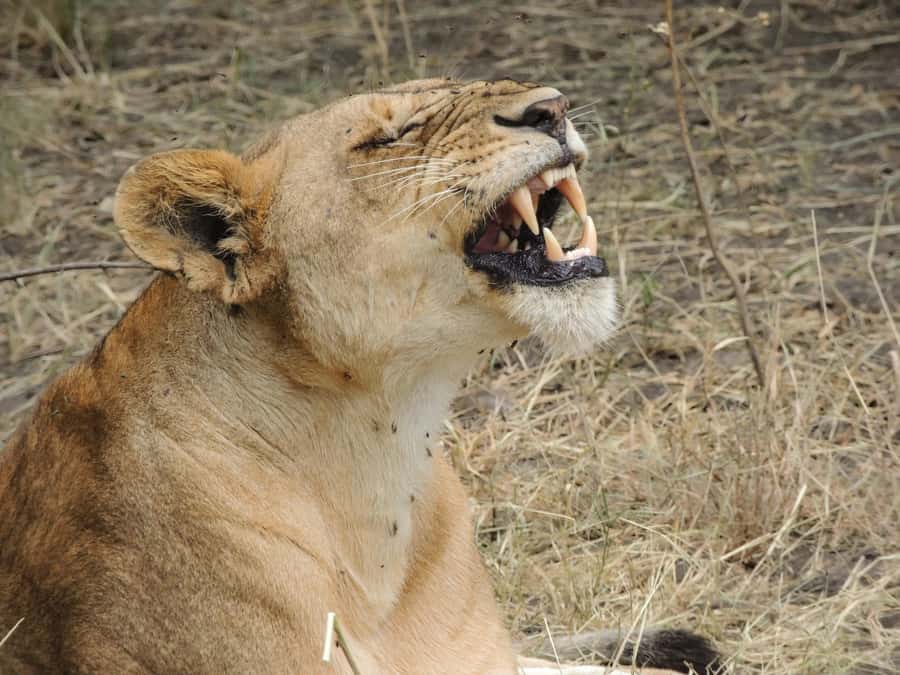
On safari, you don’t control wildlife. What you can control is how well you spot it, and how much time you spend looking in the right places. That’s where the guide matters.
In this type of trip, a strong driver-guide uses positioning, patience, and calm decision-making. You’ll see this in the way guides like Mike, Eric, Savio, and Nico are described, from knowing where to drive for sightings to staying careful on rougher road sections. For first-timers, the biggest win is often that the guide explains what you’re seeing, not just where you should look.
You’ll also notice the benefit of English-speaking guiding. That matters on wildlife safaris, because you’ll want to understand behaviors, not just species names. Some guides also share context connected to local culture, including Masai references, which makes the trip feel more human and less like a photo shoot.
And then there’s the pop-up roof. With a Land Cruiser outfitted for viewing, you spend less time crouching or twisting to see. That reduces fatigue and helps you actually spot subtle movement early.
Meals on safari, full-board comfort with a picnic rhythm
Food is included every day: breakfast, lunch, and dinner, plus bottled drinking water throughout. This is a big part of the value, because safari logistics without meals can become expensive and annoying fast.
On the driving days, you’ll have picnic lunches on the move. For the camping option, a professional chef handles meals, and you also get camping cooking support like tables, chairs, and gear. One guest described meals as made fresh rather than pre-packed, and another talked about excellent lunches and dinners cooked by the team, including a chef named Brightness.
What I like about this meal approach: it keeps you fed without turning your day into a restaurant schedule. It also means you can spend more time in the parks and less time thinking about food logistics.
If you have dietary needs, the only practical advice I can give is to confirm them with the provider ahead of time, because the data here only confirms meals are included, not specific diets.
Packing and safari rules that keep you comfortable and respectful
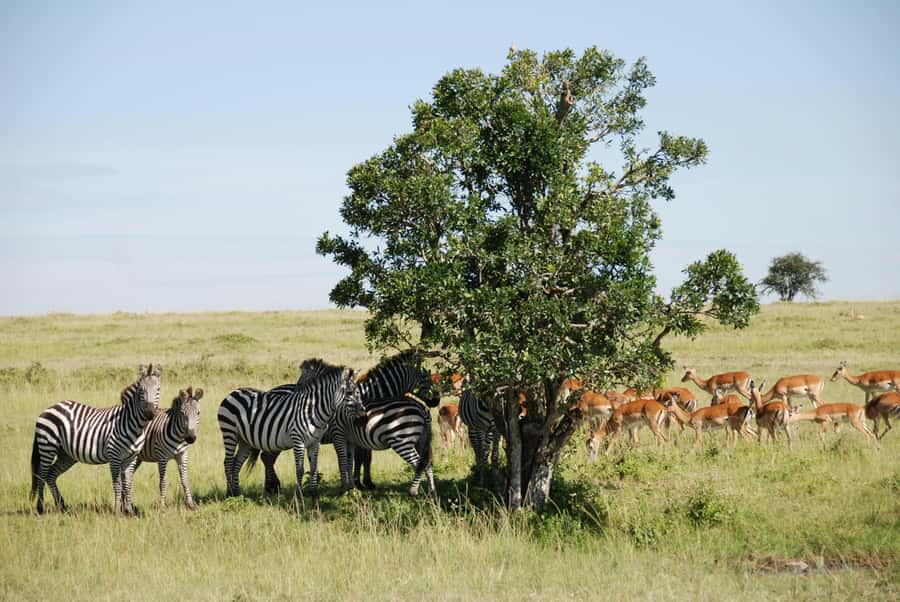
Safari clothing and behavior rules are simple, but they matter for comfort and for wildlife viewing.
Bring:
- Sunscreen
- Insect repellent
- Neutral-colored clothing like white, beige, and green
- A warm sweater, socks, and a jacket (nights can drop to about 5°C)
- A mosquito repellent with high mint concentration
- Neutral layers that don’t feel bulky in the daytime
- Binoculars if you have them (guides share one in the vehicle)
- A towel for shower and toilet paper
Luggage limit is 10kg per person. If you travel with extra bags, you might be able to store them in the hotel storage room, and duffel bags tend to be easier than hard suitcases for safari packing.
Not allowed:
- Drones
- Feeding animals
- Bright colors
- Touching animals
Small reality check: brightness can draw attention for the wrong reasons. Neutral tones help you blend into the environment and also keep the vibe calm for both wildlife and other vehicles.
Price and value: where the $900 per person makes sense
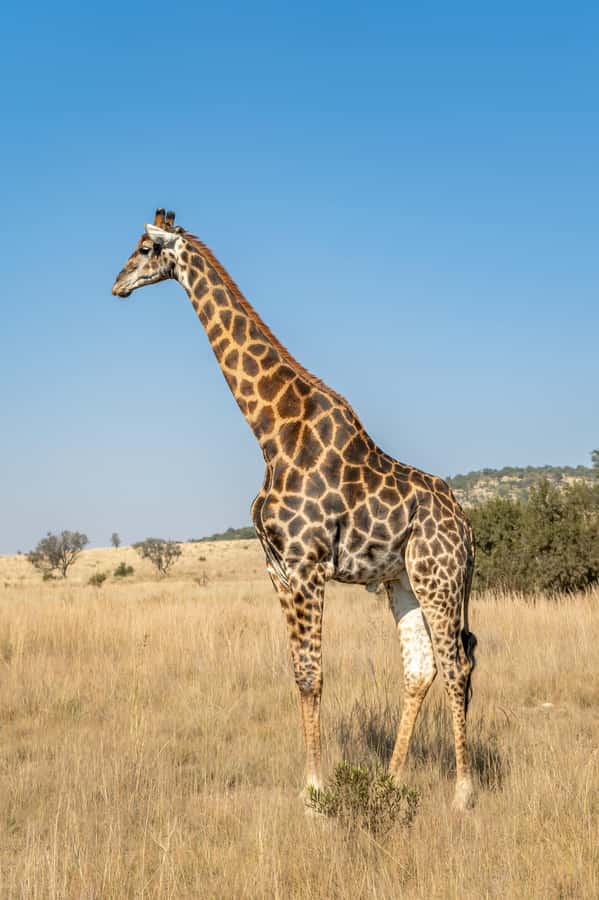
At about $900 per person for 3 days, the best way to judge value is to look at what you are not paying separately. This package includes:
- Pickup and drop-off in Arusha town
- Transport in a 4×4 Land Cruiser with pop-up roof
- All park fees, entry and transit, concession and crater service fees
- A professional English-speaking driver-guide
- Full-board meals every day
- Bottled water
- Two nights of accommodation in mid-range lodges, or camping tents with mattresses and a chef (depending on your option)
So the money is mostly buying access and time, not just transportation. In safari terms, access means park fees and an experienced driver who can use that access well.
Where you should be honest with yourself is how you react to long days. The safari includes significant driving time between zones, and one review called out that the trip can feel hard because of road conditions. If you’re the type who gets cranky after hours in a vehicle, you’ll still enjoy the sightings, but you should bring patience and good earplugs, if you use them.
Optional add-on:
- Hot air balloon safari is listed at USD 530 per person, so if you’re comparing total budget, include it only if you truly want that extra flight experience.
Who this safari fits best, and when it might not
This trip is a good match if you:
- Want a Big Five oriented experience without spending a week planning
- Like guided game drives and explanation from an English-speaking driver-guide
- Choose lodging that matches your comfort level, mid-range tents or full camping style
- Don’t mind early mornings, because sunrise viewing is part of the design
It might not be the best fit if you:
- Are pregnant (the activity states it is not suitable)
- Have trouble with long travel days and early starts
- Prefer very light, low-effort travel, because game viewing is active and time in the vehicle is substantial
Quick note on safety and what to ask yourself
Most of the trip’s value comes from the driver-guide experience and vehicle readiness. In your booking decision, trust your instincts and look for a provider that emphasizes safety and maintenance.
One specific report in the data mentions a serious vehicle safety incident on the first day, with injuries and a refund support response. That’s rare, but it’s also a reminder to confirm vehicle condition and driver conduct, and to buy travel insurance that covers safari activities.
Should you book this 3-day Serengeti and Ngorongoro Big Five safari?
If you want maximum wildlife time with a clear plan, I’d say yes. The combination of Serengeti game drives plus the Ngorongoro crater morning, with that 600-meter descent, is exactly the recipe that makes a Big Five trip feel real rather than wishful.
I’d book this route if:
- You’re okay with early wake-ups and long drive stretches
- You want full-board meals and guided viewing without extra planning stress
- You’re excited by either mid-range tent lodges or the camping option with a chef
I’d hesitate if:
- You cannot do long road days
- You’re pregnant
- Your comfort level is low for colder mornings and nights (bring warm layers)
FAQ
Where does this safari start and end?
It starts with pickup in Arusha and ends with drop-off at your hotel in Arusha or at the airport.
How long is the safari?
The safari duration is 3 days.
What parks are visited?
You visit Serengeti National Park and Ngorongoro Crater in the Ngorongoro Conservation Area.
What vehicle is used for the safari?
The tour uses a 4×4 Toyota Land Cruiser with a pop-up roof throughout the safari.
Are park fees and crater fees included?
Yes. All park fees, transit fees, concession fees or camping fees, and the crater service fee are included.
What meals are included?
Breakfast, lunch, and dinner are included each day, and bottled drinking water is provided throughout the tour.
What type of accommodation is offered?
Mid-range safari lodge options are available for two nights, or camping tents with sleeping mattresses are available depending on the option you choose.
Is a hot air balloon included?
No. Hot air balloon safari is listed as an optional activity at USD 530 per person.
What should I bring?
You should bring sunscreen and insect repellent, plus warm clothing like a sweater, socks, and a jacket. The tour also mentions neutral clothing, binoculars if you have them, and a towel (and toilet paper).
What is not allowed during the safari?
Drones are not allowed, and feeding or touching animals is not allowed. Bright colors are also not allowed.
Is this activity wheelchair accessible?
Yes, it is listed as wheelchair accessible. However, it is stated that it is not suitable for pregnant women.
More Time in the Vehicle
- Tanzania Simba Safari – 5 Days
★ 5.0 · 217 reviews - Living Among Lions
★ 5.0 · 191 reviews - Big Five Luxury Safari in Tanzania
★ 5.0 · 68 reviews - From Arusha: 6 Day Classic Game Drive Serengeti & Ngorongoro
★ 5.0 · 49 reviews - 4-Day Simba Safari – Mid Range Tour
★ 5.0 · 47 reviews
Still Thinking About the Crater?
- 3 Days Serengeti & Ngorongoro Group Camping Safari
★ 5.0 · 574 reviews - 5 Days Camping Tarangire, Serengeti & Ngorongoro crater & Visiting Maasai
★ 5.0 · 229 reviews - 4 Days Join Group tour Tarangire Serengeti and Ngorongoro crater
★ 5.0 · 219 reviews - 4-Day Safari from Arusha: Tarangire, Serengeti and Ngorongoro
★ 5.0 · 173 reviews - 2 Days Tarangire and Ngorongoro Group Camping Safari
★ 5.0 · 146 reviews
The Serengeti, Three More Ways
- Balloon Safari & Bush Breakfast in Serengeti – Miracle Experience
★ 5.0 · 1,646 reviews - 3 Days Serengeti & Ngorongoro Group Camping Safari
★ 5.0 · 574 reviews - 5-Day Highlights mid-Range Crater, Serengeti, Tarangire
★ 5.0 · 296 reviews - 3-Day Classic Serengeti Safari
★ 5.0 · 263 reviews - Private 6-Day Tarangire Manyara Crater and Serengeti with Mid-Range Lodges
★ 5.0 · 238 reviews
Just added from around Arusha
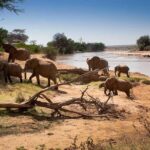
Serengeti National Park Safaris, compared.
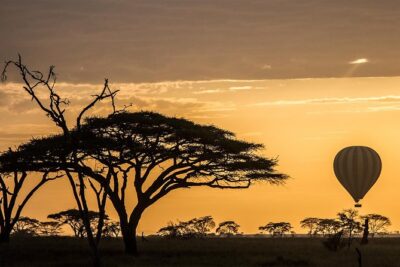 ★ 5.0Serengeti Balloon Safari and authentic bush breakfastFrom $5502,480 reviews
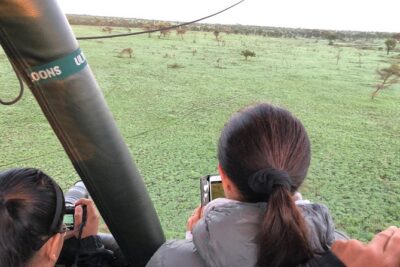 ★ 5.0Balloon Safari & Bush Breakfast in Serengeti – Miracle ExperienceFrom $5991,646 reviews
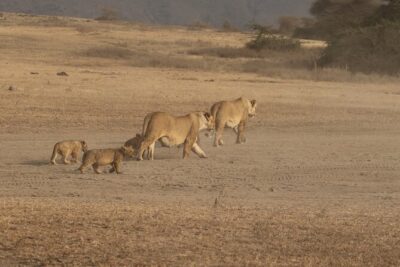 ★ 5.03 Days Serengeti & Ngorongoro Group Camping SafariFrom $815574 reviews
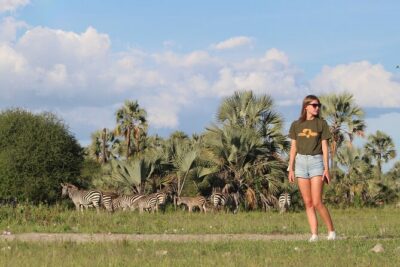 ★ 5.05-Day Highlights mid-Range Crater, Serengeti, TarangireFrom $2,327296 reviews
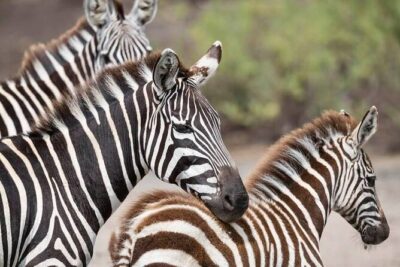 ★ 5.0Safari Serengeti And NgorongoroFrom $2,845288 reviews
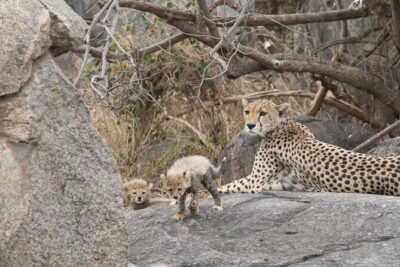 ★ 5.03-Day Classic Serengeti SafariFrom $1,455263 reviews
 ★ 5.0Private 6-Day Tarangire Manyara Crater and Serengeti with Mid-Range LodgesFrom $2,685238 reviews
 ★ 5.05 Days Camping Tarangire, Serengeti & Ngorongoro crater & Visiting MaasaiFrom $1,254229 reviews
Browse the lists this tour appears in