
REVIEW · MULTI-DAY NORTHERN CIRCUIT SAFARI PACKAGES
6 Days Tanzania Wildlife Camping Safari
Sleeping under stars in Tanzania changes everything. This 6-day camping safari strings together Arusha, Lake Manyara, Serengeti, Ngorongoro Crater, and Tarangire, with game drives in a 4×4 and an included stop at Olduvai Gorge. The trip is set up as a private safari, so you travel with your own group. Meals and camping gear are handled, so you can focus on spotting wildlife instead of logistics.
I love that camping here is the real deal, with tents, mattresses, and camping equipment provided, plus all meals worked into the days. I also love the emphasis on “big moments,” especially the long day in Serengeti and the crater day when wildlife density can be outstanding.
The trade-off is comfort level. You’re staying in public campsites, so expect simpler facilities than a hotel, and plan to be happy with basic camping conditions.
In This Review
- Key things that make this safari work
- The camping safari concept: outdoors sleep, real wildlife time
- Where you start: Arusha arrival and how the first night sets the tone
- Lake Manyara: a rim-view start to your wildlife week
- Serengeti full day: predator energy and birdwatching built in
- Serengeti to Ngorongoro via Olduvai Gorge: two stories in one drive
- Ngorongoro Crater day: big wildlife odds and the crater climb
- Tarangire and the last game-drive day that keeps momentum
- What you’re really buying for $2,371.80 per person
- The private tour advantage: less hassle, more consistency
- Comfort and packing: what to plan for when you sleep in public campsites
- Photography and wildlife spotting: how window seats help
- Should you book this 6-day Tanzania wildlife camping safari?
- FAQ
- What does the safari price include?
- Where does the tour start, and how do transfers work?
- Which parks and sites are included in the 6 days?
- Is this tour private?
- What kind of vehicle do you use on safari?
- Are drinks and water included during game drives?
- Is there a vegetarian option?
- What is not included in the safari price?
- What is the cancellation policy for a full refund?
Key things that make this safari work
- Private group time: your days stay consistent, not shared with random other travelers.
- Camping gear is included: tents and mattresses mean you do not have to guess what to pack.
- Full game-drive focus: multiple long wildlife days, not just quick stops.
- Olduvai Gorge stop included: early human history fits naturally on the way to Ngorongoro.
- Window-seat promise: guaranteed window seating in the safari vehicle helps with spotting and photos.
- Water and drinks support: 1.5 liters of mineral water per person per day during drives, plus bottled water.
Longer northern circuit routes, side by side
- Tanzania Classic – 7 Days★ 5.0 · 1,151 reviews
- Tanzania Wildlife Encounters – 6 Days★ 5.0 · 277 reviews
- Group Safari 7 Days in Tanzania’s Main Parks★ 5.0 · 240 reviews
- 4 Days Join Group tour Tarangire Serengeti and Ngorongoro crater★ 5.0 · 219 reviews
The camping safari concept: outdoors sleep, real wildlife time
This is not a “drive-by” safari. It is built around the rhythm of wildlife country: wake up, head out in the safari vehicle, come back to camp for meals and downtime, then go again. Staying in public campsites keeps the experience grounded and gives you that vivid “we are in Africa” feeling, especially at night when the soundscape turns into something you do not get in cities.
The camping setup is also practical. You get tents and mattresses, plus other camping equipment, so you can travel light in the way that matters. If you were tempted to bring a bunch of gear “just in case,” you can save weight and just plan for what most people need for a warm-but-cool night in Tanzania.
Still, I want you to know the big consideration upfront. Public campsites usually mean less privacy and fewer comforts than a lodge. If your personal definition of a good trip requires hotel-level showers and soft beds, you might feel shortchanged. If you like outdoors time and want more wildlife per day, this style fits nicely.
Where you start: Arusha arrival and how the first night sets the tone
Day 1 begins in Arusha. You get met on arrival at Kilimanjaro Airport or Arusha Airport and transferred to your lodge or hotel for dinner and overnight. This is a smart way to start, because it gives you a real landing after travel. You do not jump straight into a long driving day from the airport without an evening reset.
You should note the structure here. Your safari proper starts after your first night. That matters if you are sensitive to jet lag or if you simply want time to eat a proper dinner, stretch, and get oriented in Arusha before the first game drive.
Lake Manyara: a rim-view start to your wildlife week
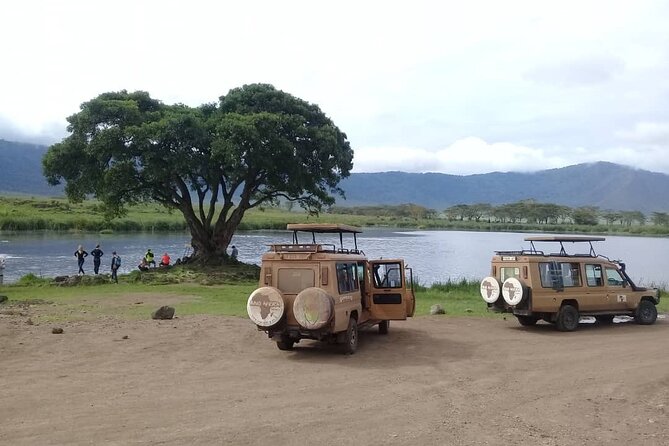
On Day 2, you head from Arusha to Lake Manyara National Park. The drive is about 2.5 hours non game viewing, and you end up camping overnight at Kizumba campsite. The itinerary also flags that Lake Manyara Hotel is built on the rift wall at a high altitude. That is a nice detail because it hints at what you might see from the ridge, with big sky views and the lake sitting below.
What I like about this start: it is a gentle ramp into the safari routine. After breakfast, you set off, get to the park area, and settle into camp without the pressure of trying to do everything in one day.
What to watch for: the time you’ll spend outside the parks while repositioning. The schedule includes “non game viewing travel time,” so you can expect some seat time on the road. That is normal for Tanzania safaris, but it is good to mentally budget for it so you do not feel “robbed” of time when you are not actively spotting animals every minute.
More camping safaris at this price
Serengeti full day: predator energy and birdwatching built in
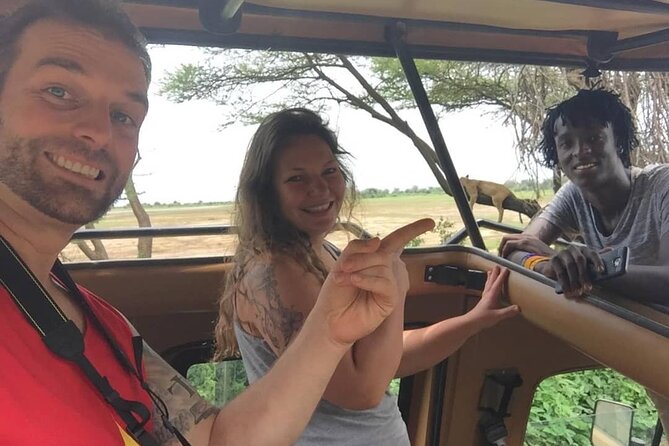
Day 3 is Serengeti National Park with a full day game drive. You will have lunch boxes for the day, and you sleep at Seronera campsite.
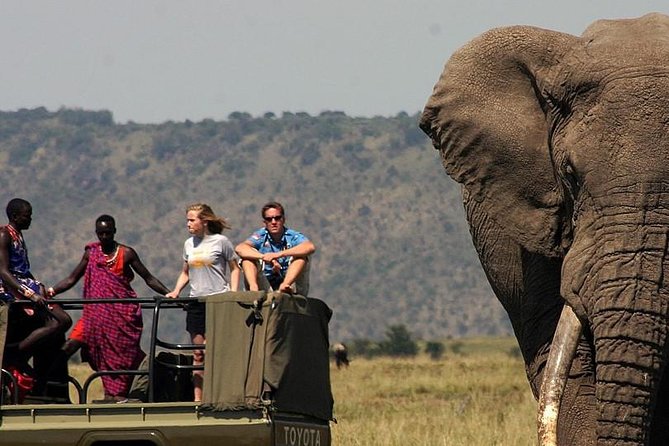
The Serengeti is famous for one reason that matters to this itinerary: there is a huge concentration of plain animals and a strong bird presence. The plan highlights large animal density and a wide range of birds, so you are not just chasing the big drama of predators. You get time to notice smaller things too, like flight patterns, feeding behavior, and the rhythm of the ecosystem moving through the day.
Practical tip: plan for a long day outdoors. Even with lunch boxes, you will be in a safari rhythm, scanning, pausing when your guide calls something out, and taking in the light changes as the day shifts. This is where guaranteed window seating becomes more than a nicety. It helps you see and photograph without fighting for position every time the vehicle moves.
Serengeti to Ngorongoro via Olduvai Gorge: two stories in one drive
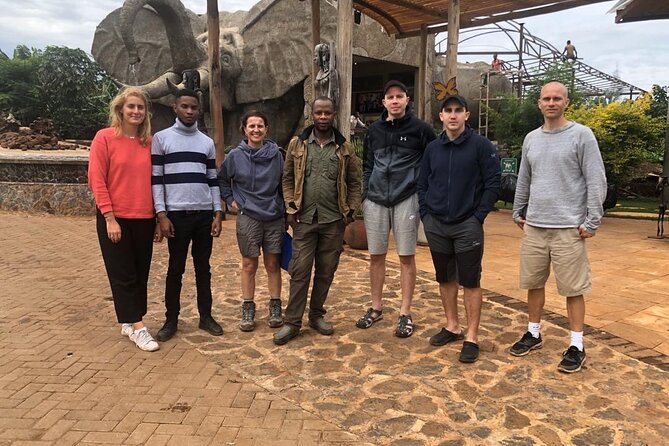
Day 4 keeps the focus on the road and the landmark you do not usually see on shorter itineraries. You drive from Serengeti toward Ngorongoro, and the plan includes an included stop at Olduvai Gorge, famous for some of the earliest evidence of human habitation dating back about 3.5 million years.
This is one of the most interesting angles of the safari. Wildlife trips can sometimes feel like a pure chase. Adding Olduvai Gorge gives you a different kind of awe. It reminds you you are not just watching nature, you are watching the result of deep time, and you are in a region where humanity’s story overlaps with animal life.
After the Gorge stop, you continue on to Simba campsite for dinner and overnight.
One consideration: this day includes “non game viewing travel time” of about 4 hours. That is still a workable day, but it means you should keep your expectations flexible. Think of it as a transition day with a meaningful pause, not a full “park-only” day.
Ngorongoro Crater day: big wildlife odds and the crater climb
Day 5 centers on Ngorongoro Conservation Area, including a full day tour of the crater. The highlight here is clear: the itinerary notes spectacular wildlife concentrations and the chance to see the Big Five. It also mentions driving across dense forest and near soda lake, plus birdlife.
This is the kind of day that rewards patience. Wildlife can show up close to roads at the right moment, or you may need time to scan and reposition for the best viewing angle. The crater format can make sightings feel more concentrated than you might expect from open plains.
The other part of the day that matters is the crater vertical rhythm. You ascend from a crater described as about 2000 feet deep, and the itinerary includes lunch boxes on the way up. That climb can feel long in real life, so it is smart to bring layers and stay hydrated. Even though water is included for game drives, you’ll still want to pace yourself through the long day.
Overnight is at Kizumba campsite again.
Tarangire and the last game-drive day that keeps momentum
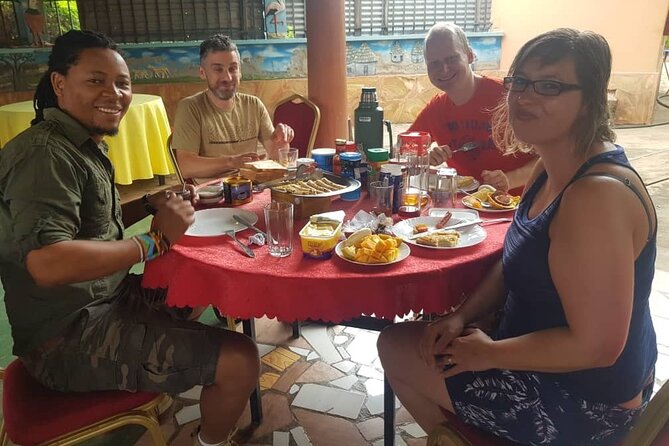
Day 6 finishes with Tarangire National Park. You drive to the park after breakfast for a full day game drive, then you return to Arusha for drop-off in the late afternoon or evening. The itinerary notes about 2 hours non game viewing travel time back to Arusha.
Tarangire is a strong closer because it continues the safari rhythm without repeating one of the earlier parks. If you were hoping for a final chance to spot animals and enjoy a last sweep of the day’s activity, this structure fits. You get one more full game-drive block, then a clean end with your return to Arusha.
A practical note: your final day is both a wildlife day and a travel day. Keep your energy steady. If you are the type who gets worn down near the end of trips, plan to stay calm and treat the drive back as part of the experience, not something that ruins it.
What you’re really buying for $2,371.80 per person
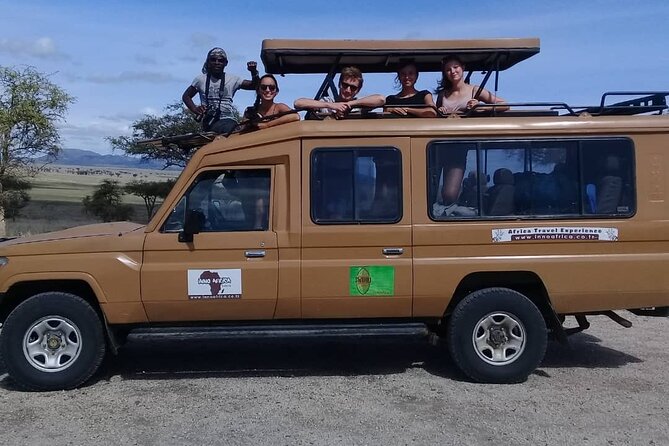
At $2,371.80 per person for 6 days, you are not paying for “just drives.” You’re paying for a packaged safari that handles the major categories that normally blow up costs on your own.
Here’s what stands out as value in the included list:
- Camping accommodation and gear: tents, mattresses, and camping equipment, plus campsite stays.
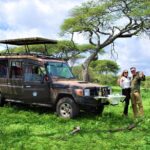
- Transportation in a 4×4 safari vehicle with experienced driver guides.
- Guide time and wildlife logistics: safari briefing, all sightseeing and game viewing, and a schedule that moves between parks.
- Meals: breakfast, lunch (5), and dinner (5), with dinner included on Day 1 as well.
- Water and basic comforts: 1.5 liters of mineral water per person per day during game drives, plus bottled water, and coffee and/or tea.
- Fees and overhead: government taxes, landing and facility fees, fuel surcharge.
- Medical evacuation: listed as included, which is worth noticing even if you never need it.
- Transfers: pickup and transfer to and from your hotel in Arusha or the airport.
What is not included is also important for budgeting:
- Flights, Tanzania visa entry fees
- Tips and gratuities for the driver guide and cook
- Personal expenses and any extra drinks
- Travel insurance
- Accommodation before or after the safari
- Optional visit to Oldupai Gorge and a Maasai village
- Meals, lunches, and dinners at your Arusha hotel
To get good value from this price, I’d plan your total trip budget like this:
1) lock your flights and visa,
2) decide how much you want to spend on tips and extras,
3) pack for real camping so you do not pay for last-minute replacements.
If you do that, the safari price starts to look like you are buying simplicity plus time in the parks.
The private tour advantage: less hassle, more consistency
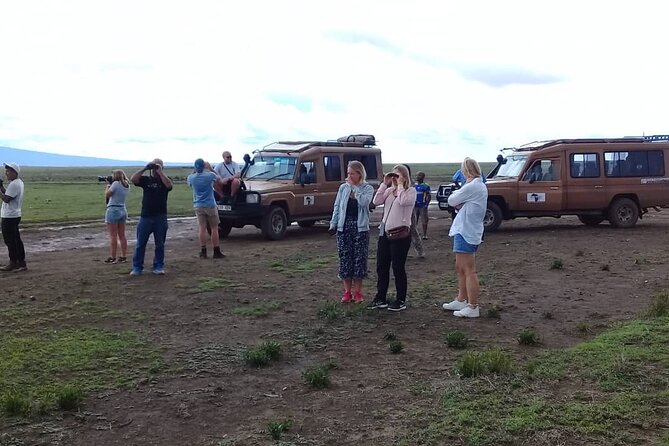
The trip is labeled as private, meaning only your group participates. In practice, this matters more than people expect.
You keep the same vehicle and guide experience throughout, which helps with spotting styles. It also reduces the “wait and mismatch” energy you can get when multiple independent groups share routes. When you are in wildlife areas, timing shifts happen. A private setup gives you fewer moving parts.
In past experiences with this provider style, you may encounter guides with different language skills. Some bookings highlight a Francophone guide named Peter, and others mention Joseph, also known as Jose Maria. That tells me the operator places emphasis on guide quality and communication, which is a big part of how satisfying game drives feel.
Comfort and packing: what to plan for when you sleep in public campsites
Because tents and mattresses are provided, you can skip the “camping shopping spree.” Still, you should pack for the real conditions you’ll face outdoors.
Think about:
- Warm layers for morning and evening, since nights can feel cool even when days are pleasant.
- Sun protection for game-drive hours, plus a hat or cap.
- A small day bag for your lunch boxes and water.
- Basic toiletries and wet wipes, because you should not assume hotel-style bathrooms in a public campsite.
- A dry bag or plastic liner for any electronics and camera gear.
If you want this safari to feel smooth, treat it like a field trip, not a hotel stay. The more you prepare for that mindset, the happier you’ll be with the camping format.
Photography and wildlife spotting: how window seats help
The included guaranteed window seat is one of those details that sounds small until you’re on the vehicle. Game drives mean you are constantly scanning and repositioning. Window seats reduce the frustration of blocking someone’s view, and they help you catch animals as they appear near the road.
Also, keep expectations flexible. Even with ideal planning, wildlife is wildlife. Some days feel action-packed, others feel like patience pays off slowly. This itinerary gives you multiple full wildlife days, which is the best strategy you can choose. It spreads your chances out across Serengeti, Ngorongoro, and Tarangire rather than betting everything on one location.
Should you book this 6-day Tanzania wildlife camping safari?
I’d book it if you want a classic Tanzania wildlife route with a big dose of time in parks, and you are comfortable trading hotel comforts for an authentic camping rhythm. It is especially appealing if you value the included Olduvai Gorge stop and want a tour that handles camping gear, meals, transport, and park-day essentials in one package.
I would hesitate if you know you dislike public campsites. If “soft bed” and “predictable amenities” are non-negotiable, this style may feel like work.
If you do book, I’d do one smart thing before you go: confirm your exact pickup details and the names of your guide and driver in writing. Some feedback patterns around tour operators can come down to communication mix-ups, and getting everything clear up front keeps the safari enjoyable from the first transfer to the last drop-off.
FAQ
What does the safari price include?
It includes accommodation in public campsites, tents and mattresses, camping equipment, transportation in a 4×4 safari vehicle, a safari briefing, an experienced English-speaking guide, all sightseeing and game viewing, and meals according to the itinerary (breakfast, lunch, and dinner). It also includes transfers to and from your Arusha hotel or the airport, water (including 1.5 litre mineral water per person per day during game drives) plus coffee and/or tea, and government taxes plus landing and facility fees.
Where does the tour start, and how do transfers work?
The tour start is Arusha Airport, and you are met on arrival at Kilimanjaro Airport or Arusha Airport. The plan includes transfers to your lodge or hotel in Arusha for dinner and overnight on Day 1, and it includes drop-off at the end of the safari in Arusha.
Which parks and sites are included in the 6 days?
You’ll visit Lake Manyara National Park, Serengeti National Park, Ngorongoro Conservation Area (including Ngorongoro Crater), and Tarangire National Park. There is also an included stop at Olduvai Gorge on the way to Ngorongoro.
Is this tour private?
Yes. It is described as a private tour/activity, so only your group participates.
What kind of vehicle do you use on safari?
The safari uses a 4×4 safari vehicle (jeep) driven by experienced driver guides, and you are guaranteed a window seat.
Are drinks and water included during game drives?
Yes. The safari includes 1.5 litre of mineral water per person per day during game drives, plus bottled water. Coffee and/or tea are also included.
Is there a vegetarian option?
A vegetarian option is available, and you should advise the operator at time of booking if you need it.
What is not included in the safari price?
Not included are domestic and international flights, Tanzania visa entry fees, tips and gratuities for the driver guide and cook, personal expenses such as souvenirs and drinks, accommodation before and after the safari, travel insurance, and optional visits (Oldupai Gorge and a Maasai village). Meals and drinks at your Arusha hotel are also not included.
What is the cancellation policy for a full refund?
You can cancel up to 24 hours in advance for a full refund. If you cancel less than 24 hours before the experience start time, the amount paid is not refunded.
More Under Canvas
- 4 Days Group Camping Safari
★ 5.0 · 1,101 reviews - 5 Days Group Camping Safari
★ 5.0 · 730 reviews - 3 Days Serengeti & Ngorongoro Group Camping Safari
★ 5.0 · 574 reviews - 5 Days Camping Tarangire, Serengeti & Ngorongoro crater & Visiting Maasai
★ 5.0 · 229 reviews - 5 Days Budget Private Safari, Tanzania
★ 5.0 · 191 reviews
Longer Trips Through the North
- Tanzania Classic – 7 Days
★ 5.0 · 1,151 reviews - 7-Day Premium Luxury Tanzania Safari All-Inclusive
★ 5.0 · 426 reviews - Tanzania Wildlife Encounters – 6 Days
★ 5.0 · 277 reviews - Group Safari 7 Days in Tanzania’s Main Parks
★ 5.0 · 240 reviews - 4 Days Join Group tour Tarangire Serengeti and Ngorongoro crater
★ 5.0 · 219 reviews
Just added from around Arusha
Multi-Day Northern Circuit Safari Packages, compared.
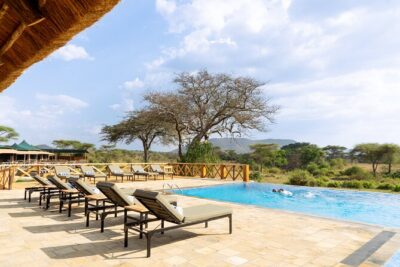 ★ 5.07-Day Premium Luxury Tanzania Safari All-InclusiveFrom $4,840426 reviews
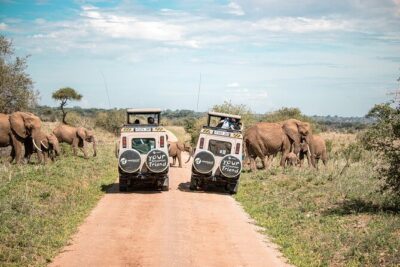 ★ 5.0Tanzania Wildlife Encounters – 6 DaysFrom $3,413277 reviews
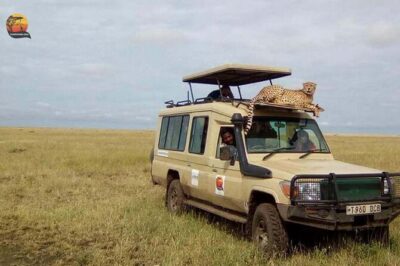 ★ 5.0Group Safari 7 Days in Tanzania’s Main ParksFrom $3,000240 reviews
 ★ 5.04 Days Join Group tour Tarangire Serengeti and Ngorongoro craterFrom $1,090219 reviews
 ★ 5.05-Day Private Northern Tanzania Safari from ArushaFrom $2,780182 reviews
 ★ 5.05 Days Best of Tanzania Luxury Safari Northern CircuitFrom $3,744174 reviews
 ★ 5.08 Day Spectacular Migration Serengeti mid -Range Tanzania SafariFrom $4,257161 reviews
 ★ 5.0Multi-Day Tanzania Odssey Safari from ArushaFrom $4,164120 reviews
Browse the lists this tour appears in