
REVIEW · MULTI-DAY NORTHERN CIRCUIT SAFARI PACKAGES
5 Days Exclusive Camping Adventure in Northern Tanzania
Big animals, close to the action. This exclusive camping safari connects Tarangire, Serengeti, Ngorongoro, and Lake Manyara in a tight 5-day loop, with campsites inside the parks so you spend less time commuting and more time watching animals do their thing. The schedule also leans hard into game drives at key moments, like a Central Serengeti sunset, which is when the light makes everything feel cinematic.
What I like most is how this trip is built around real wildlife time, not just photo stops. You get expert driving for multiple park days, and the small group size (max 6) means less waiting around and more chances for the guide to adjust when animals appear. The only real drawback to plan for is that camping plus long drive days means you should be ready for early starts and basic outdoor comfort, not a hotel-style rhythm.
In This Review
- Small-Group Safari Energy, from Arusha to the Crater
- Key Points to Know Before You Go
- The Big-Picture Plan: Why This Route Makes Sense
- Arusha Start Time, Pickup, and How the Day Flows
- Tarangire National Park: Your First Wildlife Hit
- Serengeti National Park: Plains Time, Sunset Drive, and Migration Odds
- The migration mention you should pay attention to
- What you’ll feel on Serengeti
- Ngorongoro Conservation Area: The Build-Up Day Before the Crater
- The Ngorongoro Crater Descent: A 2000 ft Drop for Big Wildlife Moments
- Lake Manyara Full-Day Game Drive: Water Birds and Rift Valley Drama
- What’s Included (and What That Means for Your Budget)
- Meal timing is part of the safari rhythm
- Camping Reality Check: What You Should Expect Night After Night
- The People Factor: Why Organization Shows Up in the Details
- Price and Value: Is $1,200 Fair for This Safari?
- Who This Safari Fits Best, and Who Might Want a Different Style
- Should You Book This 5-Day Exclusive Camping Adventure?
- FAQ
- What time does the tour start and where does it end?
- Is pickup offered?
- How large is the group?
- What parks are included in the 5 days?
- Are park admissions included?
- What meals are included?
- What is the cancellation policy?
Small-Group Safari Energy, from Arusha to the Crater
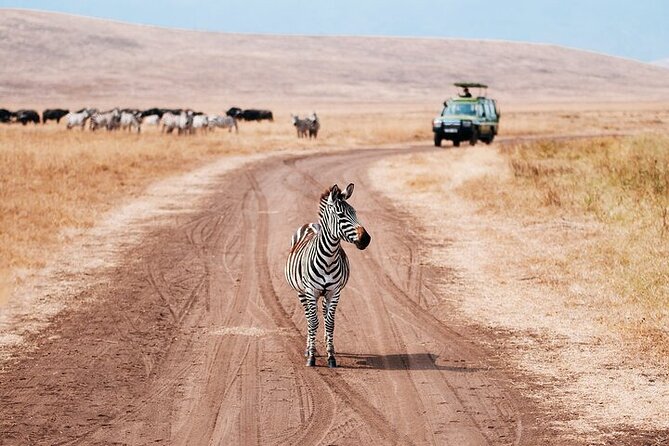
This is the kind of safari where the days run on sightings, not sightseeing. One reason it works is the route order, moving from Tarangire into Serengeti, then heading to Ngorongoro Conservation Area, and finishing with Lake Manyara. In reviews of this safari company, the people behind the trip also show up in a positive way, with names like Heavenlight (guide) and Gasto (chef) mentioned as helpful, kind, and focused on taking care of people during the journey.
Still, keep expectations grounded: a safari cannot guarantee specific animals on specific days. What you can count on is smart planning, time in the right areas, and enough game drives to stack your odds.
Longer northern circuit routes, side by side
- Tanzania Classic – 7 Days★ 5.0 · 1,151 reviews
- Tanzania Wildlife Encounters – 6 Days★ 5.0 · 277 reviews
- Group Safari 7 Days in Tanzania’s Main Parks★ 5.0 · 240 reviews
- 4 Days Join Group tour Tarangire Serengeti and Ngorongoro crater★ 5.0 · 219 reviews
Key Points to Know Before You Go
- Max 6 travelers keeps the safari flexible and less chaotic when animals show up.
- Park camping nights are planned in Serengeti (Seronera Campsite) and Ngorongoro area (Simba Campsite), putting you where the wildlife drama unfolds.
- Multiple game-drive windows include an evening Central Serengeti drive and an early-morning Serengeti drive before Ngorongoro.
- Ngorongoro Crater descent by 4-wheel drive is the headline moment, with a drop of about 2000 ft into the caldera.
- Meals are included (breakfast, lunch, dinner counts are listed), so you can focus on animals instead of food logistics.
- Park entry is covered as admission is marked free on most days, with one day marked included.
The Big-Picture Plan: Why This Route Makes Sense
This safari earns its keep by doing the heavy lifting for you. Instead of scattering you across too many stops, it concentrates on Northern Tanzania’s most famous wildlife zones: Tarangire for classic savanna sightings, Serengeti for migration country and predator action, Ngorongoro for the crater bowl effect, and Lake Manyara for water birds and lake-edge wildlife.
The practical win is timing. You spend full days in the parks, not only passing through. Even the days that include transitions still include game drive time, which matters because wildlife is not scheduled to your itinerary. The fewer “dead hours” you have in between, the better your day usually feels.
Arusha Start Time, Pickup, and How the Day Flows
You’ll start from the Arusha area with an early departure. The meeting start time is listed as 7:30 am, and Day 1 notes a prompt 8:00 am departure from Arusha. That means you should plan for a smooth morning, rather than expecting a late coffee and then rolling into the park.
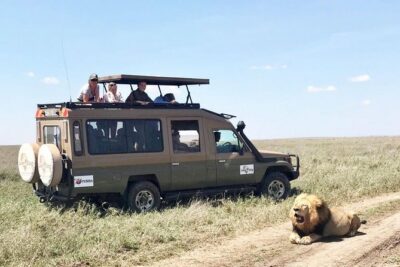
Transport-wise, you’ll be in safari jeeps for game drives, and a 4-wheel drive is specifically called out for the Ngorongoro crater descent. What that tells you: the route is designed for getting down into the crater area and moving among the best viewpoints for animals.
Group size is max 6, which is a big deal in a place like this. Smaller groups usually mean fewer vehicle changes, less time waiting for everyone to catch up, and more control for the driver when conditions shift.
More camping safaris at this price
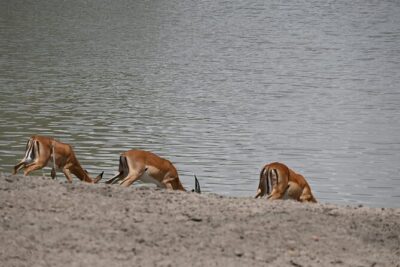
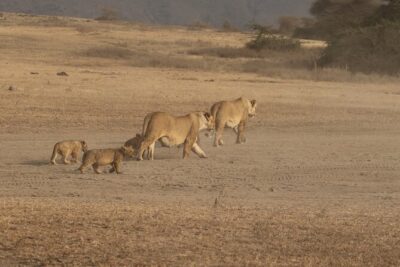
Tarangire National Park: Your First Wildlife Hit
Day 1 is built as a straightforward start, Arusha to Tarangire. You’ll be out with an expert guide leading your exploration, with about 6 hours listed for the day. Park entry is marked free for this day, and you’ll have the “wake up and go” feeling that works well for safari newbies and return visitors alike.
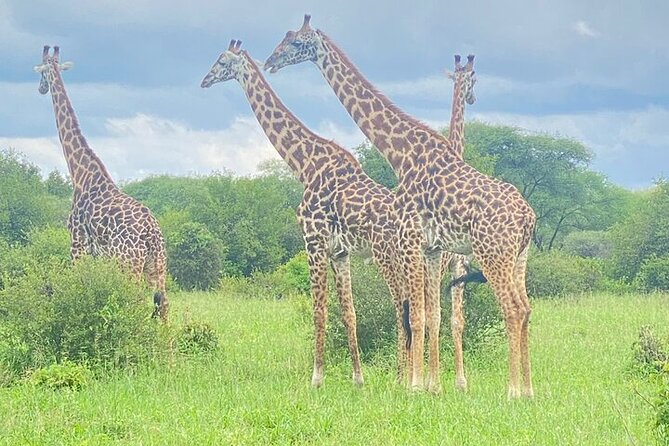
Tarangire is a smart first stop because it often feels different from Serengeti later. The scenery is not just for show. You’re looking for movement, grazing patterns, and classic savanna clusters where elephants and other large animals can turn up close to the track.
What to consider: since this is your first safari day, your eyes will still be adjusting to the pace. That’s not a problem. Just know that you’ll get more from Tarangire if you treat it like a warm-up and focus on learning the rhythm: scan, watch behavior, then enjoy the moment when animals commit to a path.
Serengeti National Park: Plains Time, Sunset Drive, and Migration Odds
Serengeti is where this safari earns its reputation. Day 2 includes travel into Serengeti, a packed lunch, and then an evening game drive in Central Serengeti to catch the sunset. Day 2 also lists Seronera Campsite for your overnight, which is a huge practical advantage. Being in the park means you don’t have to chase the animals the whole day and then scramble to get back for darkness.
Day 3 keeps you in Serengeti for an early morning game drive, then you travel toward Ngorongoro Conservation Area and sleep at Simba Campsite. This sequencing matters. If you only do one Serengeti drive, you can miss the best activity window. By stacking a morning and an evening drive, you get two different light styles and two different animal behaviors.
The migration mention you should pay attention to
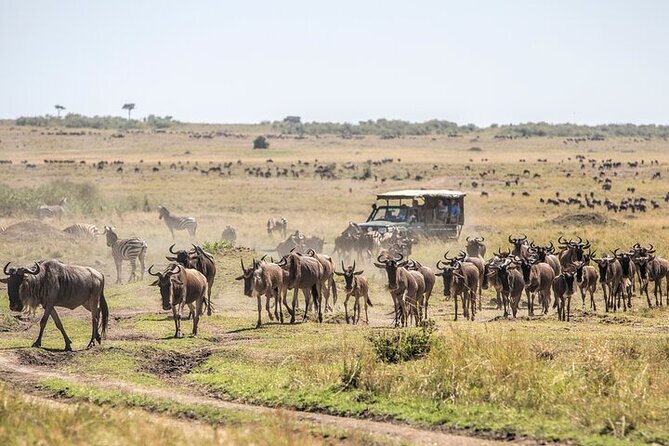
The trip specifically points to the wildebeest migration pattern, tied to the search for greener pastures during drought. You should interpret that as: this route is designed to maximize the chances of being in the right region during the migration cycle, but you still won’t control exactly what you see on the day you’re there. The value is that your guide is actively driving for sightings during the time windows when movement is more likely.
What you’ll feel on Serengeti
Even if you have seen wildlife before, Serengeti can hit you differently because it’s open. When animals are spread out, your guide has to read tracks and behavior from the vehicle position, then choose where to spend your time. That’s part of why the driver guide approach matters here.
Ngorongoro Conservation Area: The Build-Up Day Before the Crater
Day 3 is a pivot day. You start with another Serengeti game drive, then head to Ngorongoro Conservation Area. Dinner and overnight are at Simba Campsite.
This day also includes your first glimpse of Ngorongoro Crater. It’s not the descent yet, but it sets expectations. Looking at the caldera from the edge gives you a sense of scale that you will not get from photos. The world’s largest intact volcanic caldera is exactly the kind of place where the geography shapes the animal viewing.
Practical note: your energy matters. By the time you reach the Ngorongoro area, you’ll be a mix of excited and tired. If you can, keep your belongings organized so you don’t waste time during transitions.
The Ngorongoro Crater Descent: A 2000 ft Drop for Big Wildlife Moments
Day 4 is the headline: breakfast with crater views, then a 4-wheel drive descent of about 2000 ft into the crater. The crater is described as covering 8300 sq km, and you’ll want to treat the crater drive like a full game drive day rather than a quick checkbox.
What makes Ngorongoro so effective for wildlife viewing is what the tour description highlights: it’s a natural haven for large mammals, with a density effect. When you’re down inside the caldera, you’re not searching as wide an area as you would on the plains. Instead, you can focus on animal hotspots, grazing routines, and predator activity.
What to consider: crater days often feel “intense” because you can see many animals in a shorter time. That means you might want to slow down and actually watch behavior, not only zoom for photos. If you’re hoping for specific rarities, your best strategy is patience. The guide’s job is to find the animal where it is doing the most interesting thing, not where it is easiest to photograph.
After lunch, you leave the park and drive back for dinner and overnight at your lodge as described.
Lake Manyara Full-Day Game Drive: Water Birds and Rift Valley Drama
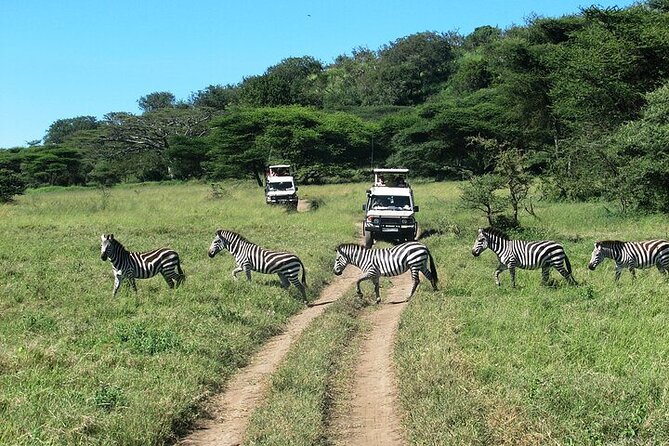
Day 5 finishes with Lake Manyara National Park and a full-day game drive. The description calls out the park’s scenic variety, including panoramic vistas, waterfalls, crystal-clear brooks, and thermal springs. It also highlights that Lake Manyara is known for water birds, with over 400 species noted, including flamingos and pelicans.
This is a great final day because it changes the animal mix and the vibe. Serengeti can feel like open-country theater. Lake Manyara can feel like a landscape of edges, where birds and water-driven wildlife can steal your attention. You’re also looking for elephants, giraffes, hippos, water buffalos, and other animals that take advantage of the water and vegetation variety.
The practical takeaway: keep your eyes up and scan the shorelines and vegetation bands. Birds might not come from the direction you expect, so you benefit from a patient, steady watch.
What’s Included (and What That Means for Your Budget)
This tour price is listed at $1,200.00 per person for about 5 days. The value story here is that your core safari costs are handled for you: meals and key park-related access.
Included:
- Parking fees
- Lunch (5)
- Dinner (4)
- Breakfast (4)
You also have admission marked free on several days, and one day marked admission ticket included. That combination matters because it reduces the “surprise bills” feeling that can happen on safaris when entry fees are not clearly covered upfront.
Not included:
- visa
- tip
- international flight
- personal items, souvenirs
- travel insurance
- additional accommodation before and after the tour
Meal timing is part of the safari rhythm
You won’t be stuck hunting for snacks. Lunches are provided and one day includes a packed lunch while transitioning to Serengeti. Dinner and breakfast counts are included as listed, so you can plan your day around game drive energy instead of meal timing.
Camping Reality Check: What You Should Expect Night After Night
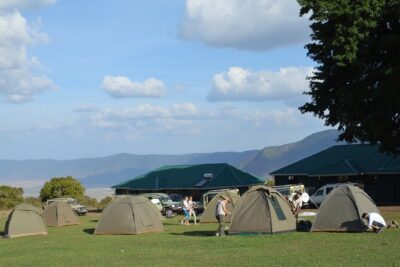
The itinerary is a camping-focused trip. It specifically names Seronera Campsite in Serengeti and Simba Campsite in the Ngorongoro area. Camping in these locations is a big reason this safari feels “close.” You’re not only driving to wildlife, you’re living with the same environment at night.
That said, camping also changes your packing needs and your expectations. You should assume basic outdoor comfort, and you’ll want to bring layers for cooler evenings. Also, wildlife days are long, so you’ll probably sleep hard, even if conditions are simple.
If you’re the type who loves sunrise and doesn’t mind an early wake-up, camping fits you well. If you’re looking for a luxury lodge experience every night, you might feel the difference.
The People Factor: Why Organization Shows Up in the Details
Two themes show up clearly in the feedback you shared: organization and caring service. Past mentions include being well organized from pickup, and guidance that helped people see the main animals, plus rarer sightings like cheetahs, leopards, and rhinos during other safari lengths.
You can’t guarantee rare animals every day, but you can choose a team that stays proactive. That’s what good safari operators do: they manage timing, keep group energy stable, and position you where sightings are most likely.
Also, seeing names like Heavenlight and Gasto in the context of care tells me the human side matters here, not only the driving.
Price and Value: Is $1,200 Fair for This Safari?
At $1,200 per person, the question is what you’re really paying for: time, access, food, camping, and multiple park experiences in one tight loop.
For this itinerary, you are paying for:
- multiple big safari regions (Tarangire, Serengeti, Ngorongoro, Lake Manyara)
- repeated game drive time inside parks
- camping nights in Serengeti and the Ngorongoro area
- meals across the days (breakfasts, lunches, dinners listed)
- parking fees and admission coverage as indicated in the itinerary
It’s not the cheapest way to safari Tanzania, but it is a focused way. You’re not paying for extra hotel nights or wasted transit. If you want a compact wildlife circuit with camping, this pricing can feel reasonable, especially with small group size capped at 6 and the itinerary built around multiple driving windows.
Your budget add-ons are also predictable: visa, tips, travel insurance, and your international flight. Build those in early so you don’t get stuck at the end.
Who This Safari Fits Best, and Who Might Want a Different Style
This tour is a great fit if you:
- want a small-group safari
- like the idea of camping inside or near major wildlife areas
- enjoy game drives more than structured museum-style stops
- want a route that covers several Northern Tanzania icons in 5 days
It might not be ideal if you:
- hate early starts or long drive days
- need a hotel-style comfort level every night
- prefer a trip with more detailed downtime or optional activities (this itinerary is built around wildlife time)
If you’re a first-time safari person, this is also a strong starting point because it hits multiple ecosystems quickly. If you’ve done safaris before, you’ll likely appreciate the route balance and the crater day.
Should You Book This 5-Day Exclusive Camping Adventure?
I’d book it if you want a tightly run Northern Tanzania wildlife circuit with camping nights and multiple chances to catch animals on the move. The biggest reasons to feel good about the choice are the small group size, the focus on game drives in the right areas, and the inclusion of meals plus access details as listed.
Before you book, make sure you’re comfortable with camping and early mornings, and confirm what you personally need for a smooth safari sleep setup. If you’re ready for the rhythm of a wildlife-first day, this kind of route can deliver the kind of memories you talk about for years.
FAQ
What time does the tour start and where does it end?
The tour starts at 7:30 am and ends back at the meeting point.
Is pickup offered?
Yes, pickup is offered.
How large is the group?
The group has a maximum of 6 travelers.
What parks are included in the 5 days?
The itinerary includes Tarangire National Park, Serengeti National Park, Ngorongoro Conservation Area (with a crater descent), and Lake Manyara National Park.
Are park admissions included?
Admission is marked free for several days in the itinerary, and Ngorongoro Day 4 lists admission ticket included.
What meals are included?
Breakfast is included 4 times, lunch is included 5 times, and dinner is included 4 times.
What is the cancellation policy?
Free cancellation is available up to 24 hours in advance for a full refund. If you cancel less than 24 hours before the start time, the amount paid will not be refunded.
More Under Canvas
- 4 Days Group Camping Safari
★ 5.0 · 1,101 reviews - 5 Days Group Camping Safari
★ 5.0 · 730 reviews - 3 Days Serengeti & Ngorongoro Group Camping Safari
★ 5.0 · 574 reviews - 5 Days Camping Tarangire, Serengeti & Ngorongoro crater & Visiting Maasai
★ 5.0 · 229 reviews - 5 Days Budget Private Safari, Tanzania
★ 5.0 · 191 reviews
Longer Trips Through the North
- Tanzania Classic – 7 Days
★ 5.0 · 1,151 reviews - 7-Day Premium Luxury Tanzania Safari All-Inclusive
★ 5.0 · 426 reviews - Tanzania Wildlife Encounters – 6 Days
★ 5.0 · 277 reviews - Group Safari 7 Days in Tanzania’s Main Parks
★ 5.0 · 240 reviews - 4 Days Join Group tour Tarangire Serengeti and Ngorongoro crater
★ 5.0 · 219 reviews
Just added from around Arusha
Multi-Day Northern Circuit Safari Packages, compared.
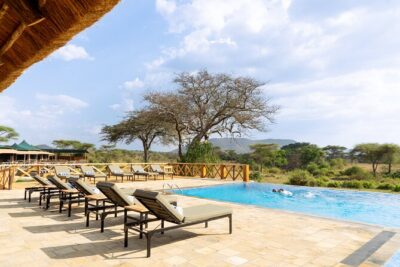 ★ 5.07-Day Premium Luxury Tanzania Safari All-InclusiveFrom $4,840426 reviews
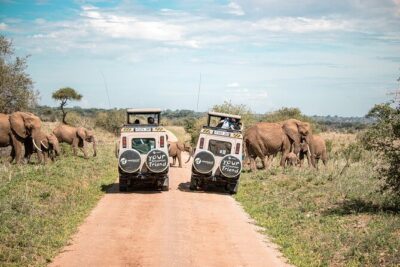 ★ 5.0Tanzania Wildlife Encounters – 6 DaysFrom $3,413277 reviews
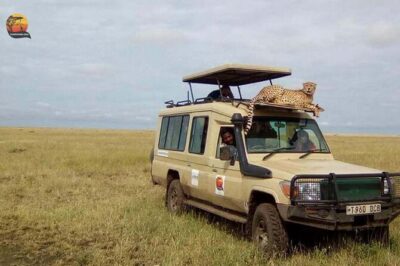 ★ 5.0Group Safari 7 Days in Tanzania’s Main ParksFrom $3,000240 reviews
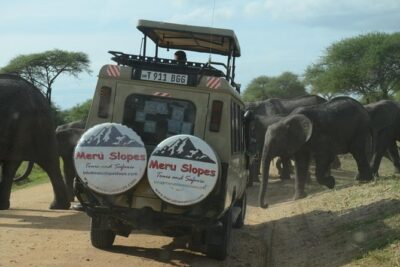 ★ 5.04 Days Join Group tour Tarangire Serengeti and Ngorongoro craterFrom $1,090219 reviews
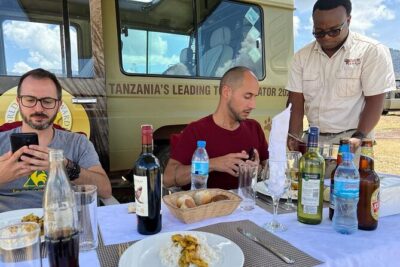 ★ 5.05-Day Private Northern Tanzania Safari from ArushaFrom $2,780182 reviews
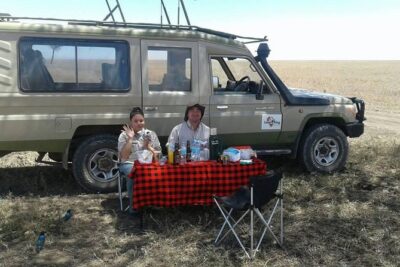 ★ 5.05 Days Best of Tanzania Luxury Safari Northern CircuitFrom $3,744174 reviews
 ★ 5.08 Day Spectacular Migration Serengeti mid -Range Tanzania SafariFrom $4,257161 reviews
 ★ 5.0Multi-Day Tanzania Odssey Safari from ArushaFrom $4,164120 reviews
Browse the lists this tour appears in