
REVIEW · MULTI-DAY NORTHERN CIRCUIT SAFARI PACKAGES
5 Days Budget Safari in Tanzania
Baobabs, lions, and crater views in five days. This budget safari runs out of Arusha with Tarangire and Ngorongoro Crater on the route, plus pick up, park fees, and your meals planned across the drive heavy days.
I like that the price is easier to stomach because park fees are included and you get set meal service each day. I also like the small group size, capped at 7, which keeps the experience from feeling chaotic. One consideration, plan for long driving stretches, including a bumpy ride toward Serengeti and an early descent into the crater.
In This Review
- Key highlights
- Why This 5-Day Budget Safari Works for First-Timers
- Day 1 Tarangire National Park, Baobab Giants and Elephant Herds
- Day 2 Serengeti National Park, The Road In and a Sunset Drive
- Day 3 A 6 AM Serengeti Sunrise and the Shift Toward Ngorongoro
- Day 4 Ngorongoro Crater Descent, Rhino Possibilities and Hippo Lake Lunch
- Day 5 Lake Manyara, Tree-Climbing Lions and Flamingo Time
- What You Really Get for $1,200, Price, Meals, and Park Fees Included
- The Human Factor, Guides and Kitchen Team That Make the Difference
- Logistics That Affect Your Comfort on Safari Days
- Who This 5-Day Safari Best Fits
- Should You Book This 5-Day Budget Safari in Tanzania?
- FAQ
- Which national parks are included on this safari?
- What time does the tour start each day?
- Is hotel pickup included?
- Are park fees included in the price?
- What meals are included during the trip?
- What wildlife can you expect to look for?
- Where do you stay overnight during the 5 days?
- What is not included in the $1,200 price?
- Is there free cancellation?
Key highlights
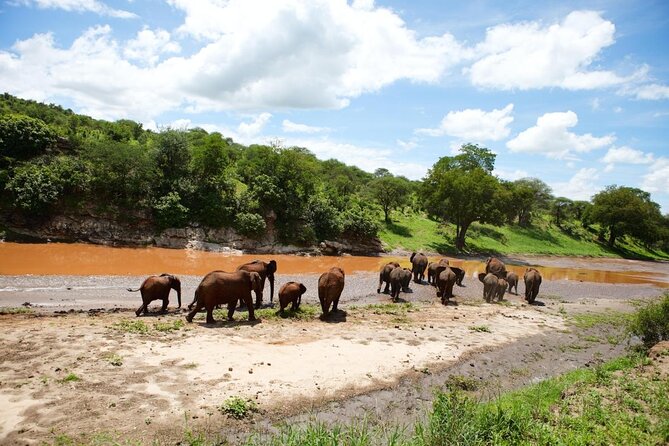
- Tarangire elephants and baobabs plus a picnic lunch with big views from the park
- Serengeti sunset and sunrise drives, timed for when animals are most active
- Ngorongoro Crater descent with a real shot at rare sightings, including black rhino
- Hippo Lake lunch choice, either picnic down in the crater area or hot lunch back at camp
- Lake Manyara’s salt lake and flamingos, plus a chance at tree-climbing lions
- Small group cap of 7 and a long list of included essentials for the price
Longer northern circuit routes, side by side
- Tanzania Classic – 7 Days★ 5.0 · 1,151 reviews
- Tanzania Wildlife Encounters – 6 Days★ 5.0 · 277 reviews
- Group Safari 7 Days in Tanzania’s Main Parks★ 5.0 · 240 reviews
- 4 Days Join Group tour Tarangire Serengeti and Ngorongoro crater★ 5.0 · 219 reviews
Why This 5-Day Budget Safari Works for First-Timers
Planning a safari on your own in northern Tanzania can turn into a full-time job. This format helps you skip a lot of the hard parts, like arranging park entries, coordinating meals, and lining up the right sequence of parks. You’re going to cover four major areas: Tarangire, Serengeti, Ngorongoro Crater, and Lake Manyara, which is a smart “best-of” mix for a first trip.
What makes it practical is the way the days are structured around game drive rhythm. You’re not just driving from point A to point B. The schedule consistently builds in early starts and golden-hour drives, which matters because animals move when the light and temperatures shift. That timing is especially noticeable in Serengeti, where you go out at sunrise and again at sunset.
The value angle is also real. At $1,200 per person for about 5 days, you’re paying for a guided itinerary with park fees included and a full meal plan set in advance (4 breakfasts, 4 lunches, 4 dinners). Tips, visas, and flights sit outside the price, but you avoid the “surprise math” that can happen when you piece everything together yourself.
Day 1 Tarangire National Park, Baobab Giants and Elephant Herds
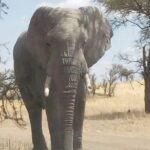
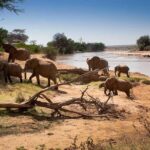
Day 1 starts with pickup in Arusha and about a 2-hour drive into Tarangire. Once you reach the park, Tarangire’s reputation makes sense fast. This is where you go for large elephant herds and the famous baobab trees, including ancient specimens that look like they’ve been standing in the sun forever.
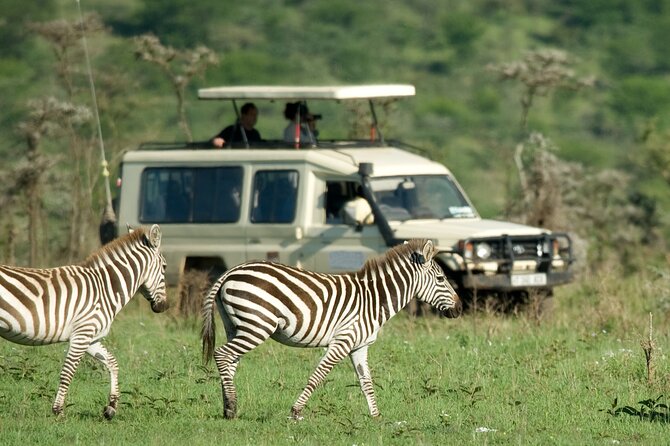
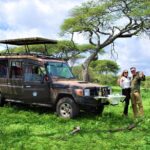
One detail I’d pay attention to is the way the drive is experienced. You ride with an open roof vehicle on this day, so you feel closer to the heat, the dust, and the wildlife that can pop out along the Tarangire River area. Expect a mix of savanna and seasonal swamps, plus lots of birds. Along with elephants, you might spot giraffes, impalas, zebras, warthogs, and the big cat possibilities that make safari days feel like a hunt.
Lunch is handled well, too. You stop at a picnic site with a spectacular view, then eat before continuing game viewing. That pause is more than comfort. It breaks up the day so you can stay focused for the remaining sightings time.
You end at Fig Tree Lodge for dinner and overnight, which is a good “reset” point after a long first day. The only trade-off is that the pace starts strong, so if you’re sensitive to jet lag, you’ll want to lean into the first morning and let your body adjust.
Day 2 Serengeti National Park, The Road In and a Sunset Drive
After breakfast, you head toward Serengeti, with a drive that can take about 4 to 5 hours, including bumpy stretches through the route up toward the crater highlands before you open onto the vast Serengeti plains. That on-the-road time is part of the safari, but it’s also the downside of this style of itinerary. You’re trading convenience for distance, and you’ll feel it in the seat.
Still, it sets up an important payoff. Once you arrive, you stop for a picnic lunch and then shift into an afternoon game drive. The day ends with a sunset drive, then you continue to Seronera campsite for dinner and overnight.
Why this sequence works: Serengeti offers variety by time of day. Afternoon light can bring different animal behavior than early morning, and sunset often sharpens sighting chances for predators moving between cover and open ground. The timing also helps your group settle into the rhythm of seeing first, then processing later.
If you’re hoping for a wide range of species in a short trip, the Serengeti plan is the core of the itinerary. It’s the day where your eyes do the most work, because the plains can stretch out with animal movement spread across the horizon.
More camping safaris at this price
Day 3 A 6 AM Serengeti Sunrise and the Shift Toward Ngorongoro
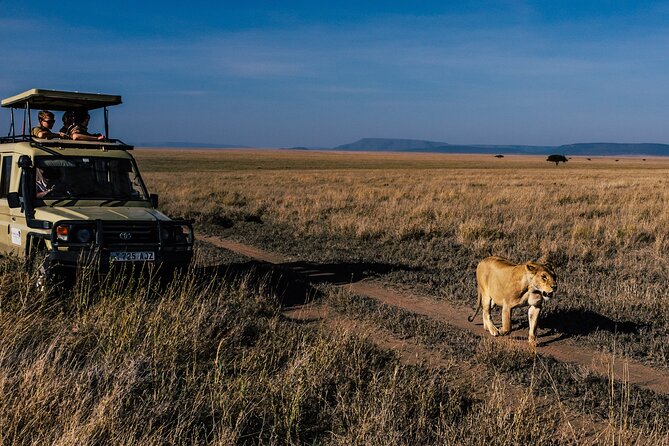
Day 3 is when the safari energy gets real. You wake around 6:00 am for a sunrise game drive, when animals tend to be active and visible before the heat pushes them into more shaded patterns. You’ll stop at a picnic site for breakfast in the bush, then continue the game drive before returning to the camp around noon.
Back at camp, you get a hot lunch and then you transition out of Serengeti and onward to Ngorongoro. Dinner and overnight happen at Simba campsite, which keeps the night close to the crater area for the next day.
This day has a simple logic: sunrise is for best odds, midday is for recovery, and the drive to Ngorongoro is for positioning. Ngorongoro Crater is not a place you want to rush into. It’s a big day physically, with an early start required for the descent.
One thing I appreciate here is that the schedule doesn’t pretend you can do everything at once. It gives you a real morning game drive, then stops for food and rest, instead of squeezing in endless hours. That balance is what makes a “budget” safari still feel like a safari, not just transportation with animals as a side quest.
Day 4 Ngorongoro Crater Descent, Rhino Possibilities and Hippo Lake Lunch
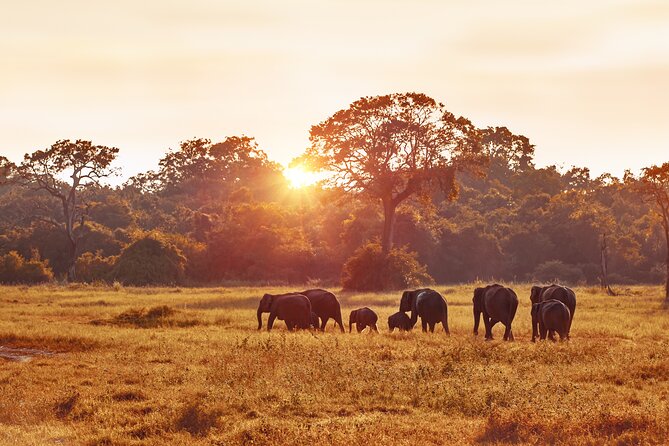
Day 4 begins early again, with breakfast and then a descent into Ngorongoro Crater right away. The crater is famous for density and for the feeling that you’re watching a whole ecosystem stacked in one bowl. The promise here is strong, because you’re in an area known for almost every East African species found around this region, and the rare black rhino is part of the wish list for sightings.
You choose between two lunch styles. You can have a picnic lunch at Hippo Lake, or take a hot lunch back at the camp. That choice matters more than it sounds, because Hippo Lake can turn into a memorable sighting stop if hippos are active and you have good viewing time, while a hot lunch helps you reset after the descent and sustained viewing.
After lunch, you continue on to Fig Tree Lodge for dinner and overnight. This creates a comfortable landing after a day that can feel intense in terms of sights and logistics.
A fair note: wildlife sightings are never guaranteed. But this day is designed to maximize your odds by getting you into the crater early and by giving you real time at key areas. If you’re the kind of person who loves the moment when the guide spots movement and you realize you were just a few seconds behind, this is a day built for that feeling.
Day 5 Lake Manyara, Tree-Climbing Lions and Flamingo Time
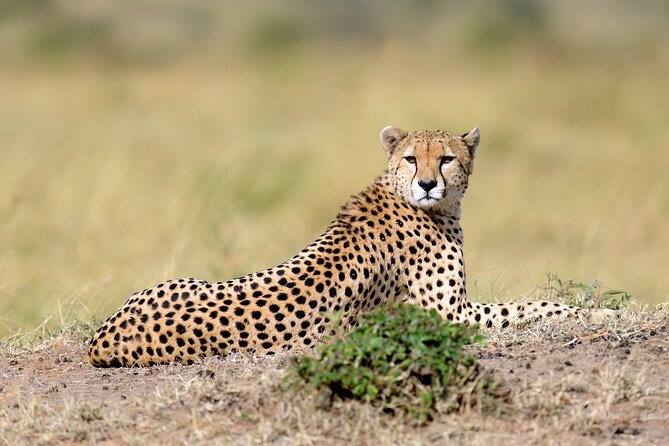
On the final day, you drive a short distance of about 5 minutes to the park gate for Lake Manyara National Park. Lake Manyara is smaller than some of the headline parks, but it has variety, which is great for a last day when you still want wildlife action without another marathon drive.
This park is known for tree-climbing lions, and it also offers bird heaven. The lake area includes a salt lake that floods and dries depending on the seasons, which shapes what you see on the ground. When conditions line up, the park can host thousands of flamingos, along with over 300 bird species.
The scenery is practical here because the habitats change: grassy plains, primate-filled woodlands, and baobab dotted cliffs. You’re not locked into one view. You can look for mammals in open zones and keep an eye on trees and cliffs for activity.
The plan aims to bring you back to Arusha around 5:00 pm, which is helpful if you want a full evening after the safari. It also means you’re not trapped in the park until late night, which keeps the trip from dragging too long on the final day.
What You Really Get for $1,200, Price, Meals, and Park Fees Included
This safari’s pricing makes sense if you compare it to how quickly costs add up when you plan independently. Here’s what’s explicitly covered: all park fees, plus 4 breakfasts, 4 lunches, and 4 dinners. Pickup is offered, and you receive a mobile ticket.
That meal plan is a real value piece. Safari days are long, and food that’s handled for you means you can stay focused on the drive schedule and sightings. It also reduces the risk of ending up hungry or hunting for food while everyone else is still waiting at a picnic point.
The other value lever is the group size. Maximum 7 travelers keeps the safari manageable. Smaller groups usually mean less friction during vehicle stops and fewer delays when the guide calls for attention. It doesn’t mean you control the animals, but it does mean you can get better viewing time because the vehicle situation tends to be smoother.
What’s not included is also clear: tips, visas fee, and flights. So, budget those in early so you don’t get stuck at the last minute. And remember, this is labeled budget, so accommodations will not be the same level as luxury lodge travel. You’ll stay in the listed campsite and lodge options, including Seronera campsite, Simba campsite, and Fig Tree Lodge.
The Human Factor, Guides and Kitchen Team That Make the Difference
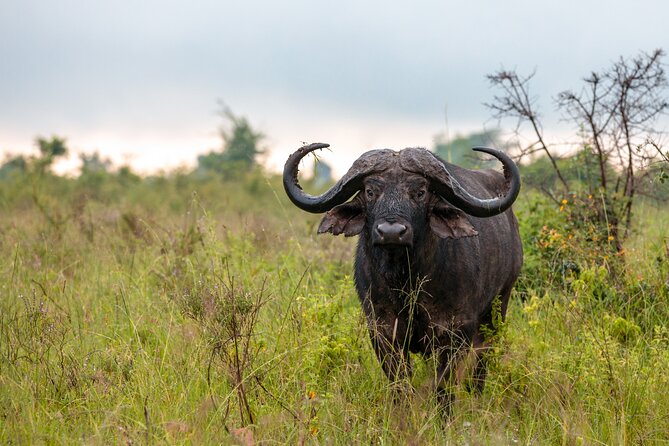
A safari is only half logistics. The other half is interpretation, and that’s where the staff matters. In past departures connected with this operation, people have been guided by leaders such as Khalid (sometimes spelled Khaled) and Abushir, with special credit for spotting animals and explaining what you’re seeing beyond just pointing.
Names also show up from the dining side. Ben is mentioned as a guide, and Omary is cited as a chef. When the kitchen gets good marks, it usually means meals are varied and actually enjoyable after long drives, not just survival food. That matters when you’re waking early for sunrise drives and coming back tired.
Also, the operation has been described as organized from start to finish, with quick communication from folks like Guga and Hussein. For you, that likely means fewer awkward surprises before you’re in the parks and more confidence that the day’s rhythm will hold.
Logistics That Affect Your Comfort on Safari Days
This is an itinerary that prioritizes safari time and park coverage, so comfort depends on expecting the rhythm. Start time is listed as 7:30 am, and pickup is offered from your Arusha hotel. From there, you’re moving through parks with day durations around 6 to 7 hours each.
Driving is a consistent theme. Day 2 includes a 4 to 5 hour drive with bumpy road time. Day 3 includes early wake for sunrise and then a transfer out toward Ngorongoro. Day 5 is comparatively lighter with a short 5 minute drive to the gate, which is a nice way to close.
You’ll also be dealing with two types of lodging. Campsites handle the “close to the action” feel, while Fig Tree Lodge gives you a lodge-style break after crater and after Tarangire. The combination is common in this part of Tanzania, and it’s a good balance for staying in-budget while still sleeping somewhere that feels like home base.
In terms of who can participate, the tour notes that most travelers can join. If you have mobility issues that make long drives difficult, this one may require extra thought because of the bumpy transfers and early starts.
Who This 5-Day Safari Best Fits
This safari fits best if you want a smart, guided introduction to northern Tanzania without turning the trip into project management. It’s also a good fit if you care about seeing multiple ecosystems in one go: elephants and baobabs at Tarangire, predators and wide-open plains in Serengeti, crater wildlife density in Ngorongoro, and bird focused habitat shifts at Lake Manyara.
I’d also put it high on the list for couples and small groups who like structured days. With a maximum of 7 travelers, you get the benefits of group travel without feeling boxed in.
If you’re a solo traveler who wants to avoid the stress of arranging guides, park fees, and transport, this itinerary provides built-in structure from pickup to overnight stops. And if you value good guiding and consistent meals, the staff mentions around Khalid, Abushir, Ben, and chef Omary suggest this operation takes the experience seriously, not just the sightseeing checklist.
Should You Book This 5-Day Budget Safari in Tanzania?
If your goal is to see the big highlights of northern Tanzania in one trip, and you want most of the “annoying parts” handled for you, this is a strong book. The included park fees and meal plan help the price feel fair, and the sunrise and sunset game drives in Serengeti are exactly the kind of scheduling that tends to pay off.
I’d hesitate only if you hate long driving days, or if you need very high end accommodations every night. This is budget, so you’re paying to get into the parks and stay on schedule, not to maximize comfort in the room.
If that trade-off sounds acceptable, you’re likely to come away with the kind of safari memories that stick: sunrise light across the Serengeti plains, the crater feeling of being inside a wildlife bowl, and the smaller but special energy of Lake Manyara.
FAQ
Which national parks are included on this safari?
Tarangire National Park, Serengeti National Park, Ngorongoro Crater, and Lake Manyara National Park are included.
What time does the tour start each day?
The meeting start time is 7:30 am.
Is hotel pickup included?
Yes, pickup from your hotel in Arusha is offered.
Are park fees included in the price?
Yes, all park fees are included.
What meals are included during the trip?
The package includes 4 breakfasts, 4 lunches, and 4 dinners.
What wildlife can you expect to look for?
The safari is planned for sightings of lions, leopards, rhinos, elephants, and African buffalos.
Where do you stay overnight during the 5 days?
Overnights include Fig Tree Lodge, Seronera campsite, and Simba campsite.
What is not included in the $1,200 price?
Tips, visa fees, and flights are not included.
Is there free cancellation?
Yes, you can cancel for a full refund up to 24 hours in advance of the experience start time. If you cancel less than 24 hours before, no refund is given.
More Under Canvas
- 4 Days Group Camping Safari
★ 5.0 · 1,101 reviews - 5 Days Group Camping Safari
★ 5.0 · 730 reviews - 3 Days Serengeti & Ngorongoro Group Camping Safari
★ 5.0 · 574 reviews - 5 Days Camping Tarangire, Serengeti & Ngorongoro crater & Visiting Maasai
★ 5.0 · 229 reviews - 5 Days Budget Private Safari, Tanzania
★ 5.0 · 191 reviews
Longer Trips Through the North
- Tanzania Classic – 7 Days
★ 5.0 · 1,151 reviews - 7-Day Premium Luxury Tanzania Safari All-Inclusive
★ 5.0 · 426 reviews - Tanzania Wildlife Encounters – 6 Days
★ 5.0 · 277 reviews - Group Safari 7 Days in Tanzania’s Main Parks
★ 5.0 · 240 reviews - 4 Days Join Group tour Tarangire Serengeti and Ngorongoro crater
★ 5.0 · 219 reviews
Just added from around Arusha
Multi-Day Northern Circuit Safari Packages, compared.
 ★ 5.07-Day Premium Luxury Tanzania Safari All-InclusiveFrom $4,840426 reviews
 ★ 5.0Tanzania Wildlife Encounters – 6 DaysFrom $3,413277 reviews
 ★ 5.0Group Safari 7 Days in Tanzania’s Main ParksFrom $3,000240 reviews
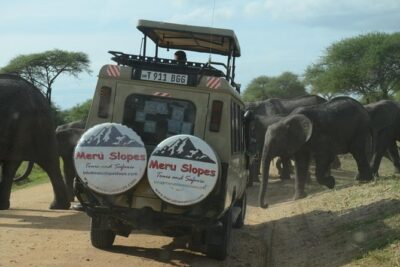 ★ 5.04 Days Join Group tour Tarangire Serengeti and Ngorongoro craterFrom $1,090219 reviews
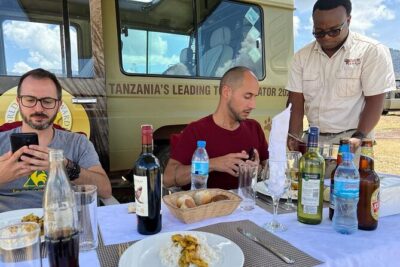 ★ 5.05-Day Private Northern Tanzania Safari from ArushaFrom $2,780182 reviews
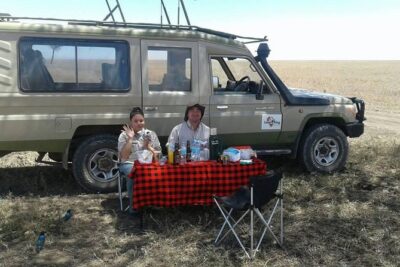 ★ 5.05 Days Best of Tanzania Luxury Safari Northern CircuitFrom $3,744174 reviews
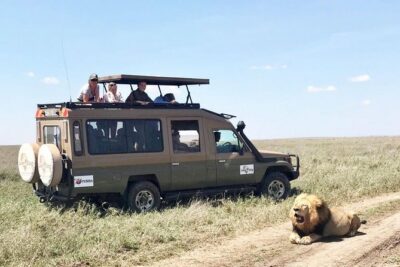 ★ 5.08 Day Spectacular Migration Serengeti mid -Range Tanzania SafariFrom $4,257161 reviews
 ★ 5.0Multi-Day Tanzania Odssey Safari from ArushaFrom $4,164120 reviews
Browse the lists this tour appears in