
REVIEW · MULTI-DAY NORTHERN CIRCUIT SAFARI PACKAGES
5 Days Best of Northern Circuit Budget Safari in Tanzania
Big parks, budget beds, and real animal time. This 5-day Northern Circuit safari strings together Tarangire, Serengeti, Ngorongoro Crater, and Lake Manyara with early game drives, camping nights, and cultural stops like Mto wa Mbu and a Maasai boma. It’s a solid way to see Tanzania’s classic wildlife scenery without paying “fly-in and stay in luxury” prices.
I love how much is included in the price: park entry, meals (5 breakfasts, 5 lunches, 5 dinners), and unlimited drinking water. I also like the people factor, because the experience consistently benefits from strong guiding, with names like Jacob, Mudy, and Noro showing up in praise for animal-spotting and the day’s rhythm, plus chef Dula getting credit for keeping the food feeling worth it.
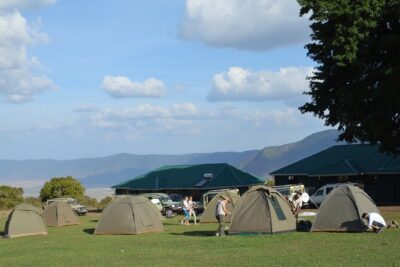
One consideration: this is camping safari style. Expect basic comfort, long driving days, and early wake-ups (often before sunrise). If you want soft beds and slow mornings, this might feel a bit intense.
In This Review
- Key highlights you’ll care about
- A 5-day Northern Circuit route that hits the classics
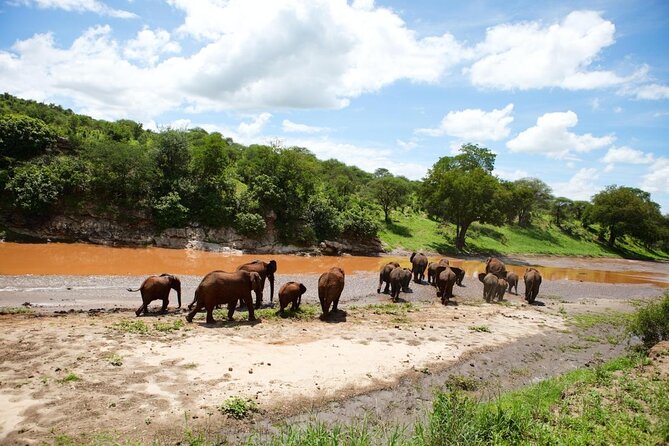
- Tarangire National Park: elephants, baobabs, and river drama
- Serengeti National Park: sunrise, midday breathing room, and sunset payoff
- Day 2 setup: arrival plus a central Serengeti evening drive
- Day 3 setup: early breakfast, sunrise game drive, then more action
- Ngorongoro Crater at first light, plus Mto wa Mbu culture after wildlife
- After the crater: walking in Mto wa Mbu
- Lake Manyara: tree-climbing lions, flamingos, hot springs, and a Maasai boma
- Price and logistics: what the $1,254 really buys you
- The guide and chef factor: why the tone of your days matters
- Rain, delays, and how to stay flexible on safari days
- Who this safari is best for
- Should you book this 5-day Northern Circuit budget safari?
- FAQ
- Is Tanzania visa included in the tour price?
- Are park entry fees included?
- What meals are included during the safari?
- Is hotel pickup included?
- Are tips and travel insurance included?
- What is the cancellation rule if plans change?
Key highlights you’ll care about
- Two full days in Serengeti for sunrise-to-sunset chances
- Ngorongoro Crater Big Five focus, plus flamingos and a crater lunch
- Tarangire’s elephants and baobabs paired with serious game viewing
- Lake Manyara tree-climbing lions and flamingos, plus a hot spring stop
- Cultural add-ons in Mto wa Mbu and a Maasai boma
- Good value inclusions, especially park fees and meals
Longer northern circuit routes, side by side
- Tanzania Classic – 7 Days★ 5.0 · 1,151 reviews
- Tanzania Wildlife Encounters – 6 Days★ 5.0 · 277 reviews
- Group Safari 7 Days in Tanzania’s Main Parks★ 5.0 · 240 reviews
- 4 Days Join Group tour Tarangire Serengeti and Ngorongoro crater★ 5.0 · 219 reviews
A 5-day Northern Circuit route that hits the classics
This safari is built around four “must-see” areas that work well together. You start with Tarangire (often great for elephants and baobab scenery), then you jump into Serengeti for the big-cat and migration vibes people travel for. After that comes the dramatic amphitheater of Ngorongoro Crater, where wildlife viewing can feel concentrated. Finally, Lake Manyara adds different habitat and that famous tree-climbing lion possibility.
The best part for your planning is that the schedule is wildlife-forward. Most days have a clear arc: early start, game drives when animals are most active, breaks for meals, then one more push before dinner. And you’re not stuck constantly figuring out logistics, because transport, park entry, and meals are all included.
Tarangire National Park: elephants, baobabs, and river drama
Your day starts with pickup from your Arusha hotel, then a drive of about three hours to Tarangire National Park. Tarangire sits around 115 km from Arusha and covers a broad area, so the game drive feels like real exploring, not quick “drive-by sightseeing.”
What I’d prioritize in Tarangire is the mix of wildlife and scenery. The park is known for elephants that drink at the Tarangire River, and you’ll also likely see the classic vegetation character: baobab trees and rocky, open areas where animals can be spotted from a distance. Expect a good chance of seeing lions and leopards as well, plus smaller wildlife like pythons that fit Tarangire’s reputation.
Even if you’re new to safari, Tarangire teaches you something useful. When you spot a cluster of vehicles, don’t just stare at the horizon. Watch how the habitat changes. You’ll often find animals moving toward water and shade, and that’s where your best sightings come from.
Practical note: this is a full day game drive, so it’s not an easy day on your legs. Bring a strategy for comfort in the vehicle, because you’ll be sitting for long stretches.
Serengeti National Park: sunrise, midday breathing room, and sunset payoff
Serengeti is where this itinerary really earns its name. You get two Serengeti-focused days, which matters because animal behavior shifts by time of day. One morning drive is good. Two changes your odds in a meaningful way.
More camping safaris at this price
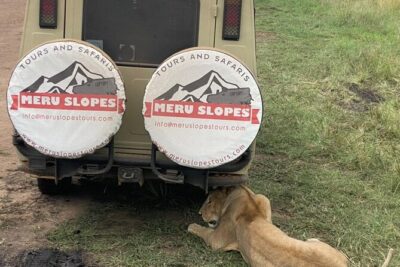
Day 2 setup: arrival plus a central Serengeti evening drive
You’ll wake up, have breakfast, and then move with a bit of en-route scenery as you head to Serengeti. You’ll have lunch while traveling and reach Serengeti around mid-afternoon. That timing may sound late, but you’re still set up for the day’s real payoff: an evening game drive in central Serengeti, chasing the sunset rhythm.
This is a great moment to reset your expectations. In Serengeti, the light does most of the work for you. Dust turns gold at the edges of the road, and animals often feel more “present” in the frame than they do under harsh midday sun.
Day 3 setup: early breakfast, sunrise game drive, then more action
The next day starts early again, around 5:45 for breakfast, with a chance to catch the sunrise feeling inside the park. You do an early morning game drive up to about 11:30, then you return for hot lunch and pack up, before heading toward Ngorongoro for dinner and overnight.
Then you still get a strong second portion of wildlife time during the mid-to-late hours while heading onward. It helps you avoid the most common first-timer mistake: treating Serengeti like one single big “event” instead of a whole range of moments.
One more detail I like in the way this tour is paced: lunch is built into the vehicle plan on travel days, so you spend less time hunting for food stops and more time on the lookout.
Ngorongoro Crater at first light, plus Mto wa Mbu culture after wildlife
Ngorongoro is a different kind of safari day. You wake around 5:30, then descend to the crater floor early. That timing is everything here. The crater can feel like a natural theater, and early drives give you calmer conditions for seeing wildlife in motion and at rest.
The day’s promise is the crater’s reputation for concentrated sightings, including the possibility of the Big Five, with black rhino specifically mentioned. Birds also get real attention in this itinerary. You’re told to watch for different bird types, and the plan includes watching high concentrations of flamingos during lunch inside the crater.
Yes, it’s a long day: you’ll spend roughly 6 to 7 hours on the crater floor game drive. But the payoff is that you’re not just driving past views. You’re using time where animals and birds are most likely to be visible.
After the crater: walking in Mto wa Mbu
After the crater experience, you ascend and transition toward Mto wa Mbu for a cultural walking tour. This is not just a quick photo stop. The plan includes seeing local life like banana plantations, tasting local food, and learning about community routines through interaction with people in the village.
Why this matters for your safari mind-set: it balances the high-adrenaline wildlife focus with human-scale reality. It also gives you a break from the constant scanning of grass and trees.
One small logistics wrinkle to be aware of: the schedule mentions Marera View Lodge and also references Jambo lodge for return dinner and overnight. Either way, the key point is that after wildlife and the village visit, you’re back in an Arusha-area lodging situation for rest before your final park day.
Lake Manyara: tree-climbing lions, flamingos, hot springs, and a Maasai boma
Your final full game day goes to Lake Manyara National Park. This park feels like a change of pace from Serengeti. The habitat mix brings different animal behavior and different “goals” for your eyes.
The itinerary calls out a few specific reasons to come:
- Tree-climbing lions, which is what many people remember most about Manyara
- Flamingos, drawn in by algae in the lake
- A hot spring visit
- A Maasai boma cultural experience
Game drives happen throughout the day, and you also have time for those off-road experiences that make Manyara more than just wildlife. The hot spring stop is the kind of add-on that can feel small until you’re actually there, then it turns into a restful mental break between drives.
And the Maasai boma visit adds another layer of cultural context. You’ll see how the community lives and learn about traditions as part of the day’s program.
In other words, Lake Manyara is a good finish because it combines iconic wildlife moments with calmer, hands-on human experiences before you return to Arusha for dinner and overnight.
Price and logistics: what the $1,254 really buys you
At $1,254 for roughly 5 days, this is positioned as a budget safari, and the value comes from what’s bundled in rather than what’s “optional.” Here’s what you’re paying for that reduces headaches:
- All fees and taxes
- Free entry in every park
- Private transportation
- Unlimited drinking water
- WiFi on board
- All main meals: 5 breakfasts, 5 lunches, 5 dinners
- A mobile ticket system
That meal and water inclusion is the quiet hero of safari value. When food and water are handled, you don’t get squeezed by expensive “grab something quickly” stops, and you also don’t lose time on minor tasks like finding the next place to eat.
Comfort level is where you need to adjust expectations. This is camping safari style, and basic comfort is part of the deal. Reviews associated with this kind of trip often praise the basics for being functional and complete, but you should still plan for a more rugged rhythm than lodge life.
Also, ask how the vehicle days are handled for a “group” tour. One review note points out that a joining style can mean sharing capacity with other companies, even if the tour is described as a private activity. If you care a lot about group mixing, confirm the vehicle setup and whether you’ll be strictly in your own group.
The guide and chef factor: why the tone of your days matters
Safari success isn’t just luck. It’s also about how your guide reads the bush and keeps everyone moving at the right pace. The reviews linked to this tour consistently name guides like Jacob, Mudy, and Noro as strong at spotting animals and guiding with confidence. Chef Dula is also mentioned for helping make the meals feel organized and satisfying.
Even if you never meet these exact people, the theme is clear: the team performance affects your day more than you’d expect. A great guide helps you:
- know where to look next, not just where you already are
- understand animal behavior enough to predict movement
- handle the long drive days without losing your focus
If you’re someone who gets impatient when the safari feels slow, focus on picking the tour that has a track record of keeping momentum. Here, that pattern shows up in multiple notes.
Rain, delays, and how to stay flexible on safari days
Tanzania safari can run into weather reality. One review specifically mentions early rainy season problems like flooding, washed-out bridges, and getting stuck in mud, and it credits the team for problem-solving and keeping spirits up.
So, here’s the practical takeaway: if you travel in a rainy window, be ready for schedule adjustments. You might keep the main park sequence, but travel times can change.
What you can do on your side is simple:
- keep your day flexible mentally
- pack for wet conditions if your dates match the rainy season
- expect mornings to start early, then allow for slow travel if roads are affected
The tour description also says the experience requires good weather, with a different date or full refund if poor weather cancels it. That’s a helpful safety net, but it doesn’t remove the need for patience day to day.
Who this safari is best for
This itinerary is ideal if you want:
- a strong “hits of the Northern Circuit” combo without private-jet pricing
- two Serengeti days instead of just one rushed block
- a mix of wildlife and culture, including Mto wa Mbu and a Maasai boma
- camping safari value where meals and park entry are handled
It might not fit if you:
- want the most luxurious comfort every night
- hate long driving days and early wake-ups
- require strict separation from any possible joining-group vehicle mixing (confirm first)
Should you book this 5-day Northern Circuit budget safari?
I’d book it if you’re excited by classic Tanzania and you want your money to go toward wildlife time, park access, and keeping meals handled. The structure makes sense: Tarangire for elephants and big-game potential, Serengeti for the day-to-day rhythm of hunting and watching, Ngorongoro for concentrated crater viewing, then Lake Manyara for variety and those famous extras like tree-climbing lions, flamingos, and hot springs.
Before you pay, I’d ask two quick questions to protect your expectations:
- What does the group setup look like in practice on each drive day, especially vehicle sharing?
- Which lodge will you stay at after the Ngorongoro day, since the plan references both Marera View Lodge and Jambo lodge?
If those answers are clear, this is a strong value route that gives you a real safari arc, not just a checklist.
FAQ
Is Tanzania visa included in the tour price?
No. The Tanzania visa is listed as not included.
Are park entry fees included?
Yes. The tour includes free entry in every park, and it also includes all fees and taxes.
What meals are included during the safari?
You get 5 breakfasts, 5 lunches, and 5 dinners included.
Is hotel pickup included?
Pickup is offered. The plan specifies pickup from your Arusha hotel at about 8:00 am on the first day.
Are tips and travel insurance included?
No. Tips and travel insurance are not included.
What is the cancellation rule if plans change?
You can cancel up to 24 hours in advance for a full refund. If it’s canceled due to poor weather, you’ll be offered a different date or a full refund.
More Under Canvas
- 4 Days Group Camping Safari
★ 5.0 · 1,101 reviews - 5 Days Group Camping Safari
★ 5.0 · 730 reviews - 3 Days Serengeti & Ngorongoro Group Camping Safari
★ 5.0 · 574 reviews - 5 Days Camping Tarangire, Serengeti & Ngorongoro crater & Visiting Maasai
★ 5.0 · 229 reviews - 5 Days Budget Private Safari, Tanzania
★ 5.0 · 191 reviews
Longer Trips Through the North
- Tanzania Classic – 7 Days
★ 5.0 · 1,151 reviews - 7-Day Premium Luxury Tanzania Safari All-Inclusive
★ 5.0 · 426 reviews - Tanzania Wildlife Encounters – 6 Days
★ 5.0 · 277 reviews - Group Safari 7 Days in Tanzania’s Main Parks
★ 5.0 · 240 reviews - 4 Days Join Group tour Tarangire Serengeti and Ngorongoro crater
★ 5.0 · 219 reviews
Just added from around Arusha

Multi-Day Northern Circuit Safari Packages, compared.
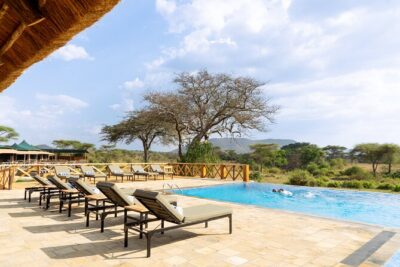 ★ 5.07-Day Premium Luxury Tanzania Safari All-InclusiveFrom $4,840426 reviews
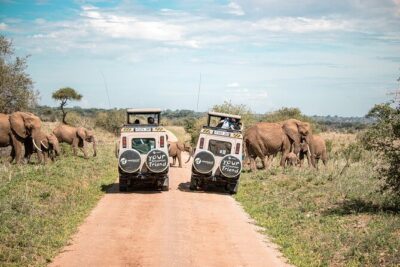 ★ 5.0Tanzania Wildlife Encounters – 6 DaysFrom $3,413277 reviews
 ★ 5.0Group Safari 7 Days in Tanzania’s Main ParksFrom $3,000240 reviews
 ★ 5.04 Days Join Group tour Tarangire Serengeti and Ngorongoro craterFrom $1,090219 reviews
 ★ 5.05-Day Private Northern Tanzania Safari from ArushaFrom $2,780182 reviews
 ★ 5.05 Days Best of Tanzania Luxury Safari Northern CircuitFrom $3,744174 reviews
 ★ 5.08 Day Spectacular Migration Serengeti mid -Range Tanzania SafariFrom $4,257161 reviews
 ★ 5.0Multi-Day Tanzania Odssey Safari from ArushaFrom $4,164120 reviews
Browse the lists this tour appears in