
REVIEW · 4-DAY EXPERIENCES
4 days safari
A safari route with four wildlife moods. You leave Arusha for Tarangire elephants and baobabs, then push into Serengeti for big cats, before finishing with Ngorongoro and Lake Manyara.
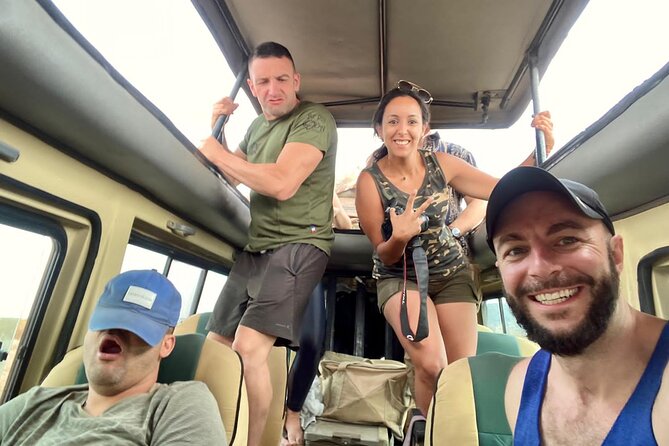
I especially like the small-group feel, up to 6 people, and how the day timing is set up for strong wildlife viewing. The camp setup is simple but practical, and you get a real sense of being in the bush, not just driving past it.
The second big plus is the food. The cook, often named Joachim (sometimes called Mr. D or Mr. Delicious), gets serious praise, and meals are built into the schedule so you are not scrambling for lunch in between parks. One consideration is that Serengeti nights are camping style at simba campsite, so this is for people who are okay with tents and the rhythm of camp life.
In This Review
- Key highlights I would not skip
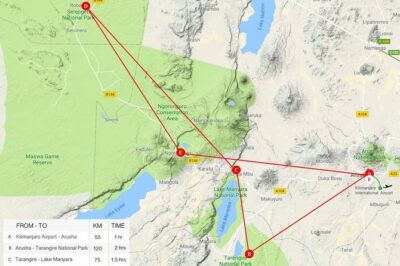
- Getting from Arusha to four parks, without the chaos
- Day 1 Tarangire National Park: elephants, baobabs, and a river that never quits
- Two days in Serengeti with camp nights: lions, leopards, zebras, and gazelles
- Ngorongoro Crater day: early drive, high density, and the caldera effect
- Lake Manyara and the Maasai village stop: Rift Valley cues and Euphorbia hedges
- Food and camp life: where this safari earns repeat praise
- Price and logistics: what you get for $1,300, and where to budget extra
- Who should book this safari run, and who should not
- Practical tips for early drives, crater days, and long safari days
- Should you book this safari from Arusha?
- FAQ
- Where does this safari start in Arusha?
- Is pickup from accommodation included?
- How many people are in the group?
- What parks are included?
- Is the safari ticket sent as a mobile ticket?
- What meals are included in the price?
- What is not included?
- Are park admission fees included?
- How does free cancellation work?
- When do you receive confirmation?
Key highlights I would not skip
- Four major parks in one circuit, Tarangire, Serengeti, Ngorongoro Conservation Area, and Lake Manyara.
- Max 6 travelers, which helps keep the safari calmer and easier for photo stops.
- Guides with real park instincts, with names like Joel, Joseph, Jackson, and Allys team popping up in feedback.
- Chef-led camp meals, with Joachim, Mr. D, and Mr. Delicious repeatedly mentioned for good food.
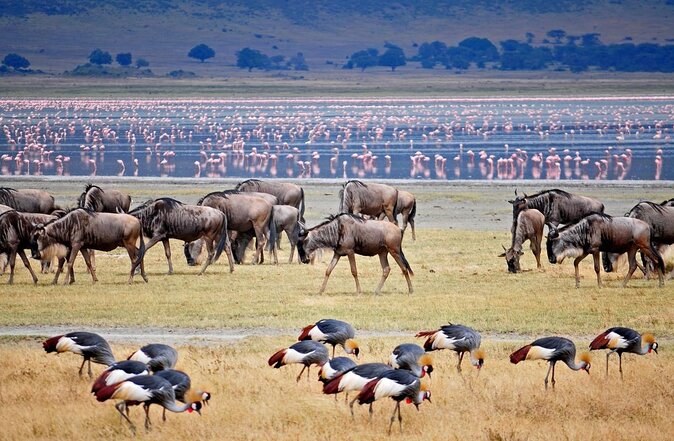
- UNESCO power stops, Serengeti and Ngorongoro are both UNESCO World Heritage Sites.
- Rift Valley storytelling on the way to Lake Manyara, including the Maasai connection to hedges made from Euphorbia.
Still weighing it up? These Arusha trips came out well when we reviewed them.
- Balloon Safari & Bush Breakfast in Serengeti – Miracle Experience★ 5.0 · 1,646 reviews
- Tanzania Classic – 7 Days★ 5.0 · 1,151 reviews
- 4 Days Group Camping Safari★ 5.0 · 1,101 reviews
- 5 Days Group Camping Safari★ 5.0 · 730 reviews
Getting from Arusha to four parks, without the chaos
This safari is built around getting you from Arusha into a full wildlife sweep while keeping the group tight. Pickup is offered, and the listed start point is Shoppers Supermarket in Arusha, with availability every day from 8:00 AM to 5:00 PM. You also get a mobile ticket, which is handy when you are bouncing between camps.
The rhythm here matters. Game viewing is best early, and this route uses that logic in the big-ticket days, like the early drive into Ngorongoro. If you hate waiting around, you will appreciate that the schedule tries to keep you active rather than stuck.
Group size is the other quiet win. With a maximum of 6 travelers, the driver can position the vehicle for good views and you are less likely to feel like a numbered passenger in a large caravan. Several comments also point to a safer, more comfortable feeling, and that kind of confidence comes from a guide who manages both timing and patience on rough routes.
One thing to keep in mind: this is described as a 5-day safari, even if you see it labeled as a shorter safari in some places. So plan your days for real travel time, not just park time.
Day 1 Tarangire National Park: elephants, baobabs, and a river that never quits
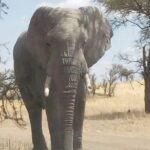
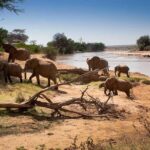
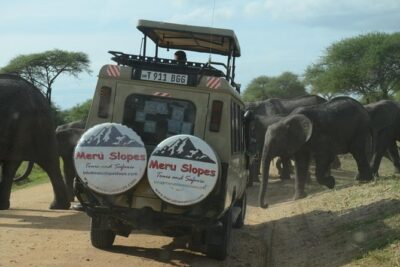
Tarangire is where the safari starts to feel like a movie. Your drive begins in Arusha, then you head into the park that is known for large herds of elephants. You also get the classic Tarangire visual signature, the baobab trees, often called the Tree of Life, which make the scenery feel like it has been there forever.
What makes Tarangire extra useful in dry-season thinking is water. The park’s Tarangire River flows all year and is described as the only source of water for wild animals during dry seasons. That means wildlife concentrates, and you can often get more consistent viewing than you would in places where water disappears.
You can expect a full day feel, with about 6 hours listed for the day. This usually translates to time to get your bearings, settle into a few game-drive stretches, and still have enough momentum to enjoy the setting rather than rushing through it.
A small practical note: Tarangire is in the Manyara region, and it sits in a different mood from the later parks. You will likely notice the difference in vegetation and the way animals move around watering spots, which makes the first day feel like the entry point to several distinct safari ecosystems.
Two days in Serengeti with camp nights: lions, leopards, zebras, and gazelles
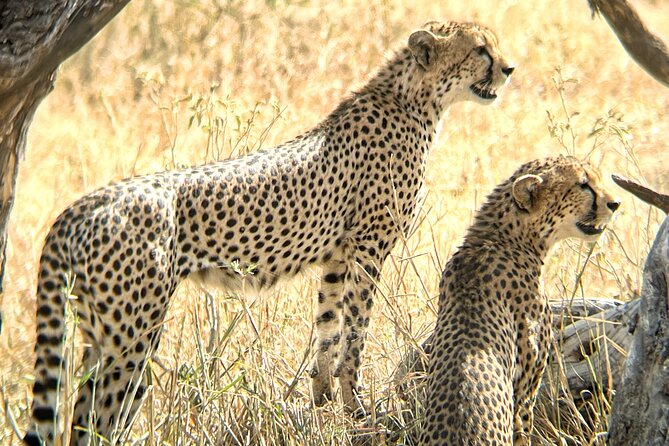
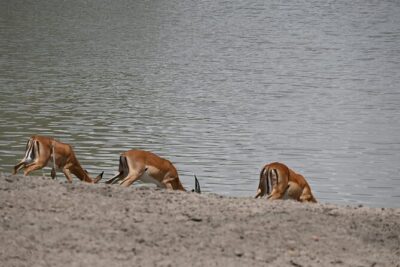
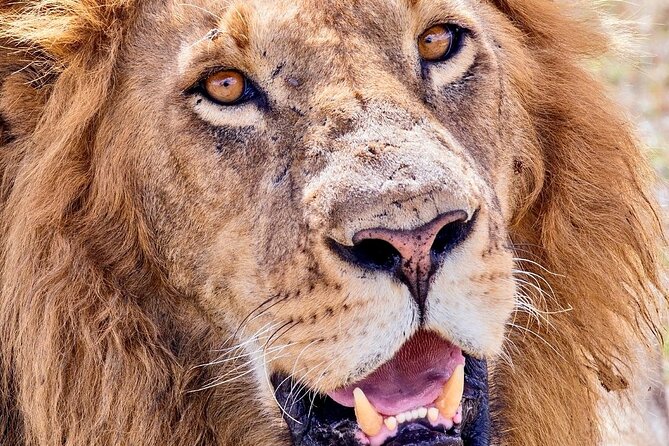
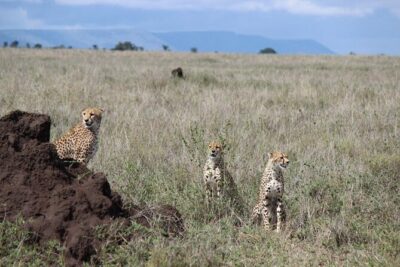
Serengeti is the headline, and this circuit gives you time to settle in. You spend time in the Central Seronera area and focus on resident wildlife, including the Big Five. The route also calls out how Serengeti is thought to hold one of the largest lion populations in Africa, due to prey availability.
What I like about planning Serengeti with two days is simple: it gives you second chances. Animals do not care about your schedule, so having another day to look is how you improve your odds of seeing more of what you missed the day before.
Serengeti is also rich in numbers. The description highlights around 200,000 zebras and around 300,000 Thomson’s gazelles joining wildebeest for grazing. Even if you do not go chasing exact herds, that scale helps explain why predators have steady opportunities.
On the leopards side, the route points to African leopards being present in the Seronera region, often seen but also elusive. That combination is why Serengeti can feel different each drive, even when you stay in the same general area.
Accommodation is where you need to set expectations. Overnight stops include budget camping in Serengeti, with simba campsite listed for one of the nights. Camping can be great, but you should go in ready for basics, nighttime sounds, and the kind of outdoorsy comfort that feels more honest than a sealed hotel room.
The best bonus here is the guide factor. Multiple names show up in feedback, including Joel and Joseph, plus drivers like Jackson. The common theme is that the guides know where to look and how to explain animal behavior in plain language, which makes the long drives feel less like waiting.
Ngorongoro Crater day: early drive, high density, and the caldera effect
Day 4 is an early start, and that is not just for show. You drive to the Ngorongoro Conservation Area for a game drive inside Ngorongoro Crater, described as the world’s largest caldera. This is a big part of why the place feels intense, the crater bowl concentrates wildlife into a smaller space.
The description also notes a high concentration of wildlife, with an estimate of about 25,000 animals. When a park concentrates animals like that, you get more frequent sightings, and you spend more time watching behavior rather than searching endlessly.
Timing matters here too. The itinerary specifically mentions an early morning drive for the crater game drive. Early light can improve visibility, and the animals are often more active before the heat pushes them into rest patterns.
Meals are planned for this day as well, with a B/L/D structure noted. That helps keep the day from turning into a scavenger hunt for food midway through the scenery.
Your overnight is another campsite, with panorama campsite listed. That keeps the safari consistent: you are sleeping close to the action, not disappearing into a city-style hotel circuit.
One more small reality check: crater days can be physically tiring. You may spend time adjusting to vehicle angles, shifting between viewpoints, and staying alert for movement. If you are the type who can handle that kind of active day, Ngorongoro is where the effort pays back quickly.
Lake Manyara and the Maasai village stop: Rift Valley cues and Euphorbia hedges
The last park is Lake Manyara, with travel that includes a stop via a Maasai village. The park name is explained as coming from the Maasai word Manyara, tied to the plant Euphorbia tirucalli. The description adds that the Maasai use it to grow livestock stockades, since the plant can form a durable hedge.
Even if you are mainly there for wildlife, I like that this day adds context you can actually see. The route connects the natural world to how people lived with it nearby, and that makes your safari feel less like a closed-system viewing trip.
Lake Manyara sits in the Great Rift Valley faultline, described as stretching about 8,000 kilometers from Turkey to the mouth of the Zambezi River. The text also mentions that this massive faultline was visible from the moon landing, which is a fun reminder of scale when you look out over the region.
After the park time, you head back to your hotel in the afternoon, which is a nice way to end. You get a release from early driving stress and can clean up, rest, and compare notes on what you saw across the four ecosystems.
In short: this last day is slightly different from the first half. Serengeti and Ngorongoro pull you into wildlife density, while Lake Manyara adds a mix of people, Rift Valley explanation, and a more relaxed finish.
Food and camp life: where this safari earns repeat praise
Food is a huge part of why people keep returning to this operator. Meals included in the plan are breakfast (4), lunch (5), and dinner (4), which means you should not have to pay for day-to-day eating on the road. That also reduces decision fatigue, which matters on a safari where your brain is already switching between animals and logistics.
The most repeated compliment is the chef. Joachim gets named again and again, including descriptions of his cooking as excellent. Some reviews also refer to Mr. D and Mr. Delicious, which sounds like nicknames for the same kitchen role in different group experiences.
What you should take from this, practically: camp meals can be genuinely enjoyable here, not just fuel. That matters because after long drives you want warm food, not cold sandwiches and disappointment. If you have a sensitive stomach, you might still want to use your usual travel hygiene habits, but the overall structure is designed to keep you fed consistently.
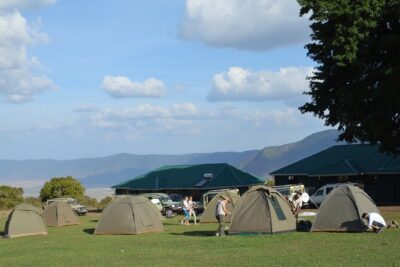
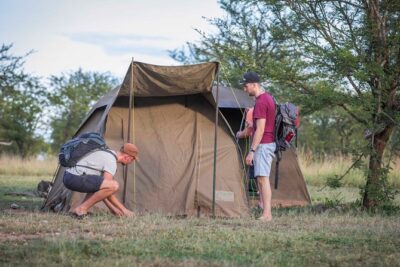
Campsites are listed for the Serengeti and crater nights. That means you should pack for the outdoors. Even when camps feel comfortable, you are still living in a tent-based world with changing temperatures and practical paths between dining and sleeping areas.
If you care about safety and comfort, the feedback themes also point in that direction. People describe feeling safe with guides like Joel, Joseph, and Jackson, and they highlight that the driver manages the day well enough that questions feel welcome rather than inconvenient.
Price and logistics: what you get for $1,300, and where to budget extra
At $1,300 per person, the value comes from the mix of parks plus what is included. The package lists all fees and taxes, and the itinerary repeatedly shows admission ticket as free. Add in the meals, and you are not constantly paying separate park entry charges and basic food costs day by day.
It also helps that the group is capped at 6 travelers. Smaller groups reduce costs compared to private safaris, while still letting your driver give you time to look closely rather than rushing you through.
Now, the costs that can sneak up are the ones not included. Tips are not included, and the data specifically calls out tips for the driver, guide, and safari cook. Personal things also are not included, and visas are not included either.
So how to budget smartly:
- Plan a tip budget you feel good about, based on your guide and cook service.
- Remember your visa is separate from the safari price.
- Carry some personal snacks and drinks for your own comfort during long stretches, even if meals are included.
The last practical point: park timing and driving can be long. That is normal on safari, but it means you should treat the included value as more than just sightings. You are paying for an organized vehicle plan, camp coordination, and the guiding time that helps you find animals without wasting the whole day searching.
Who should book this safari run, and who should not
This safari fits best if you want classic northern Tanzania wildlife and you are okay with a camping style overnight. The itinerary includes budget camping at simba campsite and panorama campsite, so this is not a hotel-only luxury experience.
You should also like active days. You are doing multiple parks with game drives, plus significant road time between areas. If you enjoy asking questions and learning from a guide who can explain what you are seeing, you will likely feel more satisfied than if you just want to sit passively.
Where it can be a poor fit:
- If you need guaranteed hotel comfort every night, camping may not work for you.
- If you dislike early starts, the Ngorongoro day especially asks for getting moving.
- If you want a strict 4-day schedule, double-check how the 5-day flow will fit your calendar.
One more reason I see this working for many people is the company mission angle mentioned in feedback. Some reviews connect the trip with support for a school for children with special needs. If you like tours that feel more purpose-driven, that is a plus to consider alongside the wildlife.
Practical tips for early drives, crater days, and long safari days
A few tips that make this kind of circuit feel smoother:
- Start hydrating early and bring a refill plan. Days with game drives and crater viewing can be long.
- Pack a light layer for early mornings, especially around Ngorongoro where mornings can feel cooler.
- Keep your camera and power plan simple. You will be moving between vehicle and campsites, so fewer items means less stress.
- Bring binoculars if you use them. Even if you do not, they can help you scan when animals are far off.
- Expect dust on some drives. If you are sensitive, plan for sunglasses and something to protect your eyes.
The biggest practical trick is mindset. Wildlife viewing is not a schedule-dependent sport. The guides here can help you find animals, including leopards and the big cats focus, but nature still calls the shots.
If you want that best shot at photos, ask your guide about quiet approach timing. One theme in feedback highlights guides and drivers who work to avoid crowd pressure, which gives you calmer viewing moments rather than a rushed stop-and-go routine.
Should you book this safari from Arusha?
I think you should book if you want a four-park Tanzania sampler that hits Tarangire elephants, Serengeti predators, Ngorongoro crater density, and a Rift Valley finale in Lake Manyara. The small group cap, the guide emphasis on finding animals, and the repeated praise for Joachim and the cooking team make this feel built for real time in the bush, not just a checklist drive.
You should think twice if camping nights are a dealbreaker for you or if your schedule truly allows only 4 full days. This route is closer to 5 days in practice, with a lot of driving and early starts.
If you are the kind of traveler who likes asking questions, staying alert for wildlife movement, and enjoying camp meals after a day in the parks, this safari run is a strong match. It is also a good value when you want fees and meals handled and you are ready to tip your way into great service.
FAQ
Where does this safari start in Arusha?
The meeting point is Shoppers Supermarket in Arusha, Tanzania.
Is pickup from accommodation included?
Yes, pickup is offered.
How many people are in the group?
The maximum group size is 6 travelers.
What parks are included?
Tarangire National Park, Serengeti National Park, Ngorongoro Conservation Area (Ngorongoro Crater), and Lake Manyara National Park.
Is the safari ticket sent as a mobile ticket?
Yes, the tour includes a mobile ticket.
What meals are included in the price?
The package includes breakfast (4), lunch (5), and dinner (4).
What is not included?
Tips for the driver, guide, and safari cook, all things of personal nature, and visas are not included.
Are park admission fees included?
The itinerary lists admission ticket as free, and the package includes all fees and taxes.
How does free cancellation work?
You can cancel for a full refund up to 24 hours in advance. If you cancel less than 24 hours before the start time, the amount paid is not refunded.
When do you receive confirmation?
Confirmation is received at the time of booking.
Just added from around Arusha

4-Day Experiences, compared.
 ★ 5.04 Days Group Camping SafariFrom $9001,101 reviews
 ★ 5.04 Days Join Group tour Tarangire Serengeti and Ngorongoro craterFrom $1,090219 reviews
 ★ 5.04-Day Safari from Arusha: Tarangire, Serengeti and NgorongoroFrom $1,753173 reviews
 ★ 5.04 Days safari Tour TanzaniaFrom $1,650159 reviews
 ★ 5.04 Days Tarangire Serengeti Ngorongoro CraterFrom $900117 reviews
 ★ 5.04 Days Tarangire, Serengeti and Ngorongoro Mid-Range Group SafariFrom $1,45084 reviews
 ★ 5.04 Days Tanzania Lodge Safari With Two Nights at SerengetiFrom $2,18062 reviews
 ★ 5.04 Days Mount Meru TrekkingFrom $1,00055 reviews
Browse the lists this tour appears in