
REVIEW · MULTI-DAY NORTHERN CIRCUIT SAFARI PACKAGES
4 Days Group Joining Camping Tanzania safari
Waking up to safari calls is the real magic here. This 4-day Northern Circuit camping trip strings together Tarangire, Serengeti, and Ngorongoro, so you get wildlife variety in a short time, plus a night camping near the crater rim.
I really like the way the route hits different “styles” of habitat, from Tarangire’s bird-rich green swamps to Serengeti’s predator-heavy plains, then down into Ngorongoro’s closed-world ecosystem. The second thing I appreciate is the team, because multiple guides and a dedicated cook show up in the reviews with solid animal spotting and genuinely good meals after long drives.
One thing to consider: this is a camping safari, so even though camping gear is included, your comfort level will be more basic than lodge-only trips, and the early starts mean you will feel the pace.
In This Review
- Key things that make this safari a strong value
- Price and logistics: what you are really paying for
- The group camping experience: what it feels like on the ground
- Day 1: Tarangire National Park, bird life and elephant moments
- Day 2: Travel into Serengeti, predator country and migration energy
- Day 3: First light in Serengeti, then a crater-rim campsite
- Day 4: Ngorongoro Crater floor, Big Five odds in a closed world
- Guides and chefs: the difference between seeing animals and understanding them
- Who this safari is best for
- Tips for making the most of your 4 days (without overpacking your stress)
- Should you book it? My honest take
- FAQ
- Where does the safari start and end?
- How long is the safari?
- Which parks are included?
- What is included in the price?
- What is not included?
- How big is the group?
- Is the safari camping or lodge-based?
- What time does the safari start?
- What is the cancellation policy?
Key things that make this safari a strong value
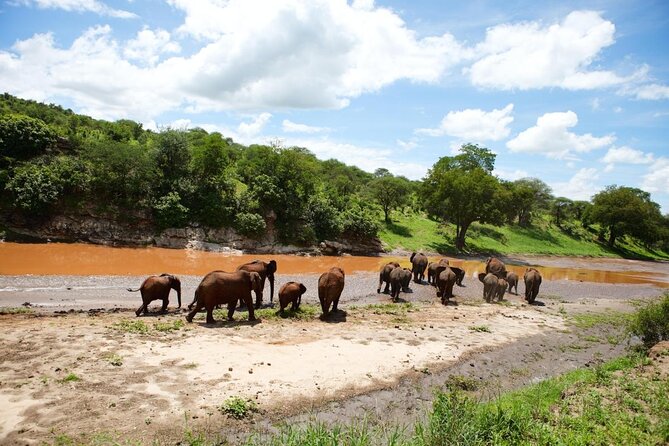
- Tarangire’s wildlife density and birding beyond just mammals, including lots of birds like the Kori bustard and hornbills
- Serengeti game drives at the right time of day, with an early morning run when predators are active
- Ngorongoro Crater night at the rim, then a steep descent for an all-in wildlife day on the crater floor
- Small group size (max 15 travelers), which usually makes it easier to move, listen, and spot animals
- Included guide and cooking team, with reviews that specifically praise guides for animal facts and chefs for meals
- Camping gear included, so you are not adding extra rental stress to your budget
Longer northern circuit routes, side by side
- Tanzania Classic – 7 Days★ 5.0 · 1,151 reviews
- Tanzania Wildlife Encounters – 6 Days★ 5.0 · 277 reviews
- Group Safari 7 Days in Tanzania’s Main Parks★ 5.0 · 240 reviews
- 4 Days Join Group tour Tarangire Serengeti and Ngorongoro crater★ 5.0 · 219 reviews
Price and logistics: what you are really paying for
At $1,333.34 per person for roughly 4 days, this is positioned as a lower-cost way to see the Northern Safari Circuit compared with many lodge-only options. What makes the price feel more reasonable is that the package includes transportation in a 4×4 safari vehicle, a professional English-speaking guide, camping equipment (tents, sleeping mats, chairs, tables), and the core meals: breakfast (3), lunch (4), and dinner (3). It also lists all fees and taxes as included, which matters on safari where park and service costs can add up fast.
The trip is also organized as a group joining format with a maximum of 15 travelers. That gives you a “big enough to be fun, small enough to function” setup. In practice, that tends to mean fewer people to wait on when everyone is getting ready at dawn and fewer compromises when a guide is trying to adjust the drive to wildlife movement.
A quick schedule note you should double-check before you go: the day 1 pickup is described as around 06:30am, while the booking start time lists 7:30am. That is not a deal-breaker, but it is worth confirming so you do not lose sleep over conflicting times.
The group camping experience: what it feels like on the ground
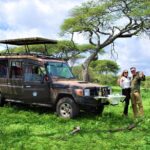
This safari is designed for shared movement. You ride together in a 4×4, stop for game drives at the parks, and then camp with the equipment provided. You are not hauling your own tent or sleeping mat, which is a big deal if you are also packing for a multi-day Africa trip.
In the reviews, the biggest “human factor” keeps coming up: the guide quality and the chef. People mention guides such as Frankie, Bryson, Joel, Juma, Jordan, Mo, and Salim, each credited with strong animal spotting and useful explanations. The cook shows up too, with specific praise for chefs like John and Prosper and the fact that meals were satisfying after a hot, long day driving. If your priority is seeing animals and learning something real while you do it, this setup aligns well.
The flip side is simple: camping means you will live closer to a basic routine than a lodge routine. The trade is that you get to be part of the safari rhythm, including the big night near Ngorongoro’s crater rim.
Day 1: Tarangire National Park, bird life and elephant moments
Your day begins with pickup from your Arusha hotel area and a drive to Tarangire National Park. The park is famous for having a strong concentration of wildlife outside the Serengeti ecosystem, and it is especially notable for birds. Tarangire’s swamps stay green year-round, and the park is tied to breeding birds, with a listing that points to 550 bird varieties.
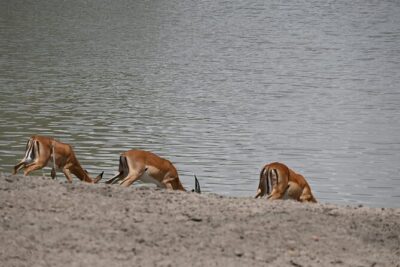
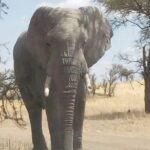
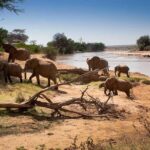
What I like about Tarangire in this itinerary is the blend of “wow” and “specific.” You are not only chasing the big mammals. The plan includes the kinds of animals you might see across open ground and near water, such as lion, leopard, elephant, buffalo, zebra, and impala, plus species like python. Bird highlights mentioned include the Kori bustard, noted as the heaviest flying bird, the stocking-thighed ostrich, and ground hornbills.
Practical tip for your expectations: in Tarangire, animals can be spread out, but the guide can steer you toward the right micro-areas, especially around water and feeding zones. With a smaller group, you are less likely to feel like you are being rushed from one stop to the next.
After lunch, you continue with an afternoon game drive inside the park. This matters because early morning is not the only time animals move. Late day light also tends to make sightings easier to see, and it gives you a chance to get different angles for photos.
More camping safaris at this price
Day 2: Travel into Serengeti, predator country and migration energy
Day two shifts to Serengeti National Park. The plan describes leaving the Mto wa Mbu area and driving toward the Serengeti through cooler highland country. That means you are not just changing parks, you are changing temperature feel and terrain, which can affect how animals behave and where they gather.
Serengeti is described as having varied terrain, from grass plains to dry savannah and marshy woodlands. That variety is a reason Serengeti works so well for a short safari. If one habitat is quiet, the guide can often pivot to another within the same day’s planning.
This day also includes a focus on timing and scale. Serengeti is tied to the world’s largest migration, and the itinerary notes how the movement changes by season, including a north-to-south movement during the short rainy season around November and December. You might not see the entire migration spectacle in one week, but it helps to understand why the guide is paying attention to grazing and predator pressure.
Expect this day to be a long drive day with game driving time built in. The route is set up so you reach Serengeti and then experience the park’s mix of prey and predators, with the day shaped around what the landscape offers.
Day 3: First light in Serengeti, then a crater-rim campsite
The third day is structured like a classic wildlife rhythm. As the sun rises over the open plains, you go out for your first game drive of the day. This is the kind of timing that often pays off because prey species are active and predators take advantage.
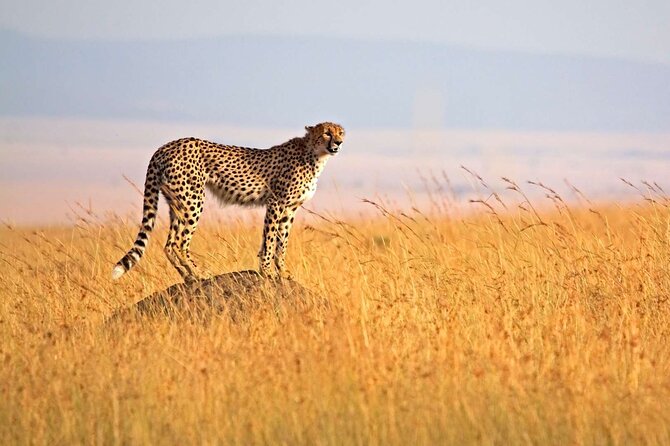
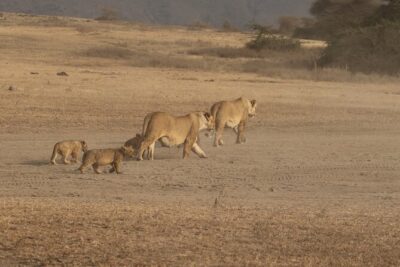
The itinerary calls out prey such as gazelles and impalas, and it links the abundance of prey to one of the largest lion populations in Africa, plus other predators like leopards and cheetahs. Even when you do not get a guaranteed sighting of a specific predator, you do get the value of being out during the hours when wildlife tends to show more movement.
After the morning drive, you return to camp for breakfast, then leave Serengeti and drive toward Ngorongoro Crater. The drive includes arriving at the crater rim, where the caldera is described as around 600 meters deep. You then spend the night at a campsite on the crater’s edge, with the plan specifically mentioning watching the sunset over the glistening springs on the crater floor. That crater-rim night is one of the reasons this safari feels like more than a checklist.
The meal plan for this day includes breakfast, lunch, and dinner, so you are not stuck trying to figure out food options between parks.
Day 4: Ngorongoro Crater floor, Big Five odds in a closed world
Day four is the payoff. You start early, then descend via a narrow, steep road to the crater floor. Ngorongoro is described as being inhabited by a spectacular array of wildlife, including zebras, hippos, hyenas, wildebeests, warthogs, and the famous Big Five: buffalo, rhino, lion, elephant, and leopard.
That set of animals is why the crater is such a draw. Compared with open grassland, the crater acts like a giant natural enclosure. If conditions cooperate, you often get a very concentrated wildlife viewing experience in one place.
The itinerary includes extensive game viewing and a lunch at a picnic spot on the crater floor. After that, you leave and travel back to Arusha, arriving late afternoon.
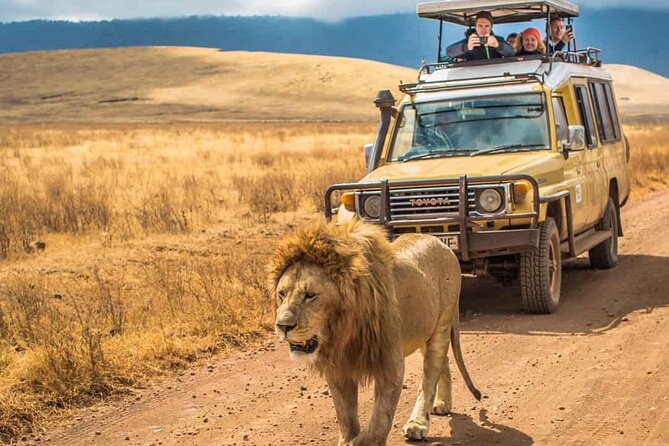
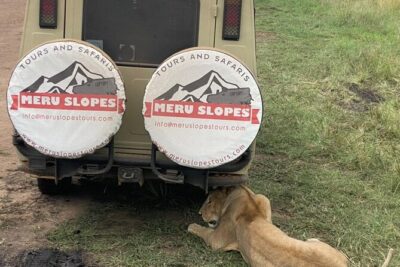
If you want a reality check, here is the most honest one I can offer using only what the program itself implies: Ngorongoro is wildlife-dense, but sightings still depend on animal movement, visibility, and where the guide positions the vehicle. Some reviews highlight close encounters, including a lion seen extremely near a vehicle at Ngorongoro. That kind of moment can happen, but it is not something you can treat as guaranteed.
Guides and chefs: the difference between seeing animals and understanding them
If you are trying to choose between budget safari options, the human team matters more than most people think. In these reviews, the most praised parts are the guide’s animal knowledge and the chef’s cooking.
Guides named across the reviews include Frankie, Bryson, Joel, Juma, Jordan, Mo, Elias, and Salim. The consistent pattern is that people credit them with spotting animals and giving interesting facts about animals and the country. Some mention the guide creating a friendly, “more like a friend than a client” tone. Others emphasize experience, with one review specifically suggesting asking for Salim because he is described as doing this work for over 15 years.
On the food side, there are repeat mentions of chef John and chef Prosper, with meals described as delicious and more than enough after long days in the sun. That matters because on a camping safari, your morale drops quickly if food is bland or inconsistent. Here, the program has the advantage of having cooking built into the experience, not tacked on later.
Who this safari is best for
This safari fits you best if you want:
- The Northern Safari Circuit highlights in a short window
- A camping style experience with the key gear already handled
- A small group format, max 15 travelers
- A guide-driven trip where animal facts are part of the day, not an afterthought
It is also a good pick if you want strong value for money, because many costs that often show up separately are listed as included, like fees and taxes, transportation, guide service, and the main meals.
You might want to compare alternatives if you are strongly attached to lodge-level comfort. Camping is part of the deal here.
Tips for making the most of your 4 days (without overpacking your stress)
Because camping equipment is included, you can focus on your own comfort and preparedness rather than renting gear. It also helps to plan mentally for a schedule built around animal movement and early departures, which means your days start early and end tired.
Photo-wise, you will cover three major parks plus a crater descent. That is more wildlife “content” than you might get on a slower itinerary. Keep your expectations flexible and let your guide do the steering. On safari, the best plan is usually a simple one: be ready when the guide calls your attention and listen closely to what they are watching.
Finally, if you care about guidance style, skim the names mentioned in reviews when you book. One review recommendation specifically asks for Salim, and other names like Frankie and Bryson come up as strong guides. You can ask the operator whether those guides are available for your dates.
Should you book it? My honest take
I think this is a smart booking for first-time Northern Circuit safari seekers who want maximum wildlife return and solid service without going lodge-only. The lineup of Tarangire, Serengeti, and Ngorongoro, paired with camping gear and included meals, is a strong mix of iconic locations and practical value.
If you are okay with camping and an active schedule, this trip can feel like a complete safari story: birds and elephants in Tarangire, predator country in Serengeti, then a high-impact Ngorongoro crater finale.
If you are looking for the most comfortable sleep and the easiest pace, you might prefer a lodge-based option. But for many people, the camping format is the price you pay for seeing more, paying less, and getting a very hands-on safari rhythm.
FAQ
Where does the safari start and end?
The safari starts in Arusha, Tanzania, and ends back at the meeting point.
How long is the safari?
It is listed as a 4-day safari (approx.).
Which parks are included?
Tarangire National Park, Serengeti National Park, and Ngorongoro Crater are included.
What is included in the price?
The package lists all fees and taxes, camping safari according to the itinerary, 4×4 transportation, a professional English-speaking guide, camping equipment (tents, sleeping mats, chairs, tables, etc.), and meals (dinner 3, lunch 4, breakfast 3). Pickup is also offered, and you receive a mobile ticket.
What is not included?
International flights, tips and personal expenses such as laundry and communication, Tanzania visa, and travel insurance are not included.
How big is the group?
The tour notes a maximum of 15 travelers.
Is the safari camping or lodge-based?
It is a camping safari, and camping equipment is included.
What time does the safari start?
The booking start time is listed as 7:30am, and the itinerary describes pickup around 06:30am on day 1. Confirm the exact pickup time when you book.
What is the cancellation policy?
You can cancel up to 24 hours in advance for a full refund. If you cancel less than 24 hours before the start time, the amount paid is not refunded.
More Under Canvas
- 4 Days Group Camping Safari
★ 5.0 · 1,101 reviews - 5 Days Group Camping Safari
★ 5.0 · 730 reviews - 3 Days Serengeti & Ngorongoro Group Camping Safari
★ 5.0 · 574 reviews - 5 Days Camping Tarangire, Serengeti & Ngorongoro crater & Visiting Maasai
★ 5.0 · 229 reviews - 5 Days Budget Private Safari, Tanzania
★ 5.0 · 191 reviews
Longer Trips Through the North
- Tanzania Classic – 7 Days
★ 5.0 · 1,151 reviews - 7-Day Premium Luxury Tanzania Safari All-Inclusive
★ 5.0 · 426 reviews - Tanzania Wildlife Encounters – 6 Days
★ 5.0 · 277 reviews - Group Safari 7 Days in Tanzania’s Main Parks
★ 5.0 · 240 reviews - 4 Days Join Group tour Tarangire Serengeti and Ngorongoro crater
★ 5.0 · 219 reviews
Just added from around Arusha
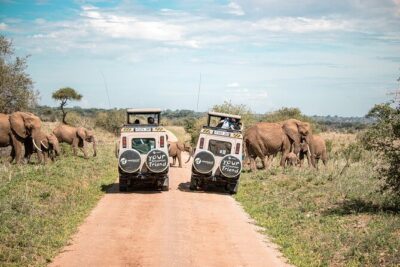
Multi-Day Northern Circuit Safari Packages, compared.
 ★ 5.07-Day Premium Luxury Tanzania Safari All-InclusiveFrom $4,840426 reviews
 ★ 5.0Tanzania Wildlife Encounters – 6 DaysFrom $3,413277 reviews
 ★ 5.0Group Safari 7 Days in Tanzania’s Main ParksFrom $3,000240 reviews
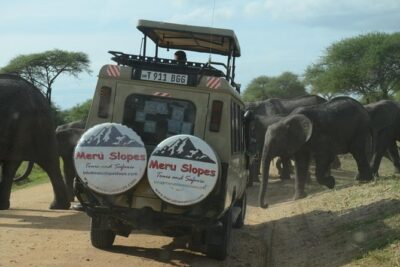 ★ 5.04 Days Join Group tour Tarangire Serengeti and Ngorongoro craterFrom $1,090219 reviews
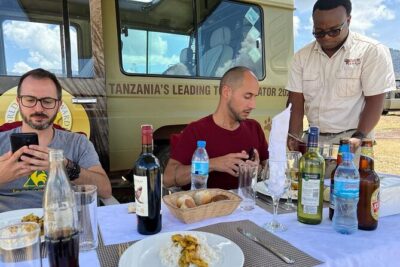 ★ 5.05-Day Private Northern Tanzania Safari from ArushaFrom $2,780182 reviews
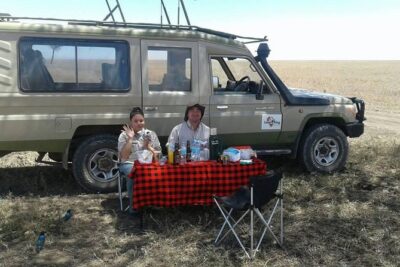 ★ 5.05 Days Best of Tanzania Luxury Safari Northern CircuitFrom $3,744174 reviews
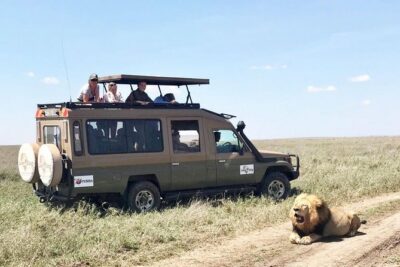 ★ 5.08 Day Spectacular Migration Serengeti mid -Range Tanzania SafariFrom $4,257161 reviews
 ★ 5.0Multi-Day Tanzania Odssey Safari from ArushaFrom $4,164120 reviews
Browse the lists this tour appears in