
REVIEW · SERENGETI NATIONAL PARK SAFARIS
4-Day Private Lake Natron and Serengeti Wildlife Safari
Red lakes and big cats in four days. I like how this is a private safari built around a smooth, door-to-door 4×4 route, and I especially like the pop up roof setup for better wildlife spotting. With guide Issa from Destiny Explorers, you also get real explanations, not just a drive-by checklist.
The main thing to consider is that the days are long on the road, with drives that can run up to about 6 hours, plus early start timing. If you get cranky on winding dirt roads, pack patience with your sunscreen.
In This Review
- Key highlights worth getting excited about
- Why this circuit works: Natron, Serengeti, Ngorongoro, and Manyara
- The Arusha start and how the 4×4 pop-up roof changes your game
- Day 1 Lake Natron: lesser flamingos and the red-water Rift Valley
- Day 2 Serengeti National Park via Maasai homeland
- Day 3 Ngorongoro Crater: caldera country and black rhino possibility
- Day 4 Lake Manyara and the tree-climbing lions
- Price and value: what $1,600 per person buys you
- What you should watch for on safari days (so nothing feels like a surprise)
- Who this safari fits best
- Should you book this 4-day Lake Natron and wildlife safari?
- FAQ
- What is the tour duration?
- Where does the safari start?
- What time does the tour begin?
- Is pickup included?
- Is this a private tour?
- What vehicle do we use during the safari?
- Are meals included?
- Are park or admission fees included?
- What is the total price?
- What is included and what is not included?
- What is the cancellation policy and what happens in bad weather?
Key highlights worth getting excited about
- Issa’s communication and attitude: quick replies, helpful tips, and a respectful, polite approach that puts your wishes first.
- A tight route through major ecosystems: Lake Natron, Serengeti, Ngorongoro Crater area, then Lake Manyara.
- Lake Natron’s soda lake drama: mineral-rich water, red tones, and huge lesser flamingo breeding areas.
- Ngorongoro Crater wildlife potential: a world-famous caldera with a chance to see black rhino along with big cats and more.
- Lake Manyara’s tree-climbing lions: classic park feature plus elephants and lots of birdlife.
- Comfort built into the vehicle choice: a 4×4 safari vehicle with a pop up roof, handy for spotting and photos.
More of the Serengeti, drive by drive
- Balloon Safari & Bush Breakfast in Serengeti – Miracle Experience★ 5.0 · 1,646 reviews
- 3 Days Serengeti & Ngorongoro Group Camping Safari★ 5.0 · 574 reviews
- 5-Day Highlights mid-Range Crater, Serengeti, Tarangire★ 5.0 · 296 reviews
- 3-Day Classic Serengeti Safari★ 5.0 · 263 reviews
Why this circuit works: Natron, Serengeti, Ngorongoro, and Manyara
This safari is clever because it stacks two different kinds of wow on top of each other. You get the bird-and-geometry spectacle of Lake Natron, then the classic animal encounters of Serengeti, and you top it off with two “pressure-cooker” ecosystems that wildlife likes to concentrate in. Ngorongoro Crater is famous for a reason, and Lake Manyara has its own set of surprises, including the tree-climbing lions.
The other reason it works is the pacing between stops. You are not just teleporting from one place to another. You are doing road trips through northern Tanzania, which means you actually notice how the scenery changes as you move through different regions of the Rift Valley.
And since it’s private, you are not stuck with the pace of other people’s photo habits or restroom schedules. That matters when you are spending most of your day looking out of a 4×4, waiting for animals to appear.
The Arusha start and how the 4×4 pop-up roof changes your game
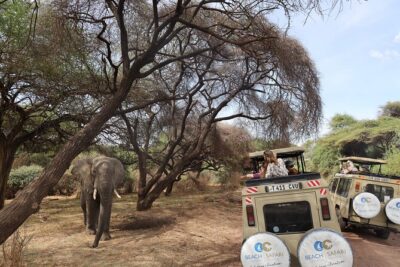
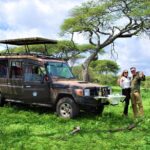
You start early, with a 7:00 am start time. If pickup is offered for your dates, that’s a big help because you avoid the hassle of meeting points after a travel day. You’ll travel in a 4×4 safari vehicle with a pop up roof, which is more than a comfort feature. It’s your viewing advantage.
When you’re up a bit higher, you can scan further across open plains. It also makes it easier to spot animals that are just out of reach of the road, especially in parks where the best action is often a little off to the side. For photos, that roof height can save you from cropping away the important parts.
Meals are planned around the drive days. Breakfast and dinner are included for three days each, and lunch is included four times. That coverage helps, because safari days can turn into “snack and hope” unless you’re careful.
One more practical note: you get a mobile ticket, and you receive confirmation at booking time. That’s useful if you like having everything ready on your phone.
Day 1 Lake Natron: lesser flamingos and the red-water Rift Valley
Day 1 is all about arriving at Lake Natron, a mineral-rich soda lake near the Kenya border. The headline here is scale. The area is a breeding ground for hundreds of thousands of lesser flamingos, even though the water is highly alkaline. That contrast is part of the magic. Life finds a way, even in conditions that sound harsh on paper.
You’ll also connect Lake Natron to the nearby volcanic setting. The tour description points out Ol Doinyo Lengai, an active volcano in the Rift Valley. Whether you’re watching the volcano from a distance or just noticing how the region looks, this place feels like it’s being shaped in real time.
If you want something a little more than flat lake views, there are trails leading from the lake toward the Engero Sero waterfalls. The idea is simple: you get a walk and a natural stop into a pool setting where water flows over craggy rocks. Even if you spend only part of the afternoon out and about, it helps break up the long drive with a physical sense of place.
Consideration: the drive from Arusha can take up to about 6 hours. Expect a lot of time in the vehicle on Day 1, so it’s worth planning snacks and water even though meals are included for later. On safari, your comfort habits matter.
More game drives with the same aim
Day 2 Serengeti National Park via Maasai homeland
Day 2 shifts from the soda lake spectacle to Serengeti National Park, with a long drive that moves through the Maasai homeland. One important detail here is that the Maasai are described as the only tribespeople permitted to live in the conservation and protected area. That gives you a different kind of safari lens. You’re not only watching animals. You’re also seeing how people live alongside conservation boundaries.
You can often spot Maasai herding cattle in brightly colored traditional robes. The tour also frames the Maasai as traditionally nomadic, with family knowledge of plant life that supports survival. Even if you don’t go deep into cultural discussions every hour, this context changes how you interpret what you see along the road. It’s not just a backdrop.
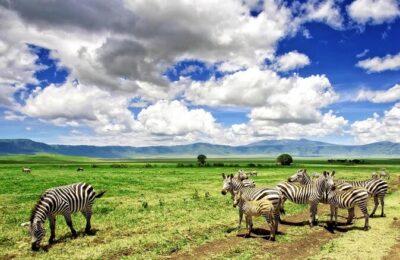
Once you reach Serengeti, your guide can put you in position for animal sightings as you drive through the plains. The tour notes you might spot giraffes, zebras, and other animals on the drive toward the park experience. In practical terms, that means you’re looking for those early indicators, animals near the edges, and movement patterns that signal where larger groups might appear.
Tip that actually helps: if you want better sightings, take quick moments to step back from your camera. Use those seconds to scan with your eyes first. With a pop up roof and a guide who knows the area well, you’ll get more “first sight” moments instead of only noticing animals after they’re already gone from your frame.
Day 3 Ngorongoro Crater: caldera country and black rhino possibility
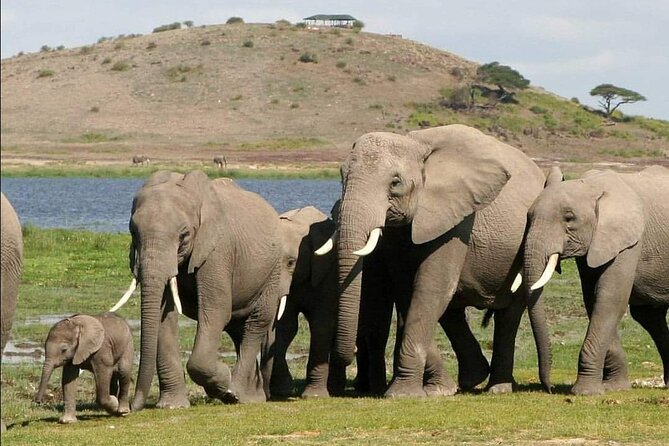
Day 3 is the big centerpiece day: the Ngorongoro Crater. The tour calls it about 3 million years old and explains it as the world’s largest inactive, intact, unfilled caldera, then adds that inside you get a variety of wildlife. This is the kind of place where the geography is doing some of the work for you. Because the crater is a large natural bowl, wildlife can feel more “brought together” than in endless open plains.
The wildlife list is the reason people plan entire trips around Ngorongoro. The description specifically mentions the rare and endangered black rhino, along with lions, elephants, zebra, hyena, and more. Even if you are not guaranteed to see everything, it gives you the right expectation: you’re in a serious wildlife zone with a real chance at high-impact sightings.
After the crater visit, your route continues through the Ngorongoro Conservation Area, then you arrive at a lodge for your overnight. The lodge time matters because it resets your body for the next long day back toward Arusha. Safari days are a rhythm game: early starts, long drives, then you need actual rest to keep your eyes sharp.
Consideration: the day is described as a full day with major driving and crater touring. If you’re sensitive to sun and fatigue, bring a hat and hydrate early, not after you feel thirsty.
Day 4 Lake Manyara and the tree-climbing lions
Day 4 is the “day of the lions,” starting with an early breakfast, then driving to Lake Manyara National Park. The park is described as roughly 330 square kilometers, with about 200 square kilometers taken by the lake when water levels are at a maximum. That lake-and-forest mix is why Lake Manyara can feel different from Serengeti. You may find both open areas and that sense of wildlife working along greener edges.
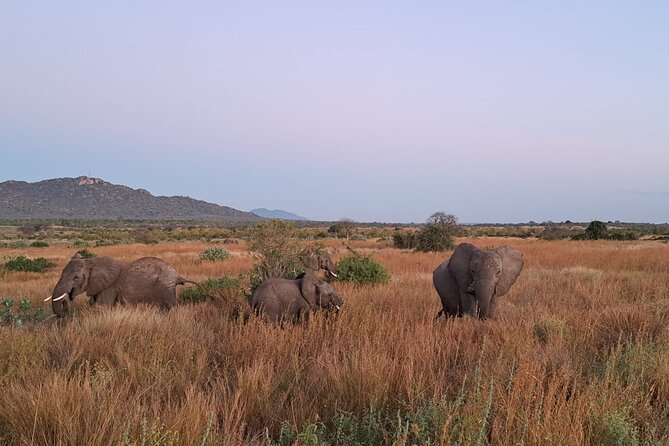
The tour notes pink flamingos and lots of birdlife, plus bull elephants at close range. That combination, birds and mammals, is part of what keeps the drive interesting. You’re not only waiting for the next big cat moment, you’re also watching the park’s daily pattern.
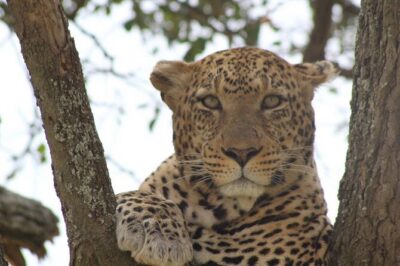
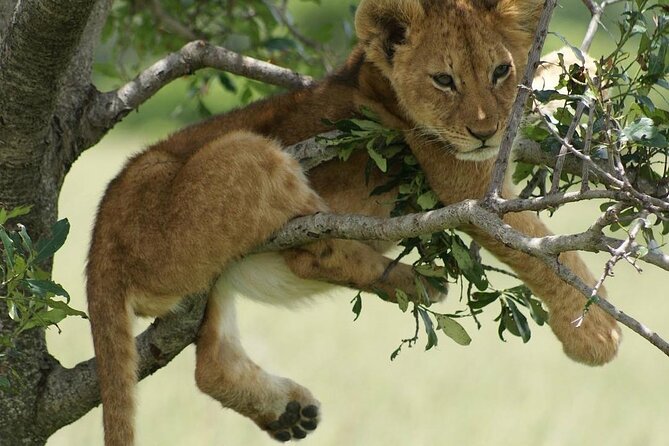
Then comes the signature attraction: tree climbing lions. The description also references the groundwater forest setting. In plain terms, it means you’re driving through terrain that can support unusual lion behavior. So when your guide says to stop and look, you will want to take it literally. Don’t assume lions will always be on the ground in open grass.
After exploring, you head back to Arusha mid-afternoon, bringing the whole circuit back to where it started. The total drive back is listed as about 6 hours, so this is another day where comfort planning matters.
Price and value: what $1,600 per person buys you
At $1,600 per person, this is not a “budget safari.” But it is also not a hand-wavy package. You’re paying for a private, multi-park route and for built-in comfort.
What’s included helps explain the price:
- 4×4 safari vehicle with pop up roof
- Parking fees
- Meals: breakfast for three days, lunch for four days, dinner for three days
- The itinerary also lists admission ticket free for the days’ park segments
- A private setup where only your group participates
The biggest value angle here is the guide quality and responsiveness. In the reviews, Issa from Destiny Explorers gets praise for smooth communication, prompt responses, and being polite, informative, and respectful. One line that matters for real life is the idea that your wish is the priority. In a private safari, that translates into practical adjustments in the field, like where you linger and how you time stops around sightings.
Is it still expensive? Yes. But if you compare the cost of doing multiple parks with separate arrangements and separate guides, the private circuit can become more sensible. Also, you’re not just buying driving. You’re buying time in the right areas across different ecosystems.
What you should watch for on safari days (so nothing feels like a surprise)
This tour is a road-based safari, so your “day management” matters.
Long drives are part of the deal. Day 1 can be up to 6 hours, and Day 4 includes a return drive of about 6 hours. Build in small routines: stretch at stops, hydrate consistently, and plan for sun exposure.
Weather matters. The tour description says it requires good weather, and if it’s canceled due to poor weather you’ll be offered a different date or a full refund. So keep some flexibility in your travel calendar. If you lock flights too tightly, you may feel stressed if rescheduling happens.
Use your guide for more than spotting. The tour framing emphasizes learning about wildlife, culture, and people. That matches what Issa is credited for: informative and respectful guidance. If you ask simple questions, you’ll get better answers than a generic narration.
Who this safari fits best
This is a strong match if you want:
- A private safari rather than a shared game drive
- A route that covers both bird spectacle and major wildlife parks
- A guide who communicates clearly and runs the trip with your preferences in mind
- A vehicle setup with the pop up roof for easier spotting
It may be less ideal if you hate spending hours in a vehicle, even when the view is changing. It also helps if you’re okay with early starts. The itinerary begins with a 7:00 am start time, and the later days include early breakfasts.
Should you book this 4-day Lake Natron and wildlife safari?
If you want a smart northern circuit that hits Lake Natron, Serengeti, Ngorongoro Crater, and Lake Manyara in one plan, this package makes a lot of sense. The private format, the vehicle design, and the guide approach from Destiny Explorers stand out as the practical reasons it feels worth it.
Book it if you’re excited by flamingos and volcanic geology as much as by big cats and rhino country. Skip it if you need a slower rhythm with shorter drives, because the road time is a core part of how this itinerary connects the parks.
FAQ
What is the tour duration?
The safari is listed as 4 days, approximately.
Where does the safari start?
It starts in Arusha, Tanzania.
What time does the tour begin?
The start time is 7:00 am.
Is pickup included?
Pickup is offered.
Is this a private tour?
Yes, it is a private tour/activity, with only your group participating.
What vehicle do we use during the safari?
You ride in a 4×4 safari vehicle with a pop up roof.
Are meals included?
Yes. Breakfast is included for 3 days, lunch for 4 lunches, and dinner for 3 dinners.
Are park or admission fees included?
The itinerary lists Admission Ticket Free for the park days, so you are not expected to pay separate admission tickets for those listed segments, but confirm at booking.
What is the total price?
The price is $1,600.00 per person.
What is included and what is not included?
Included items cover the 4×4 vehicle, parking fees, and the meals noted above. Personal expenses are not included.
What is the cancellation policy and what happens in bad weather?
You can cancel up to 24 hours in advance for a full refund. The experience requires good weather, and if it is canceled due to poor weather you will be offered a different date or a full refund.
More Time in the Vehicle
- Tanzania Simba Safari – 5 Days
★ 5.0 · 217 reviews - Living Among Lions
★ 5.0 · 191 reviews - Big Five Luxury Safari in Tanzania
★ 5.0 · 68 reviews - From Arusha: 6 Day Classic Game Drive Serengeti & Ngorongoro
★ 5.0 · 49 reviews - 4-Day Simba Safari – Mid Range Tour
★ 5.0 · 47 reviews
The Serengeti, Three More Ways
- Balloon Safari & Bush Breakfast in Serengeti – Miracle Experience
★ 5.0 · 1,646 reviews - 3 Days Serengeti & Ngorongoro Group Camping Safari
★ 5.0 · 574 reviews - 5-Day Highlights mid-Range Crater, Serengeti, Tarangire
★ 5.0 · 296 reviews - 3-Day Classic Serengeti Safari
★ 5.0 · 263 reviews - Private 6-Day Tarangire Manyara Crater and Serengeti with Mid-Range Lodges
★ 5.0 · 238 reviews
Just added from around Arusha
Serengeti National Park Safaris, compared.
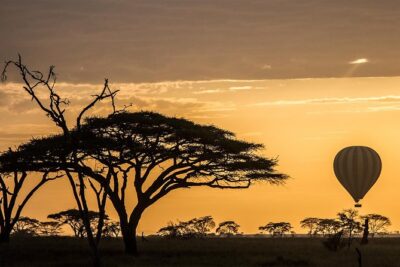 ★ 5.0Serengeti Balloon Safari and authentic bush breakfastFrom $5502,480 reviews
 ★ 5.0Balloon Safari & Bush Breakfast in Serengeti – Miracle ExperienceFrom $5991,646 reviews
 ★ 5.03 Days Serengeti & Ngorongoro Group Camping SafariFrom $815574 reviews
 ★ 5.05-Day Highlights mid-Range Crater, Serengeti, TarangireFrom $2,327296 reviews
 ★ 5.0Safari Serengeti And NgorongoroFrom $2,845288 reviews
 ★ 5.03-Day Classic Serengeti SafariFrom $1,455263 reviews
 ★ 5.0Private 6-Day Tarangire Manyara Crater and Serengeti with Mid-Range LodgesFrom $2,685238 reviews
 ★ 5.05 Days Camping Tarangire, Serengeti & Ngorongoro crater & Visiting MaasaiFrom $1,254229 reviews
Browse the lists this tour appears in