
REVIEW · TANZANIA LODGE AND LUXURY SAFARIS
3 Days Luxury Safari
Three days, and Tanzania hits hard. I like the way this trip combines Kilimanjaro slopes culture with big-game driving, plus the comfort of luxury stays with meals included. One thing to consider, it is a tight schedule, so you will be moving most of the time.
I also really appreciate that this is a private tour with a driver-guide, not a crowded bus situation. It gives you a better chance to follow what the day is doing, like pausing for great animal sightings in Tarangire or adjusting your pace on the crater floor at Ngorongoro.
The possible downside is simple: for three days, you are stacking three major experiences. If you want slow, unhurried touring, you may feel a little rushed, especially with a long day at Ngorongoro.
In This Review
- Key Highlights to Know Before You Go
- The Three-Day Safari Math: Why This Plan Works
- Kilimanjaro Slopes in Materuni: Waterfalls, Chaga Coffee, and a Real Feel for Daily Life
- Tarangire National Park Game Drives: Elephants, Baobabs, and River-Edge Watching
- Ngorongoro Crater: A Long Day Where the Big Five Chances Get Real
- UNESCO World Heritage Stops: More Meaning Than a Checkbox
- Luxury Accommodation and Meals: The Hidden Value in a Short Trip
- Private Guide Power: When Explanations Matter
- Price and Value: What You Are Paying For at $2,442.71
- Who This Safari Suits Best
- Should You Book This 3-Day Luxury Safari?
- FAQ
- Where does the safari start and end?
- What time does the experience start?
- Is pickup included?
- Is this a private tour?
- Which places are included in the 3 days?
- Are meals included?
- Is admission to the main stops included?
- What kind of physical fitness do I need?
- Is there a mobile ticket?
- What is the cancellation policy for a full refund?
Key Highlights to Know Before You Go
- Materuni village on Kilimanjaro slopes, with hiking to waterfalls plus time with Chaga farmers on banana and coffee plots
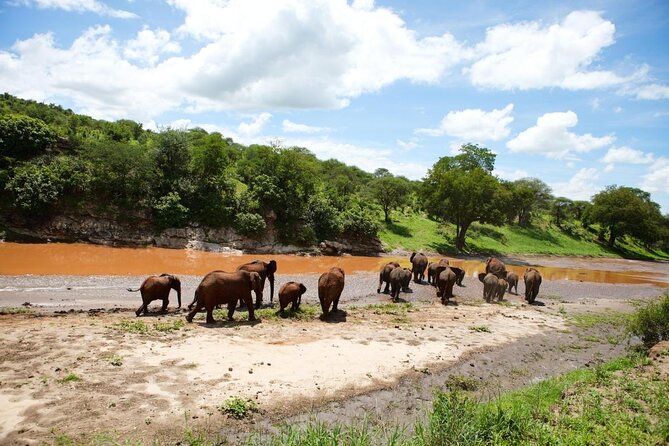
- Tarangire National Park’s elephant rhythm, especially strong in the dry season, with baobabs and river-edge viewing
- Ngorongoro Crater from the inside, where the rim height shapes climate and wildlife density on the caldera floor
- Luxury accommodation and all meals included, so you spend less time budgeting or hunting for food
- Private guide attention, with past trips showing strong guiding from people like Humphrey, Wilson, Juma, and Justin
Lodge safaris in the same bracket
- 7-Day Premium Luxury Tanzania Safari All-Inclusive★ 5.0 · 426 reviews
- 5-Day Highlights mid-Range Crater, Serengeti, Tarangire★ 5.0 · 296 reviews
- Private 6-Day Tarangire Manyara Crater and Serengeti with Mid-Range Lodges★ 5.0 · 238 reviews
- 5 Days Best of Tanzania Luxury Safari Northern Circuit★ 5.0 · 174 reviews
The Three-Day Safari Math: Why This Plan Works
This is the kind of safari you book when you have limited time but still want the headline places. You start around Arusha, then you cover Kilimanjaro slopes, Tarangire, and Ngorongoro in a compact loop. That matters because travel time in northern Tanzania can eat up a lot of the day, and here you are paying to compress it.
What I like most is that the trip is not just about seeing animals from a distance. You also get the human side of Kilimanjaro, including time in Materuni and interaction with the Chaga people tied to farming life. That balance is a big part of the value, because it gives context to what surrounds the parks.
One more practical point: this is built around a private setup. That usually means fewer compromises. You can ask questions, react to sightings, and get explanations that stick, instead of hearing the same scripted facts over and over.
Kilimanjaro Slopes in Materuni: Waterfalls, Chaga Coffee, and a Real Feel for Daily Life
Day one starts with a drive from your Arusha hotel, aimed at Materuni village on the Kilimanjaro slopes. You get a hike portion that typically includes stops along the way to waterfalls. It is not described as a technical climb, but the trip does note you should have moderate physical fitness, so plan for some walking on uneven ground.
Here is what makes this stop special beyond scenery. You do not just drive past culture. You head into the village experience linked to Chaga life, including banana and coffee plantation visits. You learn how coffee and bananas fit into daily routines, and that adds meaning to the word “local” on a safari. You also get a clearer picture of how people live on and around a mountain that dominates the region.
A small consideration: you are doing a hike fairly early in the itinerary. If you are the kind of person who needs full recovery time, pack accordingly, because day two is another long outing in the wild.
Tarangire National Park Game Drives: Elephants, Baobabs, and River-Edge Watching
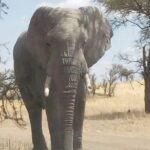
Tarangire is the park day when the wildlife tends to feel immediate. It is known for high-density elephants and baobab trees, and the schedule points you toward the kind of viewing that Tarangire does well.
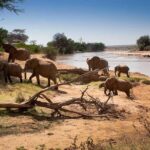
You start early, then you meet your driver and head into the park. From there, expect an extended game drive with time to explore bush tracks and especially the Tarangire River area. That river-edge setting is a classic reason Tarangire delivers. Animals cluster around water, and the day often feels less like searching and more like watching life unfold.
The dry season timing note is important. For June to November, you can expect larger herds, including zebra, wildebeest, and cape buffalo in higher numbers. Elephants and buffalo are described as regularly crossing paths without acting spooked by your presence, which is exactly what you want in a safari day. It usually means the driver can focus on viewing and photography rather than constant panic-scans.
If you care about animal behavior, this is also a good day. The plan highlights elephants drinking and playing along the river. That is different from the “spot and move on” style that some rushed safaris do.
The practical tradeoff: Tarangire is a full day experience, even though it is only one day on paper. You will likely spend most of daylight hours on the move and in the vehicle, so dress for long sitting and bring layers for morning and late afternoon temperature shifts.
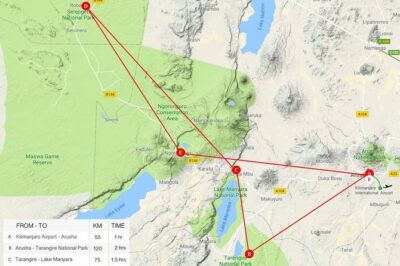
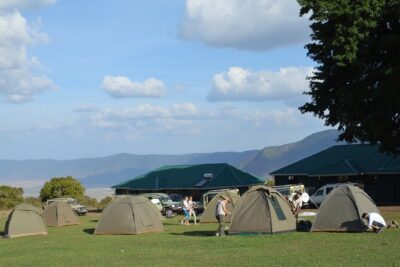
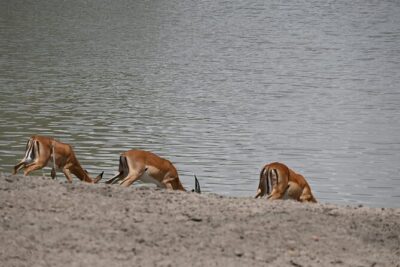
Ngorongoro Crater: A Long Day Where the Big Five Chances Get Real
Day three is built around Ngorongoro Crater, one of Africa’s most famous wildlife stages. The schedule frames it as a prime intact volcanic caldera and emphasizes that wildlife concentration can be very high. It also notes that the crater rim sits over 2,200 meters, which means the climate can be quite different from the plains outside.
You rise early for breakfast, then you spend essentially a full day exploring the crater floor. This long duration matters because Ngorongoro works best when you get time to reposition and follow what is happening. Animals do not all perform on the same timetable, and a longer window increases your odds of strong sightings.
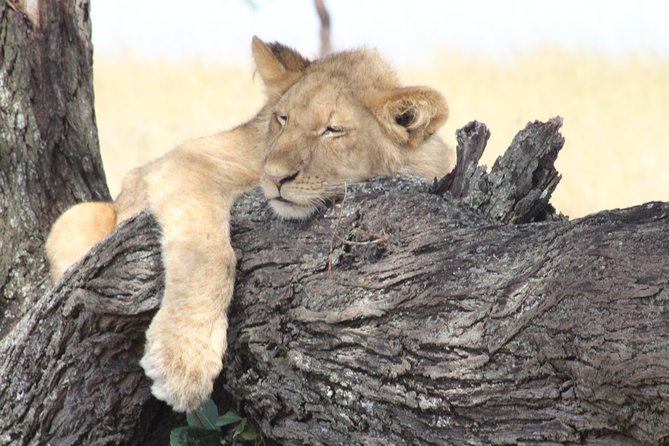
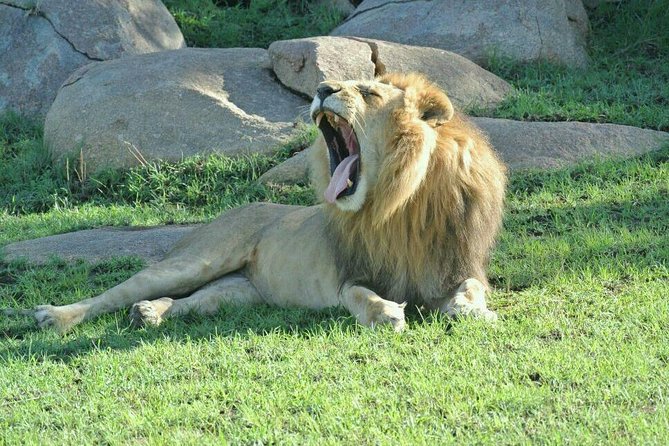
One of the strongest value points here is the chance to see multiple species in one compact area. The plan highlights that it is one of the few places where you may see all of the Big Five at once: lion, leopard, bull elephant, rhino, and buffalo. Nobody can promise outcomes, but you can absolutely plan for high-probability wildlife viewing when the setting is that concentrated.
Another detail I really like is the mention that Ngorongoro is small in scale. That often means fewer chasing distances compared to broader parks. You will still share the area with other safaris, but the overall effect can be a tight, focused wildlife day rather than hours of driving with little to show.
Drawback to plan around: it is a 12-hour day. Bring a calm mindset. This is not the day for rushing, and it is not the day to expect everything to feel effortless.
UNESCO World Heritage Stops: More Meaning Than a Checkbox
This trip highlights two UNESCO World Heritage sites, which is not just marketing language. In practice, UNESCO status often signals protected landscapes and management rules that shape what you see and how you move. In other words, you are not just sightseeing, you are visiting places with systems designed to keep them functioning.
Kilimanjaro slopes are tied to the mountain’s global significance. Ngorongoro is tied to the unique volcanic caldera and its ecosystem. When your schedule includes both, you get contrast: the mountain-edge human experience on one hand, and the crater wildlife intensity on the other.
That contrast is part of the “why” behind the itinerary. If you only did one type of experience, you might leave with great photos but fewer takeaways. Here, you leave with both context and wildlife.
Luxury Accommodation and Meals: The Hidden Value in a Short Trip
This is labeled as a luxury safari, and the practical sign is the way meals and logistics are handled. The package includes breakfast, three lunches, and two dinners. It also includes accommodations and airport transfers, plus private transportation and a private guide.
When a trip is only three days, meal planning can become a stress trap. You start worrying about where you will eat, what will be open, and whether food choices will match the long driving days. Getting meals included shifts your mental load down. You can focus on the parks instead of meal math.
Another value point is that fees and taxes are listed as included. That usually means you spend less time on the back-and-forth of park charges and related costs. It does not mean the trip is “cheap,” but it does mean you are paying for a smoother total experience.
What about the food itself? The reviews do point to solid comfort and local-leaning options, including a memorable lunch moment at a river overlook with samosas called out as a standout. I would treat that as a hint that the package is aiming for more than basic convenience.
Private Guide Power: When Explanations Matter
In a private tour, the guide is not just a driver with a map. You get someone who can match your interests to what is happening right then. On safaris, that can be the difference between spotting an animal and understanding what you are actually looking at.
Past trips connected to this operator include guide names like Humphrey and Wilson, plus Juma and Justin. Those names show a real team approach, and the reviews consistently praise the guides for teaching on the ground and making the experience feel personal.
This matters most on days like Ngorongoro and Tarangire, where the environment changes fast and there can be a lot going on at once. A good guide helps you get your bearings quickly, so you do not just sit there scanning.
A small consideration: because it is private, your experience may depend on how you communicate your interests. If you want more focus on animal behavior, photography angles, or cultural context, say so early.
Price and Value: What You Are Paying For at $2,442.71
At $2,442.71 per person, this is not a budget safari. But the cost is easier to understand when you break down what is included.
You are paying for:
- Private transportation and pickup from Arusha
- Airport transfers and accommodations
- A private guide
- All fees and taxes
- Meals, including multiple lunches and dinners
- Included admissions for key stops listed in the schedule
So the question is not only cost per day. It is cost per included service. In northern Tanzania, the biggest expenses often come from park access, vehicle time, and guiding. This package bundles a lot of those basics, which can be a real value if you compare it to booking each piece separately.
If you want the Kilimanjaro-slope experience plus two major wildlife settings in only three days, this kind of bundling can be worth it. If you have more time and want a slower pace, you might find cheaper options elsewhere. But for a compressed luxury plan with meals and private guiding already handled, the price feels more like a “buying time and comfort” decision.
Who This Safari Suits Best
This one fits best if you:
- Have limited time in Tanzania and want Kilimanjaro slopes plus classic safari parks
- Like a structured plan but still want private, flexible guiding
- Care about comfort, since meals and luxury accommodations are part of the deal
- Are comfortable with long days and moderate walking on day one
It might not be ideal if you:
- Prefer a slow travel pace with lots of downtime
- Want only one park and zero hiking
- Get unhappy when the schedule is packed end to end
Should You Book This 3-Day Luxury Safari?
If you want three days that feel big, this is a strong choice. I especially like the combination of Materuni and Chaga farming culture with two of the best wildlife-focused settings in the north. Add private guiding, luxury stays, and meals included, and the trip removes a lot of the usual friction that comes with short safaris.
Before you book, honestly think about your tolerance for long days. Tarangire is full-day energy, and Ngorongoro is a long, early start day. If you can handle that, you will likely love how much you fit in and how smoothly the essentials are covered.
If you want, tell me your travel month and whether you care more about wildlife photos or cultural experiences. I can suggest how to time your expectations for the best sightings and comfort.
FAQ
Where does the safari start and end?
It starts in Arusha, Tanzania, and ends back at the meeting point.
What time does the experience start?
The start time is listed as 12:00 pm.
Is pickup included?
Pickup is offered, and the trip includes airport transfers.
Is this a private tour?
Yes. This is a private tour/activity, and only your group will participate.
Which places are included in the 3 days?
You visit Materuni village on the Kilimanjaro slopes, Tarangire National Park, and Ngorongoro Crater.
Are meals included?
Yes. Breakfast is included, along with lunch (3) and dinner (2).
Is admission to the main stops included?
Admission for Mount Kilimanjaro and Ngorongoro Crater is listed as included. Tarangire is marked as free in the schedule, and all fees and taxes are listed as included overall.
What kind of physical fitness do I need?
The trip notes a moderate physical fitness level.
Is there a mobile ticket?
Yes, a mobile ticket is included.
What is the cancellation policy for a full refund?
You can cancel up to 3 days in advance of the experience for a full refund, and you must cancel at least 3 full days before the experience start time. If you cancel less than 3 full days before, the amount paid is not refunded.
More Lodge Safaris
- 7-Day Premium Luxury Tanzania Safari All-Inclusive
★ 5.0 · 426 reviews - 5-Day Highlights mid-Range Crater, Serengeti, Tarangire
★ 5.0 · 296 reviews - Private 6-Day Tarangire Manyara Crater and Serengeti with Mid-Range Lodges
★ 5.0 · 238 reviews - 5 Days Best of Tanzania Luxury Safari Northern Circuit
★ 5.0 · 174 reviews - 5-Day Private midrange Tour in Arusha with Airport Pickup
★ 5.0 · 160 reviews
Just added from around Arusha
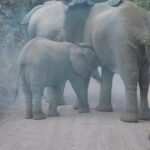
Tanzania Lodge and Luxury Safaris, compared.
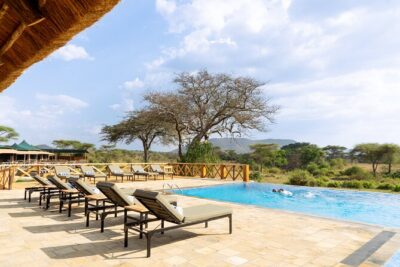 ★ 5.07-Day Premium Luxury Tanzania Safari All-InclusiveFrom $4,840426 reviews
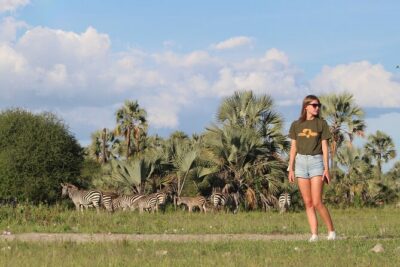 ★ 5.05-Day Highlights mid-Range Crater, Serengeti, TarangireFrom $2,327296 reviews
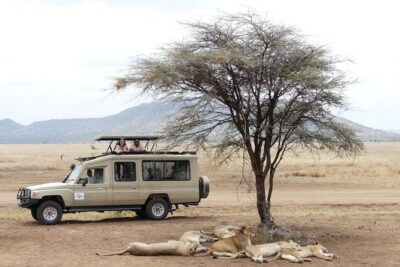 ★ 5.0Private 6-Day Tarangire Manyara Crater and Serengeti with Mid-Range LodgesFrom $2,685238 reviews
 ★ 5.0Selous Luxury Day Safari with PhotographerFrom $800211 reviews
 ★ 5.05 Days Best of Tanzania Luxury Safari Northern CircuitFrom $3,744174 reviews
 ★ 5.05-Day Private midrange Tour in Arusha with Airport PickupFrom $3,600160 reviews
 ★ 5.012 days Luxury Tanzania Honeymoon Safari and ZanzibarFrom $7,265105 reviews
 ★ 5.04 Days Tarangire, Serengeti and Ngorongoro Mid-Range Group SafariFrom $1,45084 reviews
Browse the lists this tour appears in