
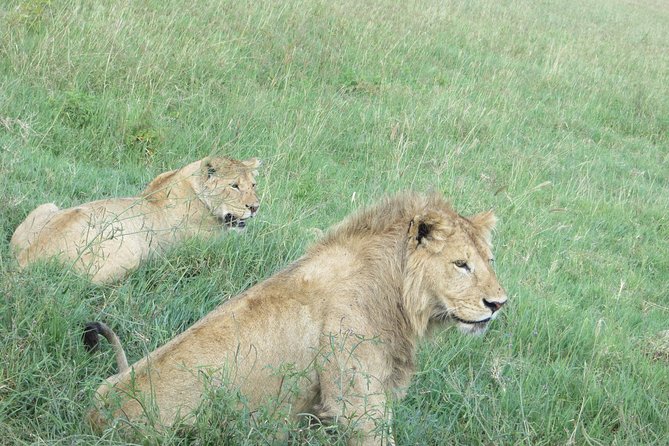
REVIEW · TARANGIRE NATIONAL PARK SAFARIS
3 Days Amzing Safari in Tarangire and Nngorongoro
Two parks, one shot at the Big Five. This Tarangire and Ngorongoro Crater safari packs serious wildlife viewing into a tight schedule, and I like that the focus stays on animals, not busy add-ons. I love the chance to track big game from a rooftop-style jeep with better sightlines. I also like the early-morning push that gets you down to the crater when animal activity is at its best. The one drawback to plan for is that sightings are never guaranteed, and the long driving days can feel like a lot over just a couple days.
If you want a well-run trip with the practical stuff handled, this one has a lot going for it. Pickup is offered, you travel in private transportation, and you get a mobile ticket. The price also bundles meals and park-related costs, so you are not doing constant pay-at-the-gate math.
This is a good fit if you like guided game drives and you want a high-odds route for elephants and big cats. It may feel less ideal if you hate early starts, or if you are the type who needs a lot of downtime between drives.
In This Review
- Key takeaways before you go
- Tarangire and Ngorongoro Crater: the Big Five route that moves
- The Moshi to Tarangire drive that shapes your first day
- Tarangire National Park: elephants, dry riverbeds, and antelope with odd charms
- Rooftop-style safari vehicles: better views without the fuss
- Ngorongoro Crater at Loduare Gate: what that descent actually means for viewing
- What the guides do beyond spotting
- Price and value: what $708.34 per person is really covering
- Timing, group style, and how your day will feel
- Should you book this Tarangire and Ngorongoro safari with KLM Safaris?
- FAQ
- How long is the safari in Tarangire and Ngorongoro?
- What is the price per person?
- What meals are included?
- Are admission tickets included?
- Do you get pickup, and where does the trip start?
- Is this tour private?
- What vehicle setup should I expect for game drives?
- Is free cancellation available?
Key takeaways before you go
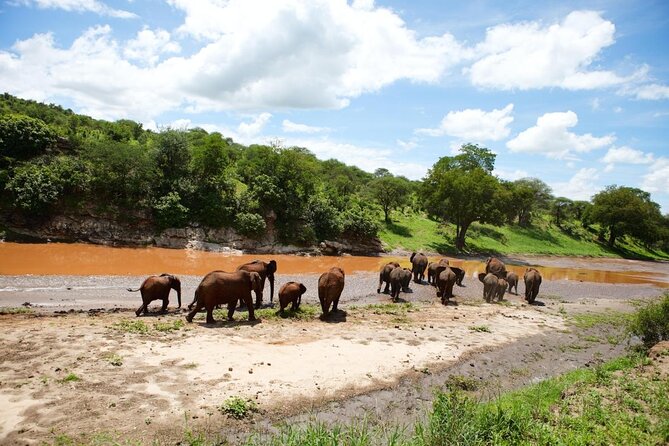
- Tarangire elephant concentration: herd sizes can be huge, with riverbeds doing their best impression of a watering hole
- Pop-up jeep viewing: you can often stand and look better than from a fixed seat
- Ngorongoro crater timing: early descent, lots of animals, and frequent birdlife
- Loduare Gate check-in: you actually feel the structure of the day once you start the crater process
- Meals and park fees included: fewer surprises, more time thinking about spotting
- Guides that drive and explain: named driver-guides like Elly, Elli, Emmanuel, and Freddy come up in customer experiences
Tarangire again, with different operators
- 5-Day Highlights mid-Range Crater, Serengeti, Tarangire★ 5.0 · 296 reviews
- Private 6-Day Tarangire Manyara Crater and Serengeti with Mid-Range Lodges★ 5.0 · 238 reviews
- 5 Days Camping Tarangire, Serengeti & Ngorongoro crater & Visiting Maasai★ 5.0 · 229 reviews
- 4 Days Join Group tour Tarangire Serengeti and Ngorongoro crater★ 5.0 · 219 reviews
Tarangire and Ngorongoro Crater: the Big Five route that moves
This safari is built around two places that work differently, which is a smart way to maximize your chances.
In Tarangire National Park, you’re chasing the kind of wildlife that gathers around the last reliable water, with elephants often moving in big numbers. The park is described as one of the best places outside the Serengeti ecosystem for that kind of concentration, and the day’s animal list also includes wildebeest, zebra, buffalo, and a range of antelope like oryx and gerenuk (the long-necked one). It’s not just elephants and call-and-response sunsets. It’s also predators working a landscape where prey has to make choices.
Then Ngorongoro Crater shifts the vibe to “everything is in one bowl.” You descend to the crater floor and you’re surrounded by a big mix of animals and birdlife, with the chance to get calls over the radio for specific sightings. One of the most exciting things about this style of crater viewing is that you can make quick decisions about where to look, and the driver helps you do that.
Your expectation should be “high chances,” not “guarantee.” Even in the best areas, animals move, and the weather matters. Over just two safari days, you are banking on good positioning and good timing.
The Moshi to Tarangire drive that shapes your first day
Day 1 is all about getting you into the game-drive mindset early. The program notes starting from Moshi for Tarangire, and one real example described pickup at 6am in Moshi with arrival around 11am.
That gap is the reality of northern Tanzania road time. You are not strolling into the park at your leisure. You’re trading comfort for a better chance at prime viewing hours once you arrive.
For you, this usually means two things. First, pack for a long day. Bring water and keep a light snack handy, since you’re feeding yourself through a full day of driving and driving-time viewing. Second, be ready to treat the first hours inside the park as the “warm-up” phase for your eyes, because it takes a bit to learn where animals are likely to be.
Tarangire National Park: elephants, dry riverbeds, and antelope with odd charms
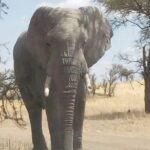
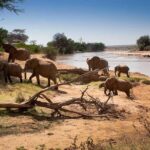
Tarangire’s big calling card is elephants, and not in a subtle way. The park is famous for large groups, with herds described up to around 300 elephants. The story behind it is practical: in the dry season, elephants scratch dry riverbeds in search of underground streams. That behavior matters for game viewing because it turns a landscape feature into an animal magnet.
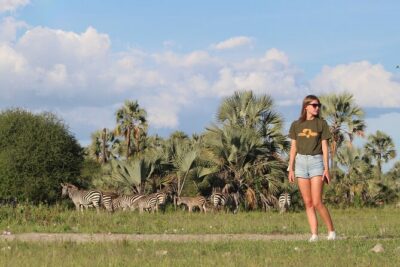
You’ll also be looking for the mix that comes with those gatherings. The provided notes mention migratory wildebeest and zebra alongside buffalo, impala, gazelle, and hartebeest, plus eland. That’s a lot of species in one place, which is exactly what you want when you have limited safari days.
Two more details that are worth paying attention to:
- Dry-country antelope like fringe-eared oryx and gerenuk are a Tarangire specialty in the description. Those are not the animals people expect to see everywhere.
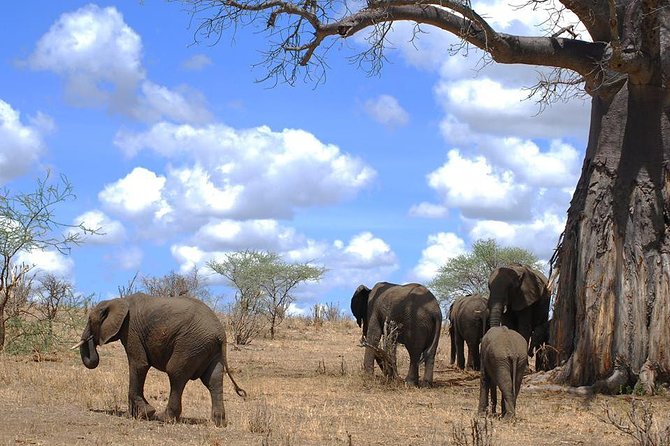
- Baobab trees are highlighted in one account, and they matter because they give you easy “landmarks” while you scan. In safari terms, landmarks help your brain process the scene faster.
A possible drawback here is also simple. Tarangire can be busy for animals in some areas and quiet in others, depending on where you are positioned and when you arrive. Your driver-guide’s skill at reading the park is what smooths that out.
Rooftop-style safari vehicles: better views without the fuss
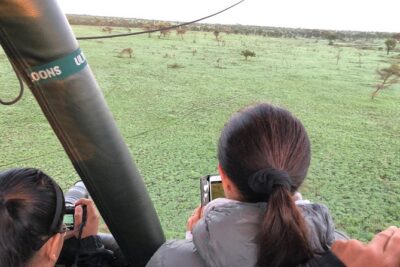
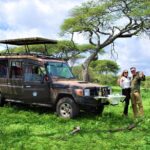
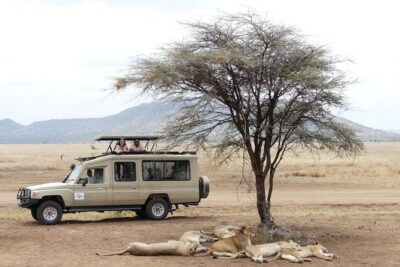
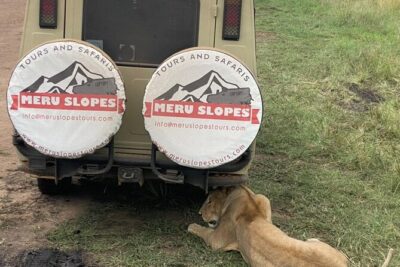
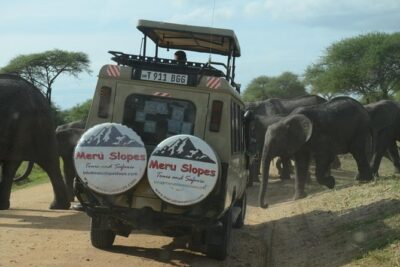
One of the most praised parts of this kind of safari is the vehicle setup. In customer experiences shared with this operator, the safari jeeps are described as comfortable, with pop-up features that allow the roof to open. That means you can stand up for a better view and not just shoot photos from eye level.
For you, that changes the game in small but real ways. Birds look easier. Distant animals become identifiable sooner. And when a lion or rhino is spotted, you are not stuck trying to see over someone’s hat or the back of the seat in front of you.
It also helps that this style of viewing fits multiple body types and preferences. If you want to stand for five minutes, you can. If you want to sit for comfort, you can. You get flexibility without turning the day into a constant climb in and out.
Ngorongoro Crater at Loduare Gate: what that descent actually means for viewing
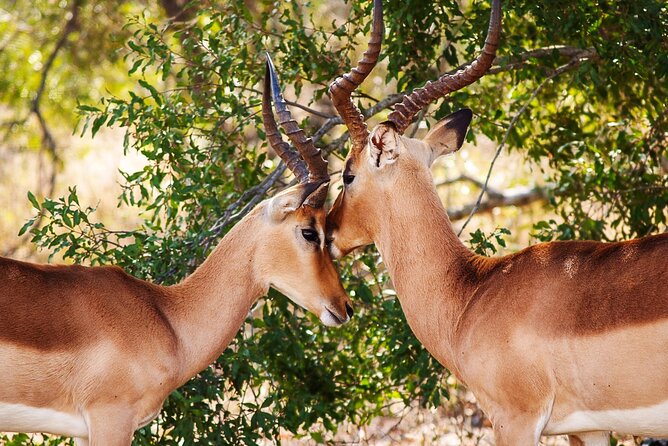
Day 2 starts early, with the driver picking you up after breakfast and driving toward Ngorongoro Crater, described as about a 30-minute drive from the camp. Then you check in at Loduare Gate before descending to the crater floor.
That part matters. The crater is not just “a place you visit.” The act of descending changes sightlines and likely influences what you see. Once you are on the crater floor, the provided description emphasizes a sheer number and diversity of animals and birdlife. It’s the kind of setting where the hard part is choosing where to look first.
In this crater style of drive, you also benefit from a more active spotting system. The notes mention excitement when you spot Big Five animals, and the radio call element. That means you are not only scanning blindly. When something specific is found, the whole vehicle area gets a chance to reposition.
Two practical tips for you once you are down there:
- Expect a lot of stopping and scanning, so keep your phone and camera batteries ready.
- Be patient with the “animal math.” One rhino sighting can lead to other sightings because drivers understand where prey and predators tend to cross paths.
One thing to keep in mind is that crater viewing can be intensely rewarding, but it can also mean lots of looking and not much rushing. If you hate waiting, you’ll still do a fair bit of watching.
What the guides do beyond spotting
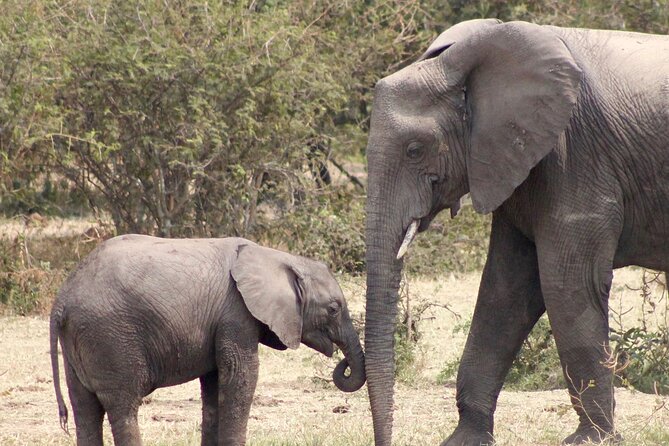
The best safari days tend to be about more than animals. They are about communication, timing, and knowing how to keep the day moving without feeling frantic.
In the experiences connected to this operator, named driver-guides come up often: Elly and Elli, plus Emmanuel and Freddy. People also describe guides as giving lots of information and making the drive feel smooth even when the group is large.
One account also mentions a young child and highlights how the operator handled the trip with that family in mind. That’s a useful clue for you: if you need help managing attention spans, it can be worth asking how they handle kid-friendly pacing.
Another example described an experienced driver-guide (Elli) who helped with the crater view, including a first-time lion sighting for that group. Those stories line up with what matters on safari: your guide’s ability to position the vehicle quickly when the radio call comes in.
My advice: when you meet your driver-guide, ask a simple question early in the drive. Something like what the team is focusing on that day. Then you will understand why they keep returning to certain ridgelines, where they pause longer, and how they decide when to move.
Price and value: what $708.34 per person is really covering
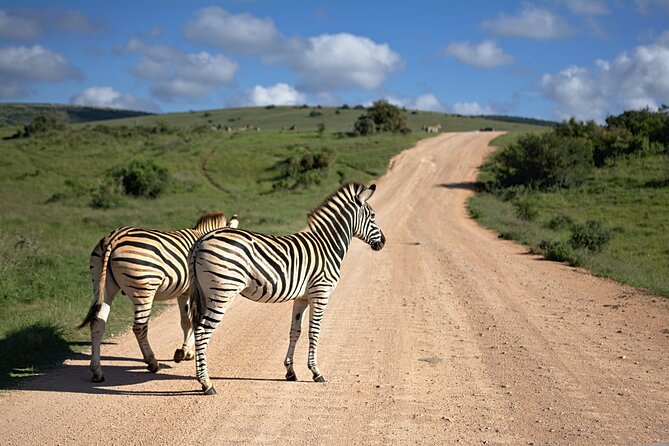
The price is listed at $708.34 per person, and it’s important to look at what you get for that number, not just the total.
Included in the package:
- Breakfast
- Lunch (2) and dinner (2)
- Accommodation, plus meals while you are on tour
- Private transportation
- All fees and taxes
- Admission tickets (Tarangire and Ngorongoro are each listed with admission ticket included)
- A mobile ticket
Not included:
- Tips and gratuities
- Travel insurance
- Visa
For value, this is the key point: you are paying for a guided, private route with park admission and meals baked in. That reduces the common “hidden costs” people get surprised by on safari, like separate park fees or counting how many meals you must buy on your own while you’re in transit.
A fair consideration is that because this is private transportation and a focused itinerary, it may not be the cheapest option in Tanzania. But for many people, the convenience and the all-in feel are the value. You spend less time negotiating logistics and more time looking for elephants, lions, and rhinos.
Timing, group style, and how your day will feel
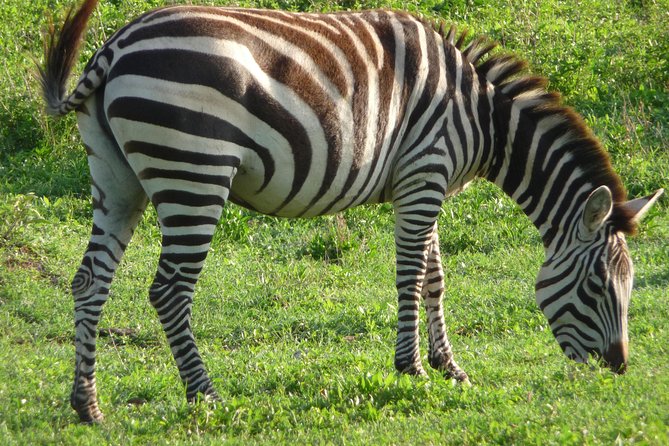
This is listed as private, meaning it is for your group only. Still, one described scenario involved a group of 24 teenagers split between a few vehicles, which can happen while keeping the group together.
For you, that means two things depending on your situation:
- If your group is small, you may have more freedom for the driver to focus on your preferences.
- If your group is larger, the experience can feel more structured, but the vehicles are usually still part of the same group operation.
The itinerary details that each main day is about 8 hours. That’s a full day of driving and game viewing. If you like long, uninterrupted viewing blocks, this works well. If you want a calmer schedule, you might find it intense.
Also, the tour description says most travelers can participate. That’s helpful, but safari days can involve early starts and getting in and out of vehicles. If you have mobility limitations, you’ll want to ask about vehicle access and comfort in advance, since that detail is not specified in the provided info.
Should you book this Tarangire and Ngorongoro safari with KLM Safaris?
If your priority is seeing big wildlife in two high-impact regions, this is a strong choice. You get a targeted route with Tarangire elephant energy and Ngorongoro Crater density, plus the practical stuff handled: admission tickets, meals, accommodation, and private transportation.
I’d book it if:
- You want a focused safari that does not waste time with lots of detours.
- You appreciate the rooftop-style viewing setup for better sightlines.
- You value good organization and driver-guides who know how to find animals and explain what you are seeing.
I’d pause if:
- You need a guarantee of Big Five sightings. The best you can do is maximize your chances.
- You dislike early mornings and long days of driving between parks.
One last helpful note: if you want the highest probability of great moments, go in flexible. Watch the people who are calm and ready. Safari rewards patience, and a good driver-guide can turn a “could be nothing” moment into a “there it is” moment, especially when radio calls come in.
FAQ
How long is the safari in Tarangire and Ngorongoro?
The experience duration is listed as about 2 days. The itinerary blocks for the two main game-drive days are each about 8 hours.
What is the price per person?
The price is listed as $708.34 per person.
What meals are included?
Breakfast is included, and lunch is included for 2 days. Dinner is also included for 2 days.
Are admission tickets included?
Yes. The itinerary notes admission tickets included for both Tarangire National Park and the Ngorongoro Crater day.
Do you get pickup, and where does the trip start?
Pickup is offered. The day for Tarangire starts from Moshi, and the day for Ngorongoro includes pickup after breakfast and a drive to the crater.
Is this tour private?
Yes. It is described as private transportation and private tour/activity, with only your group participating.
What vehicle setup should I expect for game drives?
The safari uses pop up safari vehicles. Based on customer experiences shared, the roof can open so you can stand for better animal viewing.
Is free cancellation available?
Yes, free cancellation is offered. You can cancel up to 24 hours in advance for a full refund, and changes within 24 hours are not accepted.
Tarangire and Its Baobabs
- 5-Day Highlights mid-Range Crater, Serengeti, Tarangire
★ 5.0 · 296 reviews - Private 6-Day Tarangire Manyara Crater and Serengeti with Mid-Range Lodges
★ 5.0 · 238 reviews - 5 Days Camping Tarangire, Serengeti & Ngorongoro crater & Visiting Maasai
★ 5.0 · 229 reviews - 4 Days Join Group tour Tarangire Serengeti and Ngorongoro crater
★ 5.0 · 219 reviews - 4-Day Safari from Arusha: Tarangire, Serengeti and Ngorongoro
★ 5.0 · 173 reviews
Just added from around Arusha
Tarangire National Park Safaris, compared.
 ★ 5.05-Day Highlights mid-Range Crater, Serengeti, TarangireFrom $2,327296 reviews
 ★ 5.0Private 6-Day Tarangire Manyara Crater and Serengeti with Mid-Range LodgesFrom $2,685238 reviews
 ★ 5.05 Days Camping Tarangire, Serengeti & Ngorongoro crater & Visiting MaasaiFrom $1,254229 reviews
 ★ 5.04 Days Join Group tour Tarangire Serengeti and Ngorongoro craterFrom $1,090219 reviews
 ★ 5.04-Day Safari from Arusha: Tarangire, Serengeti and NgorongoroFrom $1,753173 reviews
 ★ 5.02 Days Tarangire and Ngorongoro Group Camping SafariFrom $550146 reviews
 ★ 5.04 Days Tarangire Serengeti Ngorongoro CraterFrom $900117 reviews
 ★ 5.03 Days Tarangire, Ngorongoro & Lake Manyara Group Camping SafariFrom $700102 reviews
Browse the lists this tour appears in