
REVIEW · KILIMANJARO MARANGU ROUTE
#1. Kilimanjaro 5-days hiking Marangu joining tour
Five days on Kilimanjaro feels like another planet. I liked starting at the Marangu Gate with experienced guides who keep the pace realistic, and I loved the planned stop at Horombo Hut for acclimatization before the big push upward.
One important consideration: the hike price is not a complete cost. National park fees are separate, and at least one guest reported paying around $750 before the climb began, so budget for that early.
In This Review
- Key Things I’d Actually Remember About This Marangu Joining Tour
- Why the Marangu Route Gets Chosen So Often
- Price and Logistics: What $675 Really Means (and What You Must Add)
- Day 1: Moshi or Arusha to Marangu Gate and Mandara Hut
- Day 2: Mandara Hut to Horombo Hut for Acclimatization
- Day 3: Horombo Hut to Kibo Hut and the Alpine Desert Shift
- Day 4: Midnight Summit, Gilman’s Point, and Uhuru Peak
- Day 5: Horombo Hut Down to Marangu Gate and Your Summit Certificate
- Guides, Staff Support, and the Real Meaning of Being Looked After
- What to Bring for Cold Nights and Big Altitude
- How This 5-Day Marangu Joining Tour Fits Different Types of Travelers
- Should You Book This Kilimanjaro 5-Day Marangu Joining Tour?
- FAQ
- What is included in the Kilimanjaro 5-day Marangu joining tour?
- Are national park fees included in the tour price?
- What is the daily hiking outline from Marangu Gate to Uhuru Peak?
- When does the summit attempt happen?
- What kinds of habitats will I hike through?
- What should I bring for the hike?
- Will I have transfers from Moshi or Arusha?
Key Things I’d Actually Remember About This Marangu Joining Tour
- Marangu Route, five days of progressive altitude, with hut nights instead of tent camping chaos
- Horombo Hut acclimatization built into the schedule, not treated like an afterthought
- Day 4 midnight summit plan timed for a sunrise moment at Gilman’s Point and Uhuru Peak
- Big habitat changes, from rainforest to heather and moorland, then alpine desert and cold upper zones
- Strong on-the-ground support, including staff help when altitude hits hard
Other ways up Kilimanjaro we reviewed
- #1. Kilimanjaro 5-days hiking Marangu joining tour★ 4.8 · 4 reviews
- #1. Best 7 days kilimanjaro trek Machame route join group★ 5.0 · 3 reviews
Why the Marangu Route Gets Chosen So Often
The Marangu Route is popular for a reason. In five days, you get a full Kilimanjaro story arc, starting in rainforest and ending in cold, high-altitude zones that feel almost alien. You also get a schedule that tries to work with altitude, especially with the rest day-style stop at Horombo Hut.
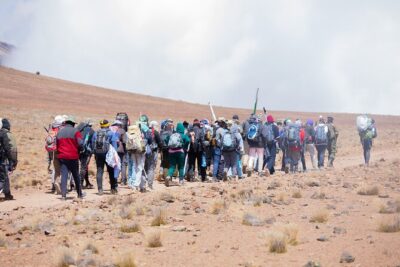
I also like that this tour is organized as a joining tour. That usually means you are not paying for a private, empty-land situation. Instead, you hike with others moving at a similar rhythm, and the shared energy matters when you are grinding uphill under thin air.
The tradeoff with any joining itinerary is that you should plan for a bit less flexibility than a custom private climb. If you are the kind of person who hates waiting your turn, you might find group pacing annoying at times.
Price and Logistics: What $675 Really Means (and What You Must Add)
The listed price is $675 per person, which covers a lot of the backbone of your climb: guided support, hut accommodation, transfers, meals as indicated, drinking water, and key gear like camping equipment and a sleeping mattress.
But national park fees are not included. One guest noted an extra $750 needed before starting the hiking, which tells you to mentally separate these costs. If you only budget the headline price, you will be stressed when the additional fee comes due.
One more value note: the package includes transportation and a transfer from your hotel in Moshi to the gate. That matters because getting yourself to the trailhead on summit days is where travel plans often go sideways, even for seasoned travelers.
Also, the tour provider mentions a reserve and pay later option. If your flight timing is still in flux, that can reduce pressure.
Day 1: Moshi or Arusha to Marangu Gate and Mandara Hut
Day 1 starts with a drive from Moshi or Arusha to the Marangu Gate for registration. Then you begin with a hike of about 8 km (5 miles), roughly 4 to 5 hours, climbing from about 1,870 m to 2,720 m.
This is rainforest hiking, which is a big deal on Kilimanjaro. The air can feel warmer and more humid, and your body usually needs less time to warm up than it will later. You also have a good chance of spotting monkeys and interesting plant life, which makes the early climb feel more like an adventure than a chore.
You’ll reach Mandara Hut, a calmer break point in the forest zone. There is also an optional short hike to Maundi Crater if you want extra views without adding a huge day’s effort.
What to watch: rainforest days can trick you. You might feel too comfortable and walk faster than your later-day stamina will appreciate. I’d keep your effort steady, not heroic.
Day 2: Mandara Hut to Horombo Hut for Acclimatization
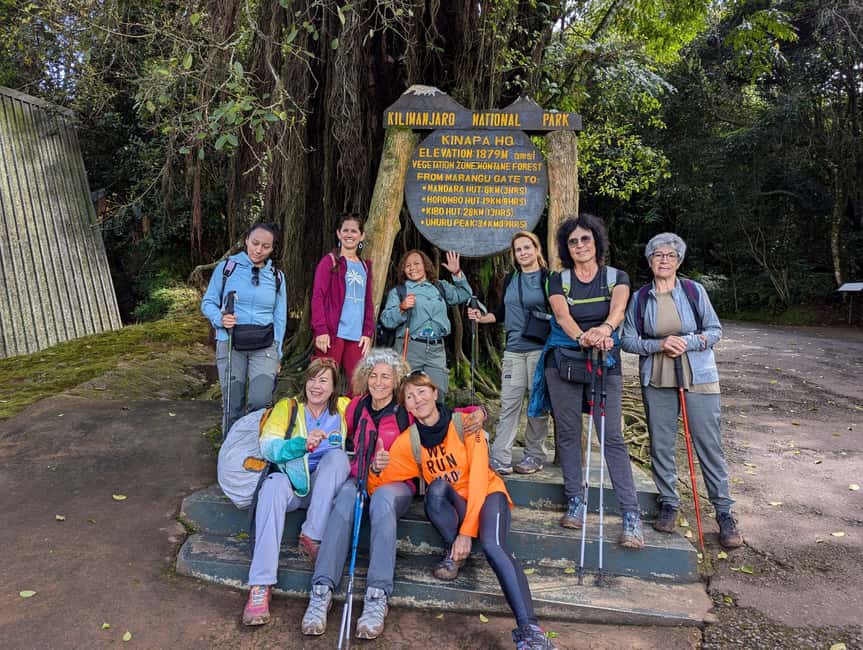
Day 2 is where the itinerary gets smarter. You hike about 12 km (7.5 miles), about 6 to 7 hours, climbing from 2,720 m to 3,720 m. The habitat shift is dramatic, moving from rainforest into heathland and moorland.
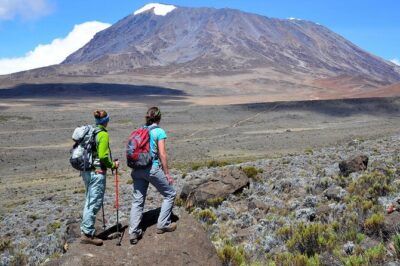
You leave the forest behind and start walking through zones with different plants and a more open feel. The trail gives panoramic views, including peaks like Kibo and Mawenzi, which makes the altitude gain feel more real.
When you arrive at Horombo Hut, it can feel lively. That matters because this is your acclimatization hinge. You are resting, but you are also adjusting your rhythm for what comes next.
A practical tip: use this day to eat, hydrate, and keep your breathing calm. If you treat acclimatization like a pause button, you set yourself up for a tougher Day 3 and a harder summit push later.
Potential drawback: if you are prone to altitude sickness, this is also the day where you might notice symptoms. A tour with attentive staff support becomes more valuable here, not later.
Day 3: Horombo Hut to Kibo Hut and the Alpine Desert Shift
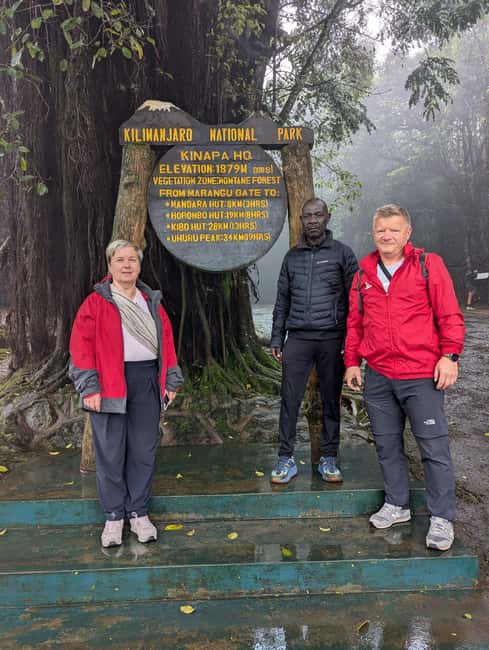
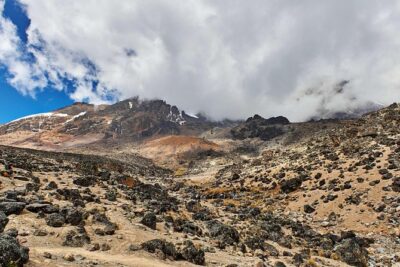
Day 3 runs about 10 km (6 miles), with 6 to 7 hours of hiking, climbing from 3,720 m to 4,703 m. Habitat changes to alpine desert, and this is the day that often feels like a different world.
The trail is gradual, but it is steady work. You pass the Last Water Point, which is a psychological checkpoint. After that point, you keep track of what you have left and focus on careful, consistent effort.
You’ll also get striking views of Kibo Peak, which is motivating, even when your legs feel heavy. The altitude makes even small inclines feel serious, and the air can feel thin enough that every breath becomes a task.
Then you arrive at Kibo Hut. Plan to rest early because tonight is about getting ready for the summit attempt. This is not the time to burn energy chatting, taking extra side trips, or testing your cold-weather gear.
What to watch: Day 3 is also where stomachs can get touchy in altitude. Keep meals simple, follow your guide’s pace, and don’t force extra food if it sits badly.
Day 4: Midnight Summit, Gilman’s Point, and Uhuru Peak
Day 4 is the long one. You hike about 22 km (13.5 miles) and may spend 11 to 15 hours total on the day. You start around 4,703 m and go up to about 5,895 m, then descend back to roughly 3,720 m after reaching the summit.
The key moment is the midnight summit push. You set out in the dark, often under starlight, and the cold can be real. This is when your flashlight and warm layers matter, more than your fitness bragging rights.
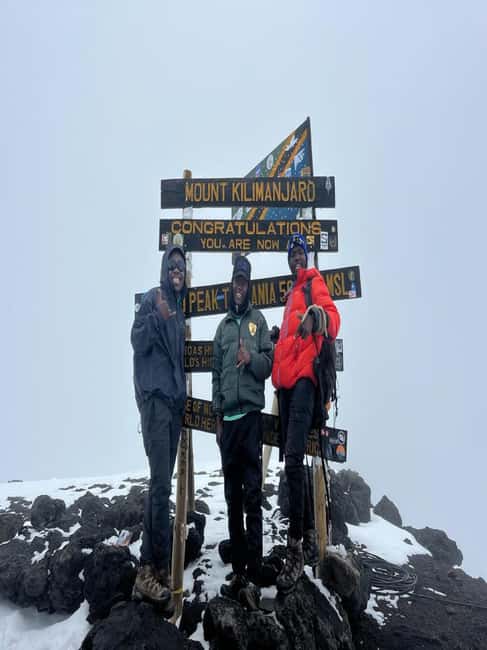
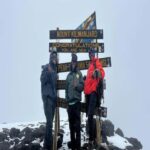
You reach Gilman’s Point (5,681 m) at sunrise. That timing is huge for morale. Then you keep going along the crater rim toward Uhuru Peak, the highest point in Africa.
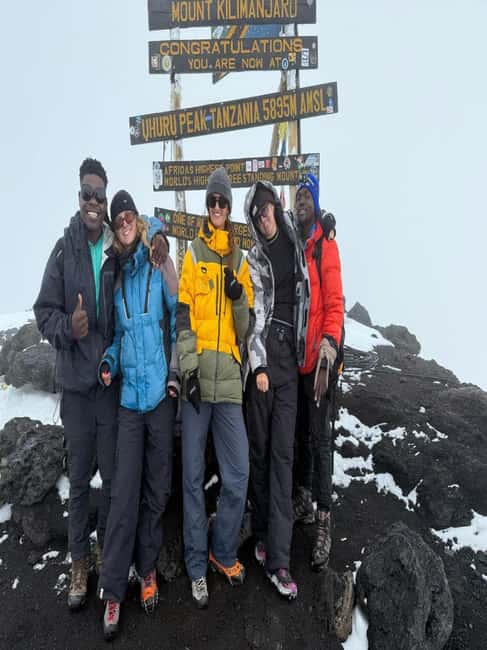
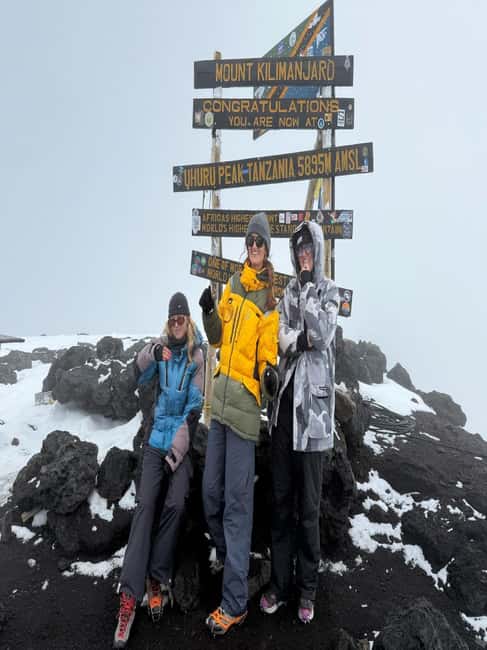
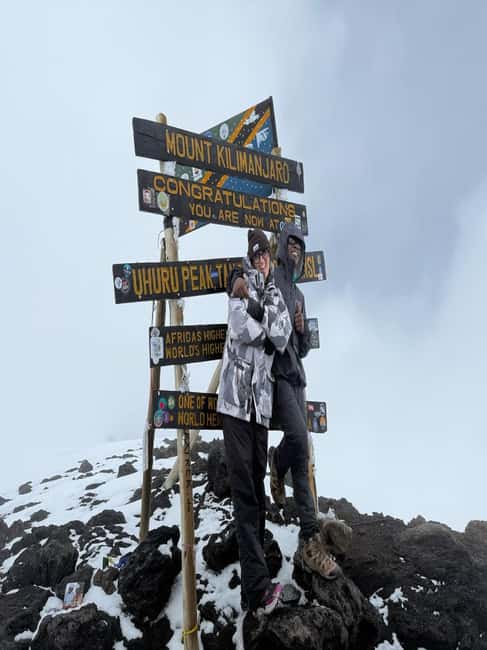
When you reach Uhuru Peak, it is celebration time. Then you descend back to Kibo Hut for lunch and a proper reset before continuing toward Horombo Hut.
What to watch: this day is physically demanding and mentally intense. If you feel sick, slow down and tell your guide early. Don’t wait until you are fully miserable. Altitude is honest like that.
Day 5: Horombo Hut Down to Marangu Gate and Your Summit Certificate
Day 5 is about coming down. You hike around 20 km (12.5 miles), about 5 to 7 hours, descending from 3,720 m back to 1,870 m through rainforest again. The habitat changes from heathland to rainforest, and the temperature often feels like it flips back to normal life.
After breakfast, you head down to Marangu Gate. There’s your summit certificate moment, followed by the drive back to Moshi or Arusha.
This final day can feel long, not because it is steep the whole time, but because your legs have been working hard for several days. I like that this route gives you a clear finish line, not a vague end-of-the-world scramble.
Small pro tip: take your time on descent. Knee stress is real, and careful steps help you enjoy the last views instead of just surviving them.
Guides, Staff Support, and the Real Meaning of Being Looked After
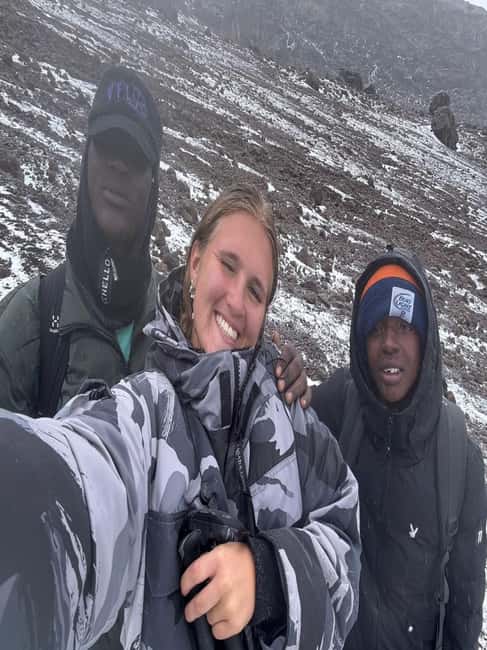
A hike like this is mostly about the mountain, but the difference between a smooth climb and a rough one is often the human support around you.
This tour includes a professional English-speaking guide, and the operation also has a team that supports practical needs during the climb. One guest specifically noted extra help from staff beyond the guide, including assistance with luggage, food support, and advice on medicine when altitude made them feel unwell. Another guest praised the organization and called out their guide Shedrack as incredible.
That’s the part I would pay attention to if I were you. A good Kilimanjaro guide does two things. First, they keep you moving safely within a realistic pace. Second, they notice early when someone is struggling.
The reviews also point to a helpful attitude beyond the trail. Support was described as strong even around arrival coordination, which can reduce stress when you are juggling airports, transfers, and first-day timing in Tanzania.
What to Bring for Cold Nights and Big Altitude
You are going high. You are also spending nights at huts, but cold does not politely wait for daytime. Use the provided checklist as your baseline and pack like the temperature will surprise you.
Here’s what you should plan on bringing:
- Hiking shoes
- A warm jacket
- Gloves
- A sleeping bag
- Flashlight
- Daypack
- Trekking gear
- Power bank
Also consider layering more than you think you need. Even if daytime feels manageable, the summit push can be cold enough that comfort and safety depend on your layers.
Quick reality check: if you show up without proper cold gear, you will end up spending more time dealing with discomfort instead of enjoying the climb.
How This 5-Day Marangu Joining Tour Fits Different Types of Travelers
This tour fits best if you want:
- A structured 5-day plan with hut stops and a clear summit attempt schedule
- A route with big scenery variety, from forest to alpine desert
- A guided experience in English where support is part of the package
It may not be ideal if you:
- Want maximum privacy and total control of timing
- Strongly dislike group pacing, since this is a joining format
- Do not budget for national park fees and potential additional costs up front
One more fit question: how do you handle long days? Day 4 can be a marathon. If you are used to hiking eight to ten hours comfortably, you’ll be in a better position mentally. If you are mostly a casual walker, start building cardio and leg endurance now.
Should You Book This Kilimanjaro 5-Day Marangu Joining Tour?
If you want a classic Kilimanjaro route with hut nights, helpful staffing, and a schedule that includes acclimatization, I think this is a solid choice. The midnight summit plan is demanding, but it is clearly timed, and the stop at Horombo Hut is the kind of structure that gives you a better shot at feeling steady as altitude rises.
I would book with eyes open on two points: add national park fees to your budget, and be ready for Day 4’s long hiking hours. If you handle those realities, you’ll likely appreciate what the Marangu Route delivers most, a full, changing set of environments and that hard-earned feeling when you reach Uhuru Peak.
If you want, tell me your fitness level and whether you are hiking for a summit goal or mainly for the experience. I can suggest how to pace yourself for this exact itinerary.
FAQ
What is included in the Kilimanjaro 5-day Marangu joining tour?
The tour includes hut accommodation, professional English-speaking guidance, transportation, meals as indicated in the itinerary, drinking water, camping equipment, and a sleeping mattress. It also includes guided safari tours, alongside the hiking itinerary.
Are national park fees included in the tour price?
No. National park fees are not included in the price.
What is the daily hiking outline from Marangu Gate to Uhuru Peak?
Day 1 climbs from Marangu Gate to Mandara Hut. Day 2 goes from Mandara Hut to Horombo Hut. Day 3 continues to Kibo Hut. Day 4 is the summit day, reaching Uhuru Peak and returning to the hut areas. Day 5 descends from Horombo Hut back to Marangu Gate and then to Moshi or Arusha.
When does the summit attempt happen?
The summit push starts at midnight on Day 4, reaching Gilman’s Point at sunrise and continuing to Uhuru Peak.
What kinds of habitats will I hike through?
The itinerary moves through rainforest, heather and moorland, alpine desert, and cold upper zones described as arctic to heathland near the summit area.
What should I bring for the hike?
Bring hiking shoes, a jacket, gloves, a sleeping bag, a flashlight, a daypack, trekking gear, and a power bank.
Will I have transfers from Moshi or Arusha?
Yes. The tour includes a transfer from your hotel in Moshi to the gate, and transportation back to Moshi or Arusha after the trek.
Kilimanjaro, Route by Route
- Kilimanjaro: Shira plateau to Cathedral point 3872m Day hike
★ 4.8 · 3 reviews - #1. Best 7 days kilimanjaro trek Machame route join group
★ 5.0 · 3 reviews
Just added from around Kilimanjaro National Park
Kilimanjaro Marangu Route, compared.
 ★ 5.0Kilimanjaro climb, Marangu route (6-day)From $2,90272 reviews
 ★ 5.0Climbing Kilimanjaro – Marangu RouteFrom $2,00465 reviews
 ★ 5.0Private Full Day Hiking Experience to Marangu RouteFrom $26061 reviews
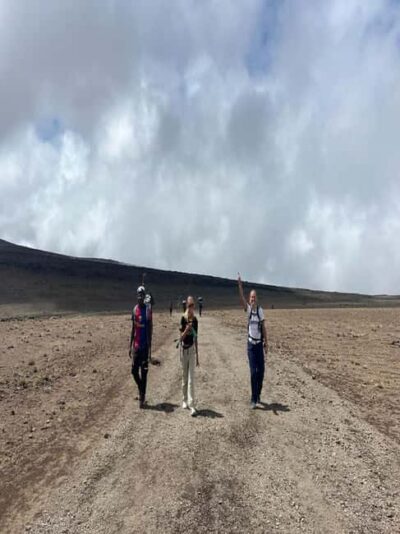 ★ 4.5From Arusha/Moshi: Kilimanjaro Hike Marangu Route Day TripFrom $10154 reviews
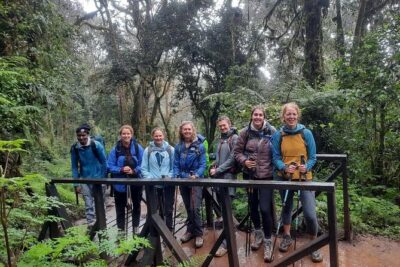 ★ 5.0Mount Kilimanjaro Day Hike Through Marangu Route to Mandara HutFrom $26537 reviews
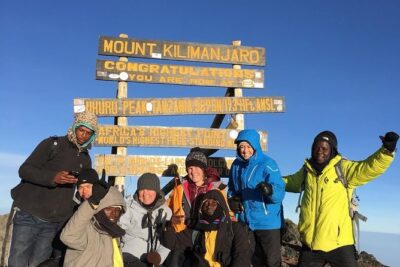 ★ 5.0Kilimanjaro Climbing 5 days Marangu routeFrom $90022 reviews
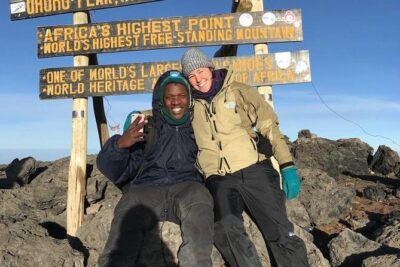 ★ 5.0Best Kilimanjaro Adventures 6 Days Marangu Route ExperienceFrom $1,00018 reviews
 ★ 5.0Kilimanjaro Private Climbing in 6 Days Marangu RouteFrom $2,00016 reviews
Browse the lists this tour appears in