
REVIEW · MULTI-DAY NORTHERN CIRCUIT SAFARI PACKAGES
#1. Best 7 days kilimanjaro trek Machame route join group
Kilimanjaro hits different when you sleep in huts. This 7-day Machame Route keeps things scenic and varied, moving from montane rainforest up into moorland, alpine desert, and finally the Arctic-like air near the summit. I like that the hike is structured around acclimatization days, and I also like the hut accommodation style, because that beats the soggy, cold tent routine on many other climbs. One drawback to plan for early: the headline price does not automatically cover every required park and staff-related fee, so your final bill can be higher than you expect.
I’m also drawn to how this route gives you a clear summit goal without the whole thing feeling like one long grind. Day 6 is a marathon, sure, but the earlier climb to places like Lava Tower helps your body and mindset learn altitude. My one caution is practical: you need to bring the right cold-weather layers and light gear, and you should budget time for a very early start on summit night.
In This Review
- Key points before you go
- Why the 7-day Machame route is such a smart choice
- Price and logistics: what $900 usually means in real life
- Day-by-day Machame route: what each stage feels like
- Day 1: Machame Gate to Machame Camp (rainforest start)
- Day 2: Machame Camp to Shira Camp (rainforest to moorland)
- Day 3: Shira Camp to Barranco Camp via Lava Tower (the acclimatization king)
- Day 4: Barranco Camp to Karanga Camp (Barranco Wall day)
- Day 5: Karanga Camp to Barafu Camp (getting ready for midnight)
- Day 6: Barafu Camp to Uhuru Peak to Mweka Camp (the long summit day)
- Day 7: Mweka Camp to Mweka Gate (final descent and certificate)
- Summit night, simplified: what to expect at the top
- What to bring: the gear that actually saves comfort
- Hut stays on Kilimanjaro: why they matter for your energy
- Guided safari tours plus Kilimanjaro: how this package adds value
- Who this group trek is best for
- Should you book this 7-day Machame group trek with KILINGE-ADVENTURES?
- FAQ
- Are national park fees included in the price?
- What accommodation style is used on this Kilimanjaro trek?
- How long is the summit day from Barafu to Uhuru Peak and down to Mweka?
- When does the summit attempt start?
- What’s included in the tour package?
- What should I bring for this trek?
- What language is the guide or service offered in?
- Where do you transfer after finishing the trek?
Key points before you go
- Hut accommodations on the Machame Route: You sleep in huts instead of camping every night, which can make a big difference at high altitude.
- A route built for acclimatization: Stops like Lava Tower and a shorter day before the summit push help reduce the odds of rushing your body.
- Big ecosystem change in 7 days: Rainforest to moorland to alpine desert, then a return down through rainforest.
- Clear summit plan with a midnight start: The climb begins at midnight toward Stella Point and Uhuru Peak.
- You must budget extras beyond the base price: National park fees are not included, and there can be additional entrance and staffing-related costs.
Still weighing it up? These Kilimanjaro National Park trips came out well when we reviewed them.
- #1. Kilimanjaro 5-days hiking Marangu joining tour★ 4.8 · 4 reviews
- Kilimanjaro: Shira plateau to Cathedral point 3872m Day hike★ 4.8 · 3 reviews
Why the 7-day Machame route is such a smart choice
The Machame Route is one of the most scenic ways up Kilimanjaro because you don’t just gain height, you switch worlds. On paper, the biggest win is the mix: rainforest on day one, moorland early on, then alpine desert around the middle of the trek, and finally the cold, thin-air zone near the top. That variety keeps your motivation up, especially after the first day when your legs are still figuring out the pace.
I also like the rhythm of this particular 7-day schedule. You get gradual climbing, plus built-in altitude logic. Lava Tower is high, but it’s not an all-day suffering contest. Then you get a shorter day at Karanga, which gives your body a breather before you lock into the summit push.
And yes, the hut stays matter. Your nights are usually when cold air and fatigue decide if you sleep well. Here, the plan is huts for accommodation, which typically feels more stable than hauling everything for tent nights, especially when the temperatures can be rough.
Price and logistics: what $900 usually means in real life
The advertised price is $900 per person for the 7-day experience. That can be good value because it bundles a lot: hut accommodation, meals, drinking water, transportation, and what they list as camping equipment plus a sleeping mattress. You also get transfer from your hotel in Moshi to the gate, and the provider includes professional guided safari tours alongside the Kilimanjaro experience.
But read the fine print style here: national park fees are not included in the price. On top of that, one past participant pointed out that there may be additional entrance fees for guides and porters, plus fees for yourself. In that same note, they budgeted tips at about $50 per accompanying person, and even ran an example math total using 7 guides at $50 each. The takeaway is simple: before you pay, ask for a written, itemized breakdown of what the $900 covers and what remains your responsibility.
If you want a smooth trip, treat the base cost like the platform, not the whole staircase. Your best move is to confirm three numbers in advance: national park fees, any entrance fees tied to guides and porters, and a realistic tipping plan.
Day-by-day Machame route: what each stage feels like
Below is what you should expect based on the route plan, including distances, hike times, and the altitude changes. Also note one small thing: a couple of the listed distance conversions look mismatched on the page (for example, one day shows 1 km and 7 miles together). In practice, the hiking time range is what you’ll feel most, so don’t panic about the math on printed listings.
Day 1: Machame Gate to Machame Camp (rainforest start)
You start at Machame Gate after registration, beginning around 1,800 m. The hike climbs to roughly 2,835 m over about 5 to 7 hours, passing through montane rainforest.
This is the day that sets the tone. The goal is to move steadily, not sprint. It’s also where the trail feels most alive, with plenty of bird activity and the chance to spot things like colobus monkeys. By late afternoon, you reach Machame Camp, eat, and acclimatize in a quieter rainforest setting.
Why this stage matters: It gets you walking right away, but the altitude gain is still moderate enough to get your rhythm.
Day 2: Machame Camp to Shira Camp (rainforest to moorland)
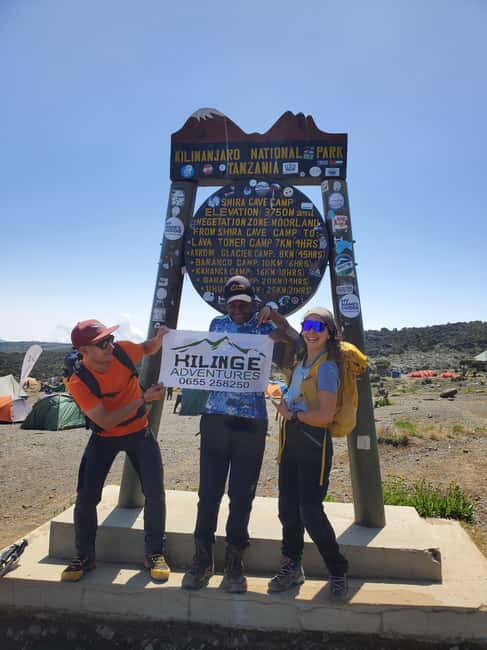
Today’s around 4 to 6 hours, climbing from about 2,835 m to 3,750 m. You start in moorland after leaving the rainforest zone, and the trail tends to get steeper and rockier.
Expect big views of the Shira Plateau and Kibo Peak as the environment opens up. It’s still not summit territory, but the air feels different. You’ll sleep at Shira Camp overnight.
Possible drawback: This is where some people start feeling altitude sooner than they expected, especially if they push pace early. Keep your breathing controlled and let the guides set the move.
Day 3: Shira Camp to Barranco Camp via Lava Tower (the acclimatization king)
This is a longer day, about 7 to 8 hours for roughly 10 km, rising to a high point around 4,600 m at Lava Tower before descending to about 3,900 m at Barranco Camp. The habitat shifts into alpine desert.
Lava Tower is a key moment because it lets your body experience higher elevation briefly, which can help later stages. After a break near Lava Tower, you descend to Barranco. The Barranco area is famous for striking plant shapes, and the plan here includes views of the Barranco Valley and the tall giant senecio plants.
Why you’ll be glad for this day: It’s not the summit, but it trains your legs and your altitude confidence.
Day 4: Barranco Camp to Karanga Camp (Barranco Wall day)
This is one of the more memorable hiking days. You go about 4 to 5 hours and gain from roughly 3,900 m to 4,035 m. The headline feature is the Barranco Wall, which the route describes as an exhilarating scramble.
You’re traversing ridges and valleys in an alpine desert setting. The day ends at Karanga Camp and is intentionally shorter.
Why the “shorter” day is a win: After the Barranco effort, you need recovery before you go to Barafu, so your body can handle the summit schedule better.
Day 5: Karanga Camp to Barafu Camp (getting ready for midnight)
A shorter distance again, about 4 km for 4 to 5 hours, from around 4,035 m to 4,640 m. This is alpine desert terrain, and the plan is steady climbing toward Barafu Camp.
Barafu is your launchpad for the summit push. You rest, hydrate, and prepare for a midnight ascent toward Uhuru Peak.
Practical note: Day 5 is where you should treat your pre-summit routine like part of the hike. If you sleep poorly or forget essentials, it shows up later at altitude.
Day 6: Barafu Camp to Uhuru Peak to Mweka Camp (the long summit day)
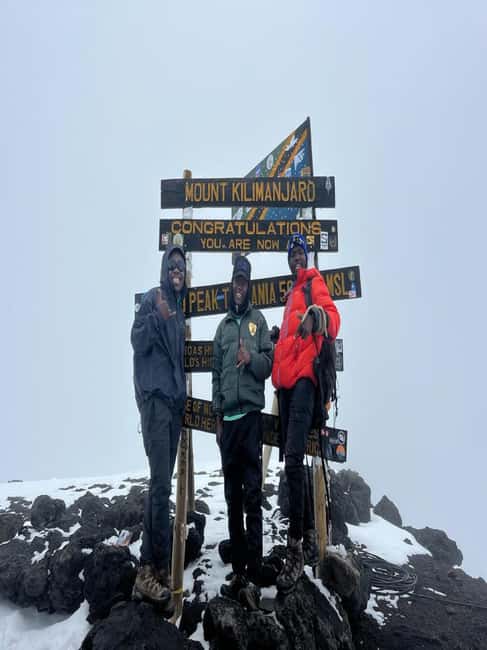
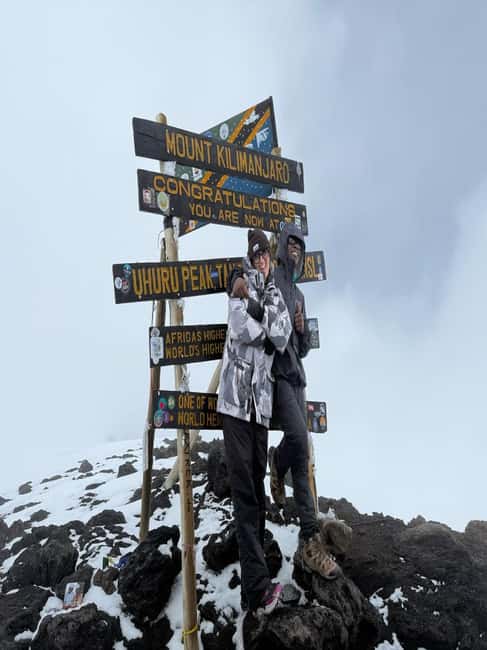
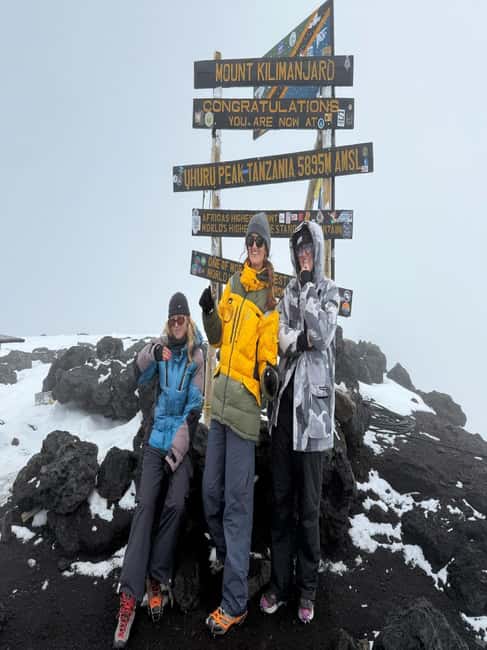
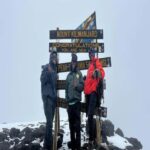
This is the big one. The plan shows about 10 to 14 hours over roughly 17 km. You start at 4,640 m, then climb to summit elevation around 5,895 m (Uhuru Peak), then descend all the way to about 3,110 m at Mweka Camp.
The schedule begins at midnight. The route plan mentions reaching Stella Point first, then continuing on to Uhuru Peak. After celebrating the top, you descend toward rainforest for the night at Mweka Camp.
What this day means for you: Even if you feel strong earlier, the summit phase is always a mix of cold, thin air, and slow steps. The route’s earlier acclimatization stages are there for a reason.
Possible drawback: Time on this day can be brutally long. If you’re someone who gets impatient when it takes longer than expected, plan for calm. Your pace wins this game.
Day 7: Mweka Camp to Mweka Gate (final descent and certificate)
Your final hiking day is about 3 to 4 hours for about 10 km, descending from around 3,110 m to roughly 1,640 m. The route moves back through rainforest. After you reach Mweka Gate, you collect your certificate of achievement, then transfer back to Moshi or Arusha for relaxation or onward travel.
Why this matters emotionally: It’s a “your work is done” day. You’ll feel it in your body on the descent, and the certificate helps you mark the effort.
Summit night, simplified: what to expect at the top
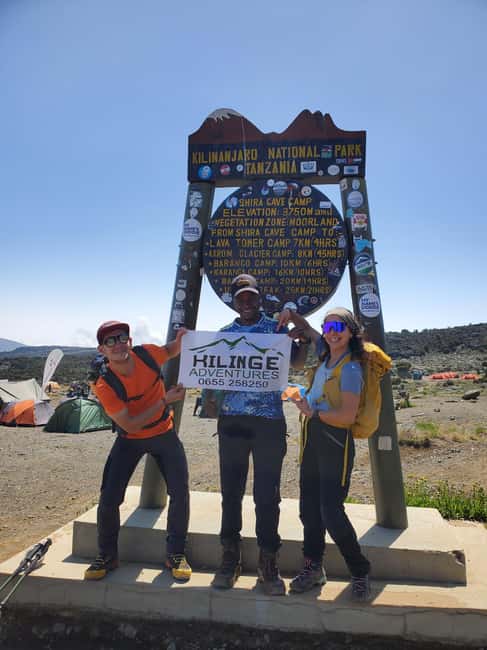
The plan is clear about the timing: the summit attempt begins at midnight. That means you’ll likely be waking up early, stepping into colder air, and moving in near-dark conditions (so a reliable flashlight plan is important).
The climb route lists Stella Point and then Uhuru Peak. Even if you already know the names, in the moment you’ll feel the change most through your breathing and stamina. The higher you go, the more you’ll want to slow down. Go slower than your brain thinks. This is one of those climbs where being a touch conservative often leads to a more successful top experience.
What to bring: the gear that actually saves comfort
The trip plan gives you a list, and you should treat it as a checklist, not a suggestion. Since you climb from rainforest down below to Arctic-like conditions near the summit, temperature swings are real.
Bring:
- Snacks (for small energy boosts)
- Jacket
- Gloves
- Sleeping bag
- Climbing gear
- Socks
- Flashlight
- Daypack
- Hiking pants
- Trekking gear
- Power bank
Also, since the provider includes sleeping mattress and camping equipment, you can focus your packing on personal warmth and movement comfort. If your hands and feet get cold, the whole experience gets harder.
Hut stays on Kilimanjaro: why they matter for your energy
This is one of the big highlights of the Machame 7-day plan: hut accommodations instead of tent camping style. That changes the feel of each evening. You’re still high up, still tired, still dealing with altitude, but you’re not also fighting as much with pitching, setup, or wet tent issues.
It also means your night routine is more predictable. If you’re trying to conserve energy for a midnight summit day, predictable sleeping helps.
Guided safari tours plus Kilimanjaro: how this package adds value
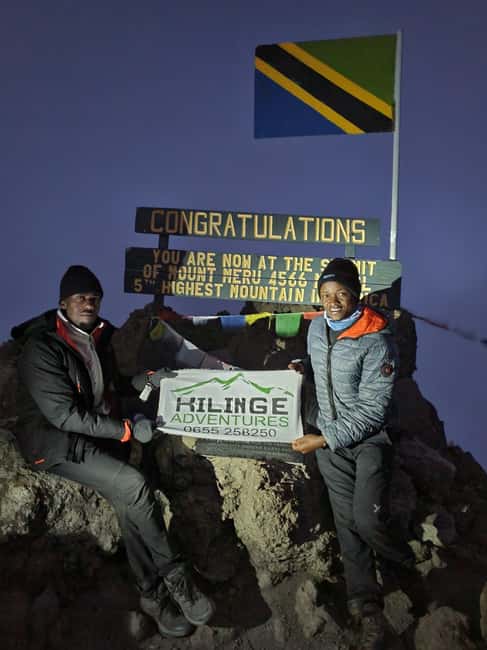
The package includes professional guided safari tours. The key value for you is that it turns your Tanzania trip into more than one intense hiking day. You can plan a wider itinerary, using safari time to relax your muscles while still seeing real wildlife.
The plan also includes the transport pieces: transfer from your Moshi hotel to the gate, plus the final transfer back to Moshi or Arusha after you finish at Mweka Gate. That matters because Kilimanjaro logistics can be tiring on their own, and you don’t want to spend the last day solving transportation.
Who this group trek is best for
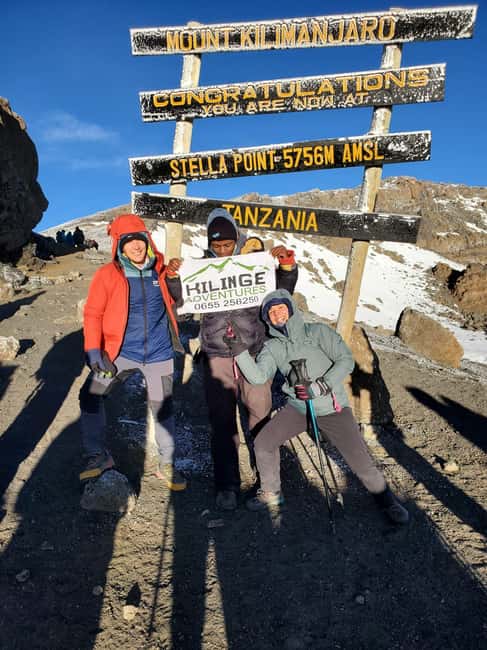
This 7-day Machame route is a good match if you want:
- A 7-day timeline that uses acclimatization days instead of racing up
- A route with varied ecosystems and frequent changes in scenery
- A summit plan that starts at midnight and aims for Uhuru Peak and Stella Point
- The comfort advantage of hut accommodation
If you’re newer to high-altitude trekking, this kind of structured pacing tends to be more forgiving. If you’re very experienced and want maximum challenge, it can still be tough, but the design is more about consistency than pure speed.
Should you book this 7-day Machame group trek with KILINGE-ADVENTURES?
If you want a classic, scenic Kilimanjaro route with hut stays and a plan that prioritizes acclimatization, this looks like a strong choice. The overall experience rating is high, with one participant noting the trip organization was well handled, and another simply calling it very nice.
Just be smart with the money side. Since national park fees are not included and additional entrance and staffing-related costs can come up, you should request a clear, itemized cost breakdown before you commit. Also plan a tipping approach upfront. One past note used a rough guide of about $50 per accompanying person, with an example total based on 7 guides.
Do that, pack your cold-weather gear seriously, and take the walking days at a controlled pace. If you handle those parts, you’re in a good position to have the kind of Kilimanjaro summit day people remember for years.
FAQ
Are national park fees included in the price?
No. The tour information says national park fees are not included in the $900 price.
What accommodation style is used on this Kilimanjaro trek?
You stay in huts. This is specifically listed as part of the Machame route experience, unlike camping situations on other routes.
How long is the summit day from Barafu to Uhuru Peak and down to Mweka?
The plan lists about 10 to 14 hours for Barafu Camp to Uhuru Peak to Mweka Camp, starting at about 4,640 m and reaching a summit elevation around 5,895 m before descending to about 3,110 m.
When does the summit attempt start?
The information says the summit ascent begins at midnight.
What’s included in the tour package?
Included items listed are hut accommodation, professional guided safari tours, transfers from a Moshi hotel to the gate, transportation, meals, drinking water, camping equipment, and a sleeping mattress.
What should I bring for this trek?
The tour lists snacks, a jacket, gloves, a sleeping bag, climbing gear, socks, a flashlight, a daypack, hiking pants, trekking gear, and a power bank.
What language is the guide or service offered in?
The tour information lists English.
Where do you transfer after finishing the trek?
After you reach Mweka Gate on the final day, you collect your certificate and then transfer to Moshi or Arusha for relaxation or onward travel.
Kilimanjaro, Route by Route
- #1. Kilimanjaro 5-days hiking Marangu joining tour
★ 4.8 · 4 reviews - Kilimanjaro: Shira plateau to Cathedral point 3872m Day hike
★ 4.8 · 3 reviews
Just added from around Kilimanjaro National Park
Multi-Day Northern Circuit Safari Packages, compared.
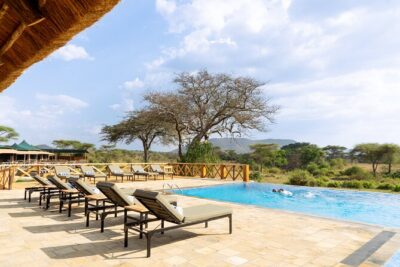 ★ 5.07-Day Premium Luxury Tanzania Safari All-InclusiveFrom $4,840426 reviews
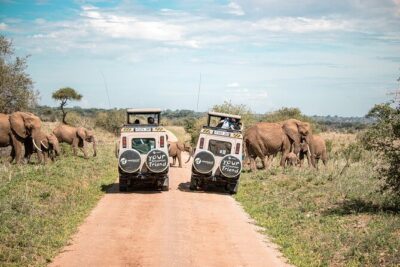 ★ 5.0Tanzania Wildlife Encounters – 6 DaysFrom $3,413277 reviews
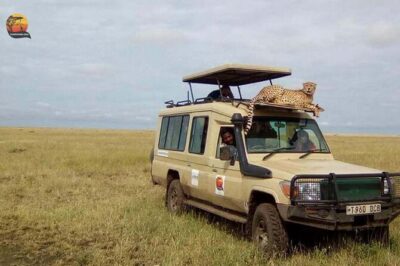 ★ 5.0Group Safari 7 Days in Tanzania’s Main ParksFrom $3,000240 reviews
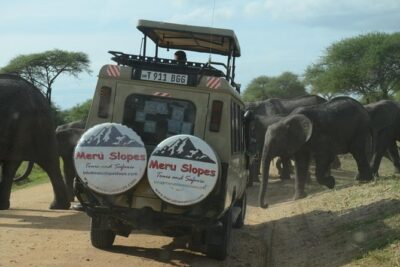 ★ 5.04 Days Join Group tour Tarangire Serengeti and Ngorongoro craterFrom $1,090219 reviews
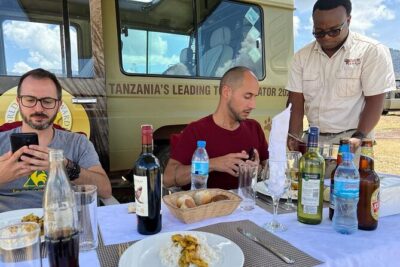 ★ 5.05-Day Private Northern Tanzania Safari from ArushaFrom $2,780182 reviews
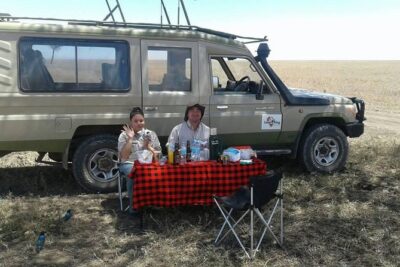 ★ 5.05 Days Best of Tanzania Luxury Safari Northern CircuitFrom $3,744174 reviews
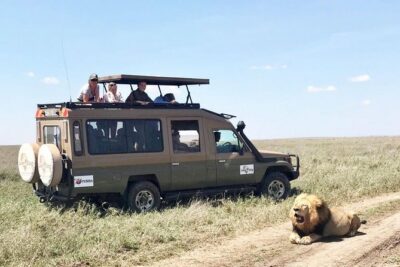 ★ 5.08 Day Spectacular Migration Serengeti mid -Range Tanzania SafariFrom $4,257161 reviews
 ★ 5.0Multi-Day Tanzania Odssey Safari from ArushaFrom $4,164120 reviews
Browse the lists this tour appears in