
REVIEW · MULTI-DAY NORTHERN CIRCUIT SAFARI PACKAGES
Tanzania Wildlife Cultural Safari from Arusha.
Wildlife feels close here. This Arusha-based Northern Circuit route blends classic parks with hands-on culture stops. You’ll move in a small group and spend real time on the animals, not just driving past them.
What I like most is the way the safari is set up for wildlife viewing. With a maximum of 6 travelers per vehicle and window seats, you get better angles and less waiting around.
The other big plus is the human side. Past groups on similar Tanzania Wildlife Adventures trips consistently praise guides by name, including Yusuph, Marck, Baraka, Swai, and Moses, for knowing how to read the parks and keep things running smoothly. One consideration: this is an 11-day, park-heavy trip with long road days and at least one proper hike, so it’s best if you’re comfortable with early mornings and getting out of the vehicle when your guide says it’s worth it.
In This Review
- Key highlights before you book
- Why Arusha works so well for this Northern Circuit trip
- Arusha National Park: Mount Meru’s wildlife intro
- Lake Manyara’s Rift Valley setting, birds, and tree-climbing lions
- Karatu, the Ngorongoro Forest hike, and the Iraqw cultural center
- Lake Eyasi: birds and Hadzabe hunter-gatherer life
- Serengeti: migration country plus optional detours
- Ngorongoro Crater: black rhinos, 20,000 animals, and soda lake birds
- Tarangire National Park: the river that keeps animals close
- How the small-group open-roof setup changes the safari feel
- Price and value: what $4,999 is really paying for
- Who should book this safari, and who might want a different fit
- Should you book this Tanzania Wildlife Cultural Safari from Arusha?
- FAQ
- Where does the safari start, and do you offer pickup?
- What time does the tour start?
- How many travelers are on the safari?
- What vehicle style will we ride in for game drives?
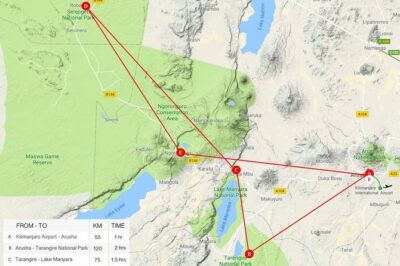
- Which parks and areas are included?
- Is there any hiking during the trip?
- Are meals, accommodations, and park entry fees included?
- What cultural experiences are part of the itinerary?
- What does the itinerary cover at Ngorongoro Crater?
- Can I cancel for a full refund?
Key highlights before you book
- Max 6 travelers per vehicle with window seats means more comfortable game driving and less crowding
- Open-roof 4×4 vehicles improve sightlines for birds, big cats, and close-up moments
- Arusha National Park near Mount Meru gives you an easy first taste of Tanzania wildlife
- Tree-climbing lions in Lake Manyara adds a rare, unforgettable twist to the classic circuit
- Ngorongoro Crater descent mixes black rhinos, big predators, and birdlife at Makat Soda Lake
- Hadzabe and Iraqw cultural visits go beyond photos, with real daily-life observations
Longer northern circuit routes, side by side
- Tanzania Classic – 7 Days★ 5.0 · 1,151 reviews
- Tanzania Wildlife Encounters – 6 Days★ 5.0 · 277 reviews
- Group Safari 7 Days in Tanzania’s Main Parks★ 5.0 · 240 reviews
- 4 Days Join Group tour Tarangire Serengeti and Ngorongoro crater★ 5.0 · 219 reviews
Why Arusha works so well for this Northern Circuit trip
Arusha is a practical launchpad. It’s close enough to major safari parks that you can get moving quickly, but it still feels like a real Tanzanian starting point, not a rushed airport routine. On day one, you’ll be met at the airport with a driver holding a name sign, then transferred to Springlands hotel for a welcome meal and a pre-safari briefing.
That briefing matters. Before you’re out on the roads and inside park gates, you’ll have your route expectations set and your guide will help you understand what to look for. It’s the difference between wandering through information and knowing what sightings can be realistic.
Another smart touch: the itinerary includes Arusha National Park very early. That way, you don’t have to wait days to see wildlife. You also get a chance to adjust to the pace, the vehicle schedule, and the feeling of being in Africa before the big-name parks.
Arusha National Park: Mount Meru’s wildlife intro
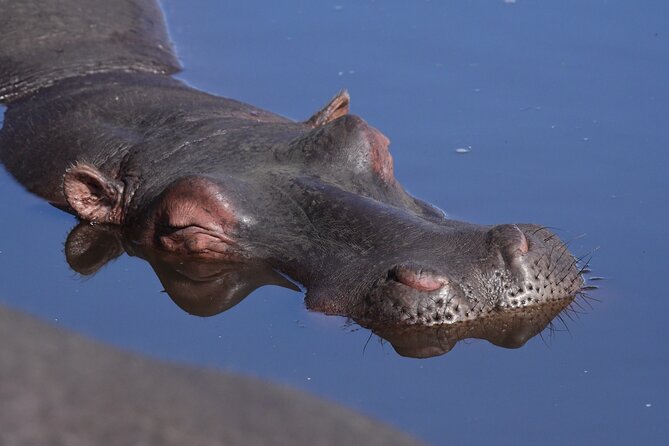
Day two is your first game-viewing day, and it’s a good one. Arusha National Park sits under the big presence of Mount Meru, and the park’s animals are diverse. You can expect species like hippos, giraffes, zebras, warthogs, waterbucks, and bushbucks.
Some animals are less guaranteed here. Leopards and hyenas are possible but more occasional, so don’t plan your photos like you’ll definitely see them. Instead, treat Arusha NP as your warm-up day where you learn how your guide finds animals and how the park’s terrain affects visibility.
One neat detail: Arusha’s alkaline conditions create a year-round breeding area for flamingoes. If you catch the birds at the right moment, it’s a reminder that not all “wildlife viewing” is about big mammals. Sometimes it’s about reading the water and shoreline conditions your guide notices.
Overnight at Highview Coffee Lodge or similar keeps you comfortable without making the early part of the trip too fussy. You’re building momentum, not burning energy.
Lake Manyara’s Rift Valley setting, birds, and tree-climbing lions
Lake Manyara National Park is one of those places that feels like it has multiple habitats in one area. You’ll get the classic Rift Valley escarpment backdrop, plus shifting ecosystems: acacia woodland, grassy plains, swampy zones, and the big lake itself.
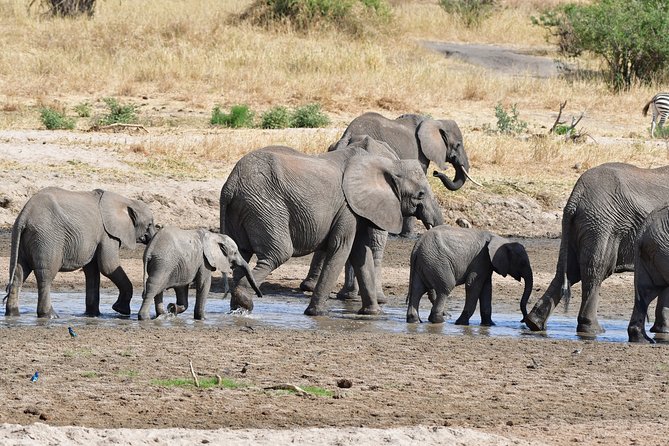
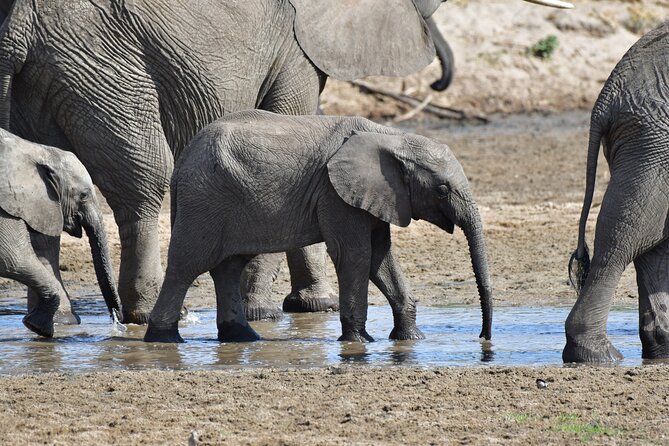
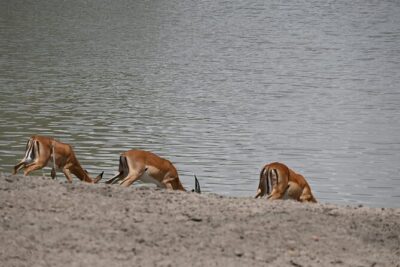
That variety helps your sighting odds. The park is known for buffalo, impala, giraffe, bushbuck, waterbuck, hippos, and elephants that roam near the lake. Birds can also steal the show, and you’ll likely see monkeys like blue monkeys, vervet monkeys, and very active olive baboons.
The headline attraction is the possibility of tree climbing lions. It’s not something you can schedule like a show, but it’s a real trait of this ecosystem, and it’s exactly the kind of reason people spend extra money for a Northern Circuit safari that includes Manyara.
A practical tip for this kind of park day: keep your expectations flexible. Manyara can deliver dramatic moments, but some days are more about birdlife, social monkey troops, and elephants near water than about one big predator moment. If you’re ready for that, you’ll enjoy it more.
Karatu, the Ngorongoro Forest hike, and the Iraqw cultural center
After Lake Manyara, you’ll spend a day around Karatu, in the region between Ngorongoro and Lake Manyara. Karatu itself is described as a colourful place to shop for souvenirs, and that can be a nice way to break up safari-only days.
Then comes a hike in the Ngorongoro Conservation Area. This is a two-hour walk through forested slopes with a couple of standout sights you might see, including a waterfall and what are sometimes called elephant caves. The idea is that elephants dig up the soil to reach vitamin-rich earth, which creates those eroded spots that become important features in the landscape.
You might also see buffalo, bushbuck, waterbuck, and baboons drawn to the area. Since it’s a walk, sightings can feel more personal than from the vehicle, but you’ll want to wear comfortable shoes and be ready for a warm, active morning.
In the afternoon, you swap “game drive” for culture at an Iraqw cultural center. The surrounding area is Iraqw homeland, and the focus is on locally developed intensive cultivation techniques. This part is valuable because it helps you understand land use, not just wildlife. It’s also a good reminder that conservation and wildlife viewing sit on top of human history and farming life.
Lake Eyasi: birds and Hadzabe hunter-gatherer life
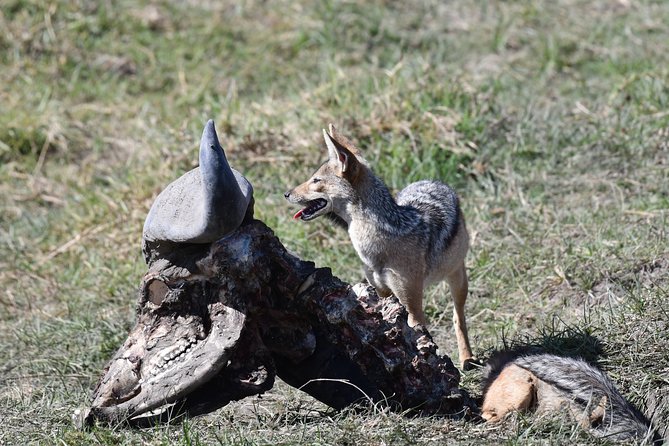
Lake Eyasi is a different kind of stop. It’s about 55 km long, and it’s described as mildly alkaline. That’s part of why birdlife can be spectacular, including flamingos, pelicans, spoonbills, weavers, spurfowls, storks, barbets, egrets, and more.
This is also where the trip turns toward human culture in a hands-on way. The visit includes meeting the Hadzabe people, an indigenous hunter-gatherer community. You’ll be observing their way of life at homesteads and learning how they survive in the environment using what’s available. The tour description specifically notes hunting in groups with bows and arrows, and traditional approaches to illness using their own medicines.
I want you to think about this day as an encounter, not a spectacle. Ask questions through your guide, follow the pace set by your hosts, and keep your camera use respectful. If you do that, this can be one of the most meaningful days on the entire circuit because it’s about living knowledge, not staged culture.
Serengeti: migration country plus optional detours
Serengeti days are built for game drives, and you’ll get two full days for it. Serengeti is one of those parks where even when you don’t hit a “once-in-a-lifetime” predator moment, the scenery, animal behavior, and sheer scale still deliver. The word Serengeti comes from Maasai language and is described as meaning endless plain.
Your trip includes time en route where you can choose optional stops. One is visiting a Maasai village, where you can explore Maasai culture and even participate in some tribal activities. Another option is Olduvai Gorge, often called the Cradle of Humanity. The museum there is described as a testament to humanity’s long journey in East Africa.
Once you’re in the park, your guide will work with the terrain. Serengeti has multiple zones: open grass plains in the south, savanna with scattered acacias in the center, hilly wooded grassland in the north, and extensive woodland and black clay plains to the west. Predators like lion and cheetah are often associated with kopjes, those rocky outcrops that create both cover and hunting vantage points.
The migration is the star at the high level, but don’t treat it like a guarantee. Instead, treat your two days as your best shot at seeing the whole food chain at work: wildebeest, zebra, and antelope in motion, then the predators reacting to them.
Ngorongoro Crater: black rhinos, 20,000 animals, and soda lake birds
Ngorongoro is where many safari bucket lists get real. You’ll drive with a morning game drive en route, then descend into the crater for game driving and exploration. The crater is described as 600 m deep, 16 km across, and 265 sq km in area, and it’s often called the eighth wonder of the world.
What I like about the way this portion is set up is that it’s not just driving to the edge. The descent changes everything. Sight lines get different, animals feel closer, and your guide has to read the slopes and grassland conditions.
A key detail: the crater is one of the places where many of Tanzania’s last remaining black rhinos can be seen grazing on the open grassland. You’ll also find a wide mix of other large animals, with the tour description referencing around 20,000 animals occupying the crater, including lion, cheetah, eland, zebra, and gazelle.
Birdlife adds another layer. Flamingos and other birds can feed at Makat Soda Lake. If you’re the type who enjoys birds as much as big mammals, this is a strong day.
Overnight at Highview Coffee Lodge or similar keeps you close enough for the next move, without turning the crater day into an all-day grind.
Tarangire National Park: the river that keeps animals close
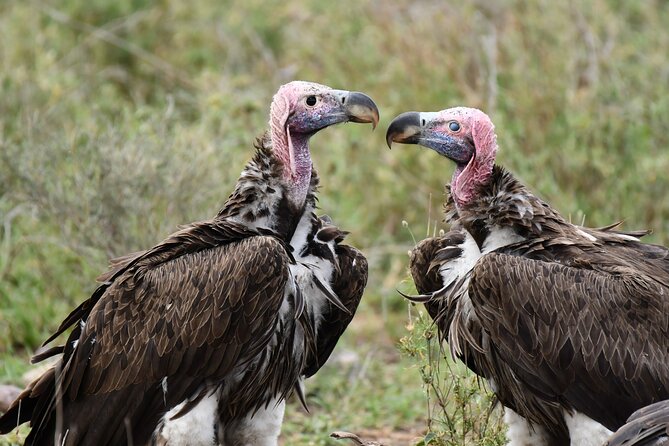
Tarangire is often best understood as a dry-season advantage park. The tour description highlights the Tarangire River, which never dries up. During dry months, that makes it a magnet for animals because it’s one of the only reliable water sources.
That means your game drives can feel more productive. The park is described as having grassy savannah plains, swamps, hills, and spectacular baobabs. Baobabs aren’t just scenery props, they’re real anchors for animal movement and shade patterns, which your guide can use to time sightings.
If you’ve spent days focused on the biggest ticket parks, Tarangire is a good “re-centering” stop. The animals gather around water and food, and the park feels grounded and practical, like it’s doing what it does every day, not just when the stars align.
How the small-group open-roof setup changes the safari feel
This is a seat-in-vehicle safari, and that matters more than many people expect. With a maximum of 6 travelers per vehicle and window seats, you’re not crammed shoulder-to-shoulder. You also get a better balance between comfort and viewing.
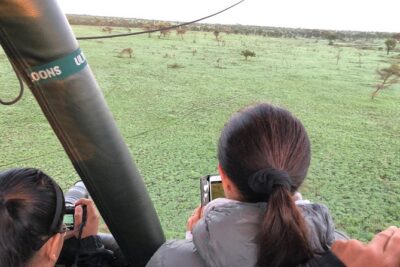
The vehicles are custom designed 4×4 safari vehicles with open roofs for game viewing. That open roof detail is a big deal for how you experience the parks. You can see over brush, hear animal calls more clearly, and capture better angles when your guide spots something close by.
Small group also means the rhythm is simpler. Less time negotiating whose phone is out of reach or whose seat is blocking a window. You can focus on what your guide is doing: scanning for movement, checking tracks, and adjusting when animals shift location.
For your own planning, think about sun and dust. Expect heat during the day, possible cool mornings, and dusty roads. Pack for layers and for wiping things down, because your car and clothes will pick up park dust over the course of an 11-day circuit.
Price and value: what $4,999 is really paying for
At $4,999 per person for an 11-day safari, you’re not just buying “transport and animals.” You’re paying for the whole operating system: guide time, park access, lodging, and the ability to do a tight circuit across several major wildlife areas and culture stops.
The trip description states that the safari includes meals, accommodation, park entry fees, and visits to Lake Manyara and Ngorongoro Crater for the core set of days. That matters because park fees and in-park nights can add up fast in Tanzania.
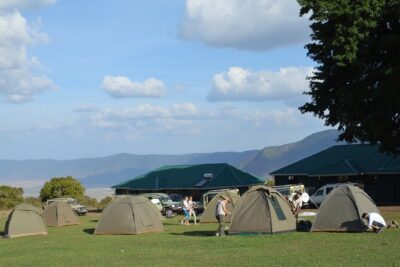
On top of that, the accommodations are described as beautiful, with attractive environments and tranquility. Some hotels are located inside the park, and others outside. Staying inside the protected areas can change the atmosphere of the day, even if you’re still driving for most wildlife viewing.
Finally, the guide quality seems to be a major part of why people rate these experiences so highly. Named guides like Yusuph, Marck, Baraka, Swai, and Moses show up in past feedback for being friendly and expert, which is exactly what you want when you’re in vehicles all day and relying on someone else to spot the “small clues” before you do.
Who should book this safari, and who might want a different fit
This trip is a strong match if you want the classic Northern Circuit must-sees, but also want real cultural visits built into the schedule. You’ll see wildlife in Arusha National Park, Lake Manyara, Serengeti, Ngorongoro Crater, and Tarangire. You’ll also have scheduled culture time with the Iraqw cultural center and a Hadzabe visit at Lake Eyasi, plus optional choices like Maasai village or Olduvai Gorge.
It’s also a good fit for people who value a small group and better-than-average viewing comfort thanks to window seats and open-roof 4x4s.
It might be less ideal if you dislike hiking or you want a very slow, relaxing vacation. There is a two-hour hike in the Ngorongoro forest area, and you can expect long drive days since the circuit covers several regions. If you want to sleep in and move at a gentle pace, this itinerary style may feel like too much.
Should you book this Tanzania Wildlife Cultural Safari from Arusha?
I’d book this if you’re the kind of traveler who wants both animals and people to be part of the story. The blend is practical: parks with different species types, plus culture stops that explain how locals live on the land.
You should also book if you’ll appreciate guided spotting and don’t mind spending long hours in a vehicle. The small group setup is real value, and the open-roof viewing style helps you feel the parks, not just watch from behind glass.
If you’re on the fence, ask yourself one simple question: do you want a tight, high-activity safari week that includes at least one hike and multiple major parks? If yes, this is the kind of itinerary that can deliver memories you’ll still talk about months later. If no, consider a shorter circuit or a more relaxed lodging-based safari.
FAQ
Where does the safari start, and do you offer pickup?
The safari is based in Arusha, Tanzania, and pickup is offered. You will also be met at the airport on arrival with a driver holding a sign with your name.
What time does the tour start?
The start time listed is 8:30 am.
How many travelers are on the safari?
The safari has a maximum of 6 travelers per vehicle.
What vehicle style will we ride in for game drives?
You’ll travel in custom designed 4×4 safari vehicles with open roofs for game viewing. The safari is seat-in-vehicle with window seats.
Which parks and areas are included?
Included areas in the schedule are Arusha National Park, Lake Manyara National Park, Ngorongoro Conservation Area (including a hike and cultural visit in the Karatu area), Lake Eyasi, Serengeti National Park, Ngorongoro Crater, and Tarangire National Park.
Is there any hiking during the trip?
Yes. The schedule includes a hike to the Ngorongoro Forest with a duration of about two hours.
Are meals, accommodations, and park entry fees included?
The tour description states that the safari includes meals, accommodation, and park entry fees for the core wildlife portion described in the summary, and the itinerary also shows admission ticket notes as free or included on specific days.
What cultural experiences are part of the itinerary?
You’ll visit the Iraqw cultural center, meet the Hadzabe people at Lake Eyasi, and you may have optional visits to a Maasai village and/or Olduvai Gorge while traveling toward the Serengeti.
What does the itinerary cover at Ngorongoro Crater?
You’ll descend into the crater for game driving and exploration. The schedule highlights black rhinos on the crater floor and bird viewing connected to Makat Soda Lake.
Can I cancel for a full refund?
Yes. You can cancel up to 24 hours in advance of the experience for a full refund. If you cancel less than 24 hours before the start time, the amount paid is not refunded.
Longer Trips Through the North
- Tanzania Classic – 7 Days
★ 5.0 · 1,151 reviews - 7-Day Premium Luxury Tanzania Safari All-Inclusive
★ 5.0 · 426 reviews - Tanzania Wildlife Encounters – 6 Days
★ 5.0 · 277 reviews - Group Safari 7 Days in Tanzania’s Main Parks
★ 5.0 · 240 reviews - 4 Days Join Group tour Tarangire Serengeti and Ngorongoro crater
★ 5.0 · 219 reviews
Just added from around Arusha
Multi-Day Northern Circuit Safari Packages, compared.
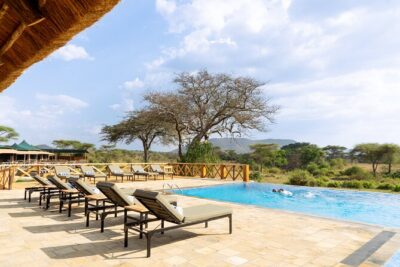 ★ 5.07-Day Premium Luxury Tanzania Safari All-InclusiveFrom $4,840426 reviews
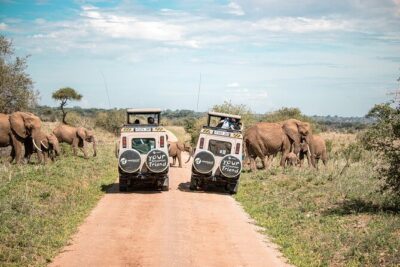 ★ 5.0Tanzania Wildlife Encounters – 6 DaysFrom $3,413277 reviews
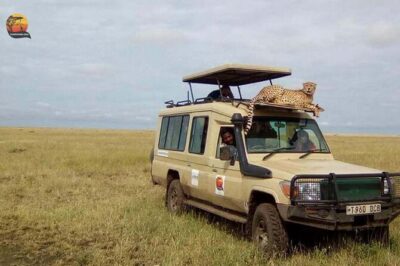 ★ 5.0Group Safari 7 Days in Tanzania’s Main ParksFrom $3,000240 reviews
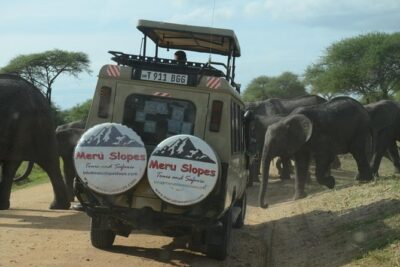 ★ 5.04 Days Join Group tour Tarangire Serengeti and Ngorongoro craterFrom $1,090219 reviews
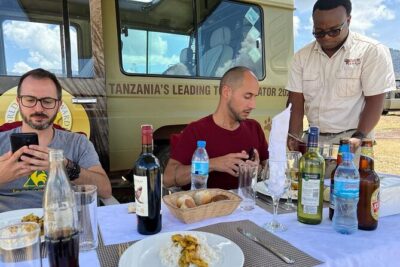 ★ 5.05-Day Private Northern Tanzania Safari from ArushaFrom $2,780182 reviews
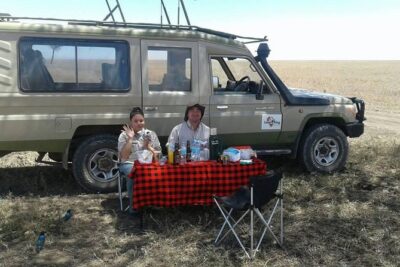 ★ 5.05 Days Best of Tanzania Luxury Safari Northern CircuitFrom $3,744174 reviews
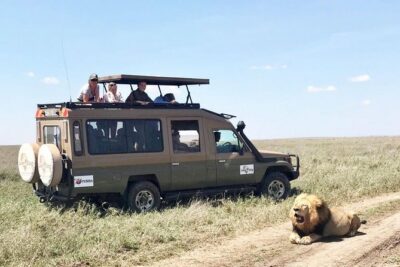 ★ 5.08 Day Spectacular Migration Serengeti mid -Range Tanzania SafariFrom $4,257161 reviews
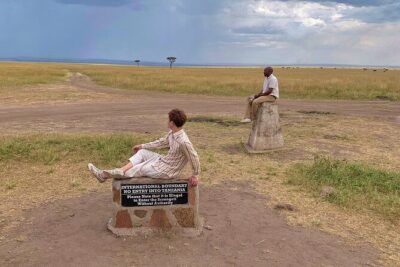 ★ 5.0Multi-Day Tanzania Odssey Safari from ArushaFrom $4,164120 reviews
Browse the lists this tour appears in